Is Growling Always Aggression? Dog Behaviour Explained
Puppy Training & Behaviour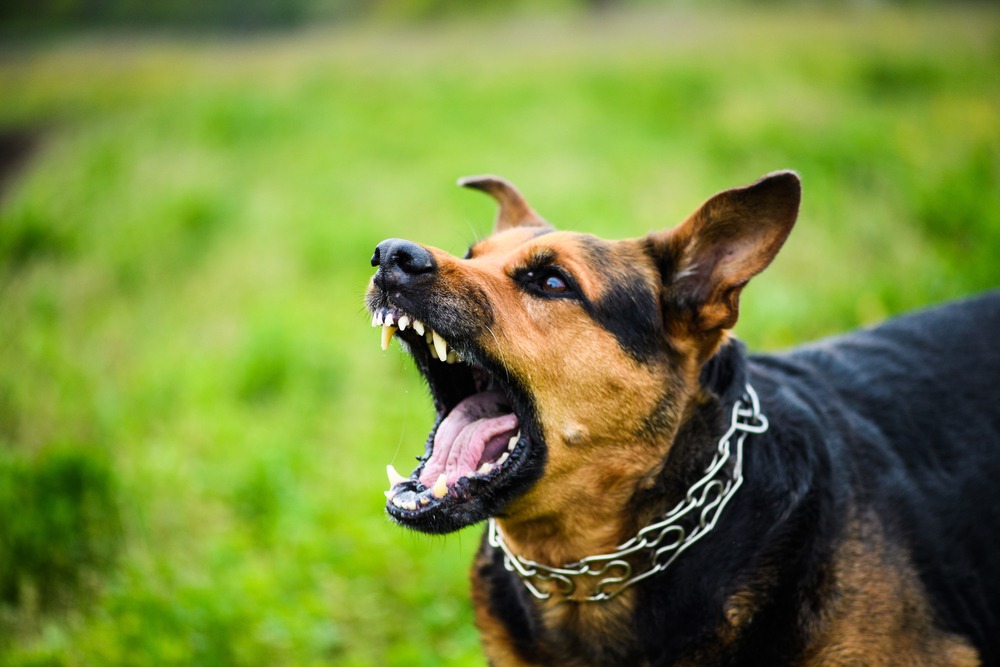 By James C. • March 23, 2026
Many people assume that when a dog growls, it is showing aggression. In reality, growling is a natural form of canine communication used to express a wide range of emotions.
Dogs may growl when they feel uncomfortable, fearful, protective, excited, or even playful. The meaning often depends on the situation and the dog’s body language.
Understanding dog growling meaning helps owners respond appropriately rather than reacting with fear or punishment. This guide explains why dogs growl, the different types of growling behaviour, how to read body language, and when growling may signal a behaviour concern.
What Dog Growling Really Means
Dog growling is often misunderstood as a sign of aggression, but it is actually an important form of communication. Dogs use growling to express their feelings and signal their intentions to people or other animals.
In many situations, a growl is simply a warning that the dog feels uncomfortable, threatened, or wants more space. Rather than immediately showing aggression, growling gives others the chance to recognise the dog’s boundaries and respond appropriately.
Growling can occur in many different situations. A dog may growl when protecting food, toys, or territory, when feeling frightened, or when experiencing pain or discomfort. In these cases, the growl acts as a signal that the dog wants the situation to stop or change.
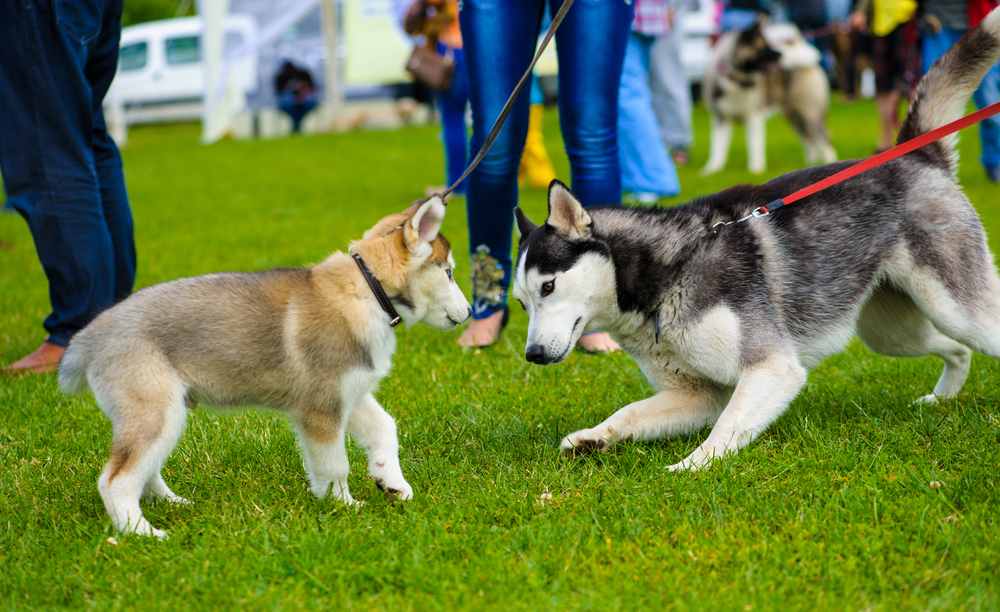
However, not all growling is negative. Some dogs growl during play or excitement, especially when interacting with other dogs or engaging in games such as tug-of-war. In these situations, the growl is usually accompanied by relaxed body language and playful behaviour.
Understanding the context and body language surrounding a growl is essential for interpreting what a dog is truly trying to communicate.
Common Reasons Dogs Growl
Dogs growl for many different reasons, often to communicate emotions or warn others about discomfort. Here are common reasons dogs growl and what their behaviour may be trying to communicate.
- Feeling Threatened or Uncomfortable: Dogs may growl when a person or animal approaches too quickly, enters their space, or behaves in a way that makes them feel unsafe or uneasy.
- Protecting Food, Toys, or Space: Resource guarding can cause dogs to growl when someone approaches their food bowl, favourite toy, bed, or other items they consider valuable.
- Fear or Anxiety in New Situations: Unfamiliar environments, loud noises, or sudden movements can make dogs feel nervous, leading them to growl as a defensive signal.
- Pain or Physical Discomfort: Dogs experiencing injury, illness, or soreness may growl when touched or moved, especially if the contact causes additional discomfort or reflects a broader dog health and vet care issue.
- Playful Excitement During Games: Some dogs growl while playing games like tug of war or wrestling, using the sound as part of energetic and enthusiastic play behaviour.
- Territorial Behaviour Around the Home: Dogs sometimes growl when strangers approach their home or yard, signalling that they are alert and protective of their territory.
Types of Dog Growling

Dogs growl in different situations, and each type of growl can communicate a different emotional state. Here are common types of dog growling and what they typically indicate.
1. Play Growl
Some dogs produce low growling sounds during play, particularly when engaging in games such as tug-of-war or roughhousing with other dogs. In these situations, the dog’s body language remains relaxed and loose.
Play growling usually occurs alongside wagging tails, playful movements, and pauses in the activity, showing the dog is enjoying the interaction.
2. Warning Growl
A warning growl occurs when a dog feels uncomfortable and wants to create distance from a person, animal, or situation. This type of growl often appears with stiff body language, focused staring, or raised posture.
It serves as an important communication signal, allowing the dog to express boundaries before escalating to snapping or biting.
3. Fearful Growl
A fearful growl happens when a dog feels threatened or anxious. The dog may display other signs such as a tucked tail, flattened ears, or avoidance behaviour. This growl is defensive rather than aggressive and signals the dog is trying to protect itself. In a newly adopted dog, a fearful growl often sits alongside other trauma behaviours in rescue dogs that ease as the dog learns its new home is safe.
Recognising these signals helps prevent situations that could escalate into defensive behaviour.
4. Resource Guarding Growl
Dogs may growl when protecting items they value, such as food, toys, or resting spaces. This behaviour is known as resource guarding and reflects an instinct to protect valuable resources.
The growl warns others not to approach too closely. Training and management strategies can help reduce guarding behaviour and promote safer interactions.
5. Pain-Related Growl
A pain-related growl occurs when a dog experiences physical discomfort and reacts to being touched or moved.
Dogs may growl during grooming, handling, or when an injured area is approached. This behaviour signals that the dog may be injured or unwell and often requires veterinary evaluation to identify the underlying cause.
Signs a Growl Is Playful
Not every growl signals danger. Dogs often growl during games and friendly interactions. Here are signs that a dog’s growl is playful rather than aggressive or defensive.
- Loose and Relaxed Body Posture: A playful dog usually has relaxed muscles, soft movements, and fluid body language rather than a stiff or tense posture during interaction.
- Wagging Tail and Bouncy Movements: Playful growling often appears alongside tail wagging, hopping, and energetic movements that show the dog is enjoying the interaction.
- Play Bow Behaviour: Dogs frequently lower their front legs and raise their hindquarters in a play bow, signalling an invitation to continue the game.
- Taking Turns During Play: During playful interactions, dogs typically pause, switch roles, and allow each other to chase or wrestle without sustained tension.
- Relaxed Facial Expression: A playful growling dog usually has soft eyes, an open mouth, and relaxed ears rather than showing teeth or intense staring.
- Quick Recovery After the Game Ends: When play stops, a playful dog quickly returns to calm behaviour rather than remaining tense or defensive.
Signs a Growl Is a Warning

Dogs often growl to signal discomfort before a situation escalates. Here are common warning signs that indicate a growl is defensive rather than playful.
- Stiff Body Posture: When a growl is a warning, the dog’s body becomes tense and rigid, showing that it feels threatened or uncomfortable in the situation.
- Raised Hackles Along the Back: The fur along the dog’s back may stand up when the dog feels threatened, signalling heightened alertness or defensive behaviour.
- Direct Staring or Hard Eye Contact: Dogs giving intense eye contact while growling are often warning another person or animal to keep their distance.
- Showing Teeth or Lip Curling: A dog that lifts its lips to show teeth while growling is displaying a clear signal that it feels threatened.
- Low, Sustained Growling Sound: Warning growls tend to be deeper and continuous, signalling that the dog wants the perceived threat to move away.
- Backing Away While Growling: Some dogs move backward while growling, indicating fear and a desire to increase distance from whatever is causing stress.
Situations That Commonly Trigger Growling
Dogs often growl when they feel uncomfortable, threatened, or protective in certain situations. Here are common situations that can trigger growling behaviour in dogs.
- Approaching a Dog While It Is Eating: Many dogs growl if someone comes too close to their food bowl because they feel the need to protect their meal.
- Touching a Dog That Is in Pain: Dogs experiencing injury or illness may growl when touched because the contact causes discomfort or fear.
- Strangers Entering Their Territory: Dogs may growl when unfamiliar people approach their home or yard as a protective response.
- Sudden Movements or Loud Noises: Unexpected actions or sounds can startle dogs and cause defensive growling.
- Taking Away a Valued Object: Dogs may growl when someone tries to remove a toy, treat, or object they consider valuable.
- Feeling Cornered or Trapped: Dogs that feel unable to escape a stressful situation may growl as a warning signal.
Why Growling Should Not Be Punished
Growling is an important warning signal that dogs use to communicate discomfort, fear, or a desire for space. When a dog growls, it is often trying to prevent a situation from escalating rather than acting aggressively. The growl allows people or other animals to recognise the dog’s feelings and adjust their behaviour.
Punishing a dog for growling can create serious problems. If a dog learns that growling results in punishment, it may stop giving this warning signal altogether.
While this might seem like an improvement, the dog may still feel threatened or uncomfortable internally. Without the growl as a warning, the dog may move directly to more serious behaviours such as snapping or biting.
Instead of punishing growling, it is more effective to identify what triggered the reaction. Understanding the cause helps owners manage the situation and reduce the dog’s stress using calmer training and behaviour strategies. Responding calmly and respecting the dog’s signals helps build trust and supports healthier communication between dogs and their owners.
When Dog Growling May Indicate a Behaviour Problem

While growling is normal communication, frequent or intense growling may signal a deeper behaviour issue. Here are situations where growling may indicate a behavioural problem.
- Growling Occurs Frequently Without Clear Triggers: Repeated growling in normal situations may indicate underlying anxiety or behavioural stress.
- Growling Escalates to Snapping or Biting: When growling quickly leads to aggressive actions, professional training or veterinary advice may be needed.
- Sudden Changes in Behaviour: A dog that suddenly begins growling more often may be experiencing pain, illness, or stress.
- Growling Toward Family Members: Persistent growling toward household members may signal fear, guarding behaviour, or training issues.
- Resource Guarding That Becomes Intense: Strong reactions around food, toys, or resting spaces may require behaviour modification.
- Growling Combined With Extreme Fear: Dogs that consistently show fear-based growling may benefit from structured behaviour training or veterinary guidance.
How Owners Should Respond When a Dog Growls
Understanding how to respond calmly when a dog growls helps prevent escalation and improves communication between the dog and owner. Here are responsible ways owners should respond when a dog growls.
1. Stay Calm and Avoid Sudden Reactions
When a dog growls, the most important step is to remain calm. Sudden movements, shouting, or punishment may increase the dog’s fear or stress.
Instead, pause and assess the situation carefully. Calm behaviour from the owner helps prevent escalation and allows the dog to settle rather than becoming more defensive.
2. Identify the Trigger Causing the Growl
Dogs usually growl for a reason, such as fear, discomfort, guarding behaviour, or pain. Observing the surrounding situation helps identify what caused the reaction.
Once the trigger is understood, the owner can adjust the environment or remove the stimulus to reduce the dog’s stress, especially if there are other signs of anxiety.
3. Give the Dog Space When Needed
If a dog growls because it feels threatened or overwhelmed, creating distance can quickly reduce tension. Step back slowly and allow the dog time to relax. Respecting a dog’s warning signal helps prevent the situation from escalating into snapping or biting.
4. Use Positive Behaviour Training
Training that rewards calm behaviour and builds confidence can help reduce future growling in stressful situations. Positive reinforcement techniques encourage dogs to respond appropriately rather than reacting defensively. Professional trainers can guide owners in addressing triggers safely.
5. Monitor for Signs of Pain or Illness
Sometimes growling is linked to physical discomfort. If a dog suddenly begins growling when touched or handled, a veterinary check may be necessary. Identifying and treating underlying health issues helps prevent defensive reactions caused by pain.
6. Seek Professional Guidance for Ongoing Issues
If growling becomes frequent, intense, or escalates toward aggression, consulting a qualified trainer or veterinarian can help identify behavioural causes. Professional guidance ensures that both the dog and owner remain safe while addressing the underlying issue.
Growling Doesn’t Always Mean Aggression
Growling is an important way dogs communicate their feelings, whether they are uncomfortable, fearful, excited, or simply playing.
Understanding the context and body language behind the sound helps owners respond calmly and appropriately.
Recognising these signals builds trust and improves communication between dogs and their owners.
If you are planning to welcome a well-raised puppy into your home, Pups4Sale connects you with trusted breeders and clear advice on safe puppy buying.
Frequently Asked Questions
1. Is growling always aggression in dogs?
No, growling is not always aggression. Dogs often growl to communicate emotions such as fear, discomfort, excitement, or playfulness. Understanding the situation and the dog’s body language helps determine what the growl actually means.
2. Why do dogs growl during play?
Dogs sometimes growl during games such as tug of war or wrestling. Playful growling usually occurs alongside relaxed body language, wagging tails, and playful movements. In these cases, the growl is part of normal play behaviour.
3. Should I punish my dog for growling?
Punishing a dog for growling is not recommended. Growling is a warning signal that the dog feels uncomfortable. Suppressing this warning may increase the risk of sudden biting because the dog loses its way of communicating.
4. How can I tell if a growl is serious?
A serious growl is often accompanied by stiff body posture, raised hackles, bared teeth, and intense staring. These signals suggest the dog feels threatened or defensive and needs space.
5. Can dogs growl because they are afraid?
Yes, fear is a common reason dogs growl. When dogs feel threatened or uncertain, growling helps create distance from whatever is causing their discomfort.
6. When should I seek help for growling behaviour?
If growling becomes frequent, intense, or is followed by snapping or biting, professional help from a veterinarian or qualified dog trainer may be necessary to address the behaviour safely.
 Add us as a preferred source