Puppy Training and Behaviour Tips Every Owner Needs
Puppy Training & Behaviour By James C. • January 28, 2026
Bringing a puppy home is pure excitement, sharp teeth and very little sleep. One study shows puppies can take up to six months to fully settle into household routines, and those early weeks shape everything that follows. Get it right early, and life gets a whole lot easier!
That is where smart training comes in. From toilet routines to basic commands and early social skills, the right approach builds confidence, trust and calm behaviour without harsh methods.
In this guide, you will get practical puppy training and behaviour tips that actually work. Expect clear steps and solutions to common challenges Aussie owners face, all designed to help you raise a happy, well-behaved dog from day one.
Understanding Puppy Behaviour and Development
Understanding puppy behaviour and development helps set realistic expectations and prevents frustration during those early months. Puppies are not being naughty on purpose. They are learning how the world works.
Every behaviour, from biting to barking, is a form of communication, exploration, or coping with new experiences.
In the first year, puppies move through rapid developmental stages that shape their confidence, social skills, and emotional resilience. Early weeks are driven by curiosity and instinct, while later stages introduce testing boundaries, increased independence, and fear phases. These shifts are normal and temporary, but how owners respond during them matters.
Positive experiences, clear routines, and gentle guidance during this period lay the foundation for adult behaviour. Inconsistent rules or punishment can create confusion and anxiety, while calm reinforcement builds trust.
When owners understand what is age-appropriate, training becomes easier, behaviour improves faster, and the bond between puppy and human grows stronger.
Setting Up for Training Success From Day One

Here’s how to set your puppy up for training success from day one by creating structure, clarity, and positive learning experiences right from the start.
1. Establish Clear Rules and Consistent Routines
Puppies learn fastest when expectations are clear and consistent, especially when you start obedience training early. Decide house rules early, including toilet areas, feeding times, sleeping spaces, and boundaries. Everyone in the household should follow the same routines and cues.
Consistency prevents confusion, reduces anxiety, and helps your puppy understand what behaviour is expected, making training smoother and more effective from the beginning.
2. Use Positive Reinforcement Correctly
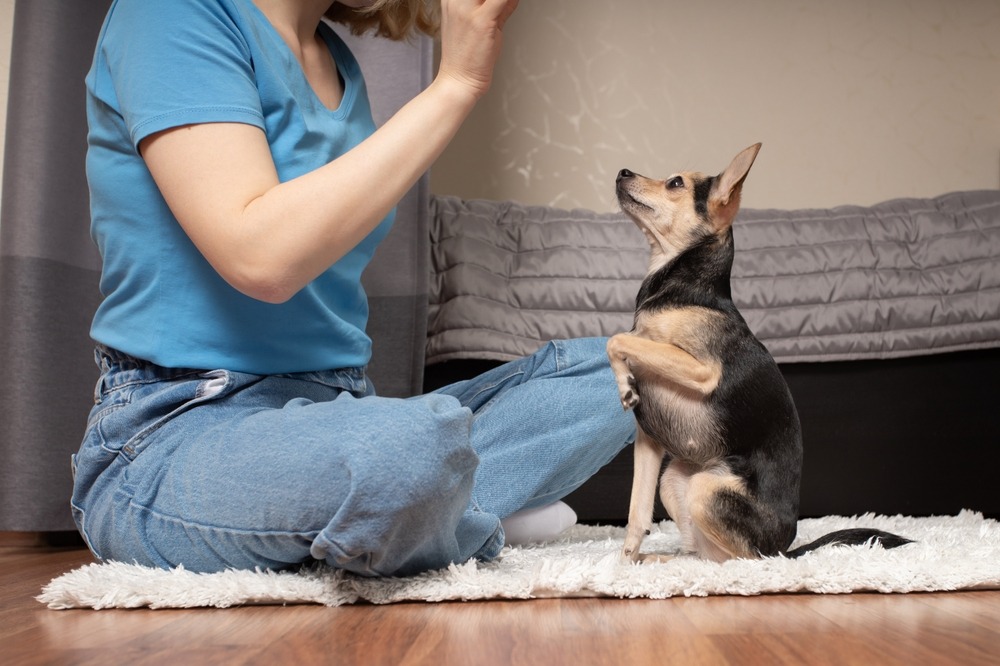
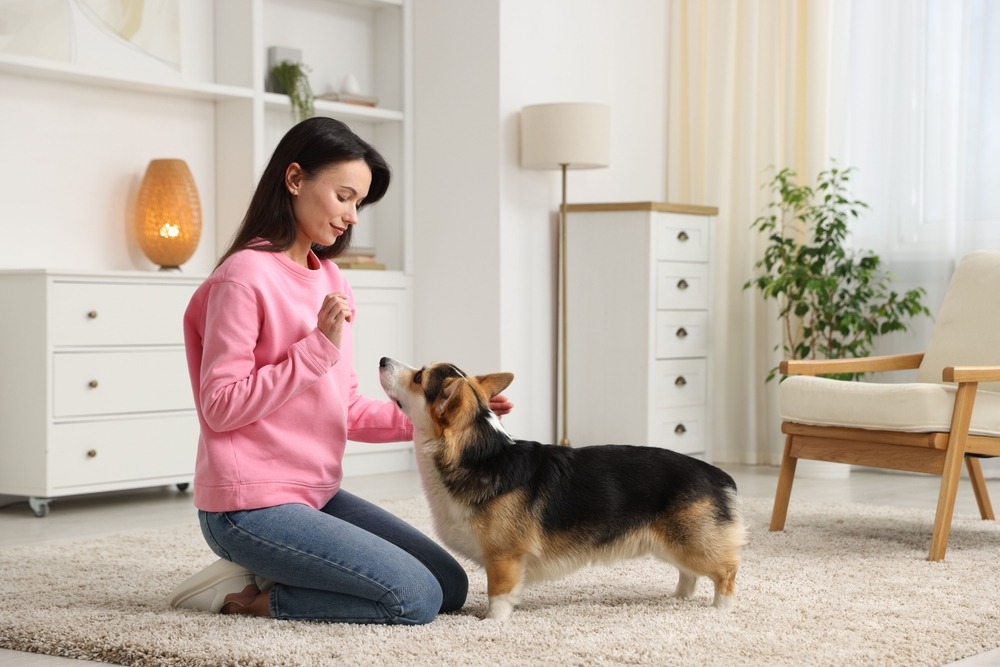
Reward-based training builds trust and confidence while encouraging good behaviour. Treats, praise, and play should be given immediately after the desired behaviour so your puppy makes the correct connection.
Avoid punishment, which can create fear and slow learning. Positive reinforcement teaches your puppy what to do, rather than focusing on mistakes.
3. Keep Training Sessions Short and Frequent
Puppies have short attention spans, especially in the early weeks. Short, focused training sessions repeated throughout the day are far more effective than long sessions.
Ending on a positive note keeps learning enjoyable and prevents frustration. Frequent practice helps reinforce behaviours naturally during everyday interactions.
4. Manage the Environment to Prevent Mistakes
Training success is easier when your puppy is set up to succeed. Use baby gates, leads, and supervision to limit access to problem areas. Preventing unwanted behaviour reduces the need for correction and helps your puppy practise good habits instead of learning bad ones.
5. Start Socialisation and Handling Early
Early exposure to different people, sounds, and environments builds confidence and reduces fear later in life. Gentle handling of paws, ears, and mouth helps prepare your puppy for grooming and vet visits. Positive early experiences support emotional stability and make ongoing training easier.
Essential Obedience Foundations Every Puppy Should Learn

Here are the essential obedience foundations every puppy should learn early, building safety, confidence, and clear communication that lasts a lifetime.
1. Teaching Sit and Focus
Sit is often the first command puppies learn, but its real value lies in building focus and impulse control. Teaching your puppy to sit calmly before meals, play, or greetings helps them learn patience. Pairing sit with eye contact strengthens attention, making future training easier and improving your puppy’s ability to respond in distracting environments.
2. Building a Reliable Recall
Recall is one of the most important safety skills a puppy can learn. Teaching your puppy to come when called should always be positive and rewarding. Start in low-distraction environments and gradually increase difficulty. A strong recall builds trust, improves off-lead control, and helps prevent dangerous situations.
3. Introducing Lead Walking Skills
Lead training teaches puppies to walk calmly beside you without pulling. Begin with short, positive sessions using rewards to encourage loose lead walking. Early lead skills prevent frustration and make daily walks enjoyable. Good lead manners also support safety when navigating busy areas or unfamiliar environments.
4. Teaching Stay and Impulse Control
Staying helps puppies learn self-control and patience. Start with short durations and minimal distance, gradually increasing difficulty.
Teaching stay improves safety in everyday situations, such as opening doors or crossing roads. This skill reinforces calm behaviour and strengthens your puppy’s ability to wait for direction.
5. Name Recognition and Response
Teaching your puppy to respond reliably to their name builds the foundation for all training. Use your puppy’s name positively and reward them for looking at you when called. Strong name recognition improves attention, responsiveness, and communication, making all other training more effective and enjoyable.
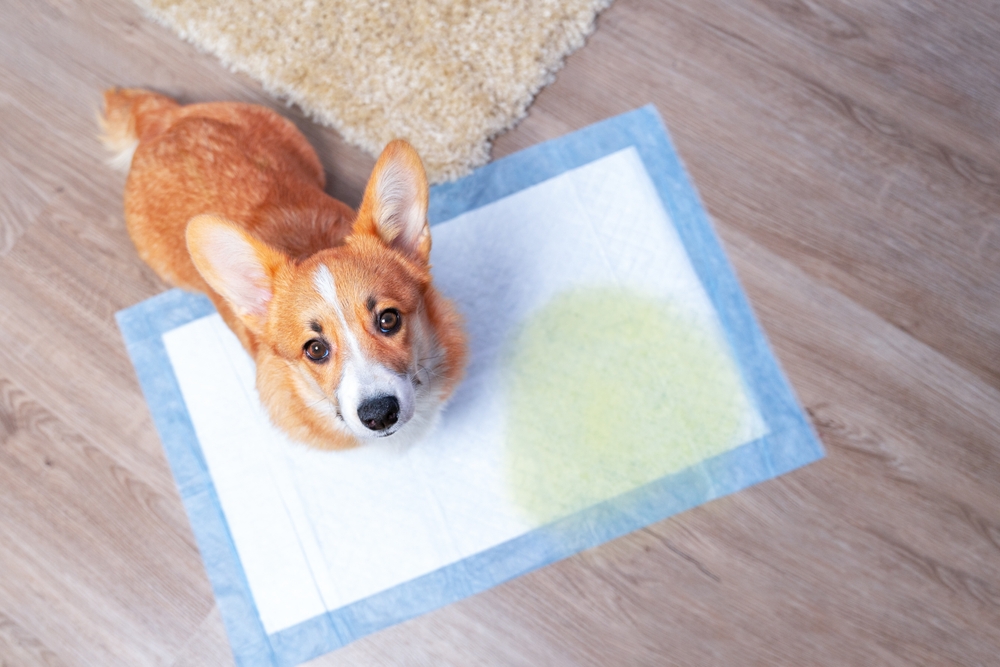
Toilet Training Your Puppy Effectively
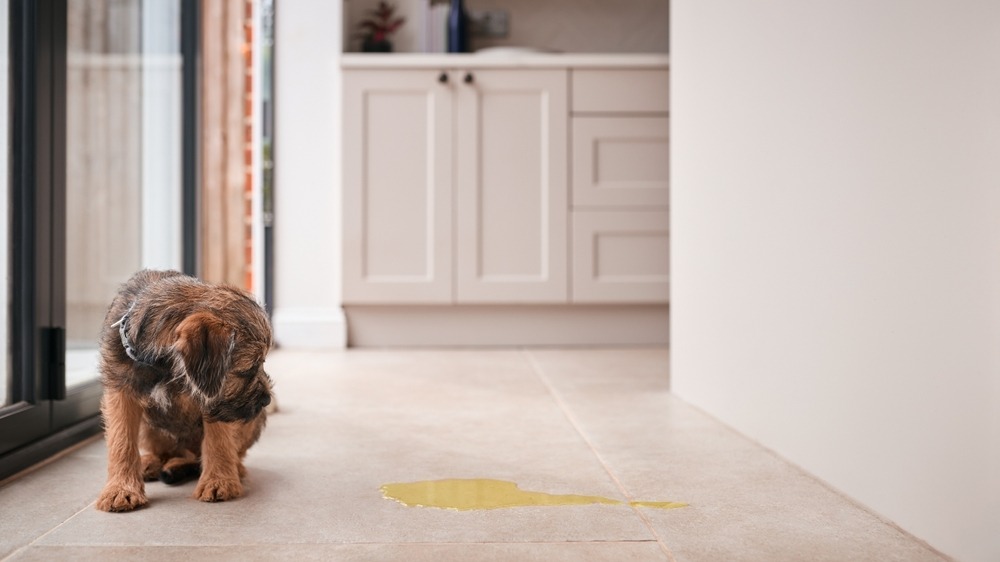
Toilet training succeeds when timing, consistency and calm responses come together. These steps help build reliable habits without stress or setbacks.
1. Establish a Predictable Toilet Routine
Puppies need frequent bathroom breaks to succeed, especially in the early stages of a puppy toilet training timeline. Take your puppy out after waking, eating, playing and before bed. Using the same toilet spot and cue each time helps them associate the behaviour with the location. Consistent timing reduces accidents and speeds up learning during the early weeks.
2. Supervise Closely and Reward Immediately
Close supervision prevents mistakes and builds understanding. Watch for signs like sniffing or circling, then guide your puppy outside straight away. Reward success immediately with praise or a treat so the connection is clear. Quick reinforcement helps puppies learn faster and feel confident doing the right thing.
3. Handle Accidents Calmly and Correctly
Accidents are part of the process and should never be punished. Clean the area thoroughly to remove scent cues and continue with the routine. Calm responses maintain trust and prevent fear. Consistency and patience lead to steady progress and long-term toilet training success.
Crate Training and Alone-Time: Building Confidence, Not Panic

Here’s how crate training and alone-time can build confidence and independence when introduced correctly, helping puppies feel safe rather than anxious.
1. Introduce the Crate as a Positive Space
The crate should feel like a secure retreat, not confinement. Start by leaving the door open and allowing your puppy to explore freely. Add soft bedding and treats to build positive associations. Choosing the right puppy crate size, with room to stand, turn and lie down, keeps the space feeling secure rather than cramped. Short, calm crate sessions help puppies learn to settle and feel comfortable resting alone.
2. Gradually Build Alone-Time Confidence
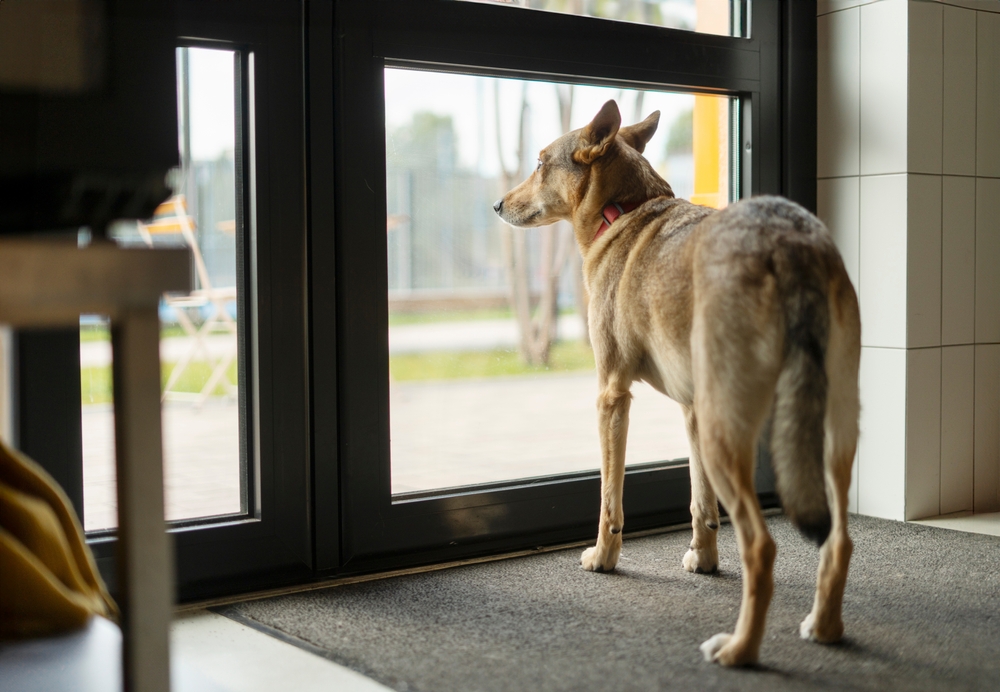
Alone-time should be introduced slowly. Begin with brief separations while your puppy is calm and relaxed, then increase duration over time. Keep departures and returns low key to avoid reinforcing anxiety. Gradual exposure teaches puppies that being alone is safe and temporary.
3. Avoid Common Mistakes That Cause Anxiety
Forcing long crate periods too early can trigger stress. Never use the crate as punishment or only when leaving the house. Balance crate time with play, training and interaction. Consistent, positive use helps prevent early signs of separation anxiety and builds emotional resilience.
Socialisation Done Properly: Creating a Confident Adult Dog
Here’s how to socialise your puppy properly, focusing on quality experiences that build confidence, resilience, and calm behaviour rather than overwhelming exposure.
- Start during the critical socialisation window: Puppies are most receptive between eight and sixteen weeks, making early exposure to people, sounds, and environments essential, even while you socialise your puppy safely.
- Focus on positive, controlled experiences: Socialisation should always feel safe and rewarding, using calm introductions and praise rather than forcing interactions that may overwhelm or frighten your puppy.
- Expose puppies to everyday environments: Gradual exposure to household noises, streets, cars, and public spaces helps puppies adapt confidently to real-life situations they will encounter as adults.
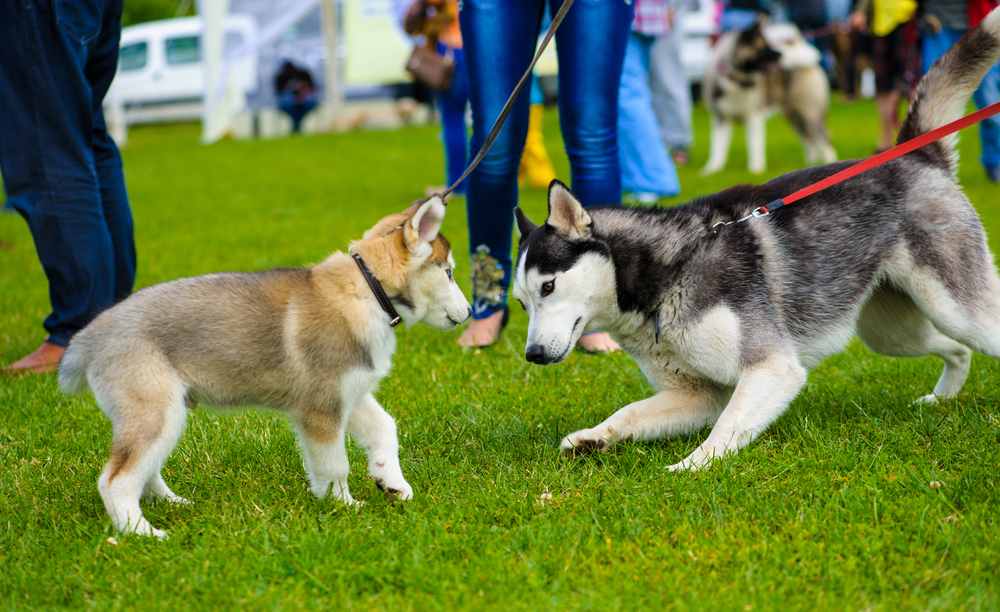
- Choose dog interactions carefully: Well-mannered, vaccinated dogs provide better learning experiences than uncontrolled encounters, teaching appropriate canine communication without risk of fear or injury.
- Pair new experiences with rewards: Treats, play, and reassurance help puppies form positive associations, reinforcing confidence and reducing anxiety when faced with unfamiliar situations.
- Avoid flooding and overstimulation: Too much exposure too quickly can backfire, creating fear rather than confidence, so pacing experiences appropriately is key to successful long-term socialisation.
Common Puppy Behaviour Problems and Fixes

The most common puppy behaviour problems owners face all respond to practical fixes that build better habits without frustration or punishment.
1. Biting and Mouthing During Play
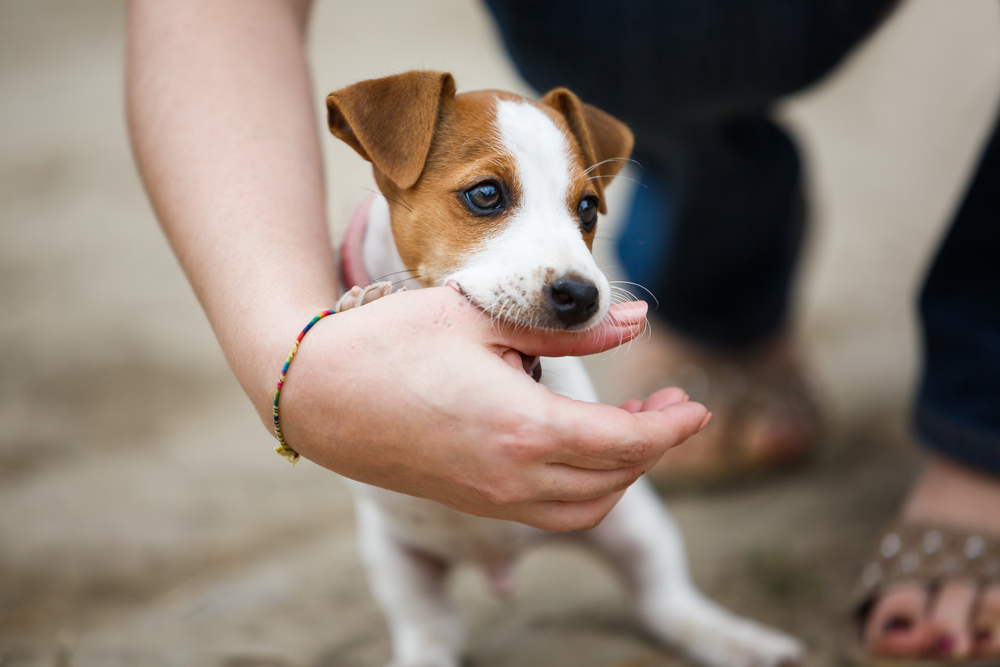
Puppies explore with their mouths, especially during teething. Redirect biting to appropriate toys and stop puppy biting without punishment by ending play briefly if teeth touch skin. Consistent redirection teaches bite inhibition. Avoid rough play that encourages nipping, and ensure your puppy gets enough rest, as overtired puppies bite more.
2. Chewing and Destructive Behaviour
Chewing is normal and helps relieve teething discomfort. Provide a variety of safe chew toys and rotate them to keep interest high. Supervision is key. Managing access to shoes and furniture prevents bad habits. Most destructive behaviour improves with structure and mental enrichment.
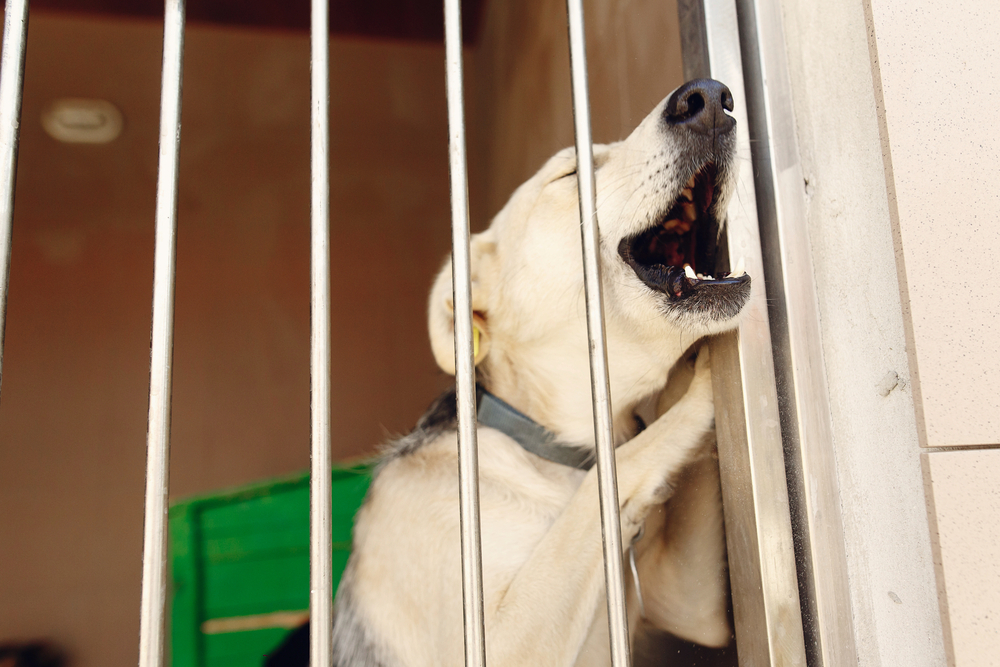
3. Excessive Barking or Whining
Barking and whining often signal boredom, attention-seeking, or anxiety. Identify the cause before responding. Reinforce calm behaviour and avoid rewarding noise with attention. Providing adequate exercise and mental stimulation reduces vocalisation by meeting your puppy’s underlying needs.
4. Jumping Up on People
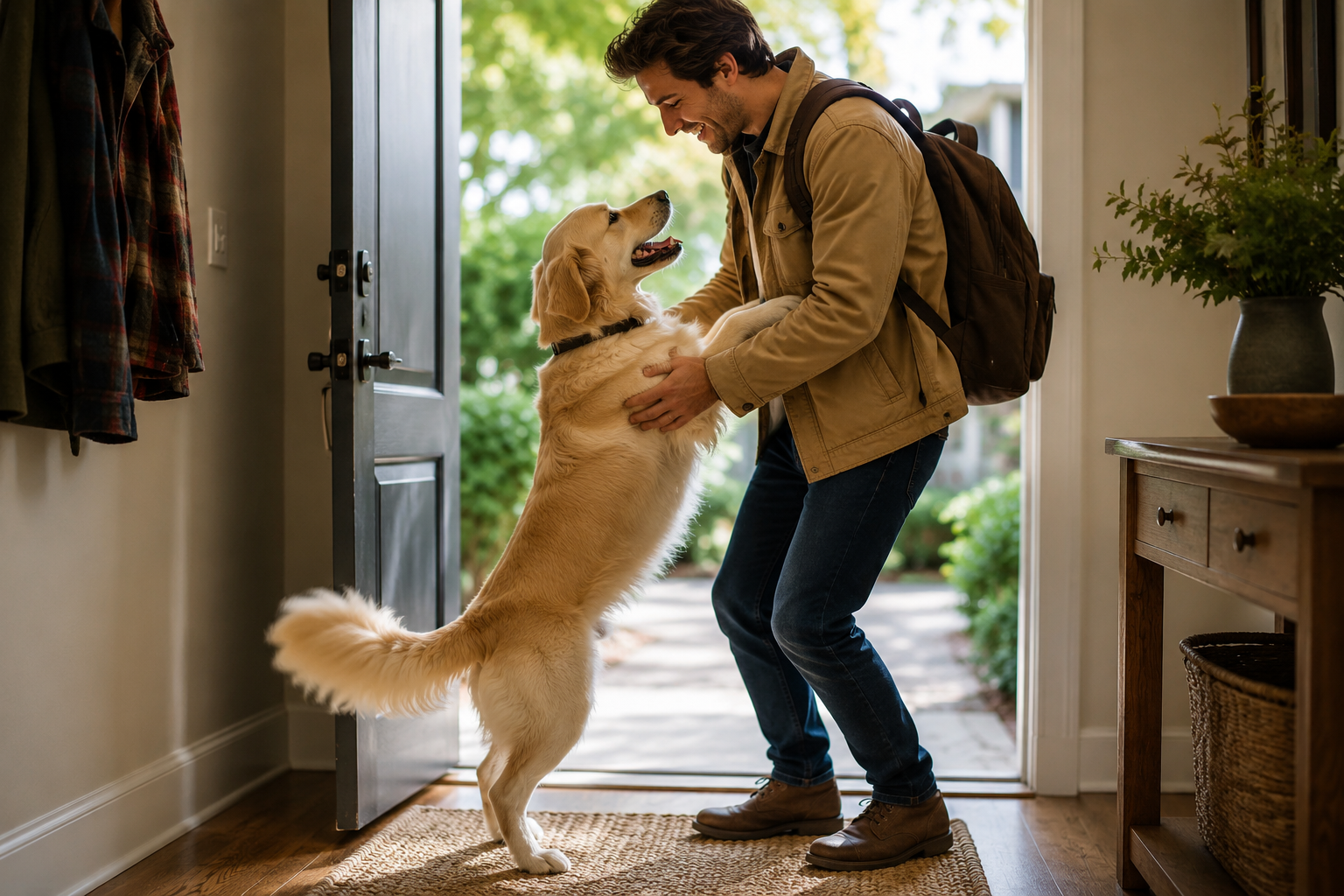
Jumping is often an excited greeting behaviour. Teach your puppy that calm behaviour earns attention. Ask for a sit before greetings and reward paws-on-the-ground behaviour. Consistency from all household members prevents mixed messages and speeds up learning.
5. Fearful or Nervous Behaviour
Fear responses are common during development stages. Avoid forcing interactions and instead build confidence gradually using rewards and distance. Gentle exposure and reassurance help puppies learn that new situations are safe, reducing anxiety over time.
Mental Stimulation and Enrichment That Improves Behaviour

Here’s how mental stimulation and enrichment improve puppy behaviour by reducing boredom, frustration, and excess energy that often lead to problem behaviours.
- Food puzzles and slow feeders: Using interactive feeders encourages problem-solving, slows eating, and provides mental engagement that helps calm puppies and reduce destructive behaviour.
- Short daily training games: Brief training sessions challenge your puppy’s brain, reinforce good behaviour, and strengthen communication while preventing boredom and frustration.
- Scent work and sniffing activities: Allowing puppies to sniff during walks or search for treats engages instincts, promoting mental fatigue and calmer behaviour.
- Toy rotation and novelty: Rotating toys regularly keeps them interesting, preventing boredom and encouraging appropriate chewing rather than destructive habits.
- Controlled exploration time: Supervised exploration of new environments builds confidence and mental resilience while satisfying curiosity in a safe, structured way.
- Calm enrichment and rest balance: Enrichment should be balanced with downtime, as overstimulation can cause stress, overtiredness, and behaviour issues rather than improvement.
Training Based on Breed and Energy Levels
Training works best when it matches your puppy’s natural traits. Understanding breed tendencies and energy levels helps set realistic expectations and achieve better results.
1. High-Energy Breeds Need Structured Outlets
Active breeds thrive when training includes movement and challenge. Short walks, training games and problem-solving tasks help burn energy before obedience work. Without enough outlets, high-energy puppies struggle to focus and may develop unwanted behaviours. Structured activity improves attention, learning and overall behaviour.
2. Low to Moderate Energy Breeds Benefit From Routine
Calmer breeds still need training, but often respond better to predictable routines and gentle reinforcement. Keep sessions relaxed and consistent, focusing on manners and confidence. Overstimulating these puppies can cause stress, while steady guidance helps them learn comfortably and retain behaviours long term.
3. Intelligent Breeds Need Mental Challenges
Highly intelligent breeds learn quickly but become bored just as fast. Repetition without variation can lead to disengagement. Introduce new cues, puzzle toys and training games regularly. Mental challenge keeps these puppies engaged, prevents frustration and channels intelligence into positive, trainable behaviour.
Troubleshooting: When Training Isn’t Working
Training setbacks happen, even with the best intentions, and how long puppy training takes varies widely from one puppy to the next. These troubleshooting tips help reset progress and keep learning positive and effective.
- Check Timing and Reward Value: Rewards must follow behaviour immediately and be motivating. Delayed or low-value rewards confuse puppies and slow learning.
- Reduce Distractions: If your puppy struggles, the environment may be too stimulating. Step back to a quieter space before increasing difficulty again.
- Review Consistency at Home: Mixed cues or rules between family members can confuse. Align language, routines and expectations to reinforce learning clearly.
- Adjust Session Length: Training sessions that run too long can overwhelm puppies. Keep lessons short, positive and age-appropriate to maintain focus and prevent frustration.
- Assess Physical and Mental Needs: Unmet needs like excess energy, hunger or fatigue affect learning. Ensure your puppy is well rested, exercised and mentally settled before training.
- Seek Professional Guidance Early: If progress stalls, a qualified trainer can identify gaps quickly. Early support prevents small issues from becoming entrenched behavioural patterns.
Start Strong, Raise a Better Dog
Puppy training is not about perfection. It is about clear routines, calm guidance, and consistency.
When you focus on the basics early, toilet habits, bite control, social skills, and calm behaviour, everything else becomes easier. Small daily efforts create big long-term results.
Every puppy learns at their own pace. Some days feel smooth, others feel chaotic.
That is normal. What matters is staying patient, rewarding progress, and setting your puppy up to succeed rather than correcting mistakes after they happen.
Ready to raise a confident, well-behaved pup?
Visit Pups4Sale to browse puppies for sale or for trusted puppy advice, breed insights, and resources that help you start strong and train with confidence. Breeders can also sell puppies responsibly on the same platform.
Puppy Training FAQ
1. When should I start training my puppy?
Training should begin the moment your puppy comes home. Simple routines, name recognition and calm behaviour start from day one, while structured training usually begins around 8 weeks when puppies are most receptive to learning.
2. How long should puppy training sessions be?
Short and frequent sessions work best. Aim for 5 to 10 minutes per session, two to three times a day. This keeps training engaging and prevents your puppy from becoming overstimulated or distracted.
3. What is the best training method for puppies?
Positive reinforcement is the most effective and widely recommended method. Rewarding good behaviour with treats, praise, or play builds trust, speeds up learning and supports healthy emotional development.
4. How do I stop my puppy from biting and chewing?
Biting and chewing are normal developmental behaviours. Redirect your puppy to appropriate toys, teach bite inhibition through calm responses, and ensure they receive enough physical activity and mental stimulation.
5. Can I train my puppy before vaccinations are complete?
Yes, training should not be delayed. Focus on indoor learning, controlled socialisation, and low-risk environments. Avoid busy public spaces until vaccinations are complete, while continuing confidence-building at home.
6. Is barking a training issue or a behaviour issue?
It can be both. Barking often signals boredom, alertness, or frustration. Training calm alternatives and meeting mental and physical needs reduces excessive barking.
7. When should I seek professional help?
If fear, aggression, anxiety, or resource guarding appear and do not improve, seek help from a qualified positive-reinforcement trainer or behaviourist early.
 Add us as a preferred source