How Long Does Puppy Training Really Take?
Puppy Training & Behaviour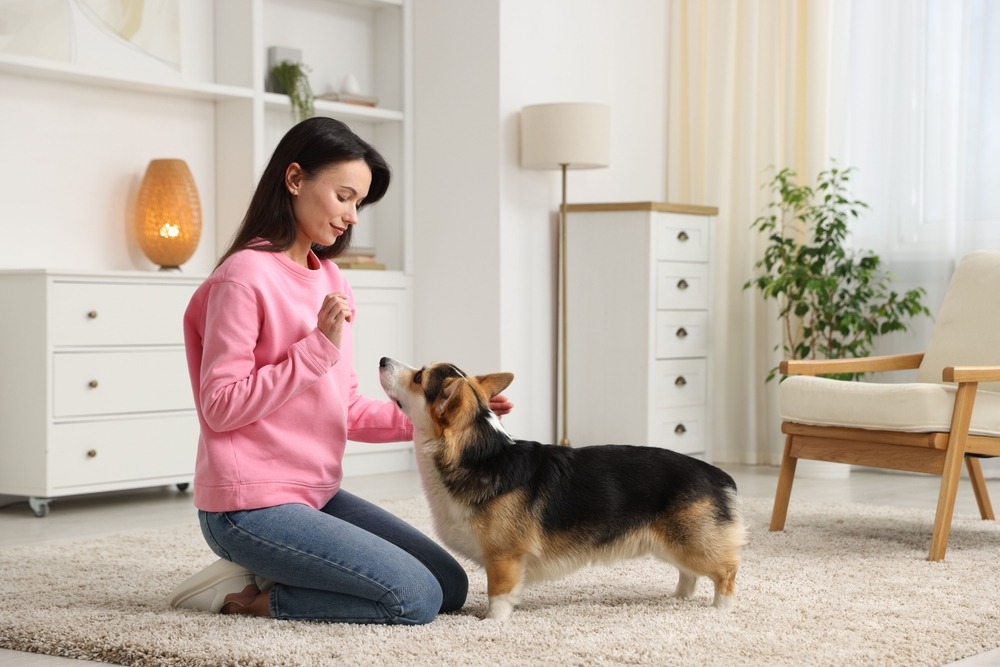 By James C. • March 23, 2026
Many new dog owners wonder how long puppy training really takes and when their puppy will start behaving consistently. While some basic behaviours can be introduced quickly, training a puppy is not an overnight process.
Puppies are still developing mentally and emotionally, which means learning new habits requires time, repetition, and patience. Progress happens gradually as puppies begin to understand routines, commands, and expectations within the home.
This guide explains how long puppy training usually takes, the stages puppies go through during training, and what owners can realistically expect as their puppy develops good behaviour.
Why Puppy Training Takes Time
Puppy training takes time because young dogs are still developing both mentally and physically. Just like children, puppies are learning how to understand the world around them while also adjusting to new environments, people, and routines.
Their ability to focus and remember instructions is still developing, which means learning new behaviours requires patience and repetition.
Another reason training takes time is that puppies learn through consistent reinforcement. Commands such as sit, stay, or come must be practised repeatedly before the puppy fully understands what is expected. Regular training sessions and daily routines help strengthen these associations over time.
Puppies also go through different developmental stages that influence their behaviour. During the early months, they may become easily distracted, excited, or curious about their surroundings. These natural behaviours can slow training progress if expectations are unrealistic.
Consistency plays a major role in successful training. When owners maintain clear rules, regular practice, and positive reinforcement, puppies gradually build reliable habits. Over time, these small learning steps develop into long-term behavioural skills that form the foundation of a well-trained dog.
What Puppy Training Actually Involves
Puppy training includes several essential skills that help young dogs adapt to home life and social environments. Here are key areas that puppy training usually involves during early development.
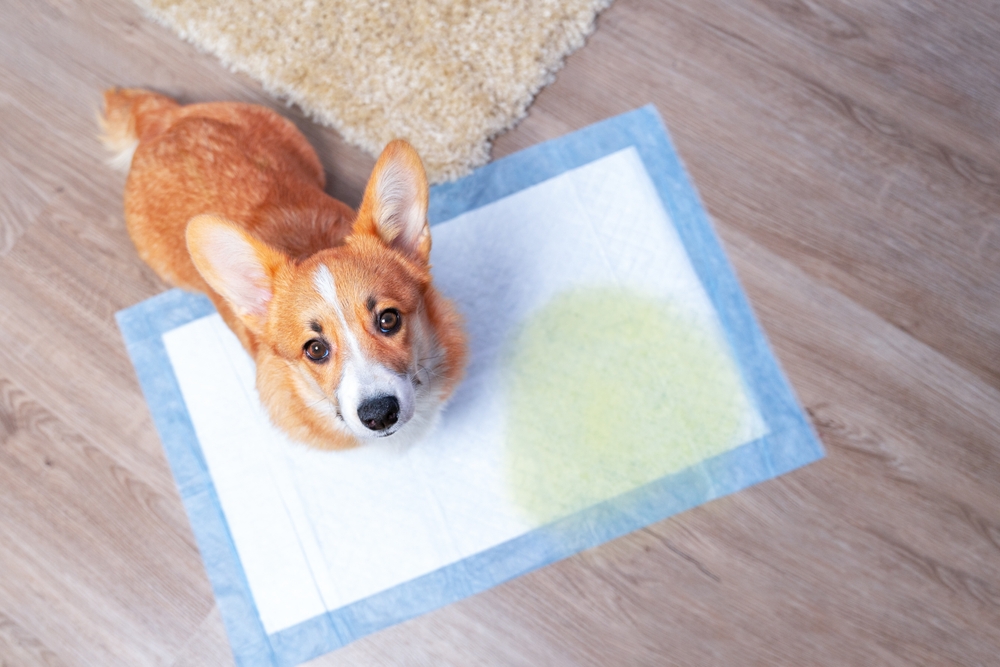
- Toilet Training: Puppies must learn where and when it is appropriate to relieve themselves, which requires consistent routines, supervision, and a clear puppy toilet training timeline.
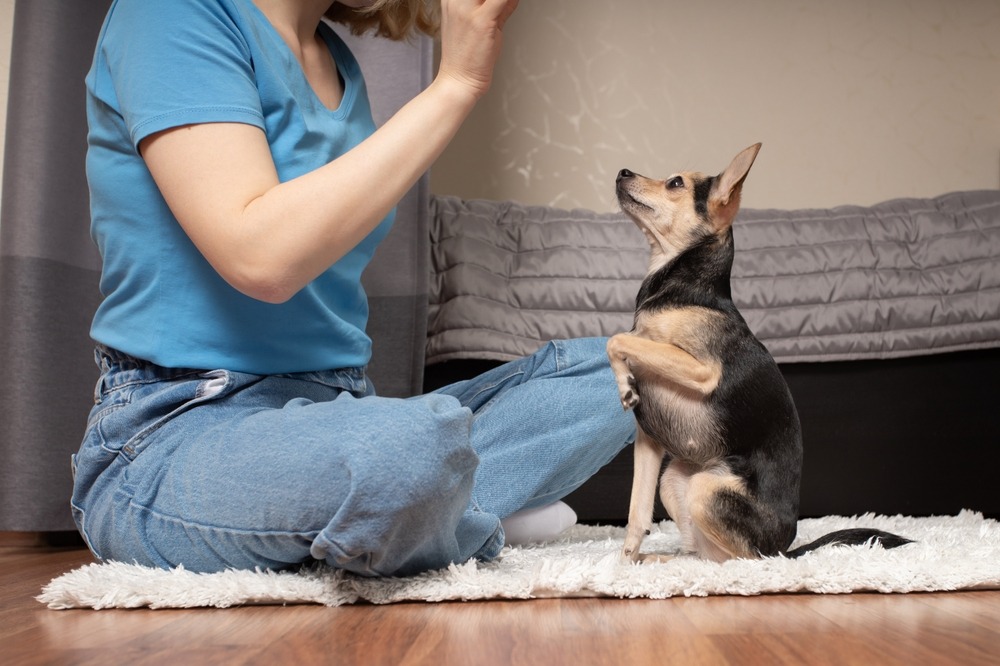
- Basic Obedience Commands: Teaching commands such as sit, stay, come, and leave helps puppies understand expectations and respond to their owner’s guidance.
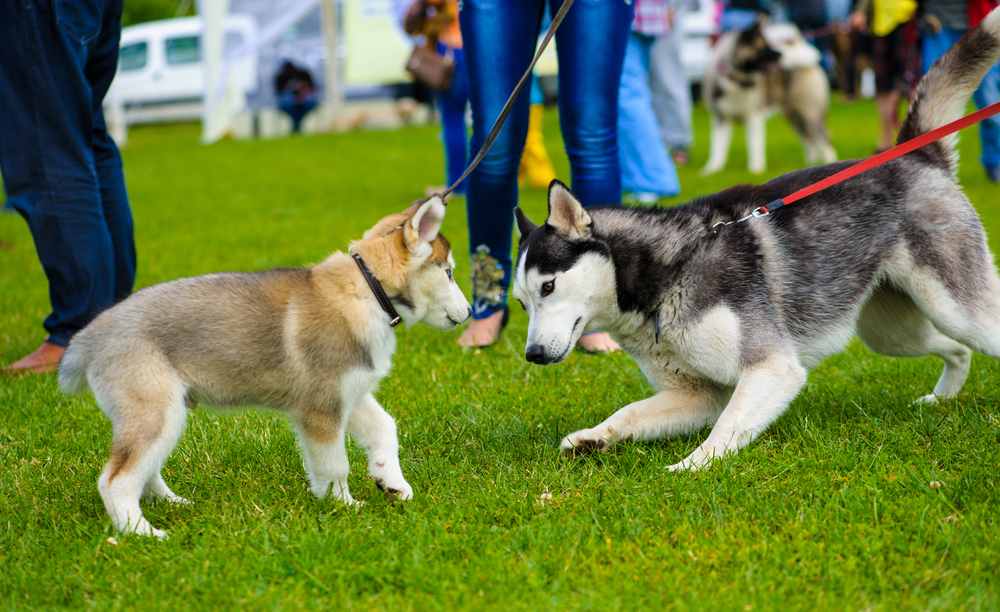
- Socialisation Skills: Exposure to different people, animals, environments, and sounds helps puppies develop confidence and reduce fear in unfamiliar situations, especially when you socialise a puppy safely.
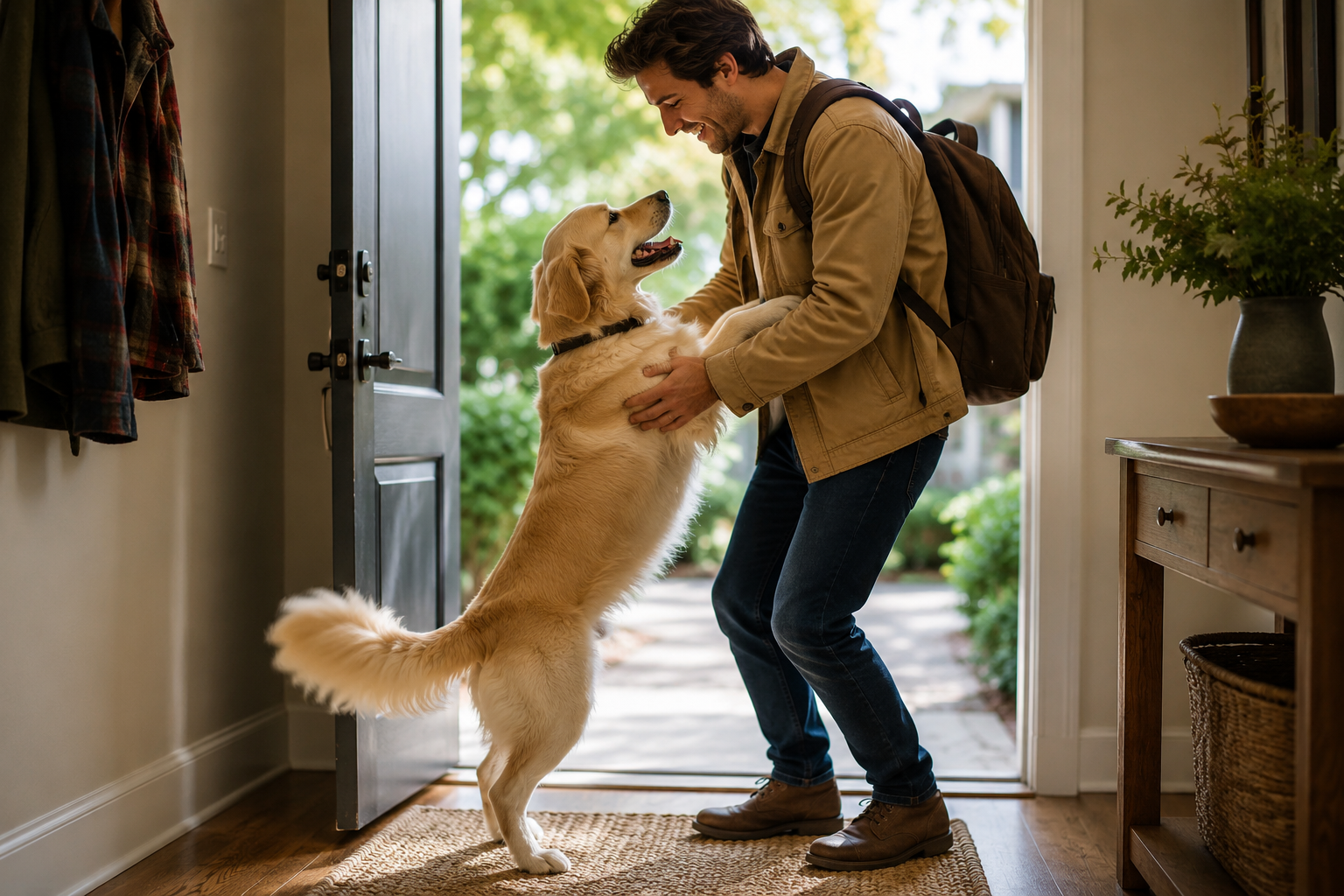
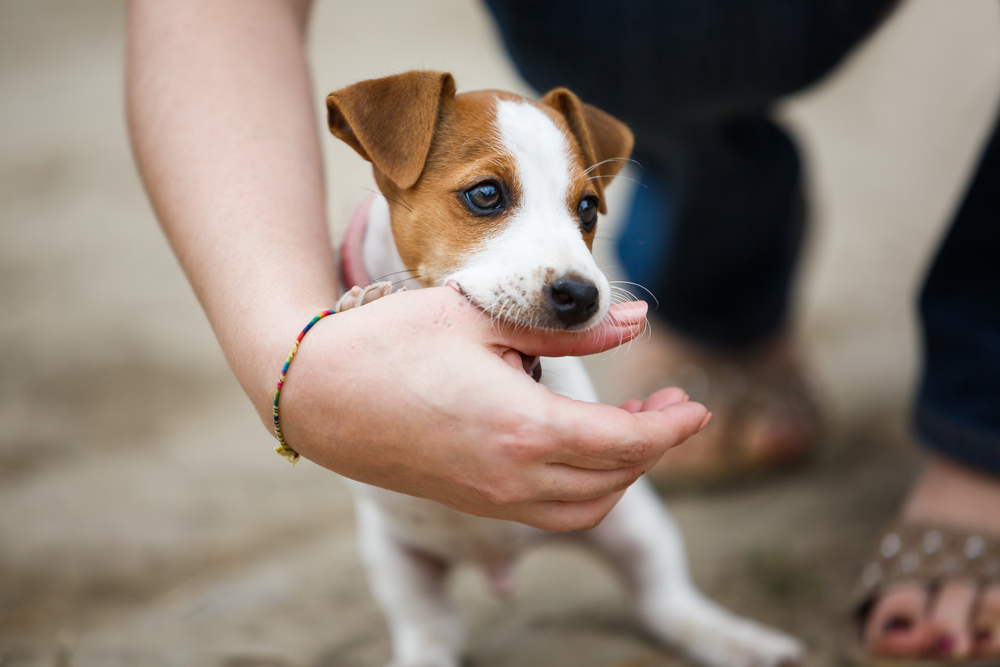
- Behaviour Management: Puppies must learn acceptable behaviours such as not biting, jumping, or chewing inappropriate objects within the home.
- Daily Routine Development: Consistent schedules for feeding, sleeping, play, and training help puppies understand structure and develop reliable behaviour patterns.
Typical Puppy Training Timeline

Puppy training develops gradually as puppies grow and mature. Here is a typical puppy training timeline that explains what owners can expect during each stage of development.
1. 8–12 Weeks: Early Learning Foundations
At this early stage, puppies begin adjusting to their new home and family. Training focuses on name recognition, toilet routines, and gentle socialisation.
Short training sessions help introduce simple commands such as sit when you start obedience training early. Puppies are highly curious but easily distracted, so patience and consistency are essential. Positive reinforcement helps them begin associating behaviours with rewards.
2. 3–4 Months: Basic Commands and Routine Building
During this stage, puppies become more capable of learning structured behaviours. Owners can introduce commands such as stay, come, and basic leash walking. Toilet training often improves as bladder control develops.
Socialisation with people, environments, and friendly dogs becomes important. Regular training sessions and consistent household rules help strengthen early habits.
3. 4–6 Months: Strengthening Behaviour and Focus
Puppies at this age start showing better concentration and improved memory. Training focuses on reinforcing previously learned commands while introducing mild distractions.
Behaviour management, such as discouraging jumping, biting, or chewing, becomes important, especially when trying to stop puppy biting gently. Consistency from owners plays a key role during this stage as puppies test boundaries and continue developing self-control.
4. 6–12 Months: Developing Reliable Behaviour
As puppies approach adolescence, training shifts toward reliability and impulse control. Commands should begin working even with distractions present. Continued practice helps reinforce good behaviour in different environments.
This stage often includes leash manners, recall training, and improved obedience. Ongoing training ensures puppies develop into well-behaved and confident adult dogs.
Factors That Affect How Quickly Puppies Learn
Every puppy learns at a different pace depending on several important factors. Here are key factors that influence how quickly puppies respond to training and develop reliable behaviour.
- Breed and Natural Temperament: Some breeds naturally learn commands faster due to higher intelligence or stronger motivation to work with humans.
- Consistency of Training: Puppies learn more quickly when training routines remain consistent, with the same commands, expectations, and reinforcement used every day.
- Age and Development Stage: Younger puppies have shorter attention spans, so training progress depends on their stage of physical and mental development.
- Training Environment and Distractions: Quiet environments allow puppies to focus better, while noisy or busy surroundings may slow the learning process.
- Owner Experience and Training Method: Positive reinforcement and clear communication, the basis of most practical puppy training methods, help puppies understand commands more effectively than inconsistent or confusing training approaches.
- Frequency of Practice Sessions: Puppies improve faster when training occurs regularly in short sessions rather than occasional longer sessions.
How Much Training Puppies Need Each Day

Puppies learn best through short and consistent training sessions rather than long periods of instruction. Because young puppies have short attention spans, training sessions should usually last only 5 to 10 minutes at a time.
These short sessions can be repeated several times throughout the day to reinforce learning without overwhelming the puppy.
Daily routines also play an important role in training. Puppies learn not only during formal training sessions but also through everyday activities such as feeding, walking, and playtime. For example, asking a puppy to sit before receiving food or going outside helps reinforce obedience naturally.
Consistency is more important than duration when training a puppy. Regular practice helps strengthen memory and improves the puppy’s ability to understand commands. Positive reinforcement, such as treats, praise, or play, encourages puppies to repeat the desired behaviour.
Combining structured training sessions with learning opportunities throughout the day allows puppies to gradually develop reliable habits and stronger communication with their owners.
Signs Your Puppy Is Making Training Progress
Training progress often appears gradually through small behavioural improvements. Here are common signs that your puppy is learning successfully and responding to training efforts.
- Responding to Basic Commands: Puppies beginning to sit, come, or stay when asked show that they are starting to understand and remember training cues.
- Improved Attention Toward the Owner: Puppies that look toward their owner for guidance during training are developing focus and learning to respond to instructions.
- Fewer Toilet Accidents Indoors: A decrease in accidents often shows that the puppy is beginning to understand the household toilet routine.
- Better Self-Control During Play: Puppies that pause, settle more quickly, or stop biting when redirected are learning impulse control and improving common puppy behaviour problems.
- Calmer Behaviour Around Distractions: Puppies that remain attentive even when other people, animals, or sounds are present are showing improved training focus.
- Faster Responses to Commands: Puppies that respond more quickly to familiar commands demonstrate growing understanding and confidence during training.
Common Mistakes That Slow Puppy Training
Training progress can slow when common mistakes confuse puppies or create inconsistent expectations. Here are common mistakes that often slow puppy training and make learning more difficult.
- Inconsistent Commands and Rules: When different family members use different words for commands or allow behaviours others discourage, puppies struggle to understand expectations and take longer to learn consistent behaviour.
- Training Sessions That Are Too Long: Puppies have short attention spans, and long sessions can cause frustration or distraction. Short, frequent training periods help puppies stay focused and absorb lessons more effectively.
- Lack of Daily Practice: Infrequent training slows learning because puppies require regular repetition to understand commands and develop reliable habits.
- Using Punishment Instead of Positive Reinforcement: Harsh corrections can create fear and confusion, while positive reinforcement encourages puppies to repeat good behaviour and learn faster.
- Expecting Results Too Quickly: Puppies need time to develop new habits, so unrealistic expectations can lead to frustration for both the owner and the dog.
- Ignoring Socialisation During Training: Puppies that are not gradually introduced to new environments and experiences may struggle to apply training outside familiar surroundings.
Puppy Training Is a Gradual Process
Understanding how long puppy training really takes helps owners stay patient and consistent during the learning process.
Puppies develop habits gradually through repetition, guidance, and positive reinforcement. While progress may take weeks or months, steady training creates confident and well-behaved adult dogs.
If you are planning to welcome a puppy into your home, Pups4Sale connects you with trusted breeders who support buying or adopting a puppy responsibly.
Frequently Asked Questions
1. How long does puppy training usually take?
Puppy training is an ongoing process rather than a fixed timeframe. Basic skills such as toilet training and simple commands may take several weeks, while reliable obedience can take several months. Consistency and regular practice help puppies learn faster.
2. At what age should puppy training start?
Training should begin as soon as a puppy arrives in its new home, often around 8 weeks of age. Early training focuses on basic routines, socialisation, and simple commands that build the foundation for future learning.
3. How often should I train my puppy each day?
Short training sessions several times per day are most effective. Puppies learn best with sessions lasting 5 to 10 minutes, repeated throughout the day to reinforce commands and behaviours.
4. Why is my puppy not learning commands?
Puppies may struggle to learn if training sessions are too long, inconsistent, or distracting. Using clear commands, positive reinforcement, and regular practice helps improve learning and understanding.
5. When is a puppy considered fully trained?
Most dogs continue learning well into adulthood, but many puppies develop reliable behaviour between 6 and 12 months of age with consistent training and reinforcement.
 Add us as a preferred source