Puppy Toilet Training Timeline: What’s Normal?
Puppy Training & Behaviour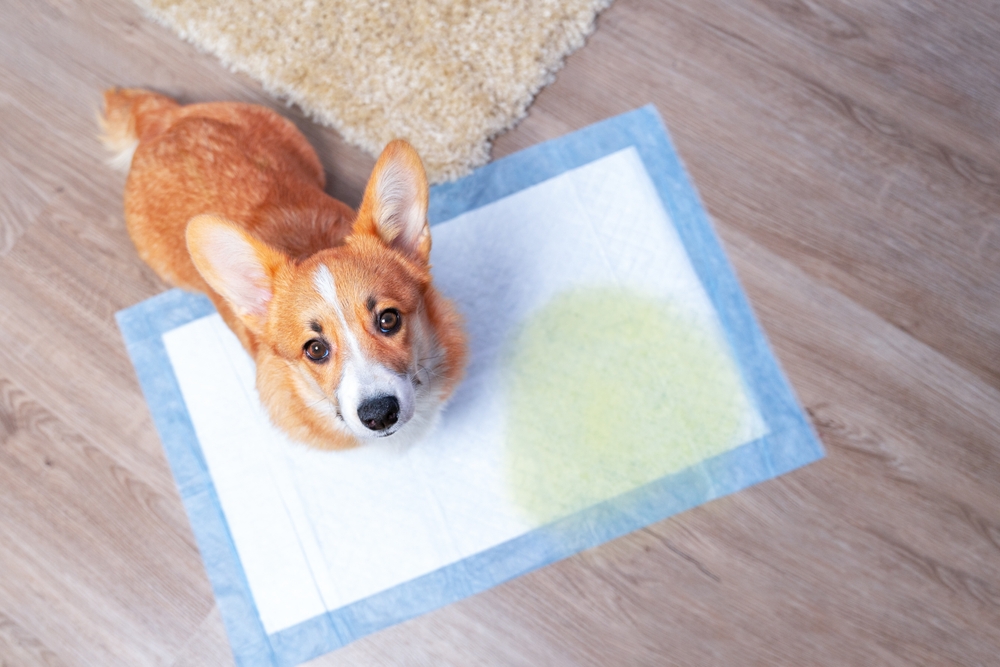 By James C. • March 20, 2026
Toilet training is one of the first major milestones in a puppy’s early development. New owners often worry when accidents happen and wonder whether their puppy is learning at a normal pace.
The truth is that bladder control develops gradually, and every puppy progresses through the puppy toilet training timeline slightly differently.
Understanding what is typical at each stage helps owners stay patient and consistent during training. This guide explains the normal puppy toilet training timeline, the developmental stages puppies go through, and the signs that training is progressing in the right direction.
Understanding Puppy Bladder Development
Puppy toilet training becomes easier when owners understand how bladder control develops during early growth. Young puppies have very small bladders and limited control over their muscles, which means they cannot hold urine for long periods.
At around eight weeks of age, most puppies need frequent toilet breaks and may only hold their bladder for short periods.
As puppies grow, their muscles strengthen, and their bladder capacity gradually increases. This development allows them to wait longer between toilet breaks.
Many trainers use a simple guideline that puppies can hold their bladder for roughly one hour for every month of age, although individual puppies may vary depending on breed, size, and activity level.
Bladder control is also influenced by routine. Puppies that are taken outside regularly begin to associate specific areas with toileting. Over time, they start recognising the feeling of needing to go and learn to signal their owners.
Understanding these developmental stages helps owners set realistic expectations. Consistent routines, patience, and positive reinforcement support puppies as they gradually gain better bladder control and develop reliable toilet habits.
Puppy Toilet Training Timeline by Age
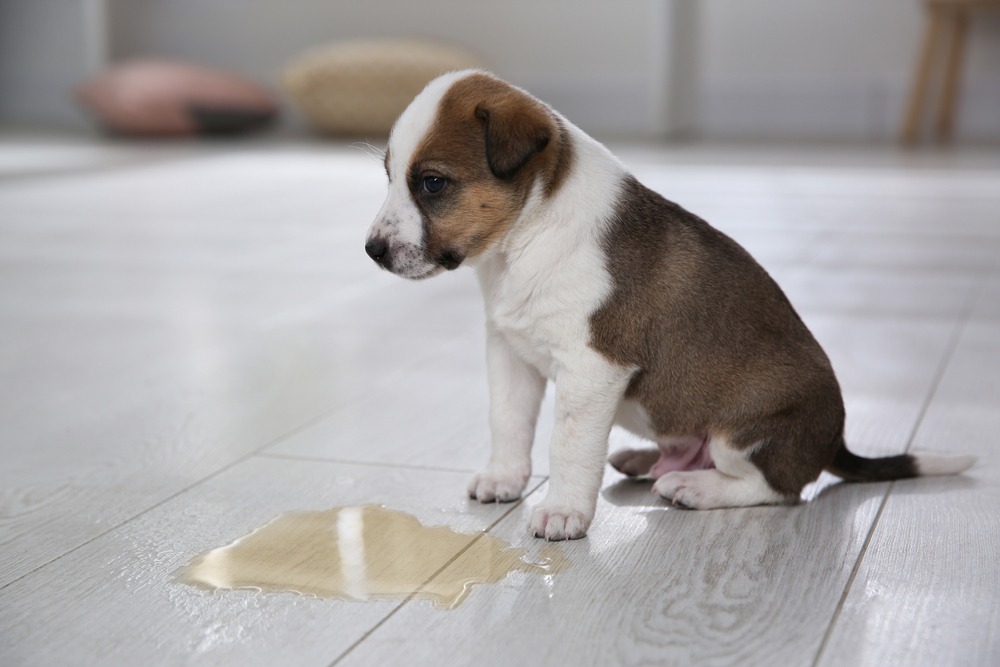
Puppies develop bladder control gradually during early growth, so toilet training progresses in stages. Here are the typical stages of a puppy’s toilet-training timeline by age.
1. 8–10 Weeks: Early Learning Stage
At 8 to 10 weeks, puppies are only beginning to understand toilet routines. Their bladder control is very limited, so frequent accidents are common. Puppies at this stage often need to go outside every hour, especially after eating, sleeping, or playing.
Consistency is essential, and owners should gently guide the puppy to the same toilet spot while rewarding successful outdoor bathroom behaviour, just as they would when they start obedience training early.
2. 10–12 Weeks: Recognising the Routine
Between 10 and 12 weeks, many puppies begin recognising daily routines and toilet locations. They may show early signs, such as sniffing, circling, or moving toward the door, when they need to use the restroom.
Bladder control is still developing, but some puppies can hold their urine slightly longer. Regular toilet breaks, praise, and a consistent schedule help reinforce positive habits.
3. 3–4 Months: Improving Bladder Control
By 3 to 4 months of age, puppies typically gain better bladder control and may begin having fewer indoor accidents. Many puppies can now wait several hours between toilet breaks during the day.
Owners may also notice clearer signals when the puppy needs to go outside. Continued supervision and consistent reinforcement remain important to prevent setbacks and strengthen reliable habits.
4. 4–6 Months: Building Consistency
At 4 to 6 months, most puppies are becoming far more reliable with toilet training. Accidents may still occur occasionally, but many dogs can now follow a predictable bathroom schedule.
Puppies begin holding their bladder for longer periods and may actively seek the door when they need to go outside. Positive reinforcement and routine remain key during this stage.
5. 6 Months and Beyond: Reliable Toilet Habits
Once puppies reach six months or older, many have developed strong bladder control and consistent toilet habits. Most dogs are reliably house-trained at this stage, although individual progress can vary depending on breed, routine, and training consistency.
Continued encouragement and maintaining a predictable schedule help reinforce lifelong toilet behaviours and prevent future accidents.
How Often Puppies Need Toilet Breaks
Puppies require frequent toilet breaks because their bladders are still developing and cannot hold urine for long periods. Here are common times when puppies typically need toilet breaks during the day.
- After Waking Up: Puppies usually need to toilet immediately after waking from sleep or naps. Taking them outside straight away helps prevent accidents and reinforces the habit of going outdoors.
- After Eating Meals: Puppies often need a toilet break shortly after eating. Taking them outside for 10 to 20 minutes helps establish a predictable digestive routine.
- After Play or Exercise: Physical activity stimulates the bladder and digestive system. Puppies frequently need to toilet soon after energetic play sessions.
- Before Bedtime: A final toilet break before sleeping helps reduce overnight accidents and encourages longer sleep periods. A puppy whose indoor sleeping area is close to the back door is also easier to take out quickly overnight.
- During Regular Daytime Intervals: Young puppies generally need toilet breaks every one to two hours, depending on age, bladder development, and activity levels.
- After Drinking Water: Puppies often need to urinate shortly after drinking. Taking them outside soon after drinking helps maintain good toilet training habits.
Factors That Affect How Fast Puppies Toilet Train
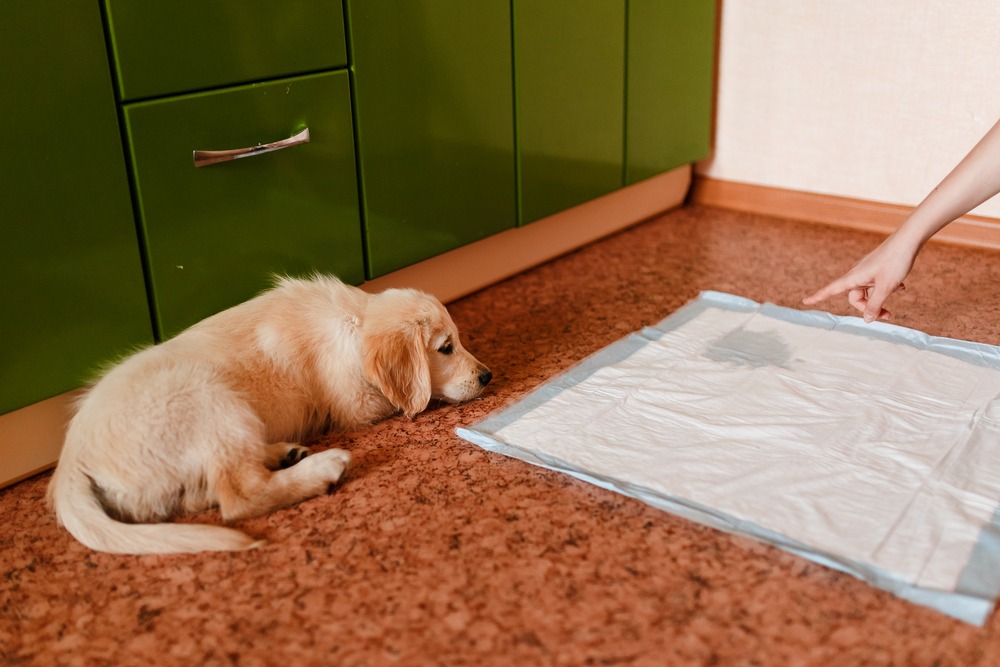
Toilet training progress varies between puppies because several factors influence how quickly they learn routines and develop bladder control. Here are key factors that affect how fast puppies toilet train.
- Breed and Size: Smaller breeds usually have smaller bladders and may need more frequent toilet breaks. Larger breeds often develop bladder control slightly faster during early puppy growth stages.
- Consistency of Routine: Puppies learn faster when toilet breaks occur at predictable times. Consistent schedules after meals, naps, and play help puppies understand when and where toileting should happen.
- Supervision and Training Effort: Puppies that receive close supervision and regular guidance usually learn more quickly. Owners who respond quickly to toilet signals reduce accidents and reinforce correct outdoor habits.
- Age When Training Begins: Puppies introduced to toilet routines earlier often adapt faster because habits develop during important learning periods in early puppy development, and delaying this is one of the common first-time breeder mistakes.
- Feeding and Water Schedule: Consistent feeding times help regulate digestion, allowing owners to predict when a puppy will likely need a toilet break during the day.
- Living Environment: Puppies living in structured environments with clear toilet areas adapt more easily. Confusing environments or too much indoor freedom can delay learning and increase accidents.
- Previous Experiences: Puppies raised in clean environments with early exposure to outdoor toileting may adjust faster. Puppies without early guidance may need additional training time to understand routines.
Signs Your Puppy Is Learning Proper Toilet Habits
As training progresses, puppies begin showing behavioural signals that indicate they are understanding toilet routines and developing stronger bladder control and awareness.
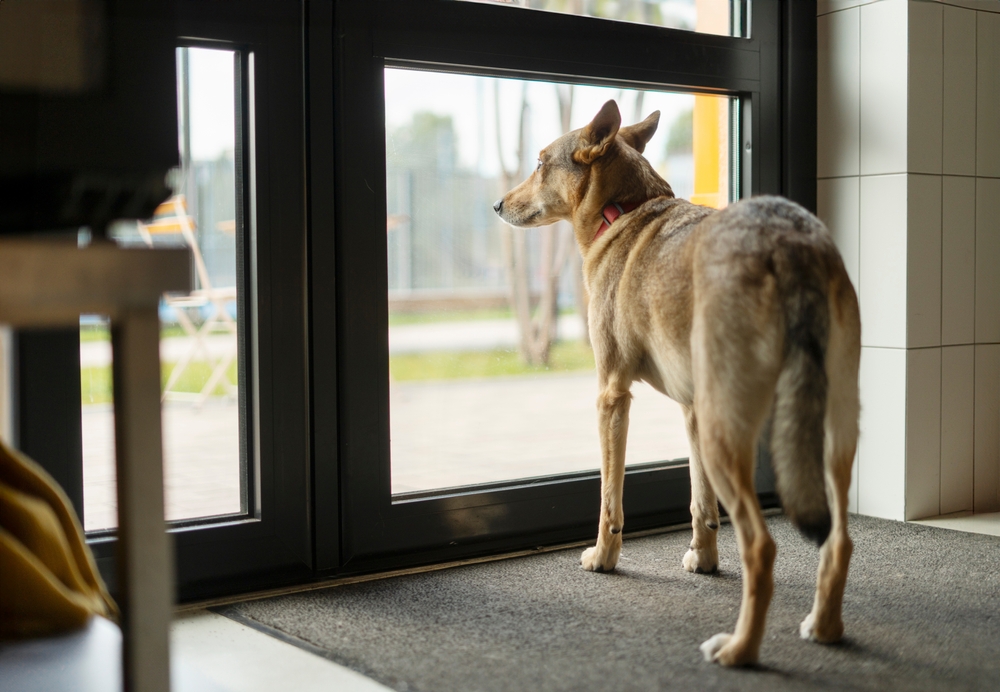
- Waiting by the Door: Puppies that begin standing or sitting near doors are often signalling they need to go outside, showing early understanding of where toilet behaviour should occur.
- Sniffing or Circling: Repeated sniffing, circling, or restlessness usually indicates a puppy is looking for a toilet spot, demonstrating growing awareness of their physical needs.
- Fewer Indoor Accidents: A noticeable reduction in accidents indoors often means bladder control is improving and the puppy is beginning to associate outdoor areas with bathroom behaviour.
- Following a Predictable Schedule: Puppies that consistently toilet after meals, naps, or playtime are responding to routine, which is a strong sign that toilet training habits are developing successfully.
- Responding to Toilet Cues: Puppies may begin responding to cues such as “go toilet” when taken outside, demonstrating they are linking the command with the behaviour
- Returning to the Same Spot: Many puppies start using the same outdoor toilet location consistently. This behaviour shows they recognise the designated area and feel comfortable using it.
Common Toilet Training Setbacks and What’s Normal
Even well-trained puppies can experience occasional setbacks during house training. Understanding why these issues happen helps owners stay patient and continue reinforcing consistent toilet routines.
- Regression During Growth Stages: Puppies sometimes temporarily forget routines during developmental phases, causing accidents even after progress, which is common with puppy behaviour problems. This behaviour is usually temporary and resolves with continued training consistency.
- Excitement or Distraction: Young puppies can become so excited during play or greeting people that they forget to signal the need for a toilet break.
- Changes in Routine: Travel, schedule changes, or new environments may confuse puppies and interrupt toilet habits until they adjust to the new routine.
- Incomplete Bladder Development: Some puppies simply need more time for bladder muscles to mature, especially in smaller breeds that naturally require more frequent toilet breaks.
- Night-Time Accidents: Younger puppies may struggle to hold their bladder overnight. Night-time accidents are common until bladder capacity improves as the puppy matures.
Tips to Support a Healthy Toilet Training Timeline
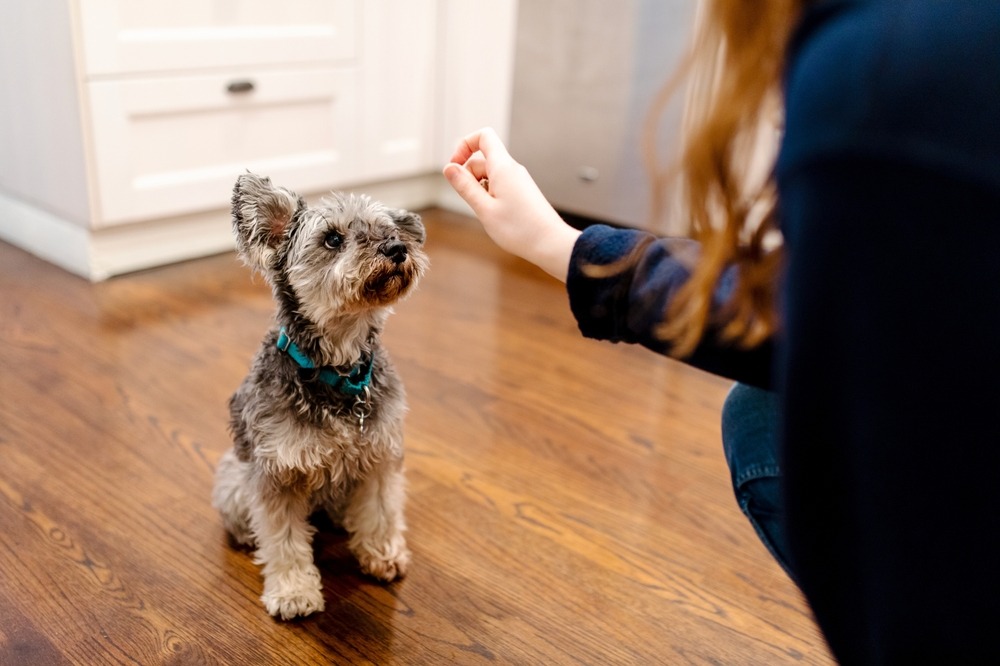
Consistent training methods and daily routines help puppies develop reliable toilet habits, although progress still depends on how long puppy training takes for each dog. These practical strategies encourage steady progress throughout the puppy toilet training timeline.
- Establish a Predictable Schedule: Taking your puppy outside at consistent times each day helps create a routine and teaches them when and where to take toilet breaks.
- Reward Successful Behaviour: Immediate praise or treats after outdoor toileting strengthens the connection between correct behaviour and positive outcomes, a principle at the heart of reward-based puppy training.
- Supervise Indoors Closely: Watching puppies carefully indoors allows owners to notice early signals and guide the puppy outside before accidents happen.
- Use Crate Training Carefully: Proper crate training in a correctly sized crate helps puppies learn bladder control because dogs naturally avoid soiling their sleeping space.
- Limit Indoor Freedom Early: Restricting access to large areas of the house helps prevent hidden accidents and keeps training focused on designated toilet areas.
When to Seek Help With Puppy Toilet Training
Most puppies learn toilet habits with consistent training, but some situations may require additional support. Here are situations when seeking help with puppy toilet training may be necessary.
- Frequent Accidents After Six Months: Puppies older than six months still have regular accidents, may need additional training guidance or evaluation of their routine.
- Sudden Behaviour Changes: Puppies that suddenly lose toilet habits after progress may be experiencing stress, environmental changes, or underlying health issues.
- Signs of Medical Problems: Frequent urination, discomfort, or unusual bathroom patterns may indicate urinary tract infections or digestive issues and can overlap with early signs of illness in puppies requiring veterinary attention.
- Persistent Training Difficulties: When consistent training efforts show little improvement, professional trainers can identify behavioural factors and provide tailored guidance.
Master the Puppy Toilet Training Timeline
Understanding the puppy toilet training timeline helps new owners stay patient and consistent during the learning process.
Puppies develop bladder control gradually, and accidents are normal while routines form.
With regular toilet breaks, supervision, and positive reinforcement, most puppies build reliable habits over time.
If you are planning to welcome a healthy puppy, Pups4Sale connects you with trusted breeders who make finding a healthy puppy simpler.
Frequently Asked Questions
1. How long does puppy toilet training usually take?
Most puppies become reliably toilet-trained between four and six months of age. However, the exact timeline varies depending on breed, training consistency, and the puppy’s individual development. Some puppies may learn faster, while others require additional time and supervision.
2. How often should a puppy go outside during toilet training?
Young puppies may need toilet breaks every one to two hours, as well as after sleeping, eating, playing, or drinking water. Frequent trips outside help prevent accidents and reinforce the correct toilet location during the early training stages.
3. What is the normal puppy toilet training timeline?
The normal puppy toilet training timeline begins around eight weeks of age, when puppies start learning routines. Most puppies show steady progress between three and four months and become mostly reliable by six months with consistent training.
4. Why does my puppy still have accidents after several weeks?
Accidents are common during toilet training and may occur due to excitement, distractions, schedule changes, or incomplete bladder development. Maintaining a consistent routine and closely supervising your puppy helps reduce accidents as training progresses.
5. Should I punish my puppy for toilet accidents?
Punishing a puppy for accidents can create fear and confusion. Instead, focus on guiding your puppy to the correct toilet location and rewarding successful behaviour. Positive reinforcement encourages puppies to repeat the desired behaviour.
6. Can crate training help with toilet training?
Crate training can support toilet training because dogs naturally avoid soiling their sleeping space. When used properly, crates help puppies learn bladder control and develop consistent bathroom routines.
 Add us as a preferred source