First-Time Breeder Mistakes That Harm Puppies
Breeding & Whelping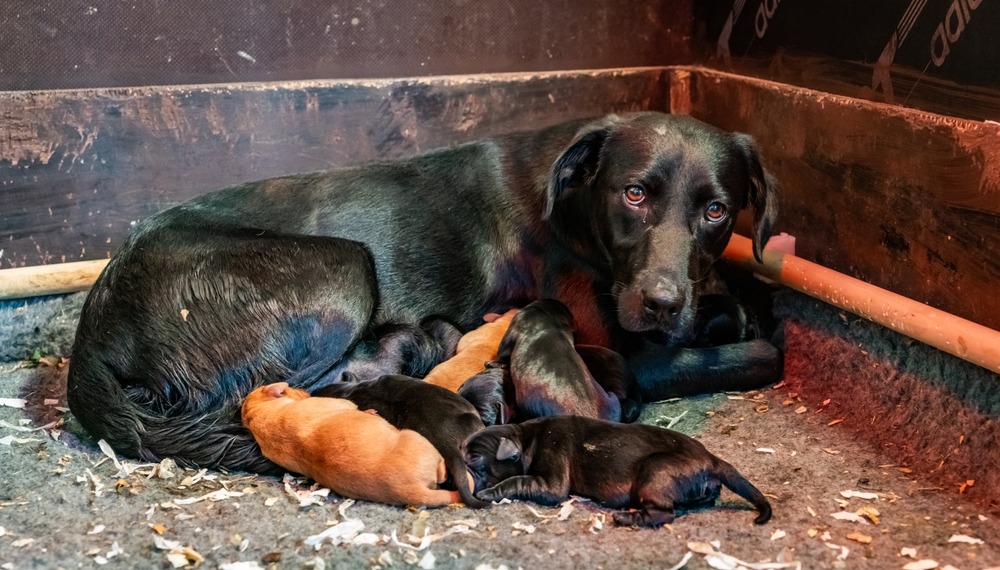 By James C. • February 26, 2026
Breeding a litter for the first time can be exciting, but inexperience can lead to serious and sometimes preventable harm. Many first-time breeder mistakes happen due to poor planning, lack of health testing, or misunderstanding of legal and welfare responsibilities.
Puppies are especially vulnerable during pregnancy, birth, and their first weeks of life. Even small oversights can affect their long-term health and behaviour.
This guide outlines the most common mistakes that harm puppies and explains how responsible preparation can protect both the dam and her litter.
1. Failing to Conduct Proper Health and Genetic Testing
One of the most damaging first-time breeder mistakes is breeding without comprehensive health and genetic screening. Many breeds carry hereditary risks such as hip dysplasia, heart conditions, eye disorders, or neurological diseases.
Without pre-breeding veterinary examinations and breed-specific DNA testing, these conditions can be passed directly to puppies, a risk that responsible breeding and whelping practices are designed to prevent. Responsible breeders obtain health clearances, understand genetic compatibility, and avoid pairing dogs with known inherited issues.
Skipping proper testing may result in lifelong medical complications for puppies and significant emotional and financial strain for future owners.
2. Breeding Without Understanding Legal Requirements
New breeders sometimes underestimate the importance of complying with state breeding laws. Registration, breeder identification numbers, and advertising transparency are legal obligations in most Australian states.
Failing to understand these requirements can result in fines, seizure of animals, or licence cancellation. Legal compliance also supports traceability and accountability, protecting puppy welfare.
Breeding without proper registration often indicates a lack of preparation and may expose puppies to substandard care. Responsible breeders research local regulations before mating and ensure all documentation is completed before selling a litter.
3. Poor Preparation for Pregnancy and Whelping

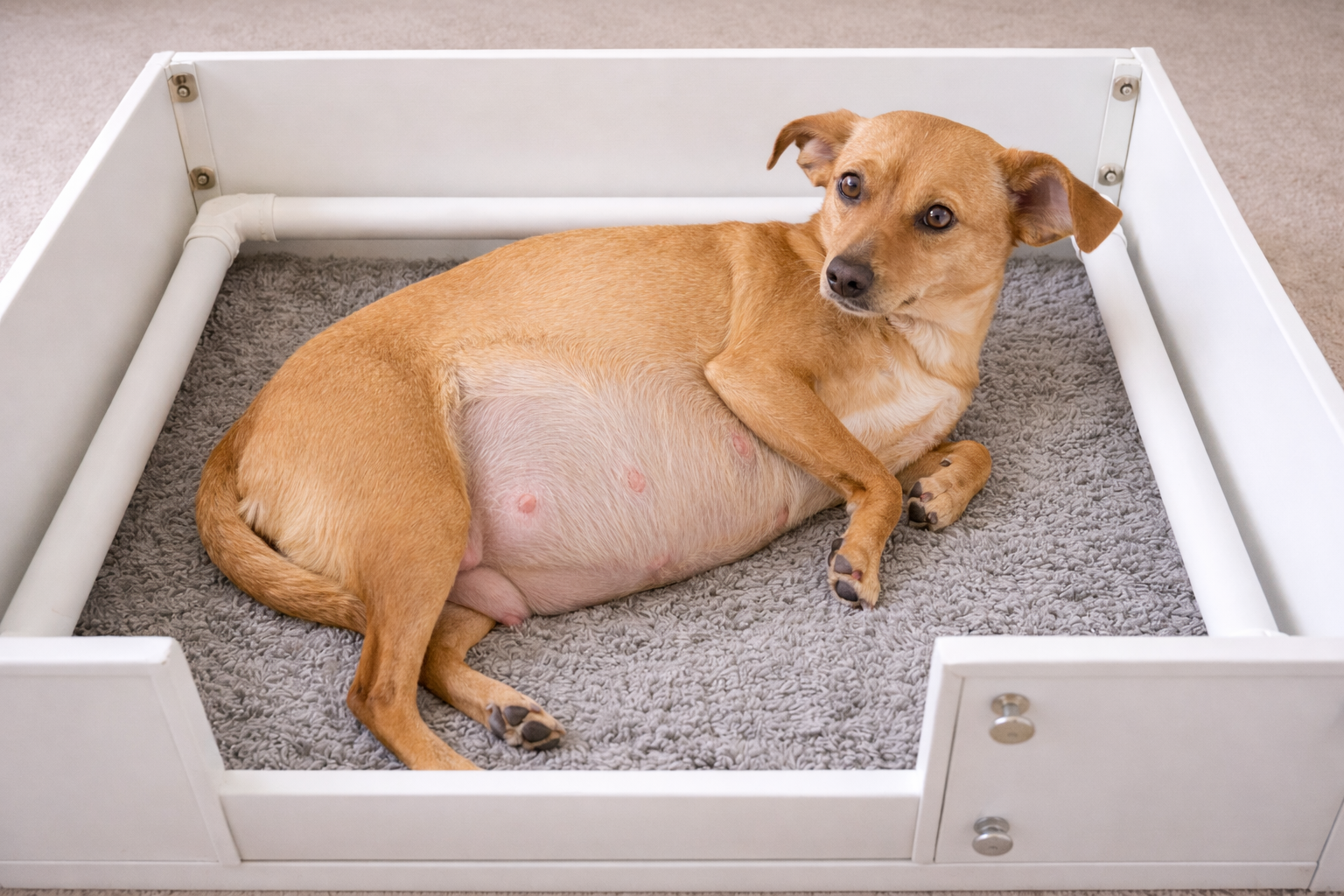
Pregnancy and birth require careful planning, yet many first-time breeders are unprepared for complications. Inadequate nutrition, lack of veterinary monitoring, and an improperly set-up whelping area can endanger both the dam and her puppies.
Temperature control, hygiene, and emergency readiness are essential during labour and the first days of life. Failure to recognise signs of distress or prolonged labour may delay urgent medical intervention.
Proper preparation includes veterinary guidance, emergency contact arrangements, and a safe, clean whelping environment designed for newborn safety.
4. Inadequate Monitoring During the First Two Weeks
The first two weeks after birth are the most vulnerable stage of a puppy’s life. Newborns cannot regulate their body temperature and depend entirely on the dam and environment.
First-time breeders who fail to monitor daily weight gain, nursing behaviour, and warmth may miss early warning signs of fading puppy syndrome or dehydration.
Poor hygiene and overcrowding further increase infection risks. Daily observation and accurate record keeping are critical. Prompt veterinary attention when a puppy shows weakness can significantly improve survival outcomes in the first two weeks.
5. Skipping Early Socialisation and Environmental Enrichment
Puppies experience a critical socialisation window between three and fourteen weeks of age. Failing to expose them gradually to normal household sounds, gentle handling, and positive human interaction can lead to fear-based behaviours later in life.
First-time breeders sometimes focus solely on physical health while overlooking behavioural development. Controlled exposure to safe environments, people, and mild stimuli, including how to socialise a puppy safely, builds confidence and resilience.
Without early enrichment, puppies may struggle to adapt to new homes, increasing the risk of anxiety and behavioural problems.
6. Poor Record Keeping and Documentation

Accurate documentation protects both puppies and buyers. First-time breeders sometimes neglect proper records of vaccinations, microchip numbers, health checks, and lineage details.
Without clear documentation, traceability is compromised, and buyers may lack essential medical information. Detailed records also assist veterinarians in monitoring puppy development and identifying hereditary risks.
Responsible breeders maintain organised files for each litter and provide complete paperwork at the time of sale. Poor record-keeping reflects a lack of professionalism and can undermine puppy welfare.
7. Overbreeding or Breeding Too Early
Breeding a female before full physical maturity or without adequate recovery time between litters places significant strain on her body. Young or overbred dams may experience difficult labour, nutritional deficiencies, or weakened immunity.
Puppies from poorly timed breedings can be smaller or less robust. Responsible breeding involves allowing sufficient rest between litters and following veterinary advice on appropriate age and health status.
Overbreeding prioritises output over welfare and can cause long-term health damage to both the dam and her offspring.
8. Choosing Profit Over Welfare

When financial gain becomes the primary focus, puppy welfare often suffers. Selling puppies too early, reducing veterinary care costs, or overcrowding breeding environments can harm physical and behavioural development.
Ethical breeding prioritises health, temperament, and responsible placement above profit margins. Puppies require time, veterinary investment, and careful socialisation to thrive. First-time breeders must understand that responsible breeding involves long-term commitment and financial planning.
Cutting corners may increase short-term income, but ultimately harms puppies and damages the breeder’s reputation.
9. Poor Nutrition for the Dam and Puppies
Nutrition plays a critical role before, during, and after pregnancy. First-time breeders sometimes underestimate the increased caloric and nutrient requirements of a pregnant or lactating dam.
Inadequate feeding can result in weak puppies, poor milk production, or developmental issues. Puppies that are not transitioned properly onto quality weaning diets may experience digestive upset or poor growth.
Veterinary guidance on feeding schedules and diet quality is essential. Proper nutrition supports immune development, healthy weight gain, and overall resilience during the earliest stages of life.
10. Failing to Screen and Educate New Owners
Responsible breeding does not end when puppies are ready to leave. First-time breeders may fail to properly assess potential buyers or provide education about care responsibilities. Placing puppies in unsuitable homes increases the risk of neglect, behavioural problems, or surrender.
Ethical breeders conduct careful buyer screening, discuss lifestyle suitability, and provide written care guidance. Ongoing support after placement demonstrates commitment to puppy welfare. Without responsible placement practices, even well-raised puppies may face unstable environments that negatively affect their long-term wellbeing.
Warning Signs of Puppy Distress
Newborn and young puppies can decline quickly if problems are not recognised early. These warning signs require immediate attention and possible veterinary care.
- Persistent Crying or Restlessness: Continuous crying, agitation, or inability to settle may indicate hunger, cold stress, pain, or underlying illness requiring prompt assessment.
- Failure to Nurse Properly: Puppies that struggle to latch, nurse weakly, or are pushed away from the dam may become dehydrated and require urgent support.
- Poor Weight Gain or Weight Loss: Lack of daily weight gain is a critical warning sign in newborn puppies and may signal infection, poor milk intake, or fading puppy syndrome.
- Cold Body Temperature: Puppies that feel cool to the touch may be hypothermic, which can quickly become life-threatening without immediate warming and care.
- Lethargy or Weakness: Unusual quietness, limpness, or lack of response to stimulation often indicates serious health concerns that require veterinary evaluation.
How First-Time Breeders Can Avoid These Mistakes

Responsible preparation and ongoing education are the strongest safeguards against harmful first-time breeder mistakes. These practical steps help protect puppies and support ethical breeding.
1. Seek Veterinary Guidance Before Breeding
Consult a veterinarian before mating to discuss health screening, genetic testing, and the dam’s overall suitability.
A pre-breeding health check identifies hidden conditions and ensures vaccinations and parasite prevention are current. Ongoing veterinary support throughout pregnancy and whelping significantly reduces avoidable complications.
2. Research Legal Requirements Thoroughly
Understand your state’s registration laws, breeder identification rules, and advertising obligations before planning a litter. Compliance protects puppies and ensures traceability.
Taking time to review official government resources prevents legal issues and reinforces responsible breeding standards from the outset.
3. Prepare a Safe and Hygienic Whelping Environment
Set up a properly designed whelping area with temperature control, clean bedding, and safety rails. Maintain strict hygiene during and after birth. Preparation should include emergency veterinary contact details and essential supplies to manage unexpected complications effectively.
4. Monitor Puppies Closely in Early Life
Weigh puppies daily, observe nursing behaviour, and ensure consistent warmth during the first two weeks. Early detection of weakness or poor weight gain allows for immediate intervention. Careful monitoring dramatically improves survival rates and long-term health outcomes.
5. Prioritise Socialisation and Ethical Placement
Provide structured, positive early socialisation experiences and carefully screen potential buyers. Educate new owners about feeding, training, and veterinary care. Responsible placement and ongoing support ensure puppies transition safely into stable, lifelong homes.
Protecting Puppies from First-Time Breeder Mistakes
Most first-time breeder mistakes are not intentional, but they can have lasting consequences for puppy health and welfare.
Proper planning, veterinary guidance, legal compliance, and early socialisation are essential for raising strong, confident puppies.
Responsible breeding is a long-term commitment, not a short-term decision.
If you are looking for a puppy from a breeder who prioritises welfare and ethical standards, browse verified listings on Pups4Sale and make informed, responsible choices.
FAQs About First-Time Breeding Mistakes
1. What are the most common first-time breeder mistakes?
The most common first-time breeder mistakes include skipping health testing, poor preparation for whelping, inadequate newborn monitoring, and failing to understand legal requirements. These errors can negatively affect puppy health, survival rates, and long-term behavioural development.
2. How can first-time breeders prevent harming puppies?
First-time breeders can reduce risks by seeking veterinary advice, conducting genetic testing, preparing a safe whelping area, and closely monitoring puppies during the first weeks. Ongoing education and compliance with breeding laws are also essential.
3. Is health testing really necessary before breeding?
Yes. Health and genetic testing help identify inherited conditions that could be passed to puppies. Responsible screening protects the dam, improves litter outcomes, and reduces the likelihood of long-term medical issues in offspring.
4. Why are the first two weeks so critical for puppies?
Newborn puppies cannot regulate body temperature and rely entirely on the dam for nutrition. Without close monitoring, issues such as hypothermia, dehydration, or fading puppy syndrome can escalate rapidly.
5. Can poor socialisation really harm puppies long-term?
Yes. Puppies have a critical early learning window. Limited exposure to positive human interaction and normal household experiences can result in fearfulness, anxiety, or behavioural challenges in adulthood.
6. How do legal requirements protect puppies?
Breeding laws enforce registration, traceability, and welfare standards. These regulations help prevent unethical practices and ensure puppies are raised in safe, monitored environments.
7. Where can I find responsible breeders?
Look for breeders who provide health documentation, breeder identification numbers, and clear welfare standards. You can browse verified listings on Pups4Sale to connect with responsible, compliant breeders.
 Add us as a preferred source