How Long Does Dog Labour Last? Stage-by-Stage Guide
Breeding & Whelping By James C. • February 28, 2026
If you are preparing for puppies, one of the first questions you may ask is how long does dog labour last? Labour in dogs happens in three distinct stages, and each stage follows its own typical timeline.
While many births progress smoothly, knowing what is normal helps you stay calm and recognise early warning signs.
In this stage-by-stage guide, you will learn how long each phase of labour usually lasts, what behaviours to expect, and when veterinary attention may be necessary to protect both mother and puppies.
How Long Does Dog Labour Last Overall?
When asking how long dog labour lasts, it is important to understand that the process includes three stages and can vary between dogs. In most cases, the entire labour lasts between 6 and 12 hours, although it can extend to 24 hours, particularly in first-time mothers or dogs carrying larger litters.
Stage 1, which includes early labour signs such as restlessness and a drop in body temperature, can last 6 to 12 hours on its own. Stage 2, when active pushing and puppy delivery occur, typically lasts 3 to 12 hours, depending on litter size and the dam’s experience. Stage 3, involving the passing of placentas, usually happens alongside puppy deliveries.
It is normal for there to be short resting periods between puppies. In many healthy births, puppies are delivered every 30 to 60 minutes. A calm pause of 15 to 60 minutes is common. However, a gap of up to two hours may still be normal if the mother appears calm and comfortable.
According to veterinary guidance from PDSA and Cornell University, strong contractions lasting more than 30 minutes without a puppy, or more than two hours between puppies, can indicate whelping complications and require immediate veterinary advice.
Although some dogs deliver quickly, others progress more slowly without complication. The key is monitoring behaviour, contraction strength, and discharge carefully throughout the process.
Stage One of Dog Labour: Early Labour (Preparation Phase)
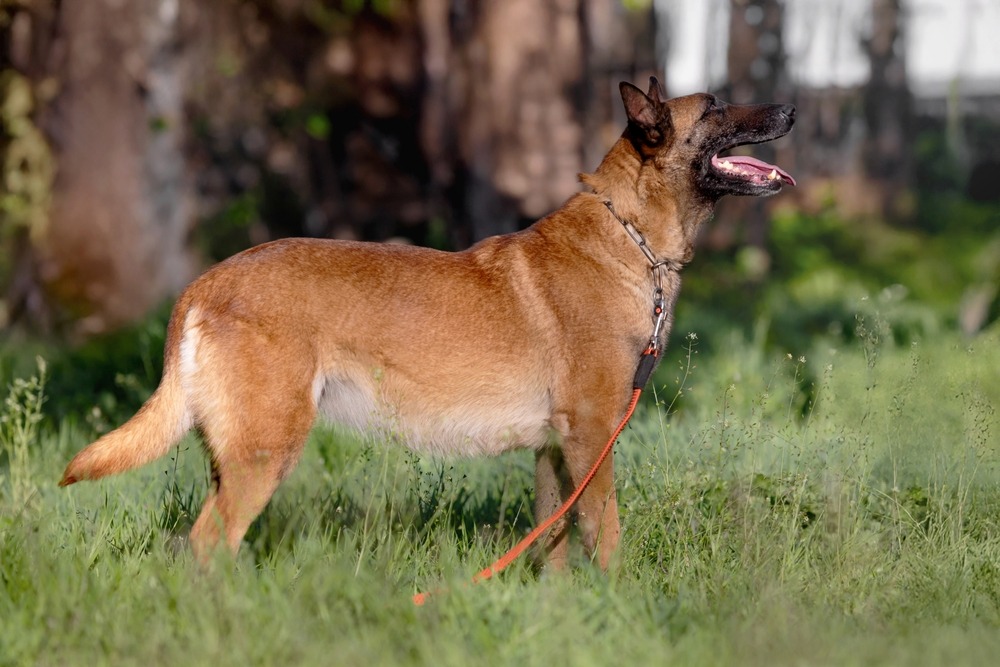
Stage One is the beginning of labour and is often the longest phase. During this stage, the cervix dilates, and the body prepares for delivery. Although there are no visible pushing contractions yet, important internal changes are taking place.
Many owners first notice behavioural shifts. A dog may begin nesting, scratching at bedding, pacing, panting, trembling, or seeking reassurance. Some dogs become clingy, while others prefer isolation.
A drop in body temperature, usually below 38°C, is one of the clearest signs a dog is ready to give birth and often occurs 12 to 24 hours before active labour begins.
In most cases, Stage One lasts between 6 and 12 hours, though it can extend up to 24 hours, especially in first-time mothers. It is important not to confuse this phase with stalled labour. Restlessness without straining is normal at this point, and forcing intervention too early can cause unnecessary stress.
However, if Stage One appears to continue beyond 24 hours without progression to active contractions, veterinary advice should be sought. Monitoring calmly, keeping the environment quiet, and ensuring access to a prepared whelping area are the most supportive steps during this early phase.
Stage Two of Dog Labour: Active Puppy Delivery
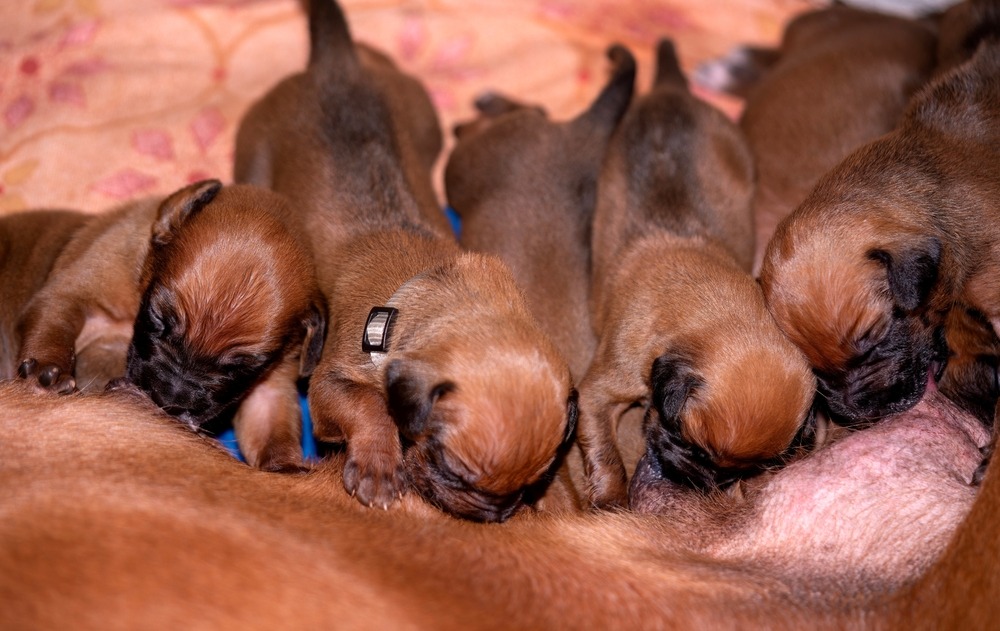
Stage Two is when active labour and puppy delivery begin. This phase usually lasts between 3 and 12 hours, depending on litter size, breed, and whether the dam has given birth before. It starts when strong, visible abdominal contractions become consistent and purposeful.
The first puppy is typically delivered within 1 to 2 hours of strong contractions. Once active pushing begins, you should see rhythmic straining followed by the appearance of a fluid-filled sac or part of the puppy in the birth canal. Most puppies are born within 15 to 60 minutes of active pushing.
It is normal for a mother to take short breaks between puppies. A calm pause of up to two hours may be acceptable if she is relaxed, not straining, and caring for the newborns.
According to veterinary guidance, strong contractions lasting more than 30 minutes without a puppy, or more than two hours between puppies, require immediate veterinary attention.
Puppies may be born head-first or breech, both of which can be normal. After each birth, the mother will usually tear the sac, clean the puppy, and stimulate breathing. Careful monitoring during this stage is essential, as most complications occur during active delivery.
Stage Three of Dog Labour: Passing the Placenta
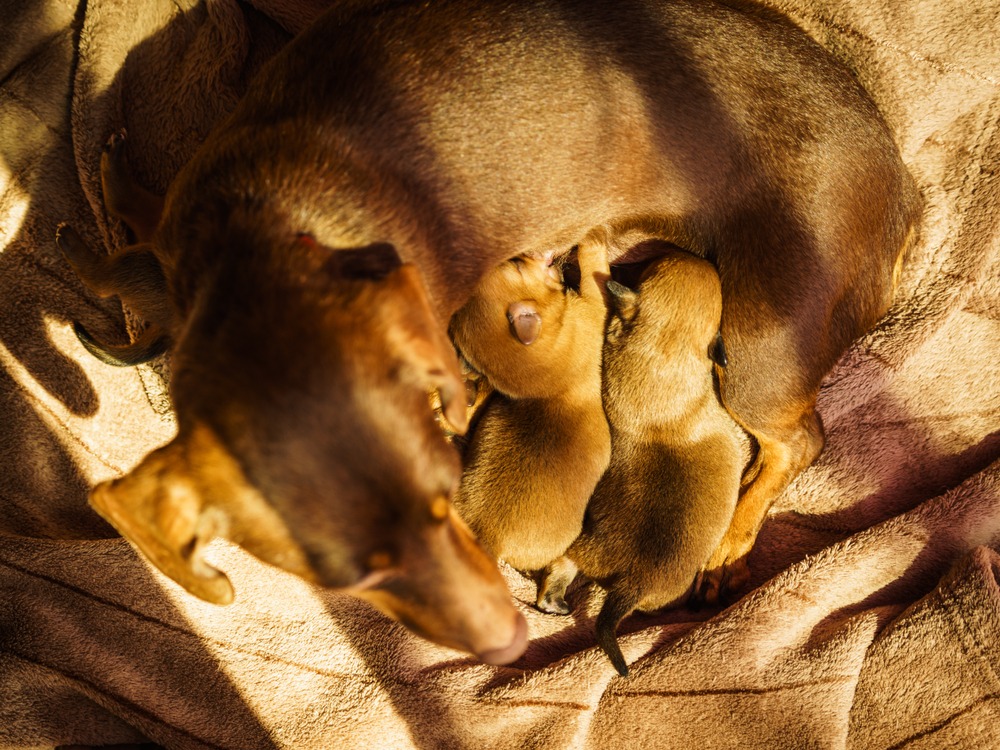
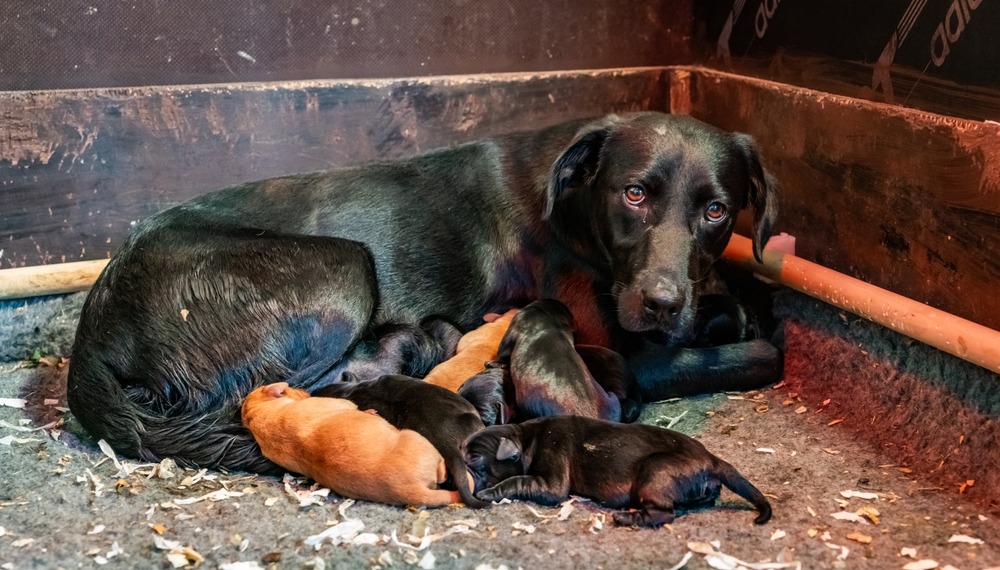
Stage Three involves the passing of the placenta after each puppy is delivered. In dogs, this stage does not always occur separately at the end of labour. Instead, the placenta is usually expelled shortly after each puppy, although sometimes two puppies may be born before their placentas are passed.
It is important to understand that each puppy has its own placenta. Counting them during labour helps ensure none are retained inside the uterus. A retained placenta can lead to infection, fever, foul-smelling discharge, and serious complications in the days following birth.
Many mothers will instinctively eat the placenta. This is normal behaviour and provides nutrients, but allowing her to consume too many may cause vomiting or diarrhoea. Monitoring rather than preventing the behaviour is generally advised.
You may notice a greenish-black discharge after a placenta passes, which is normal during labour. However, green discharge before the first puppy arrives can signal distress and requires urgent veterinary attention.
Although Stage Three is usually uneventful, careful observation remains essential. If you suspect a placenta has not been passed or your dog appears unwell after delivery, contact your vet promptly to prevent postpartum complications.
When Is Dog Labour Taking Too Long? Warning Signs
Even when you understand how long dog labour lasts, recognising abnormal delays quickly is essential to protect both the mother and her puppies. Here are warning signs to call a vet:
- Prolonged Strong Contractions: If your dog strains forcefully for more than 30 minutes without producing a puppy, this may indicate an obstruction or uterine exhaustion. Immediate veterinary assessment is strongly recommended to prevent distress or loss.
- Extended Gap Between Puppies: A pause of more than two hours between puppies, especially after active contractions have begun, can signal stalled labour. Veterinary advice should be sought promptly, even if your dog appears relatively calm.
- Green Discharge Before First Puppy: Dark green or black discharge prior to the first puppy being delivered may suggest placental separation. This situation requires urgent veterinary attention to safeguard the remaining unborn puppies.
- Extreme Lethargy or Collapse: If your dog becomes unusually weak, unresponsive, or collapses during labour, this is not normal fatigue. Such symptoms may indicate shock, internal complications, or severe distress requiring emergency care.
- Severe Pain or Continuous Distress: Persistent crying, excessive panting beyond contractions, or visible abdominal pain can suggest complications. Labour discomfort is expected, but continuous distress without progress warrants immediate veterinary evaluation.
- Pregnancy Exceeding Expected Due Date: If your dog has passed 63 to 65 days from ovulation without signs of labour, veterinary examination is necessary. Delayed labour increases risks for both the mother and the developing puppies.
How to Support Your Dog During Labour
Providing calm, practical support during labour can significantly reduce stress and improve safety for both mother and puppies. Here are the most important ways to help:
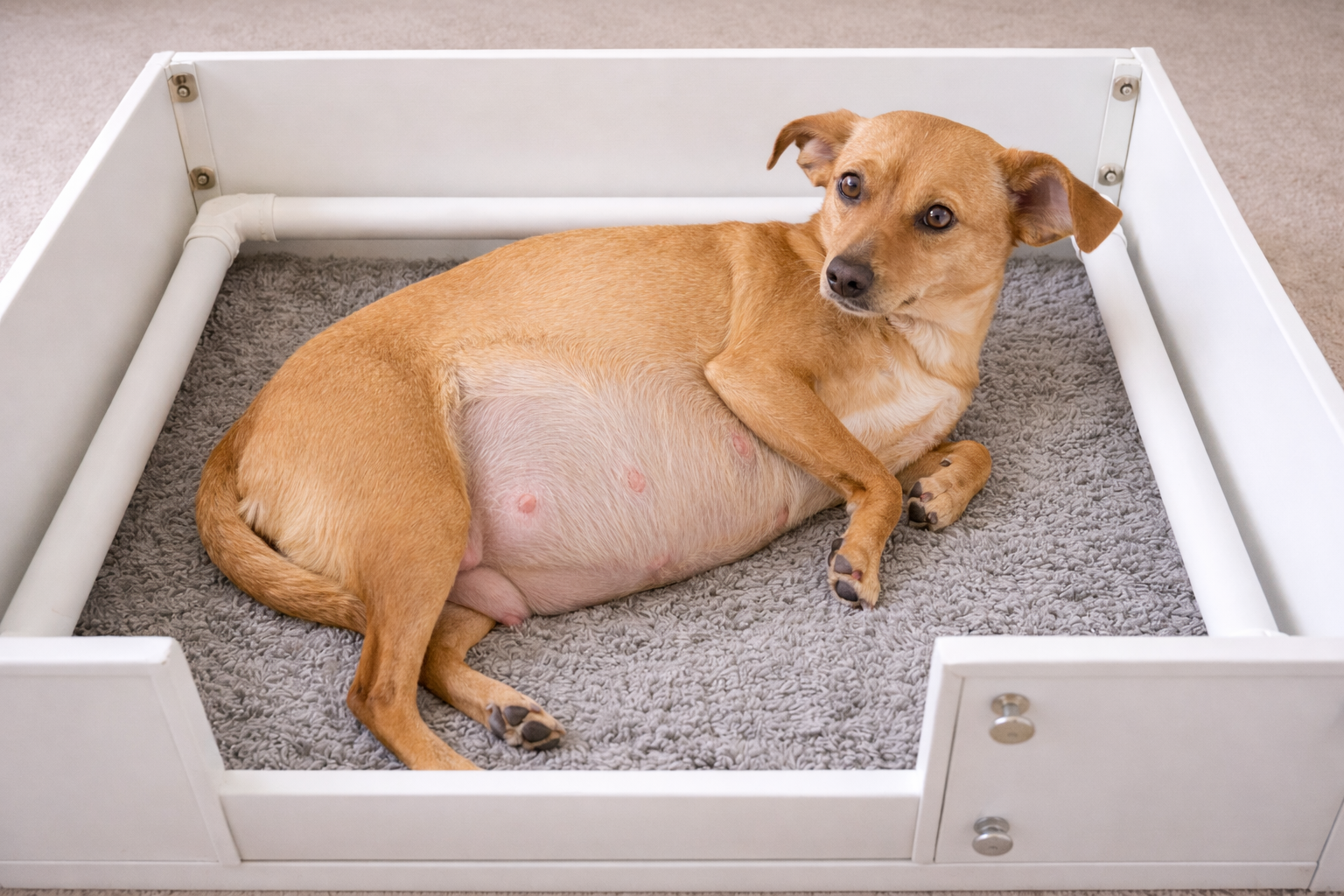
- Prepare a Quiet Whelping Area: Set up a clean, warm, and private whelping box several days before labour begins. A familiar, low-traffic space helps your dog feel secure and reduces anxiety during contractions.
- Monitor Body Temperature: Begin checking your dog’s temperature twice daily in the final week of pregnancy. A drop below 38°C often signals labour within 12 to 24 hours, helping you anticipate Stage One accurately.
- Observe Without Interfering: Allow your dog to manage contractions naturally unless clear complications arise. Excessive handling can increase stress and disrupt progress. Step in only if a puppy is stuck or veterinary guidance advises assistance.
- Keep Emergency Contacts Ready: Have your vet’s number easily accessible before labour begins. Quick action is critical if contractions stall, discharge appears abnormal, or more than two hours pass between puppies.
- Track Puppy Delivery Times: Record the time each puppy is born and when placentas pass. Accurate timing helps identify prolonged gaps between deliveries and ensures every placenta is accounted for.
- Provide Fresh Water and Comfort: Offer small amounts of water between contractions and keep bedding clean and dry. Gentle reassurance supports bonding and encourages your dog to focus calmly on delivering her litter.
How Long After Labour Is Your Dog Fully Recovered?
While delivery may be completed within a day, full recovery after dog labour takes significantly longer. Most mothers begin stabilising within 24 to 48 hours, but true physical recovery typically takes two to three weeks, with complete hormonal and uterine recovery lasting up to eight weeks.
In the first few days, your dog may appear tired yet attentive to her puppies. Mild vaginal discharge, known as lochia, is normal and can continue for up to three weeks. Her appetite should gradually increase, as nursing demands high energy output.
A healthy mother will remain alert, responsive, and interested in feeding her litter. Internally, the uterus begins shrinking back to its normal size over several weeks. During this period, monitoring for signs of infection, fever, foul-smelling discharge, or refusal to nurse is essential.
Conditions such as mastitis or retained placenta can delay recovery and require prompt veterinary care.
By three to four weeks postpartum, most dogs regain their usual strength and behaviour, although lactation continues until puppies are weaned. Proper nutrition, hydration, rest, and regular observation are key to ensuring a smooth and complete recovery after labour.
Is Your Dog Ready for Whelping? Understanding the Timeline
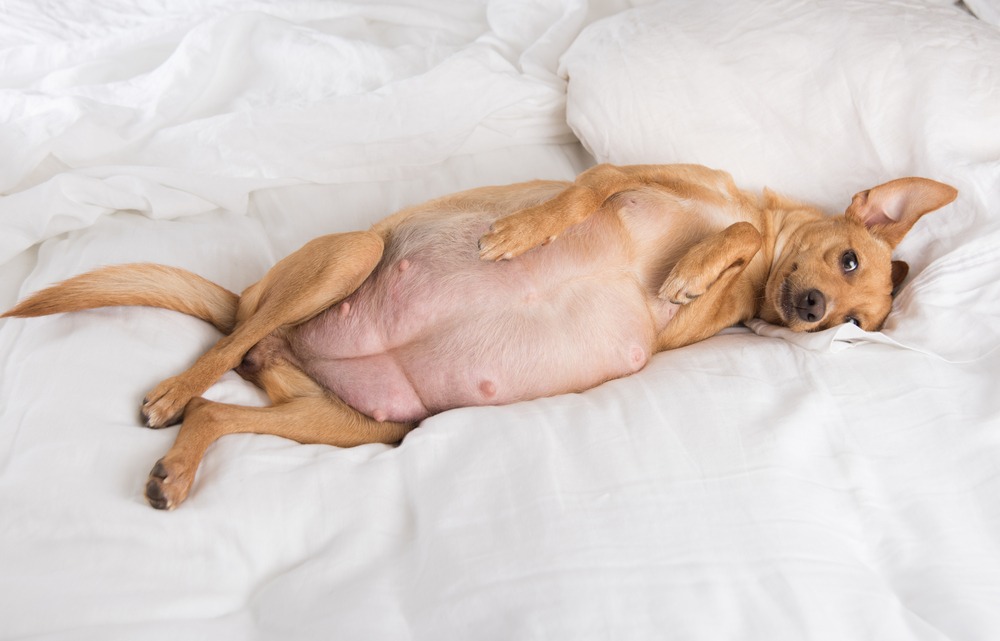
Knowing when your dog is truly ready for whelping reduces panic and allows you to prepare properly. Canine pregnancy lasts approximately 63 days from ovulation, although a range of 58 to 68 days can still be normal depending on breeding timing.
Around day 55, you should begin closer monitoring. The most reliable indicator that labour is approaching is a drop in rectal temperature below 38°C, which typically occurs 12 to 24 hours before Stage One begins. Taking her temperature twice daily from day 58 helps you identify this shift accurately.
Behavioural changes also signal readiness. Nesting, digging, pacing, clinginess, or withdrawal are common in the final 24 to 48 hours. Appetite may decrease, and some dogs may vomit shortly before labour starts. Milk production often increases in the final week, although this varies between individuals.
Physical changes include enlargement of the vulva and softening of the abdomen as puppies move into position. However, visible contractions mean labour has already progressed beyond preparation.
If your dog passes her expected due date without signs of labour, or if she appears unwell, veterinary assessment is important. Careful tracking of the timeline ensures you recognise when whelping is imminent and when intervention may be required.
Understanding How Long Dog Labour Lasts
Understanding how long does dog labour lasts helps you stay calm, prepared, and responsive during one of the most important moments in your dog’s life.
Most labours last between 6 and 12 hours and progress through three distinct stages, each with clear signs.
Careful monitoring, early preparation, and knowing when to contact your vet are essential for a safe delivery and can help you avoid first-time breeder mistakes.
Planning each stage of breeding and whelping in Australia well in advance helps ensure you are fully prepared.
FAQs About How Long Dog Labour Lasts
1. How long does dog labour last for first-time mothers?
First-time mothers may take slightly longer than experienced dogs. While most labours last between 6 and 12 hours, early labour can extend up to 24 hours. Close monitoring is important, particularly during Stage Two when puppies should arrive within expected intervals.
2. Can dog labour last more than 24 hours?
In most healthy cases, active labour does not exceed 24 hours. However, early Stage One may appear prolonged. If strong contractions continue for 30 minutes without a puppy, or more than two hours pass between puppies, veterinary advice is required.
3. How long between puppies is considered normal?
Puppies are commonly delivered every 30 to 60 minutes during Stage Two. A rest period of up to two hours can still be normal if the mother is calm and not actively straining. Longer delays should be assessed by a vet.
4. When should I call a vet during dog labour?
You should contact a vet immediately if strong contractions are lasting over 30 minutes without a puppy, green discharge before the first puppy, extreme lethargy, or more than two hours between puppies during active labour.
5. How do I know Stage One of dog labour has started?
Stage One often begins with nesting behaviour, restlessness, panting, trembling, and a drop in body temperature below 38°C. These signs typically appear 12 to 24 hours before visible contractions begin.
6. Is it normal for a dog to sleep between puppies?
Yes, short rest periods are common between deliveries, especially in larger litters. As long as your dog appears comfortable and contractions resume within two hours, brief pauses between puppies are usually normal.
 Add us as a preferred source