
Puppy Mortality Causes in the First Two Weeks
Breeding & Whelping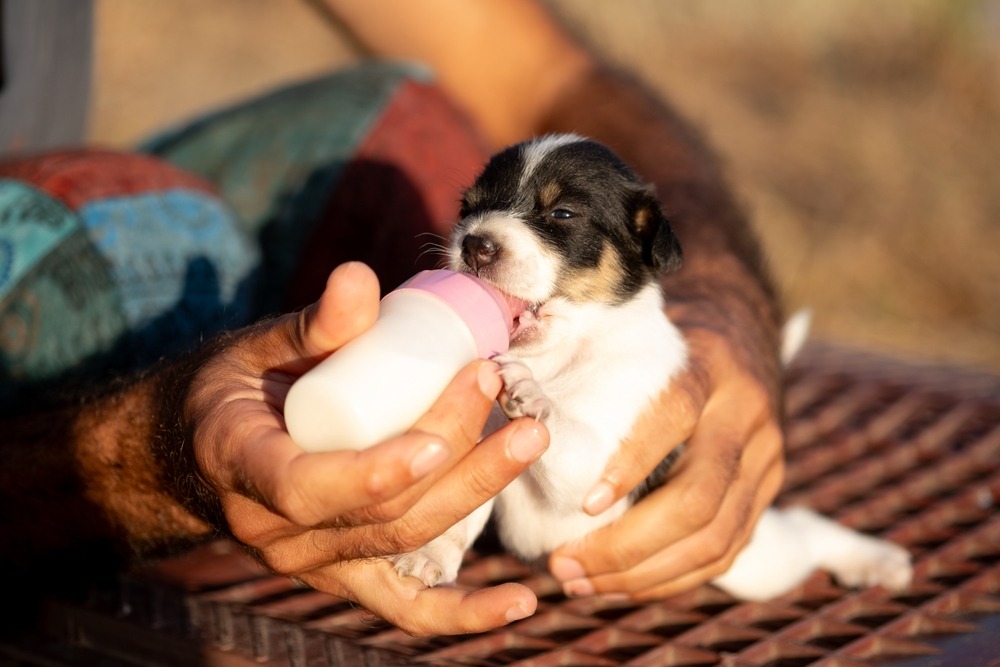 By James C. • February 28, 2026
The first two weeks of a puppy’s life are the most critical, with many newborns vulnerable to health complications. Puppy mortality in the first two weeks is a concern for breeders and owners alike, as early losses can occur unexpectedly.
Understanding the common causes, risk factors, and early warning signs can help improve survival rates.
This article covers maternal care, environmental factors, infections, congenital issues, and practical steps you can take to support newborn puppies during this fragile period.
Why the First Two Weeks Are So Critical for Puppies
The first two weeks set the foundation for a puppy’s survival, growth, and long-term health. Understanding these key vulnerabilities helps breeders and owners take effective preventive measures.
- Immature Immune System: Puppies are born with limited immune protection and rely heavily on maternal colostrum for antibodies. Without adequate intake, they are highly susceptible to infections, which can quickly become fatal.
- Inability to Regulate Body Temperature: Neonates cannot maintain their own body heat. Hypothermia or hyperthermia can develop rapidly, leading to weakness, organ failure, or death if environmental conditions are not carefully controlled.
- Dependence on Maternal Nutrition: Puppies rely entirely on the dam’s milk for energy and hydration. Insufficient maternal care, low milk production, or missed nursing sessions can cause hypoglycaemia and dehydration.
- Rapid Developmental Changes: Organ systems are immature at birth and develop quickly. Any stress, injury, or congenital defect during this phase can disrupt growth, affecting survival and long-term health.
- High Susceptibility to Fading Puppy Syndrome: Puppies may appear normal at birth, but can weaken and die suddenly. Early signs like lethargy, poor suckling, or low activity require immediate attention to improve survival chances.
Understanding Neonatal Puppy Mortality
Neonatal puppy mortality refers to the death of puppies within the first two weeks of life, a period when they are most fragile. Puppies are highly vulnerable due to immature immune systems, inability to regulate body temperature, and complete dependence on their mother for nutrition and care. Understanding the causes of early death helps breeders and owners take proactive measures to improve survival rates.
A leading cause is Fading Puppy Syndrome, where seemingly healthy puppies weaken rapidly due to infection, hypoglycaemia, hypothermia, or congenital defects. Infections, including bacterial sepsis, viral illnesses, and parasites, are particularly dangerous because neonates cannot fight pathogens effectively.
Environmental risks like cold temperatures, drafts, poor hygiene, or overcrowding can also lead to hypothermia, low energy, and organ failure.
Hypoglycaemia is common in small or weak puppies, causing tremors, lethargy, or seizures if not corrected. Congenital and genetic defects, such as cleft palate or heart anomalies, may also result in early mortality. Maternal factors, including low milk production, accidental crushing, or rejection, further increase risks during these critical days.
By monitoring puppies closely, maintaining a clean and warm whelping area, and seeking early veterinary support, breeders can significantly reduce neonatal puppy mortality and give puppies the best chance at survival.
Key Indicators and “Fading” Symptoms
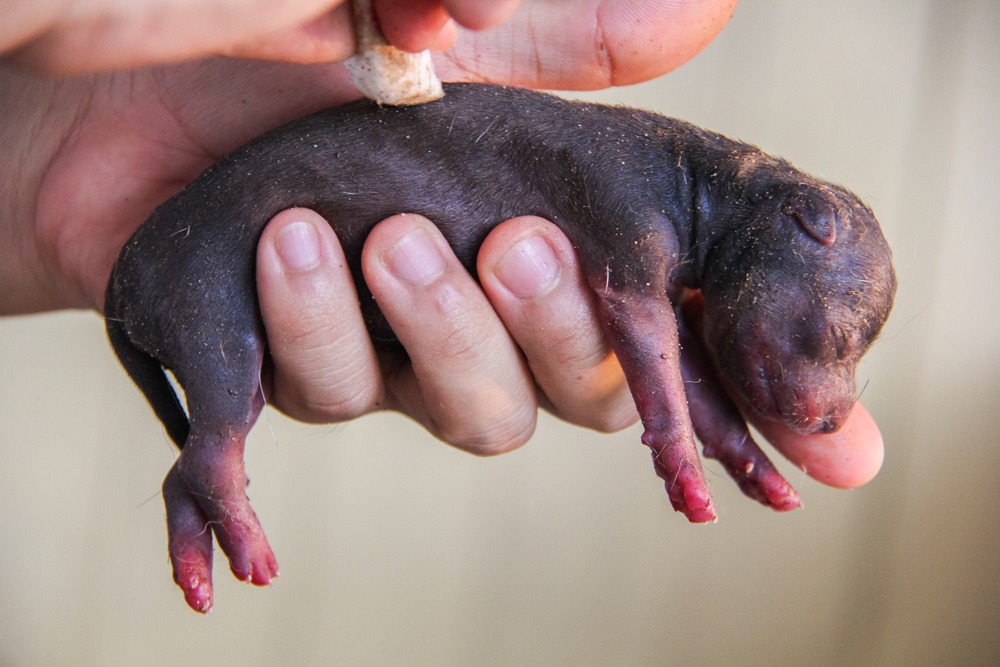
Recognising early warning signs of illness and fading puppy syndrome is critical. Timely intervention can prevent mortality and improve survival during the first two vulnerable weeks of a puppy’s life.
- Low Activity: Puppies that appear unusually lethargic or weak may indicate fading puppy syndrome. Reduced movement and lack of responsiveness often precede rapid deterioration.
- Poor Suckling: Difficulty latching or inadequate nursing reduces nutrition and antibody intake, leaving neonates vulnerable to hypoglycaemia, dehydration, and infections.
- Failure to Gain Weight: Puppies that do not gain weight steadily in the first days may be at risk. Consistent weight monitoring is crucial for early detection.
- Persistent Crying: Excessive or high-pitched crying can indicate discomfort, hunger, or illness. Monitoring vocalisation patterns helps identify pups in distress before severe weakening.
- Hypothermia: Low body temperature in puppies is a common sign of fading. Ensuring warmth in the whelping environment is essential for survival.
- Isolation from Litter: Puppies separating themselves or are rejected by the mother may be too weak to compete. Close supervision helps prevent worsening conditions.
Main Causes of Early Puppy Death

Several critical factors contribute to early puppy death in the first two weeks. Understanding these causes helps breeders improve survival and reduce neonatal losses.
1. Infections and Immune Challenges
Neonatal puppies have underdeveloped immune systems, leaving them highly vulnerable to pathogens. Bacterial septicemia, viral infections, and canine herpesvirus (CHV) are common causes of early death.
Puppies that fail to receive sufficient maternal antibodies from colostrum are at higher risk. Strict hygiene, close monitoring, and prompt veterinary care are essential to prevent infections and support survival during this critical early stage.
2. Environmental Stressors
Newborns cannot regulate body temperature or respond to environmental extremes. Hypothermia, overheating, and unsanitary conditions can quickly lead to weakness, dehydration, or fatal infections. Overcrowding, drafts, and improper bedding also increase stress.
Providing a stable, warm, clean, and quiet environment is crucial to help puppies conserve energy, maintain health, and thrive in the first two weeks.
3. Insufficient Maternal Care and Nutrition
Puppies rely entirely on the dam for warmth, hydration, and nutrients. Neglect, inadequate milk production, or refusal to nurse can cause hypoglycaemia, dehydration, and immune deficiencies.
First-time mothers, large litters, or fatigued dams may struggle to care for all puppies. Supplementary feeding, careful monitoring, and ensuring access to maternal warmth significantly improve survival chances.
4. Congenital and Developmental Issues
Low birth weight, genetic abnormalities, or organ malformations can compromise survival. Even seemingly healthy puppies may fail to thrive if vital organs are underdeveloped.
Early recognition and veterinary support, including supplemental feeding or medical intervention, can sometimes allow affected neonates to overcome these challenges.
5. Metabolic and Nutritional Problems
Puppies unable to nurse properly may develop hypoglycaemia, dehydration, or energy imbalances. Immature organs and low energy reserves make them prone to rapid deterioration.
Regular monitoring of feeding, weight gain, and overall condition is essential to prevent fatal complications in this vulnerable early stage.
Risk Factors That Increase Puppy Mortality
Certain factors make puppies more vulnerable to death during the first two weeks. Recognising and managing these risks can significantly improve survival rates in neonatal litters.
- Breed Predisposition: Some breeds, particularly small or brachycephalic dogs, have higher neonatal mortality due to genetic vulnerabilities, low birth weights, or structural challenges, making careful monitoring and supportive care essential for early survival.
- Dam’s Age and Experience: First-time mothers or very young/older dams may provide suboptimal care. Inexperienced dams may neglect nursing, produce insufficient milk, or struggle with litter management, increasing mortality risk.
- Litter Size Extremes: Very large litters increase competition for milk, while very small litters may reduce maternal stimulation, so litters well outside the normal litter size need closer watching. Both extremes can contribute to weaker puppies struggling to survive in the first two weeks.
- Environmental Mismanagement: Inadequate heating, poor sanitation, drafts, or overcrowding create stress and increase infection risk. Puppies are highly sensitive to temperature and cleanliness, making environmental control crucial.
- Low Birth Weight: Puppies with low birth weight have reduced energy reserves, weaker immune systems, and difficulty nursing, making them more prone to fading puppy syndrome and early mortality without intensive care.
- Maternal Health and Nutrition: Poor maternal nutrition, illness, or inadequate colostrum production can compromise immunity and energy intake, leaving puppies more susceptible to infections, hypoglycaemia, and early death.
- Handling and Stress: Excessive or improper handling, sudden environmental changes, and stress during the neonatal period can weaken puppies, disrupt feeding behaviour, and reduce their chances of survival.
How to Reduce Puppy Mortality in the First Two Weeks
The first two weeks of life are critical for puppies. Careful preparation, constant monitoring, and proper maternal support can drastically improve survival rates and ensure healthy development.
1. Provide a Clean and Safe Whelping Environment
Maintaining a sanitised, calm, and secure whelping area is essential. Use clean, soft bedding, control temperature between 28–32°C for the first week, and ensure the area is free of drafts, pests, or hazards.
Adequate space and privacy in a proper whelping box setup allow the mother to care for her litter without stress, reducing the risk of infection, crushing, or environmental-related deaths.
2. Monitor Puppies Closely
Weighing each puppy daily and observing behaviour helps detect early signs of fading, weakness, or poor feeding. Record growth and activity levels to identify underperforming pups.
Early intervention, such as assisted feeding or warming, can prevent hypoglycaemia, hypothermia, and other preventable causes of neonatal death.
3. Ensure Adequate Colostrum Intake
The first 12–24 hours are crucial for colostrum ingestion, providing vital antibodies and nutrients. Monitor suckling closely, assist weaker puppies, and supplement with high-quality puppy milk replacer when necessary. Adequate intake strengthens immunity and energy reserves.
4. Maintain Maternal Health and Nutrition
A healthy, well-nourished mother, supported by knowing what to feed a pregnant dog, produces enough milk and provides proper care. Offer high-quality, energy-dense food and clean water, monitor for mastitis, illness, or stress, and schedule veterinary checks to support both dam and litter health.
5. Minimise Stress and Handling
Excessive handling or sudden changes can disrupt feeding and increase stress in puppies. Gentle, controlled interactions only when necessary preserve energy, promote proper growth, and reduce the likelihood of fading or mortality during this fragile period.
6. Be Prepared for Emergencies
Keep veterinary contacts and emergency supplies on hand. Complications like dystocia, retained placentas, or weak newborns require prompt intervention. Rapid response can save puppies’ lives and prevent further maternal stress or injury.
7. Support First-Time Mothers
Primiparous dams may need guidance. Assist with feeding, warmth, and hygiene, while allowing natural bonding. Close supervision ensures proper care, reduces maternal anxiety, and lowers the risk of early neonatal mortality.
Protecting Puppies in the First 14 Days
The first two weeks are critical for puppy survival.
Puppy mortality in the first two weeks is influenced by infections, environment, maternal care, and congenital factors. Careful monitoring and timely veterinary intervention improve outcomes.
Trusted breeders, reliable puppy resources, and sound breeding and whelping practices all help ensure your litter receives the best care and support.
FAQs About Puppy Mortality in the First Two Weeks
1. What is considered normal puppy mortality in the first two weeks?
Neonatal puppy mortality can reach 20–30%, with most deaths occurring in the first week. Early losses are often due to low birth weight, fading puppy syndrome, or inadequate maternal care, highlighting the importance of monitoring and support.
2. How can fading puppy syndrome be recognised early?
Fading puppy syndrome shows subtle signs such as weakness, low activity, poor suckling, and failure to gain weight. Early detection allows timely intervention, improving survival chances in the first two critical weeks.
3. Which breeds are at higher risk of neonatal mortality?
Some breeds, particularly small, brachycephalic, or genetically predisposed dogs, have higher puppy mortality in the first two weeks. First-time dams and large litters can also increase the risk for neonatal deaths.
4. How does maternal colostrum affect puppy survival?
Colostrum provides essential antibodies and nutrition within the first 24 hours. Puppies lacking adequate colostrum intake are more vulnerable to infections and have lower survival rates during the neonatal period.
5. Can environmental changes prevent early puppy deaths?
Maintaining warm, clean, and stable conditions in the whelping area is crucial. Proper temperature, hygiene, and minimal stress reduce infection risk and improve survival for vulnerable newborn puppies.
6. What signs require immediate veterinary attention?
Puppies that are lethargic, weak, hypothermic, fail to nurse, or cry excessively need urgent evaluation. Rapid deterioration in the first two weeks demands prompt veterinary care to save at-risk neonates.
7. Are low-birth-weight puppies more likely to die early?
Yes. Puppies with low birth weight have limited energy reserves, weaker immune systems, and struggle to nurse. These factors increase the risk of fading puppy syndrome and early mortality without close monitoring.
 Add us as a preferred source