Comprehensive Dog Health and Vet Care Guide for Aussie Dog Parents
Dog Health & Veterinary Care By James C. • January 28, 2026
Vet visits in Australia are rising fast, and many dog parents are spending thousands each year on preventable health issues. That can be scary. It does not have to be!
Great dog health is not about reacting when something goes wrong. It is about knowing what to watch for, when to act, and how to stay ahead. From puppy checks to senior care, small choices make a huge difference.
This guide walks Aussie dog parents through vaccinations, nutrition, common health risks, vet care, and emergency planning. Clear, practical, and built for real life, so you can keep your dog healthier for longer.
Understanding Your Dog’s Basic Health Needs
Here are the core health needs every dog relies on, forming the foundation for long-term wellbeing, disease prevention, and a happy, active life.
1. Balanced Nutrition for Every Life Stage
Proper nutrition fuels your dog’s immune system, growth, and energy levels. Puppies, adults, and senior dogs all require different nutrient balances.
High-quality food supports healthy weight, digestion, coat condition, and joint health. Poor nutrition can contribute to obesity, allergies, and long-term health problems that are often preventable.
2. Regular Exercise and Physical Activity
Daily exercise keeps your dog physically fit and mentally stimulated. The right amount depends on breed, age, and health, but consistent movement supports joint health, heart function, and behaviour.
Without enough activity, dogs may develop weight issues, anxiety, or destructive habits that impact overall wellbeing.
3. Parasite Prevention and Disease Protection
Fleas, ticks, worms, and heartworm are common risks across Australia. Ongoing parasite prevention protects your dog from discomfort and serious illness. Vaccinations also play a critical role in preventing contagious diseases. Your vet can recommend a prevention schedule based on your location, climate, and your dog’s lifestyle.
4. Mental Stimulation and Emotional Wellbeing
Mental health is just as important as physical health. Dogs need enrichment through training, play, and social interaction. Boredom and stress can lead to anxiety, reactivity, or depression. Providing structure, routine, and positive engagement helps your dog feel secure, confident, and emotionally balanced.
4. Hygiene, Grooming, and Daily Observation
Regular grooming supports skin health, prevents matting, and allows early detection of lumps, injuries, or parasites.
Daily observation of appetite, behaviour, and bathroom habits helps you notice subtle changes early. Catching issues sooner often leads to simpler treatment and better health outcomes.
Puppy Health Care Essentials

Here are the essential health care steps every puppy needs to grow strong, protected, and confident during their critical early months.
1. Schedule Early Vet Visits and Health Checks
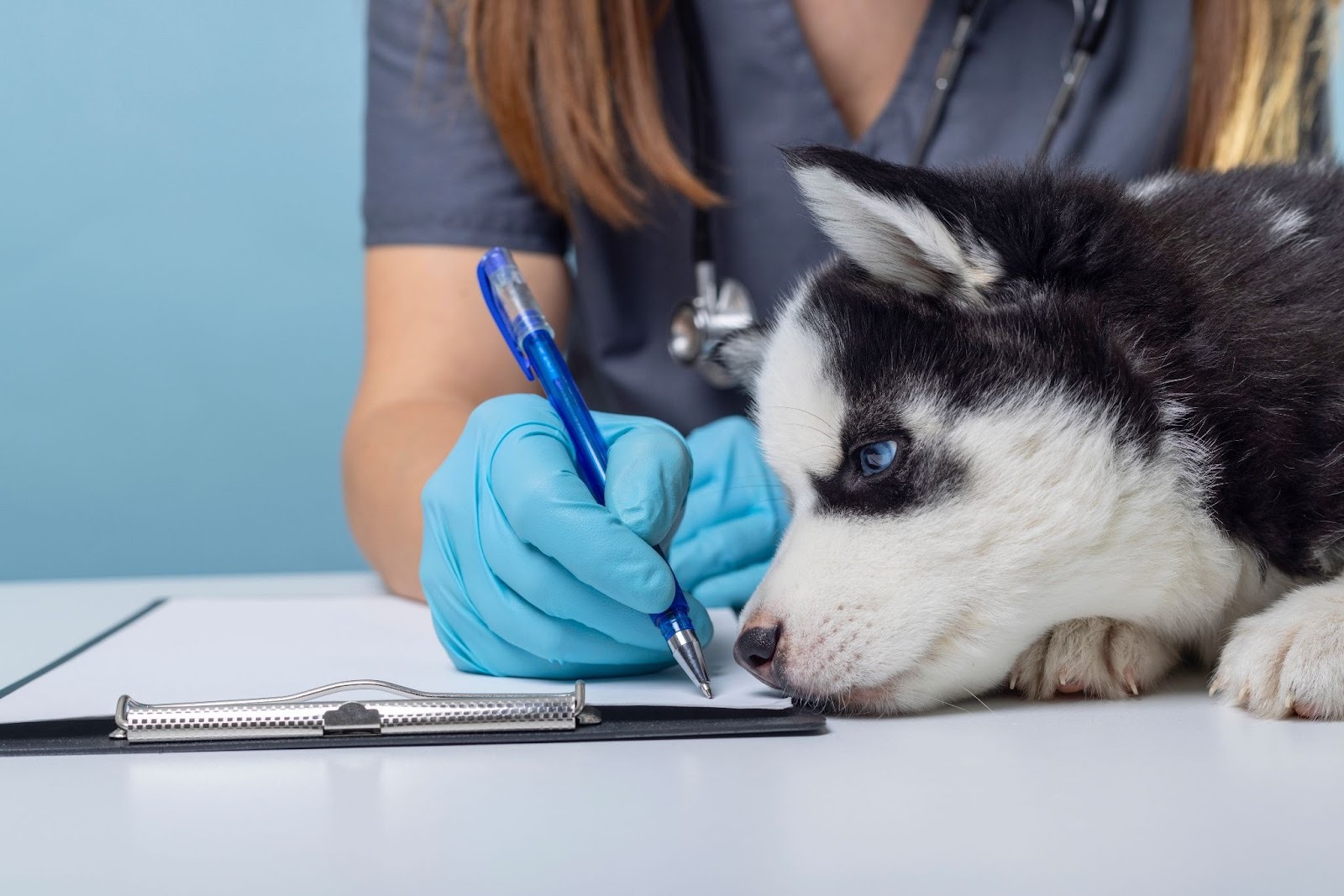
Your puppy’s first vet visit sets the foundation for lifelong health. Vets assess growth, heart and lung health, eyes, ears, and joints while creating a vaccination and parasite prevention plan. Early checks help detect congenital issues and provide guidance tailored to your puppy’s breed and lifestyle. Desexing, microchipping and the vaccination course all fall into first-year puppy vet costs, so it helps to budget for them from this first visit.
2. Follow the Recommended Vaccination Schedule
Vaccinations protect puppies from serious and potentially fatal diseases. Core vaccines are given in stages during the first months of life, with boosters required.
Following your vet’s schedule and a clear puppy vaccination schedule for new owners ensures your puppy builds immunity safely and remains protected as they begin socialising.
3. Start Parasite Prevention Early
Puppies are vulnerable to fleas, worms, ticks, and heartworm. Early parasite prevention protects their developing immune system and prevents discomfort, illness, and long-term complications. Your vet can recommend age-appropriate treatments suited to Australian conditions.
4. Monitor Growth, Weight, and Development
Regularly tracking your puppy’s weight, appetite, and behaviour helps ensure healthy development. Sudden changes can signal health concerns. Consistent monitoring supports early intervention and keeps growth on track during this fast-changing life stage.
5. Establish Dental and Grooming Habits
Introducing dental care and grooming early builds positive routines. Gentle tooth brushing, coat care, and handling support oral health and reduce stress during future vet visits or grooming sessions.
Adult Dog Health and Preventive Care

Here are essential preventive care steps every adult dog needs to stay healthy, active, and protected through consistent veterinary support.
1. Commit to Annual Veterinary Check-Ups
Annual veterinary check-ups help detect health issues early and maintain long-term wellbeing. Vets assess weight, teeth, joints, heart, and organs while updating vaccinations and parasite plans.
Routine blood tests establish baselines, making subtle changes easier to spot. Consistent annual visits reduce emergency risks, control costs, and ensure your dog receives care tailored to age, breed, and lifestyle needs, with ongoing attention.
2. Maintain Consistent Parasite Prevention
Effective parasite prevention protects adult dogs from fleas, ticks, worms, and heartworm year-round. Australian conditions increase exposure risks, even for indoor dogs.
Vet-recommended preventatives stop infestations, reduce disease transmission, and protect households.
Consistent dosing schedules are essential, as missed treatments allow parasites to re-establish quickly, causing discomfort, illness, and costly veterinary intervention for dogs of all breeds and sizes nationwide.
3. Manage Weight, Diet, and Exercise
Maintaining a healthy weight is critical for adult dog longevity and mobility. Excess weight strains joints, organs, and the heart, increasing disease risk. Balanced nutrition, portion control, and regular exercise support metabolism and muscle tone.
Routine weigh-ins and body condition checks help owners adjust diets early, preventing obesity-related conditions and improving quality of life through every adult life stage consistently.
Senior Dog Health Care

Here’s how to support your dog’s health as they age, helping senior dogs stay comfortable, mobile, and well cared for in their later years.
1. Increase Veterinary Check-Ups and Monitoring
Senior dogs benefit from more frequent vet visits, often every six months. These check-ups help monitor organ function, joint health, weight, and early signs of age-related conditions. Regular blood tests and examinations allow vets to catch issues sooner, improving treatment outcomes and quality of life.
2. Adjust Nutrition, Exercise, and Daily Routines
As dogs age, their nutritional and exercise needs change. Senior diets support joint health, digestion, and weight control, while gentler exercise maintains mobility without strain. Shorter walks, mental stimulation, and consistent routines help older dogs stay active, engaged, and comfortable.
3. Watch Closely for Behavioural and Physical Changes
Subtle changes in behaviour, appetite, mobility, or sleep can signal health concerns in senior dogs. Stiffness, confusion, hearing loss, or increased anxiety should never be ignored. Early veterinary advice helps manage age-related conditions and supports a calmer, healthier ageing process.
4. Focus on Comfort, Pain Management, and Quality of Life
Senior care prioritises comfort and pain management. Signs of discomfort may be subtle, such as reduced activity or appetite changes. Working closely with your vet ensures pain is managed appropriately. Supporting quality of life helps senior dogs remain happy, engaged, and comfortable throughout their later years.
Vaccinations, Parasite Prevention, and Disease Protection

Protecting your dog from preventable illness relies on a consistent vaccination and parasite control plan tailored to Australian conditions.
Core vaccinations help defend against serious diseases such as parvovirus, distemper, and hepatitis, while additional vaccines may be recommended based on lifestyle, location, and exposure risks. Working closely with your vet ensures protection stays current without unnecessary treatments.
Parasite prevention is equally important. Fleas, ticks, intestinal worms, and heartworm are widespread across Australia and pose year-round risks. Even dogs that spend most of their time indoors can be exposed. Missing treatments can quickly lead to discomfort, illness, or expensive veterinary care.
When vaccinations, parasite prevention, and routine health checks are combined, they create a strong defence against disease. This proactive approach reduces emergency visits, supports long-term health, and gives dog owners confidence that their pets are protected at every life stage.
Nutrition, Weight, and Digestive Health
Nutrition plays a central role in your dog’s overall health, affecting immunity, energy, mobility, and behaviour. Dogs require balanced diets for a healthy pet suited to their age, size, activity level, and health needs.
Puppies, adult dogs, and seniors all have different nutritional requirements, and feeding an unsuitable diet can lead to deficiencies or long-term health issues.
Maintaining a healthy weight is critical. Excess weight places strain on joints, heart, and organs, increasing the risk of diabetes, arthritis, and reduced lifespan. Regular weigh-ins, portion control, and sensible treat use help prevent gradual weight gain.
Digestive health should never be overlooked. Ongoing vomiting, diarrhoea, gas, or appetite changes can indicate food sensitivities or underlying conditions. Early veterinary advice helps resolve issues quickly and ensures your dog absorbs nutrients properly for sustained health and vitality.
Dental Care and Oral Health

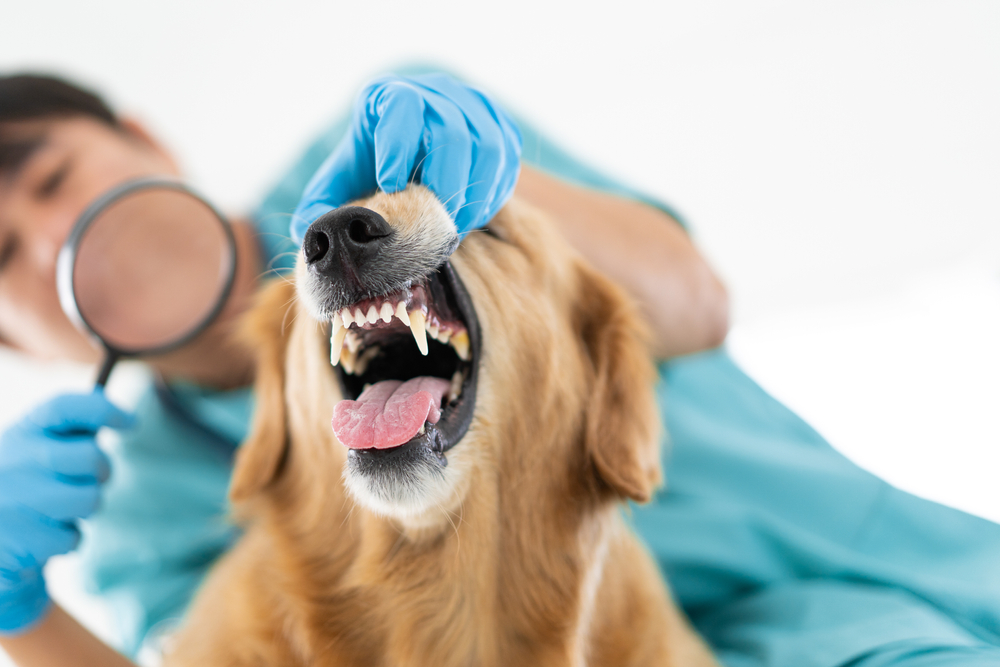
Dental health is often overlooked, yet it directly impacts your dog’s comfort and overall wellbeing. Plaque and tartar buildup can lead to gum disease, tooth loss, pain, and infection. Over time, bacteria from the mouth can enter the bloodstream and affect major organs such as the heart and kidneys.
Consistent dental care should begin early. Regular tooth brushing is the most effective way to maintain oral health, supported by dental chews and appropriate toys. While these help, they do not replace professional dental checks. Vets can identify early signs of disease before they cause pain or complications.
Bad breath, red gums, drooling, or difficulty eating are warning signs of dental disease that need attention. Prioritising dental care helps your dog eat comfortably, avoid chronic pain, and maintain better overall health well into later life.
Skin, Coat, and Allergy Management
Your dog’s skin and coat provide valuable insight into overall health. Healthy skin should be free from redness, sores, and persistent itching, while the coat should appear glossy and full. In Australia, common issues include allergies, parasites, infections, and food sensitivities.
Allergies often show through scratching, recurring ear infections and odour, paw licking, or hair loss. Identifying triggers usually requires veterinary support and may involve dietary changes, parasite control, medicated shampoos, or long-term management plans. Early intervention prevents flare-ups from becoming chronic problems.
Regular grooming supports skin health and allows owners to notice changes early. Nutrition also plays a role, as deficiencies can weaken the skin barrier. With consistent care and timely treatment, most skin and coat issues can be managed effectively, improving comfort and quality of life.
Musculoskeletal Health and Mobility

Joint and muscle health allows dogs to move comfortably and remain active throughout life. Mobility issues can arise from genetics, injury, excess weight, or age-related wear and tear. Larger breeds and highly active dogs are particularly at risk of joint strain.
Regular, appropriate exercise helps maintain muscle strength and joint stability, but overexertion can cause damage, especially in young or senior dogs. Weight management is essential, as excess weight significantly increases joint stress and accelerates degeneration.
Early signs of mobility problems include stiffness, limping that needs vet care, reluctance to jump, or slower movement. These should be assessed by a vet promptly. With early intervention, including tailored exercise, supplements, or medical treatment, many dogs maintain comfort and independence well into their senior years.
Behaviour, Mental Health, and Wellbeing
A dog’s mental wellbeing is just as important as physical health. Behavioural issues often stem from stress, anxiety, boredom, or underlying health problems rather than poor behaviour alone. Dogs thrive on routine, positive reinforcement, and regular interaction with people and their environment.
Mental stimulation through training, play, and enrichment helps prevent destructive behaviours and builds confidence. Socialisation is especially important during puppyhood but remains valuable throughout life. A mentally fulfilled dog is more adaptable, calm, and responsive.
Sudden behaviour changes should always be taken seriously, as they may indicate pain or illness. Anxiety, aggression, or withdrawal may reflect early signs of separation anxiety in dogs and may require veterinary or professional behavioural support. Addressing mental health early strengthens the bond between dog and owner and supports a balanced, happy life.
Reproductive Health and Desexing

Reproductive health plays an important role in your dog’s overall wellbeing, whether you plan to breed or not. Regular veterinary checks help monitor reproductive organs, hormone levels, and early signs of conditions such as infections or tumours.
For dogs not intended for breeding, desexing is commonly recommended as part of responsible ownership in Australia.
Desexing can reduce the risk of certain health issues, including uterine infections, testicular cancer, and hormone-related behaviours. It may also help minimise roaming, aggression, and unplanned littering, contributing to better community safety and welfare outcomes. Timing should be discussed with your vet, as age, breed, and size can influence when to desex your dog.
For breeding dogs, reproductive health monitoring is equally important. Regular vet assessments ensure dogs are physically and hormonally fit, supporting safer breeding outcomes.
Whether desexed or intact, informed decisions about reproductive health help protect your dog’s long-term comfort, behaviour, and quality of life while supporting responsible dog ownership across Australia.
Common Dog Health Emergencies Every Aussie Should Know
Here are the most common dog health emergencies Aussie owners should recognise quickly, as fast action can be the difference between recovery and life-threatening consequences.
- Difficulty breathing or collapse: Sudden breathing distress, blue gums, collapse, or extreme weakness can signal heart issues, poisoning, heatstroke, or airway obstruction and require immediate emergency veterinary attention.
- Bloat and gastric torsion: Sudden abdominal swelling, restlessness, retching without vomiting, and pain are signs of bloat. This life-threatening condition needs emergency vet treatment.
- Severe bleeding or trauma: Heavy bleeding, deep wounds, broken bones, or injuries from accidents can lead to shock and rapid deterioration if not treated urgently by a vet.
- Seizures or sudden neurological symptoms: Repeated seizures, loss of consciousness, disorientation, or inability to stand may indicate poisoning, epilepsy, head trauma, or serious underlying neurological conditions.
- Heatstroke and overheating: Excessive panting, drooling, vomiting, collapse, or high body temperature are common in Australian conditions and require urgent cooling and veterinary intervention.
- Persistent vomiting or diarrhoea: Ongoing vomiting, bloody stools, or severe diarrhoea can quickly cause dehydration, electrolyte imbalance, or indicate poisoning or internal illness needing urgent care.
- Suspected poisoning or toxin exposure: Ingestion of chemicals, medications, plants, or baits can cause rapid deterioration, making immediate veterinary contact critical, even before symptoms appear.
Choosing the Right Vet for Your Dog in Australia

Choosing the right vet shapes your dog’s health journey, costs, and outcomes, so knowing what to look for makes every visit count.
1. Check Qualifications, Facilities, and Communication
Look for a clinic with qualified vets, modern equipment, and clear communication. Accreditation, experienced staff, and transparent pricing matter.
A good vet explains options, listens to concerns, and tailors care to your dog’s age, breed, and lifestyle, building trust and confidence over long-term relationships with consistent follow-up, reliable support, always.
2. Consider Location, Hours, and Emergency Access
Consider location, hours, and emergency access when choosing a vet. Nearby clinics with extended hours or after-hours partnerships reduce stress during urgent situations.
Easy parking, online bookings, and responsive staff make routine visits simpler, especially for busy households balancing work, family, and pet care needs, schedules, commitments, travel, and daily flexibility.
3. Review Preventive Care, Pricing, and Diagnostics
Ask about preventative care plans, pricing clarity, and diagnostic capabilities before committing. Clinics offering wellness plans, modern imaging, and in-house testing support early detection.
Clear cost estimates, payment options, and honest advice help owners plan responsibly without surprises, particularly during long-term treatment or ageing care phases, transitions, monitoring, reviews, and support.
4. Assess Continuity of Care and Specialist Support
Evaluate how the vet handles communication, follow-ups, and continuity of care. Consistent records, reminder systems, and proactive check-ins improve outcomes.
A clinic that collaborates with specialists and provides referrals ensures comprehensive support as your dog’s needs change across life stages with clear updates, shared plans, timely feedback, coordination, trust, and confidence.
Preventative Care: Keeping Your Dog Healthy Long Term
Here are key preventative care steps that help Aussie dog owners reduce health risks, avoid emergencies, and support long-term wellbeing.
- Schedule regular veterinary health checks: Routine vet visits detect early signs of illness, monitor weight and organ function, and update vaccinations, helping prevent serious conditions before they progress.
- Maintain year-round parasite prevention: Consistent protection against fleas, ticks, worms, and heartworm is essential in Australia, reducing disease risk and protecting both dogs and households.
- Support dental health and oral hygiene: Regular tooth brushing, dental chews, and professional cleanings prevent gum disease, infections, and pain that can impact overall health.
- Monitor weight, diet, and activity levels: Keeping your dog at a healthy weight through balanced nutrition and exercise reduces strain on joints, heart, and organs over time.
- Observe behaviour and health changes early: Noticing subtle changes in appetite, energy, or behaviour allows prompt veterinary attention, improving outcomes and reducing long-term treatment needs.
- Exercise and mental enrichment: Daily physical activity and mental stimulation reduce stress, prevent behavioural issues, and support overall physical and emotional wellbeing long term.
Put Your Dog’s Health First, Every Step of the Way
Looking after your dog’s health is about consistency, awareness, and acting early.
From routine vet visits and vaccinations to nutrition, parasite prevention, and monitoring changes at home, small actions make a big difference over a dog’s lifetime. Good care builds comfort, confidence, and trust.
This guide has given you the tools to make informed decisions at every stage, whether you are raising a puppy or supporting a senior dog.
Knowing what’s normal and when to seek help puts you back in control.
When you are ready to find, rehome, or support a dog with health and welfare front of mind, visit Pups4Sale and browse the latest puppies for sale.
Connect Aussie dog parents with trusted listings, clear guidance, and a community built around responsible care.
FAQs: Dog Health and Vet Care in Australia
1. How often should I take my dog to the vet in Australia?
Most dogs should have a full veterinary check-up at least once a year. Puppies and senior dogs often need more frequent visits to monitor development, vaccinations, and age-related health changes.
2. Are annual vaccinations still necessary for dogs?
Many core vaccinations are now given every three years, but this depends on your dog’s age, lifestyle, and risk factors. Some non-core vaccines may still be recommended annually. Your vet will tailor a schedule based on Australian disease risks.
3. What health problems are common in Australian dogs?
Common issues include dental disease, obesity, skin allergies, arthritis, tick paralysis, and gastrointestinal problems. Climate and environment play a role, especially in warmer regions. Preventative care and early intervention greatly reduce long-term health complications.
4. How much does dog vet care cost in Australia?
Routine vet care can cost several hundred dollars per year, while emergencies or surgery can run into the thousands. Costs vary by location and treatment type. Budgeting ahead and prioritising preventative care helps manage unexpected expenses.
5. Is pet insurance worth it for dogs?
Pet insurance can help cover unexpected accidents or serious illnesses. Policies vary widely, so it is important to understand exclusions, waiting periods, and coverage limits when comparing dog insurance policies. Insurance works best when paired with regular vet care and good health management.
6. How can I tell if my dog is in pain?
Signs of pain include changes in behaviour, reduced appetite, limping, stiffness, hiding, excessive licking, or unusual aggression. Dogs often mask discomfort, so subtle changes matter. If something feels off, a vet check is always the safest option.
7. What should I do in a dog health emergency?
Seek veterinary help immediately if your dog collapses, has difficulty breathing, seizures, severe bleeding, or sudden extreme pain. Keep your vet’s emergency contact details handy and know the location of your nearest after-hours clinic.
 Add us as a preferred source