Dog Dental Disease Symptoms Most Owners Miss
Dog Health & Veterinary Care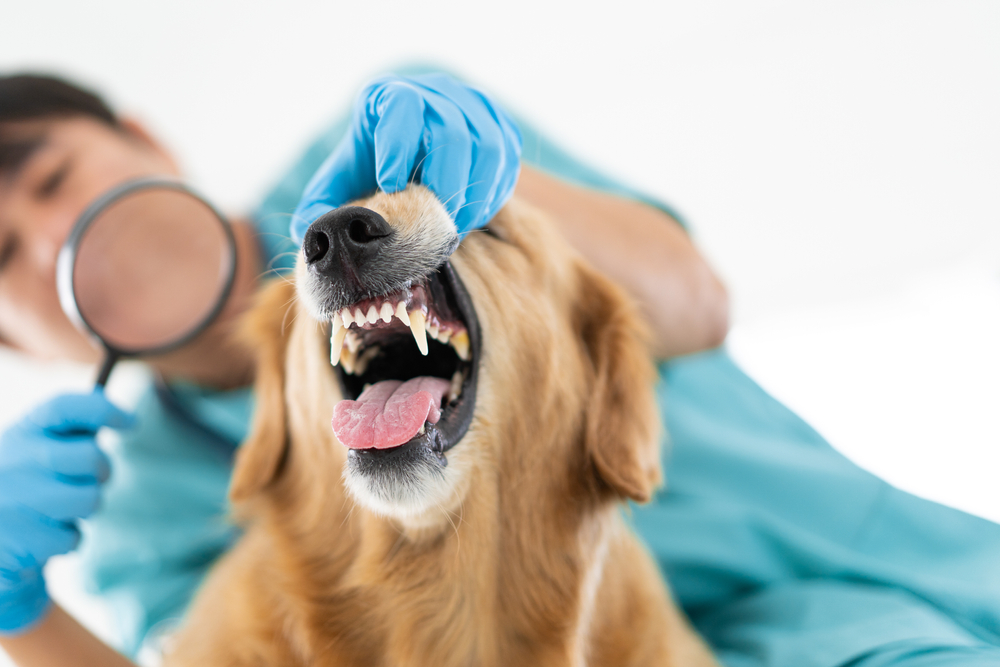 By James C. • March 6, 2026
Many owners are surprised to learn how common dog dental disease symptoms really are. In fact, most dogs show signs of periodontal disease by the age of three, yet early symptoms are often subtle and easily overlooked.
Dogs instinctively hide pain, continuing to eat and behave almost normally while infection develops below the gumline.
In this guide, you will learn the warning signs most owners miss, how dental disease progresses, and when to seek veterinary care before minor issues become serious health problems.
Why Dog Dental Disease Often Goes Unnoticed
Dog dental disease often develops slowly, making it easy for owners to miss early warning signs. Unlike sudden injuries or acute illness, oral health problems progress quietly beneath the gumline. Plaque begins to accumulate within hours of eating, gradually hardening into tartar. As bacteria multiply, inflammation develops, yet visible changes may remain subtle in the beginning.
Many owners assume that bad breath is normal for dogs, especially as they age. However, persistent odour is often one of the earliest dog dental disease symptoms.
Mild gum redness, slight drooling, or chewing more cautiously may also go unnoticed because these changes seem minor or temporary. By the time bleeding gums, loose teeth, or visible swelling appear, the disease is often advanced.
Dogs are also skilled at hiding discomfort. They continue eating and behaving normally even when experiencing dental pain. This ability to mask symptoms delays veterinary assessment until the condition becomes advanced.
Without routine dental checks and regular vet visits for dogs, early gingivitis can progress to periodontal disease, leading to infection, tooth loss, and systemic health complications. Awareness and regular oral examinations are essential for prevention.
Dog Dental Disease Symptoms Most Owners Miss

Dental problems rarely appear suddenly, and the earliest warning signs are often subtle. Here are the overlooked symptoms owners commonly miss.
1. Persistent Bad Breath
Bad breath is one of the earliest dog dental disease symptoms, yet many owners dismiss it as normal. A strong, foul odour usually signals bacterial buildup and gum infection.
As plaque hardens into tartar, bacteria multiply beneath the gumline. If breath smells unusually sour, metallic, or offensive, it may indicate progressing periodontal disease rather than harmless “dog breath.”
2. Subtle Changes in Eating Habits
Dogs with dental pain often continue eating but modify how they chew. They may favour one side, eat more slowly, drop kibble, or prefer softer foods.
These small changes suggest oral discomfort. Because appetite remains present, owners may overlook these behavioural adjustments that signal underlying dental disease.
3. Excessive Drooling or Pawing at the Mouth
Increased drooling can occur when gums are inflamed or infected. Some dogs may paw at their face, rub their mouth against furniture, or resist being touched near the head. These behaviours often indicate oral pain, tooth fracture, or gum disease.
4. Reduced Interest in Toys or Chewing
A dog that suddenly avoids chew toys or hard treats may be experiencing tooth sensitivity or gum inflammation. Pain can make chewing uncomfortable, leading to decreased playfulness or reluctance to engage in activities that involve the mouth.
5. Mild Behavioural Changes
Dental pain can cause irritability, withdrawal, or decreased energy. A normally affectionate dog may become less tolerant of handling around the face. Because these subtle changes in behaviour are often easy to miss, they are frequently attributed to mood rather than oral discomfort.
Advanced Signs of Severe Dental Disease
When dental disease progresses untreated, symptoms become more obvious and serious. Here are advanced warning signs that require urgent veterinary attention.
- Bleeding gums: Visible blood during chewing or brushing indicates advanced gum inflammation and tissue damage. Persistent bleeding suggests periodontal disease has progressed beyond early gingivitis.
- Loose or missing teeth: Infection weakens the supporting bone and tissues, causing teeth to loosen, shift, or fall out without trauma.
- Thick tartar buildup: Heavy yellow or brown calculus covering the teeth signals long-standing plaque accumulation and bacterial overgrowth.
- Facial swelling or abscess: Swelling under the eye or along the jaw may indicate a tooth root abscess requiring immediate treatment.
- Weight loss or difficulty eating: Severe oral pain can reduce food intake, leading to noticeable weight loss and nutritional decline.
Health Risks Beyond the Mouth
Dental disease is not just a cosmetic issue affecting teeth and gums. Here are serious systemic health risks that can develop when oral infections remain untreated.
- Bacteria entering the bloodstream: Advanced periodontal disease allows bacteria to pass through inflamed gum tissue into the bloodstream, spreading infection and triggering widespread inflammation throughout the body.
- Heart valve damage: Circulating oral bacteria can attach to heart valves, contributing to inflammation and increasing the risk of long-term cardiac complications.
- Kidney strain and reduced function: Chronic bacterial exposure places continuous stress on the kidneys as they filter toxins, potentially accelerating kidney disease in vulnerable dogs.
- Liver inflammation: The liver works to process circulating bacteria and inflammatory byproducts, and prolonged infection can compromise normal liver function over time.
- Weakened immune system and chronic pain: Persistent oral infection causes ongoing pain and immune activation, reducing overall resilience and negatively affecting a dog’s long-term health and comfort.
How to Prevent Dog Dental Disease

Preventive care is far easier and less costly than treating an advanced infection. Here are effective ways to reduce your dog’s dental disease risk.
1. Brush Your Dog’s Teeth Daily
Daily brushing is the most effective way to prevent plaque from hardening into tartar. Use a dog-specific toothbrush and enzymatic toothpaste, never human products.
Gentle, consistent brushing removes bacteria before it settles below the gumline. Even brushing several times per week as part of a consistent hygiene routine significantly lowers the risk of periodontal disease developing.
2. Provide Veterinary-Approved Dental Chews
Dental chews designed to reduce plaque can support oral hygiene between brushings. Look for products approved by recognised veterinary dental organisations.
These chews work by mechanically scraping teeth as the dog bites. They should complement, not replace, regular brushing and professional care.
3. Schedule Professional Dental Cleanings
Routine veterinary dental examinations allow early detection of gum disease before symptoms worsen.
Professional cleanings under anaesthesia remove tartar from above and below the gumline, where most infection develops. Your vet can recommend cleaning frequency based on breed, age, and oral health status.
4. Monitor Your Dog’s Mouth Regularly
Make it a habit to lift your dog’s lips weekly and inspect the gums and teeth. Look for redness, swelling, bad breath, or discolouration. Early recognition of subtle dog dental disease symptoms allows faster treatment and prevents complications.
5. Support Oral Health with Proper Nutrition
Feeding high-quality, balanced nutrition helps maintain strong teeth and immune function. Some specialised dental diets are formulated to reduce plaque accumulation.
Fresh water availability and avoiding excessive sugary treats also contribute to long-term oral health protection.
When to See a Vet for Dog Dental Disease Symptoms
Early veterinary intervention prevents minor dental issues from becoming painful, costly problems. Here are clear signs it is time to book an appointment.
- Persistent bad breath: Ongoing foul odour that does not improve with routine care often signals bacterial infection and underlying periodontal disease.
- Red, swollen, or bleeding gums: Visible inflammation or bleeding during chewing or brushing indicates active gum disease requiring professional assessment.
- Changes in eating behaviour: Slower chewing, dropping food, or preference for soft meals may suggest oral pain needing examination.
- Loose teeth or visible tartar buildup: Teeth that shift easily or heavy brown deposits along the gumline require veterinary cleaning and evaluation.
- Facial swelling or discharge: Swelling under the eye or along the jaw may indicate a tooth root abscess needing urgent treatment.
Protect Your Dog’s Smile Early
Dog dental disease develops quietly, but the consequences can be serious if ignored. Subtle signs such as bad breath, gum redness, or changes in chewing should never be dismissed.
Early prevention and regular veterinary care protect not only your dog’s teeth, but their overall health and comfort.
Responsible puppy buying, trusted breeder connections, and long-term wellbeing advice help you start your puppy’s journey with confidence.
FAQs: Dog Dental Disease Symptoms
1. What are the first dog dental disease symptoms?
The earliest dog dental disease symptoms often include persistent bad breath, mild gum redness, subtle drooling, or slight changes in chewing habits. Dogs may still eat normally, which makes early signs easy to overlook without regular mouth checks.
2. Can a dog have dental pain and still eat?
Yes, dogs frequently continue eating despite dental pain. They may chew more slowly, favour one side, or prefer softer food. Because they instinctively hide discomfort, eating alone is not a reliable sign of oral health.
3. How common is periodontal disease in dogs?
Periodontal disease is extremely common and affects most dogs by the age of three. It develops gradually as plaque hardens into tartar, leading to gum inflammation and infection beneath the gumline.
4. Does bad breath always mean dental disease?
While occasional odour may occur, persistent foul breath is usually a sign of bacterial buildup and gum disease. Chronic bad breath should never be dismissed as normal and warrants veterinary assessment.
5. Can dental disease affect a dog’s heart or kidneys?
Yes, untreated dental infections can allow bacteria to enter the bloodstream. Over time, this may contribute to heart valve inflammation and increased strain on the kidneys and liver.
6. How often should I brush my dog’s teeth?
Daily brushing is ideal for preventing plaque accumulation. If daily brushing is not possible, aim for several times per week and combine this with regular veterinary dental examinations.
7. When should I book a professional dental cleaning?
If your dog shows tartar buildup, gum redness, bad breath, or behavioural changes, book a veterinary appointment. Your vet can recommend an appropriate cleaning schedule based on age and oral health status.
 Add us as a preferred source