When Does Limping in Dogs Needs Immediate Vet Care
Dog Health & Veterinary Care By James C. • March 20, 2026
Limping in dogs is a common symptom that many owners notice at some point.
Sometimes it results from a minor strain or a small object stuck in the paw. However, limping can also signal serious injuries such as fractures, ligament damage, or infections that require urgent veterinary attention.
Knowing when limping in dogs needs immediate vet care helps prevent complications and protects your dog’s long-term mobility.
This guide explains common causes of limping, warning signs that require emergency treatment, and what owners should do if their dog suddenly begins limping.
What Limping in Dogs Usually Means
Limping in dogs, often referred to as lameness, usually indicates that a dog is experiencing pain, discomfort, or difficulty using one of its limbs.
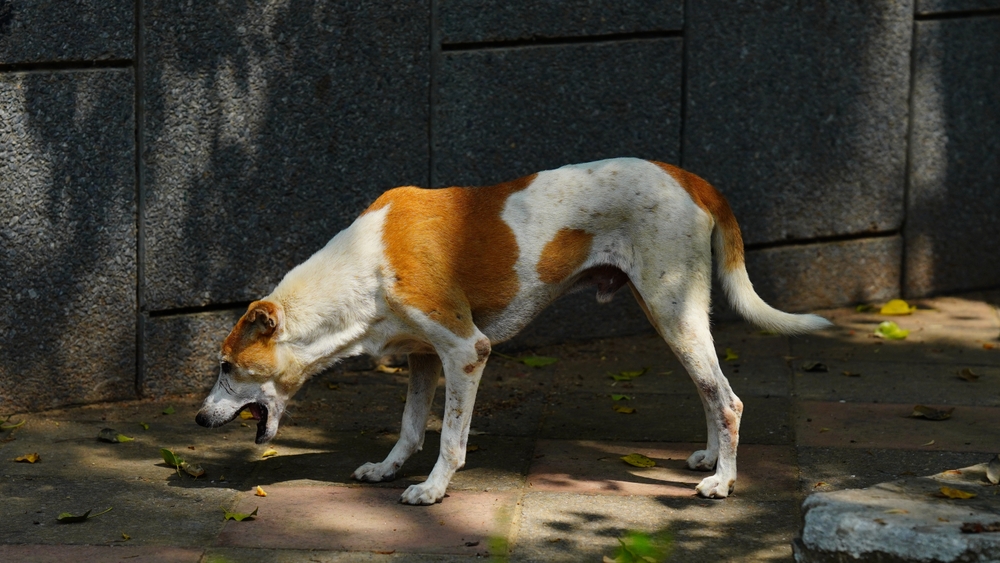
A limp may affect the front legs, back legs, or sometimes multiple limbs, and it can appear suddenly or develop gradually over time. Dogs may hold a leg off the ground, place less weight on it, or walk with an uneven gait.
In many cases, limping results from minor injuries or temporary irritation. Small cuts on the paw, a stone lodged between the paw pads, muscle strains from exercise, or mild joint inflammation can cause a dog to limp for a short period. These issues may improve with rest and careful observation.
However, limping can also indicate more serious problems. Fractures, ligament tears, joint injuries, infections, or neurological conditions may cause persistent or severe limping. Dogs that refuse to put weight on a limb or show signs of significant pain may require immediate veterinary attention rather than waiting to see when your dog should see a vet.
Because dogs cannot explain where they feel pain, limping often serves as an important warning sign. Monitoring changes in movement, behaviour, and comfort helps owners recognise when veterinary care is needed.
Warning Signs That Require Immediate Vet Care
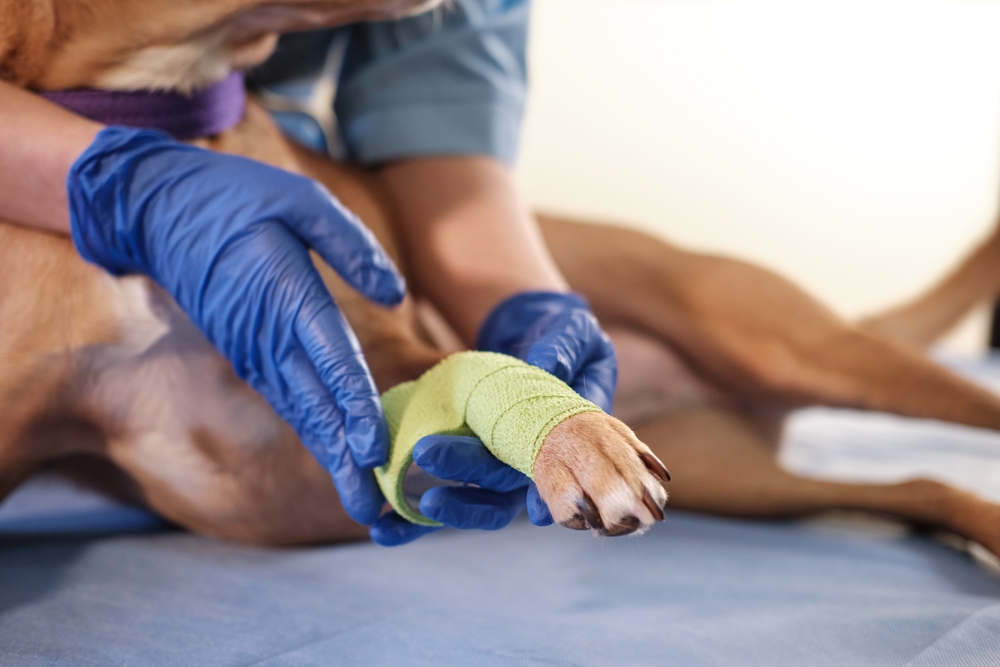
Some limping can be mild, but certain symptoms indicate a serious injury or medical condition. Here are warning signs that mean a limping dog needs immediate veterinary care.
1. Inability to Bear Weight on the Leg
If a dog refuses to place any weight on a leg, it may indicate a serious injury such as a fracture, ligament tear, or severe joint damage.
Dogs often lift the affected leg completely to avoid pain. When this occurs suddenly or persists for more than a short period, immediate veterinary examination is important to prevent further complications.
2. Visible Swelling or Limb Deformity
Swelling around a joint or visible changes in the shape of the leg may suggest trauma, dislocation, or internal bleeding. These symptoms often develop after falls, accidents, or intense activity.
Limb deformity is especially concerning because it may indicate a bone fracture that requires urgent veterinary care and proper stabilisation.
3. Severe Pain or Sensitivity to Touch
Dogs experiencing intense pain may cry, whimper, or pull away when the affected area is touched. Some may also become restless or protective of the injured limb.
Severe pain can indicate ligament tears, fractures, or deep tissue injuries that require professional diagnosis and treatment from a veterinarian.
4. Limping After an Accident or Trauma
Limping that begins after a fall, collision, or physical impact should always be treated seriously. Trauma can cause internal injuries that are not immediately visible.
Even if the dog appears stable, underlying fractures, ligament damage, or internal swelling may develop and require urgent veterinary assessment.
5. Persistent Limping That Does Not Improve
Limping that lasts more than a day or two without improvement may signal joint disease, ligament damage, infection, or chronic conditions such as arthritis that affect your dog’s long-term health and mobility.
Dogs may try to hide discomfort, so ongoing limping should never be ignored. A veterinarian can identify the underlying cause and recommend appropriate treatment.
Injuries and Conditions That Can Cause Severe Limping
Severe limping often signals a more serious injury or underlying medical condition affecting the bones, joints, or soft tissues. Here are injuries and conditions that can cause severe limping in dogs.
- Bone Fractures: Broken or cracked bones can occur after falls, accidents, or trauma. Fractures usually cause sudden, severe limping and significant pain, often requiring urgent veterinary treatment and imaging such as X-rays.
- Cruciate Ligament Tears: Damage to the cruciate ligament in the knee joint can cause sudden limping in the back leg. Dogs may struggle to bear weight, and the injury often requires surgical treatment.
- Joint Dislocations: A dislocated joint occurs when bones shift out of their normal position. This injury causes intense pain, swelling, and difficulty moving the affected limb.
- Severe Paw Injuries: Deep cuts, torn paw pads, embedded objects, or broken nails can cause severe pain when walking. Dogs may limp to avoid pressure on the injured paw.
- Joint Infections: Infections within joints can lead to swelling, pain, fever, and severe limping. Veterinary treatment is necessary to control infection and prevent long-term joint damage.
When Limping Can Be Monitored at Home
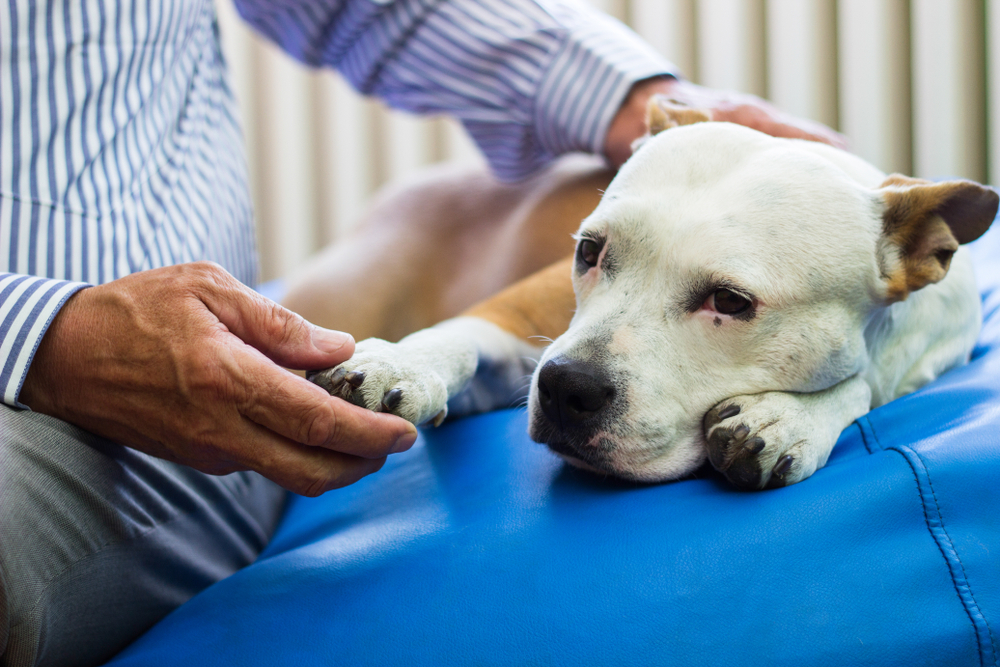
Not every limp means a medical emergency. Mild cases may improve with rest and observation when no severe symptoms appear. Here are situations when limping in dogs can sometimes be monitored at home.
- Mild Limp After Exercise: Dogs may limp briefly after intense play or exercise due to minor muscle strain. Short rest periods often allow muscles to recover naturally without requiring immediate veterinary treatment.
- Small Paw Irritations: Small objects such as grass seeds, pebbles, or minor cuts between paw pads can cause temporary limping. Carefully checking and cleaning the paw may resolve the discomfort.
- Short-term stiffness: Dogs occasionally develop temporary stiffness after sleeping in unusual positions or sudden activity. If the limp improves within a few hours and the dog behaves normally, it may not require urgent care.
- No Signs of Pain or Distress: If the dog continues eating, playing, and moving comfortably while showing only mild limping, owners may monitor the situation for a short period before seeking veterinary advice.
- Limp Improves Within 24 Hours: When limping noticeably improves within a day, and the dog resumes normal movement, the issue may have been a minor strain rather than a serious injury.
What to Do If Your Dog Suddenly Starts Limping
Sudden limping can indicate pain or injury, so calm and careful action is important. Here are practical steps owners should take when a dog suddenly begins limping.
- Restrict Your Dog’s Movement: Limiting activity helps prevent further injury. Keep your dog calm and avoid running, jumping, or climbing stairs until you determine the cause of the limping.
- Check the Paw Carefully: Examine the paw pads and between the toes for cuts, swelling, or objects like thorns or stones that may be causing pain.
- Look for Visible Injuries: Check the affected leg for swelling, wounds, or unusual positioning. Visible deformities or intense pain may indicate a fracture or serious injury requiring veterinary attention.
- Allow Rest and Observation: Give your dog time to rest in a comfortable area. Monitor whether the limping improves or worsens over the next several hours.
- Contact a Veterinarian if Needed: If the limping persists, worsens, or is accompanied by pain or swelling, seek veterinary advice promptly instead of delaying a proper vet check to identify the underlying cause.
How Veterinarians Diagnose Limping in Dogs
Determining the cause of limping requires a careful evaluation of the dog’s movement, pain level, and medical history. Here are the main ways veterinarians diagnose limping in dogs.
1. Physical Examination
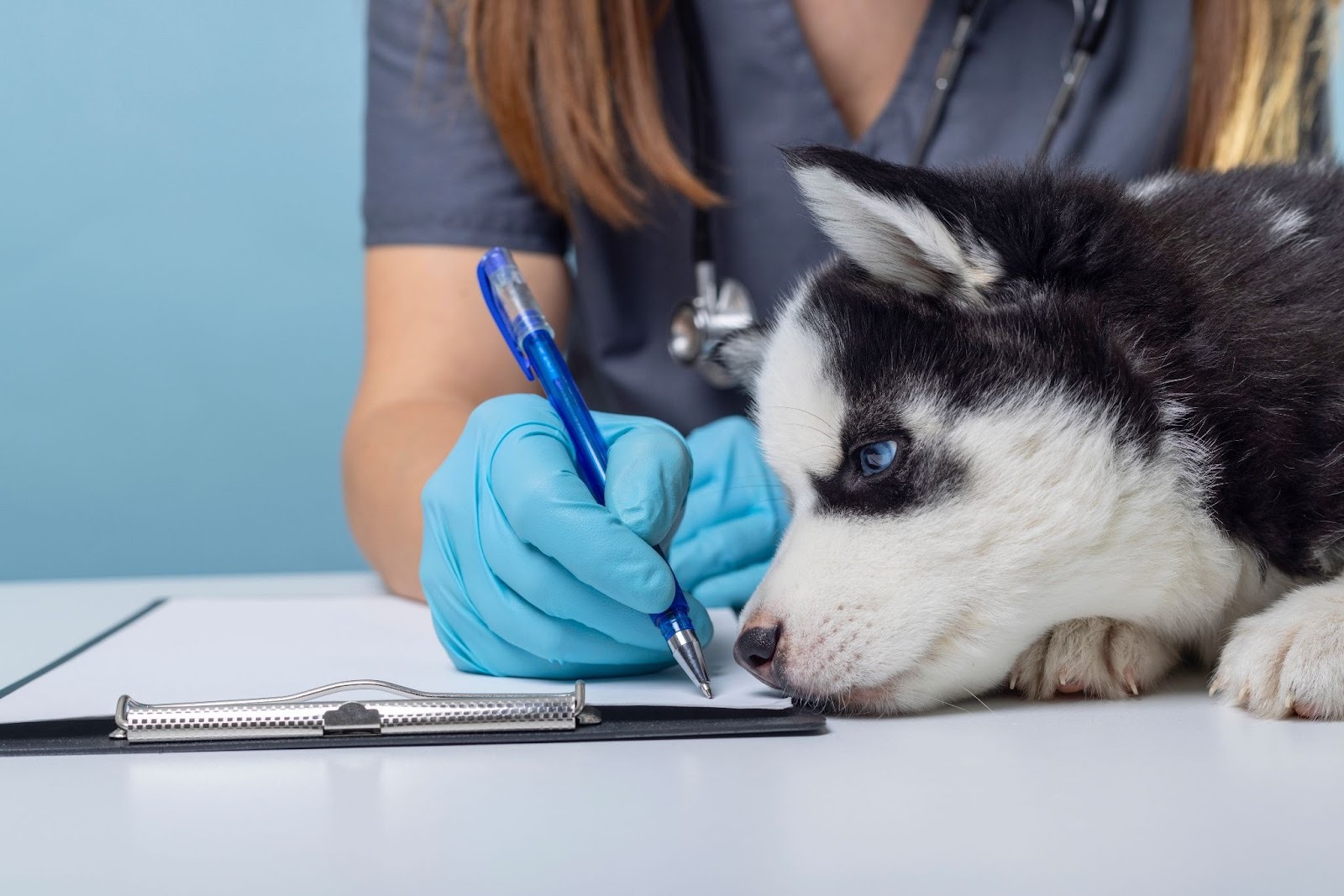
The first step is a thorough physical examination. Veterinarians observe how the dog stands, walks, and places weight on each limb. They gently examine the legs, joints, paws, and spine to identify swelling, tenderness, wounds, or abnormal joint movement.
This assessment helps determine whether the limp is related to muscles, joints, bones, or the paws.
2. Joint and Range of Motion Testing
Veterinarians carefully move the dog’s joints through their natural range of motion to identify stiffness, instability, or pain. This helps detect ligament injuries, joint inflammation, or dislocations.
Dogs with cruciate ligament damage, hip problems, or elbow dysplasia often show discomfort during these controlled movements, which helps guide further diagnosis and treatment decisions.
3. X-Rays and Imaging Tests
Imaging techniques such as X-rays are commonly used to evaluate bones and joints when fractures, arthritis, or structural abnormalities are suspected. X-rays can reveal bone breaks, joint degeneration, or developmental conditions such as hip dysplasia.
In some cases, advanced imaging such as ultrasound or CT scans may be recommended for a more detailed assessment.
4. Medical History and Symptom Review
Veterinarians also gather information about the dog’s recent activity, previous injuries, and when the limping first appeared. Owners may be asked about exercise levels, accidents, or behavioural changes.
This information helps identify possible triggers, differentiate between sudden injuries and chronic conditions, and guide the most appropriate diagnostic approach as part of broader dog health and vet care.
5. Additional Diagnostic Tests
If infection, inflammation, or systemic illness is suspected, veterinarians may recommend blood tests or joint fluid analysis.
These tests help identify underlying health conditions that may contribute to limping. Laboratory testing can also detect infections, immune disorders, or other medical issues that require targeted treatment.
Preventing Injuries That Cause Limping
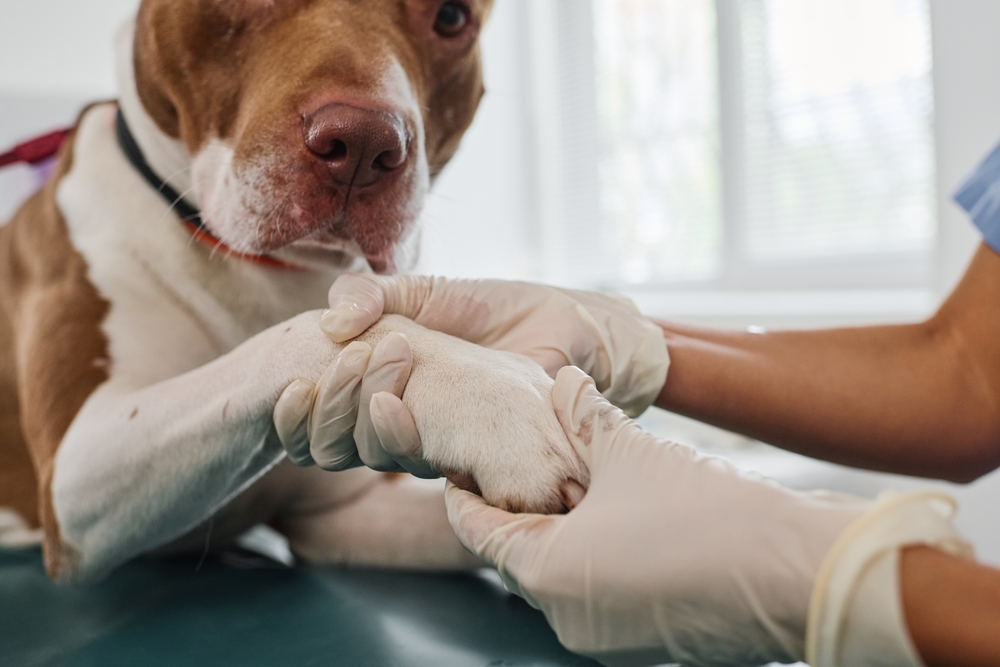
Many causes of limping can be reduced through proper care, exercise management, and safe environments. Here are practical steps owners can take to help prevent injuries that cause limping.
- Maintain Healthy Body Weight: Excess weight places additional stress on joints, ligaments, and bones. Keeping dogs at a healthy weight helps reduce strain on limbs and lowers the risk of joint injuries.
- Provide Safe Exercise Routines: Regular exercise keeps muscles strong and joints flexible, but excessive or intense activity can cause injuries. Balanced exercise routines help maintain physical fitness while reducing strain.
- Check Paws Regularly: Routine paw inspections help detect small cuts, thorns, or foreign objects early. Keeping paw pads clean and healthy prevents minor injuries that may lead to limping.
- Use Safe Walking Surfaces: Rough terrain, slippery floors, or unstable surfaces can increase injury risk. Walking dogs on safe, stable ground helps protect joints and prevent accidental falls.
- Schedule Regular Vet Checkups: Routine veterinary visits help identify early signs of joint disease or musculoskeletal problems, so regular vet checkups are worth keeping up even when your dog seems well. Early detection allows treatment before minor issues develop into serious mobility problems.
Don’t Ignore the Limp: Protect Your Dog’s Health
Limping in dogs can range from minor irritation to serious injury that requires urgent care.
Recognising warning signs early and seeking veterinary attention when needed helps prevent long-term mobility problems.
Responsible pet care starts with awareness. When you are ready to welcome a healthy puppy, Pups4Sale connects you with trusted breeders who support ethical puppy buying in Australia.
Frequently Asked Questions
1. Why is my dog limping but not crying?
The limp can still indicate injury, joint strain, paw irritation, or ligament damage. Even if the dog appears comfortable, persistent limping should be monitored closely and evaluated by a veterinarian if it continues.
2. Should I let my dog walk if it is limping?
If a dog is limping, it is best to limit activity and avoid long walks or running. Gentle movement inside the home is usually acceptable, but excessive activity can worsen the injury. Rest allows minor strains to recover and prevents further damage to muscles, joints, or ligaments.
3. How long should I wait before taking a limping dog to the vet?
Mild limping may sometimes improve with rest within 24 hours. However, if the limp worsens, the dog refuses to bear weight, shows signs of pain, or the limping continues beyond one to two days, veterinary examination is recommended.
4. Can limping in dogs heal on its own?
Some minor strains or paw irritations can improve with rest and limited activity. However, more serious conditions, such as ligament tears, fractures, or joint disease, require veterinary treatment. If the cause of limping is unclear, it is safest to consult a veterinarian.
5. What injuries commonly cause sudden limping in dogs?
Sudden limping is often caused by paw injuries, muscle strains, ligament tears, fractures, or joint dislocations. It may also occur if a dog steps on a sharp object or twists a joint during play. Immediate veterinary care is important when limping appears suddenly after trauma.
 Add us as a preferred source