Puppy Vaccination Schedule Explained for New Owners
Dog Health & Veterinary Care By James C. • March 11, 2026
Bringing home a new puppy is exciting, but it also comes with important responsibilities. One of the most critical steps in protecting your dog’s health is following a puppy vaccination schedule.
Vaccines help guard puppies against serious and potentially fatal diseases while their immune systems are still developing.
Many new owners feel unsure about which vaccines their puppy needs and when they should be given. This guide explains the typical vaccination timeline, the core vaccines recommended by veterinarians, and what to expect during your puppy’s early veterinary visits.
Why Vaccinations Are Essential for Puppies
Vaccination provides early protection and builds lasting immunity. Here are the key reasons vaccinations are essential for puppies.
- Protection Against Life-Threatening Diseases: Vaccines protect puppies from serious infections such as parvovirus, distemper, and adenovirus. These diseases spread easily between dogs and can cause severe illness, long-term complications, or death in young, unvaccinated puppies.
- Developing a Strong Immune System: Vaccination stimulates the puppy’s immune system to recognise and respond to harmful pathogens. This process helps puppies build protective antibodies that prepare their bodies to fight infections they may encounter later.
- Preventing the Spread of Infectious Diseases: Vaccinated puppies reduce the likelihood of disease transmission among dogs. Higher vaccination coverage within communities helps limit outbreaks of highly contagious illnesses that commonly spread in parks, kennels, and public spaces.
- Supporting Responsible Dog Ownership: Following a structured puppy vaccination schedule demonstrates responsible pet ownership. Keeping vaccinations up to date helps protect your dog, neighbouring pets, and other animals your puppy may meet during social activities.
- Meeting Veterinary and Legal Requirements: Certain vaccines, particularly rabies in many regions, are legally required. Maintaining an accurate vaccination record also helps meet boarding, travel, and veterinary clinic requirements that protect the wider pet community.
How Puppy Immunity Develops
Puppies are not born with a fully developed immune system. During the first hours after birth, they receive temporary protection through their mother’s milk, specifically the first milk called colostrum. This milk contains antibodies that help defend the puppy against infections during the earliest weeks of life.
These maternal antibodies provide early protection against common diseases, but they do not last forever. As the puppy grows, this temporary immunity gradually declines. In most cases, maternal antibodies begin to fade between six and twelve weeks of age, leaving puppies increasingly vulnerable to early signs of serious illness such as parvovirus and distemper.
This is why veterinarians begin a puppy vaccination schedule around six to eight weeks of age. Vaccines help stimulate the puppy’s own immune system to produce protective antibodies. Instead of relying on temporary protection from its mother, the puppy learns to build its own long-term immune defence.
Because maternal antibodies fade at different rates in each puppy, vaccines are given in a series of booster shots. These boosters ensure the immune system responds effectively and develops strong, lasting protection against serious diseases. Each visit is charged separately, so the total puppy vaccination cost depends on how many boosters your vet recommends.
The Typical Puppy Vaccination Schedule
Puppy vaccinations are administered in stages to gradually build immunity during early development. Here is the typical puppy vaccination schedule recommended by most veterinarians for growing dogs.
1. First Vaccination: 6–8 Weeks Old
The first stage of the puppy vaccination schedule usually begins between six and eight weeks of age. At this visit, veterinarians commonly administer the DHPP vaccine, which protects against distemper, parvovirus, parainfluenza, and adenovirus.
These diseases can be highly contagious and dangerous for young puppies. This appointment often includes a general health check to assess the puppy’s growth, weight, and overall condition before starting the vaccination programme, similar to routine vet visits for puppies.
2. Second Vaccination: 10–12 Weeks Old
The second vaccination is typically administered when the puppy reaches 10 to 12 weeks of age. This booster strengthens the protection created by the first vaccine.
It usually includes another dose covering distemper, parvovirus, and adenovirus, and sometimes additional protection against parainfluenza. Strengthening immunity at this stage helps the puppy build more reliable resistance to common infectious diseases.
3. Third Vaccination: 14–16 Weeks Old
The third vaccination usually occurs between fourteen and sixteen weeks of age. This dose reinforces the puppy’s immune response and helps provide stronger long-term protection against core diseases.
Some veterinarians may also recommend additional vaccines during this visit, depending on the puppy’s lifestyle or environment. Completing the full vaccination series ensures the puppy has developed adequate immunity before wider exposure to public spaces.
4. First Annual Booster: Around 12 Months Old
Once the puppy reaches approximately twelve months of age, a booster vaccination is typically required. This appointment helps maintain the immunity developed during the puppy vaccination series.
Core vaccines are commonly refreshed during this visit to ensure continued protection. After the first annual booster, veterinarians usually recommend an ongoing vaccination plan based on the dog’s health, lifestyle, and local disease risks.
Core Vaccines Every Puppy Needs
Core vaccines protect puppies from serious diseases that spread easily between dogs and can cause severe illness. Here are the essential core vaccines every puppy typically needs.
1. Distemper Vaccine
Canine distemper is a highly contagious viral disease that affects a dog’s respiratory, digestive, and nervous systems. The distemper vaccine protects puppies from severe symptoms such as fever, coughing, neurological damage, and paralysis.
Because the virus spreads easily through airborne exposure and contact with infected animals, veterinarians strongly recommend this vaccine as part of every puppy vaccination schedule.
2. Parvovirus Vaccine
Canine parvovirus is one of the most dangerous diseases affecting young dogs. The parvovirus vaccine protects puppies from severe gastrointestinal illness, including vomiting, diarrhoea, and dehydration.
Parvovirus spreads through contaminated surfaces, environments, and infected dogs. Vaccination plays a critical role in preventing outbreaks and protecting puppies during their early months when they are most vulnerable.
3. Canine Parainfluenza
Canine parainfluenza is a respiratory virus that causes kennel cough, a contagious illness affecting dogs in social settings such as training classes, parks, and boarding facilities.
While often less severe than other diseases, it can still cause persistent coughing and discomfort. Vaccination helps reduce the risk of infection and limits the spread among dogs that regularly interact.
4. Adenovirus (Hepatitis) Vaccine
The adenovirus vaccine protects puppies against infectious canine hepatitis, a viral disease that affects the liver, kidneys, and eyes. Symptoms may include fever, abdominal pain, and organ damage.
Vaccination helps prevent severe complications and supports long-term health. This protection is commonly included in the combined DHPP vaccine administered as part of the standard puppy vaccination schedule.
5. Rabies Vaccine
Rabies is a fatal viral disease that affects the brain and nervous system of mammals, including dogs and humans. The rabies vaccine is essential for preventing transmission and protecting public health.
Many countries legally require rabies vaccination for dogs. Puppies typically receive this vaccine during the later stages of their vaccination schedule under veterinary guidance.
Non-Core Vaccines Your Vet May Recommend
Not every puppy needs the same vaccines. Lifestyle, environment, and exposure risks often determine the need for additional protection. Here are non-core vaccines veterinarians may recommend for certain puppies.
- Bordetella (Kennel Cough): This vaccine helps protect puppies from kennel cough, a highly contagious respiratory infection commonly spread in kennels, dog parks, grooming salons, and training classes where dogs interact closely.
- Leptospirosis Vaccine: Protects puppies against bacterial infections spread through contaminated water, soil, or wildlife urine. This disease can affect both dogs and humans, making prevention important in high-risk environments.
- Lyme Disease Vaccine: Recommended for puppies living in areas with high tick populations. The vaccine helps reduce the risk of Lyme disease, which can cause joint pain, fever, fatigue, and long-term health complications.
- Canine Influenza Vaccine: Protects against canine influenza viruses that cause respiratory illness in dogs. Vets may recommend it for puppies frequently exposed to other dogs in boarding facilities, dog day care, or social environments.
What to Expect During a Puppy Vaccination Appointment

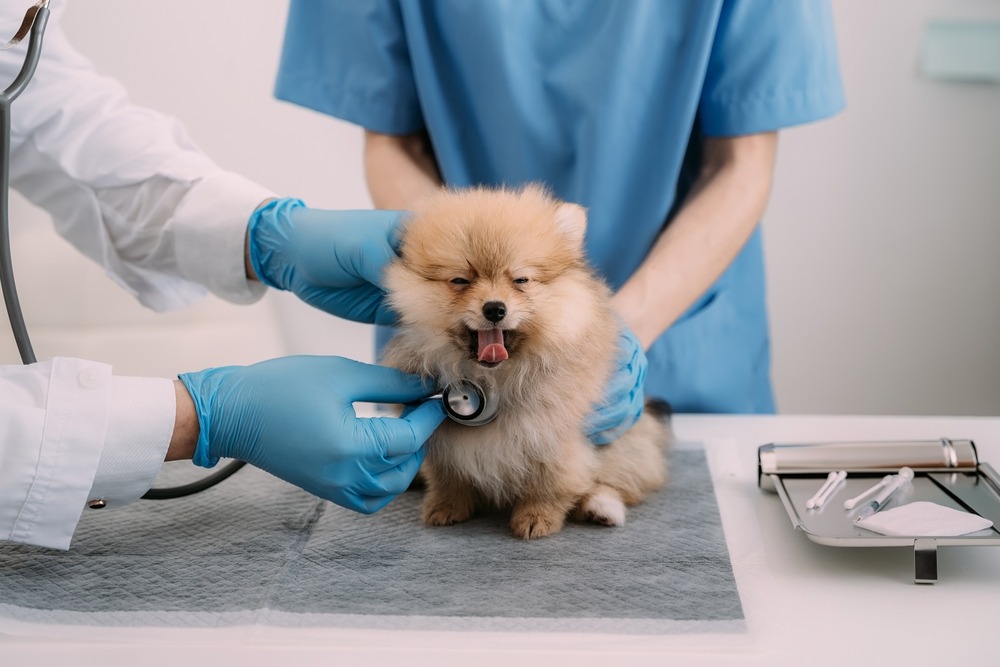
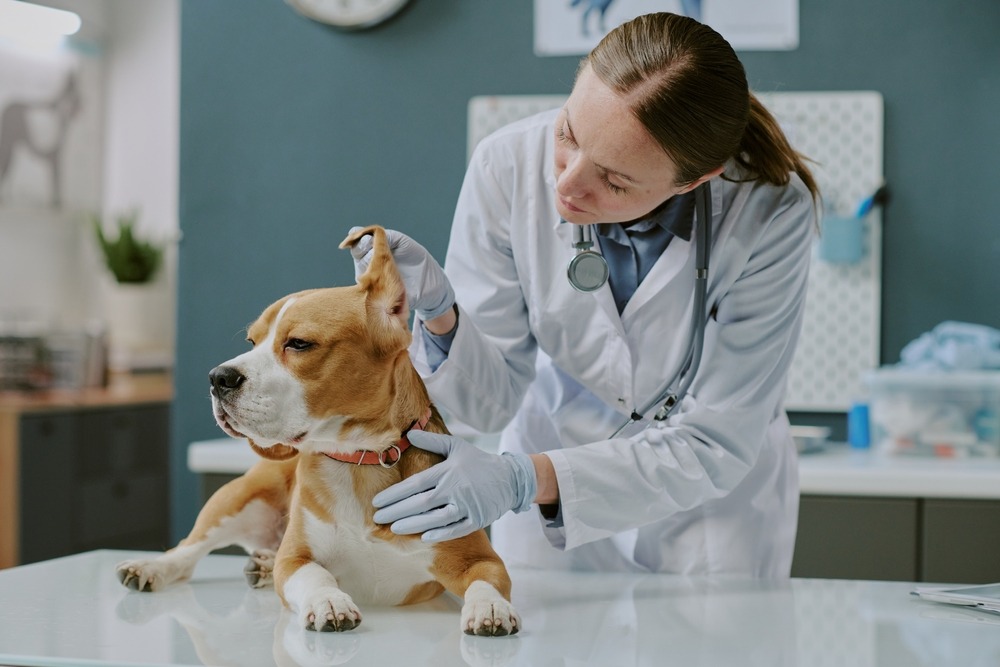
A puppy vaccination appointment involves more than just a quick injection. Veterinarians assess overall health and development before administering vaccines. Here is what typically happens during a puppy vaccination appointment.
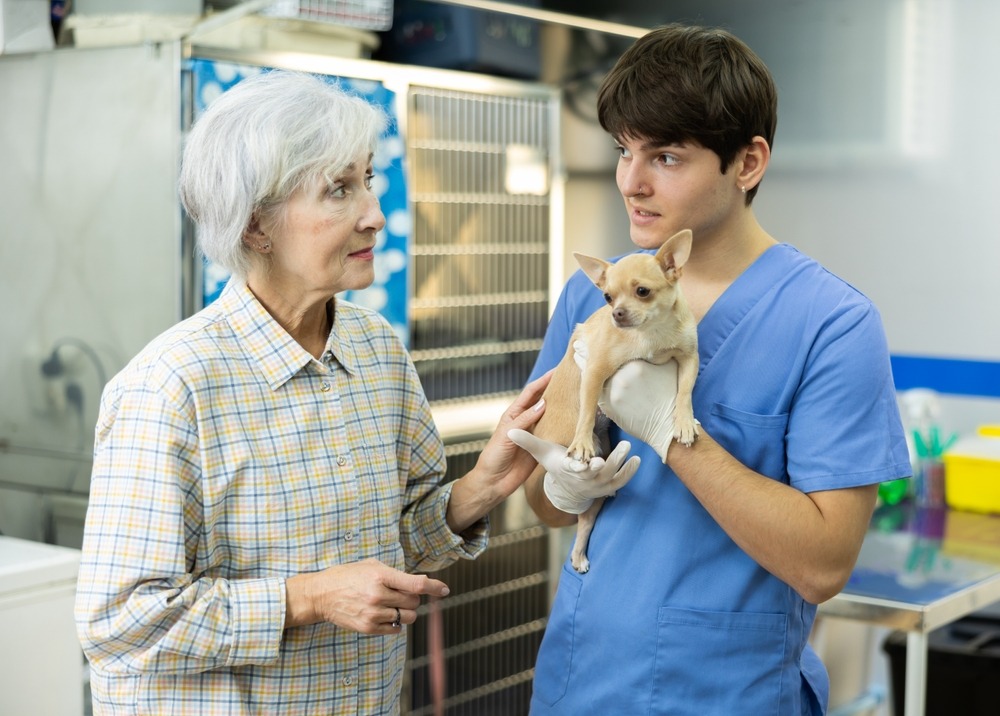
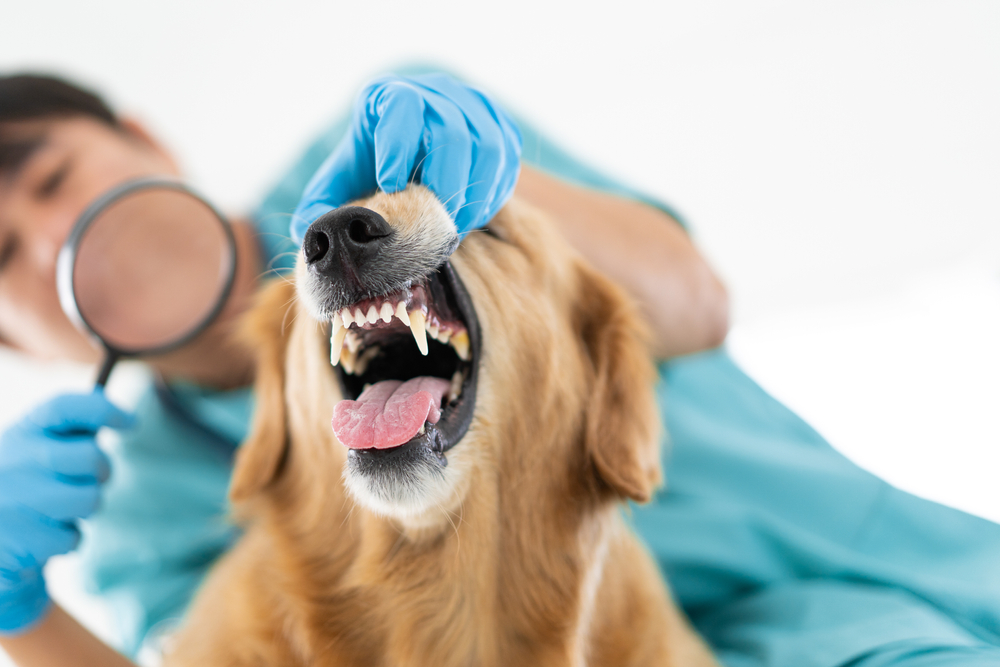
- General Health Examination: The veterinarian checks the puppy’s eyes, ears, teeth, heart, and body condition as part of broader dog health and vet care to ensure the puppy is healthy enough to safely receive vaccinations.
- Weight and Growth Assessment: Puppies are weighed and their development monitored. Tracking growth helps veterinarians confirm the puppy is developing properly and determine the correct medication or treatment doses.
- Vaccine Administration: The veterinarian administers the required vaccines according to the puppy vaccination schedule. Many vaccines are combined into one injection to protect against multiple diseases efficiently.
- Post-Vaccination Monitoring: After vaccination, the veterinarian may briefly observe the puppy to ensure there are no immediate reactions and provide guidance on mild side effects to expect.
When Puppies Can Safely Go Outside and Socialise
Puppy socialisation is important for behaviour and development, but timing matters for health protection. Here are the key stages that help determine when puppies can safely go outside and socialise.
- After the First Vaccination: Puppies may begin limited exposure to safe environments after their first vaccine. Owners should avoid dog parks and public spaces and focus on controlled socialisation before full vaccination with healthy, fully vaccinated dogs.
- During the Vaccination Period: Between vaccine appointments, puppies can gradually become accustomed to new sights, sounds, and people. Short walks in low-risk areas and supervised interactions help build confidence while minimising exposure to contagious diseases.
- After Final Booster Vaccines: Once the puppy vaccination schedule is complete at around 16 weeks, puppies can safely visit dog parks, training classes, and busy outdoor spaces with a significantly reduced risk of serious infections.
- Ongoing Safe Socialisation: Even after vaccinations, puppies benefit from structured socialisation. Regular positive experiences with people, dogs, and environments support behavioural development and help raise confident, well-adjusted adult dogs.
Is the Puppy Vaccination Schedule the Same for Every Dog?
Although most puppies follow a similar vaccination timeline, the puppy vaccination schedule is not always identical for every dog. Veterinarians may adjust the schedule depending on several factors, including the puppy’s health, environment, and potential exposure to infectious diseases.
For most puppies, vaccinations begin between six and eight weeks of age, followed by booster shots every three to four weeks until around sixteen weeks of age. This schedule helps ensure the puppy develops strong immunity as maternal antibodies from their mother gradually fade. However, some puppies may require slight adjustments based on individual circumstances.
Lifestyle and environment also play an important role. Puppies living in areas with higher exposure to wildlife, ticks, or other dogs may require additional vaccines such as leptospirosis or bordetella.
Puppies that travel frequently, attend dog daycare, or participate in training classes may also receive lifestyle-based vaccines recommended by a veterinarian.
Health status is another consideration. Puppies with certain medical conditions or weakened immune systems may need a carefully monitored vaccination plan. For this reason, veterinarians always assess each puppy individually before recommending the most appropriate vaccination schedule.
Common Mistakes New Puppy Owners Make with Vaccines
Many first-time owners misunderstand how vaccination schedules work or delay important appointments, much like other common first-time breeder mistakes. Here are common vaccine mistakes new puppy owners should avoid to keep their puppy protected.
- Delaying the First Vaccination: Waiting too long to start vaccinations leaves puppies vulnerable to dangerous diseases. Beginning the puppy vaccination schedule around 6 to 8 weeks helps ensure early protection during critical developmental stages.
- Missing Booster Appointments: Skipping booster shots weakens the effectiveness of early vaccines. Booster doses strengthen immunity and help puppies develop reliable protection against contagious diseases such as parvovirus and distemper.
- Allowing Early Public Exposure: Taking unvaccinated puppies to dog parks or busy public areas increases the risk of exposure to disease. Puppies should avoid high-risk environments until the full vaccination schedule is completed.
- Ignoring Veterinary Advice: Some owners rely on online advice instead of professional veterinary guidance. Veterinarians assess each puppy’s health, environment, and risk factors to recommend the safest vaccination schedule.
- Not Keeping Vaccination Records: Losing or forgetting vaccination records can create issues for travel, boarding, and veterinary visits. Keeping updated documentation ensures proof of protection and helps maintain proper booster schedules.
Protecting Your Puppy Through Proper Vaccination
Following a puppy vaccination schedule helps protect puppies during their most vulnerable early months.
Vaccines support strong immunity and prevent serious infectious diseases. When you are ready to welcome a puppy, start with a responsible breeder.
Pups4Sale connects you with trusted breeders, which makes buying a healthy puppy a more confident first step.
Frequently Asked Questions
1. When should a puppy receive its first vaccination?
Most puppies receive their first vaccination between 6 and 8 weeks of age. This initial vaccine usually protects against serious diseases such as distemper, parvovirus, and adenovirus. Many breeders organise the first vaccination before puppies go to their new homes, but new owners should always confirm vaccination records with their veterinarian.
2. How many vaccinations do puppies need?
Puppies typically receive a series of three vaccinations during their early development. These are usually given at around 6–8 weeks, 10–12 weeks, and 14–16 weeks of age. The series helps strengthen the puppy’s immune system over time and ensures long-term protection against major canine diseases.
3. Can my puppy go outside before completing vaccinations?
Puppies can go outside in controlled and low-risk environments, such as private yards or clean areas where vaccinated dogs live. However, they should avoid public parks, busy footpaths, and dog parks until the full vaccination series is completed to reduce exposure to infectious diseases.
4. What happens if a puppy misses a vaccine booster?
If a booster vaccination is missed, the veterinarian may need to restart or adjust the vaccination schedule depending on how much time has passed. Missing boosters can leave puppies vulnerable to disease, so it is important to follow the recommended vaccination timeline.
5. Do indoor puppies still need vaccinations?
Yes. Even puppies that stay indoors require vaccinations. Viruses such as parvovirus can be carried into homes on shoes, clothing, or other animals, which means indoor puppies can still be exposed to dangerous diseases without proper protection.
 Add us as a preferred source