Can Dogs Get Heatstroke Indoors?
Dog Health & Veterinary Care By James C. • March 11, 2026
Many dog owners associate heatstroke with hot cars or outdoor heat, but it can also happen inside the home. Poor ventilation, high indoor temperatures, and direct sunlight can create dangerous conditions for dogs, especially when owners do not know the safe temperature range for dogs.
Because dogs rely mainly on panting to regulate body temperature, indoor environments can sometimes prevent effective cooling. Understanding whether dogs can get heatstroke indoors helps owners recognise risks early.
This guide explains why indoor heatstroke happens, the warning signs to watch for, and practical steps to keep dogs safe.
Can Dogs Get Heatstroke Indoors?
Yes, dogs can get heatstroke indoors if a room is hot, humid, poorly ventilated, or exposed to strong sun. Dogs cool themselves mainly by panting, so indoor heat can overwhelm them, especially brachycephalic, older, overweight, or thick-coated dogs. Warning signs include heavy panting, drooling, vomiting, weakness, confusion, or collapse. Heatstroke is a medical emergency.
Why Dogs Are Vulnerable to Heat Indoors
Dogs regulate body temperature very differently from humans, which makes them more vulnerable to heat in enclosed environments.
While people cool themselves by sweating across the skin, dogs rely mainly on panting to release heat and sweat only minimally through their paw pads. When indoor temperatures rise or airflow is limited, this cooling system becomes far less effective.
Warm indoor conditions can quickly build up in homes during hot weather, particularly in rooms with direct sunlight, poor ventilation, or limited air circulation. Conservatories, small apartments, or closed rooms can trap heat and increase humidity, making it difficult for a dog’s body to cool down through panting.
Humidity also plays an important role. High humidity reduces the effectiveness of evaporative cooling during panting, so a dog may continue to overheat even if the temperature does not seem extremely high.
Certain dogs are also naturally more vulnerable to heat. Brachycephalic breeds, overweight dogs, puppies, and elderly dogs often struggle more with temperature regulation. Because of these factors, indoor environments can sometimes pose just as much risk as outdoor heat when proper cooling and ventilation are not maintained.
Common Indoor Situations That Cause Heatstroke
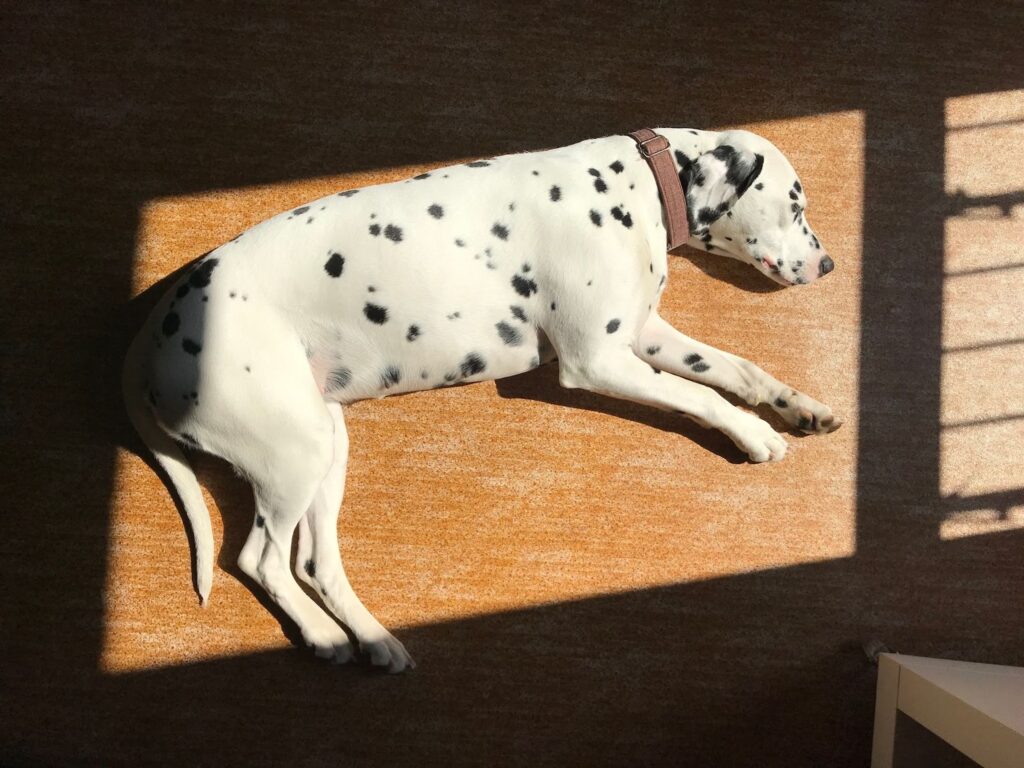
Indoor environments can sometimes trap heat and create dangerous conditions for dogs without owners realising. Here are common indoor situations that can increase the risk of heatstroke in dogs.
1. Rooms With Direct Sunlight
Rooms with large windows or prolonged exposure to sunlight can heat up quickly during warm weather. Sunlight passing through glass can significantly raise indoor temperatures, especially in small spaces.
Dogs resting in these areas may struggle to cool themselves if shade, airflow, or cooler resting spots are not available.
2. Poorly Ventilated Rooms
Rooms with limited airflow can trap warm air and humidity, making it harder for dogs to regulate their body temperature.
Closed doors, small apartments, or spaces without fans or air conditioning may gradually become hot, making it difficult for dogs to cool themselves through panting.
3. Conservatories and Sunrooms
Conservatories and glass sunrooms can heat up rapidly due to constant exposure to the sun. These spaces often function like greenhouses, trapping heat throughout the day.
Dogs resting in these areas may experience rising temperatures, increasing the risk of overheating, particularly during summer afternoons.
4. Dogs Confined to Small Spaces
Dogs left in crates, laundry rooms, or enclosed indoor areas may experience limited airflow and restricted movement. Without the ability to move to a cooler location, the dog may remain exposed to rising indoor temperatures, increasing the risk of overheating.
5. Power Outages or Broken Cooling Systems
During heatwaves, power outages or malfunctioning air conditioning systems can cause indoor temperatures to rise quickly. Without proper cooling or ventilation, homes can become dangerously warm for dogs, particularly if owners are away or unaware of the temperature increase.
6. Lack of Fresh Water During Hot Weather
Access to clean, fresh water is essential for temperature regulation. When dogs do not have enough water available, their ability to cool themselves through panting decreases.
Dehydration can develop quickly in hot environments, increasing the likelihood of heat exhaustion and heatstroke indoors.
Early Signs of Heatstroke in Dogs
Heatstroke can escalate quickly, so recognising early warning signs is essential for protecting your dog. Here are early symptoms that may indicate a dog is overheating.
- Excessive Panting: Dogs pant to release heat, but rapid or heavy panting may signal overheating. Persistent panting that continues even in shade or indoors can indicate the body is struggling to regulate temperature.
- Excessive Drooling: Increased drooling often occurs when dogs overheat. Thick saliva or constant drooling may appear as the body attempts to cool while the dog’s internal temperature rises.
- Lethargy or Weakness: Dogs experiencing heat stress may appear unusually tired, slow to respond, or unwilling to move as rising body temperature begins affecting normal physical function.
- Restlessness or Anxiety: Overheated dogs may appear uncomfortable and unable to settle. Pacing, agitation, or frequent position changes can indicate the dog is trying to find relief from rising body heat.
- Red or Darkened Gums: Gum colour can change when a dog overheats. Bright red or unusually dark gums may signal increased circulation and stress on the body as the temperature rises.
- Vomiting or Nausea: Some dogs may begin vomiting or showing nausea when overheating. Digestive distress often accompanies rising body temperature and may indicate the early stages of heatstroke.
Dogs Most at Risk of Indoor Heatstroke
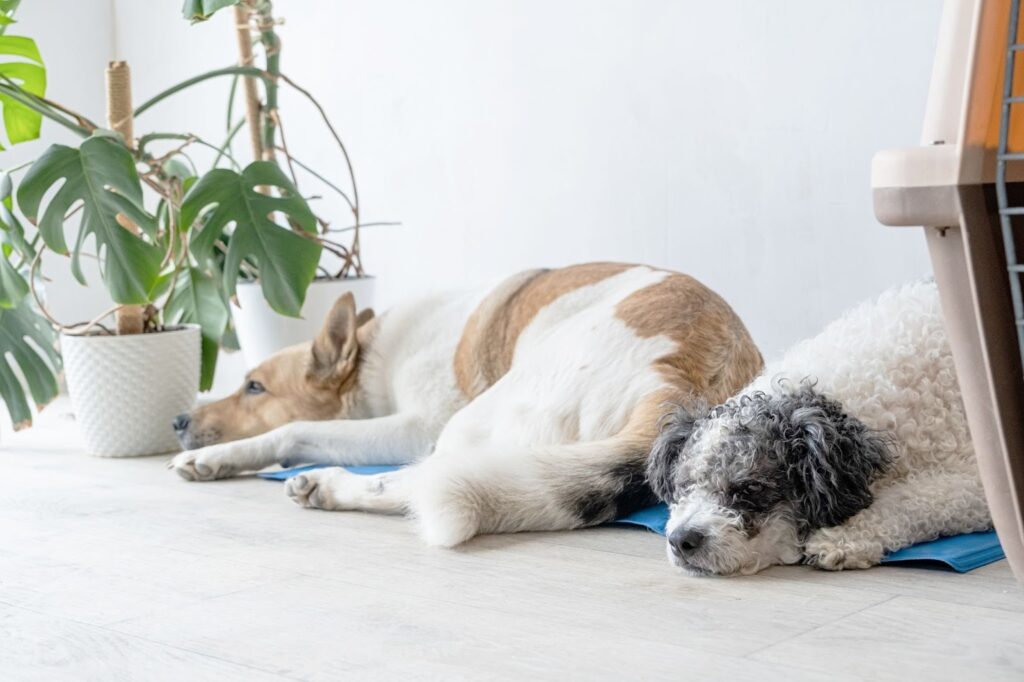
Some dogs struggle more with temperature regulation than others, making them more vulnerable to overheating indoors. Here are the dogs most at risk of indoor heatstroke.
1. Brachycephalic Breeds
Brachycephalic breeds such as Bulldogs, Pugs, and French Bulldogs have shortened airways, making breathing less efficient. Because these dogs rely heavily on panting to cool down, restricted airflow reduces their ability to release heat effectively.
Even moderate indoor temperatures can place significant stress on their respiratory system, increasing the likelihood of overheating.
2. Overweight Dogs
Excess body fat can make it harder for dogs to regulate their body temperature. Overweight dogs retain more heat and require greater effort to cool themselves through panting.
When indoor temperatures rise or ventilation is limited, these dogs may struggle to release heat efficiently, increasing the risk of heat-related illness.
3. Puppies and Senior Dogs
Very young puppies and older dogs often have less efficient temperature regulation and may need more regular vet monitoring. Puppies are still developing their ability to manage body heat, while senior dogs may have underlying health issues that reduce their ability to cool themselves. This makes both groups more sensitive to warm indoor environments.
4. Thick Coated Breeds
Dogs with thick or double coats, such as Huskies or Chow Chows, naturally retain more body heat. While their coats protect in many climates, indoor heat combined with limited airflow can trap heat around the body and increase the risk of overheating during hot weather.
5. Dogs With Health Conditions
Dogs with heart disease, respiratory problems, or other chronic health conditions may struggle to regulate body temperature effectively.
When the body is already under stress from illness, even moderate indoor heat can increase the likelihood of overheating and heat-related complications.
How to Prevent Indoor Heatstroke in Dogs
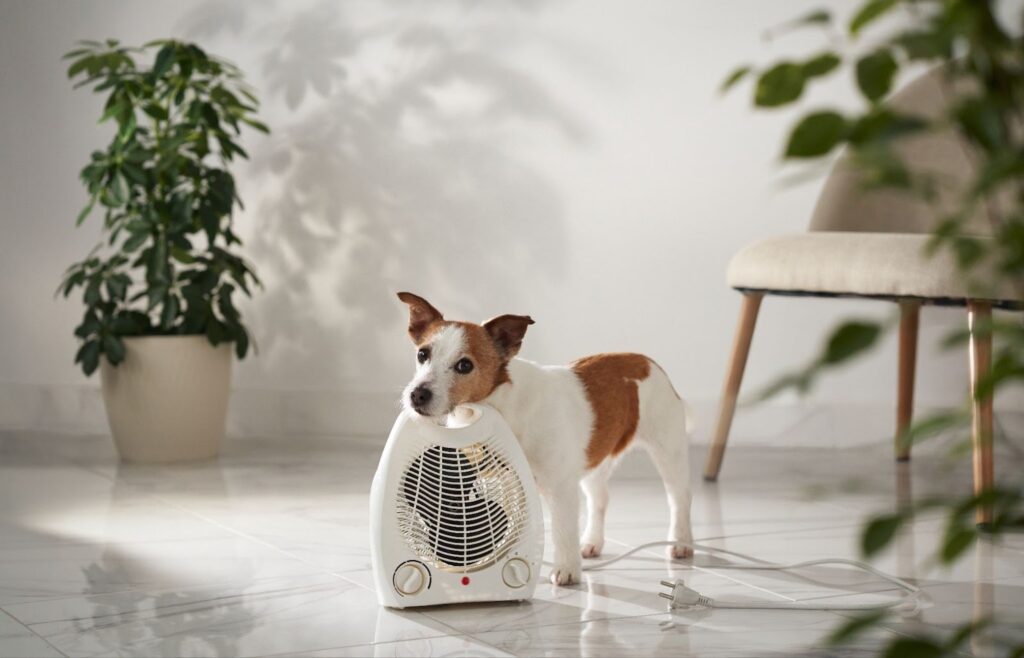
Preventing heatstroke indoors requires maintaining a cool environment and monitoring your dog closely during warm weather. Here are practical steps owners can take to reduce the risk of indoor overheating.
- Maintain Good Ventilation: Proper airflow helps regulate indoor temperatures and prevents heat buildup. Open windows, use fans, or run air conditioning to keep rooms cool and comfortable for your dog.
- Provide Constant Access to Water: Fresh, cool water helps dogs stay hydrated and regulate body temperature. Keeping water bowls full throughout the day allows dogs to drink whenever they begin to feel overheated.
- Create Cool Resting Areas: Provide shaded areas or cool surfaces where your dog can rest comfortably. Tiles, cooling mats, or shaded rooms help the dog maintain a lower body temperature in warm indoor conditions.
- Limit Activity During Heat: Reduce physical activity when indoor temperatures rise. Rest periods during hot parts of the day help prevent dogs from generating excess body heat.
- Monitor Indoor Temperature: Keep track of indoor temperatures during hot weather. Ensuring your home remains comfortably cool helps reduce the risk of dogs developing heatstroke indoors.
What to Do If Your Dog Shows Signs of Heatstroke
Heatstroke is a medical emergency that requires immediate action to prevent serious complications. Here are important steps to take if your dog begins showing signs of heatstroke.
- Move Your Dog to a Cooler Area: Immediately take your dog to a shaded or air-conditioned space. Reducing environmental heat exposure helps stop the body temperature from continuing to rise.
- Offer Small Amounts of Water: Provide cool water for your dog to drink in small amounts. Hydration helps support the cooling process, but avoid forcing water on the dog if it appears weak.
- Begin Gradual Cooling: Use cool, not icy, water to gently lower body temperature. Wetting the dog’s body or applying damp towels helps remove heat without causing sudden shock.
- Use Fans to Increase Airflow: Improving airflow helps accelerate the cooling process. Fans assist evaporation from wet fur and support the body’s natural heat reduction through panting.
- Seek Immediate Veterinary Care: Even if symptoms improve, heatstroke can cause internal damage. A veterinarian should assess the dog promptly to ensure proper treatment and urgent follow-up care.
Heatstroke Prevention Starts at Home
Dogs can develop heatstroke indoors when temperatures rise, ventilation is poor, or cooling is limited.
Recognising early warning signs and maintaining a cool indoor environment can prevent serious health risks.
Responsible care begins with awareness and preparation. Heat is just as dangerous on the road, so safe car travel with a puppy means water, shade, and airflow on every trip.
When you are ready to welcome a healthy puppy, Pups4Sale connects you with trusted breeders and practical advice on buying or adopting a puppy safely.
Frequently Asked Questions
1. Can dogs get heatstroke inside the house?
Yes, dogs can develop heatstroke indoors if temperatures become too high or ventilation is poor. Rooms exposed to direct sunlight, enclosed spaces, or homes without cooling systems can trap heat, leading to dangerous overheating.
2. What indoor temperature is too hot for dogs?
Most dogs are comfortable when indoor temperatures remain between 18°C and 24°C. When temperatures rise above 27°C, dogs may struggle to regulate body heat, especially if humidity is high or airflow is limited.
3. How quickly can a dog get heatstroke indoors?
Heatstroke can develop quickly, sometimes within minutes if temperatures are high and ventilation is poor. Dogs that cannot access cooler areas, shade, or fresh water are at greater risk of overheating.
4. Are certain dog breeds more vulnerable to indoor heatstroke?
Yes. Brachycephalic breeds such as Bulldogs, Pugs, and French Bulldogs are particularly vulnerable because their shortened airways make panting less effective. Thick-coated breeds, puppies, and older dogs also face higher risks.
5. Can fans prevent heatstroke in dogs?
Fans can help improve airflow and support cooling through panting, but they may not be enough during extreme heat. Fans work best when combined with shade, proper ventilation, and access to fresh drinking water.
 Add us as a preferred source