When to Desex Your Dog: Health and Behaviour Impacts
Dog Health & Veterinary Care By James C. • March 11, 2026
Many owners eventually ask the same question: when to desex your dog? While desexing is widely recommended in Australia, the best timing is not identical for every dog. Age, breed, size, lifestyle, and long-term health risks all influence the decision.
Desexing can reduce certain cancers and hormone-driven behaviours, but timing may also affect joint development and disease risk.
In this guide, you will learn how desexing impacts health and behaviour, what research says about early versus later procedures, and how to make an informed decision with your veterinarian.
What Does Desexing Involve?
Desexing is a routine surgical procedure that prevents dogs from reproducing. In females, the procedure is called spaying and involves the removal of the ovaries and usually the uterus. In males, neutering involves removing the testicles. Both surgeries are performed under general anaesthesia by a qualified veterinarian.
For female dogs, the operation is slightly more complex as it requires an abdominal incision. Recovery typically takes 10 to 14 days, during which activity must be restricted to allow proper healing. Male neutering is less invasive, with a smaller incision and generally quicker recovery.
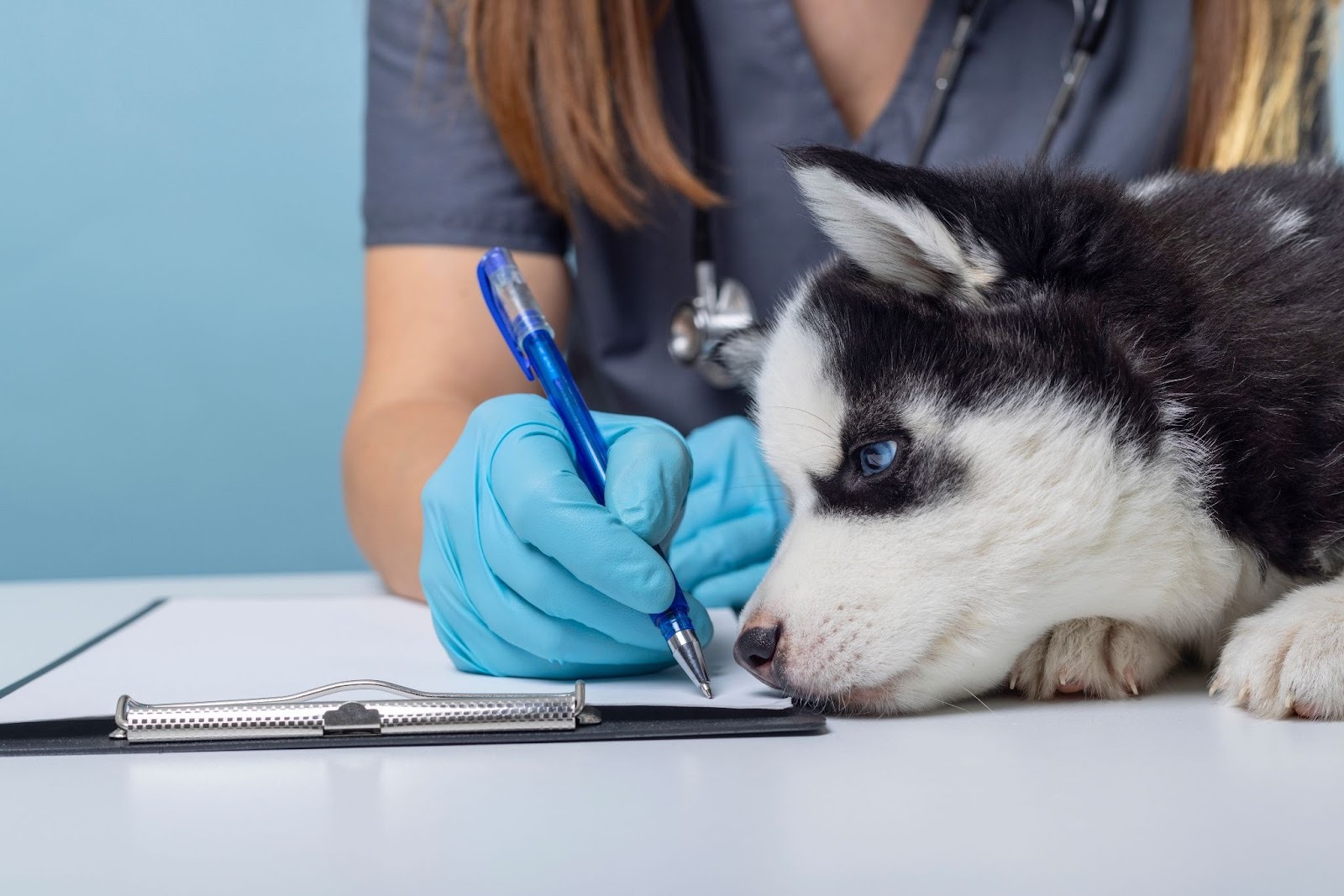
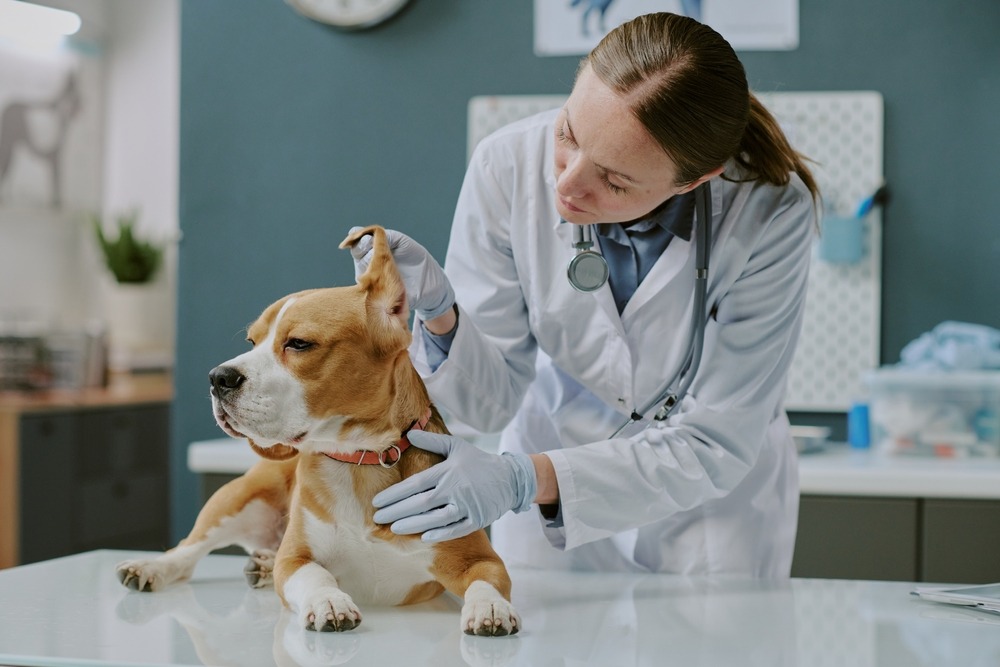
Before surgery, your dog will undergo a pre-operative vet check to ensure they are fit for anaesthesia. Post-operative care includes pain relief, monitoring the incision site, and preventing licking or excessive movement.
Desexing not only prevents unwanted litters but also reduces certain reproductive health risks. Understanding what the procedure involves helps owners prepare properly and support a smooth recovery process.
When to Desex Your Dog: Age Matters
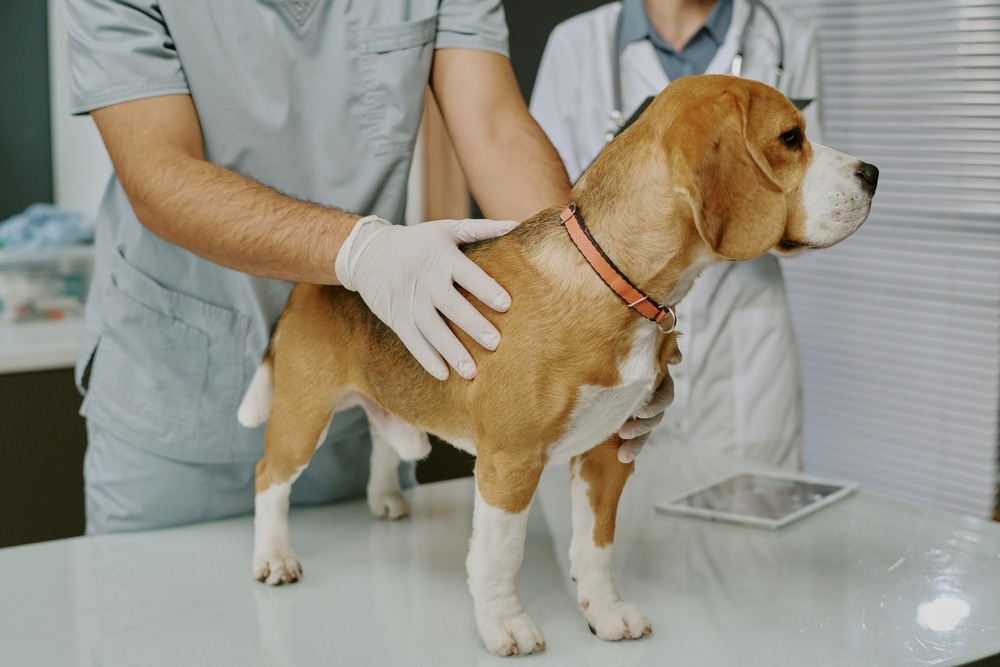
Timing plays a critical role in balancing health benefits and potential risks. Here are the key age considerations owners should understand.
1. 8 to 16 Weeks: Early Desexing
Early desexing is commonly performed by shelters before adoption to prevent accidental breeding. At this stage, puppies recover quickly due to their strong healing capacity.
However, some veterinarians recommend caution for large breeds, as hormones play a role in growth plate development and skeletal maturity.
2. Traditional Six-Month Recommendation
For many years, six months of age has been the standard guideline for desexing dogs. At this stage, most puppies are physically mature enough for surgery, and females can be desexed before their first heat cycle. Desexing is one of the larger first-year vet bills, so it is sensible to budget for it alongside vaccinations.
Early desexing may reduce the risk of mammary tumours in females and prevent accidental breeding in both sexes.
3. After First Heat in Females
Some veterinarians suggest waiting until after the first heat cycle for certain breeds. Hormonal development may support musculoskeletal growth, but timing must be balanced against increased risk of unwanted pregnancy and mammary tumours if delayed too long.
4. 12 to 18 Months: Large and Giant Breeds
Research suggests that in some large and giant breeds, early desexing may increase the risk of joint disorders such as cruciate ligament injury or hip dysplasia. Delaying desexing until physical maturity, often 12 to 18 months, may support optimal skeletal development.
5. Individual Health and Lifestyle Factors Matter
There is no universal age that suits every dog. Breed-specific risks, behaviour concerns, living environment, and overall health history should all influence timing decisions. Consulting your veterinarian ensures the choice aligns with current research and your dog’s individual needs.
Health Benefits of Desexing
Desexing provides important medical advantages that go beyond preventing unwanted litters. Here are the key health benefits supported by veterinary evidence.
1. Prevention of Pyometra in Females
Pyometra is a severe bacterial infection of the uterus that commonly affects older, unspayed females. It can cause fever, lethargy, vomiting, abdominal swelling, and life-threatening sepsis.
Emergency surgery is often required. Spaying removes the uterus entirely, eliminating the risk of pyometra and preventing this dangerous condition altogether.
2. Reduced Risk of Mammary Tumours
Spaying before the first heat cycle offers the strongest protection against mammary tumours. The protective benefit decreases after each heat. Because mammary tumours are malignant in many cases, early desexing can substantially reduce long-term cancer risk in female dogs.
3. Elimination of Testicular Cancer in Males
Neutering removes the testicles, which completely prevents testicular cancer. While this cancer is often treatable when detected, prevention removes future risk and eliminates the need for reproductive organ monitoring as the dog ages.
4. Lower Incidence of Prostate Disease
Intact males commonly develop benign prostatic hyperplasia and other prostate conditions as they age. By reducing testosterone levels, neutering decreases prostate enlargement and lowers the likelihood of infection or discomfort linked to hormonal influence.
5. Reduced Risk of Roaming-Related Injury
Hormone-driven roaming increases exposure to traffic accidents, dog fights, and territorial aggression. Desexed dogs are generally less likely to wander in search of mates, reducing injury risk and improving overall safety, particularly in urban environments.
6. Lower Risk of Reproductive Emergencies
Desexing prevents accidental pregnancies, complicated births and emergencies, and hormone-driven reproductive disorders. Avoiding these risks reduces the chance of emergency veterinary intervention and improves overall long-term well-being.
Behaviour Impacts of Desexing
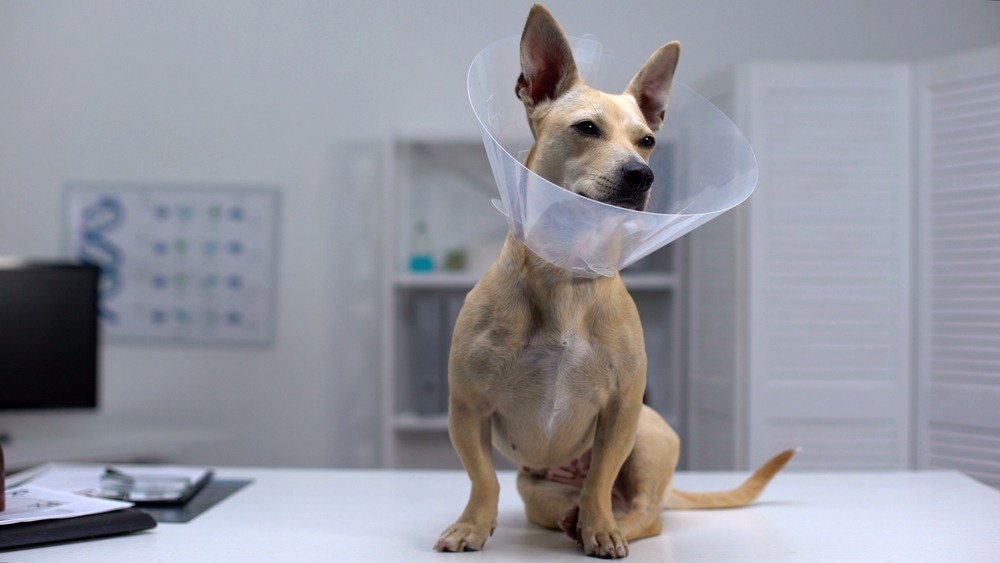
Hormones influence many canine behaviours, particularly during adolescence and adulthood. Here are the most common behavioural changes associated with desexing.
- Reduced roaming behaviour: Lower testosterone and oestrogen levels often decrease the drive to wander in search of a mate, reducing escape attempts and road accident risk.
- Decreased urine marking: Hormone-driven territorial marking may reduce after desexing, particularly in male dogs, though training and environment still play important roles.
- Lower mating behaviours: Mounting, excessive interest in females in heat, and restlessness during breeding seasons often decline after desexing.
- Potential reduction in some aggression types: Hormone-related aggression, especially between males, may decrease, but desexing does not resolve fear-based or learned aggression.
- No guaranteed personality change: Desexing does not remove core temperament traits, and training, socialisation, and environment remain critical influences on behaviour.
Potential Risks and Considerations
While desexing offers benefits, timing and breed differences can influence potential risks. Here are important considerations owners should discuss with their veterinarian.
- Joint development concerns: Early desexing in some large breeds may increase the risk of joint problems due to altered growth plate closure timing.
- Possible cancer risk variation: Research suggests certain breeds may have increased risk of specific cancers depending on desexing age, making individual assessment important.
- Weight gain tendency: Hormonal changes can reduce metabolic rate and increase appetite, requiring dietary management and exercise to prevent obesity.
- Urinary incontinence in females: Some desexed females may develop hormone-related urinary leakage later in life, though this is typically manageable with medication.
- Anaesthetic and surgical risks: As with any surgery, desexing carries minor anaesthetic and procedural risks, though complications are uncommon when performed by experienced veterinarians.
Lifestyle and Environmental Factors to Consider

Your dog’s living environment and daily routine can influence the ideal timing for desexing. Here are key lifestyle factors to evaluate carefully.
1. Urban Living and Limited Space
Dogs living in urban areas with limited fencing or high foot traffic may face greater risks of accidental breeding or roaming. Desexing can reduce hormone-driven wandering and help prevent unwanted litters, particularly in densely populated suburbs where contact with other dogs is frequent.
2. Multi-Dog Households
In homes with multiple dogs, especially mixed sexes, intact animals may display heightened tension during heat cycles. Desexing can reduce competition, mounting behaviour, and conflict driven by reproductive hormones, helping maintain household harmony and stability.
3. Rural or Free-Roaming Environments
Dogs in rural settings may have more opportunities to roam across properties. Intact dogs are more likely to travel long distances seeking mates. Desexing may reduce roaming behaviour and decrease injury risk from fights or road accidents.
4. Breeding Intentions and Legal Requirements
If you do not intend to breed responsibly under recognised guidelines, desexing supports population control. Some councils, shelters, and rental agreements in Australia also require desexing as part of responsible pet ownership regulations.
5. Activity and Sporting Dogs
Working or sporting dogs may require timing considerations related to growth and musculoskeletal development. Hormones influence bone and joint maturation, so veterinary advice is essential before scheduling surgery.
How to Decide the Right Time for Your Dog
Choosing when to desex requires balancing health research, breed factors, and lifestyle considerations. Here are practical steps to guide your decision.
- Consult your veterinarian: Discuss breed, size, sex, and medical history to determine timing aligned with current veterinary research and your dog’s individual risk profile.
- Consider breed-specific evidence: Large and giant breeds may benefit from delayed desexing, while small breeds often tolerate earlier procedures without increased joint concerns.
- Evaluate behaviour goals: If roaming, marking, or mating behaviours are emerging, earlier desexing may help reduce hormone-driven tendencies.
- Assess your environment: Urban living, multi-dog households, or unsecured fencing may increase accidental breeding risk, influencing earlier timing decisions.
- Review long-term health priorities: weigh the benefits of cancer prevention against potential joint or metabolic considerations to make an informed, balanced choice.
Making the Right Decision for Your Dog
Desexing is not a one-size-fits-all decision. The right timing depends on breed, size, health status, and lifestyle.
Understanding both the health benefits and potential risks allows you to make an informed choice with your veterinarian. Responsible ownership begins with proactive planning.
Trusted breeder connections and expert puppy buying advice help you start your dog’s journey with long-term wellbeing in mind.
Frequently Asked Questions
1. What is the best age to desex a dog in Australia?
The best age depends on breed, size, and health. Many small and medium breeds are desexed around six months, while large and giant breeds may benefit from delayed timing based on veterinary advice.
2. Does desexing calm a dog down?
Desexing may reduce hormone-driven behaviours such as roaming and marking. However, it does not replace proper training, socialisation, or behavioural management.
3. Is it better to desex before or after the first heat?
Spaying before the first heat significantly reduces the risk of mammary tumours. In some breeds, veterinarians may recommend waiting slightly longer for developmental reasons.
4. Are there risks to early desexing?
In certain large breeds, early desexing may influence growth plate closure and joint development. Timing should be discussed with a veterinarian familiar with your dog’s breed.
5. How long does recovery take after desexing?
Most dogs recover within 10 to 14 days. Activity should be restricted during this period, and the incision site monitored for swelling or discharge.
6. Is desexing mandatory in Australia?
Requirements vary by state and local council. Some regions offer incentives for desexed pets, and many responsible breeders include desexing agreements in contracts.
 Add us as a preferred source