Is Vomiting in Dogs an Emergency?
Dog Health & Veterinary Care By James C. • March 6, 2026
Seeing your dog vomit can be alarming, especially when you are unsure whether it signals something serious. Many dogs experience occasional stomach upset from eating too quickly or consuming something unusual.
However, repeated vomiting or vomiting accompanied by other symptoms may indicate a medical emergency.
So, is vomiting in dogs an emergency? In this guide, you will learn the common causes of vomiting, the critical warning signs to watch for, and exactly when veterinary care is urgently required to protect your dog’s health.
Is Vomiting in Dogs an Emergency?
Yes. Vomiting in dogs is an emergency when it is repeated, contains blood (red or dark coffee-ground material), or occurs with lethargy, collapse, severe pain, bloated abdomen, trouble breathing, or dehydration. Vomiting with diarrhoea, refusal to drink, suspected toxin ingestion, or vomiting in puppies and senior dogs also warrants urgent veterinary care.
Understanding Vomiting in Dogs
Vomiting in dogs is a protective reflex that helps expel harmful or irritating substances from the stomach. It can occur after eating too quickly, consuming spoiled food, or experiencing sudden dietary changes. In many cases, a single episode of vomiting without other symptoms may not indicate a serious problem.
However, vomiting can also signal an underlying illness. Gastrointestinal infections, parasites, pancreatitis, toxin ingestion, and intestinal blockages are among the more concerning causes. When the stomach lining becomes inflamed, dogs may retch repeatedly or produce bile, foam, or partially digested food.
It is also important to distinguish vomiting from regurgitation. Vomiting usually involves abdominal effort and nausea, while regurgitation happens passively without warning. This difference can help veterinarians identify whether the issue originates in the stomach or oesophagus.Frequency, appearance, and accompanying symptoms determine severity. Monitoring these factors closely helps owners decide whether home observation is appropriate or urgent veterinary assessment is necessary.
Why Dogs Vomit: Common Causes Explained

Vomiting can result from simple digestive upset or serious medical conditions. Here are the most common causes owners should understand.
1. Dietary Indiscretion
Dogs frequently vomit after eating something inappropriate, such as rubbish, spoiled food, grass, or foreign objects.
This behaviour, often called dietary indiscretion, irritates the stomach lining and triggers vomiting as a protective response. While some cases resolve quickly, ingestion of sharp objects or toxins can become dangerous.
2. Eating Too Quickly
When dogs eat too fast, they may swallow excess air along with their food. This can cause stomach distension and regurgitation or vomiting shortly after meals.
Rapid eating may also increase the risk of gastric discomfort, particularly in larger breeds prone to digestive sensitivity.
3. Sudden Diet Changes
Abruptly switching dog food can disrupt gut bacteria and irritate the digestive tract. The stomach and intestines need time to adjust to new ingredients.
Without a gradual transition, dogs may develop vomiting, diarrhoea, or reduced appetite during the adjustment period, which is why changes to a balanced dog diet are best spread over several days.
4. Parasites
Intestinal worms, particularly in puppies, can irritate the digestive tract and cause vomiting. Roundworms, hookworms, and other parasites may also lead to weight loss and poor growth.
Regular deworming significantly reduces this risk, but untreated infestations can progress and require prompt medical intervention.
5. Infections
Viral and bacterial infections commonly cause vomiting, especially in unvaccinated puppies at risk. Conditions such as parvovirus can begin with lethargy and appetite loss before progressing to severe vomiting and diarrhoea. Early veterinary care is critical, as infectious diseases can deteriorate rapidly.
6. Gastrointestinal Obstruction
Swallowing foreign objects such as toys, bones, socks, or stones can block the digestive tract. Obstructions typically cause repeated vomiting, abdominal pain, and inability to keep food or water down. This condition is life-threatening and requires urgent veterinary diagnosis and often surgical treatment. Surgery of this kind can be costly, so it helps to know ahead of time whether your policy includes cover for emergency treatment.
7. Underlying Medical Conditions
More serious causes of vomiting include pancreatitis, kidney disease, liver disorders, intestinal blockages, and toxin ingestion.
In these cases, vomiting often occurs alongside lethargy, abdominal pain, or dehydration. Persistent or worsening symptoms should always prompt immediate veterinary evaluation.
Warning Signs That Vomiting Is an Emergency
While occasional vomiting may be harmless, certain symptoms signal immediate danger. Here are the critical warning signs you should never ignore.
- Repeated vomiting within hours: Multiple episodes in a short period can quickly cause dehydration, electrolyte imbalance, and indicate obstruction, infection, or toxin ingestion.
- Blood in vomit: Bright red blood suggests active bleeding, while dark coffee-ground material indicates digested blood from internal bleeding requiring urgent veterinary care.
- Severe lethargy or weakness: Vomiting combined with extreme tiredness, collapse, or unresponsiveness may signal shock, severe infection, or broader dog health and vet care concerns.
- Swollen or painful abdomen: A distended, firm abdomen with discomfort can indicate bloat, internal bleeding, or intestinal obstruction.
- Vomiting with diarrhoea and refusal to drink: Combined symptoms significantly increase dehydration risk and may indicate parvovirus, gastroenteritis, or toxin exposure.
Vomit Colour Guide: What It May Indicate
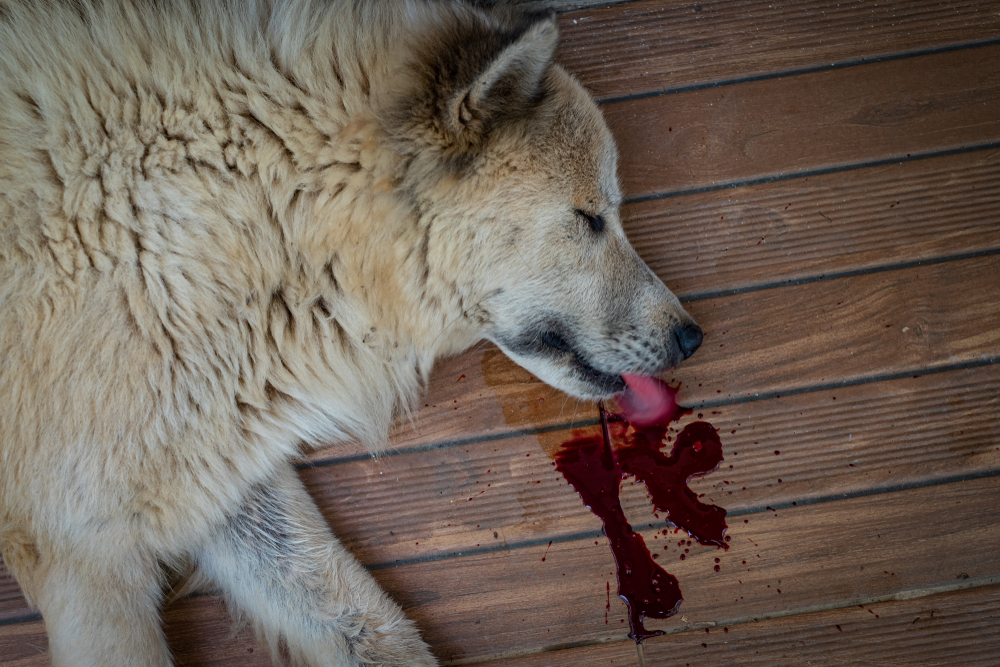
The colour, texture, and contents of vomit can reveal valuable clinical clues. Here is what different vomit colours may indicate.
1. Yellow or Foamy Vomit
Yellow vomit usually contains bile, a digestive fluid produced by the liver and stored in the gallbladder. It commonly appears when a dog vomits on an empty stomach, especially early in the morning.
Occasional bile vomiting may relate to mild gastric irritation, but repeated episodes can indicate gastritis, inflammatory bowel issues, or dietary intolerance.
2. White Foam
White, frothy vomit is often a mixture of saliva, stomach acid, and mucus. It may occur with mild indigestion, acid reflux, or irritation of the stomach lining.
However, persistent foamy vomiting accompanied by repeated retching can raise concern for obstruction or toxin exposure.
3. Clear Liquid
Clear vomit typically consists of water or gastric fluids and may follow excessive drinking or nausea. While a single episode is not always alarming, repeated vomiting of clear fluid may suggest underlying inflammation, viral infection, or early systemic illness.
4. Brown or Foul-Smelling Material
Brown vomit may contain partially digested food, but a very dark colour with a strong, foul odour can indicate intestinal blockage. In rare cases, material resembling faeces suggests severe obstruction and requires emergency veterinary intervention.
5. Red or Dark Coffee-Ground Appearance
Bright red vomit indicates active bleeding in the oesophagus or stomach. A dark, coffee-ground texture signals digested blood from internal bleeding. Both findings are serious medical emergencies that require immediate veterinary care.
Dangerous Conditions Linked to Vomiting in Dogs
Vomiting can sometimes signal a life-threatening illness rather than mild stomach upset. Here are dangerous conditions commonly linked to vomiting in dogs.
- Parvovirus infection: Highly contagious and dangerous, parvovirus causes severe vomiting, bloody diarrhoea, and rapid dehydration, especially in puppies already showing early signs of illness. Immediate veterinary treatment is critical for survival.
- Gastric dilatation volvulus: Commonly known as bloat, this condition causes a swollen abdomen, unproductive retching, and collapse. The stomach twists, cutting off the blood supply, requiring emergency surgery.
- Intestinal obstruction: Swallowed objects can block the digestive tract, leading to repeated vomiting, abdominal pain, and inability to pass stool. Surgery is often required.
- Pancreatitis: Inflammation of the pancreas causes persistent vomiting, abdominal pain, and lethargy. Severe cases can become life-threatening without prompt medical care.
- Toxin poisoning: Ingestion of chocolate, medications, plants, or chemicals may trigger vomiting as the body reacts. Poisoning can progress quickly and demands urgent veterinary intervention.
- Kidney or liver disease: Organ dysfunction may present with vomiting, appetite loss, and weakness. Early diagnosis improves outcomes, but advanced disease can become critical.
When to Take Your Dog to the Vet for Vomiting

It is not always easy to judge severity at home, especially if you are unsure when your dog should see a vet. Here are clear situations when a veterinary assessment is necessary.
- Vomiting persists beyond 24 hours: Ongoing vomiting suggests infection, obstruction, or inflammation rather than simple stomach upset. A professional evaluation is needed to prevent dehydration and complications.
- Repeated episodes in a short period: Multiple bouts within hours indicate significant irritation or possible blockage. Rapid fluid loss increases risk, particularly in small dogs and puppies.
- Vomiting with lethargy or weakness: Reduced energy alongside vomiting may signal systemic illness, toxin exposure, or organ dysfunction requiring prompt veterinary assessment.
- Presence of blood in vomit: Bright red or dark material indicates gastrointestinal bleeding. Immediate veterinary attention is essential to determine and treat the source.
- Signs of abdominal pain: Whining, restlessness, hunched posture, or sensitivity when touched may indicate obstruction, pancreatitis, or bloat.
- Suspected ingestion of toxins or objects: If your dog may have swallowed something harmful or indigestible, seek veterinary care immediately rather than waiting for symptoms to worsen.
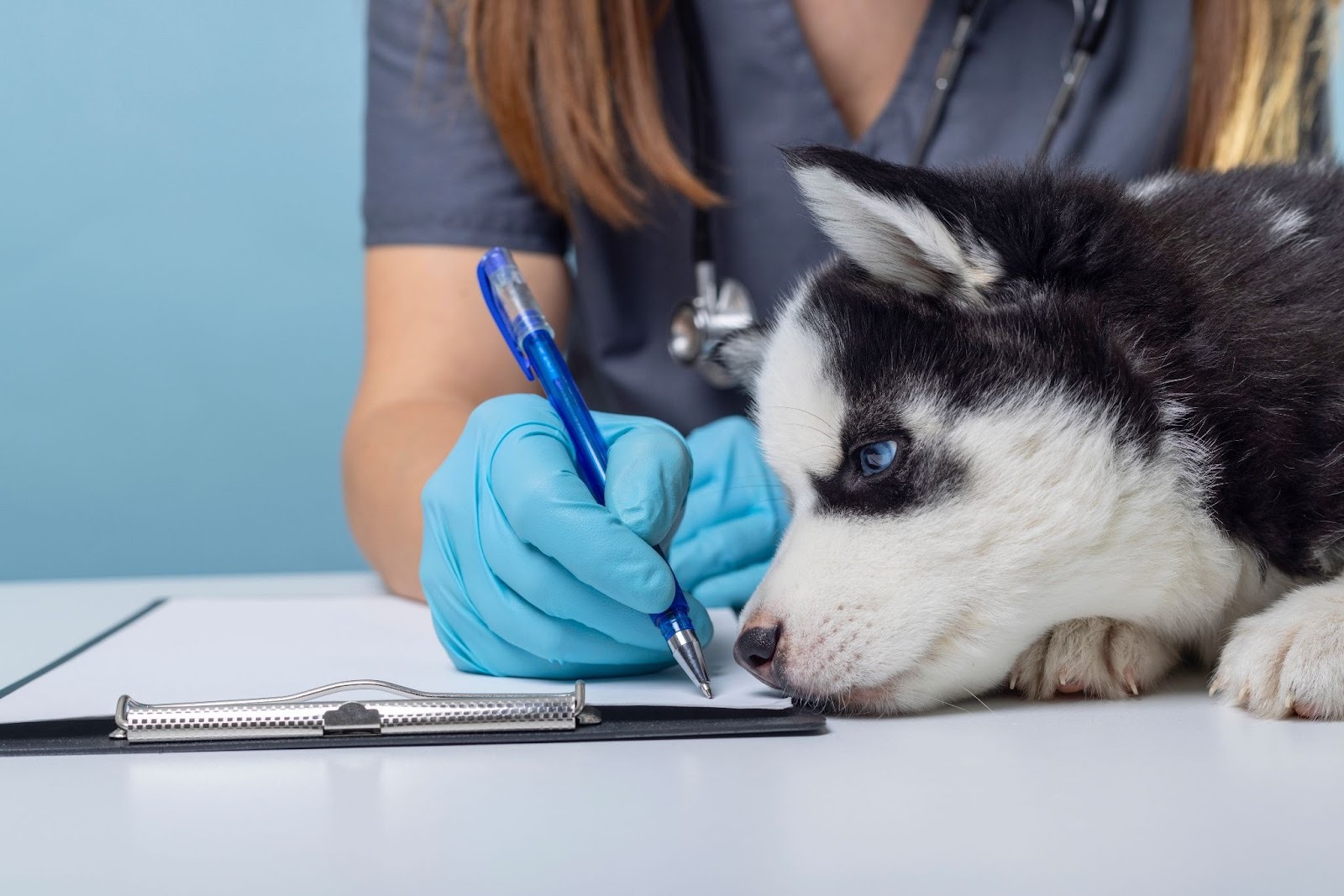
- Vomiting in puppies or senior dogs: Young and older dogs deteriorate faster, especially puppies with early signs of illness. Even a few episodes warrant earlier professional advice to reduce serious health risks.
What to Do at Home Before Seeing the Vet
If symptoms are mild and your dog is stable, careful monitoring at home may be appropriate. Here are safe steps to follow.
- Withhold food temporarily: Remove food for 8 to 12 hours to allow the stomach to settle. Avoid prolonged fasting in puppies, as low blood sugar can develop quickly.
- Offer small amounts of water: Provide small sips of fresh water every 30 to 60 minutes. Large amounts may trigger further vomiting, so controlled hydration is important.
- Monitor frequency and appearance: Keep note of how often your dog vomits and what it looks like. This information helps your vet identify potential causes.
- Check for additional symptoms: Check for additional symptoms: Observe energy levels, gum colour, abdominal swelling, diarrhoea, or other warning signs such as bad-smelling ears. Worsening symptoms indicate urgent veterinary care is required.
- Remove access to potential toxins: Secure rubbish, chemicals, plants, or small objects to prevent further ingestion while assessing the situation.
- Avoid giving human medication: Do not administer over-the-counter remedies without veterinary advice, as some medications are toxic to dogs.
- Contact your vet for guidance: Even if symptoms seem mild, calling your veterinary clinic provides reassurance and ensures you act appropriately if the condition changes.
Act Early, Protect Their Health
Vomiting in dogs can range from minor irritation to life-threatening illness.
The key is recognising warning signs and acting quickly when symptoms escalate. Never ignore persistent or severe vomiting, especially in puppies.
For trusted advice, responsible breeder connections, and expert puppy care guidance, visit Pups4Sale and start your journey with confidence.
Frequently Asked Questions
1. How many times can a dog vomit before it becomes serious?
One isolated episode with normal behaviour may not be serious. However, repeated vomiting within a few hours or vomiting that continues beyond 24 hours should be assessed by a veterinarian.
2. Is yellow vomit in dogs an emergency?
Yellow vomit usually contains bile and may occur on an empty stomach. Occasional episodes are not always urgent, but frequent bile vomiting may indicate gastritis or another digestive issue.
3. Should I feed my dog after vomiting?
It is usually recommended to withhold food for 8 to 12 hours in adult dogs, while offering small amounts of water. Puppies should not fast for long and require earlier veterinary advice.
4. What if my dog is vomiting but acting normal?
If your dog vomits once and remains bright, active, and hydrated, careful monitoring at home may be appropriate. Seek veterinary care if symptoms repeat or new signs develop.
5. Can stress cause dogs to vomit?
Yes, stress and anxiety can trigger mild gastrointestinal upset in some dogs. However, persistent vomiting should not be attributed to stress without veterinary evaluation.
6. When is vomiting in puppies an emergency?
Vomiting in puppies should be taken seriously, especially if repeated or combined with lethargy, diarrhoea, or refusal to drink. Puppies dehydrate quickly and can deteriorate rapidly.
 Add us as a preferred source