
Why Do My Dog’s Ears Smell Bad? Causes and Solutions
Uncategorized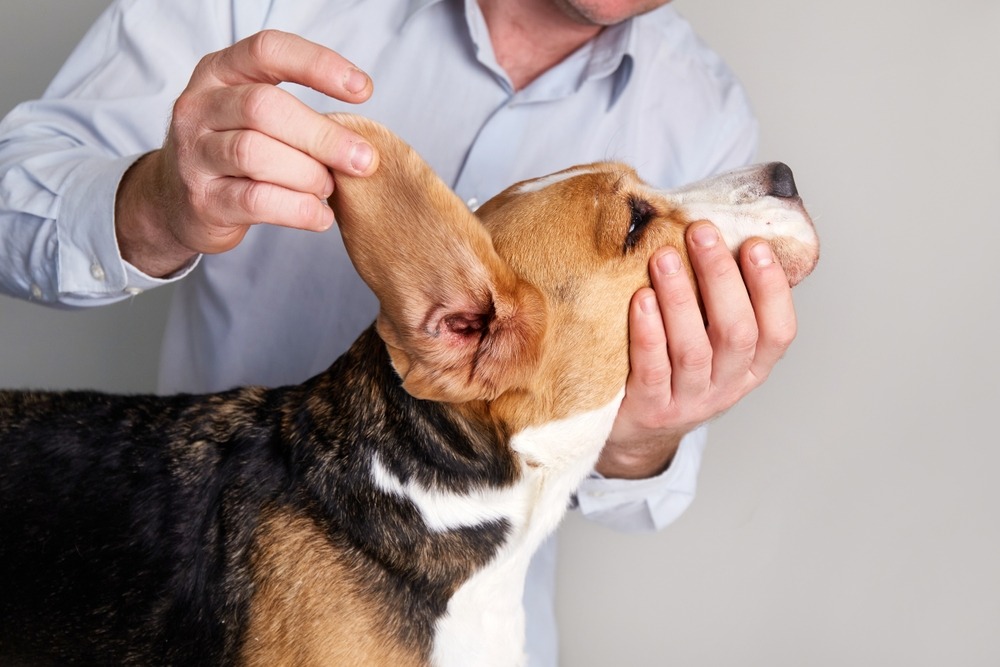 By James C. • March 4, 2026
A dog’s ears should have a neutral scent, so a dog’s ears smelling bad is often a sign of underlying issues. Ear odour can indicate infections, wax buildup, mites, moisture retention, or allergies, which may affect your dog’s comfort and health.
This article explores the common causes of smelly ears, identifies warning signs that need veterinary attention, and provides practical solutions and preventive measures to keep your dog’s ears healthy, clean, and free from unpleasant odours.
Why Dog Ears Smell Bad
A foul odour coming from your dog’s ears is often a sign of an underlying issue rather than just dirt or wax. Smelly ears can indicate infections, parasites, allergies, or excessive wax buildup, all of which require attention.
Bacterial or yeast infections are the most common cause, particularly in dogs with floppy ears or excessive moisture, where airflow is limited. Ear mites, especially in puppies or dogs living with other pets, can also produce a strong, unpleasant smell.
Allergies, whether food-related or environmental, can inflame the ear canal, leading to irritation and odour. Even normal wax can trap bacteria and debris, intensifying the smell if not cleaned properly. Foreign objects, such as grass seeds or dirt, may lodge in the ear canal, causing infection and foul odours.
Persistent or strong smells can sometimes signal systemic health problems, such as hypothyroidism or autoimmune conditions, making early detection and knowing when to book a vet visit important. Regular ear inspection and hygiene help prevent minor issues from becoming serious, ensuring your dog’s ears remain healthy and odour-free.
Main Causes of Ear Odour in Dogs
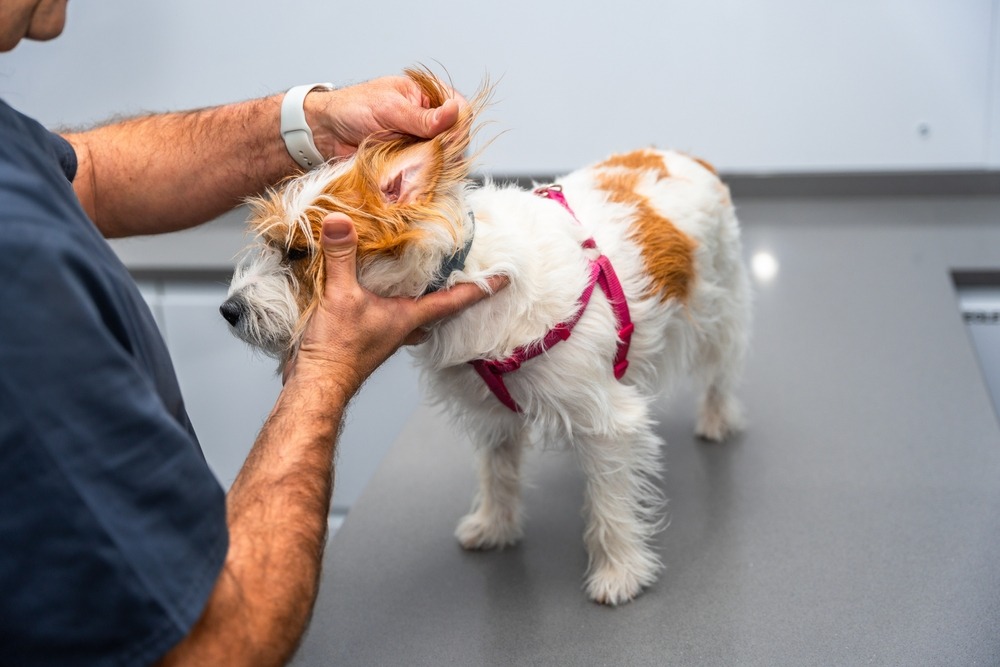
Strong odour from a dog’s ears usually indicates an underlying problem. Understanding these causes helps owners identify issues and seek proper veterinary care.
1. Yeast Infections
Yeast overgrowth is a common cause of a dog’s ears smelling bad.Warm, moist ear canals, floppy ears, and excessive hair encourage yeast proliferation. Puppies may exhibit musty odour, redness, scratching, and discharge, which can overlap with early signs of illness in puppies.
Treatment typically requires vet-prescribed antifungal drops, regular ear cleaning, and sometimes addressing underlying allergies or moisture issues to prevent recurrence. Early detection improves comfort and recovery.
2. Bacterial Ear Infections
Bacterial infections produce a strong, foul odour, swelling, redness, discharge, and pain. These infections often develop secondary to moisture retention, wax accumulation, or untreated yeast infections.
Veterinary intervention is required, usually involving antibiotics, ear cleaning, and follow-up exams. Chronic infections can recur without proper care, emphasising the importance of early diagnosis, correct treatment, and monitoring the dog’s ear health.
3. Ear Mites and Parasites
Ear mites and other parasites cause intense itchiness, dark discharge, and odour. Highly contagious, infestations irritate the ear canal and may lead to secondary bacterial or yeast infections.
Effective treatment requires veterinary-prescribed medicated drops or topical solutions. Cleaning bedding and the dog’s environment is essential to prevent reinfestation. Signs often include shaking, scratching, and persistent odour.
4. Wax Buildup and Debris
Excessive wax or debris causes odour, discomfort, and irritation even without active infection. Trapped debris creates an ideal environment for bacteria and yeast to grow.
Regular ear cleaning with vet-approved solutions maintains hygiene and reduces smell. Dogs with floppy or hairy ears are particularly prone. Routine inspection helps prevent wax buildup from becoming a more serious infection.
5. Allergies and Inflammation
Food or environmental allergies trigger chronic ear inflammation, itchiness, and secondary infections, producing a noticeable odour. Identifying allergens, limiting exposure, and vet-guided treatment for inflammation and infection are essential.
Addressing the underlying cause alongside cleaning and medicated treatment ensures long-term ear health and reduces recurring bad odour.
6. Foreign Bodies or Moisture Retention
Foreign objects or water trapped after bathing, swimming, or wet weather promote microbial growth. Moisture retention leads to odour, irritation, and infection, requiring careful inspection and removal. Regular drying and monitoring prevent bacterial or yeast overgrowth, keeping the ears healthy, comfortable, and odour-free.
7. Underlying Health Conditions
Systemic conditions like hypothyroidism or autoimmune disorders can increase ear infections and odour.
Persistent or recurrent bad smells may indicate a broader health issue. Veterinary assessment is crucial to diagnose and manage the underlying condition effectively.
8. Ear Anatomy and Breed Predisposition
The structure of a dog’s ear canal and ear shape can increase the likelihood of odour. Floppy, hairy, or narrow ear canals trap moisture, wax, and debris, creating an ideal environment for yeast or bacteria.
Breeds such as Cocker Spaniels, Basset Hounds, and Labradors are more prone to infections and odour due to anatomical predispositions, making preventive cleaning and monitoring critical for ear health.
Signs and Symptoms That Warrant Veterinary Care
Not all ear odours are minor. Recognising serious symptoms early allows prompt veterinary intervention, preventing infections from worsening and protecting your dog’s ear health and overall well-being.
- Persistent Foul Odour: A strong, continuous smell from the ear canal may indicate infection, mites, or wax buildup. Veterinary evaluation is essential to diagnose and treat the underlying cause.
- Redness or Swelling: Inflamed, swollen, or reddened ear tissue signals irritation or infection. Prompt veterinary care prevents pain, worsening inflammation, and potential long-term ear damage.
- Discharge from the Ear: Brown, yellow, or green discharge often accompanies infection or mites. Veterinary examination ensures appropriate treatment and prevents complications or secondary infections.
- Excessive Scratching or Head Shaking: Frequent scratching, pawing at ears, or shaking the head indicates irritation, discomfort, or potential infection requiring professional assessment.
- Pain or Sensitivity: Whining, flinching, or avoidance when touching the ear may suggest infection, mites, or injury. Early veterinary intervention is necessary to relieve discomfort and prevent worsening.
- Behavioural Changes: Lethargy, irritability, or reduced appetite can accompany severe ear issues and broader dog health and vet care problems. A vet can assess whether ear disease or systemic illness is affecting overall health.
How to Treat and Prevent Bad Ear Odour
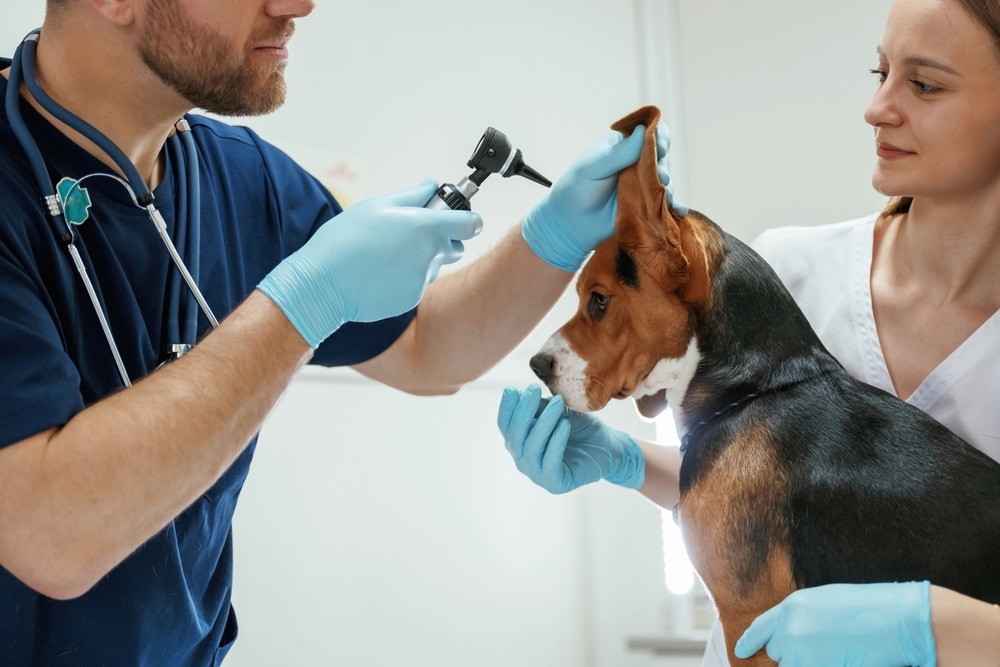
Proper treatment and prevention help ensure that a dog’s ears smelling bad is resolved quickly and reduces recurrence. Following vet-approved practices keeps ears healthy, clean, and comfortable.
1. Use Vet-Approved Ear Cleaning Solutions
Regular cleaning with vet-approved ear solutions removes wax, debris, and moisture safely. Avoid harsh chemicals or home remedies.
Cleaning, as part of consistent dog grooming and hygiene, prevents microbial overgrowth and keeps ears fresh. Follow instructions for frequency and technique to maintain hygiene without causing irritation or damage.
2. Treat Yeast or Bacterial Infections
Vet-prescribed antifungal or antibiotic treatments target the underlying infection causing odour. Dosage and duration must be followed precisely. Ignoring infections can worsen symptoms, lead to chronic ear issues, and increase discomfort for your dog.
3. Address Ear Mites or Parasites
Ear mites and other parasites require veterinary-approved medicated drops or topical solutions. Cleaning the ear canal, bedding, and surrounding environment prevents reinfestation. Early treatment reduces itching, discharge, and persistent odour.
4. Maintain Ear Dryness
After bathing, swimming, or wet walks, dry your dog’s ears thoroughly. Moisture trapped in the ear canal promotes yeast and bacterial growth. Use soft towels or vet-recommended drying solutions to prevent odour and infections.
5. Manage Allergies and Inflammation
Identify and manage food or environmental allergies that trigger ear inflammation. Work with a vet to adjust diet, use hypoallergenic products, or reduce exposure to allergens. Proper allergy management lowers inflammation, prevents secondary infections, and keeps ears odour-free.
6. Regular Vet Check-Ups
Schedule routine veterinary examinations to monitor ear health, detect early infections, and ensure preventive care as part of regular vet visits for dogs. Regular check-ups catch minor issues before they develop into odorous, painful problems, keeping ears healthy long-term.
7. Avoid Home Remedies Without Guidance
Do not use vinegar, alcohol, or essential oils without veterinary approval, as these can irritate or damage the ear canal. Always consult a vet for safe, effective treatments to prevent odour.
8. Support Overall Health
Provide a balanced diet, hydration, and routine veterinary care to strengthen immunity. Healthy dogs resist infections and inflammation more effectively. Proper balanced nutrition for your dog, preventive care, and monitoring help reduce the frequency of odour and ear problems.
Keep Your Dog’s Ears Healthy and Odour-Free
A strong odour from a dog’s ears often indicates infections, wax buildup, parasites, or moisture retention. Early intervention, proper cleaning, and veterinary care are essential.
For trusted guidance, ear care tips, and resources to maintain your dog’s ear and overall health, visit Pups4Sale to ensure your companion stays happy, comfortable, and odour-free.
FAQs About Smelly Dog Ears
1. Why do my dog’s ears smell bad even after cleaning?
Persistent odour may indicate yeast or bacterial infection, wax buildup, mites, or allergies. Regular cleaning alone is not enough; veterinary evaluation is necessary to identify and treat the underlying cause.
2. Are certain breeds more prone to smelly ears?
Yes. Floppy-eared or hairy breeds such as Cocker Spaniels, Basset Hounds, and Labradors trap moisture and debris, increasing the risk of infections, yeast overgrowth, and ear odour.
3. When is ear odour an emergency?
Seek immediate veterinary care if odour is accompanied by redness, swelling, discharge, pain, head shaking, or behavioural changes, as these may indicate a serious infection requiring prompt treatment.
4. Can I clean my dog’s ears safely at home?
Yes, using vet-approved ear cleaning solutions is safe. Avoid harsh chemicals, home remedies, or cotton swabs. Cleaning should be gentle, regular, and guided by veterinary advice and good dog grooming and hygiene habits to prevent damage.
5. What home remedies help reduce dog ear odour?
Home remedies are not recommended without veterinary guidance. Proper ear cleaning, drying after baths or swimming, and addressing infections or allergies under vet supervision are the safest ways to reduce odour.
6. How often should I clean my dog’s ears?
Frequency depends on breed, ear shape, and activity. Dogs prone to infections may need weekly cleaning, while others may require less. Always follow veterinarian recommendations for safe routines.
7. Can allergies cause a persistent ear smell?
Yes. Food or environmental allergies can cause chronic inflammation, secondary infections, and a noticeable odour. Identifying and managing allergens with veterinary guidance helps prevent recurring ear odour.
 Add us as a preferred source