Dog Grooming and Hygiene Tips for Every Breed
Dog Grooming & Hygiene By James C. • January 29, 2026
Grooming is not just about looks. In fact, poor hygiene is linked to over half of common skin and ear issues in dogs, especially across different coat types.
From brushing and bathing to nails, ears and teeth, every breed has unique needs. Get it right, and you improve comfort, health and behaviour. Get it wrong, and problems build quietly.
This guide breaks it all down. You will learn essential grooming routines, breed-specific care tips and simple habits that keep dogs clean, comfortable and healthy, without stress or overcomplicating things.
Why Grooming and Hygiene Matter for Dog Health
Here’s why grooming and hygiene play a critical role in dog health, going far beyond appearance to support comfort, prevention, and long-term wellbeing.
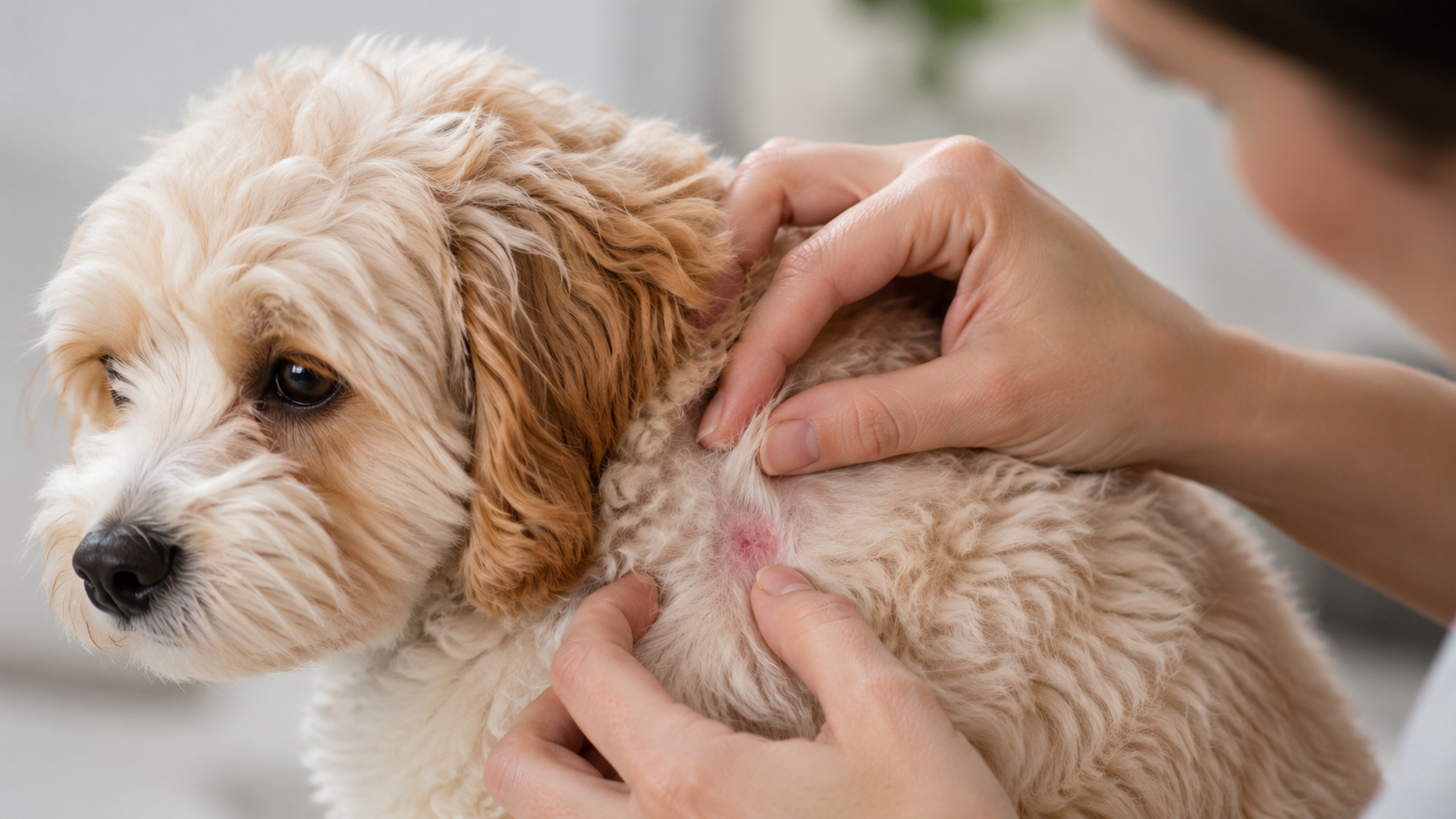
- Early detection of health issues: Hands-on grooming helps owners notice lumps, skin changes, parasites, wounds, or swelling early, allowing faster veterinary intervention before minor issues escalate into serious dog health problems.
- Maintaining healthy skin and coat: Regular brushing and appropriate bathing remove dirt, allergens, and dead hair, supporting natural oil balance and reducing itching, matting, hot spots, and chronic skin irritation.
- Parasite monitoring and prevention: Grooming sessions make it easier to spot fleas, ticks, and mites early, helping prevent infestations and reducing the risk of parasite-borne diseases.
- Reducing infection risk: Cleaning ears, paws, skin folds, and hygiene areas limits moisture and bacteria build-up, lowering the chance of ear infections, fungal growth, and painful skin conditions.
- Supporting mobility and physical comfort: Trimmed nails and clean paws improve posture and balance, reducing strain on joints and preventing discomfort during walking, running, and everyday movement.
- Improving behaviour and emotional wellbeing: Dogs that are clean, comfortable, and pain-free tend to be calmer, less reactive, and more tolerant of handling, strengthening trust and overall quality of life.
Essential Dog Grooming Basics Every Owner Should Know
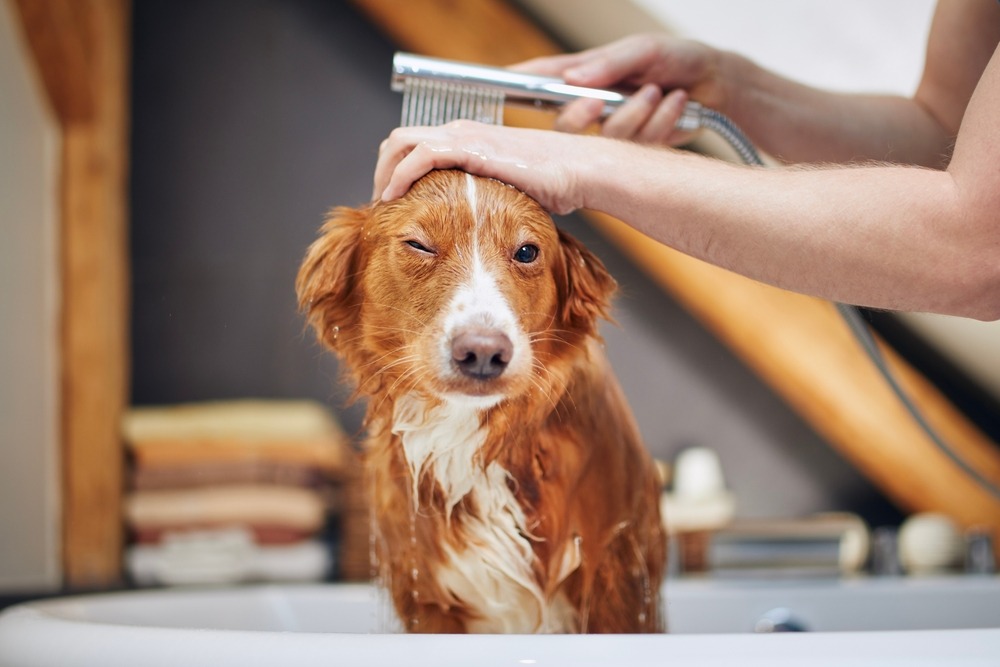
Strong grooming habits start with a few core practices. These basics support hygiene, comfort and early health detection for every dog, regardless of breed.
1. Brushing to Maintain Skin and Coat Health
Regular brushing removes loose hair, dirt and debris while distributing natural oils across the coat. This supports healthy skin, reduces shedding and prevents matting before it becomes painful. Brushing also creates routine handling time, helping dogs stay relaxed during grooming and making it easier to spot skin issues early.
2. Bathing With the Right Frequency and Products
Bathing keeps coats clean, but too much can damage the skin barrier. Most dogs only need washing every few weeks using dog-specific shampoos. Gentle bathing removes odour and allergens without stripping oils. Correct drying afterwards prevents moisture-related skin irritation and infections.
3. Nail Trimming for Comfort and Mobility
Overgrown nails affect posture, walking and joint health. Regular trimming keeps nails at a safe length and prevents splitting or discomfort. Short, calm sessions help dogs accept nail care more easily, especially when introduced early and paired with positive reinforcement.
4. Ear, Eye and Dental Hygiene Essentials
Cleaning ears reduces the risk of infection, especially for floppy-eared breeds prone to bad-smelling ears. Gentle eye cleaning helps prevent irritation and staining. Dental care, including brushing and chews, supports gum health and prevents long-term dental disease that often goes unnoticed until advanced.
Understanding Coat Types and Grooming Needs by Breed
Knowing your dog’s coat type makes grooming easier and prevents common issues like matting, skin irritation, and overheating. Each coat behaves differently and requires its own care routine.
1. Short-Coat Breeds
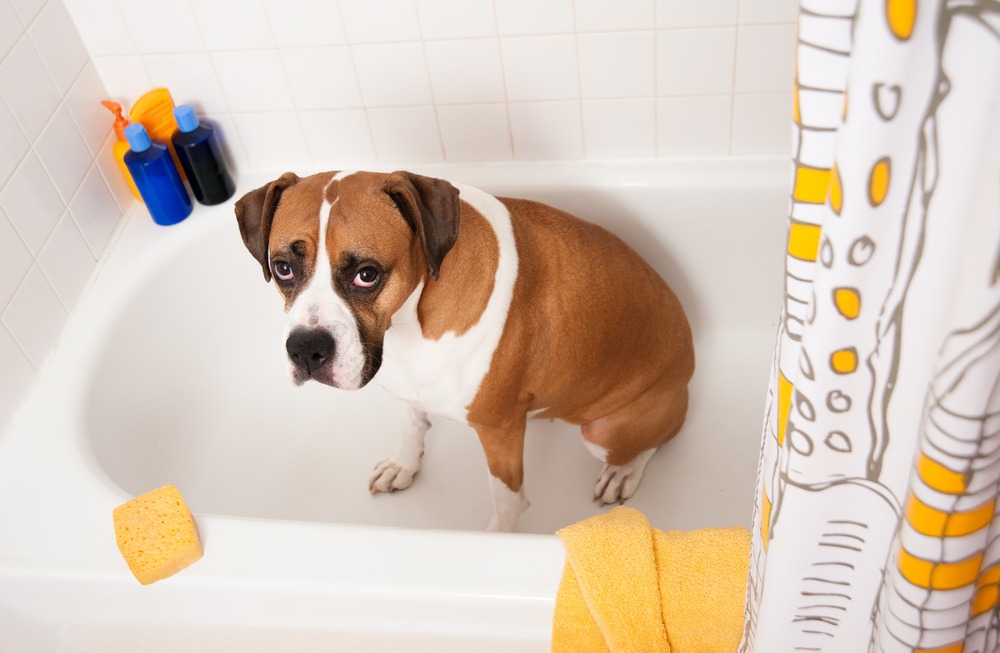
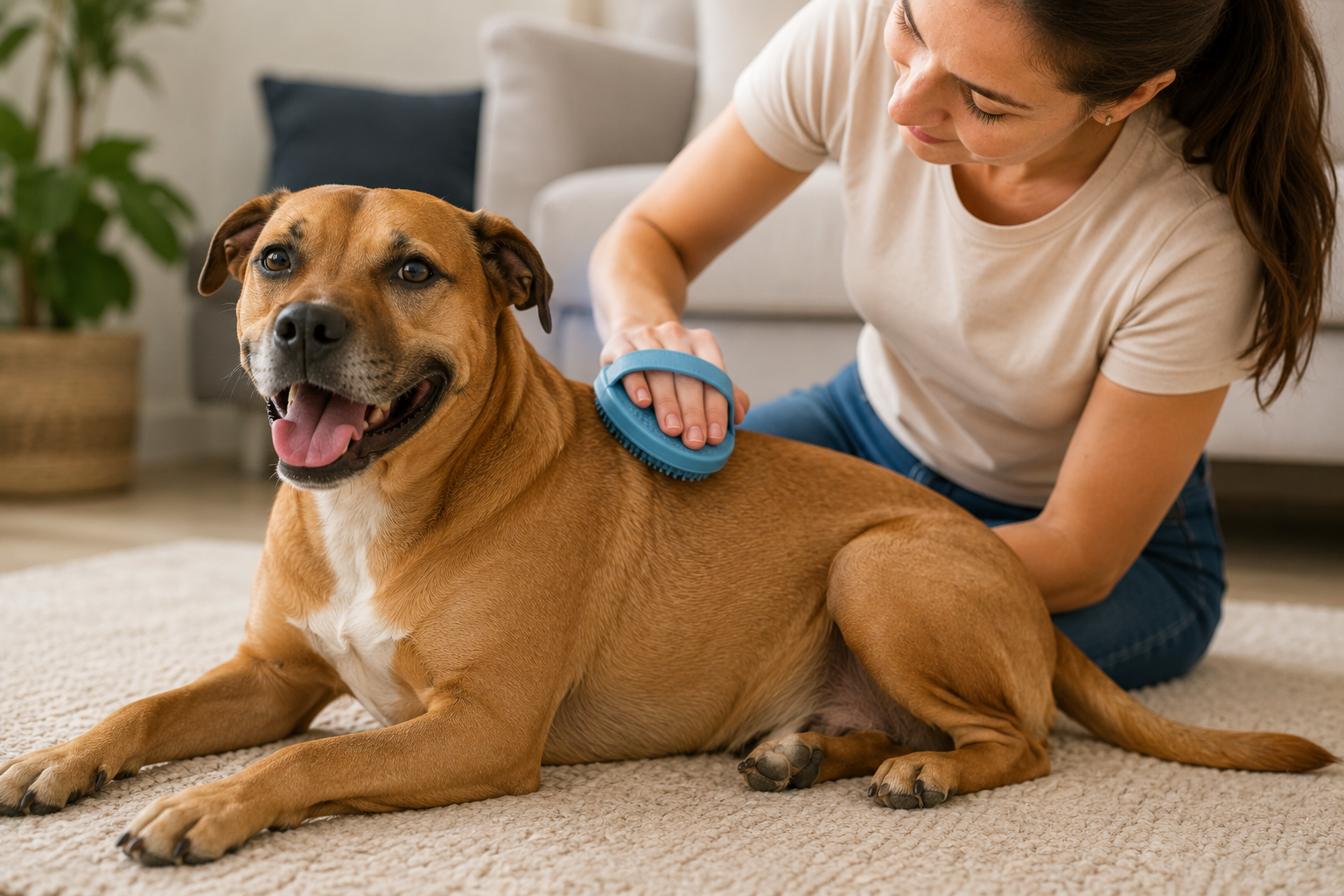
Short-coat breeds such as Staffordshire Bull Terriers, Boxers, Beagles, Greyhounds, and Dobermans have smooth coats that sit close to the skin.
These dogs shed year-round and rely heavily on natural skin oils for protection. While they rarely mat, poor grooming can lead to dry skin, excessive shedding, and unnoticed skin conditions because problems are easy to overlook.
Grooming tips:
- Weekly brushing: Removes loose hair while distributing natural oils across the skin
- Minimal bathing: Prevents stripping protective oils that keep skin healthy
- Regular skin inspections: Helps identify rashes, parasites, cuts, or hot spots early
- Paw and belly cleaning: Reduces irritation from dirt, grass, and allergens
2. Medium and Double-Coat Breeds
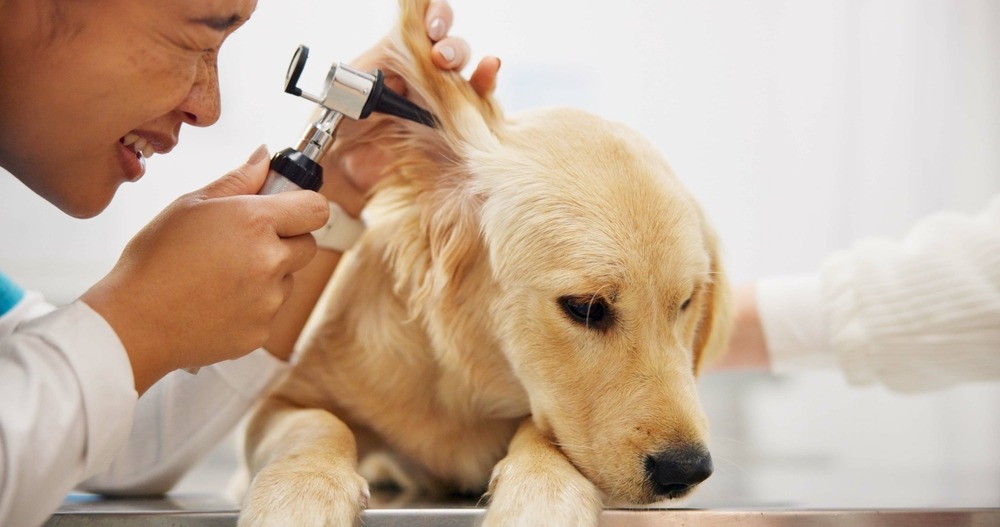
Breeds like Golden Retrievers, Labradors, German Shepherds, Border Collies, and Australian Shepherds have double coats consisting of a dense undercoat and a protective outer layer.
These coats are designed to regulate temperature and protect against the weather. Without proper grooming, loose undercoat builds up, trapping heat and moisture close to the skin.
Grooming tips:
- Frequent brushing: Removes shedding undercoat and improves airflow to the skin
- Seasonal deshedding: Manages heavy shedding during seasonal coat changes
- Avoid shaving: Preserves natural insulation and sun protection
- Undercoat focus: Prevents matting that can cause skin irritation and overheating
3. Long-Coat Breeds
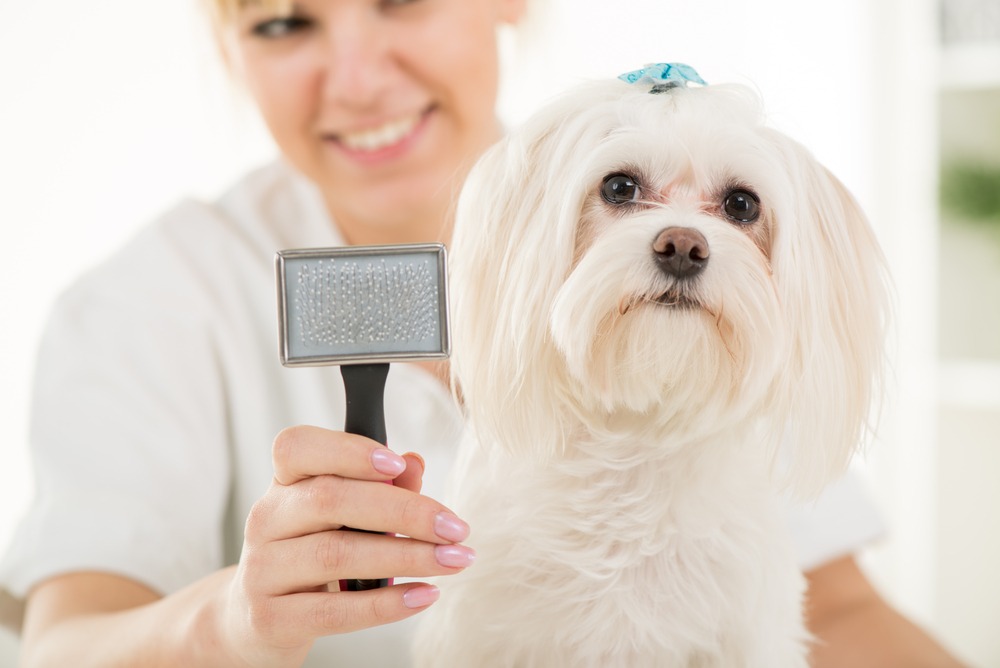
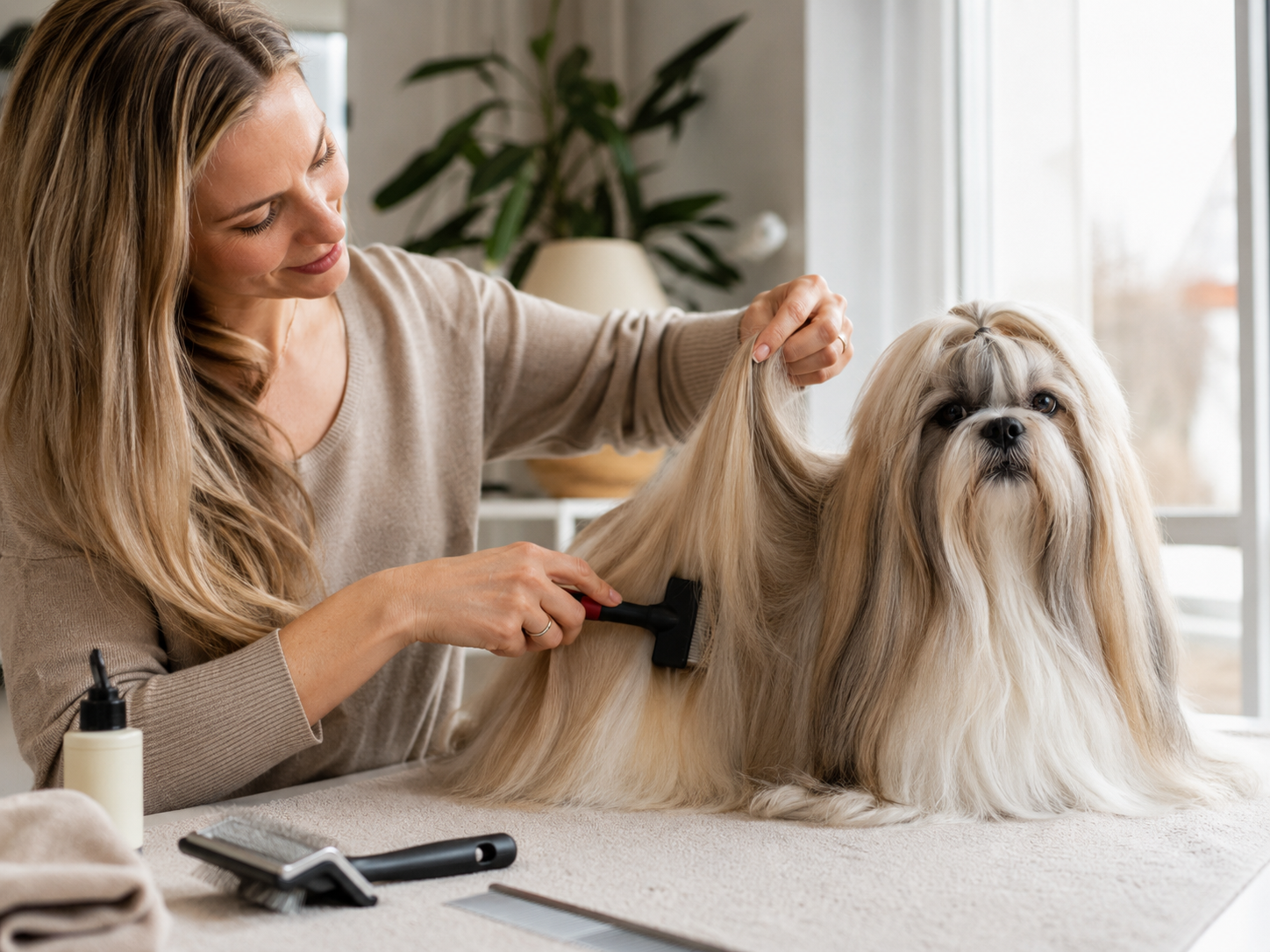
Long-coat breeds such as Shih Tzus, Maltese, Afghan Hounds, Lhasa Apsos, and Rough Collies have hair that grows continuously and tangles easily. Mats form quickly in friction areas and can pull painfully on the skin, leading to inflammation or infection if neglected. Grooming is essential for hygiene, not appearance.
Grooming tips:
- Daily brushing: Prevents tangles and matting before they tighten
- High-friction area care: Reduces matting behind ears, under collars, and around legs
- Routine professional grooming: Maintains coat length and hygiene safely
- Thorough drying after baths: Prevents moisture from causing skin infections
4. Curly or Wavy-Coated Breeds
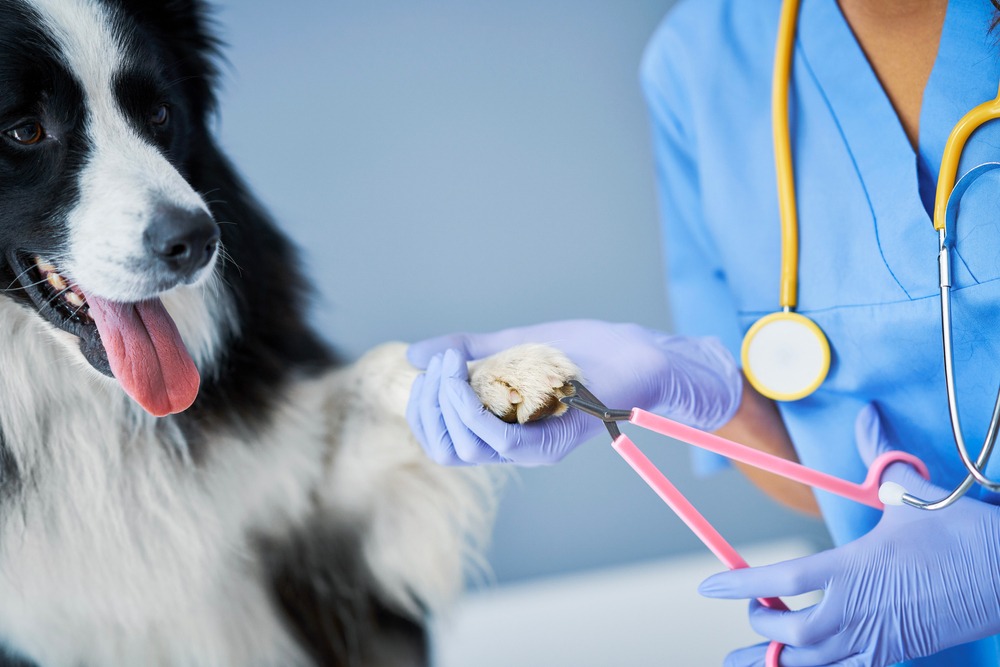
Curly or wavy-coated breeds like Poodles, Labradoodles, Cockapoos, and Portuguese Water Dogs have coats that continue growing and trap dirt, moisture, and debris easily.
These coats do not shed traditionally, making matting a common issue when brushing is inconsistent. Grooming routines must focus on both coat structure and skin health.
Grooming tips:
- Consistent brushing: Prevents mats from forming close to the skin
- Scheduled trimming: Keeps coat length manageable and hygienic
- Complete drying after swimming: Reduces fungal and bacterial growth
- Coat conditioning: Helps maintain elasticity and reduce breakage
5. Wire-Coat and Specialty Coats
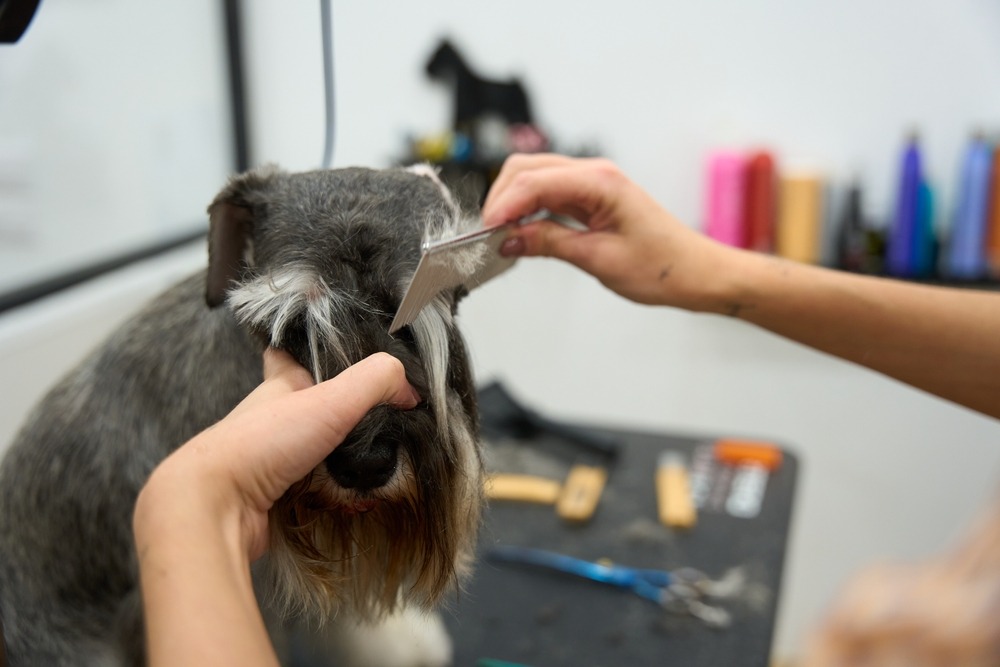
Wire-coated breeds such as Miniature Schnauzers, Irish Terriers, Wire Fox Terriers, and Airedales have coarse outer coats designed to protect the skin.
These coats require specific grooming techniques, often including hand stripping, to maintain texture and function. Incorrect grooming can permanently soften the coat and cause skin problems.
Grooming tips:
- Regular brushing: Removes debris and dead hair without damaging texture
- Correct grooming technique: Preserves coat function and appearance
- Hand stripping when appropriate: Preserves coat texture and skin health
- Avoid routine clipping: Clipping can soften coat texture and affect regrowth
- Limited bathing: Prevents softening and skin irritation
- Experienced groomers: Ensure breed-appropriate coat care
Special Considerations for Specific Features
Here are important grooming considerations for dogs with specific physical features, where extra care prevents irritation, infections, and long-term discomfort often missed in standard routines.
- Skin folds and wrinkles: Breeds with facial or body folds need frequent cleaning and thorough drying to prevent trapped moisture, bacteria, and yeast that cause painful infections and strong odours.
- Flat faces and short noses: Brachycephalic dogs require gentle daily facial cleaning to remove tear staining, food residue, and moisture that can irritate sensitive skin and cause infections.
- Long ears or hairy ear canals: Floppy or hair-filled ears restrict airflow, allowing moisture and debris to build up, increasing the risk of ear infections without routine checks and gentle cleaning.
- Hairy paws and toe gaps: Excess hair between toes traps dirt, moisture, and allergens, leading to irritation, slipping, and infections if trimming and cleaning are neglected.
- Long tails and rear hygiene: Feathered tails and rear hair collect dirt and waste easily, making regular trimming essential to maintain hygiene and prevent skin irritation or matting.
- Light-coloured or sensitive skin: Pale or sensitive skin burns more easily and reacts quickly to harsh products, requiring gentle grooming products and sun awareness in Australian conditions.
Nail Care and Paw Hygiene
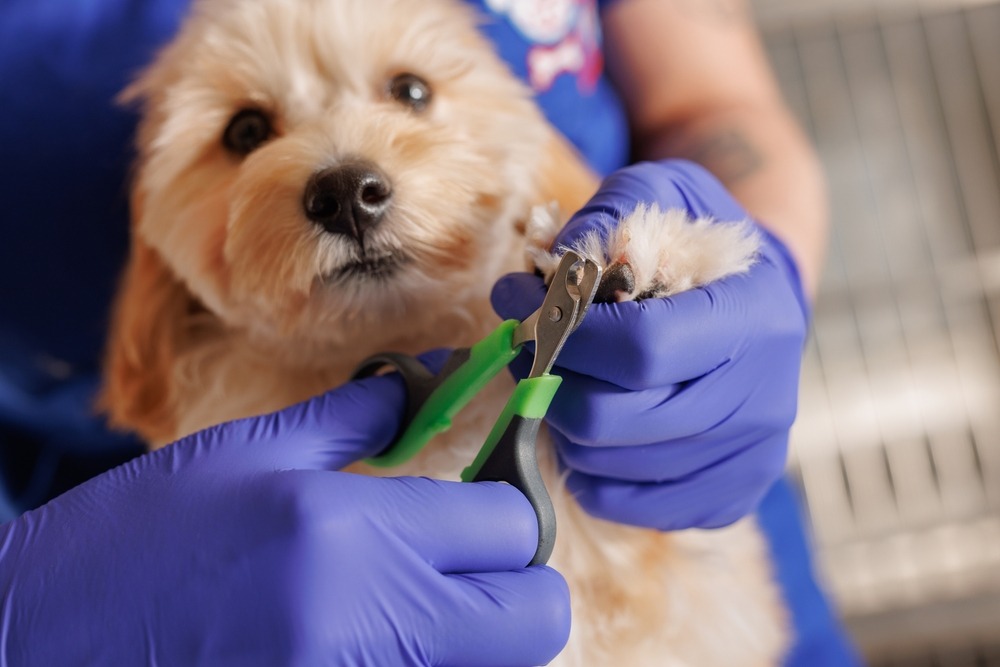
Nail care and paw hygiene are essential for comfort, posture, and injury prevention. Overgrown nails change how a dog walks, placing strain on joints and increasing the risk of pain over time. A good rule is simple. If you hear nails clicking on hard floors, they are too long.
Regular trimming keeps movement natural and prevents splitting or snagging. Paws also need routine attention, especially in Australian conditions. Dirt, grass seeds, sand, and allergens easily collect between toes and pads.
Left unchecked, this can cause irritation, infections, or limping that needs vet care. Hair between paw pads should be trimmed to prevent slipping and moisture build-up.
After walks, especially in wet or hot weather, wipe paws clean and check for cuts, cracks, or foreign objects. Dry paws thoroughly to prevent fungal growth. Consistent paw care improves mobility, reduces discomfort, and helps dogs stay active and confident on their feet.
Ear Cleaning and Ear Health
Healthy ears are clean, dry, and free from strong odour. Dogs with floppy ears or hairy ear canals are especially prone to infections because limited airflow allows moisture and bacteria to build up.
Regular inspection is just as important as cleaning. Ear cleaning should be gentle and done only when needed. Use a vet-approved ear cleaner and wipe only the visible part of the ear canal.
Never insert cotton buds or objects deep into the ear, as this can cause injury or push debris further inside. Overcleaning can also irritate sensitive tissue.
Signs of ear problems include redness, swelling, discharge, head shaking, or a strong smell. These symptoms require veterinary attention rather than repeated cleaning at home. Keeping ears dry after bathing or swimming is critical. Good ear hygiene prevents painful infections and helps dogs stay comfortable and relaxed.
Dental Hygiene and Mouth Care
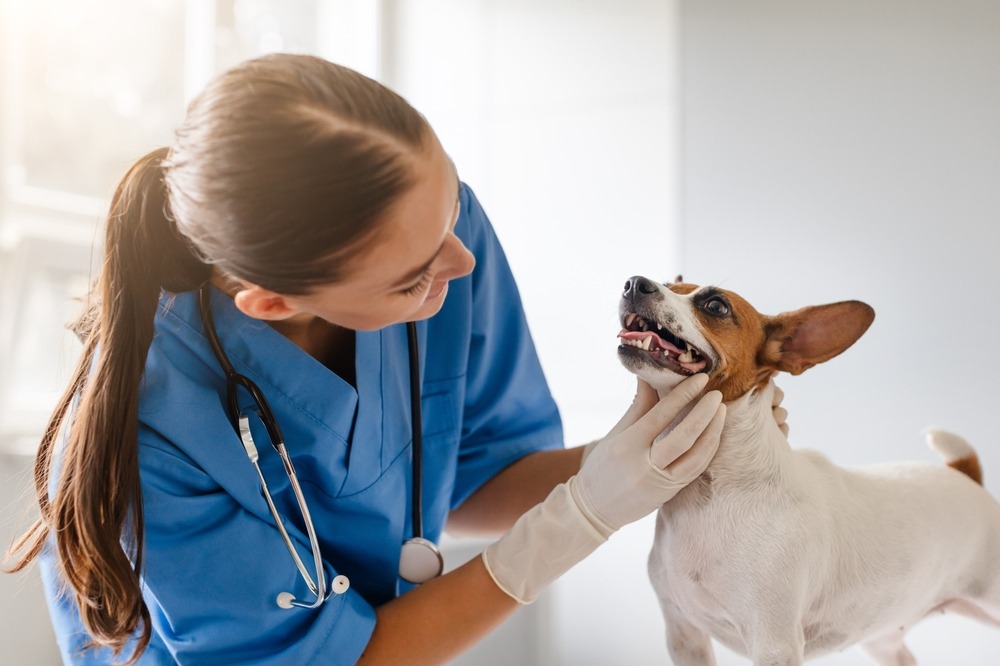
Dental care is often overlooked, yet poor oral hygiene affects overall health. Plaque and tartar build-up lead to gum disease, pain, bad breath, and tooth loss. Bacteria from the mouth can also enter the bloodstream, impacting the heart, liver, and kidneys.
Regular tooth brushing is the most effective way to maintain dental health. Use dog-specific toothpaste and introduce brushing gradually with positive reinforcement. Even brushing a few times a week makes a significant difference. Dental chews and toys can help, but should not replace brushing.
Check your dog’s mouth regularly for red gums, broken teeth, swelling, or persistent bad breath. These are signs that veterinary care is needed. Starting dental care early and maintaining it consistently supports comfort, appetite, and long-term health, especially as dogs age.
Eye Care and Facial Hygiene
Eye and facial hygiene are important for preventing irritation and infection, particularly in breeds with prominent eyes or facial folds. Tear staining, discharge, and trapped moisture can quickly lead to skin irritation if not managed properly.
Clean around the eyes gently using a soft, damp cloth or vet-approved wipes. Always wipe away from the eye and use a clean area of the cloth for each side to avoid spreading bacteria. Facial folds should be cleaned and dried regularly to prevent moisture build-up and infection.
Watch for signs such as redness, excessive tearing, squinting, or discharge, which may indicate eye issues requiring veterinary attention. Never use human eye products unless directed by a vet. Consistent eye and facial care keeps dogs comfortable, prevents odour, and protects sensitive facial skin.
Grooming Puppies vs Adult Dogs vs Senior Dogs
Here’s how grooming needs change as dogs age, and why adjusting your approach at each life stage keeps them comfortable, healthy, and stress-free.
| Life Stage | Grooming Focus | Key Needs | Detailed Grooming Approach |
|---|---|---|---|
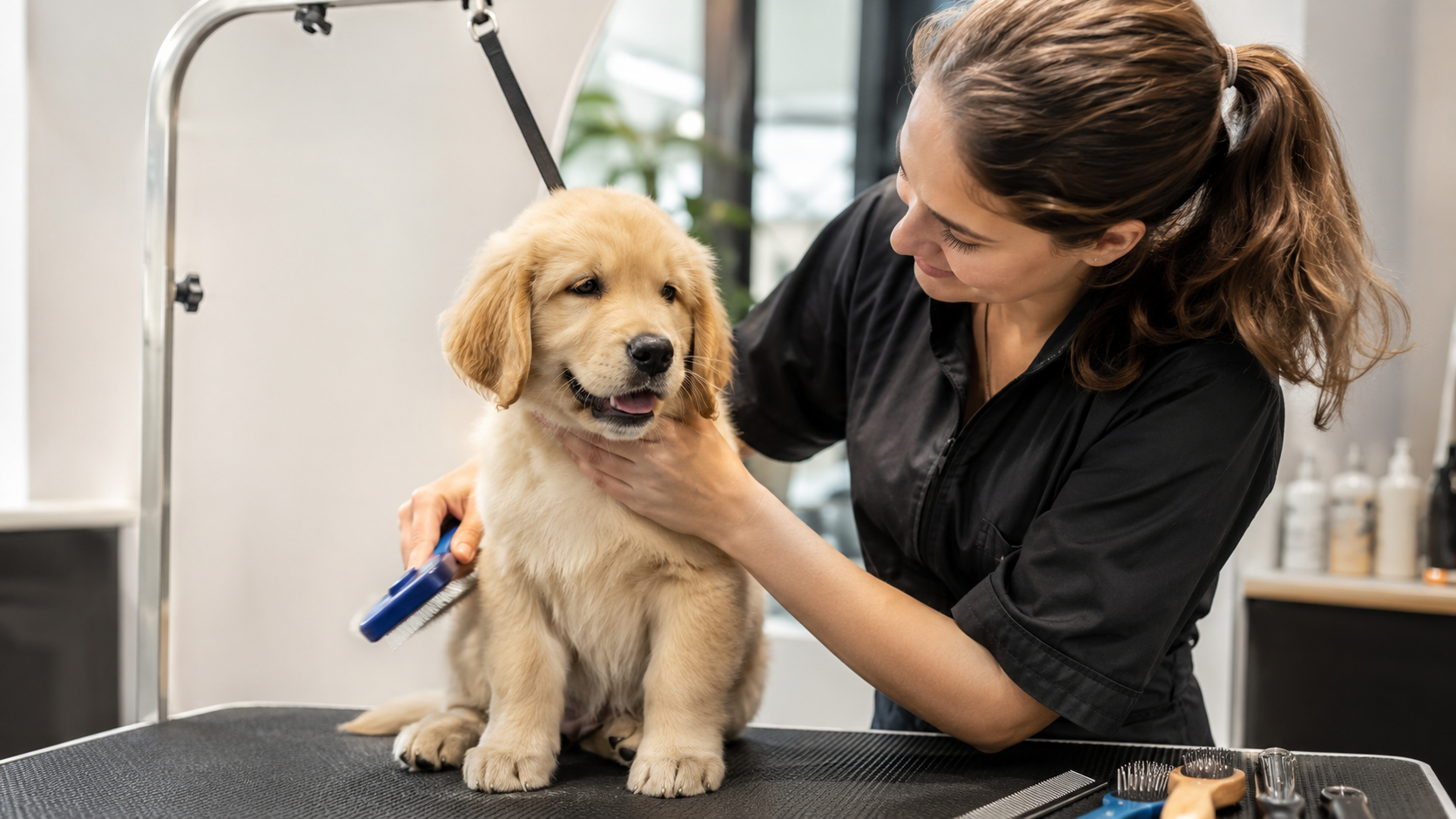
| Puppies | Confidence-building and desensitisation | Trust, gentle handling, positive associations | Puppy grooming should focus on calm exposure rather than results. Short sessions introduce brushing, bathing sounds, and handling of paws, ears, and mouth. Positive reinforcement builds tolerance and helps prevent fear later in life. |
| Adult Dogs | Routine maintenance and prevention | Coat health, hygiene consistency, body checks | Adult dogs benefit from structured grooming matched to coat type and lifestyle. Regular brushing prevents matting and shedding, while bathing, nail care, and ear cleaning support hygiene. Grooming also allows early detection of skin changes or parasites. |
| Senior Dogs | Comfort, mobility, and skin protection | Joint support, sensitive skin, reduced stamina | Senior grooming should be gentle and flexible. Shorter sessions, padded surfaces, and slower handling reduce strain. Frequent brushing supports circulation, while careful nail and hygiene care improve comfort and mobility. |
Grooming for Dogs With Skin Conditions or Allergies
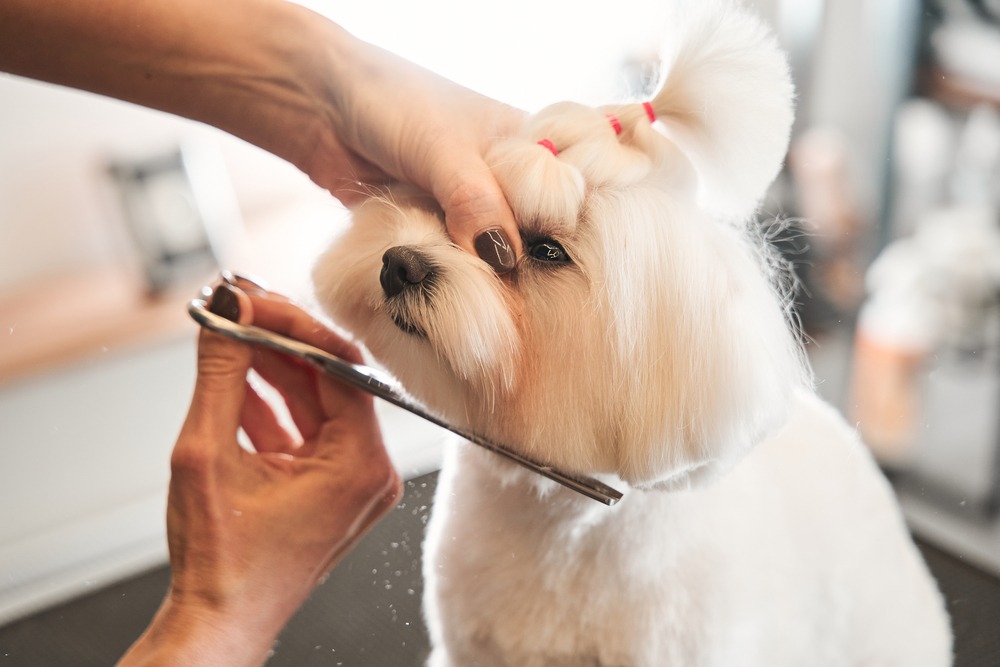
Here’s how to groom dogs with skin conditions or allergies safely, focusing on relief, prevention, and comfort rather than cosmetic results.
1. Use Vet-Approved, Condition-Specific Products
Dogs with allergies or skin conditions need shampoos and grooming products prescribed or approved by a vet, and skin issues linked to food may also need changes to dog nutrition and feeding. Medicated, hypoallergenic, or soothing formulas help reduce inflammation and infection without irritating sensitive skin. Using the wrong product can worsen symptoms and delay healing, so professional guidance is essential.
2. Adjust Bathing Frequency Carefully
Overbathing can strip natural oils and worsen dryness, while underbathing allows allergens and bacteria to build up. Finding the right balance is key. Bathing frequency should be tailored to the condition being treated and adjusted as symptoms improve or flare, always following veterinary advice.
3. Gentle Brushing Prevents Secondary Irritation
Brushing removes loose hair, allergens, and debris without aggravating inflamed skin when done gently. Soft brushes and slow, careful handling prevent scratching or micro-injuries that can worsen itching. Avoid brushing over open sores or irritated areas unless advised by a vet.
4. Keep Skin Dry and Well Ventilated
Moisture trapped against the skin encourages bacterial and fungal growth. Thorough drying after bathing or swimming is essential, especially in skin folds, ears, and dense coats. Proper airflow and drying help reduce flare-ups and support healing.
5. Monitor Skin Changes Closely
Regular grooming allows owners to track changes in redness, scabs, odour, or hair loss. Early detection of worsening symptoms helps prevent infections and ensures timely veterinary intervention before conditions become more severe.
Home Grooming vs Professional Grooming
Home grooming is ideal for routine care such as brushing, bathing, nail trimming, paw cleaning, and basic ear checks. It helps owners monitor skin, coat, and body condition regularly while strengthening trust through calm handling.
Home grooming works best for short coats, moderate shedding, and dogs that tolerate handling well. However, it requires the right tools, correct products, and patience. Mistakes like overbathing, poor drying, or incorrect nail trimming can cause discomfort if not done carefully.
Professional grooming is essential for long, curly, double, wire, or specialty coats that require advanced techniques. Groomers handle matting safely, perform breed-appropriate trims, manage heavy shedding, and work around sensitive areas.
Professional grooming is also valuable for dogs with skin conditions, mobility issues, or grooming anxiety. Experienced groomers spot early health concerns and know how to minimise stress during sessions.
Most dogs benefit from a combination of both. Regular home grooming maintains comfort between professional visits, while groomers handle specialised or high-maintenance tasks. Choosing reputable professionals and maintaining a simple home routine keeps grooming safe, effective, and stress-free.
Grooming Schedules and Routines
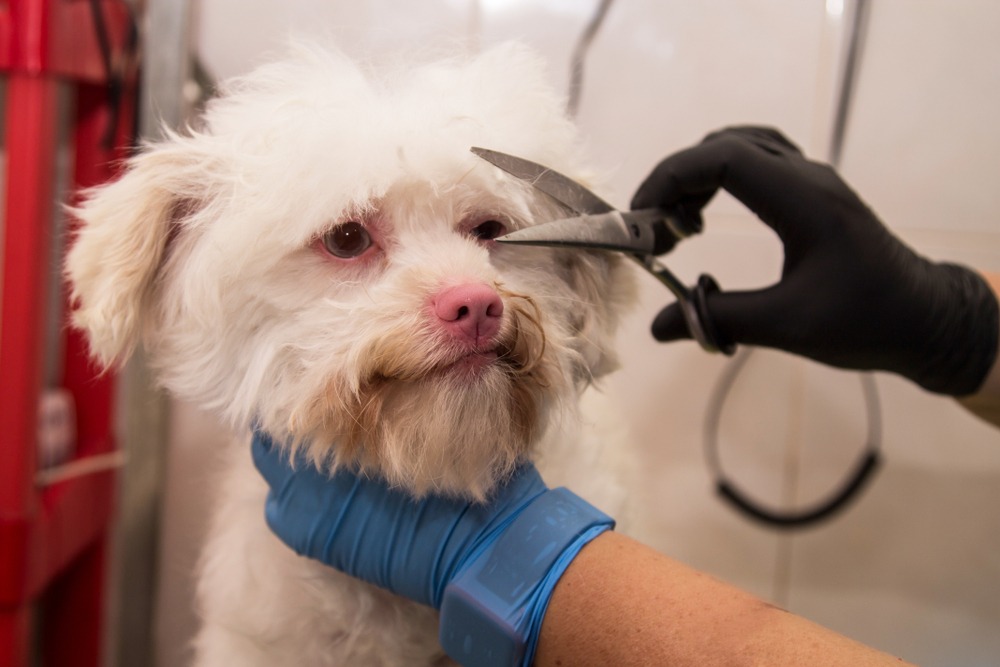
Here’s how to build grooming schedules and routines that actually work, keeping your dog clean, comfortable, and stress-free without overdoing it.
1. Create a Consistent Grooming Rhythm
Dogs thrive on predictability, and grooming is no different. Setting regular times for brushing, bathing, and hygiene tasks helps dogs feel secure and cooperative. A consistent routine reduces anxiety, improves tolerance to handling, and prevents grooming from becoming overwhelming. Even short, frequent sessions are more effective than long, irregular ones.
2. Match Grooming Frequency to Coat Type
Different coats require different schedules. Short coats may only need weekly brushing, while long or curly coats often require daily attention. Following coat-specific routines prevents matting, excessive shedding, and skin problems. Adjusting frequency based on shedding seasons, weather, and activity level keeps coats healthy year-round.
3. Build Grooming Into Daily Life
Integrating grooming into everyday routines makes it easier to maintain. Quick paw checks after walks, short brushing sessions before bed, or ear inspections during quiet time reduce workload and stress. Small habits prevent big problems and help owners stay consistent without feeling overwhelmed.
4. Balance Home Grooming and Professional Care
Home grooming handles daily maintenance, while professional grooming supports coat health for complex or high-maintenance breeds. Scheduling professional appointments in advance prevents matting and reduces stress for your dog. Knowing what to do at home and when to outsource keeps grooming manageable.
5. Adjust Routines as Your Dog Ages
Grooming schedules should evolve as dogs move through life stages. Puppies need gentle, short sessions focused on desensitisation, while senior dogs benefit from more frequent but shorter grooming to support comfort and mobility. Adapting routines ensures grooming remains positive and beneficial throughout your dog’s life.
Common Grooming Mistakes to Avoid
Here are common dog grooming mistakes that often go unnoticed, yet lead to discomfort, skin problems, and long-term behavioural issues when repeated over time.
- Overbathing your dog: Bathing too frequently strips natural oils that protect the skin, leading to dryness, itching, flakiness, and increased vulnerability to infections and irritation.
- Using human grooming products: Human shampoos and soaps disrupt a dog’s natural skin balance, causing redness, irritation, allergic reactions, and long-term sensitivity issues.
- Skipping consistent brushing: Irregular brushing allows loose hair, dirt, and mats to build up, trapping moisture against the skin and causing painful pulling or infections.
- Neglecting nail trimming: Overgrown nails affect posture and gait, placing strain on joints and increasing the risk of pain, mobility issues, and injuries.
- Incorrect ear cleaning: Cleaning too deeply, too often, or with inappropriate products can damage sensitive ear canals and actually increase infection risk.
- Forcing or rushing grooming: Stressful grooming experiences create fear and resistance, making future sessions harder and potentially damaging trust and behaviour long term.
Groom Smart. Keep Them Comfortable.
Good grooming goes beyond appearance.
Regular brushing, clean ears, trimmed nails and healthy skin checks all play a role in keeping dogs comfortable, confident and free from preventable issues. Small routines done consistently make a noticeable difference over time.
Every breed has different needs, but the goal stays the same.
Support health, reduce discomfort and strengthen the bond between dog and owner. Grooming becomes easier when it is part of everyday care, not an occasional chore.
If you want trusted advice, breed guidance, and support from responsible Aussie breeders, Pups4Sale helps dog owners make smarter care choices from puppyhood through every life stage, and its listings of puppies for sale connect you with those breeders directly.
FAQs: Dog Grooming and Hygiene
1. How often should I groom my dog?
Grooming frequency depends on breed, coat type and lifestyle. Short-coated dogs may only need weekly brushing, while long or curly coats often require grooming several times a week to prevent matting and skin issues.
2. How often should dogs be bathed?
Most dogs only need bathing every four to six weeks. Over-bathing can strip natural oils and cause skin irritation. Active dogs or those with skin conditions may need adjusted schedules using dog-safe products.
3. Do short-haired dogs still need grooming?
Yes. Short-haired dogs still benefit from brushing to remove loose hair, distribute natural oils and check for skin issues. Nail trimming, ear cleaning and dental care are also essential regardless of coat length.
4. Can I use human shampoo on my dog?
No. Human shampoos disrupt a dog’s skin pH and can cause dryness or irritation. Always use products formulated specifically for dogs to protect skin and coat health.
5. When should puppies start grooming routines?
Puppies should be gently introduced to grooming from an early age. Short, positive sessions help them become comfortable with handling, making grooming easier and stress-free as they grow.
6. What are the signs my dog needs grooming urgently?
Signs include strong odour, matting, excessive scratching, long nails clicking on floors, dirty ears, or visible skin irritation. These indicate grooming or veterinary attention is overdue.
7. Does grooming affect my dog’s behaviour?
Yes. Regular grooming improves comfort and reduces irritation, which can lower stress and improve behaviour. Calm, positive grooming also builds trust and confidence.
 Add us as a preferred source