Signs Your Dog Has Skin Irritation
Dog Grooming & Hygiene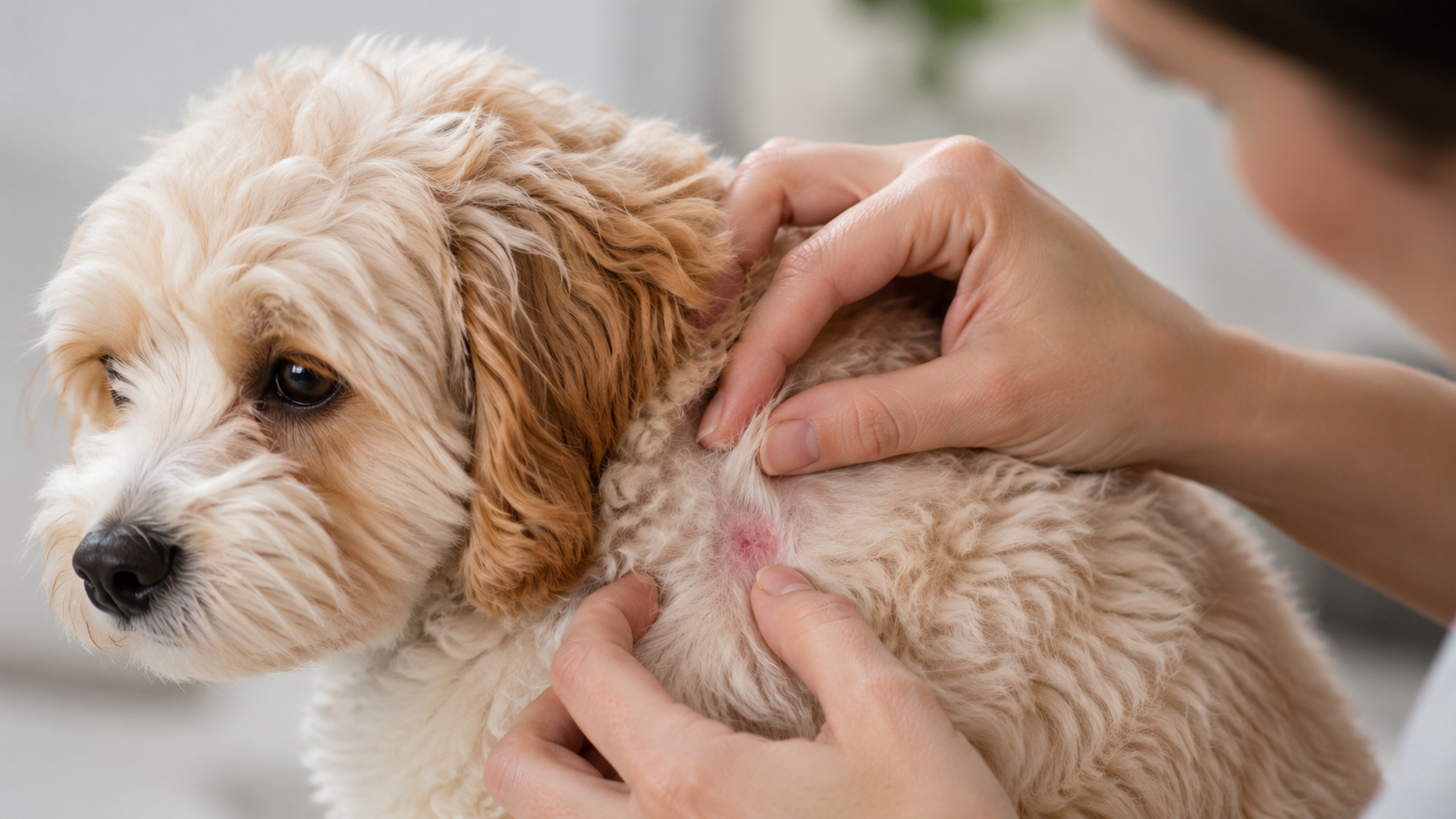 By James C. • July 28, 2026
The most common signs of skin irritation in dogs are scratching, licking or chewing at the skin, redness, rashes or bumps, flaky or greasy skin, hair loss, and an unusual smell. Skin problems are one of the most common reasons dogs see a vet, and catching the signs early makes them easier to treat.
This guide explains what to look for, what the signs can mean, the Australian triggers to watch, and when irritation is a reason to call your vet. It is general information, not a diagnosis.
Common signs of skin irritation

Skin irritation shows up in the coat, the skin and your dog’s behaviour, often before it becomes serious.
Watch for these common signs:
- Scratching, licking, biting or rubbing at particular areas
- Red, inflamed or sore-looking skin
- Rashes, bumps, pustules or scabs
- Dry, flaky skin or dandruff, or unusually greasy skin
- Hair loss, thinning fur or a dull coat
- Hot spots, which are moist, red, painful patches
- An unusual or yeasty smell
- Recurring ear irritation or head shaking
A dog with irritated skin may also seem restless or unsettled, or lick and chew so much that they damage the skin further. Any of these signs, especially if they persist or worsen, is worth acting on, particularly in a young dog where they can overlap with other early signs of illness in puppies.
What these signs can mean
Skin signs rarely point to a single cause, but some patterns are common. This is a general guide, not a diagnosis.
| Sign | What it can point to |
|---|---|
| Scratching, licking or chewing | Fleas or flea allergy, environmental or food allergies, mites |
| Red or inflamed skin | Allergies, infection, or contact irritation |
| Dry, flaky skin or dandruff | Poor nutrition, dry air, over-bathing, or parasites |
| Greasy skin or an unusual smell | Yeast or bacterial infection |
| Hair loss or thinning coat | Parasites such as mange, allergies, infection, or hormonal issues |
| Hot spots or sores | Self-trauma from itching, often with an allergy or infection |
| Recurring ear problems | Often linked to an underlying allergy |
Because different causes can look alike, and several can occur together, working out the real reason usually needs a vet. According to Greencross Vets, skin irritation in dogs can stem from allergies, parasites, food reactions, infections or even stress, which is why an accurate diagnosis matters.
Australian triggers to watch

Australia’s climate and wildlife add a few skin triggers that owners here should keep front of mind.
Fleas are the most common cause of itching, and some dogs are so sensitive that a single bite causes intense irritation, known as flea allergy dermatitis. Paralysis ticks, found mainly along the eastern seaboard in the warmer months, cause local irritation but are also dangerous, so any tick needs prompt attention. Grass seeds are a summer hazard that can burrow into the skin, paws and ears, causing sore, weepy lumps. Heat and humidity, especially in coastal areas, encourage hot spots and yeast, while spring pollens and grasses can flare up allergy-prone dogs.
Year-round parasite prevention and a quick coat and paw check after walks go a long way in Australian conditions. If your dog becomes unwell after a tick, with weakness, wobbliness, a changed bark, retching or laboured breathing, treat it as an emergency and contact a vet straight away.
What you can safely do at home
For mild, short-lived irritation there are a few safe steps while you monitor your dog, though ongoing problems need a vet.
Keep parasite prevention up to date, and check the coat, paws, ears and skin folds for fleas, ticks or grass seeds, especially after outdoor time. If your vet is happy for you to bathe, use a gentle, fragrance-free, dog-specific shampoo and lukewarm water, avoid over-bathing, and pat the coat dry rather than rubbing. A balanced diet with omega-3 fatty acids supports skin health from the inside.
Just as importantly, avoid some common mistakes. Do not use human shampoos, creams or medications, which can be harmful, and do not let your dog scratch or lick an area raw, since this leads to infection. If irritation does not settle within a few days, or it keeps coming back, it is time for a vet visit rather than more home treatment.
When to see a vet
Skin irritation is often manageable, but some signs mean you should see a vet promptly, and a few are emergencies.
Contact your vet if the irritation is severe or spreading, if there are open sores, hot spots, bleeding or signs of pain, if your dog is losing hair or has recurring ear infections, or if the problem does not improve within a few days. Persistent or worsening itching is a common reason for a vet visit, and early treatment usually means a simpler fix.
Seek emergency care if your dog shows signs of tick paralysis, such as weakness, an unsteady gait, a changed bark, vomiting or difficulty breathing, or if the skin is severely swollen, or the irritation comes with fever, lethargy or loss of appetite. Your vet can diagnose the cause using tools such as skin tests, an elimination diet or allergy testing, and treat it with medicated shampoos, parasite control, antibiotics or antifungals, or a prescription diet. It also helps to plan ahead by understanding good routine health and vet care.
How to help prevent skin irritation

Most skin irritation is easier to prevent than to treat, and prevention comes down to routine care.
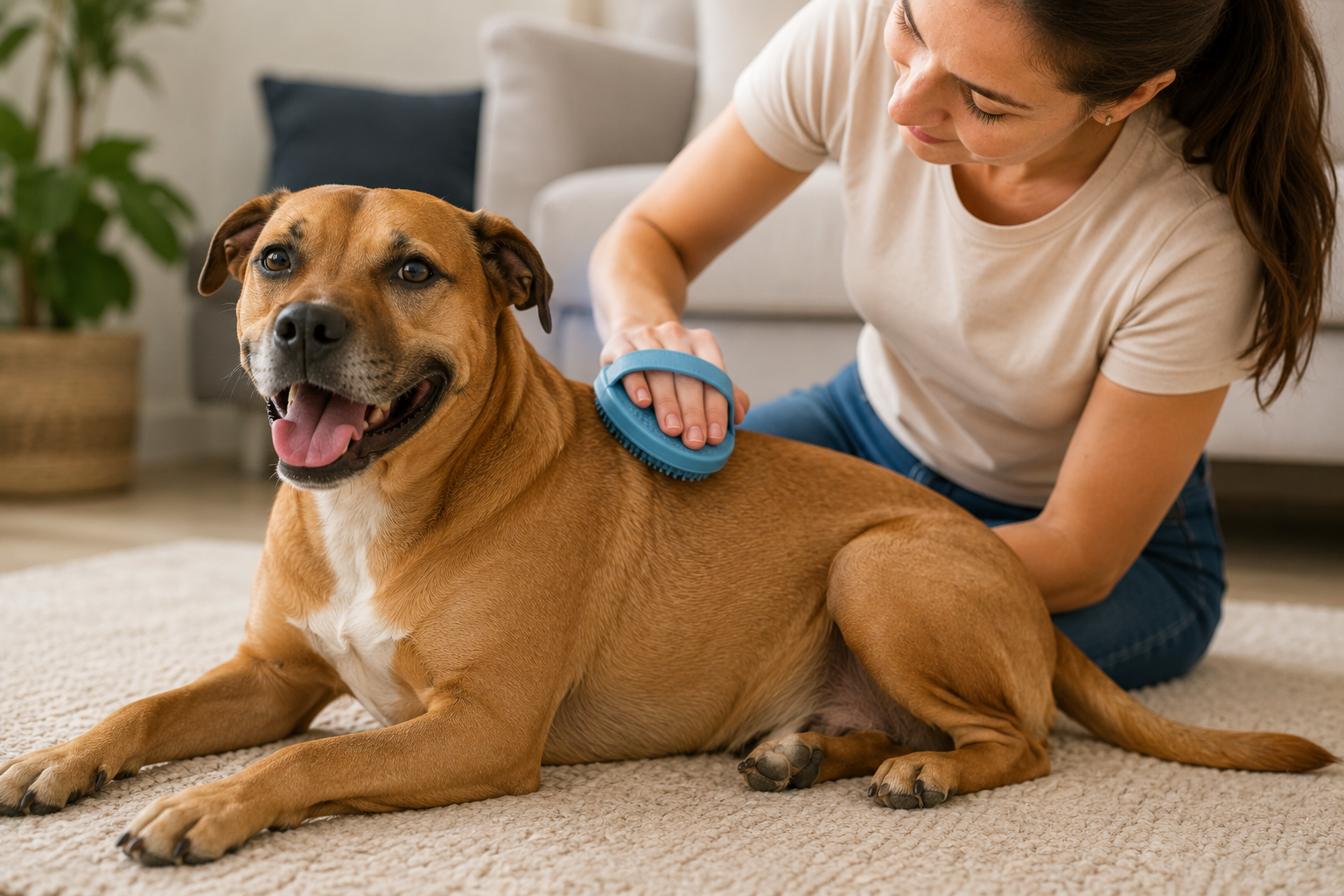
Keep up year-round flea, tick and worm prevention suited to your area, and check your dog over after walks for ticks and grass seeds. Groom and brush regularly to keep the coat and skin clean and to spot problems early, and bathe only as often as needed with a gentle product. Feed a complete, balanced diet, since good nutrition shows in the skin and coat, and choosing the right food makes a real difference. Wash bedding regularly, and reduce exposure to known irritants where you can. Routine vet checks round out prevention, catching issues before they become uncomfortable.
The bottom line on dog skin irritation
The key signs of skin irritation in dogs are scratching, redness, rashes, flaking, hair loss and odour, and while mild cases can be monitored, persistent or severe irritation needs a vet.
Keep up parasite prevention, check the coat after walks, and act early, supporting it all with good everyday grooming and hygiene.
Frequently asked questions
1. What are the signs of skin irritation in dogs?
The main signs are scratching, licking or chewing, red or inflamed skin, rashes, bumps or scabs, flaky or greasy skin, hair loss, hot spots and an unusual smell. Recurring ear irritation is common too.
2. Why is my dog so itchy but has no fleas?
Itching without visible fleas is often caused by environmental or food allergies, mites, a skin infection, or dry skin. Fleas can also be present without being seen, so a vet check helps find the cause.
3. What can I put on my dog’s irritated skin at home?
Only use products your vet recommends. A gentle, fragrance-free dog shampoo may help mild irritation, but avoid human creams, ointments and medications, which can be harmful. If it does not settle quickly, see your vet.
4. Can food cause skin irritation in dogs?
Yes. Food allergies and sensitivities, often to proteins like beef or chicken, can show up as itchy skin, redness or ear problems. A vet may suggest an elimination diet to identify the trigger.
5. When is dog skin irritation an emergency?
Seek emergency care for signs of tick paralysis, such as weakness, wobbliness, a changed bark or breathing trouble, or for severe swelling, bleeding, or irritation with fever, lethargy or loss of appetite.
6. How do vets treat skin irritation in dogs?
Treatment depends on the cause and may include parasite control, medicated shampoos, antibiotics or antifungals, allergy management, or a prescription diet. Your vet diagnoses the underlying issue first, sometimes with skin or allergy testing.
This article is general information and not a substitute for veterinary advice. If you are concerned about your dog’s skin, please see your vet.
 Add us as a preferred source