Best Grooming Routine for Wire-Haired Dogs
Dog Grooming & Hygiene By James C. • August 5, 2026
Wire-haired dogs need a weekly pin-brush, a bath every 6 to 8 weeks, and hand-stripping or a clip every 8 to 12 weeks, plus regular nails, ears and teeth.
A wiry coat is one of the more misunderstood coats to look after, largely because of one decision every owner faces: hand-strip it or clip it.
This guide explains what makes a wire coat different, sets out a simple routine, walks through hand-stripping in plain terms, and lays out the clipping trade-off honestly so you can choose what suits your dog.
What makes a wire coat different
A wire coat has two parts: a soft, dense undercoat and coarse, bristly guard hairs that grow through it and give the coat its hard, wiry feel.
That texture is not an accident. Wire coats were bred to be hard-wearing, weatherproof and dirt-repelling, protecting working terriers from thorns, mud and cold as they went to ground after quarry. The wiry outer hairs shed water and dirt, while the undercoat keeps the dog warm. Because of this, a wire coat stays cleaner than most and rarely needs frequent bathing.
Several of the most popular dog breeds in Australia wear a wire coat, and most shed very little, though a few, such as the Jack Russell Terrier, drop hair noticeably. Instead of shedding out, the long guard hairs die and sit in the coat until they are removed. How you remove them, by hand-stripping or clipping, is the choice that shapes the whole routine and, over time, the coat itself.
A simple weekly and monthly routine
Use this schedule as your baseline, then adjust to your dog and whether you strip or clip.
| Task | How often |
|---|---|
| Brush through with a pin or slicker brush | Weekly, or a couple of times a week |
| Card and pluck stray dead hairs by hand | Every week or two |
| Bath | Every 6 to 8 weeks, or when dirty |
| Hand-strip or clip | Every 8 to 12 weeks |
| Nail trim | Every 3 to 4 weeks |
| Ear check and clean | Weekly |
| Teeth brushing | Ideally daily |
| Check paws for grass seeds and matting | After walks |
Between the bigger stripping or clipping sessions, the weekly brush is what keeps the coat tidy and the skin healthy.
Grooming tools you need

A wire coat needs a slightly different kit from other coats.
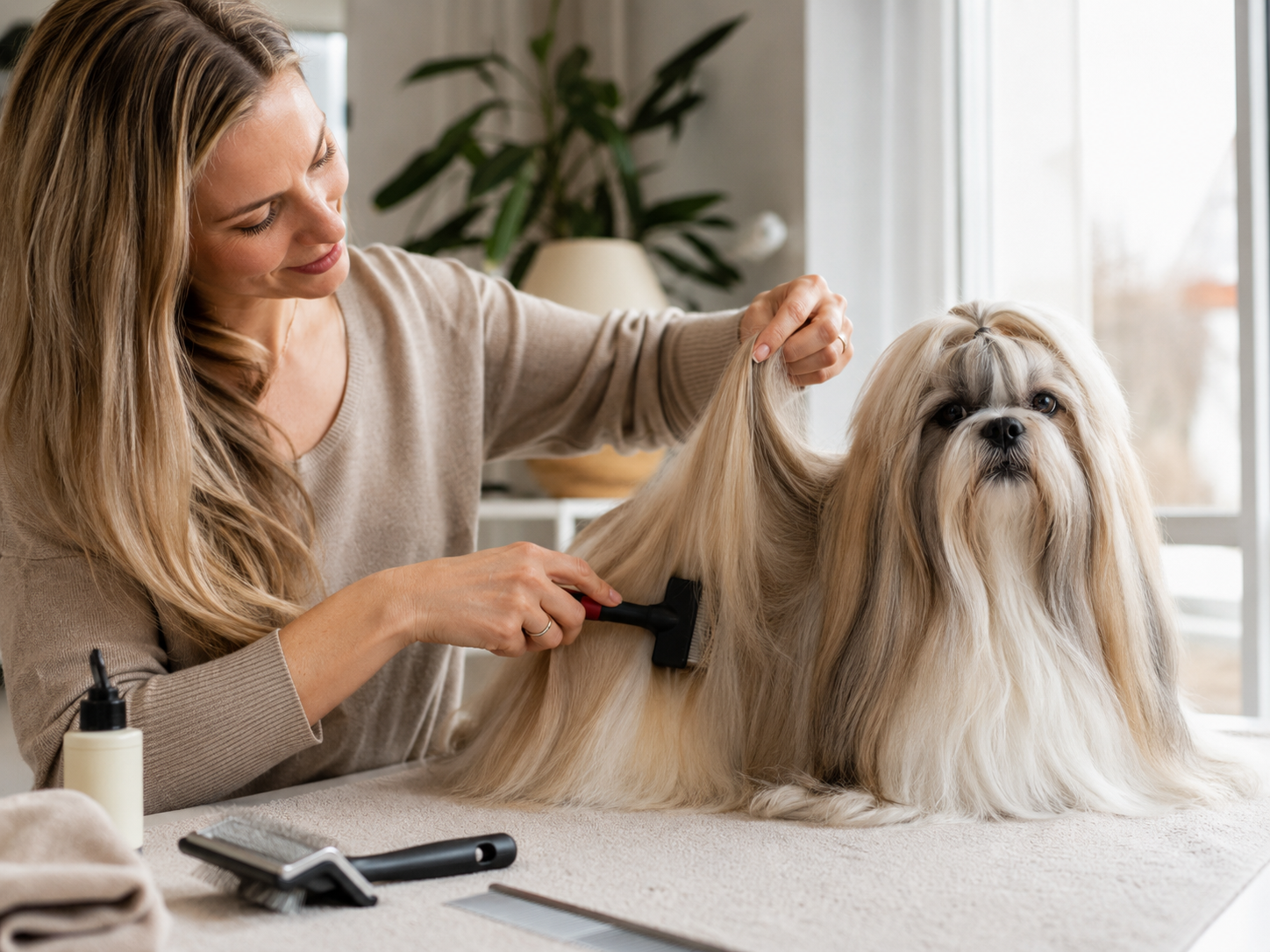
- A pin brush or slicker brush for weekly brushing and lifting the coat
- A steel comb for the beard, legs and feathering
- A stripping knife, a blunt tool used to grip hairs during hand-stripping and carding
- Grooming chalk or a little powder, or rubber fingertips, to help grip the hair
- Blunt-tipped scissors for tidying the feet, face and sanitary areas
- A gentle dog shampoo, used sparingly
You do not need clippers unless you have decided to keep your dog in a clipped pet trim. Avoid human shampoos, which strip the coat’s natural oils and soften the texture.
What is hand-stripping, and does it hurt?
Hand-stripping is removing the dead outer hairs by pulling them out from the root, either with your fingers or a blunt stripping knife, rather than cutting them.
Done at the right time, it does not hurt the dog. Wire hairs have a natural life cycle, and when they are ready to come out the coat looks “blown”, scruffy and slightly unkempt. At that point the dead hairs release easily. The technique matters: hold the skin taut, take only a few hairs at a time, and pull gently in the direction the hair grows, keeping your wrist steady. Grip powder or rubber fingertips help. Pulling large clumps, or stripping hair that is not ready, is what causes discomfort, so patience is everything.
Stripping does more than tidy the dog. Removing the dead coat stimulates the skin and encourages new, hardy, weatherproof hair to grow in with its proper texture and colour. A full strip can take an hour or more, so many owners split it over a few sessions, and because the technique is breed-specific it is often left to an experienced groomer.
Hand-stripping vs clipping
The core choice is simple: hand-stripping preserves the wiry coat, while clipping is easier but changes it.
| Feature | Hand-stripping | Clipping |
|---|---|---|
| Coat texture | Keeps the hard, wiry texture | Softens over time, can turn fine and fuzzy |
| Colour | Stays rich and true | Often fades and dulls |
| Water and dirt resistance | Retained | Reduced as the coat softens |
| Time and effort | Slow, skilled, every 8 to 12 weeks | Quicker and simpler |
| Best for | Show dogs and true-to-type coats | Pet dogs, comfort over coat purity |
Neither is wrong. If you show your dog or want to keep the classic terrier look and weatherproof coat, hand-stripping is the way. If you simply want a comfortable, tidy pet and do not mind a softer coat, clipping is a perfectly reasonable choice, as long as you understand the texture and colour usually do not come back once the coat has been clipped for a while.
Brushing and carding between sessions
Between strips or clips, regular brushing and light carding keep the coat in good order.
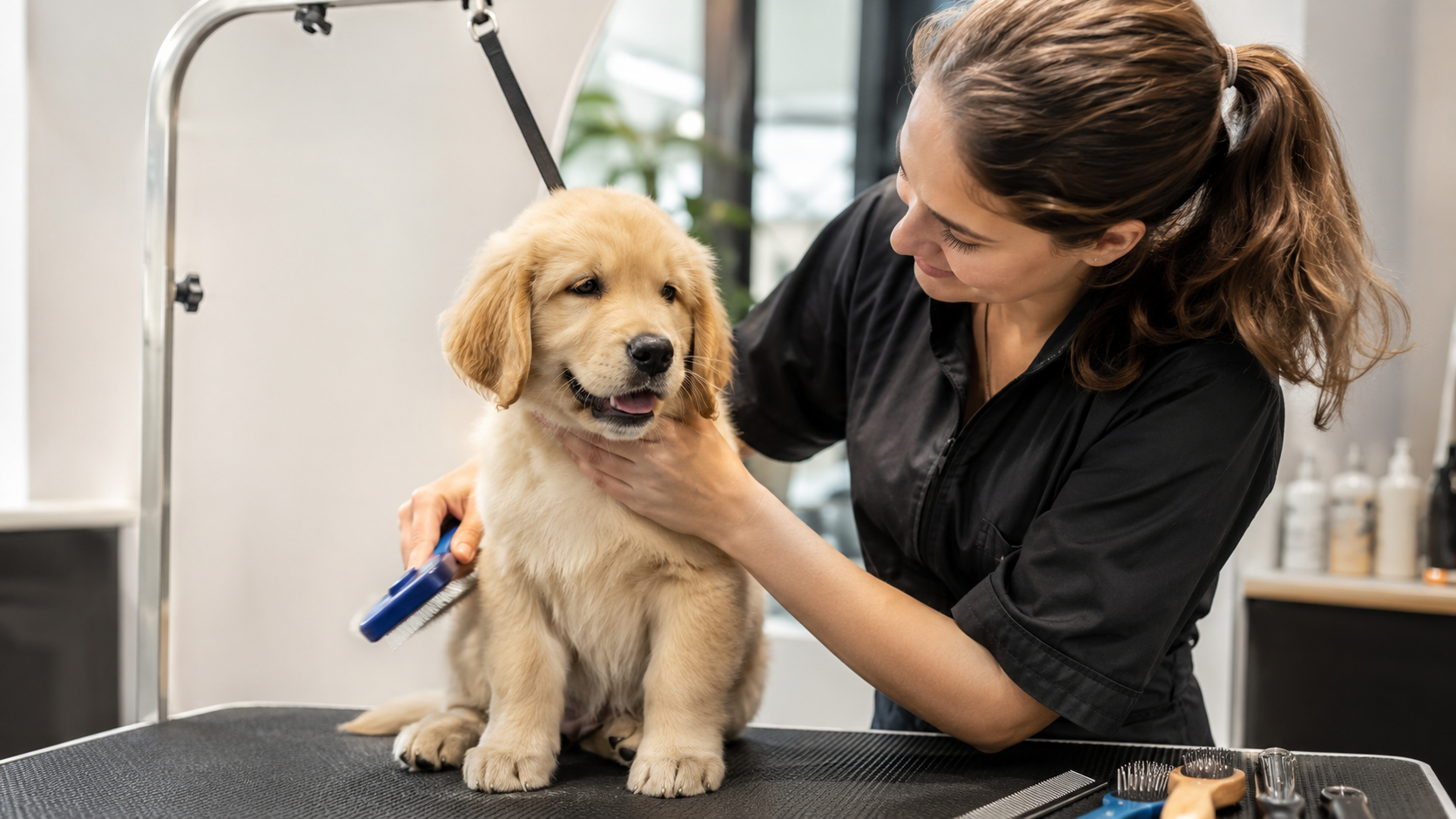
A weekly brush through with a pin or slicker brush removes knots, lifts out loose hair and stimulates the skin. As you go, you can pluck the odd long, stray hair by hand in the direction of growth, which keeps the outline neat between sessions. Carding, using a stripping knife or a carding tool to gently remove soft dead undercoat, thins the coat and helps the wiry topcoat lie correctly, which is especially useful in warmer months. Keep all of this light and regular rather than trying to do too much at once.
Bathing wire-haired dogs

Bathe wire-haired dogs every 6 to 8 weeks at most, since the coat naturally repels dirt and over-bathing does more harm than good.
Washing too often, or with harsh shampoo, strips the natural oils that keep the coat hard and weatherproof, leaving it soft and dull. Use a gentle dog shampoo, work it in without scrubbing, and rinse thoroughly. Pat the coat dry with a towel rather than rubbing, which tangles the hair, then finish with a dryer on a low setting if needed.
One useful tip: many groomers prefer to hand-strip a slightly dirty coat, because clean hair can be harder to grip, so it is worth asking your groomer whether to bathe before or after a strip.
Nails, ears and teeth
The rest of the routine is the same as for any dog, with a couple of wire-coat notes.
Trim the nails every 3 to 4 weeks, or when they click on hard floors. Many wire-haired terriers grow hair inside the ear, which can trap wax and moisture, so check the ears weekly and remove excess hair gently or have your groomer do it.
Trapped wax and moisture are often behind that yeasty smell, which is why smelly dog ears usually improve once the ears are kept clean and dry. Brush the teeth regularly, ideally daily, with dog toothpaste. Keep the hair around the paws, and between the toes, trimmed and clear of grass seeds and mud, which can otherwise mat and cause sores.
Wire-haired breeds and their needs
Wire coats vary a little by breed, but the routine is broadly the same.
- Wire Fox Terrier and Airedale Terrier: classic harsh coats that look their best hand-stripped and hold their shape well.
- Border Terrier: a hardy, low-shedding wire coat that strips easily and suits owners who want to learn to hand-strip at home.
- Schnauzer (Miniature, Standard, Giant): frequently clipped as pets, though stripping keeps the coat harsher and the colour truer.
- Wire-haired Dachshund: a dense wiry coat with a beard and eyebrows that needs regular tidying.
Whatever the breed, decide early whether you will strip or clip, and get your dog used to being handled young. Since coat quality also comes from within, a good diet does a lot to keep the coat and skin healthy.
The bottom line on grooming a wire-haired dog
A wire coat is easy to keep tidy but asks one real decision: hand-strip to preserve the hard, weatherproof, true-coloured coat, or clip for an easier life and accept a softer texture.
Brush weekly, bathe every 6 to 8 weeks, and strip or clip every 8 to 12 weeks. The rest of your dog’s everyday grooming and hygiene follows the same steady, unhurried approach.
Frequently asked questions
1. Does hand-stripping hurt a dog?
Not when it is done at the right time and technique. Dead wire hairs release easily once the coat is “blown”, and taking a few at a time in the direction of growth is painless. Pulling ready hair does not hurt; pulling clumps does.
2. Hand-stripping or clipping: which is better?
It depends on your goal. Hand-stripping keeps the wiry texture, colour and weatherproofing, and is essential for show dogs. Clipping is quicker and fine for pets, but it softens and fades the coat over time, usually for good.
3. How often should a wire-haired dog be groomed?
Brush weekly, bathe every 6 to 8 weeks, and hand-strip or clip roughly every 8 to 12 weeks. Nails, ears and teeth fit into the routine as with any dog, with an eye on grass seeds in the paws.
4. Do wire-haired dogs shed?
Most shed very little, which is part of their appeal, though some like the Jack Russell Terrier do shed. Rather than dropping out, the dead outer hairs stay in the coat until they are hand-stripped or brushed away.
5. Does clipping ruin a wire coat?
Clipping does not harm the dog, but it changes the coat. Over repeated clips the wiry texture softens, the colour fades and the water-resistance drops. For a pet that is often an acceptable trade, but the original coat rarely returns.
6. Can I hand-strip my dog at home?
You can learn to, especially on easier breeds like the Border Terrier, starting with light carding and plucking. It is slow and breed-specific, so many owners have a groomer do the full strip and maintain the coat at home between visits.
 Add us as a preferred source