Best Grooming Routine for Hairless Dogs
Dog Grooming & Hygiene By James C. • August 11, 2026
For hairless dogs, grooming is really skin care: a gentle bath every 1 to 2 weeks, moisturising, sun protection, and regular ears, teeth and nails, since there is no coat to maintain.
Breeds like the Chinese Crested and Xoloitzcuintli look low-maintenance, but their exposed skin needs more attention than most coated dogs, not less. In Australia’s strong sun, that starts with protecting the skin from burning.
This guide sets out a simple skin-first routine covering bathing, hydration, sun and cold protection, skin issues, and the dental and nail care these breeds particularly need.
What makes hairless dogs different
Hairless dogs are all about the skin, because without a coat their skin is exposed to sun, cold, dirt and its own oils with nothing to protect it.
With no fur to absorb the oils the skin produces, those oils sit on the surface and can clog pores, which is why hairless breeds are more prone to blackheads, acne and skin irritation than coated dogs. Their skin also burns easily in the sun and chills quickly in the cold. On top of this, many hairless breeds carry a gene, known as FOXI3, that is linked to missing or abnormal teeth, so dental care matters more than usual, and some owners find their dog’s nails grow noticeably fast.
None of this makes them hard to look after, it simply shifts the usual dog grooming and hygiene routine towards the skin. A hairless dog still sheds a little and is not fully hypoallergenic, but the real work is keeping the skin clean, moisturised and protected. Get the skin right and the rest of the routine is straightforward.
A simple weekly and monthly routine
Use this schedule as your baseline, then adjust to your dog’s skin and lifestyle.
| Task | How often |
|---|---|
| Bath with a gentle, skin-suitable shampoo | Every 1 to 2 weeks |
| Moisturise the skin after bathing | After every bath |
| Wipe the skin and between the toes | Every few days |
| Apply dog-safe sunscreen before going out | Before sun exposure |
| Check skin for spots, dryness or irritation | Weekly |
| Clean ears | Weekly, and after baths |
| Wipe eyes | Daily |
| Nail trim | Every 2 to 3 weeks |
| Teeth brushing | Ideally daily |
The skin sits at the centre of everything: clean it gently, moisturise it, protect it, and check it often.
Bathing and moisturising
Bathe a hairless dog every 1 to 2 weeks to clear the oils and dead skin that build up on bare skin, but how you bathe matters as much as how often.
Because hairless breeds are prone to acne and clogged pores, many groomers suggest a gentle antibacterial or mild exfoliating dog shampoo rather than a heavy oatmeal one, since the exfoliating action helps keep pores clear. Whatever you choose, keep it mild and dog-safe, work it gently over the skin, and rinse thoroughly, as residue irritates exposed skin quickly.
The most important step comes after the bath. Shampoo strips the skin’s natural oils, so you need to put moisture back: follow with a conditioner or a light, dog-safe skin oil to replenish the barrier and keep the skin supple. Then pat the skin dry with a towel rather than letting your dog air-dry, which can leave them shivering and can let bacteria or fungus take hold on damp skin. A clean, moisturised, properly dried skin is the foundation of the whole routine.
Sun protection in the Australian climate
Sun is a hairless dog’s biggest risk in Australia, so protecting the skin from UV is not optional here.
With no coat to shield them, hairless dogs can get dry skin, blisters and painful sunburn from our high UV, and repeated sunburn raises longer-term skin risks.
Apply a dog-safe sunscreen to exposed areas before your dog goes outside, reapplying as directed, and never use human sunscreen without checking it is safe for dogs, since some ingredients are toxic to them. Beyond sunscreen, keep walks to the cooler parts of the day, avoid the harsh midday sun, provide plenty of shade, and consider a light protective shirt for long spells outdoors.
Never leave any dog in a hot car, and if you are unsure how hot is too hot, it is worth knowing the safe temperatures for dogs in the Australian heat.
Managing skin issues

Because their skin does so much work, hairless dogs are prone to a few common issues that are worth knowing.
Blackheads, spots and mild acne are common, especially on the chin, chest and belly, and are usually managed with regular gentle bathing and by keeping the skin clean and unclogged. Dry, flaky patches respond to consistent moisturising.
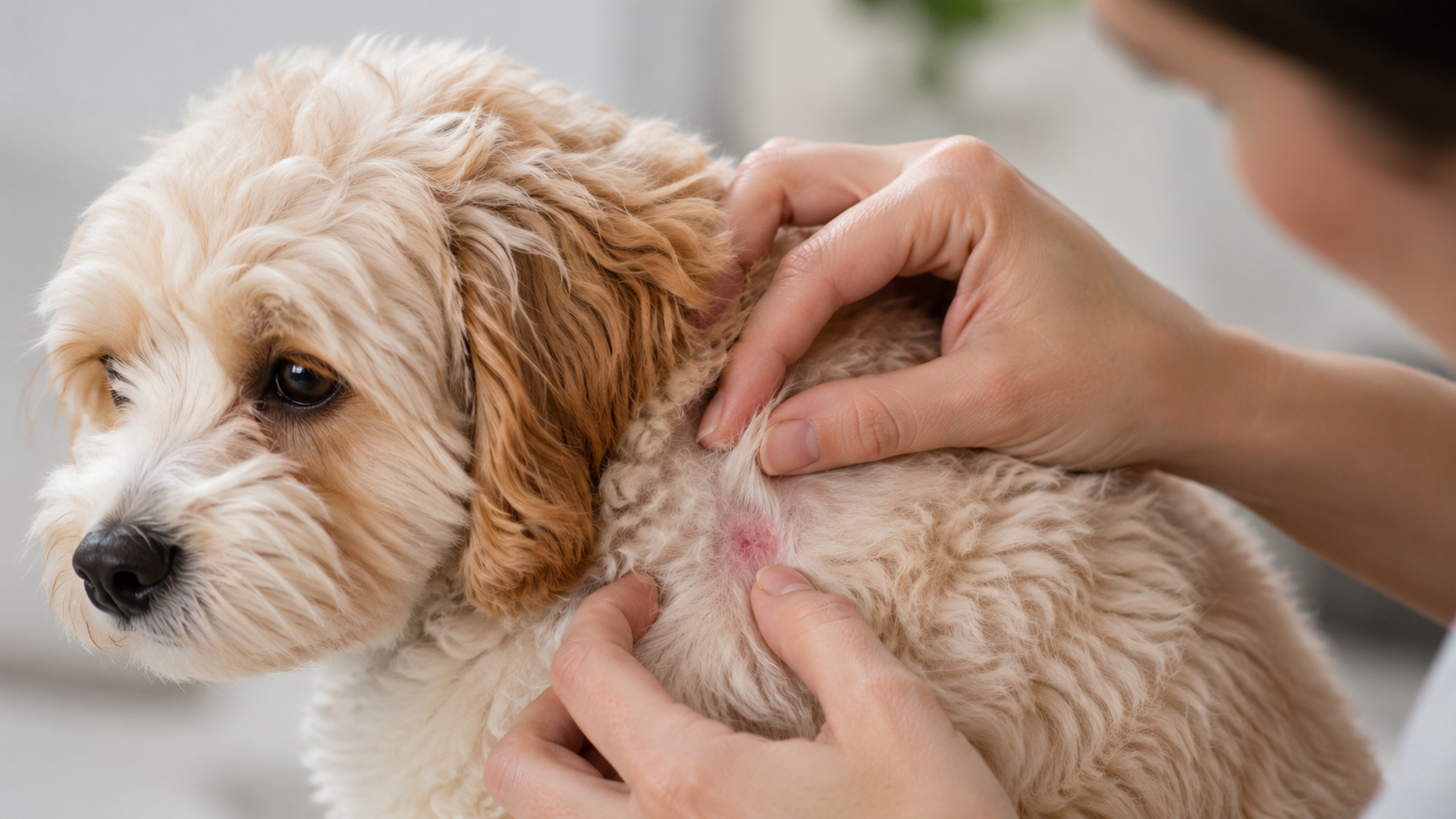
That said, hairless breeds can also develop dermatitis and other skin conditions that need proper treatment, so if you notice persistent redness, sores, hair-like scabbing, a bad smell, sudden spots, or your dog scratching and uncomfortable, have a vet check the skin rather than treating it yourself. Early advice keeps a small skin problem from becoming a painful one, and it helps to know when a vet visit is worthwhile.
Keeping warm in winter
Just as a coat cannot protect hairless dogs from the sun, it cannot keep them warm either, so they feel the cold far more than most breeds.
Hairless dogs chill quickly and can start shivering in weather that a coated dog would barely notice. In cooler months, a well-fitted dog jumper or coat makes a real difference, both indoors on cold evenings and outdoors on walks. Keep their bed warm and out of draughts, and be guided by your dog: if they are seeking out warmth or shivering, they are too cold. The same climate guide linked above covers cold-weather safety as well as heat.
Managing body hair
Most “hairless” dogs are not completely bald, so a little hair management is part of the routine.
The Chinese Crested, for example, has hair on the head, known as the crest, on the tail as a plume, and on the feet as socks, and this hair should be gently brushed and kept tidy. Many hairless dogs also grow fine, stray hairs across the body, and owners often trim or gently shave these for a clean, even look and to keep the skin easy to clean. Use blunt-tipped scissors or a gentle trimmer, take care on thin, exposed skin, and never rush it. If you are unsure, a groomer experienced with hairless breeds can show you how.
Ears, eyes, nails and teeth
The finishing parts of the routine still matter, and a few have a hairless twist.
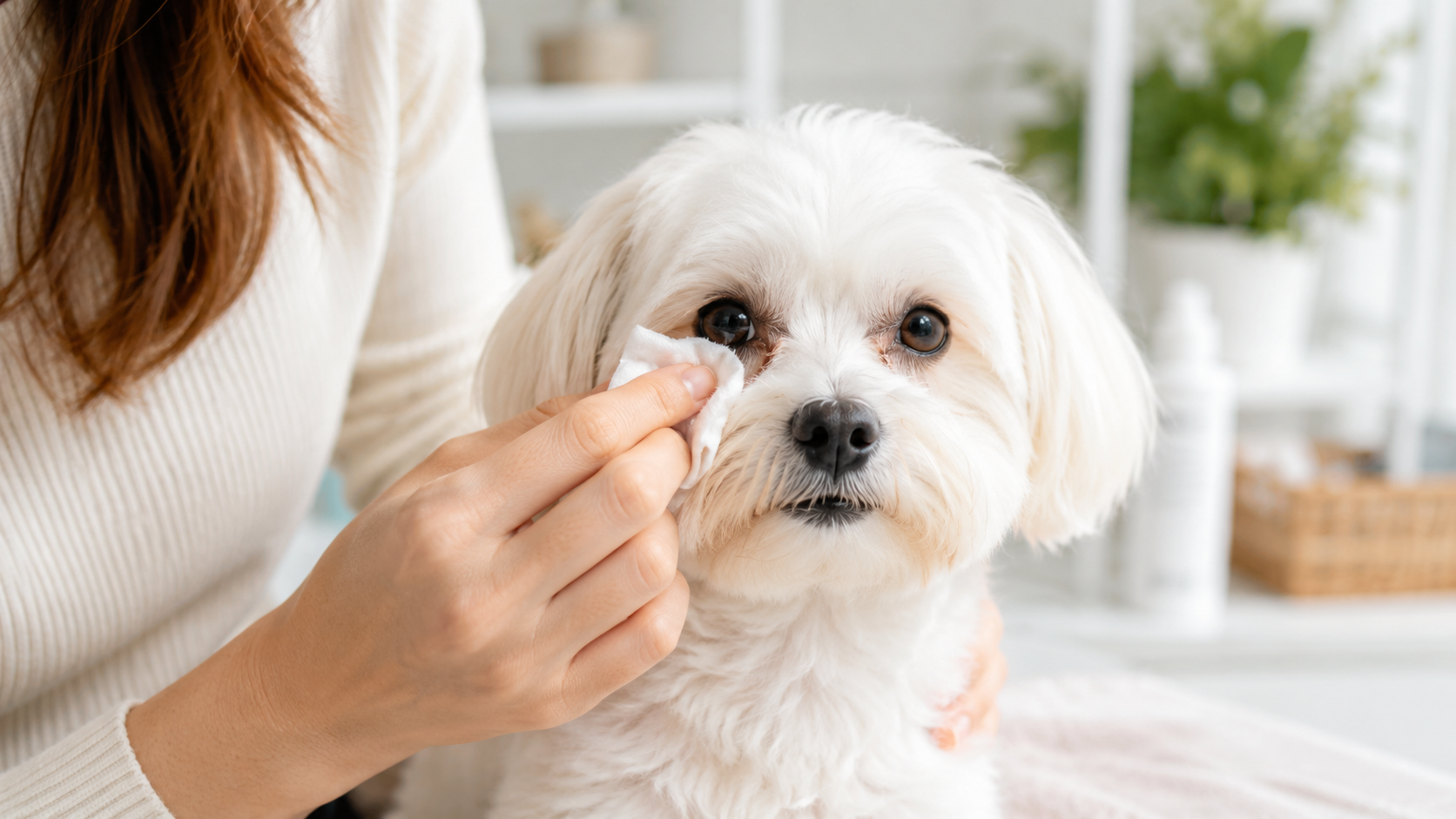
With no hair around them, ears and eyes are exposed to dust and dirt, so wipe the eyes daily with a little warm water on cotton wool, and clean the ears regularly, ideally after each bath, since wax and debris build up without ear hair to slow them.
Trim the nails every 2 to 3 weeks, as hairless dogs’ nails often grow quickly and long nails cause discomfort. Teeth deserve special attention: because of the FOXI3 gene, many hairless dogs are prone to missing or weak teeth, so brush daily with dog toothpaste and keep up regular dental checks, staying alert to the early signs of dental disease in dogs.
Hairless breeds and their needs
The main hairless breeds share the same skin-first routine, with small differences.
- Chinese Crested: comes in a hairless variety with crest, plume and socks, and a fully coated “powderpuff”, so the hairless type needs both skin care and light hair tidying.
- Xoloitzcuintli (Xolo): a robust hairless breed with tough but sun-sensitive skin that needs regular cleaning, moisturising and sun protection.
- American Hairless Terrier: an active breed prone to skin spots that benefits from regular bathing and sun care.
- Peruvian Inca Orchid: an elegant hairless breed with sensitive skin that needs careful sun and cold protection.
Whatever the breed, the routine is the same in principle: keep the skin clean, moisturised and protected, and stay on top of ears, teeth and nails. Much of that overlaps with the wider grooming and hygiene basics every dog needs.
The bottom line on grooming a hairless dog
A hairless dog is easy to love and simple to care for once you treat grooming as skin care: bathe gently every 1 to 2 weeks, moisturise, protect the skin from sun and cold, and keep up ears, teeth and nails.
Watch the skin closely and see a vet for anything that does not settle, then fold the skin routine into your dog’s everyday hygiene and grooming.
Frequently asked questions
1. How often should you bathe a hairless dog?
Every 1 to 2 weeks for most hairless dogs, since oils and dead skin build up on bare skin. Use a gentle, dog-safe shampoo, rinse well, and always moisturise the skin afterwards to replace the oils washing removes.
2. Do hairless dogs need sunscreen?
Yes. With no coat, their skin burns easily, and Australia’s high UV makes this a real risk. Apply a dog-safe sunscreen before outdoor time, seek shade, avoid the midday sun, and never use human sunscreen unless it is confirmed dog-safe.
3. Why does my hairless dog get spots or blackheads?
Without hair to absorb them, skin oils sit on the surface and clog pores, causing blackheads and mild acne. Regular gentle bathing keeps pores clear. If spots are widespread, sore or persistent, ask your vet to check the skin.
4. Do hairless dogs get cold?
Very much so. With no coat for warmth, they chill and shiver quickly in cool weather. A well-fitted dog jumper or coat helps indoors and out during colder months, along with a warm, draught-free bed.
5. Do hairless dogs need their teeth looked after more?
Yes. Many hairless breeds carry a gene linked to missing or weak teeth, so they are prone to dental problems. Brush daily with dog toothpaste and keep up regular dental checks to protect the teeth they have.
6. Are hairless dogs completely bald?
Usually not. Breeds like the Chinese Crested have hair on the head, tail and feet, and many hairless dogs grow fine stray hairs. This hair can be gently brushed or tidied, so a little hair care is still part of the routine.
 Add us as a preferred source