Best Grooming Routine for Long-Haired Dogs
Dog Grooming & Hygiene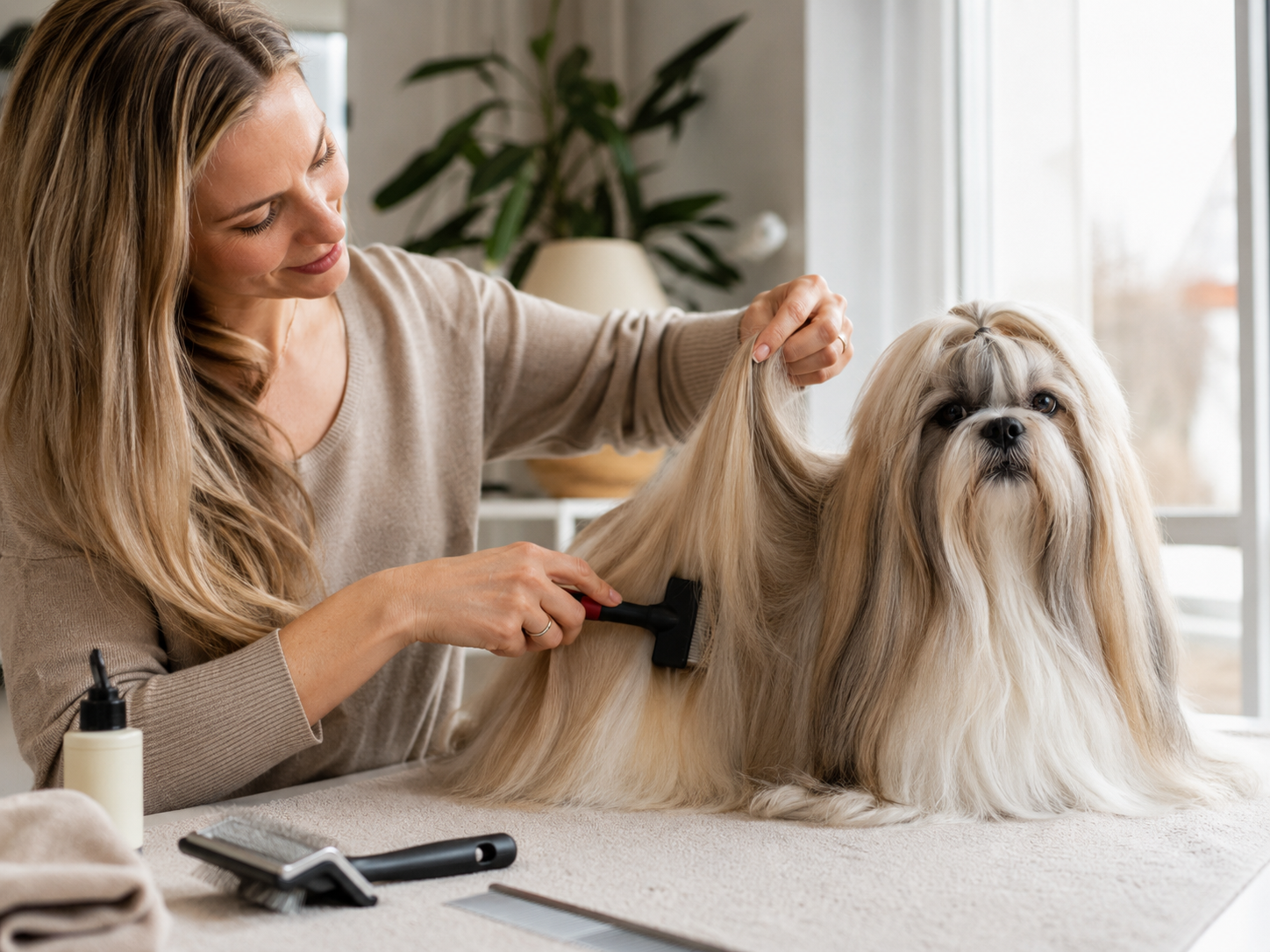 By James C. • July 28, 2026
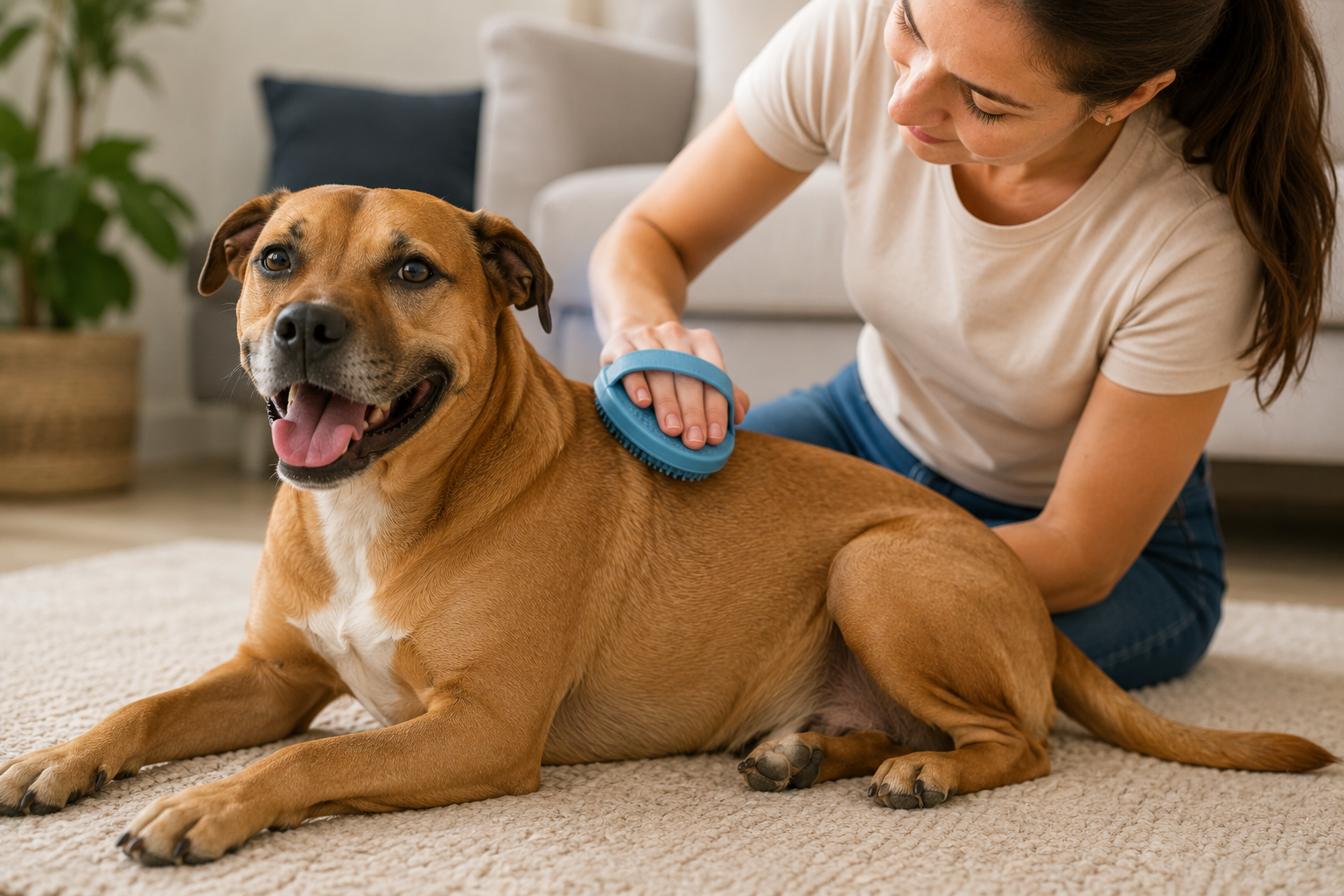
Long-haired dogs need brushing every day or two, a bath every 4 to 6 weeks, and a trim every 6 to 8 weeks, plus regular nails, ears and teeth.
A beautiful long coat does not look after itself, and the difference between a flowing, healthy coat and a matted one almost always comes down to a consistent routine.
This guide gives a simple weekly and monthly schedule, the tools you need, a proper line-brushing method to prevent mats, and how to bathe, trim and care for your dog through the Australian seasons.
Do long-haired dogs need daily grooming?
Most long-haired dogs need brushing every day or two, and matting is the main reason why.
When a long coat is left too long between brushes, loose hair, dirt and moisture twist together into tangles, and tangles tighten into mats. Mats are more than a cosmetic problem: they pull on the skin, restrict airflow and circulation, trap moisture against the skin, and can hide irritation, hot spots or parasites underneath. Preventing them is far easier, and far kinder, than removing them later.
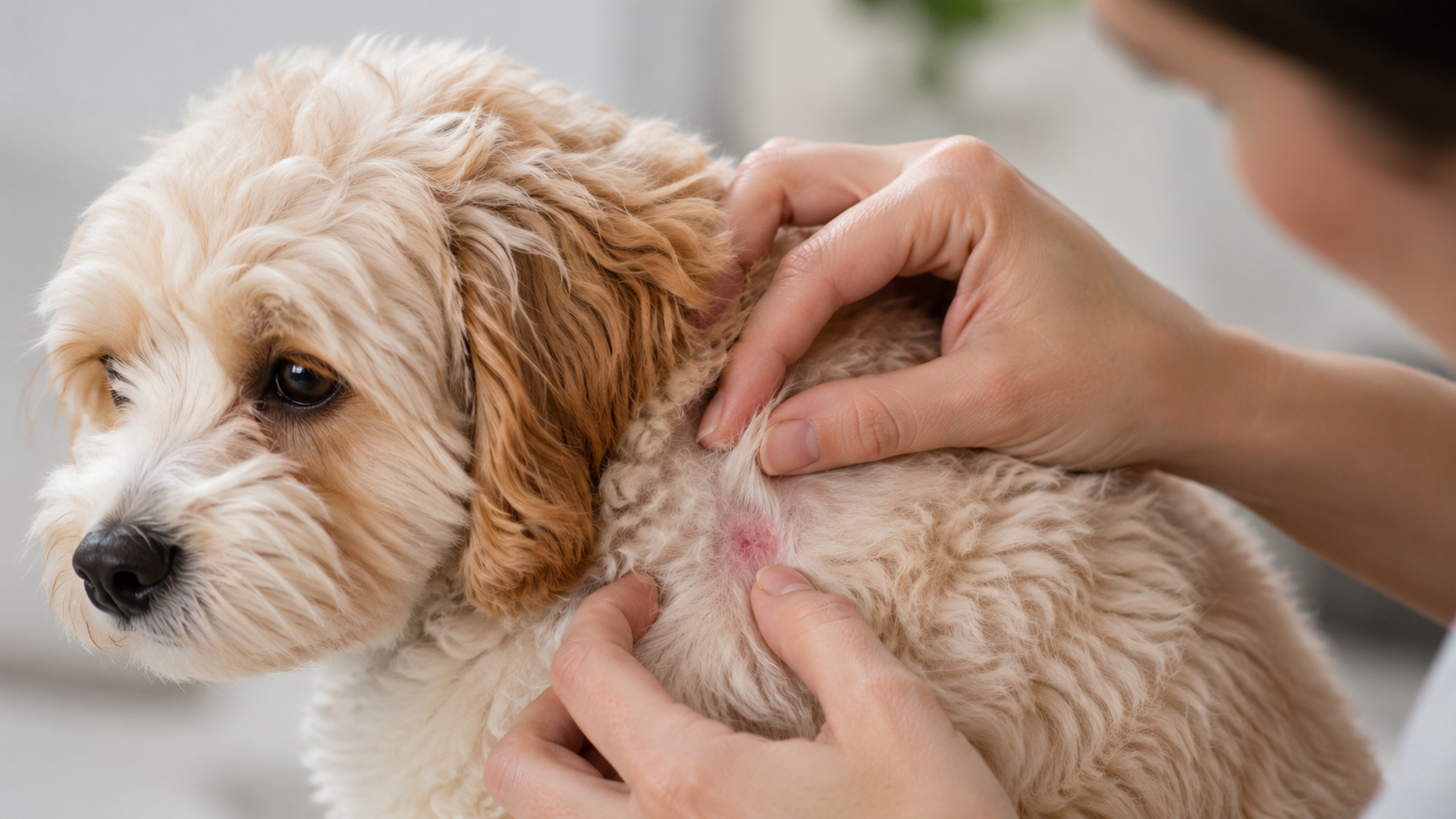
Regular grooming also lets air reach the skin, spreads the coat’s natural oils, and gives you a chance to check your dog over for lumps, fleas, ticks or grass seeds as part of everyday dog health and vet care. In short, a long-haired dog’s routine is about comfort and health first, and good looks second.
A simple weekly and monthly routine
Use this schedule as your baseline, then adjust to your dog’s coat and lifestyle.
| Task | How often |
|---|---|
| Brush and line-brush the coat | Daily for fine or silky coats; 3 to 4 times a week for others |
| Comb through to check for tangles | With every brush |
| Wipe down paws and belly | After muddy or wet walks |
| Bath | Every 4 to 6 weeks |
| Nail trim | Every 3 to 4 weeks |
| Ear check and clean | Check weekly, clean as needed |
| Teeth brushing | Ideally daily |
| Trim (paws, sanitary, tidy or full) | Every 6 to 8 weeks |
| Skin and body check | Weekly, while brushing |
Brush daily during a seasonal shed, and never let a fine or silky coat go more than a day or two without a brush, since these tangle fastest.
Grooming tools you need

The right kit makes grooming a long coat far quicker and more comfortable.
- A slicker brush, your everyday workhorse for tangles and loose hair
- A wide-tooth steel comb to check you have brushed down to the skin
- A pin brush to finish fine, silky coats
- A dematting comb or mat splitter for stubborn tangles
- An undercoat rake for long double coats
- A detangling or conditioning spray
- Blunt-tipped grooming scissors for tidying paws and sanitary areas
- A gentle, moisturising dog shampoo and conditioner
- A towel, plus a cool or low-heat dryer if your dog tolerates it
Avoid brushes with sharp, rigid pins that can scratch the skin, and steer clear of human shampoos, which upset a dog’s skin.
Brushing and preventing mats: the line-brushing method

The single best way to prevent mats is line brushing, which means working in sections from the skin outward rather than skimming the surface.
- Lightly mist the coat with a detangling spray first, since brushing a bone-dry coat causes breakage and static.
- Part the coat into sections and brush each one in layers from the skin out with your slicker brush, using gentle, short strokes.
- Pay extra attention to the friction zones where mats form: behind the ears, under the collar, the armpits and groin, the base of the tail, and between the hind legs.
- Run a wide-tooth comb through each section afterwards. If it glides from root to tip, that section is mat-free; if it catches, there is still a tangle to work out.
- Finish with a pin or bristle brush to spread the natural oils and leave the coat smooth.
If you find a mat, do not pull straight through it or cut it out with scissors. Hold the base of the mat close to the skin to ease the tension, add a little detangling spray, and tease the outer edges apart with your fingers or a dematting comb, working slowly inward. Tight or large mats are safer left to a groomer.
Bathing long-haired dogs

Bathe most long-haired dogs every 4 to 6 weeks, and always brush thoroughly first, since water tightens any existing tangles into mats.
Use lukewarm water and a gentle, moisturising, soap-free shampoo, working it through the coat in sections down to the skin rather than just over the surface. Harsh shampoos strip the coat’s natural oils and leave it dry, brittle and more prone to tangling. Rinse until the water runs completely clear, since leftover residue causes itching and a dull coat.
For a long coat, conditioner is not optional. It restores moisture, smooths the hair and makes the next brush-out far easier. Afterwards, press the coat with a towel to soak up water rather than rubbing, which creates tangles, then finish with a cool or low-heat dryer, brushing gently as the coat dries so it sets tangle-free. A properly dried coat is one of the best ways to prevent mats and skin irritation.
Trims and professional grooming
Most long-haired dogs benefit from a trim every 6 to 8 weeks, whether that is a full groom or just a tidy.
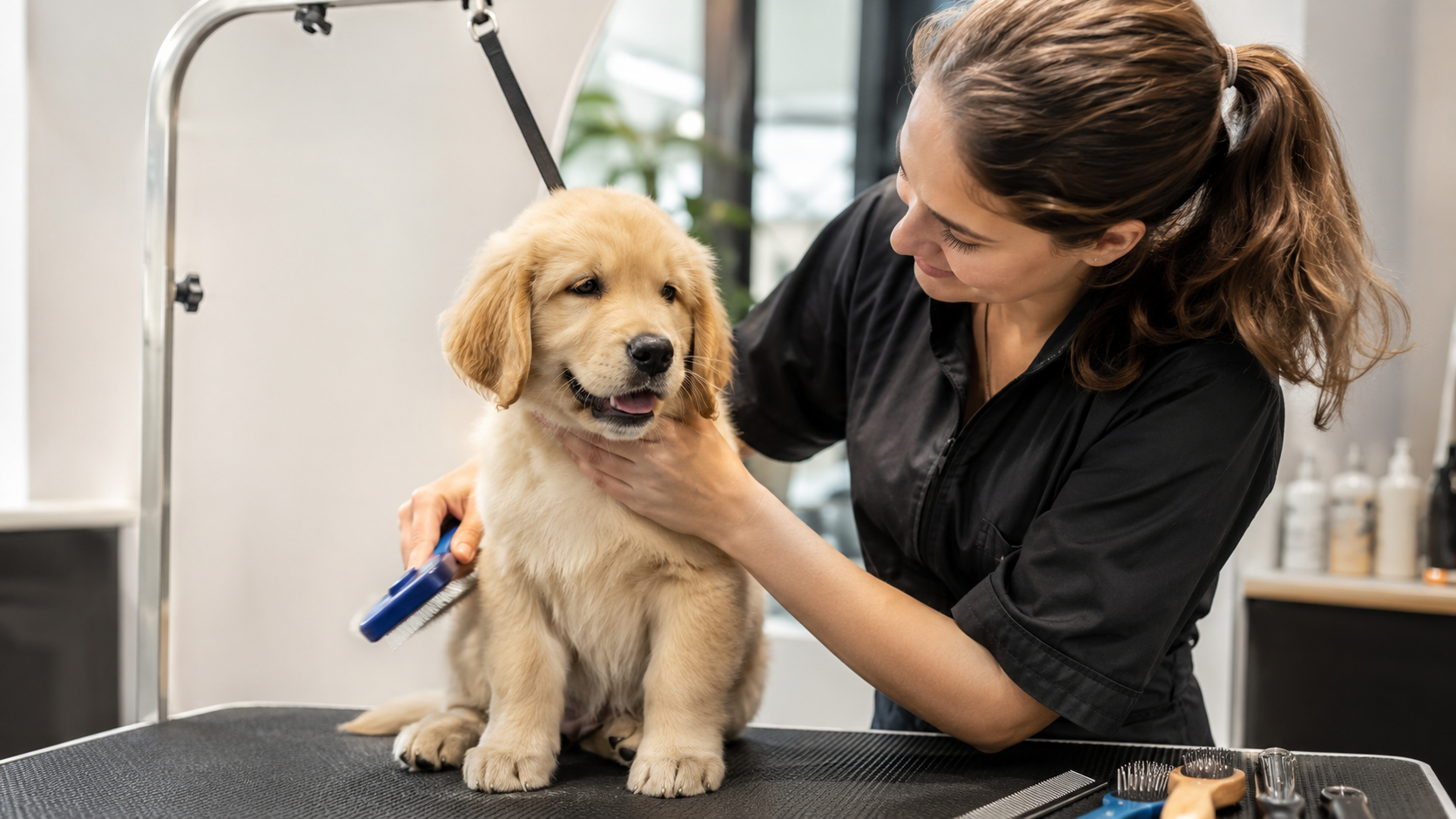
At home, you can keep the paw pads, sanitary areas and any hair over the eyes neat with blunt-tipped scissors. Beyond that, a professional groomer can keep the coat at a manageable length, and many owners of high-maintenance breeds choose a shorter “puppy cut” to make daily brushing easier without losing the soft coat entirely. A groomer will also spot coat and skin issues early and handle anything you would rather not do at home.
Nails, ears and teeth
Coat care is only part of grooming, and these basics matter just as much for a long-haired dog.
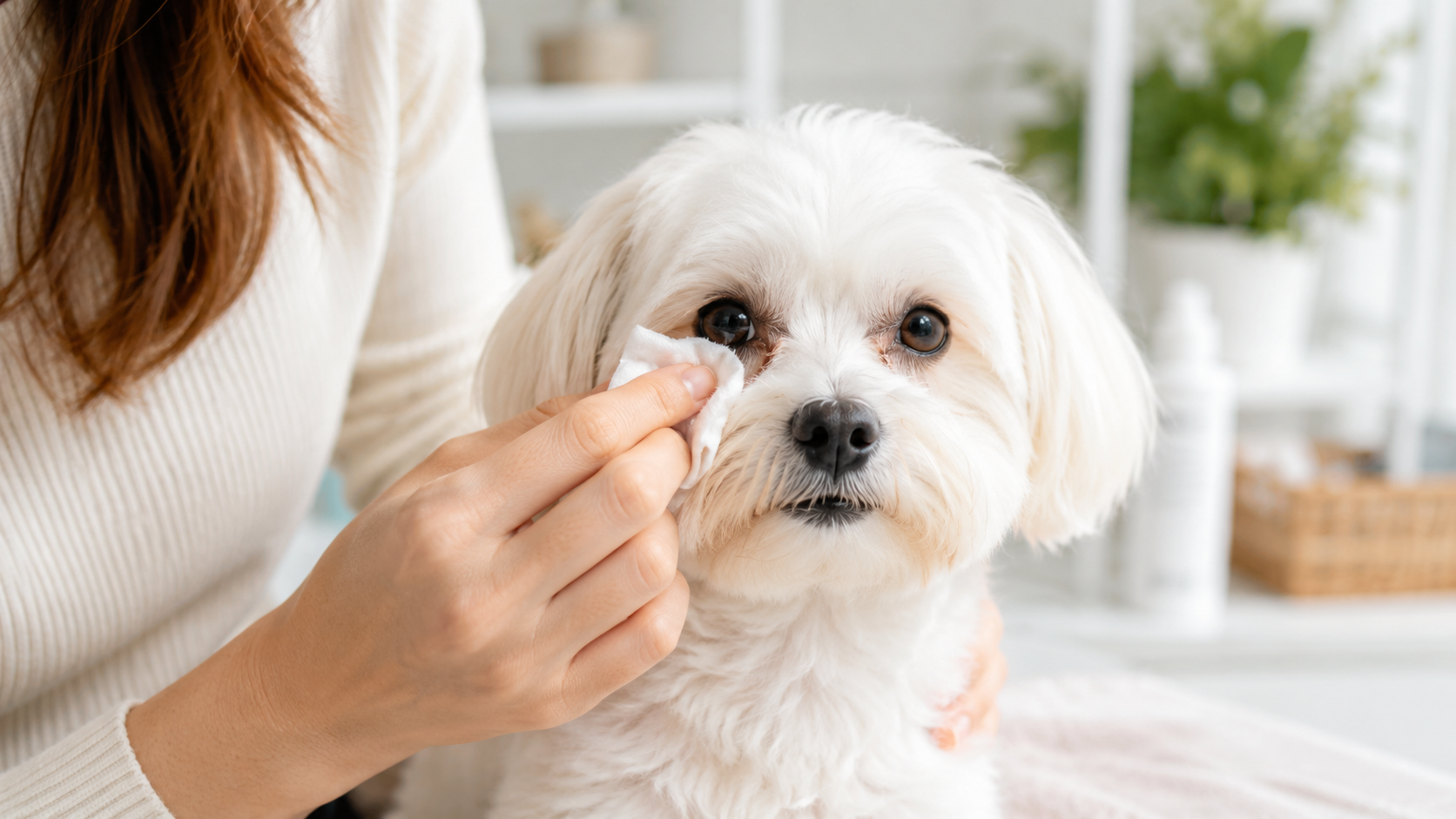
Trim the nails every 3 to 4 weeks, or when you hear them clicking on hard floors. Check the ears weekly, and clean them only when needed with a vet-approved solution and cotton wool, never cotton buds, which matters especially for the many long-haired breeds with heavy, floppy ears, where a lingering smell often points to a problem. Brush the teeth regularly, ideally daily, with dog toothpaste. Rolling these into your grooming sessions keeps them from being forgotten.
Seasonal care in Australia
Australia’s climate changes what a long coat needs through the year.
Spring and autumn bring heavier shedding, especially in long double-coated breeds like Golden Retrievers and Border Collies, so step up brushing and reach for the undercoat rake during these periods, paying attention to the armpits and hind legs. In summer, check the coat and paws after every walk for grass seeds, which burrow into long fur and skin, and for ticks. Rinse and dry the coat thoroughly after a swim, since a damp long coat mats quickly and can trap moisture against the skin. A balanced diet helps too, since good nutrition supports a stronger, healthier coat, and it is worth knowing how to feed for a healthy coat.
Long-haired breeds and their needs
Not all long coats are the same, so tailor the routine to your dog.
- Fine, silky single coats (Maltese, Shih Tzu, Yorkshire Terrier, Afghan Hound): brush daily, since these tangle within a day, and many owners opt for a shorter cut.
- Long double coats (Golden Retriever, Rough Collie, Border Collie, Bernese Mountain Dog, Cocker Spaniel): brush 3 to 4 times a week, and add an undercoat rake, stepping up during seasonal sheds.
Whatever the breed, the routine is the same in principle: brush to the skin, bathe and condition, dry thoroughly, and keep on top of nails, ears and teeth. Coat length and texture vary widely across Australia’s most popular dog breeds, so it helps to know where yours sits.
The bottom line on grooming a long-haired dog
A long-haired dog’s routine is simple but consistent: line-brush every day or two, bathe and condition every 4 to 6 weeks, dry the coat thoroughly, and trim every 6 to 8 weeks, alongside regular nails, ears and teeth.
Prevent mats rather than fighting them, and fold it all into the broader routine of grooming and hygiene your dog needs.
Frequently asked questions
1. How often should you brush a long-haired dog?
Brush fine or silky coats daily and most other long coats 3 to 4 times a week, and daily during seasonal shedding. Regular brushing, all the way down to the skin, is the only reliable way to prevent mats.
2. How do you prevent mats in long-haired dogs?
Line-brush the coat in sections from the skin outward, focusing on friction zones like behind the ears and under the legs, always brush before bathing, and dry the coat thoroughly. Preventing mats is far easier than removing them.
3. How often should you bathe a long-haired dog?
Every 4 to 6 weeks suits most long-haired dogs. Brush thoroughly first, use a gentle moisturising shampoo and a conditioner, rinse until the water runs clear, and dry the coat fully to avoid tangles.
4. Can you remove mats at home?
Small tangles can be teased apart gently with your fingers, a detangling spray and a comb, working from the outer edge inward. Never cut a mat out with scissors, and see a groomer for tight or large mats.
5. Should I shave my long-haired dog in summer?
Not always. Long double-coated breeds rely on their coat to insulate against heat as well as cold, so ask a groomer before shaving. A tidy trim and regular brushing usually keep a dog cooler and safer.
6. How do I know my dog’s coat needs attention?
Watch for small clumps forming near the skin, a dull or rough texture, more scratching, or your dog resisting the brush. These are early signs of matting, and acting quickly keeps grooming quick and comfortable.
 Add us as a preferred source