Dog Nutrition and Feeding Guide for a Healthy Pet
Dog Nutrition & Feeding By James C. • January 28, 2026
Australian dog owners spend billions each year on pet food, yet weight issues and diet-related health problems keep rising. That tells us something is off! Feeding your dog well is not about trends. It is about making smart, informed choices that actually support health.
From puppies to seniors, what goes into the bowl shapes energy levels, digestion, behaviour, and long-term wellbeing. Get it right, and you can add years of healthy life. Get it wrong, and problems creep in fast.
This guide breaks down dog nutrition in plain Aussie terms. What to feed, how much, what to avoid, and how to build simple routines that keep your dog healthy, happy, and thriving.
Understanding Your Dog’s Nutritional Needs
Understanding your dog’s nutritional needs is the foundation of lifelong health. Dogs require a balanced mix of protein, fats, carbohydrates, vitamins, minerals, and water to function properly.
Protein supports muscle development, immune strength, and tissue repair, while healthy fats provide energy and help maintain skin and coat health. Carbohydrates offer an additional energy source and support digestive function when included appropriately.
Nutritional needs change throughout a dog’s life. Puppies require higher energy and specific nutrients to support growth, brain development, and bone strength. Adult dogs need balanced maintenance diets that support energy levels without promoting weight gain.
Senior dogs often benefit from diets that support joints, digestion, and weight management while maintaining muscle mass.
Size, breed, and activity level also play a role. Highly active dogs burn more energy, while smaller or less active dogs require careful portion control. Health conditions such as allergies, digestive sensitivities, or joint issues further influence dietary needs.
Choosing nutrition based on individual requirements, rather than trends, supports long-term wellbeing and helps prevent diet-related health problems.
Choosing the Right Type of Dog Food

Here’s how to choose the right type of dog food by understanding the main options available and how each supports different health needs and lifestyles.
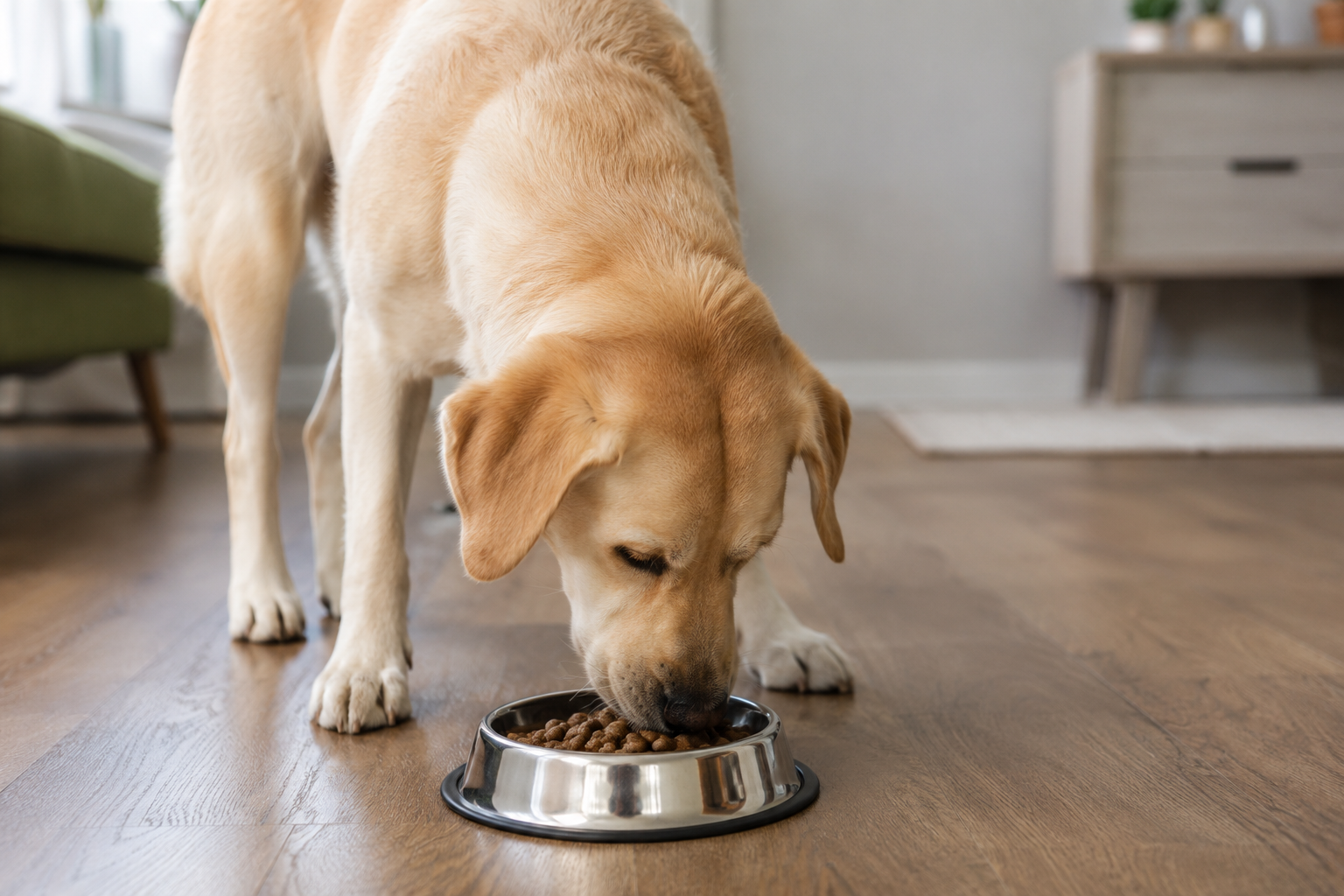
- Dry dog food (kibble): Kibble is convenient, affordable, and easy to store. Quality formulas provide complete nutrition and help reduce plaque through chewing. It suits most dogs when portions are controlled and the ingredients match your dog’s age, size, and activity level.
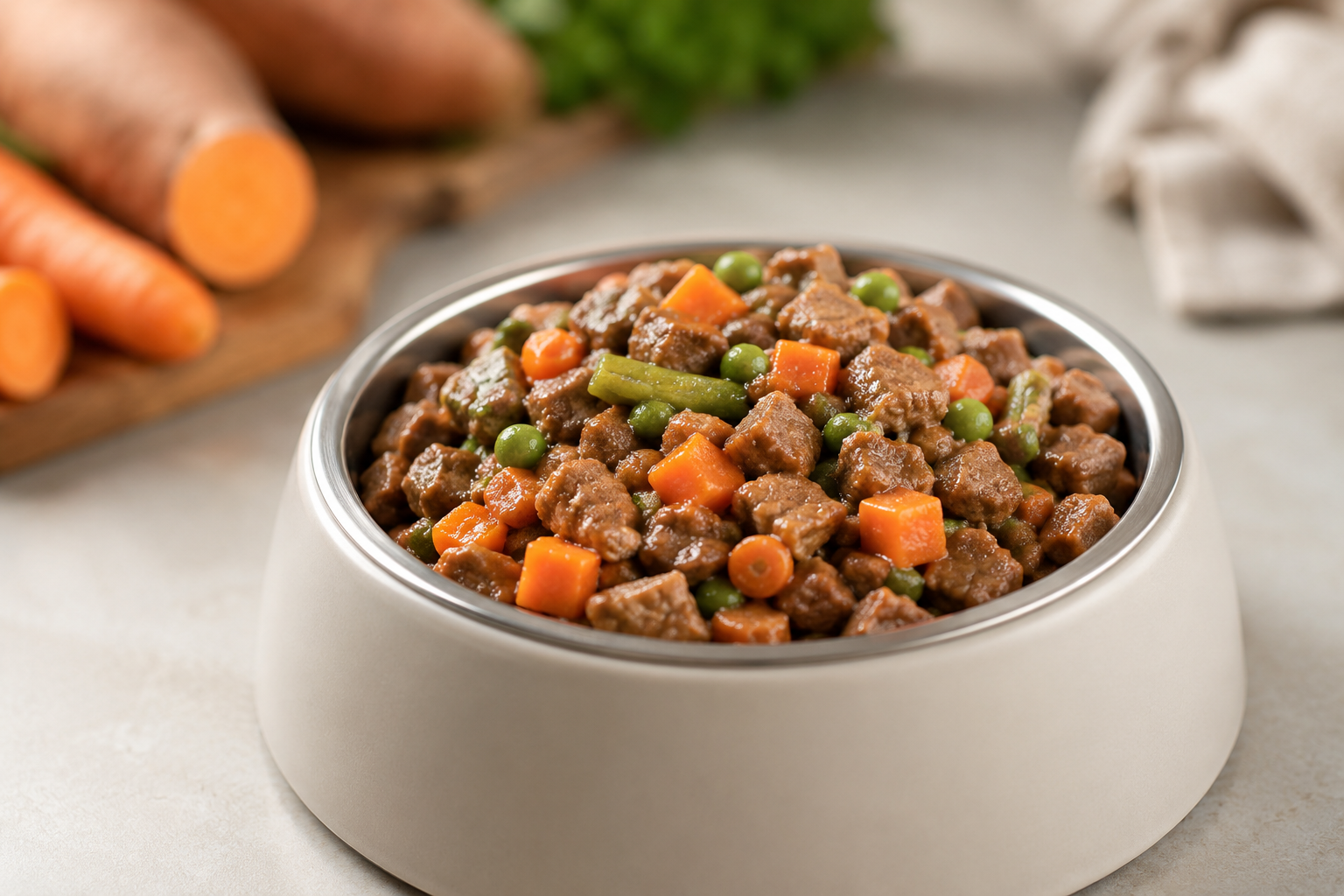
- Wet dog food: Wet food has higher moisture content, which supports hydration and makes meals more appealing for picky eaters. It is often easier to chew, making it suitable for senior dogs or those with dental issues, though it usually costs more per serving.
- Fresh and home-prepared diets: Fresh diets use minimally processed ingredients and can support digestion and palatability. However, they must be carefully balanced with veterinary guidance to ensure all nutritional requirements are met and deficiencies are avoided.
- Raw and BARF diets: Raw feeding focuses on uncooked meats, bones, and vegetables. While some dogs do well on raw diets, risks include bacterial contamination and nutritional imbalance, making professional advice and strict hygiene essential.
- Prescription and therapeutic diets: These diets are formulated to support specific medical conditions such as kidney disease, allergies, or digestive disorders. They should only be used under veterinary supervision to ensure appropriate long-term management.
- Mixed feeding approaches: Combining kibble with wet or fresh food can improve variety and enjoyment. Consistency, gradual transitions, and correct portioning are important to prevent digestive upset and overfeeding.
Nutrition for Puppies, Adults, and Senior Dogs

Nutritional needs change as dogs grow and age. Feeding for each life stage supports healthy development, sustained energy and comfort later in life.
1. Puppy Nutrition for Growth and Development
Puppies grow rapidly and require nutrient-dense food to support bone, muscle and brain development. Typically, 3-4 small meals daily for rapid growth. High-quality protein, healthy fats and essential minerals like calcium and phosphorus are critical during this stage.
Puppies also need more frequent meals to maintain energy and stable blood sugar levels. Overfeeding or poor balance can lead to growth issues, especially in large breeds. Choosing a complete puppy-specific formula and adjusting portions as they grow helps support steady development and strong foundations for adulthood, with weight checked at each visit on the puppy vaccination schedule.
2. Adult Dog Nutrition for Maintenance and Vitality
Adult dogs need balanced nutrition to maintain a healthy weight, muscle tone and energy. Typically 2 meals, portioned by weight/activity. Protein remains important, but calorie intake should match activity level to prevent weight gain. Consistent feeding routines support digestion and behaviour.
This stage focuses on sustaining overall health rather than rapid growth. Adjusting food based on lifestyle, whether highly active or more relaxed, helps keep adult dogs fit, alert and comfortable throughout their prime years.
3. Senior Dog Nutrition for Comfort and Longevity
Senior dogs often experience changes in metabolism, mobility and digestion. Diets should be easier to digest, lower in calories, and supportive of joint and cognitive health.
Adequate protein remains important to maintain muscle mass, while added nutrients may support ageing bodies. Smaller, more frequent meals can improve comfort. Feeding adjustments during this stage help maintain quality of life and support ageing dogs with dignity and care.
How to Read Dog Food Labels Properly
Here’s how to read dog food labels properly so Aussie dog owners can make informed choices based on nutrition, not marketing claims.
- Ingredient list order: Ingredients are listed by weight before cooking, meaning the first few items make up most of the food. Look for clearly named protein sources early on, as these indicate higher quality formulations.
- Protein source transparency: Specific proteins such as chicken, lamb, or fish are preferable to vague terms like meat meal or animal by-products, which offer less clarity about ingredient quality and origin.
- Guaranteed analysis breakdown: This section shows minimum protein and fat levels and maximum fibre and moisture. Comparing these values helps assess whether the food meets your dog’s energy and nutritional needs.
- Life-stage and purpose statements: Check whether the food is formulated for puppies, adults, seniors, or specific health conditions. Feeding the wrong life stage can lead to nutritional imbalances over time.
- Complete and balanced certification: Look for statements confirming the food meets recognised nutritional standards, ensuring it provides all essential nutrients rather than acting as a supplemental product.
- Marketing claims versus reality: Terms like natural, premium, or grain-free are often used for appeal. Always prioritise ingredient quality and nutritional adequacy over advertising language.
Feeding Guidelines and Portion Control

Here’s how to manage feeding guidelines and portion control properly, helping Aussie dog owners prevent weight gain while supporting steady energy and long-term health.
1. Use Feeding Guides as Flexible Starting Points
Dog food feeding guides provide general recommendations based on weight, but they are not exact rules. Factors like age, activity level, metabolism, and desexing status all affect calorie needs.
Start with the suggested amount, then adjust gradually based on body condition, not the bowl. Regular weigh-ins and visual checks help fine-tune portions before problems develop.
2. Measure Meals Accurately and Consistently
Guessing portions often leads to overfeeding. Using a measuring cup or kitchen scale ensures consistency and prevents calorie creep over time.
Small daily excesses add up quickly. Accurate measuring is especially important for small dogs, puppies, and seniors, where even minor overfeeding can significantly impact weight, joints, and overall health.
3. Account for Treats and Extras
Treats, chews, and table scraps all count toward daily calorie intake. Many dogs gain weight because extras are not included in meal planning. Limit treats to training rewards and reduce meal portions accordingly.
Choosing low-calorie treats and keeping extras under 10% of daily intake supports better weight control and balanced nutrition.
4. Adjust Portions as Life Changes
Your dog’s needs will change with age, activity, health, and seasons. Growth, reduced exercise, illness, or recovery all require portion adjustments.
Reviewing portions regularly and consulting your vet when changes occur helps prevent gradual weight gain or underfeeding, keeping nutrition aligned with your dog’s current lifestyle.
Managing Weight, Obesity, and Body Condition

Managing weight, obesity, and body condition is one of the most important aspects of keeping your dog healthy long term. Excess weight places strain on joints, heart, and internal organs, increasing the risk of arthritis, diabetes, and reduced lifespan. Many Aussie dogs become overweight gradually, making changes easy to miss without regular monitoring.
Body condition scoring is a practical way to assess whether your dog is at a healthy weight. You should be able to feel ribs without pressing hard and see a defined waist from above. Regular weigh-ins and visual checks help catch changes early.
Weight management starts with portion control, balanced nutrition, and appropriate exercise. Reducing treats, measuring meals accurately, and adjusting food based on activity levels all make a difference.
Weight loss should always be gradual and supported by your vet, as rapid changes can harm health. Maintaining an ideal body condition improves mobility, energy, and quality of life at every stage.
Digestive Health and Food Sensitivities
Digestive health plays a major role in your dog’s comfort, nutrient absorption, and overall wellbeing. Common digestive issues include vomiting, diarrhoea, excessive gas, bloating, or changes in appetite. While occasional upsets can occur, ongoing symptoms should never be ignored, as they often indicate underlying dietary or health concerns.
Food sensitivities and intolerances are common causes of chronic digestive problems. Unlike true food allergies, which involve the immune system, sensitivities often cause digestive discomfort, skin irritation, or recurring ear infections. Identifying triggers usually requires dietary adjustments and patience.
Sudden diet changes are another frequent cause of digestive upset. Dogs benefit from gradual food transitions to allow the gut to adapt. High-quality, easily digestible ingredients support better gut health and stool quality.
Veterinary guidance is essential when digestive issues persist. Elimination diets, probiotics, or prescription foods may be recommended to restore balance. Supporting digestive health improves energy levels, reduces discomfort, and helps your dog feel their best every day.
Hydration and Water Intake
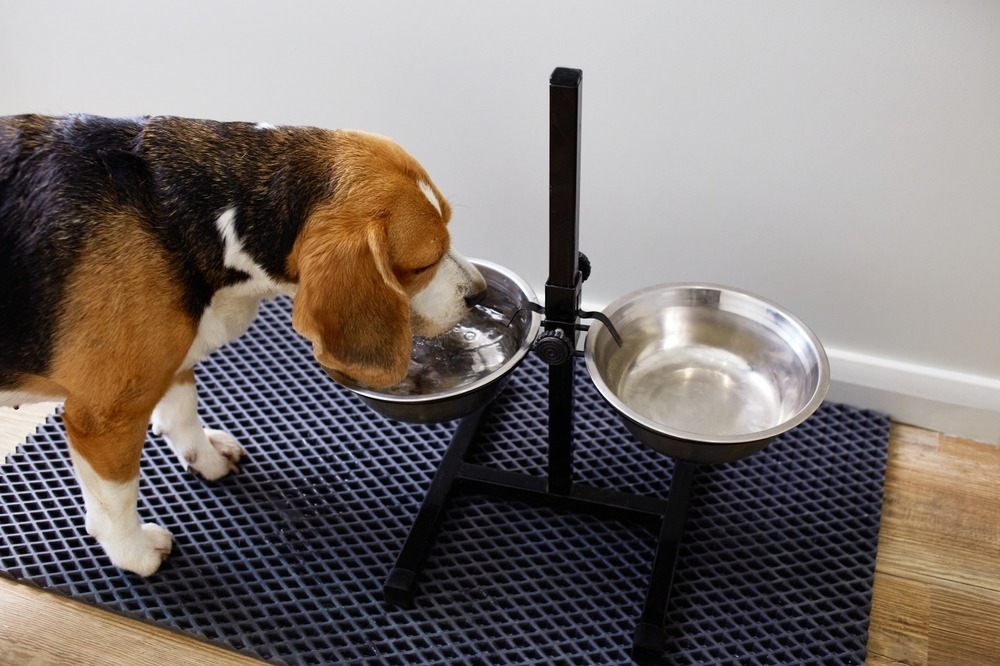
Water is often overlooked, yet it is essential for digestion, circulation, temperature regulation, and organ function. Dogs should have constant access to fresh, clean water, especially in Australia’s warm climate. Dehydration can develop quickly and become dangerous if not addressed.
Water needs vary depending on size, diet, activity level, and weather. Dogs eating dry food generally require more water than those on wet or fresh diets. Increased panting, exercise, heat exposure, illness, and nursing all raise hydration needs.
Signs of dehydration include lethargy, dry gums, reduced appetite, and dark urine. Encouraging water intake can include placing multiple water bowls around the home, refreshing water regularly, and offering ice cubes in hot weather. Proper hydration supports digestion, joint health, and overall wellbeing.
Treats, Snacks, and Human Foods
Treats play an important role in training and bonding, but they can easily undermine your dog’s nutrition if overused. Treats should make up no more than 10% of your dog’s daily calorie intake. Overfeeding snacks is one of the most common causes of weight gain in Australian dogs.
Choose treats with simple, recognisable ingredients and avoid those high in sugar, salt, or artificial additives. Training treats should be small and low-calorie so they reward behaviour without excess energy intake.
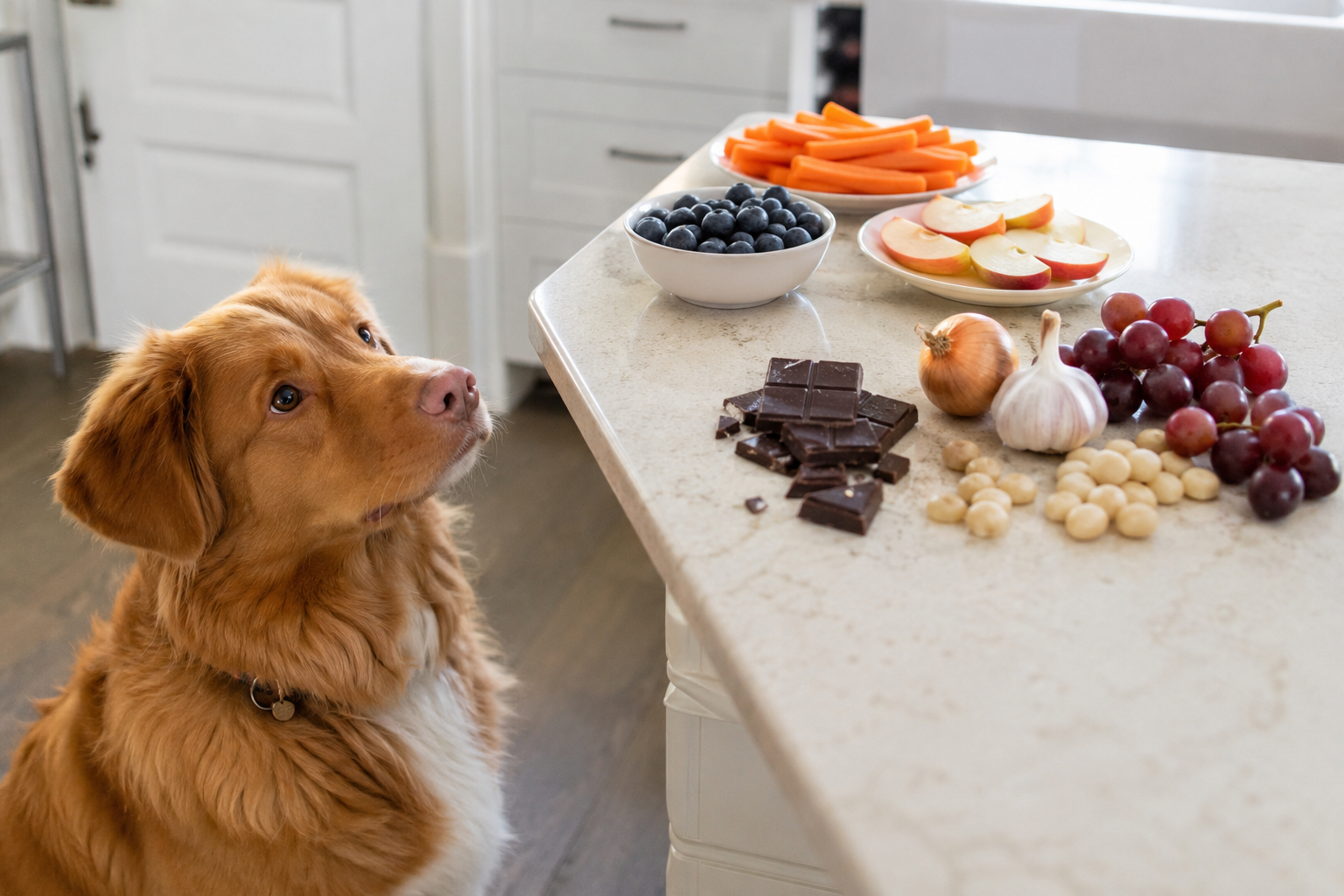
Some human foods are safe for dogs in moderation, including lean cooked meats, carrots, apples without seeds, and plain pumpkin.
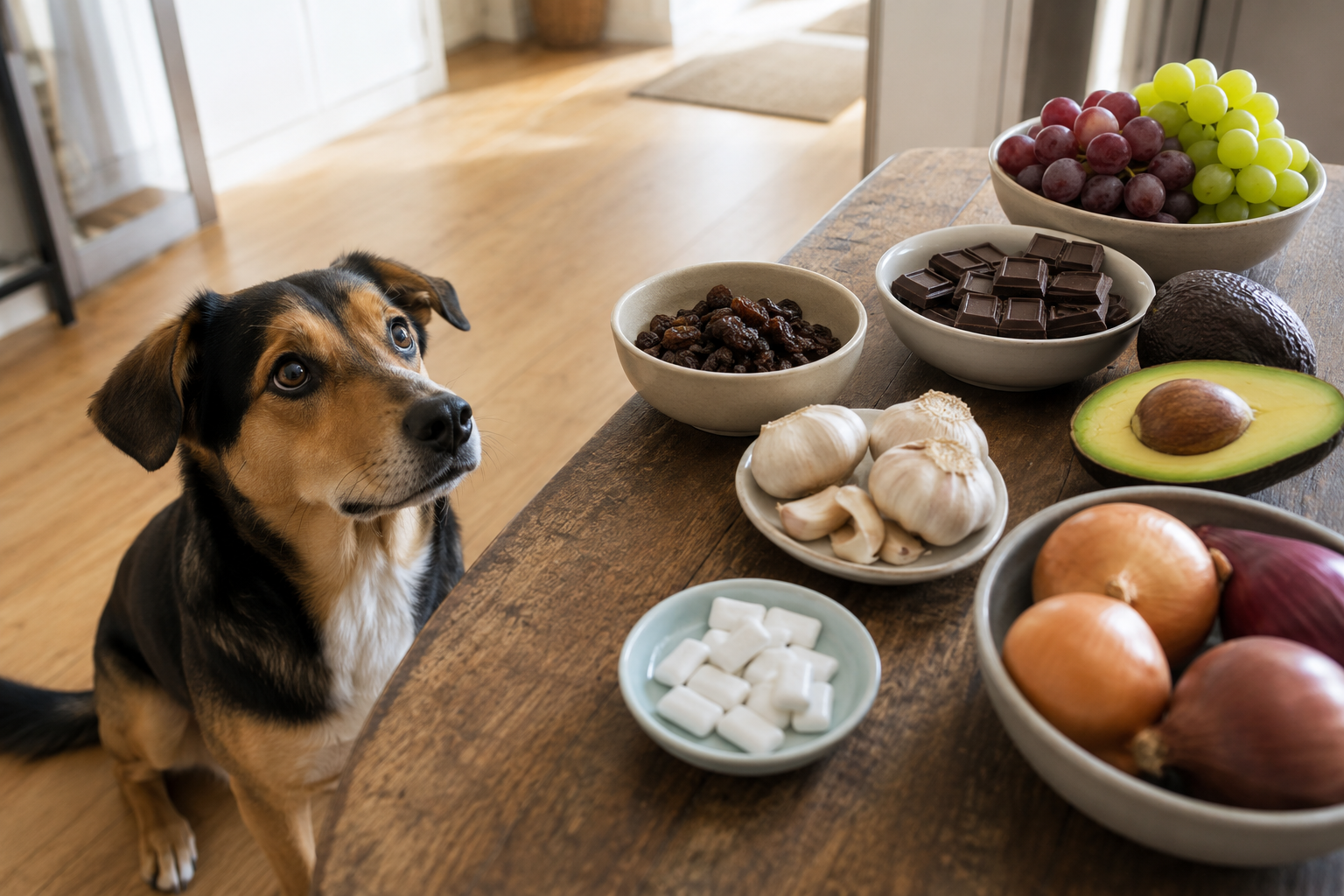
However, many common foods are toxic. Chocolate, grapes, raisins, onions, garlic, xylitol, and alcohol should never be given. When in doubt, do not share. Smart treat choices support training success without compromising health.
Supplements: When Are They Necessary?

Here’s when dog supplements are genuinely necessary, helping Aussie owners avoid unnecessary products while supporting health where diet alone may fall short.
- Veterinary recommendation first: Supplements should only be used when advised by a vet, as unnecessary supplementation can cause imbalances or interfere with existing health conditions.
- Joint and mobility support: Supplements like glucosamine or omega fatty acids may support joint health in ageing dogs or those with arthritis when combined with a proper diet and exercise.
- Skin, coat, and allergy support: Omega oils or specific supplements can help manage dry skin or allergies, but only when dietary causes have been assessed.
- Digestive and gut health: Probiotics may assist dogs with digestive upset, antibiotic recovery, or food sensitivities under veterinary guidance.
- Deficiency-related supplementation: Supplements may be necessary when dogs have diagnosed nutrient deficiencies, are on restricted diets, or have medical conditions affecting absorption.
- Avoid over-supplementation risks: More is not better, as excessive vitamins or minerals can lead to toxicity or long-term health complications.
Feeding Dogs With Health Conditions
Here’s how nutrition supports dogs with health conditions, helping manage symptoms, improve comfort, and support treatment plans alongside veterinary care.
1. Diets for Skin Allergies and Food Sensitivities
Dogs with allergies often benefit from limited-ingredient or hypoallergenic diets designed to reduce inflammatory responses.
Novel protein or hydrolysed diets can help identify triggers while supporting skin health. Dietary management works best when guided by a vet, as treating symptoms alone rarely resolves chronic allergy issues long-term.
2. Nutrition for Joint and Mobility Conditions
Dogs with arthritis or joint disease benefit from diets that support weight control and reduce inflammation. Foods enriched with omega fatty acids, joint-support nutrients, and appropriate protein levels help maintain mobility. Managing body condition through diet reduces joint strain and improves comfort alongside veterinary treatment.
3. Feeding Dogs With Digestive Disorders
Digestive conditions often require highly digestible, balanced diets that reduce gastrointestinal stress. Prescription foods may be recommended for chronic diarrhoea, pancreatitis, or sensitive stomachs. Gradual transitions and consistent feeding routines support gut health and reduce flare-ups under veterinary supervision.
4. Diets for Heart and Kidney Disease
Dogs with heart or kidney conditions need carefully formulated diets that manage sodium, phosphorus, and protein levels. These diets support organ function while maintaining nutrition. Veterinary guidance is essential, as incorrect feeding can worsen disease progression rather than improve outcomes, so the diet should fit within your dog’s wider health and vet care plan.
5. Supporting Dogs With Diabetes or Weight-Related Conditions
Managing diabetes and obesity relies heavily on consistent feeding schedules, portion control, and appropriate carbohydrate levels. Specialised diets help regulate blood sugar and promote healthy weight loss. Nutritional consistency plays a critical role in supporting treatment success and overall stability.
Feeding Schedules, Routines, and Behaviour

Here’s how feeding schedules and routines influence behaviour, digestion, and emotional stability, helping dogs feel secure and reducing common food-related problems.
1. Consistent Feeding Times Create Predictability
Feeding your dog at the same time each day helps regulate digestion and sets clear expectations. Predictable routines reduce anxiety, prevent begging, and support better toilet habits.
Dogs thrive on structure, and consistent meal times help stabilise energy levels while reinforcing calm behaviour around food rather than excitement or stress.
2. Scheduled Meals Support Better Behaviour
Moving away from free feeding helps dogs associate food with routine rather than constant availability. Scheduled meals reduce food guarding, improve appetite regulation, and support training using food motivation.
Dogs fed on a routine are often calmer and more focused, as they understand when food is coming and do not feel the need to compete or demand.
3. Feeding and Training Work Best Together
Using meals as part of training builds impulse control and reinforces good behaviour. Asking for simple cues before feeding teaches patience and focus.
This approach turns mealtime into a learning opportunity, strengthening communication while preventing pushy or demanding behaviour that can develop around food.
4. Routine Reduces Stress and Digestive Upset
Irregular feeding times can contribute to digestive issues, restlessness, and anxiety. Consistent routines help regulate gut function and reduce stress-related behaviours. Dogs feel more secure when daily patterns are predictable, supporting both emotional wellbeing and long-term digestive health. Serving meals at a dedicated feeding station in the same quiet spot each day adds to that predictability.
Common Dog Feeding Mistakes to Avoid
Here are the most common dog feeding mistakes Aussie owners make, explained clearly so you can avoid long-term health issues caused by habits that seem harmless.
- Overfeeding and incorrect portions: Many owners rely on guesswork or generous scoops, leading to gradual weight gain, joint strain, and increased risk of diabetes, heart disease, and reduced lifespan over time.
- Too many treats and extras: Treats, chews, and table scraps add hidden calories that are rarely adjusted for in meals, quickly disrupting nutritional balance and contributing to obesity and digestive upset.
- Changing food too quickly: Sudden diet changes shock the digestive system, often causing diarrhoea, vomiting, or refusal to eat. Gradual transitions allow gut bacteria to adjust safely.
- Feeding the wrong life stage: Puppies, adults, and senior dogs have different nutritional needs. Feeding inappropriate life-stage food can cause growth issues, weight problems, or nutrient deficiencies.
- Believing marketing over nutrition: Labels using terms like premium, natural, or grain-free can mislead owners into ignoring ingredient quality and nutritional balance that truly matter.
- Ignoring weight and condition changes: Failing to monitor body condition allows small changes to go unnoticed until weight-related health problems become harder and more expensive to manage.
Feed With Confidence. Fuel a Healthier Life
Good nutrition is one of the most powerful tools you have as a dog owner.
The right food, portions, and routines support a healthy weight, strong joints, better digestion, and steady energy at every life stage. When feeding is done well, many common health issues can be reduced or avoided altogether.
There is no single perfect diet for every dog.
Age, size, activity level, and health all matter. Staying informed and adjusting as your dog changes helps you make better decisions with confidence, not guesswork.
PUPS4SALE connects Aussie owners and breeders who care about health, nutrition and lifelong wellbeing, whether you are browsing puppies for sale or planning a litter. Breeders can also sell puppies responsibly through the platform.
FAQs: Dog Nutrition and Feeding
1. How many times a day should I feed my dog?
Most adult dogs do well with two meals a day, morning and evening. Puppies usually need three to four smaller meals to support growth, while seniors may benefit from smaller, more frequent feeds depending on digestion and health needs.
2. How do I know if I am feeding my dog the right amount?
Use feeding guidelines as a starting point, then adjust based on your dog’s weight, activity level and body condition. You should be able to feel their ribs without excess fat. Sudden weight gain or loss is a sign that portions may need adjusting.
3. Is dry food or wet food better for dogs?
Both can be suitable when nutritionally complete. Dry food supports dental health and convenience, while wet food can improve hydration and palatability. Many owners successfully combine both to suit their dog’s preferences and needs.
4. Can dogs eat human food safely?
Some human foods are safe in moderation, but many are harmful. Chocolate, grapes, onions and cooked bones should always be avoided. Treat human food as occasional extras, not meal replacements.
5. When should I change my dog’s diet?
Diet changes may be needed as your dog ages, becomes more active, develops health issues, or shows signs like digestive upset or skin problems. Always transition foods gradually over several days to avoid stomach issues.
6. Do dogs need supplements?
Most dogs do not need supplements if they eat a complete, balanced diet. Supplements should only be used when recommended by a vet, as unnecessary supplementation can cause health issues.
 Add us as a preferred source