How Often Should Dogs Be Fed as Adults?
Dog Nutrition & Feeding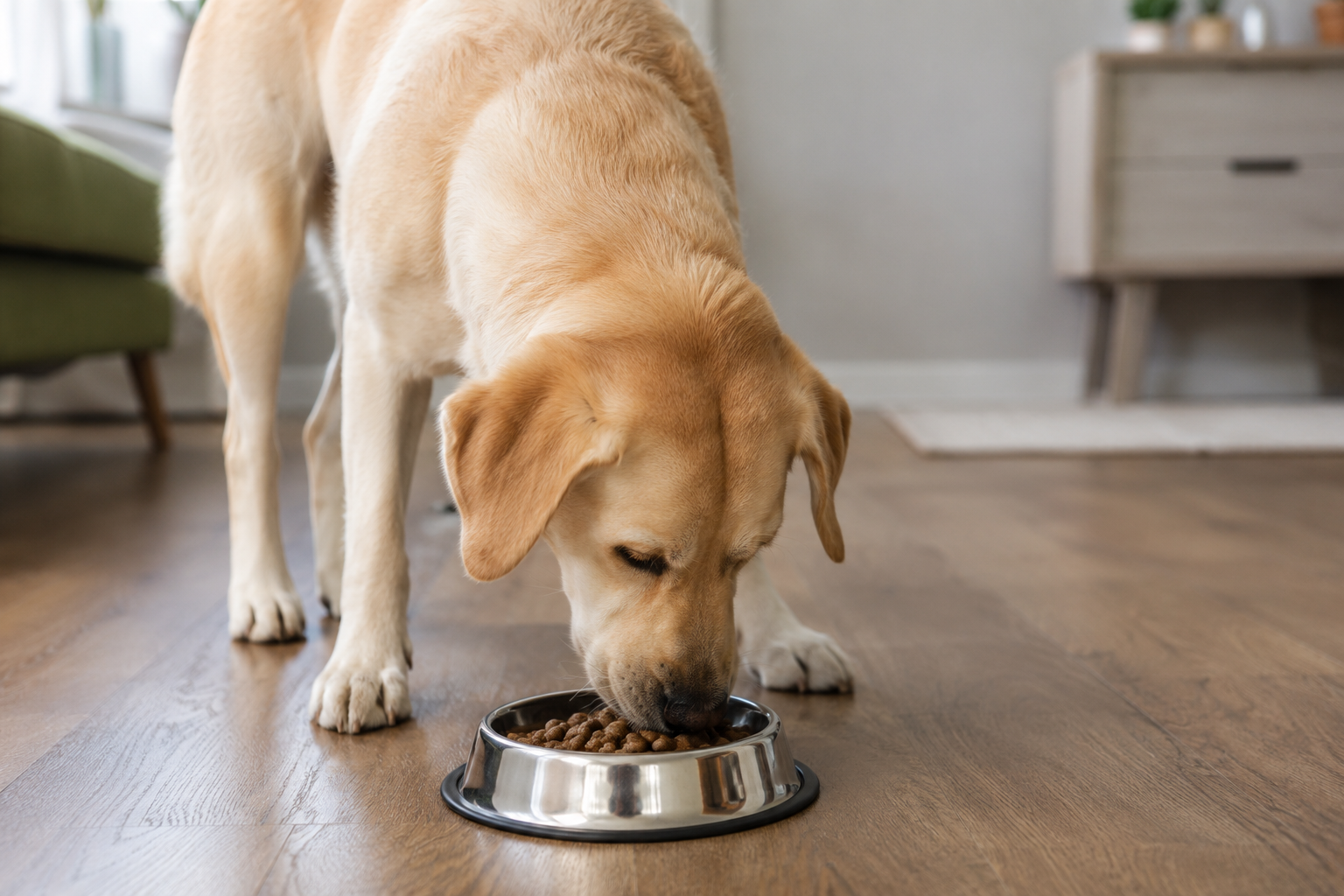 By James C. • June 23, 2026
Feeding routines play an important role in maintaining a dog’s overall health and wellbeing. Many owners ask how often dogs should be fed once they reach adulthood.
Adult dogs usually require fewer meals than growing puppies, but consistent feeding times remain important for digestion and energy balance. Regular meal schedules help dogs maintain healthy eating habits and stable daily routines.
Understanding the right feeding frequency can also help prevent overeating and weight gain. This guide explains how often adult dogs should be fed, what factors influence feeding schedules, and how owners can create a consistent feeding routine that supports long-term health.
Why Feeding Frequency Matters for Adult Dogs
Feeding frequency plays an important role in supporting an adult dog’s digestion, energy levels, and overall health. Providing meals at consistent times helps regulate a dog’s metabolism and allows the digestive system to function more efficiently.
Dogs that follow regular feeding routines often develop predictable hunger patterns and better eating habits.
Consistent feeding schedules can also help maintain stable energy levels throughout the day. When meals are spaced appropriately, dogs receive a steady supply of nutrients that support daily activity, exercise, and normal bodily functions. Irregular feeding times may lead to fluctuations in energy levels or digestive discomfort.
Another important reason feeding frequency matters is weight management. Dogs that are fed measured meals on a schedule are less likely to overeat compared to dogs that have constant access to food. Controlled feeding helps prevent obesity, which is a common health concern among adult dogs.
Regular feeding routines also make it easier for owners to monitor their dog’s appetite. Changes in eating behaviour may signal health issues, allowing owners to recognise potential problems earlier.
Recommended Feeding Frequency for Adult Dogs

Different feeding schedules can suit adult dogs depending on their health, activity level, and lifestyle. Understanding common feeding routines helps owners choose the most suitable approach.
1. Feeding Adult Dogs Twice Per Day
Feeding adult dogs twice per day is the most widely recommended schedule by veterinarians. Dividing the daily food portion into morning and evening meals helps maintain steady energy levels and supports digestion.
This routine also prevents excessive hunger and reduces the likelihood of overeating. For most breeds and lifestyles, two meals daily provide a balanced and practical feeding structure.
2. Feeding Adult Dogs Once Per Day
Some adult dogs are fed once per day, particularly if they maintain a healthy weight and show no digestive problems. This feeding routine may suit certain dogs with lower activity levels.
However, large single meals can sometimes cause discomfort or digestive stress. Owners should monitor body condition, energy levels, and appetite carefully if using a once-daily feeding schedule.
3. Feeding Smaller Meals More Frequently
Certain dogs may benefit from three smaller meals spread across the day. This approach may suit highly active dogs, dogs with sensitive digestion, or pets that struggle with large meals.
More frequent feeding can support steady energy levels and reduce digestive strain, especially in dogs with specific dietary needs recommended by veterinarians.
Factors That Affect Adult Dog Feeding Frequency
Feeding schedules are not the same for every dog. Several factors influence how often adult dogs should eat to maintain a healthy weight and balanced energy.
- Breed Size and Metabolism: Small breed dogs often have faster metabolisms and may benefit from slightly more frequent meals, while larger breeds typically maintain stable energy levels with two well-balanced meals each day.
- Activity Level: Highly active dogs burn more calories and may require carefully timed meals to maintain energy levels. Less active dogs usually maintain a healthy weight with standard feeding schedules and controlled portions.
- Age and Health Status: Senior dogs or dogs with medical conditions may require adjusted feeding routines. Veterinarians sometimes recommend smaller, more frequent meals to support digestion and manage certain health concerns.
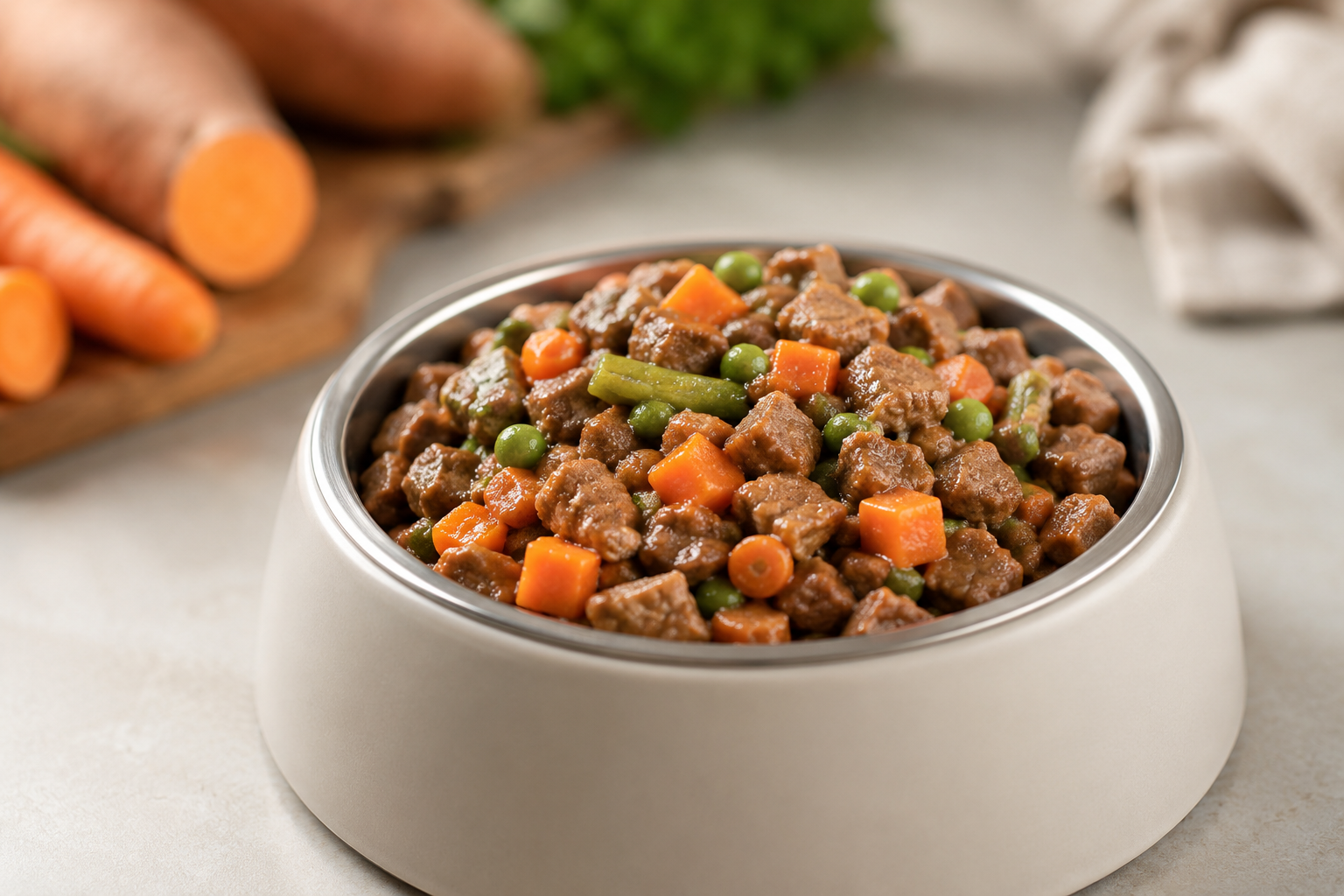
- Type of Dog Food: Different foods vary in calorie density and digestion speed, and the choice between wet and dry food can play a part. Nutrient-dense dry food may require smaller portions, while other diets may be divided into multiple meals depending on feeding recommendations.
- Lifestyle and Daily Routine: Household schedules can influence feeding times. Maintaining consistent meal times each day helps dogs develop predictable routines and supports healthy digestion and behaviour.
Portion Control and Balanced Nutrition
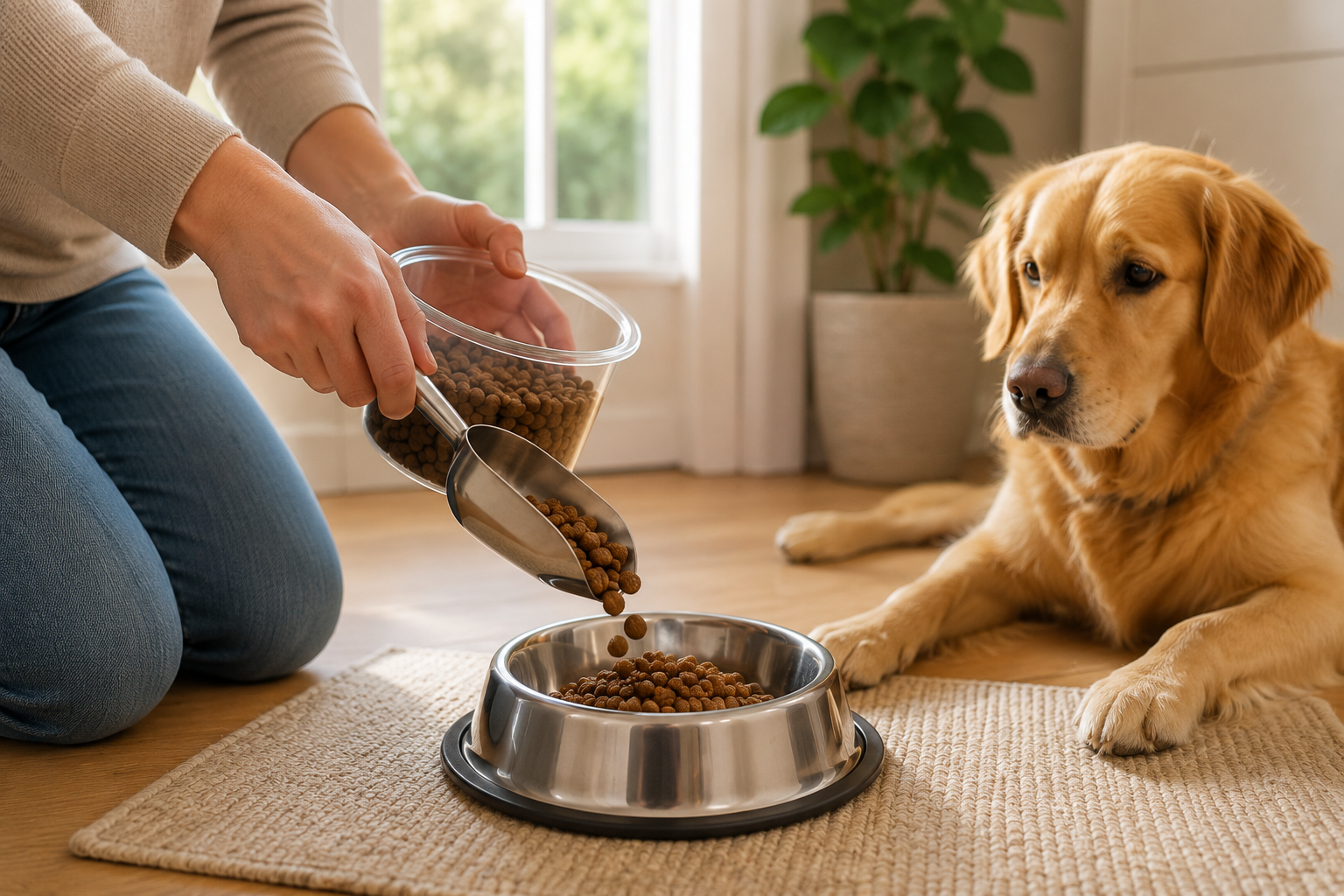
Feeding frequency is important, but portion control and balanced nutrition play an equally important role in maintaining your dog’s health. Even when dogs are fed at the correct times, giving too much or too little food can affect their weight, energy levels, and overall wellbeing.
Most commercial dog foods provide feeding guidelines on the packaging based on a dog’s weight, age, and activity level. These guidelines offer a useful starting point for determining the correct daily portion. Owners can divide this total amount into two meals per day to maintain a consistent feeding routine.
It is also important to consider the nutritional balance of the diet. Adult dogs require a combination of protein, healthy fats, carbohydrates, vitamins, and minerals to support muscle maintenance, immune function, and daily energy needs. Choosing a complete and balanced dog food helps ensure these requirements are met.
Activity level should also influence portion sizes. Highly active dogs may need slightly larger meals, while less active dogs require controlled portions to prevent weight gain. Regularly monitoring your dog’s body condition helps ensure their diet remains appropriate over time.
Signs Your Dog’s Feeding Routine Is Working

A healthy feeding routine supports digestion, energy levels, and proper body condition. These signs indicate that your dog’s current feeding schedule is working well.
- Healthy Body Weight: Dogs with an effective feeding routine maintain a stable body weight. Their ribs should be easily felt but not visible, indicating balanced nutrition and appropriate calorie intake.
- Consistent Energy Levels: Dogs receiving proper nutrition usually remain active, playful, and alert throughout the day. Stable energy levels suggest that their meals provide enough nutrients and calories to support daily activity.
- Regular Digestion: Healthy digestion is often reflected in firm, regular stools and minimal digestive upset. Consistent bowel movements can indicate that the feeding routine and portion sizes suit the dog’s digestive system.
- Healthy Skin and Coat: A balanced feeding schedule supports good nutrition, which contributes to healthy skin and a shiny coat. Poor nutrition often appears through dull fur or skin irritation.
- Strong Appetite at Mealtimes: Dogs with a suitable feeding routine typically show interest in their meals. A steady appetite without excessive hunger or refusal to eat suggests the feeding schedule is appropriate.
Common Feeding Mistakes Dog Owners Make
Even caring dog owners sometimes make feeding mistakes that affect their dog’s health. Recognising these habits helps prevent weight gain, digestive issues, and poor nutrition.
- Overfeeding Portions: Giving larger portions than recommended can lead to excessive calorie intake. Over time, this may cause unhealthy weight gain, reduced mobility, and increased risk of obesity-related health problems.
- Free Feeding All Day: Leaving food available throughout the day encourages uncontrolled eating. Free feeding can make it difficult to monitor how much your dog consumes and may contribute to overeating or irregular digestion.
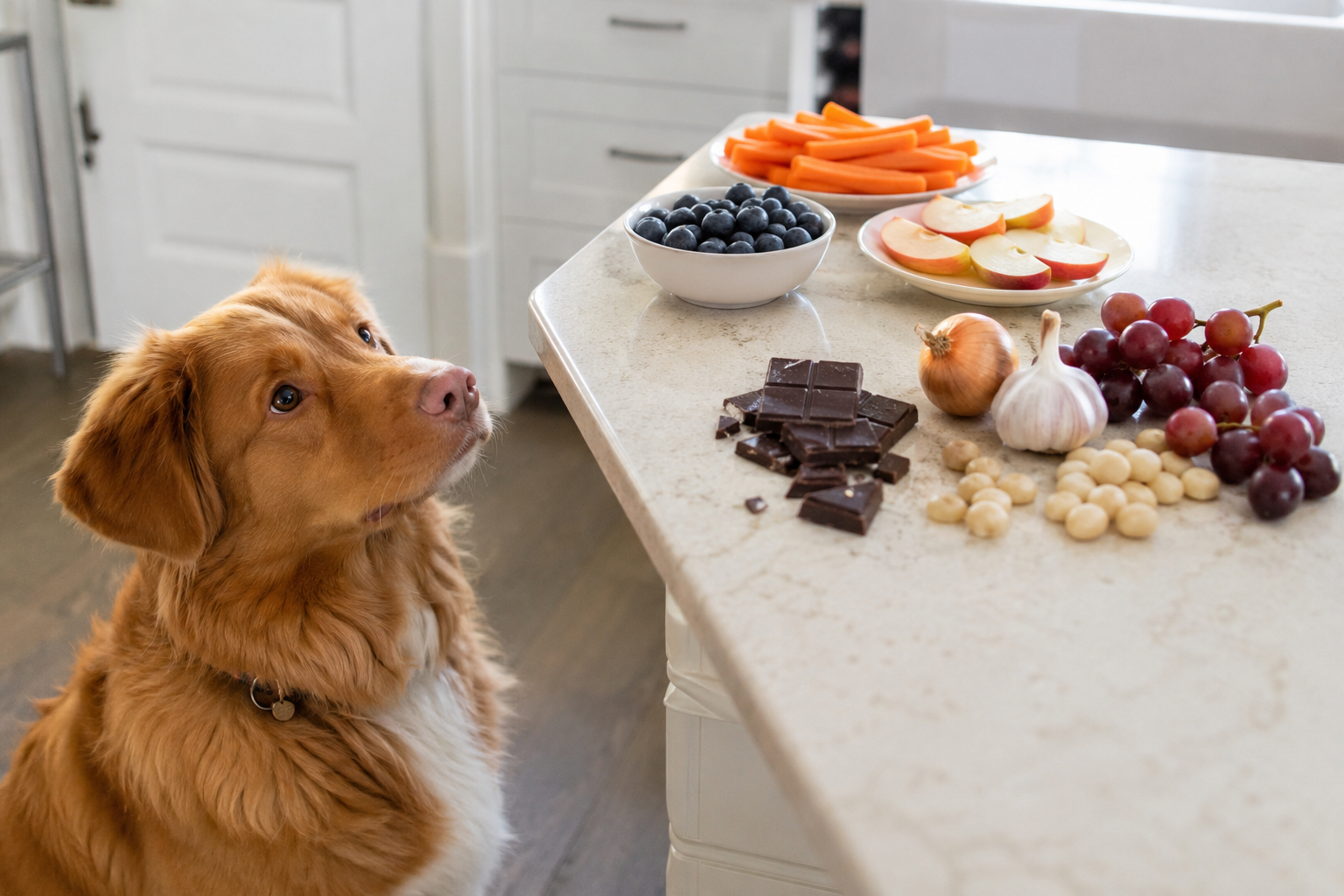
- Too Many Treats: Frequent treats may add extra calories that disrupt a balanced diet, and some human foods are toxic to dogs. When treats exceed recommended amounts, they can reduce appetite for regular meals and contribute to gradual weight gain.
- Irregular Feeding Times: Feeding dogs at inconsistent times can disrupt digestion and routine. Dogs generally respond better to predictable meal schedules that support stable energy levels and healthy eating habits.
- Ignoring Portion Guidelines: Dog food packaging usually includes feeding charts based on weight and activity level. Ignoring these guidelines may result in underfeeding or overfeeding, both of which can affect a dog’s health.
Feeding Tips for Maintaining a Healthy Routine
Creating a consistent feeding routine helps support digestion, behaviour, and overall health. These practical tips can help maintain a balanced and predictable feeding schedule.
- Feed at the Same Time Daily: Dogs thrive on predictable routines. Feeding meals at the same times each day helps regulate digestion, supports stable energy levels, and reduces anxiety related to unpredictable feeding schedules.
- Measure Food Portions Carefully: Using a measuring cup helps ensure your dog receives the correct portion size. Accurate portions help prevent overfeeding and maintain a healthy body weight over time.
- Limit Treats Between Meals: Excess treats can disrupt a balanced diet and reduce appetite for regular meals. Keeping treats within recommended limits helps maintain proper nutrition and consistent eating habits.
- Provide Fresh Water at All Times: Access to clean drinking water is essential for digestion and hydration. Dogs should always have fresh water available alongside their regular feeding routine.
- Monitor Eating Behaviour: Observing how your dog eats can reveal important health signals. Sudden changes in appetite, eating speed, or food refusal may indicate digestive issues or other health concerns.
Maintain a Healthy Feeding Routine for Your Dog
Feeding schedules play an important role in maintaining your dog’s digestion, energy levels, and overall wellbeing. Most adult dogs thrive when fed two balanced meals each day.
Consistent feeding times and proper portion control help support a healthy body weight and stable metabolism.
For more trusted advice on responsible dog care and nutrition guidance, visit Pups4Sale to help your dog stay healthy, active, and well cared for.
Frequently Asked Questions
1. How many times per day should adult dogs be fed?
Most adult dogs are typically fed twice per day, once in the morning and once in the evening. This feeding routine helps maintain stable energy levels, supports healthy digestion, and reduces the likelihood of overeating during meals.
2. Is it better to feed dogs once or twice daily?
Feeding dogs twice daily is commonly recommended because it supports digestion and maintains steady energy levels. While some dogs tolerate once-daily feeding, dividing meals into two portions is generally considered healthier for most adult dogs.
3. Can adult dogs eat only one meal per day?
Yes, some adult dogs can adapt to one meal per day, particularly if they are healthy and maintain a stable weight. However, many veterinarians prefer two meals daily to support digestion and reduce hunger between meals.
4. Do small dogs need more frequent meals?
Small breeds often have faster metabolisms and may benefit from two or sometimes three smaller meals per day. Dividing food into smaller portions can help maintain steady energy levels and prevent excessive hunger.
5. What time of day should adult dogs be fed?
Most owners feed adult dogs once in the morning and once in the evening. Keeping feeding times consistent each day helps regulate digestion, establish a routine, and allows owners to monitor appetite changes.
6. Should feeding schedules change as dogs age?
Yes. As dogs become seniors, their metabolism, digestion, and activity levels may change. Some older dogs benefit from smaller, more frequent meals or adjusted portion sizes to maintain a healthy weight and digestion.
 Add us as a preferred source