Can Dogs Eat Human Food Safely?
Dog Nutrition & Feeding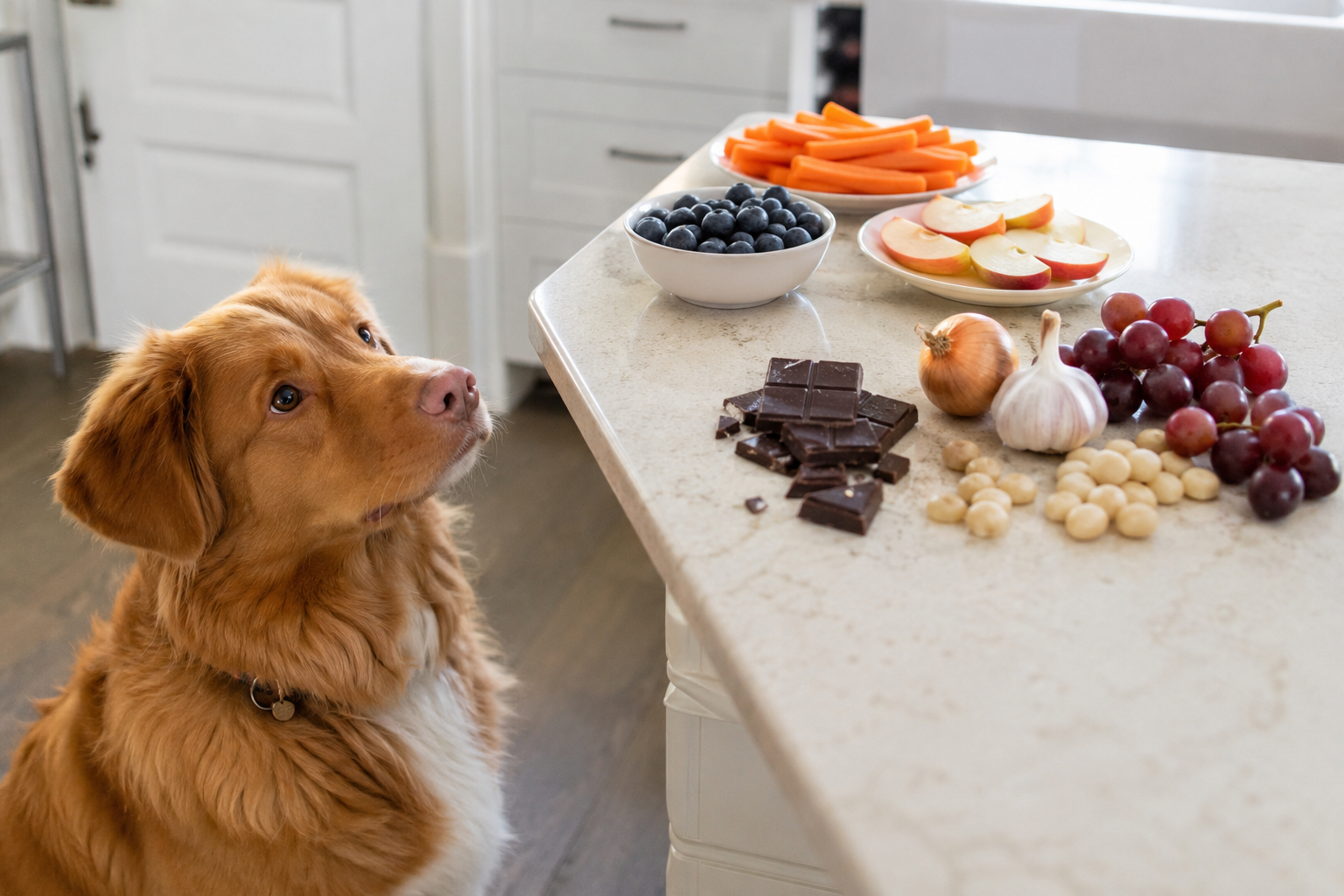 By James C. • June 23, 2026
Dogs can eat some human foods safely in small amounts, but several common foods are toxic and should never be shared. Knowing which is which protects your dog and saves a stressful trip to the vet.
This guide covers the human foods that are safe in moderation, the ones that are genuinely dangerous, how to serve food safely, how much is sensible, and exactly what to do if your dog eats something it should not.
Can dogs eat human food safely? The short answer
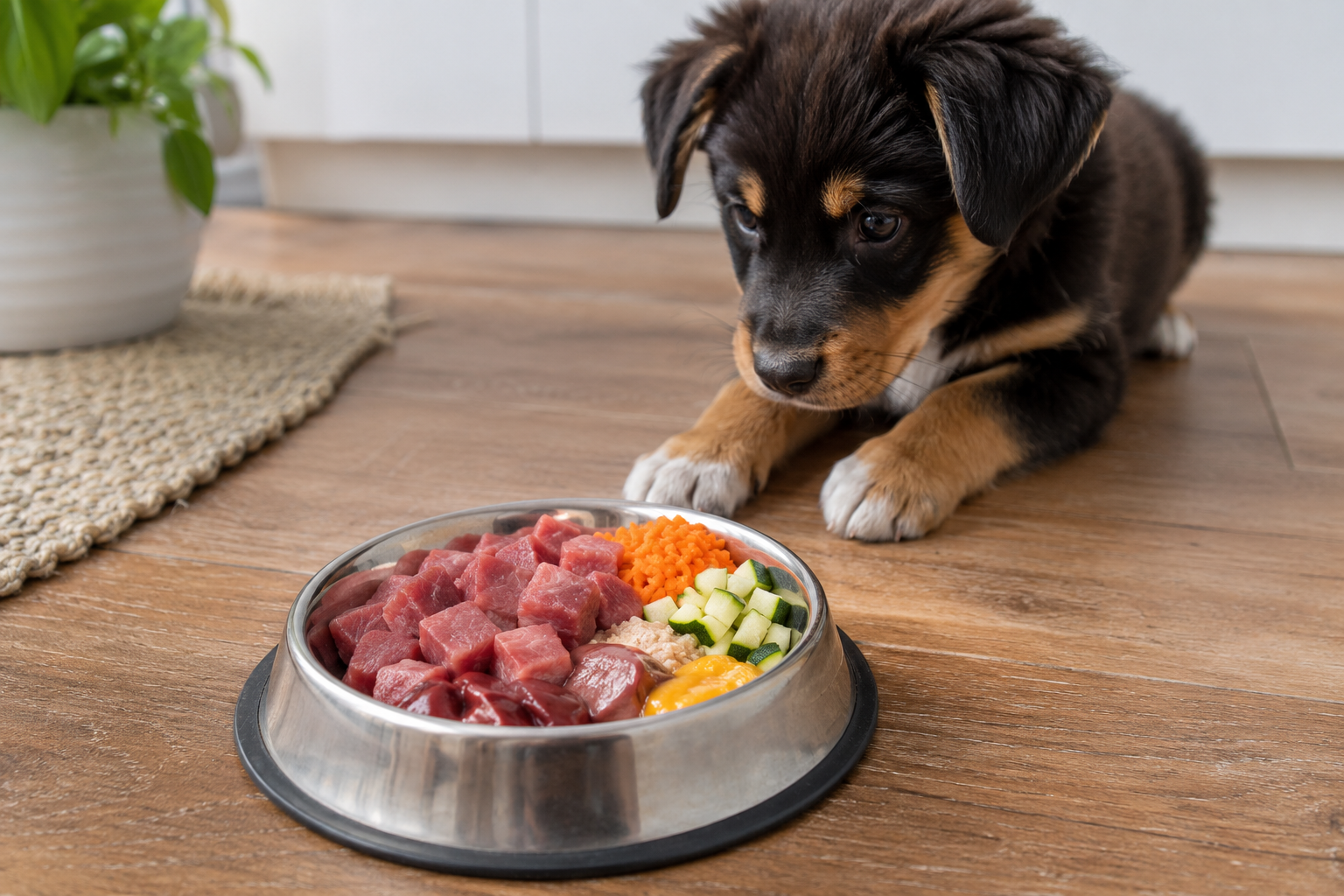
Yes, many human foods are safe for dogs in moderation, but some are toxic, so the safe approach is to treat human food as an occasional extra rather than a meal. Plenty of plain, whole foods are perfectly fine in small amounts, while a handful of everyday items can make a dog seriously unwell.
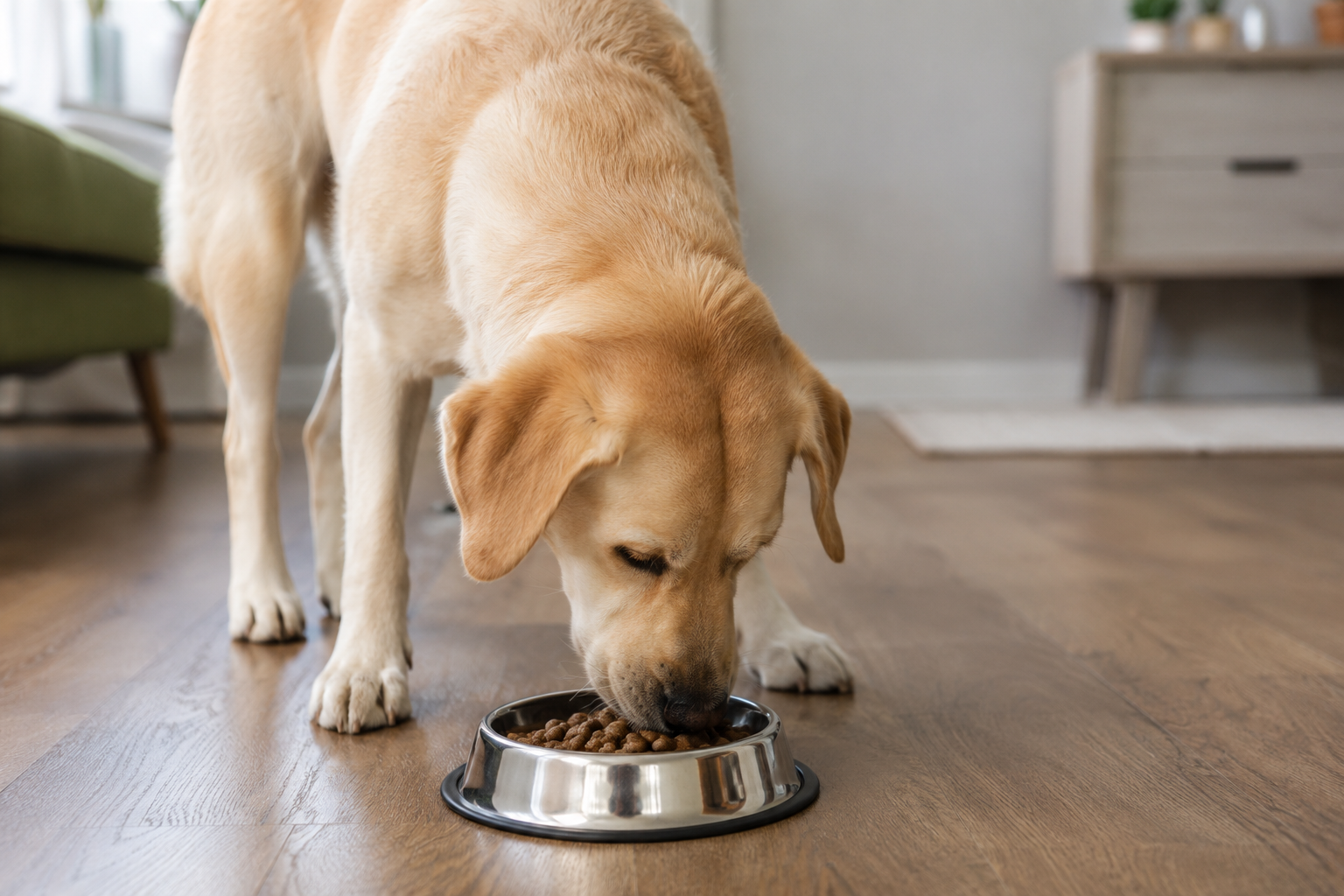
The guiding principle is simple. A complete and balanced dog food should make up the bulk of the diet, and human food sits on top as a treat. A widely used veterinary guideline is the 10 percent rule, where treats and extras make up no more than 10 percent of daily calories so the main diet stays balanced.
This matters because sharing food is one of the easiest ways for a problem to creep in. A few safe vegetables are harmless, but table scraps that are salty, fatty or cooked with onion and garlic are a different story. The clear lists below show what is safe so you can share with confidence. Any extras you share should still fit within a balanced daily diet for dogs.
Human foods that are safe for dogs in moderation
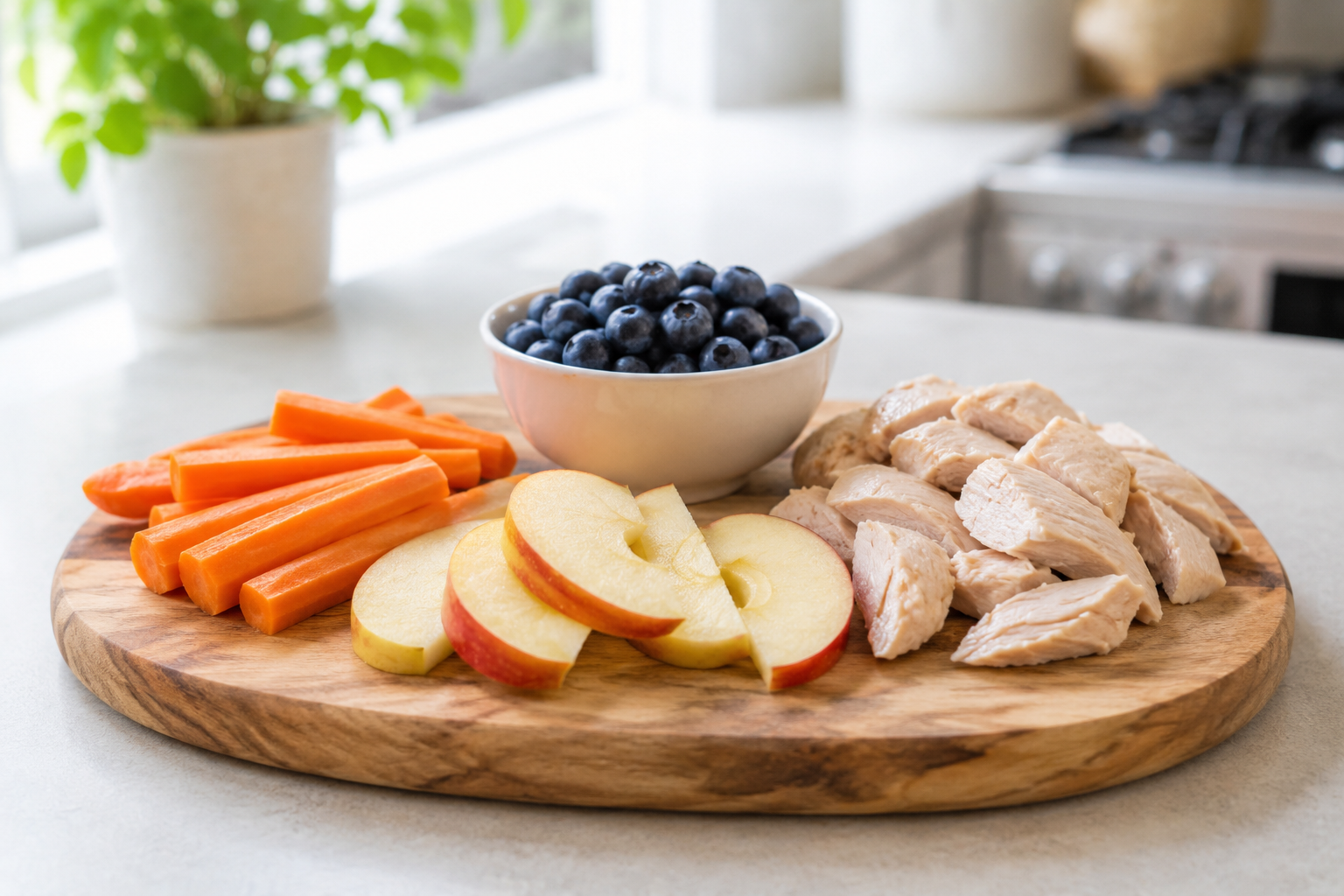
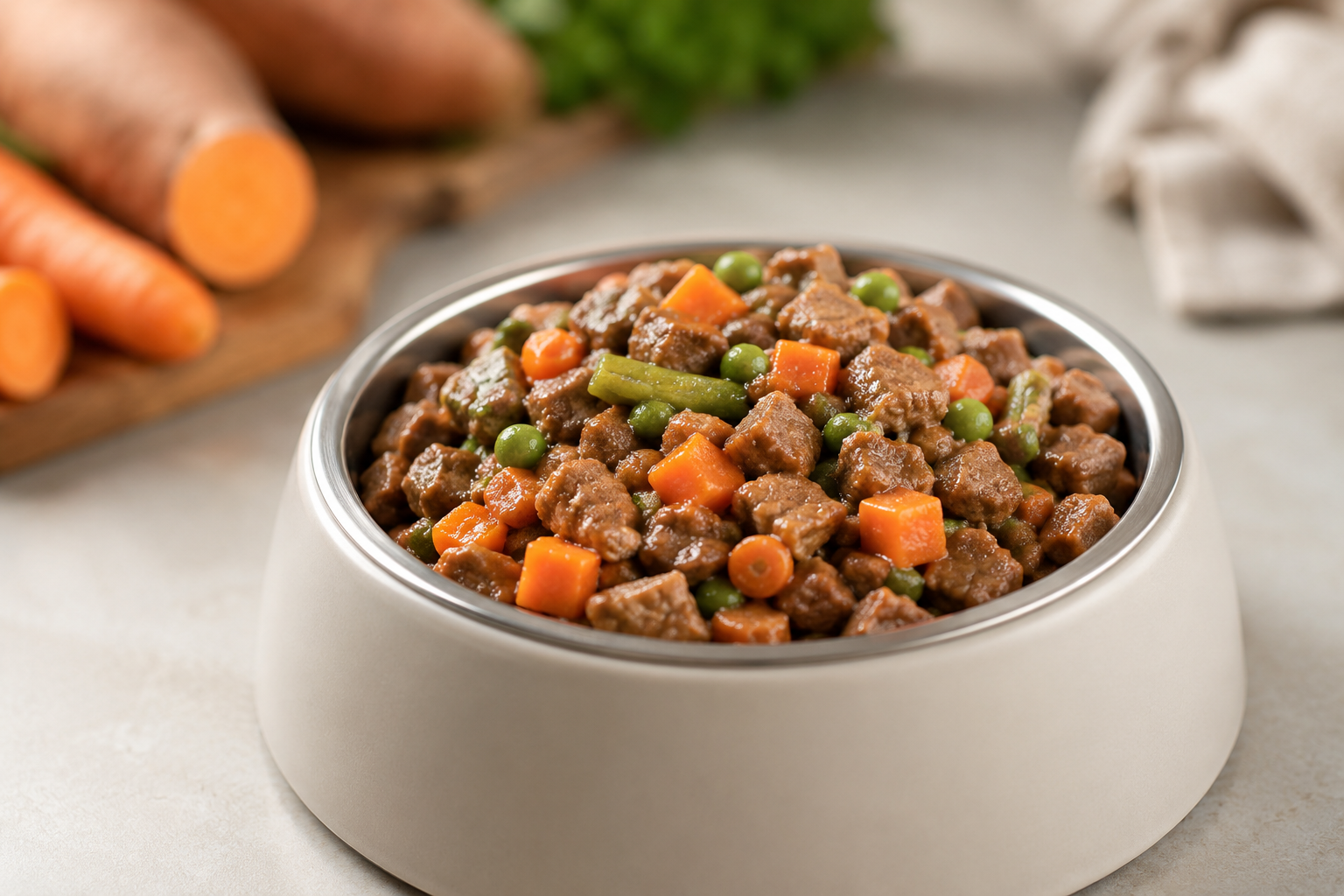
Many plain, unseasoned whole foods are safe for dogs as an occasional treat. The key is to serve them plain, in small amounts, and without salt, sugar, oil or sauces. The table below covers some of the most useful options.
| Safe food | How to serve it |
|---|---|
| Lean cooked meat (chicken, turkey) | Plain, boneless and skinless, with no seasoning |
| Cooked egg | Fully cooked and plain, a protein-rich treat |
| Carrot | Raw or cooked, low in calories and good for chewing |
| Pumpkin | Plain cooked or tinned with no added sugar or spice |
| Green beans | Plain, with no salt or butter |
| Apple (no core or seeds) | Cut into bite-size slices, with pips removed |
| Blueberries | A few at a time as a small treat |
| Plain cooked rice | Gentle on the stomach, useful for sensitive tummies |
| Small amounts of plain cheese or plain yoghurt | Tiny portions only, since some dogs are sensitive to dairy |
Introduce any new food in a small amount first and watch for any tummy upset over the next day. Every dog is different, and a food that suits one may not suit another. If your dog has a health condition or is on a special diet, it is best to check with your veterinarian before adding extras.
Human foods that are toxic to dogs
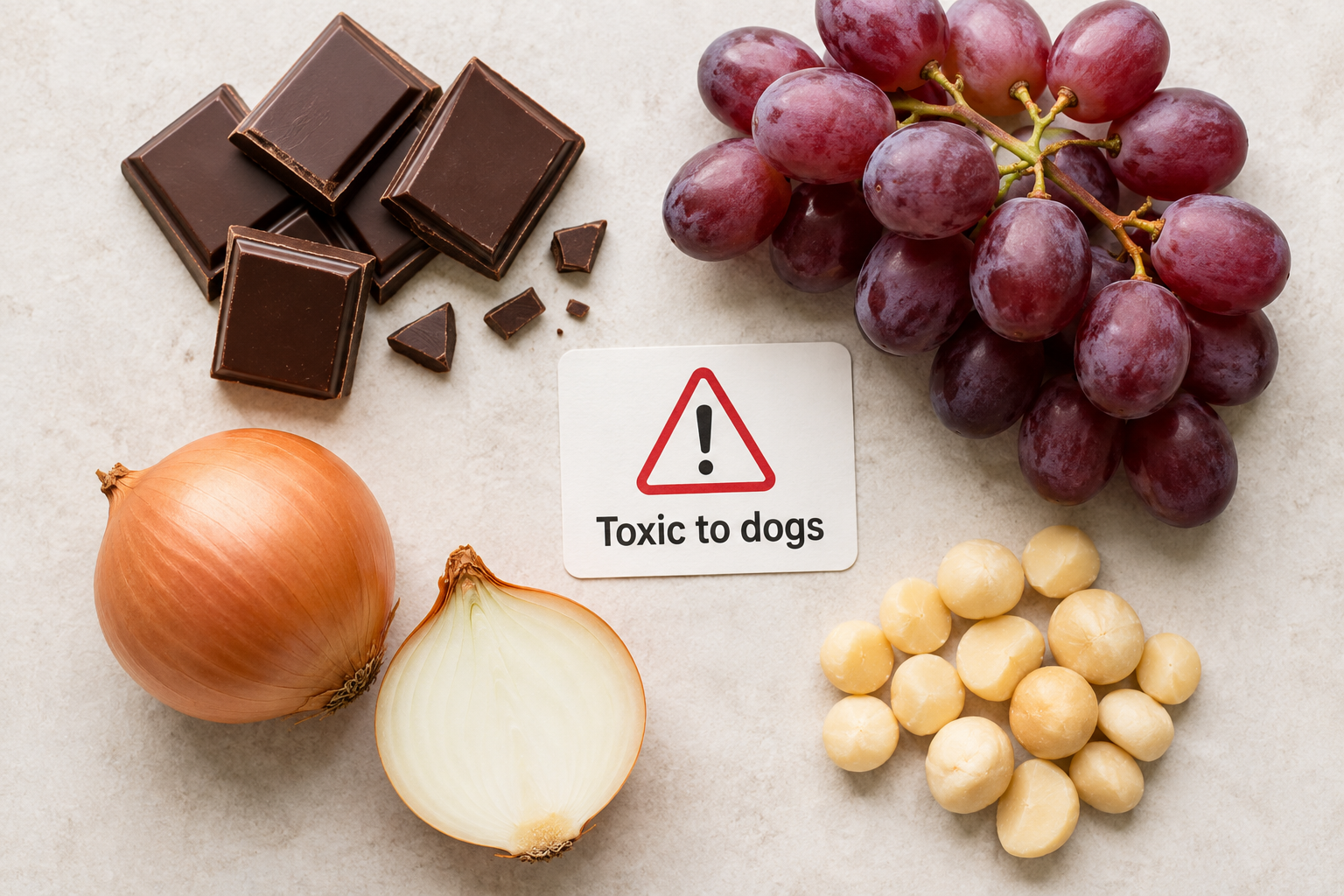
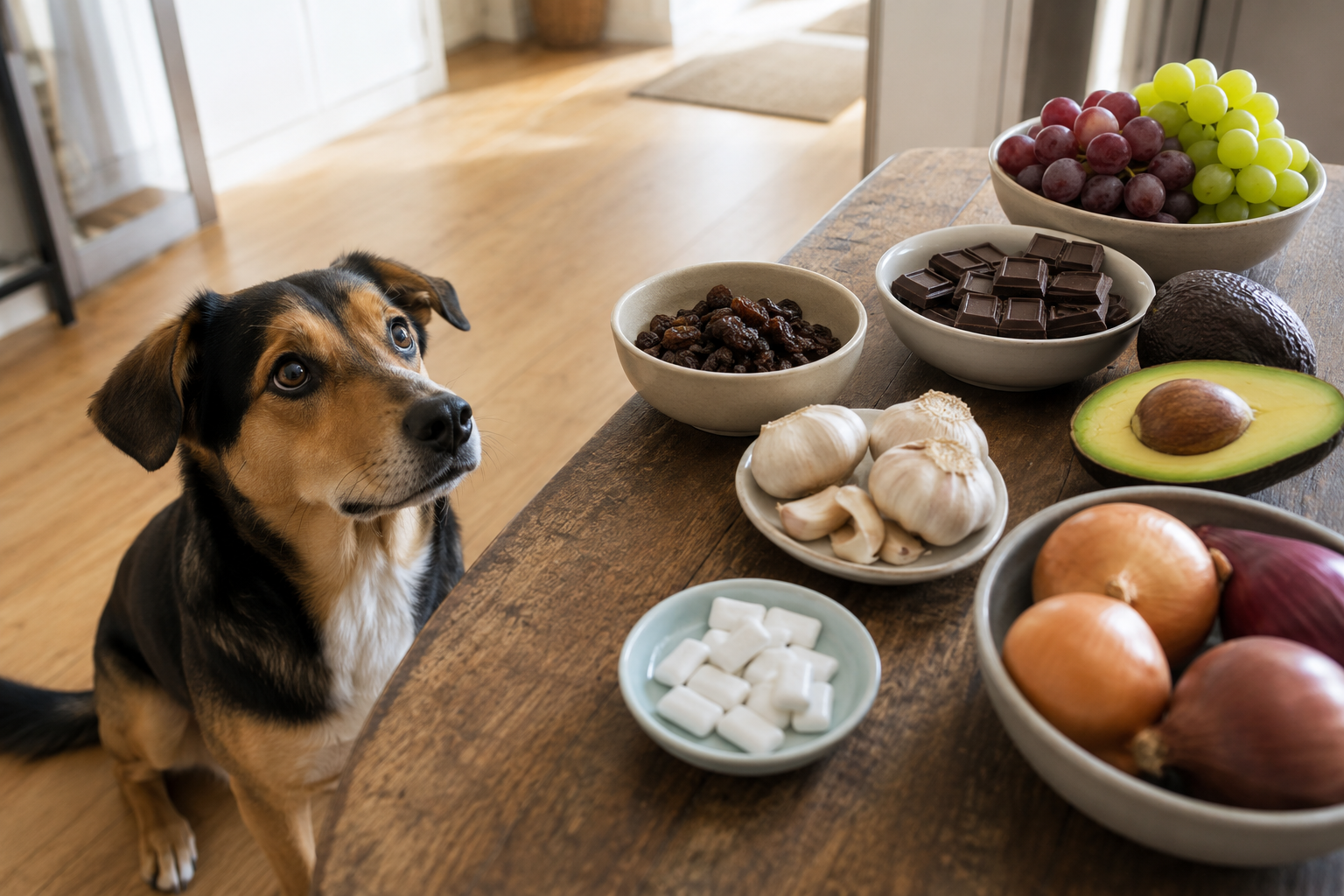
Several common foods are toxic to dogs and should never be shared, even in small amounts. Some are well known, while others hide in everyday meals and sweets. Australian welfare and poison services list the following among the foods to keep well away from dogs.
| Toxic food | Why it is dangerous |
|---|---|
| Chocolate | Contains theobromine and caffeine, which dogs cannot process well |
| Grapes, raisins and sultanas | Can cause kidney injury, with no amount considered safe |
| Onion, garlic, leek and chives | Damage red blood cells, whether raw, cooked or in powders |
| Xylitol (sweetener) | Found in some peanut butter, gum and baked goods, and very dangerous |
| Macadamia nuts | Can cause weakness, tremors, vomiting and fever |
| Caffeine (coffee, tea, energy drinks) | A stimulant that is toxic to dogs |
| Alcohol | Toxic even in small amounts |
| Avocado | Contains persin, and the stone is a choking and blockage risk |
| Cooked bones | Can splinter and cause choking or internal injury |
| Excess salt and very fatty foods | Salt can cause poisoning, and fatty foods can trigger pancreatitis |
| Raw bread dough | Yeast expands and produces alcohol in the stomach |
This is not a complete list, so when you are unsure about a food, the safest choice is to leave it out. Welfare guidance such as the RSPCA’s list of foods dogs should not eat is a useful reference to keep on hand.
How to serve human food safely
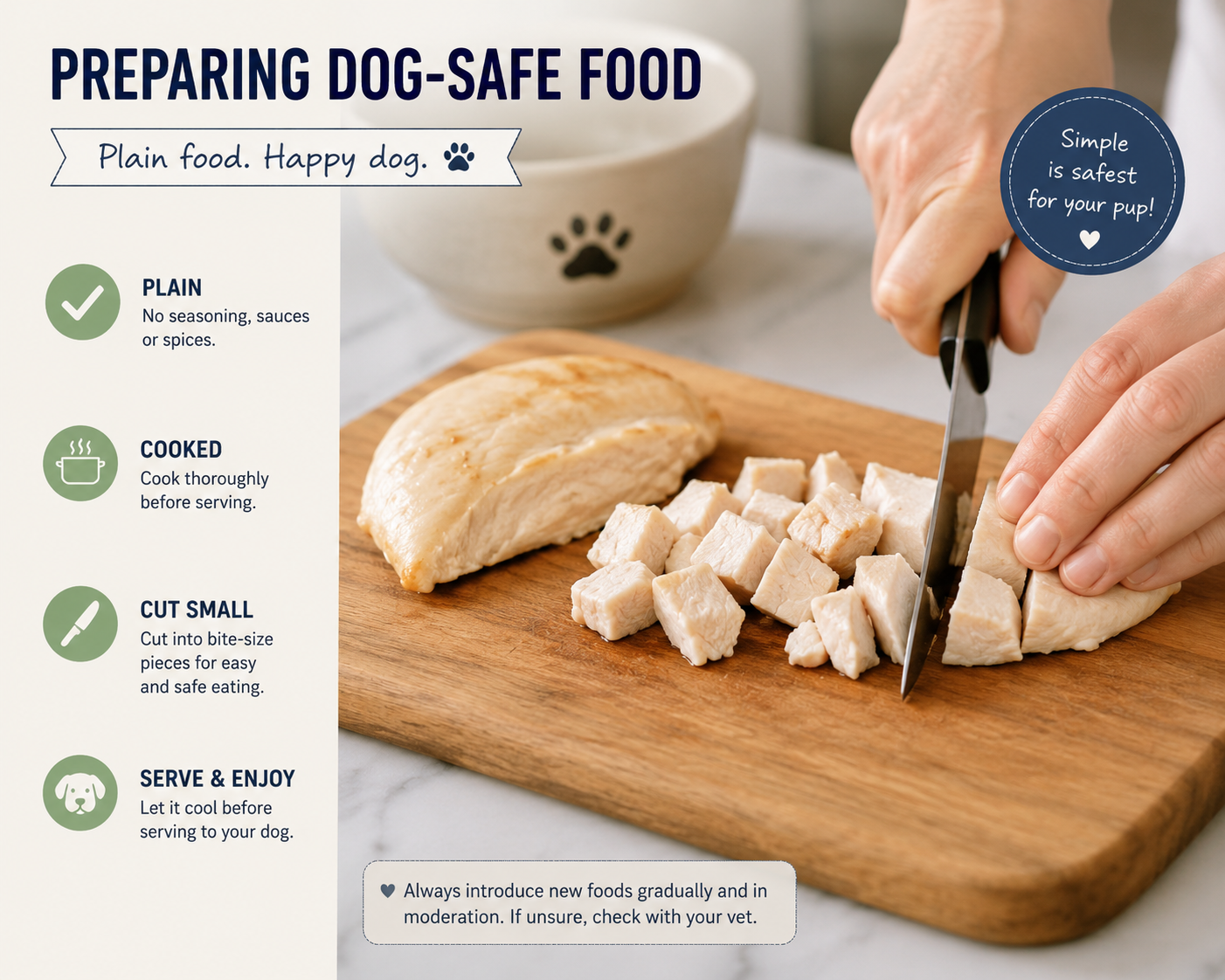
Serve human food plain, cooked where needed, and free of salt, sugar, oil and seasoning. Most problems come not from the core ingredient but from how it is prepared. A plain steamed carrot is fine, while a roast vegetable cooked in oil, salt and garlic is not.
Cut food into bite-size pieces to lower the risk of choking, especially for small dogs, and remove any seeds, stones, cores or bones. Keep portions small, and remember that anything you add still counts toward the day’s food. Avoid sharing straight from your plate, since seasoned and sauced meals often contain hidden onion, garlic or salt.
Introduce one new food at a time so that if your dog does have an upset stomach, you know the cause. Slow, small introductions make it easy to spot what agrees with your dog and what does not.
How much human food can a dog have?
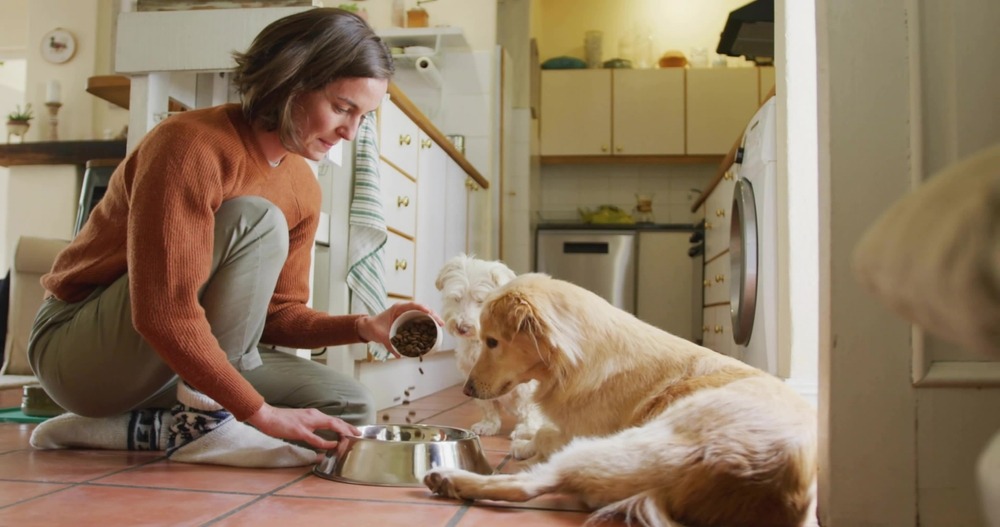
Keep human food to no more than about 10 percent of your dog’s daily calories. The other 90 percent should come from a complete and balanced dog food, which is what keeps the overall diet correct. This 10 percent rule is a simple way to enjoy sharing without unbalancing the diet or adding excess weight.
In practice, the amount scales with your dog’s size. A few small pieces are plenty for a little dog, while a larger dog can have a little more. Treats and extras add up quickly, so it helps to set them aside from the daily food rather than feeding them on top without thinking. If your dog is gaining weight, the easiest place to trim is treats and table food.
Foods that need extra caution
Some foods are not strictly toxic but still carry real risks. Very fatty foods such as fried scraps, sausages and trimmings can upset the stomach and, in some dogs, contribute to pancreatitis, which is painful and serious. It is best to keep rich, oily foods off the menu.
Dairy is another grey area, since some dogs handle small amounts of plain cheese or yoghurt while others get an upset stomach. Cooked bones should be avoided because they can splinter, and raw meat and eggs carry a risk of bacterial contamination, so they are best approached with care and veterinary advice. When something does not agree with your dog, watch for early signs of illness and call your vet if you are worried.
What to do if your dog eats something toxic
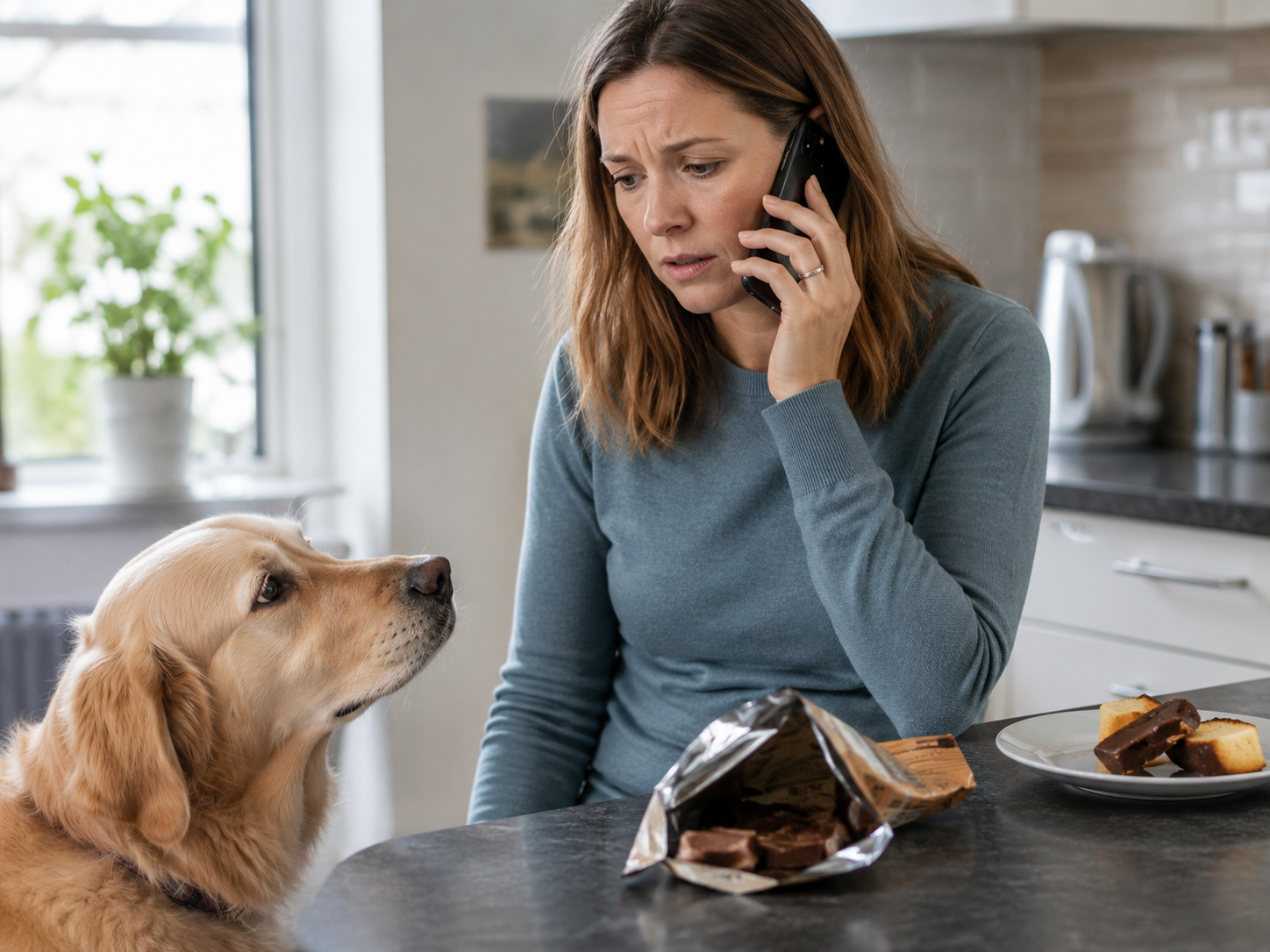
If your dog eats something toxic, stay calm, remove any remaining food, and contact a vet or the Animal Poisons Helpline straight away. Quick advice makes a real difference, and acting early is far better than waiting to see what happens.
Note what your dog ate, roughly how much, and when, since this helps the advice you are given. In Australia you can call the free Animal Poisons Helpline on 1300 869 738 for guidance, alongside contacting your own veterinarian. Do not try to make your dog vomit unless a vet or the helpline tells you to, because for some substances this can do more harm.
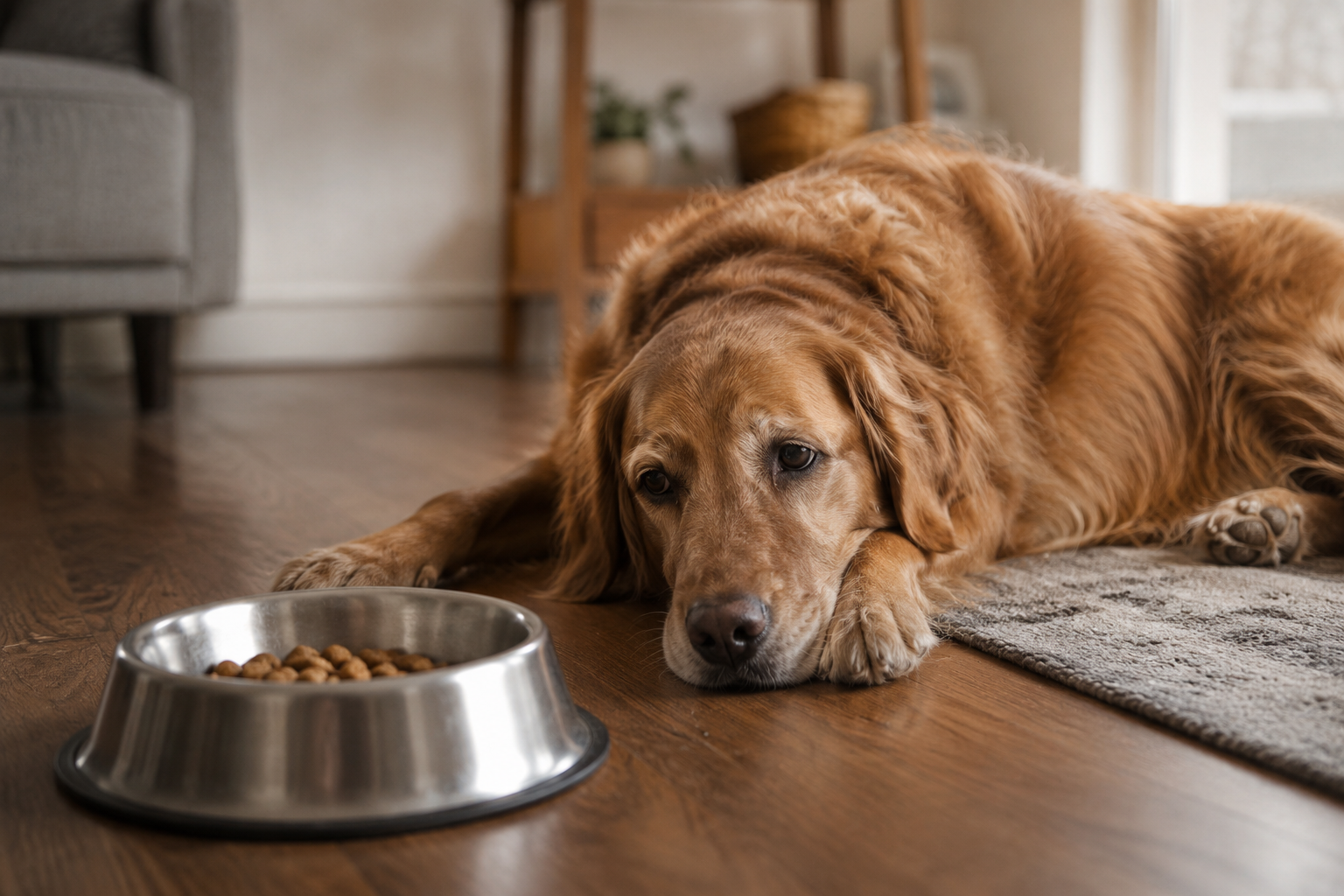
Watch for warning signs such as vomiting, diarrhoea, drooling, tremors, weakness, restlessness or collapse, and treat anything sudden or severe as urgent. If you are unsure whether vomiting is an emergency, it is safer to ring for advice. Emergencies can also be costly, which is one reason many owners weigh up pet insurance and care costs early.
Conclusion
Dogs can enjoy many human foods safely when you stick to plain, whole options in small amounts and keep the toxic list firmly off the menu.
Treat human food as an occasional extra within the 10 percent rule, serve it plain, and call a vet if anything goes wrong. Explore more Pups4Sale feeding and health guides for confident, everyday care.
Frequently Asked Questions
1. Can dogs eat chocolate?
No. Chocolate contains theobromine and caffeine, which dogs cannot process well, and even small amounts can cause problems. Darker chocolate is more dangerous. If your dog eats chocolate, contact your vet or the Animal Poisons Helpline straight away.
2. Can dogs eat grapes or raisins?
No. Grapes, raisins and sultanas can cause kidney injury in dogs, and there is no amount considered safe. Sensitivity varies between dogs regardless of size, so avoid them completely and seek veterinary advice if your dog eats any.
3. Can dogs eat onion or garlic?
No. Onion, garlic, leek and chives can damage a dog’s red blood cells, whether raw, cooked or powdered. They appear in many cooked meals and sauces, so avoid sharing seasoned human food with your dog.
4. Can dogs eat cheese?
In small amounts, usually yes. Plain cheese can be a handy training treat, but it is high in fat and some dogs are sensitive to dairy. Offer tiny pieces occasionally, and avoid flavoured or very salty cheeses.
5. Can dogs eat peanut butter?
Plain peanut butter is generally safe in small amounts, but check the label first. Some brands contain xylitol, a sweetener that is toxic to dogs. Choose an unsweetened, xylitol-free option and treat it as an occasional snack.
6. Can dogs eat eggs?
Yes, fully cooked plain eggs are a safe, protein-rich treat for most dogs. Avoid raw eggs, which carry a risk of bacterial contamination, and skip any added salt, butter or oil. Keep eggs within your dog’s treat allowance.
7. What should I do if my dog eats something toxic?
Stay calm, take away any remaining food, and note what and how much was eaten. Call your vet or the free Animal Poisons Helpline on 1300 869 738 for advice. Do not make your dog vomit unless you are told to.
 Add us as a preferred source