Signs Your Dog’s Diet Is Not Working
Dog Nutrition & Feeding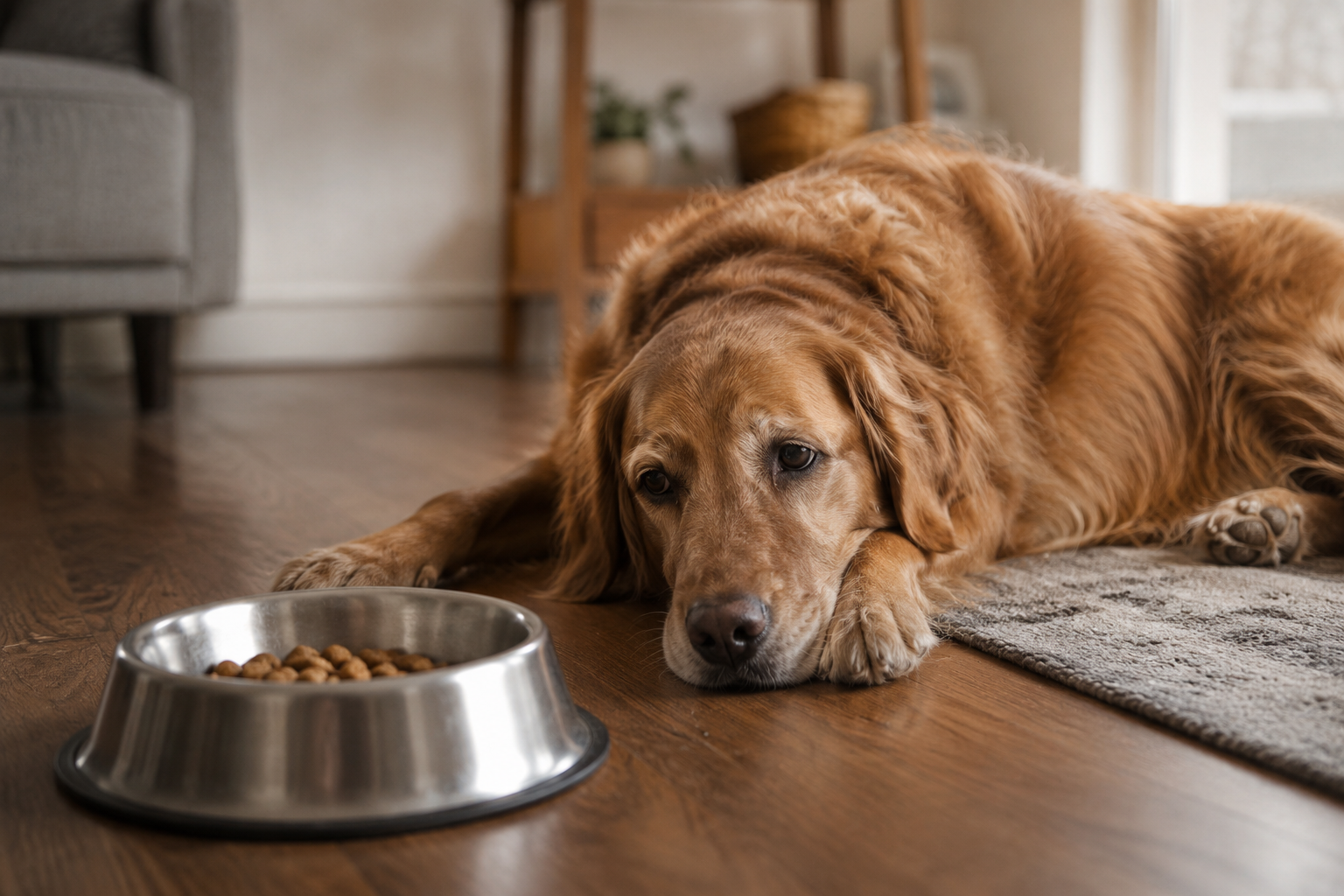 By James C. • June 23, 2026
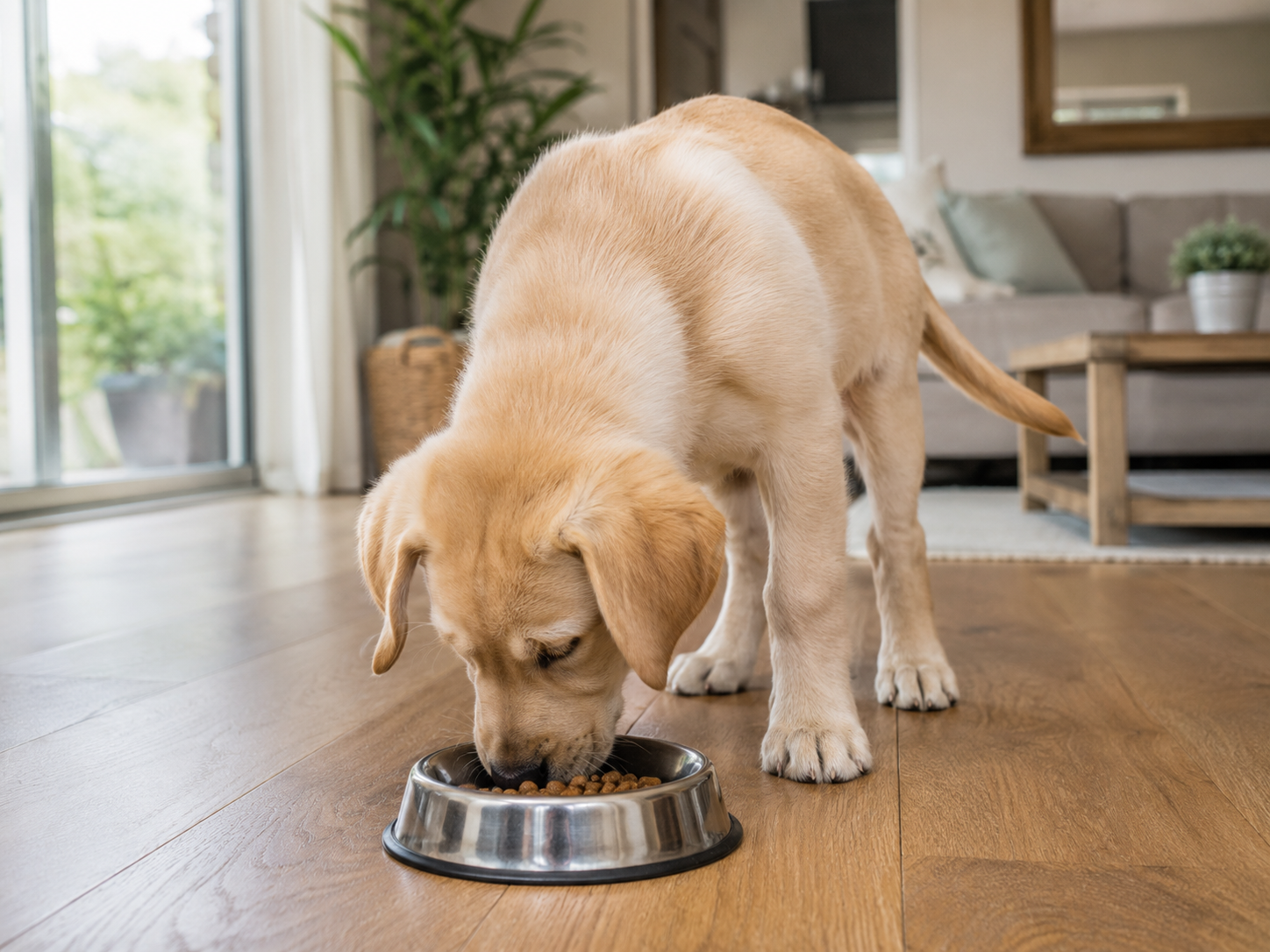
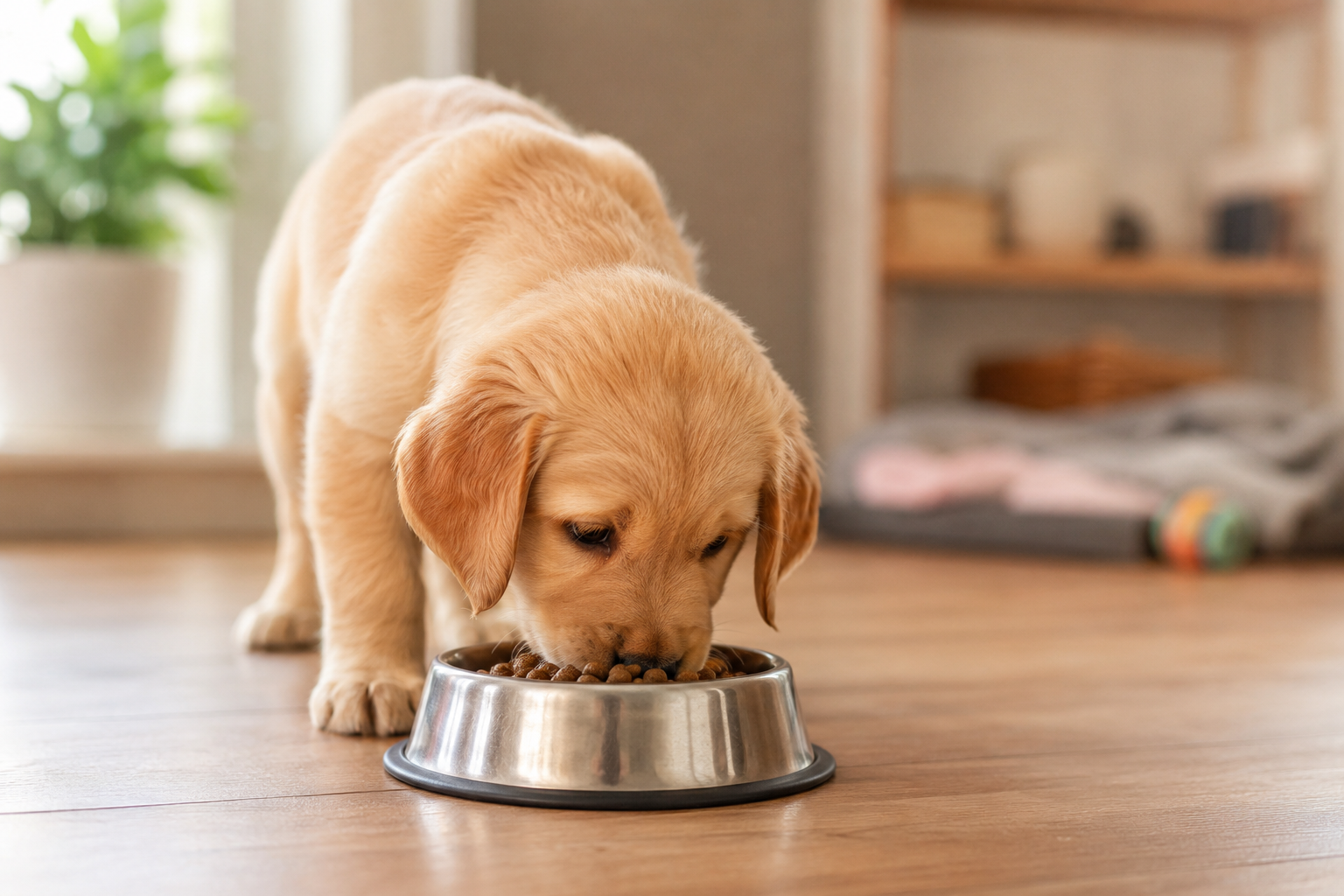
A dog’s diet plays a major role in supporting overall health, energy levels, digestion, and coat condition. When a dog receives balanced nutrition, it usually shows through steady weight, good energy, and healthy skin and fur.
However, sometimes a dog’s food may not provide the nutrients it needs or may contain ingredients that do not suit its digestive system. In these cases, physical or behavioural changes may begin to appear.
Recognising signs that your dog’s diet is not working can help owners identify problems early. This guide explains common warning signs, possible causes, and when it may be time to review your dog’s diet.
Why Proper Nutrition Is Important for Dogs
Proper nutrition is essential for maintaining a dog’s overall health, energy levels, and long term wellbeing. A balanced diet provides the nutrients dogs need to support vital bodily functions, including muscle development, organ health, and a strong immune system.
Proteins, fats, carbohydrates, vitamins, and minerals all play important roles in balanced dog nutrition, keeping dogs healthy and active.
Nutrition also directly affects a dog’s physical appearance. Dogs that receive balanced diets typically develop healthy skin, strong muscles, and shiny coats. In contrast, poor nutrition may lead to problems such as dull fur, excessive shedding, or skin irritation.
Digestive health is another important reason proper nutrition matters. Dogs require diets that their bodies can easily digest and absorb. When food does not suit a dog’s digestive system, symptoms such as vomiting, diarrhoea, or stomach discomfort may occur.
Providing the right nutrition also supports healthy weight management. Dogs that receive appropriate portion sizes and balanced nutrients are more likely to maintain stable energy levels and a healthy body condition throughout their lives.
Physical Signs Your Dog’s Diet Is Not Working

A dog’s physical condition often reflects the quality and suitability of its diet. These visible signs may indicate that nutritional adjustments are needed.
1. Persistent Digestive Problems
Frequent digestive issues such as vomiting, diarrhoea, gas, or bloating can suggest that a dog’s current food is not suitable. Poor ingredient quality, food intolerance, or imbalanced nutrients may irritate the digestive system.
Consistent digestive discomfort after meals may indicate the need to review the diet or consider a gradual food change under veterinary guidance.
2. Dull Coat and Excessive Shedding
A healthy dog usually has a shiny, smooth coat. When a diet lacks essential nutrients such as healthy fats, vitamins, or minerals, coat quality may decline.
Signs such as dull fur, excessive shedding, or dry skin may indicate nutritional deficiencies or poor absorption of nutrients from the current diet.
3. Unexplained Weight Gain or Weight Loss
Sudden changes in body weight can signal that a dog’s diet is not properly balanced. Excess calories may lead to weight gain, while inadequate nutrition can result in weight loss and reduced muscle mass. Monitoring body condition and adjusting portions can help maintain a healthy weight, and tracking what healthy weight gain looks like makes changes easier to spot.
4. Skin Irritation and Constant Itching
Persistent itching, redness, or skin irritation may be linked to dietary sensitivities or allergies. Certain ingredients in dog food may trigger inflammatory reactions that affect the skin.
If scratching, paw licking, or ear infections occur frequently, dietary ingredients may need to be evaluated.
5. Bad Breath and Poor Oral Health
While dental hygiene plays a major role in oral health, diet can also contribute to bad breath and gum problems. Poor-quality ingredients or excessive carbohydrates may increase plaque buildup and bacterial growth in the mouth, leading to unpleasant odours and dental issues.
Behavioural Signs Linked to Poor Diet

A dog’s behaviour can often reflect whether its diet is providing enough nutrients and energy. These behavioural changes may indicate that the current food is not suitable.
1. Low Energy and Lethargy
Dogs that are not receiving adequate nutrition may appear unusually tired or inactive. A diet lacking essential nutrients, protein, or calories can affect energy production and overall vitality.
If a normally active dog suddenly becomes less playful, reluctant to exercise, or spends more time resting, it may be a sign that the current diet is not providing sufficient nutritional support.
2. Loss of Appetite
A sudden decrease in appetite may suggest that a dog does not enjoy its food or that the food causes digestive discomfort. Dogs may refuse meals or eat inconsistently when their diet does not suit them.
Persistent loss of appetite should be monitored carefully, since it may also point to early signs of illness that require veterinary evaluation.
3. Increased Food Seeking Behaviour
Dogs that frequently beg for food, search through rubbish bins, or constantly appear hungry may not be receiving enough calories or balanced nutrients from their meals.
When a diet fails to provide sufficient satisfaction or nutrition, dogs may try to compensate by seeking additional food sources.
4. Irritability or Restlessness
Poor nutrition may affect mood and behaviour. Dogs lacking balanced nutrients may become more irritable, anxious, or restless. Fluctuating energy levels caused by inconsistent calorie intake can influence behaviour patterns and make dogs appear unsettled or easily frustrated.
5. Difficulty Maintaining Focus
Nutrition can influence cognitive function and behaviour. Dogs receiving inadequate or imbalanced diets may struggle to maintain attention during training sessions or daily activities.
If a dog seems distracted, unresponsive, or less engaged than usual, dietary quality may be a contributing factor.
Digestive Problems That May Indicate Diet Issues

Digestive disturbances are often among the first indicators that a dog’s diet may not be suitable. These symptoms may suggest food intolerance, poor ingredient quality, or nutritional imbalance.
- Frequent Vomiting: Repeated vomiting after meals may indicate that the food does not agree with your dog’s digestive system. Ingredient sensitivities, poor-quality food, or sudden diet changes can irritate the stomach and trigger vomiting.
- Loose Stools or Diarrhoea: Persistent diarrhoea or loose stools may suggest poor digestion or intolerance to certain ingredients. When food is not properly absorbed, it can disrupt the digestive tract and affect nutrient uptake.
- Excessive Gas: Frequent gas or bloating may occur when certain ingredients ferment in the digestive system. Poorly digestible carbohydrates or low-quality fillers can sometimes contribute to excessive gas.
- Constipation: Difficulty passing stools or infrequent bowel movements may indicate a lack of fibre or insufficient hydration in the diet. Balanced nutrition helps maintain regular and healthy digestion.
- Visible Discomfort After Eating: Dogs that pace, whine, or appear restless after meals may be experiencing digestive discomfort. These behaviours can signal that the current food is not well tolerated.
Possible Causes of Diet Problems in Dogs
Diet-related problems in dogs can develop for several reasons, ranging from ingredient sensitivities to poor nutritional balance. These common causes may explain why a dog’s current food is not working.
- Food Allergies or Sensitivities: Some dogs react negatively to certain ingredients in their food. Allergies or sensitivities can cause digestive upset, itching, or ear infections, which leads some owners to consider a grain-free diet under veterinary guidance.
- Low-Quality Ingredients: Dog foods containing excessive fillers, artificial additives, or poor-quality protein sources may not provide adequate nutrition. This can lead to digestive problems, poor coat condition, and reduced energy.
- Sudden Diet Changes: Changing dog food too quickly can disrupt the digestive system. Gradual transitions are important to help dogs adjust and avoid symptoms such as vomiting or diarrhoea.
- Incorrect Portion Sizes: Feeding too much or too little food can cause health issues. Overfeeding may lead to obesity, while underfeeding can result in weight loss and insufficient nutrient intake.
- Nutritional Imbalance: Diets lacking proper levels of protein, fats, vitamins, or minerals may not meet a dog’s nutritional needs. Over time, imbalances can affect overall health and physical condition.
When to Consider Changing Your Dog’s Diet

Recognising when to adjust your dog’s diet helps prevent long-term health problems. These situations may indicate it is time to review your dog’s current food.
- Persistent Digestive Issues: Ongoing vomiting, diarrhoea, gas, or stomach discomfort may indicate the current diet is unsuitable. If digestive problems continue despite routine care, changing to a more appropriate food may help improve digestive health.
- Unexplained Weight Changes: Sudden weight gain or weight loss may suggest the diet does not provide appropriate calorie levels or nutrient balance. Adjusting the food type or portion size may help restore a healthy body condition.
- Skin or Coat Problems: Persistent itching, skin irritation, or a dull coat may indicate nutritional deficiencies or food sensitivities. Changing to a balanced diet designed for your dog’s needs may help improve skin and coat health.
- Loss of Appetite: If a dog regularly refuses food or shows little interest in meals, the current diet may be unappealing or causing digestive discomfort. A gradual diet change may help restore normal eating habits.
- Veterinary Recommendation: Veterinarians may advise changing a dog’s diet to manage health conditions, allergies, or nutritional deficiencies. Following professional dietary guidance helps ensure the dog receives appropriate and balanced nutrition.
Preventing Diet-Related Health Problems

Maintaining a balanced feeding routine and choosing appropriate food can help prevent many nutrition-related issues in dogs. These simple practices support long-term health.
1. Choose High-Quality Dog Food
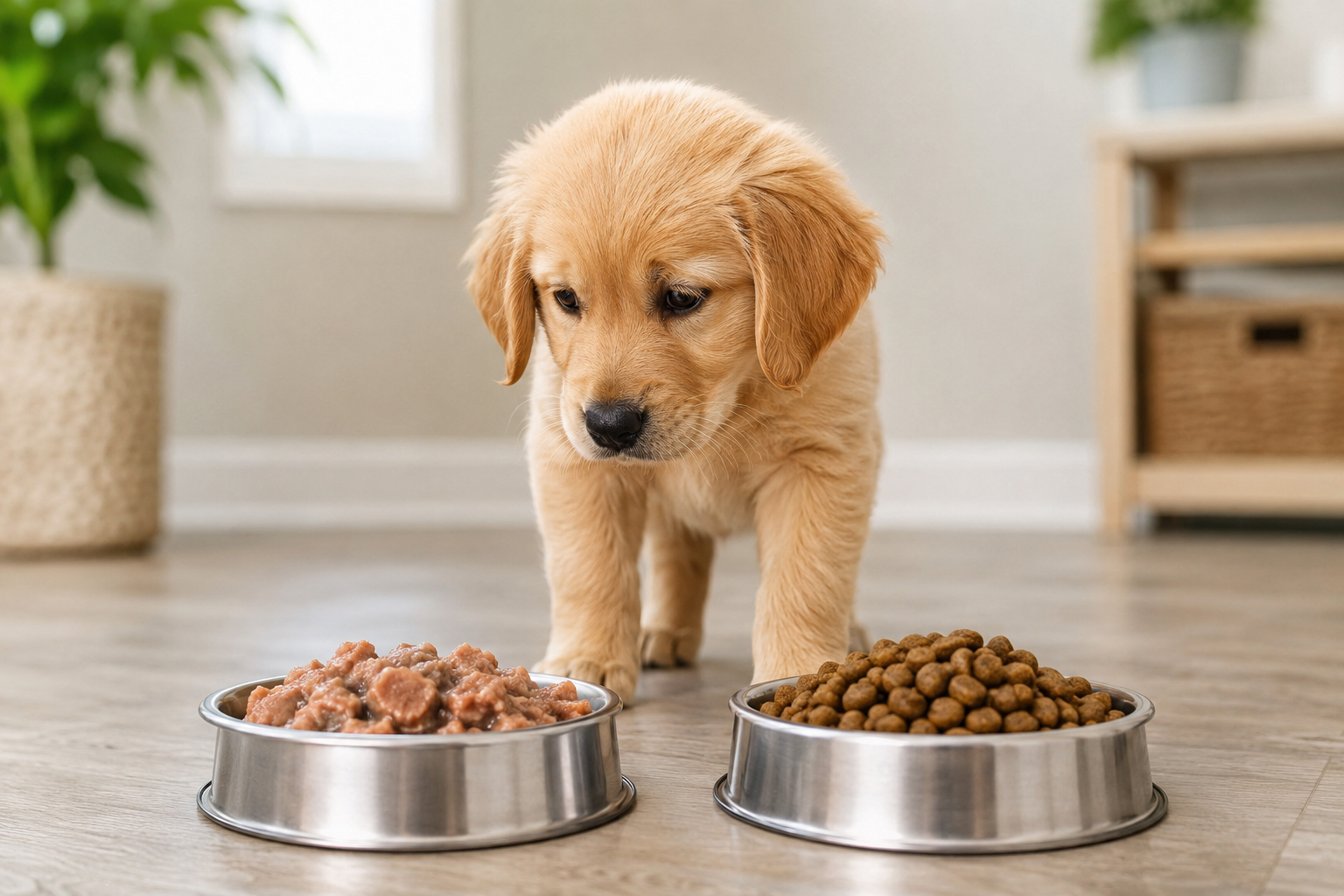
Selecting high-quality dog food formulated for your dog’s life stage helps ensure proper nutrition. Balanced diets provide essential proteins, fats, vitamins, and minerals needed for healthy digestion, strong immunity, and consistent energy levels.
2. Introduce Diet Changes Gradually
Sudden food changes can upset a dog’s digestive system. When switching diets, gradually mix the new food with the old food over several days. This slow transition helps the digestive system adapt and reduces the risk of vomiting or diarrhoea.
3. Monitor Portion Sizes
Feeding the correct portion size helps prevent both underfeeding and overfeeding. Use the feeding guidelines provided on dog food packaging as a starting point and adjust portions according to your dog’s weight, activity level, and body condition.
4. Provide Consistent Feeding Times
Dogs thrive on routine. Feeding meals at the same times each day helps regulate digestion and maintain stable energy levels, whatever feeding frequency for adult dogs you settle on. Consistent schedules also make it easier to monitor appetite changes that may signal health concerns.
5. Schedule Regular Veterinary Checkups
Regular veterinary visits help identify nutritional issues early, so it is worth knowing how often dogs should see a vet. Veterinarians can evaluate your dog’s weight, coat condition, and overall health, offering dietary recommendations when necessary to ensure your dog receives balanced and appropriate nutrition.
Recognising When Your Dog’s Diet Needs Attention
Understanding signs that your dog’s diet is not working helps owners respond early to potential health concerns.
Digestive problems, skin issues, weight changes, or low energy may all indicate nutritional imbalances.
Monitoring your dog’s appetite, behaviour, and physical condition helps ensure their diet supports long-term wellbeing.
For more expert guidance on responsible dog care and nutrition, visit Pups4Sale to keep your dog healthy, active, and properly nourished.
Frequently Asked Questions
1. What are the signs your dog’s diet is not working?
Common signs include digestive problems such as vomiting or diarrhoea, low energy levels, weight changes, and poor coat condition. Behavioural changes like loss of appetite or constant hunger may also indicate that the current diet is not providing balanced nutrition.
2. Can poor dog food cause digestive problems?
Yes. Low-quality ingredients, food intolerances, or sudden diet changes can cause digestive upset in dogs. Symptoms may include vomiting, diarrhoea, excessive gas, or stomach discomfort after meals.
3. How do I know if my dog has a food intolerance?
Dogs with food intolerances may develop symptoms such as itching, ear infections, digestive issues, or skin irritation. A veterinarian may recommend an elimination diet to identify which ingredients trigger these reactions.
4. How long does it take for a new dog food to show results?
Most dogs begin adjusting to a new diet within one to two weeks. Improvements in digestion may appear quickly, while changes in coat condition, weight, and energy levels may take several weeks.
5. Should I change my dog’s food if they stop eating it?
If a dog consistently refuses food, the diet may not be appealing or may be causing discomfort. However, sudden appetite loss can also indicate illness, so veterinary advice should be sought if the behaviour continues.
6. Can a dog’s diet affect behaviour?
Yes. Poor nutrition or insufficient calories may lead to low energy, irritability, or difficulty concentrating. A balanced diet helps support stable behaviour and overall wellbeing.
7. When should I consult a veterinarian about my dog’s diet?
Veterinary advice is recommended if your dog shows persistent digestive issues, sudden weight changes, ongoing skin problems, or long-term appetite loss. A veterinarian can assess nutritional needs and recommend appropriate dietary adjustments.
 Add us as a preferred source