How Much Should a Puppy Eat by Age and Breed
Dog Nutrition & Feeding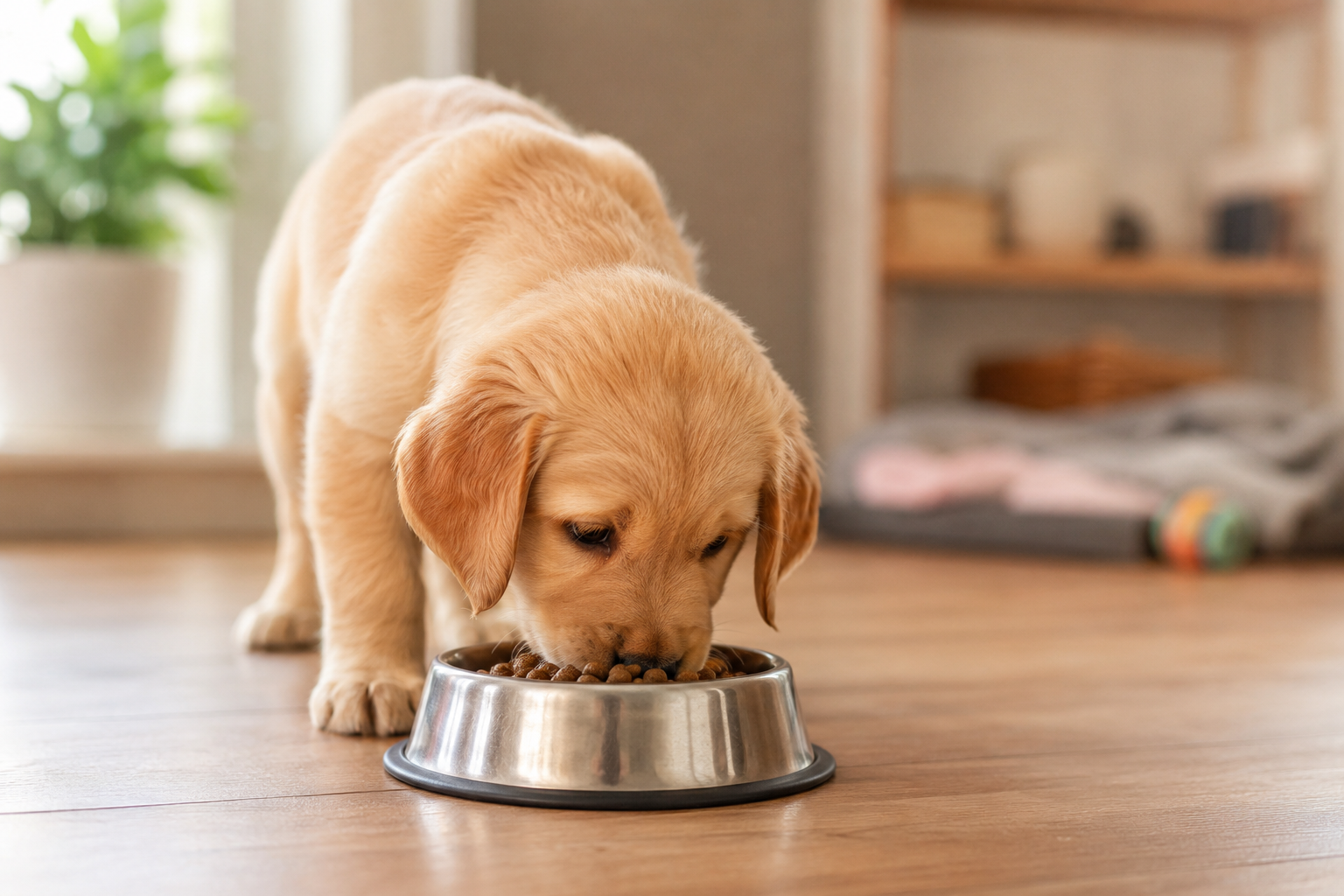 By James C. • June 23, 2026
Feeding a puppy the right amount of food is essential for healthy growth and development. Puppies grow rapidly during their first year, and their nutritional needs change as they develop.
Many owners wonder how much a puppy should eat, especially because feeding requirements vary depending on age, breed size, and activity level. Providing the correct portions helps support energy levels, bone development, and overall health.
Understanding feeding guidelines can help owners avoid problems such as overfeeding or underfeeding. This guide explains how much puppies should eat at different ages and how breed size influences feeding amounts.
Why Proper Puppy Feeding Matters
Proper feeding is essential for supporting a puppy’s rapid growth and overall health. During the first year of life, puppies develop quickly, building strong bones, muscles, and organs.
Providing balanced nutrition during this stage ensures that puppies receive the essential nutrients needed for healthy physical and mental development.
Correct feeding portions also help maintain a healthy body weight. Puppies that receive too much food may gain weight too quickly, which can place unnecessary strain on developing joints and bones. This is especially important for large-breed puppies, whose growth must be carefully managed to avoid future mobility issues.
On the other hand, underfeeding can limit a puppy’s access to the nutrients required for proper growth. Puppies that do not receive enough food may experience slower development, reduced energy levels, and weaker immune responses.
Consistent feeding routines also help regulate digestion and energy levels throughout the day. By following appropriate feeding guidelines based on age and breed, owners can support steady growth while helping their puppy develop healthy eating habits that continue into adulthood.
By providing the correct portions and high-quality food, owners support strong growth, long-term health, and proper physical development during a puppy’s most important early life stages.
How Much Puppies Should Eat by Age

Puppy feeding needs change quickly during the first year of life. Understanding how portions and meal frequency evolve by age helps support healthy growth.
1. 6–12 Weeks: Frequent Small Meals
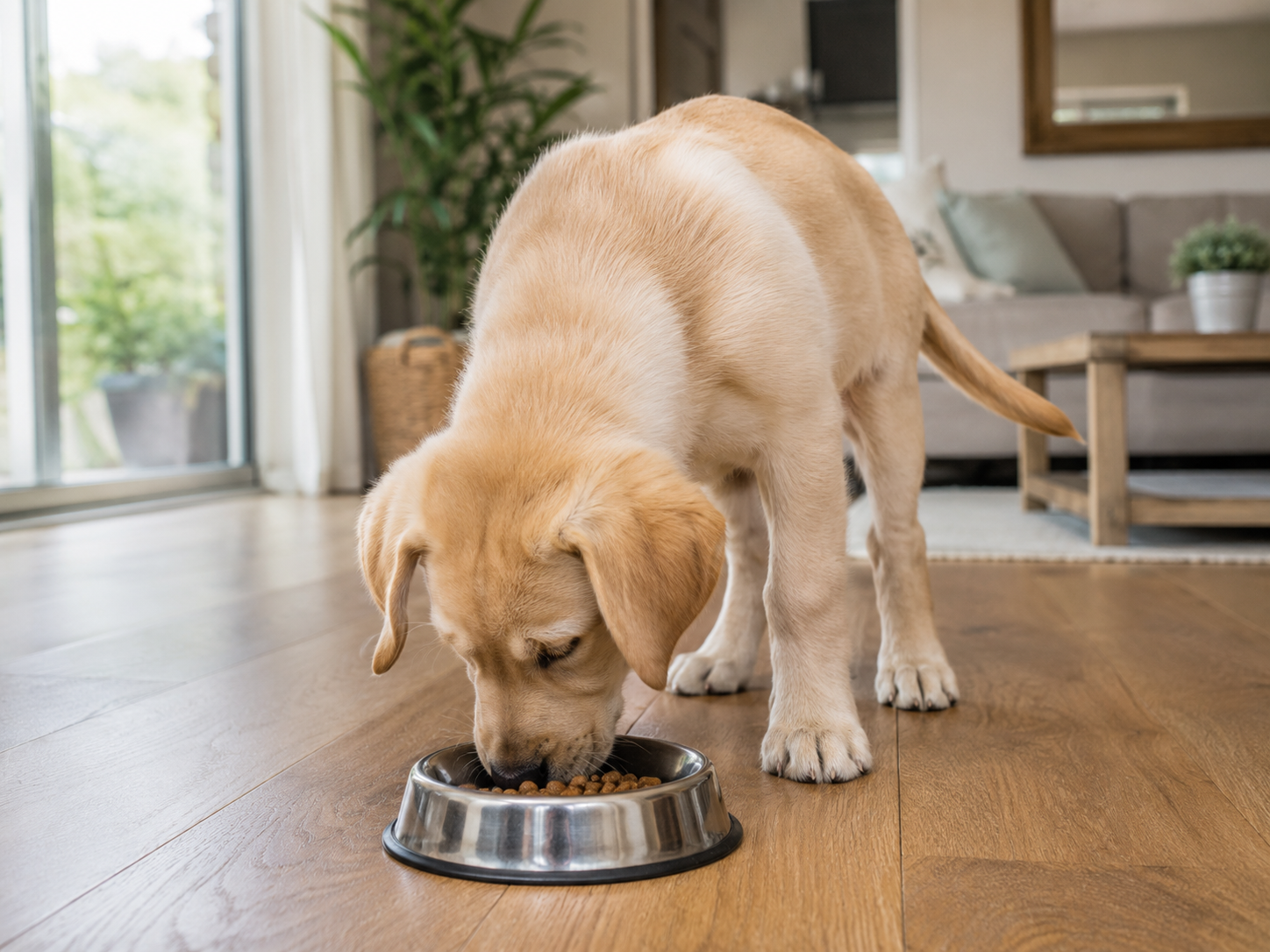
During this early stage, puppies are growing rapidly and require several small meals each day. Most puppies eat three to four meals daily to maintain steady energy levels and support development.
Food portions should be measured according to the puppy’s size and the feeding guide on the puppy food packaging. Consistent feeding times also help establish healthy digestion and routine. Serve meals and water in separate food and water bowls, keeping fresh water available throughout the day.
2. 3–6 Months: Increasing Portion Sizes
Between three and six months, puppies continue growing quickly and require increased food portions. Feeding frequency usually remains at three meals per day during this stage.
Puppies become more active and burn more energy, which increases their calorie needs. Owners should monitor the puppy’s body condition and adjust portions gradually to maintain healthy growth and prevent overfeeding.
3. 6–12 Months: Transitioning to Fewer Meals
As puppies approach adolescence, their growth rate begins to slow slightly. During this stage, many puppies transition from three meals per day to two larger meals.
Portion sizes may increase while feeding frequency decreases. Maintaining a consistent feeding schedule helps support digestion and energy balance while preparing the puppy for adult feeding routines.
Feeding Amounts by Breed Size

Breed size plays a major role in determining how much food a puppy needs each day. Here are feeding guidelines that show how breed size affects how much puppies should eat.
1. Small Breed Puppies
Small breed puppies such as Chihuahuas, Pomeranians, and Toy Poodles have fast metabolisms and smaller stomach capacity, which means they require smaller but more frequent meals.
Feeding three to four meals daily helps maintain stable energy levels. Because small breeds burn calories quickly, nutrient-dense puppy food designed for small breeds helps provide sufficient energy while supporting healthy bone, muscle, and brain development during early growth stages.
2. Medium Breed Puppies
Medium-breed puppies such as Cocker Spaniels, Beagles, and Border Collies typically require balanced feeding portions that support steady growth without excessive weight gain. These puppies usually eat two to three meals per day, depending on their age and activity level.
Portion sizes gradually increase as the puppy grows. Owners should monitor the puppy’s body condition regularly to ensure it maintains a healthy weight during development.
3. Large and Giant Breed Puppies
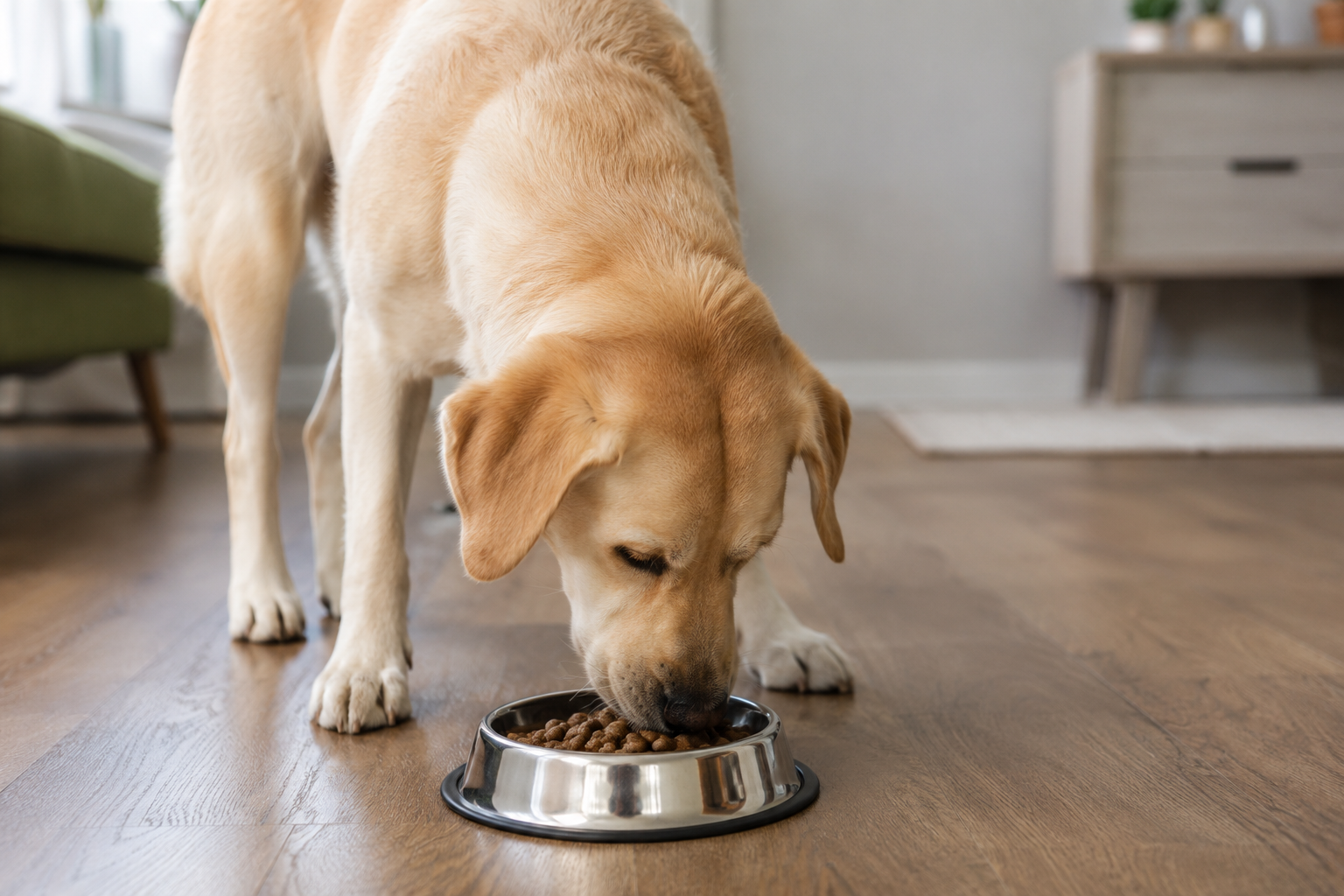
Large and giant breed puppies such as Labradors, German Shepherds, and Great Danes require carefully managed feeding to support proper bone and joint development. Although they need larger food portions due to their size, rapid weight gain should be avoided.
Feeding high-quality puppy food formulated for large breeds helps control growth rates. Measured meals given two to three times daily support steady development and reduce stress on growing joints.
Factors That Affect How Much a Puppy Should Eat
Feeding guidelines provide a starting point, but individual puppies have different needs. Here are key factors that influence how much a puppy should eat each day.
- Puppy Age: Younger puppies need smaller but more frequent meals because their stomachs are small and energy demands are high. As puppies grow, portion sizes gradually increase while feeding frequency slowly decreases.
- Breed Size: Small breeds burn energy quickly and often need calorie-dense meals, while large breeds require carefully controlled portions to support steady growth and protect developing bones and joints.
- Activity Level: Active puppies that run, play, and exercise frequently may need slightly larger portions. Less active puppies may require smaller amounts to prevent unnecessary weight gain.
- Metabolism Differences: Just like people, puppies have different metabolisms. Some puppies burn calories quickly and require more food, while others maintain a healthy weight with smaller portions.
- Type of Puppy Food: Different foods contain varying calorie levels and nutrient densities. High-quality puppy formulas often provide more nutrition per serving, meaning portion sizes may differ depending on the brand.
- Overall Health and Development: Puppies experiencing growth spurts or recovering from illness may temporarily require adjusted feeding amounts. Veterinary advice helps ensure feeding remains appropriate for healthy development.
Signs Your Puppy Is Eating the Right Amount

Knowing whether your puppy is eating the right amount helps maintain healthy growth and energy. Here are signs that your puppy’s feeding portion is appropriate and balanced.
- Healthy Body Shape: You should be able to feel your puppy’s ribs without pressing hard, while the waist remains slightly visible when viewed from above.
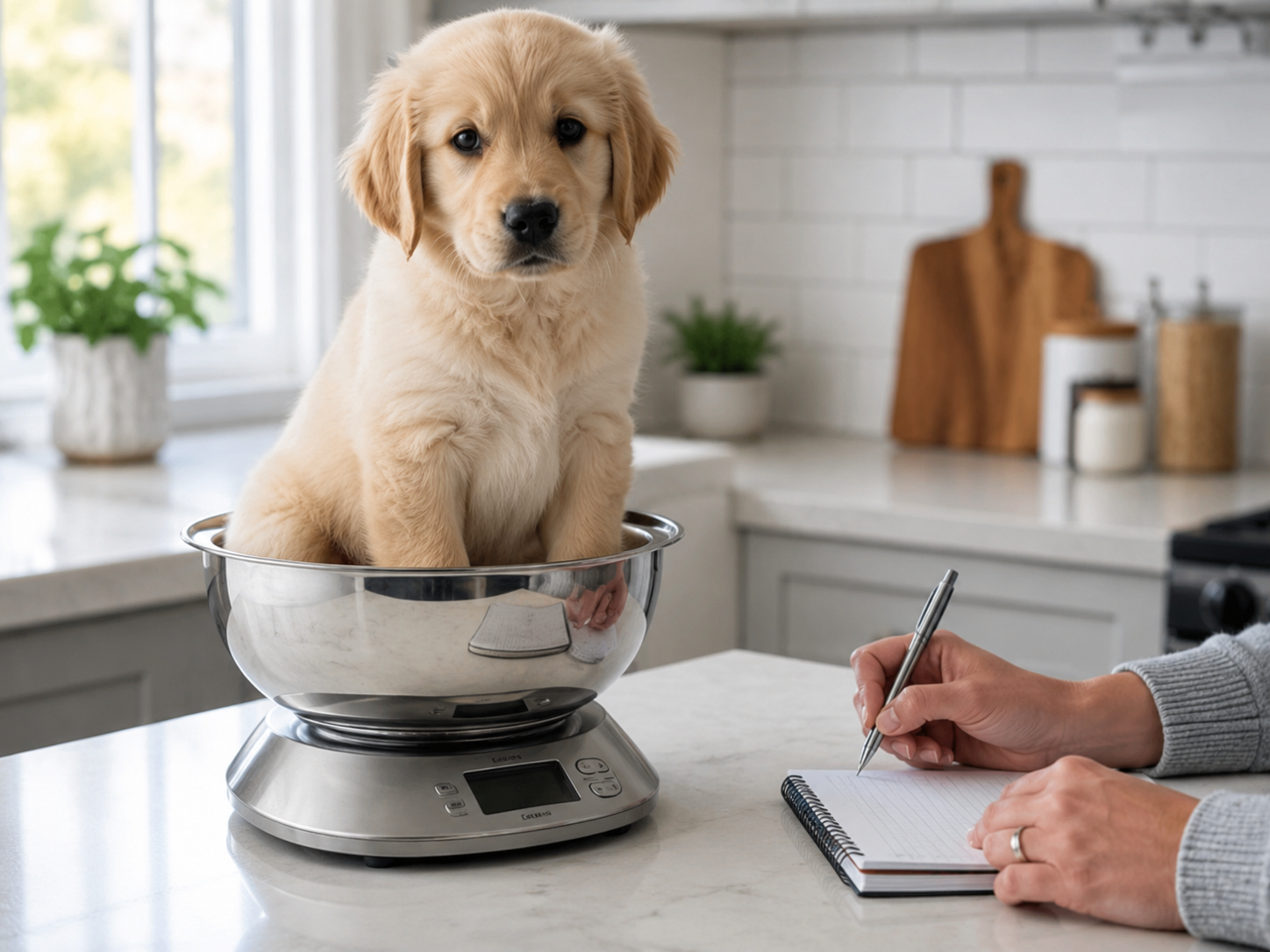
- Steady Weight Gain: Puppies should gain weight gradually as they grow. Consistent, steady increases indicate appropriate feeding amounts and healthy physical development.
- High Energy Levels: A well-fed puppy remains playful, alert, and active throughout the day, showing enthusiasm for training, exercise, and normal daily activities.
- Healthy Coat Condition: Proper nutrition supports a shiny, soft coat and healthy skin, which often reflects balanced intake of essential fatty acids and nutrients.
- Normal Digestion: Puppies eating the correct amount typically have firm stools, regular bowel movements, and minimal digestive upset after meals.
- Consistent Appetite: Puppies receiving suitable portions usually eat meals with interest without appearing constantly hungry or leaving excessive food uneaten.
Choosing the Right Puppy Food

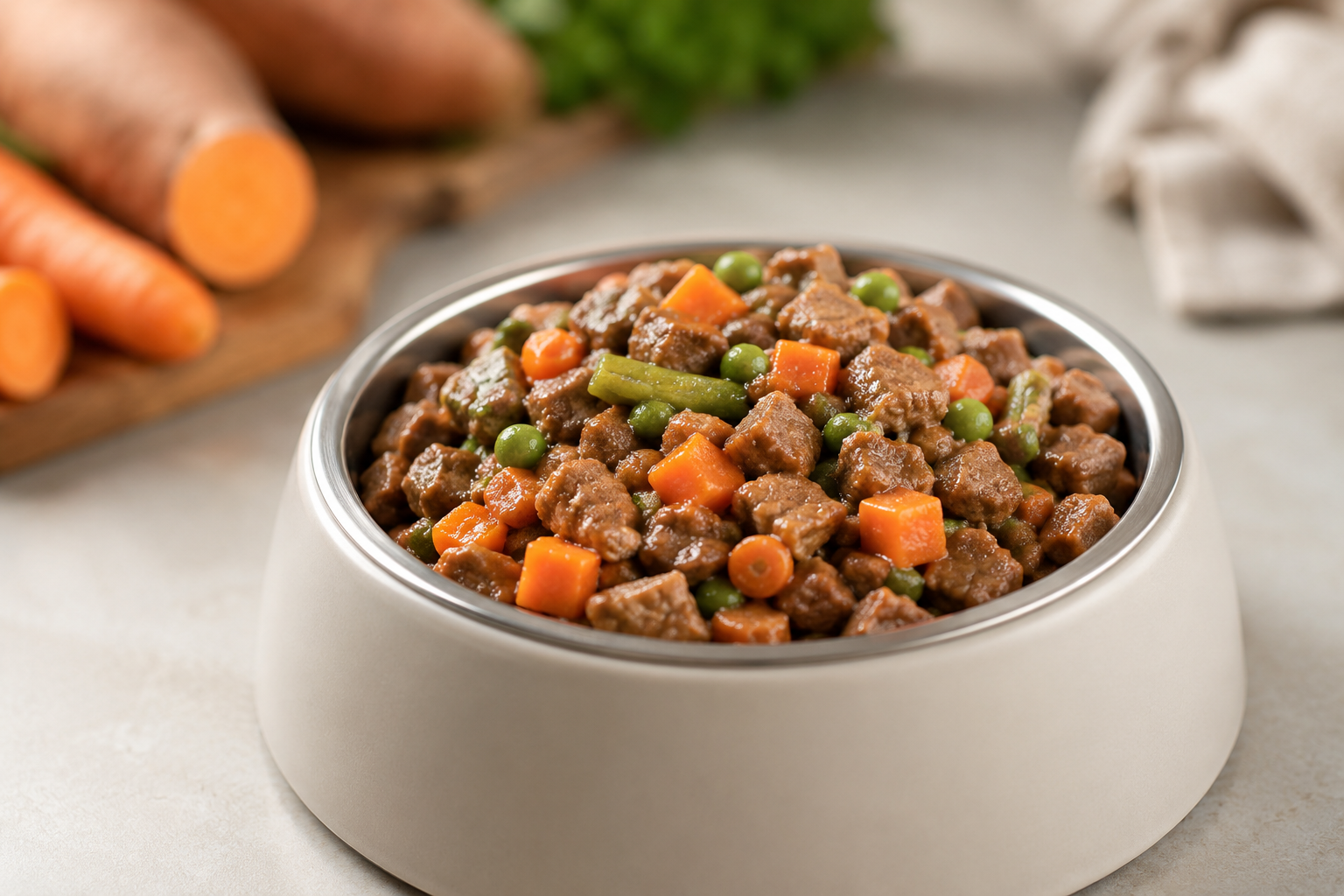
Selecting the right food is one of the most important decisions when raising a healthy puppy, including whether to offer wet or dry food for your puppy. Puppies require diets specifically formulated to support their rapid growth, energy needs, and developing immune systems.
Unlike adult dog food, puppy formulas contain higher levels of protein, healthy fats, vitamins, and essential minerals needed for proper development.
High-quality puppy food should be labelled as complete and balanced, meaning it provides all the nutrients required for growing dogs. Protein sources such as chicken, beef, lamb, or fish help build strong muscles, while fats supply energy for active puppies. Nutrients such as calcium and phosphorus support healthy bone and tooth development.
Breed size should also be considered when choosing puppy food. Large breed puppy formulas are designed to control growth rates and prevent joint problems, while small breed formulas provide concentrated nutrition suited to faster metabolisms.
It is also important to review ingredient quality and feeding guidelines. Consulting a veterinarian can help ensure the selected food supports your puppy’s age, breed, and overall health needs throughout their early development stages.
Common Puppy Feeding Mistakes

Feeding mistakes are common for new owners and can affect a puppy’s growth and health. Here are common feeding mistakes puppy owners should recognise and avoid.
- Overfeeding Portion Sizes: Giving larger portions than recommended can cause rapid weight gain and digestive issues. Puppies should be fed measured portions based on age, breed size, and feeding guidelines to maintain healthy growth.
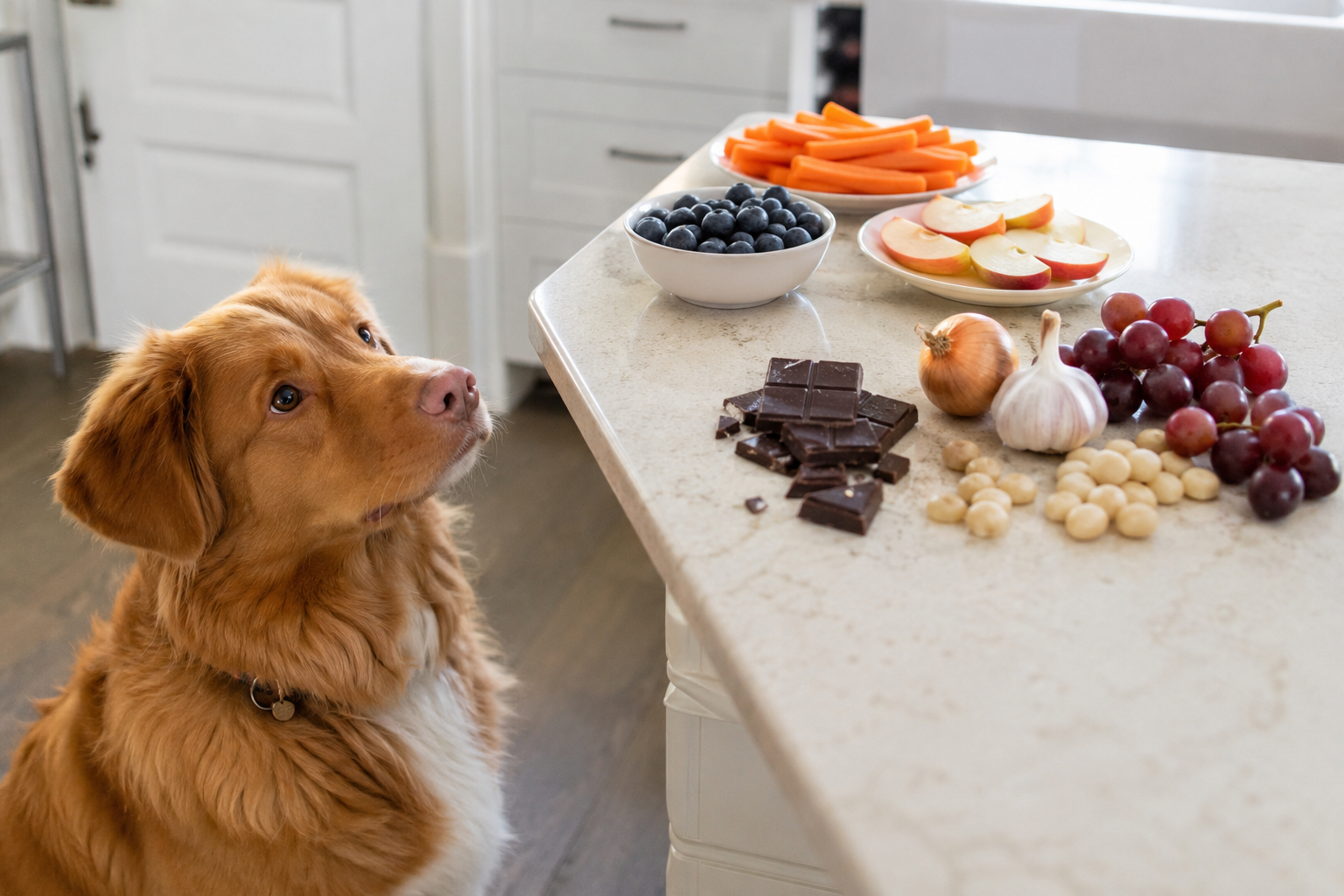
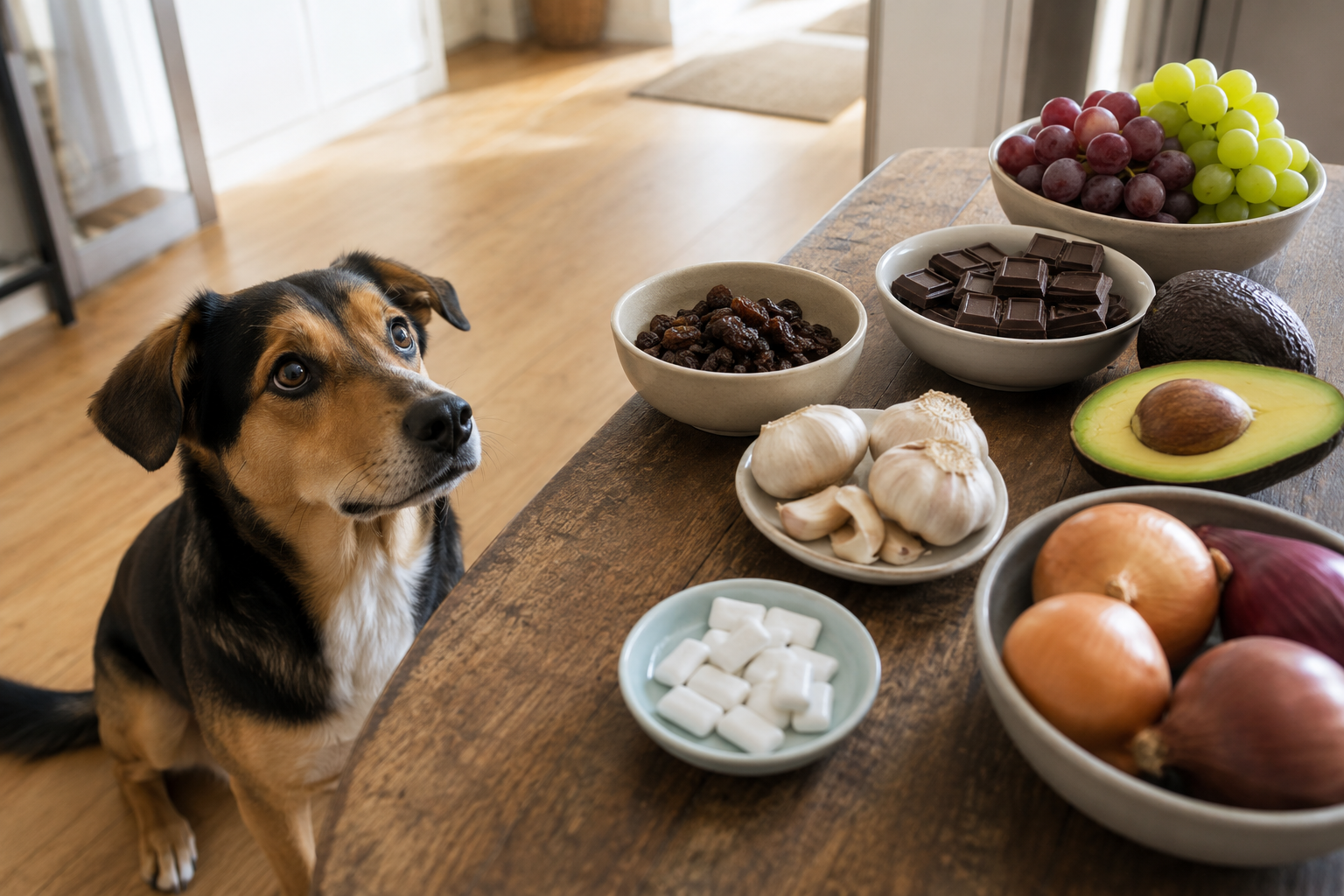
- Too Many Treats: Excess treats can quickly increase calorie intake and reduce appetite for balanced puppy meals. Treats should be limited and used mainly for training to avoid unbalanced nutrition, and it helps to know which foods are toxic to dogs.
- Feeding Adult Dog Food Too Early: Puppy food contains specific nutrients needed for growth. Switching to adult dog food too early may limit essential nutrients needed for proper bone and muscle development.
- Inconsistent Feeding Schedule: Irregular feeding times can affect digestion and routine. Puppies benefit from consistent daily feeding schedules that support stable energy levels and healthy eating habits.
- Guessing Portion Sizes: Estimating food amounts instead of measuring can lead to overfeeding or underfeeding. Using a measuring cup ensures accurate portions based on recommended feeding guidelines.
- Changing Food Too Frequently: Frequently switching puppy food brands may upset digestion and cause stomach problems. Gradual transitions between foods help puppies adjust safely to new diets.
When to Adjust Your Puppy’s Feeding Amount
As puppies grow, their feeding needs may change depending on development and lifestyle. Here are situations when owners may need to adjust how much their puppy eats.
- Rapid Growth Periods: During growth spurts, puppies may become hungrier and require slightly larger portions to support increased energy and nutrient needs.
- Changes in Activity Level: Puppies that become more active through play or training may burn more calories and require increased feeding amounts.
- Weight Changes: If a puppy begins gaining excessive weight or appears underweight, feeding portions should be adjusted to maintain a healthy body condition.
- Transitioning to Fewer Meals: As puppies grow older, feeding schedules often shift from three or four meals per day to two meals per day.
- Veterinary Recommendations: Veterinarians may suggest adjusting feeding amounts based on growth patterns, health concerns, or breed-specific nutritional needs.
- Food Type Changes: Switching to a different puppy food formula may require portion adjustments because calorie density varies between brands and food types.
Feeding Your Puppy for Healthy Growth
Understanding how much a puppy should eat by age and breed helps support healthy growth, energy levels, and long term wellbeing.
Puppies need balanced nutrition and consistent feeding routines as they develop.
Monitoring portion sizes and adjusting meals as your puppy grows ensures proper development.
If you are preparing to welcome a puppy, Pups4Sale connects you with trusted breeders and helpful resources for responsible puppy care.
Frequently Asked Questions
1. How much should a puppy eat each day?
The amount a puppy should eat depends on age, breed size, and body weight. Feeding guides on puppy food packaging provide useful portions. Most puppies need measured meals daily to support healthy growth and steady energy.
2. How often should a puppy be fed during the day?
Young puppies between 8 and 12 weeks usually need four meals daily. Puppies aged three to six months often eat three meals. By six to twelve months, many puppies can move to two meals daily.
3. Does breed size affect how much a puppy should eat?
Yes. Breed size strongly influences feeding needs. Small breeds burn energy faster and may require slightly more frequent meals. Large breed puppies need carefully controlled portions to support steady growth and protect developing joints.
4. Can overfeeding a puppy cause health problems?
Yes. Overfeeding can lead to rapid weight gain and obesity. Large-breed puppies are particularly vulnerable to joint and bone issues if they grow too quickly. Balanced portions help maintain healthy growth and development.
5. How can I tell if my puppy is eating the right amount?
A puppy eating the correct amount should show steady growth, good energy, and healthy body condition. You should feel the ribs lightly without excess fat, while the waist remains slightly visible from above.
6. Should puppies always have access to food?
Free feeding is generally discouraged for puppies. Scheduled meals help regulate digestion and appetite. Consistent feeding routines also support training and allow owners to notice appetite changes that could indicate potential health concerns.
7. When should a puppy switch from puppy food to adult food?
Transition timing depends on breed size. Small breeds often switch around 9–12 months, while large and giant breeds may remain on puppy food until 12–18 months to support controlled growth and joint development.
 Add us as a preferred source