Raw Feeding Puppies: Is It Safe?
Dog Nutrition & Feeding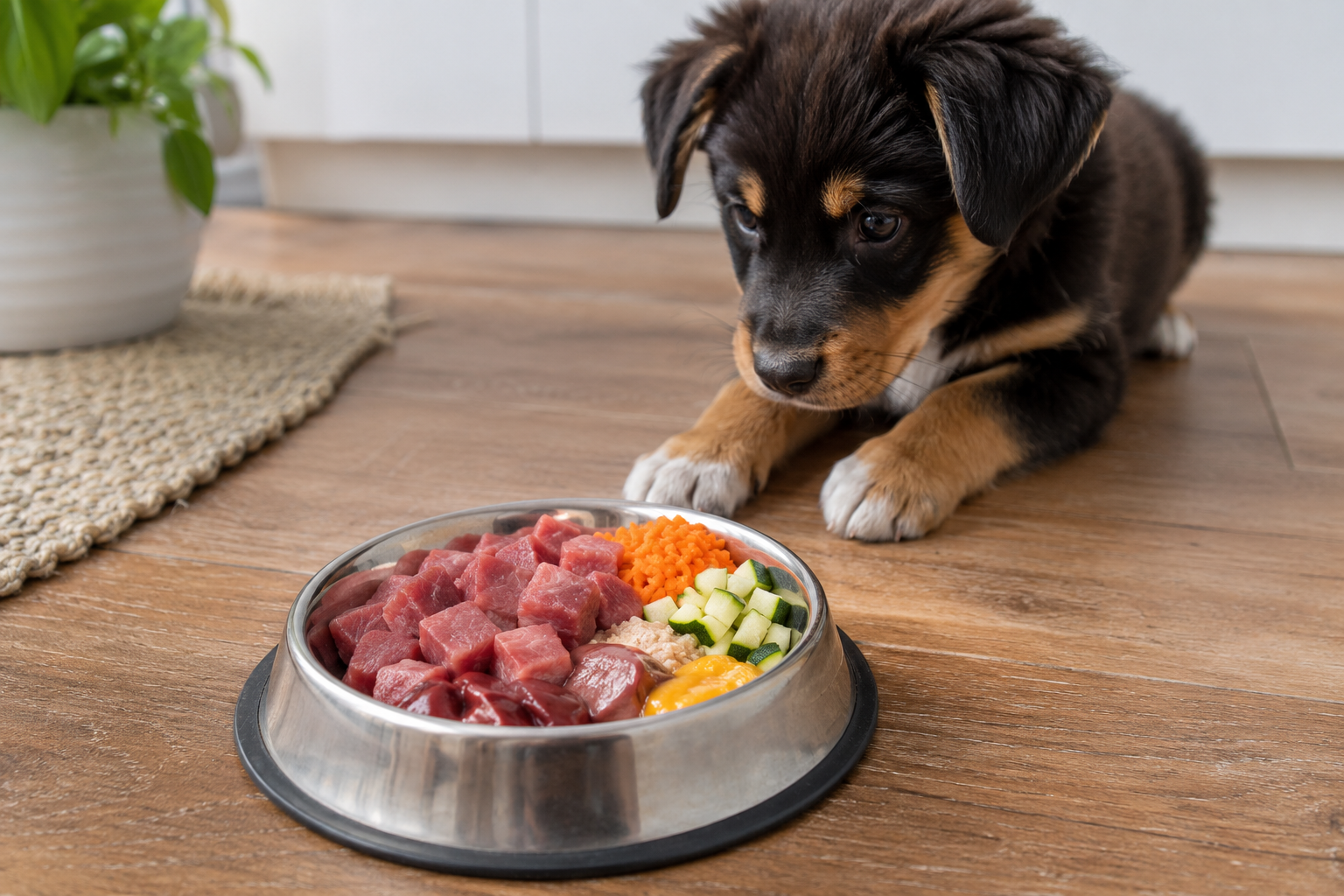 By James C. • June 23, 2026
Raw feeding has become an increasingly discussed topic among dog owners, particularly those looking for natural feeding options for their pets. Some owners choose raw diets because they believe uncooked meat, bones, and organs better reflect what dogs might eat in the wild.
However, feeding puppies is very different from feeding adult dogs. Growing puppies require carefully balanced nutrition to support healthy development, strong bones, and proper organ function.
Understanding whether raw feeding puppies is safe requires examining both the potential benefits and the possible risks. This article explains how raw feeding works, what veterinarians say about it, and whether it is a suitable choice for puppies.
What Is Raw Feeding for Puppies
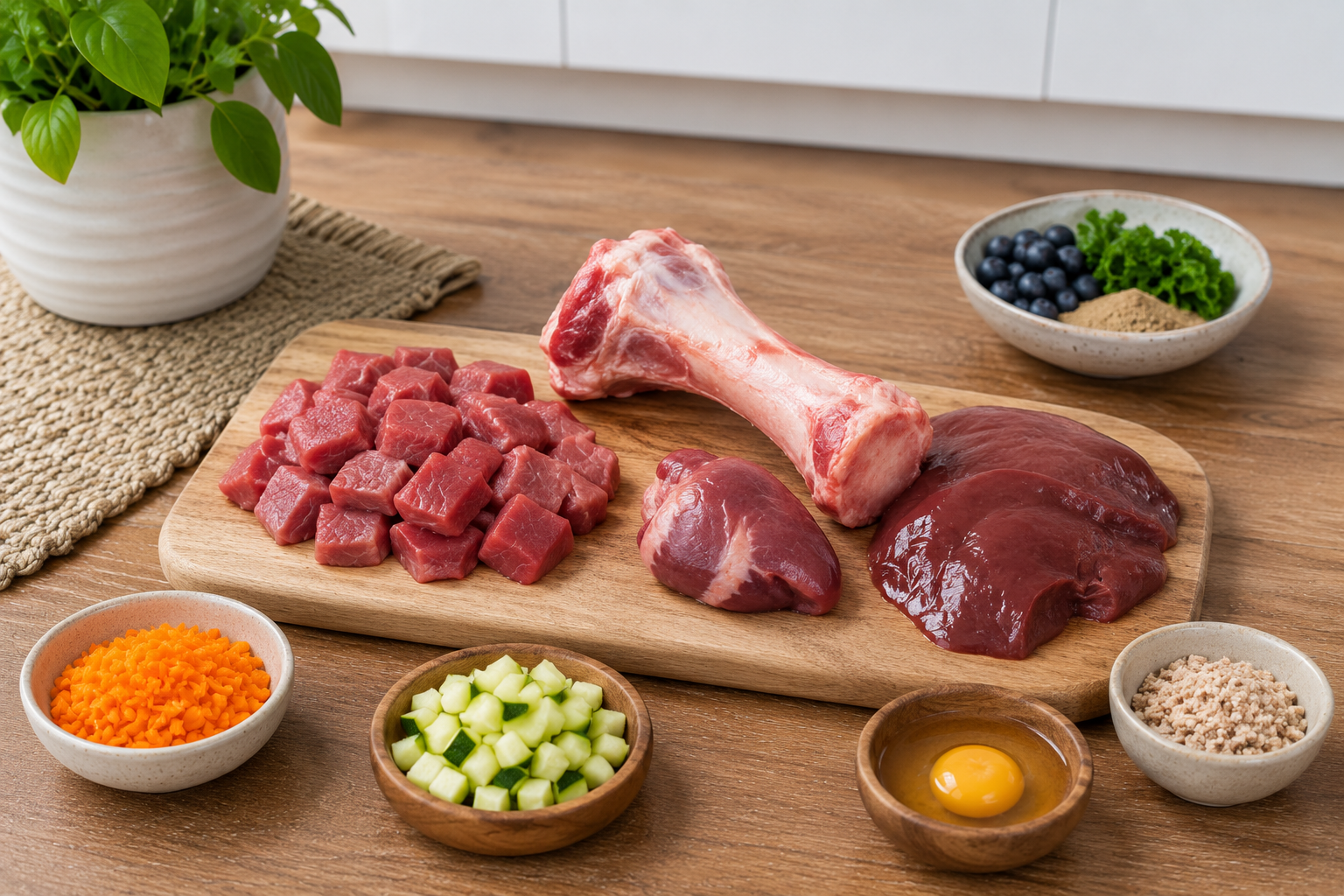
Raw feeding for puppies refers to providing a diet made primarily from uncooked animal products instead of processed commercial dog food. These diets often include raw muscle meat, edible bones, organ meats such as liver or kidney, and sometimes vegetables or fruits.
Many raw feeding approaches follow the BARF diet, which stands for Biologically Appropriate Raw Food, designed to mimic the natural diet of wild canines.
Supporters of raw feeding believe this style of diet reflects what dogs evolved to eat before commercial pet foods became common. The goal is to provide whole, minimally processed ingredients that supply protein, fats, vitamins, and minerals in their natural form.
However, feeding puppies a raw diet requires careful planning. Growing dogs need a precise balance of nutrients such as calcium, phosphorus, protein, and essential vitamins to support bone development and healthy growth.
If these nutrients are not properly balanced, puppies may develop nutritional deficiencies or growth problems. For this reason, many veterinarians recommend caution and proper guidance when considering raw feeding for young dogs.
Why Some Owners Choose Raw Feeding
Some dog owners choose raw feeding because they believe it provides a more natural approach to canine nutrition. The idea is based on the belief that dogs evolved from wild ancestors that ate raw meat, bones, and organs. Supporters of raw diets often feel that feeding similar ingredients may better reflect a dog’s biological needs.
Another reason some owners prefer raw feeding is the ability to control ingredients. Preparing meals at home allows owners to select specific meats, organs, and other ingredients rather than relying on processed commercial foods.
This approach may appeal to owners who want to avoid certain additives, fillers, or ingredients they believe may cause sensitivities in their dogs.
Some owners also report improvements in their dog’s physical condition when feeding raw diets. These may include shinier coats, improved digestion, or better appetite. While these benefits are sometimes observed, research on the long-term advantages of raw feeding remains limited.
For many people, the decision to raw feed comes from personal preference and a desire to provide what they believe is a more natural diet for their dogs.
Potential Benefits of Raw Feeding Puppies
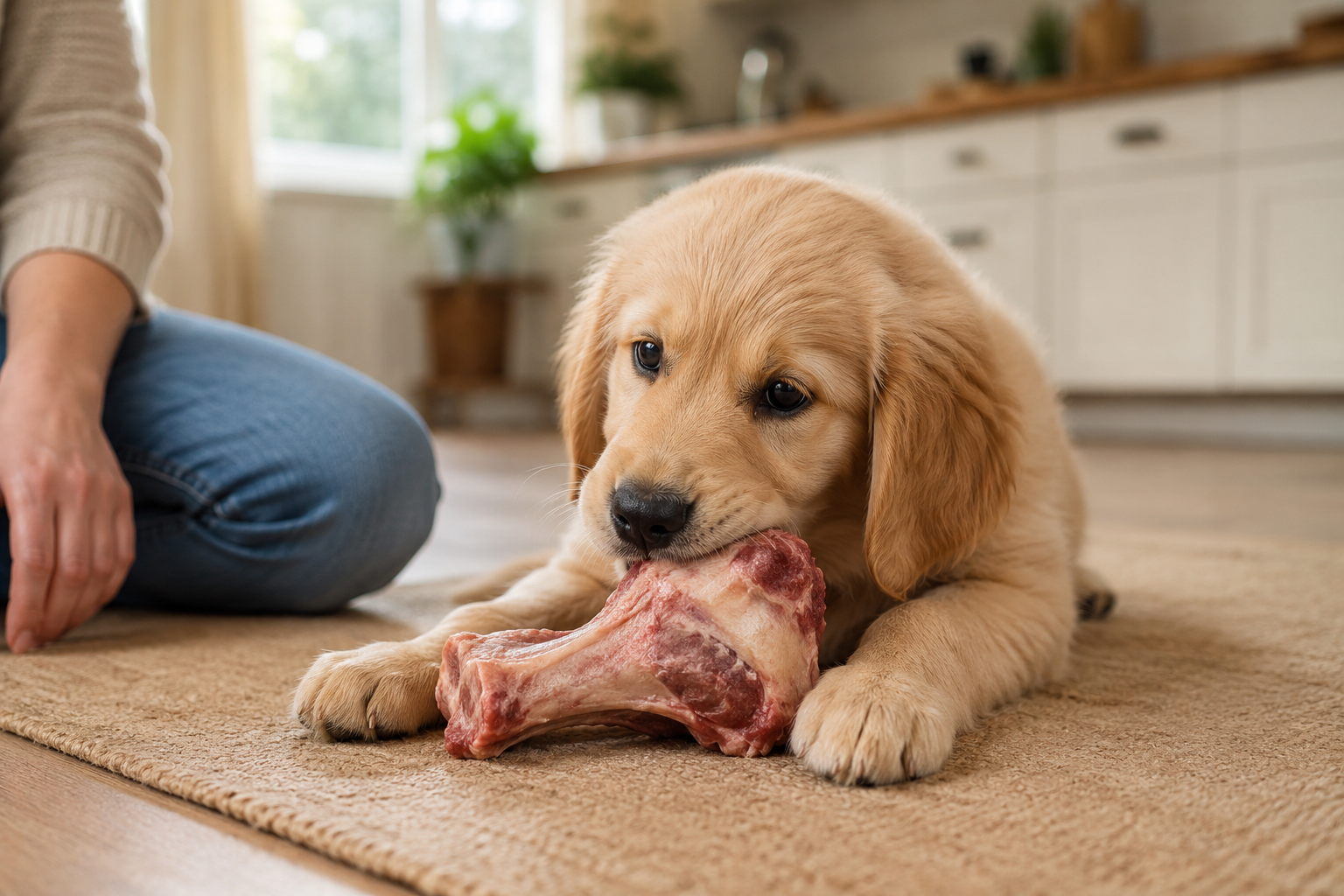
Supporters of raw feeding often highlight several potential advantages. These points explain why some owners believe raw diets can benefit growing puppies.
1. High Protein for Growth and Development
Raw diets often contain high levels of animal protein from meat and organs, which are essential for muscle growth and tissue development in puppies. Adequate protein supports healthy growth, energy production, and body repair.
Some owners believe raw feeding provides a protein-rich diet that mirrors the natural nutritional needs of developing dogs.
2. Improved Palatability for Picky Eaters
Many puppies find raw food highly appealing because of its natural smell and texture. Puppies that refuse or ignore dry food may show a stronger interest in raw meals.
Owners sometimes use raw diets to encourage consistent eating habits in young dogs that appear selective or hesitant during feeding times.
3. Natural Ingredients Without Heavy Processing
Raw diets typically consist of uncooked meat, bones, and organs, which means the food undergoes minimal processing. Some owners prefer feeding whole, natural ingredients rather than processed commercial food.
They believe fewer additives, preservatives, or fillers may support more natural digestion and overall health.
4. Potential Coat and Skin Improvements
Some dog owners report improvements in coat condition and skin health after switching to raw feeding.
Diets rich in animal fats and natural nutrients may support healthy skin and a shinier coat. Balanced fatty acids found in raw ingredients may contribute to improved skin hydration and coat quality.
5. Greater Control Over Ingredients
Preparing raw meals allows owners to choose specific ingredients and tailor diets to their puppy’s needs.
This control may help avoid certain ingredients or allergens that may not suit a dog. Owners who prefer home-prepared diets often value knowing exactly what their puppy is eating.
6. Potential Dental Benefits
Chewing raw meaty bones may help support dental health in some dogs. The chewing action can naturally scrape plaque from teeth and stimulate the gums.
Puppies that regularly chew appropriate raw bones may experience less plaque buildup compared with dogs that only eat soft foods. However, bones must be carefully selected to avoid choking hazards or digestive injuries.
Risks and Safety Concerns of Raw Feeding
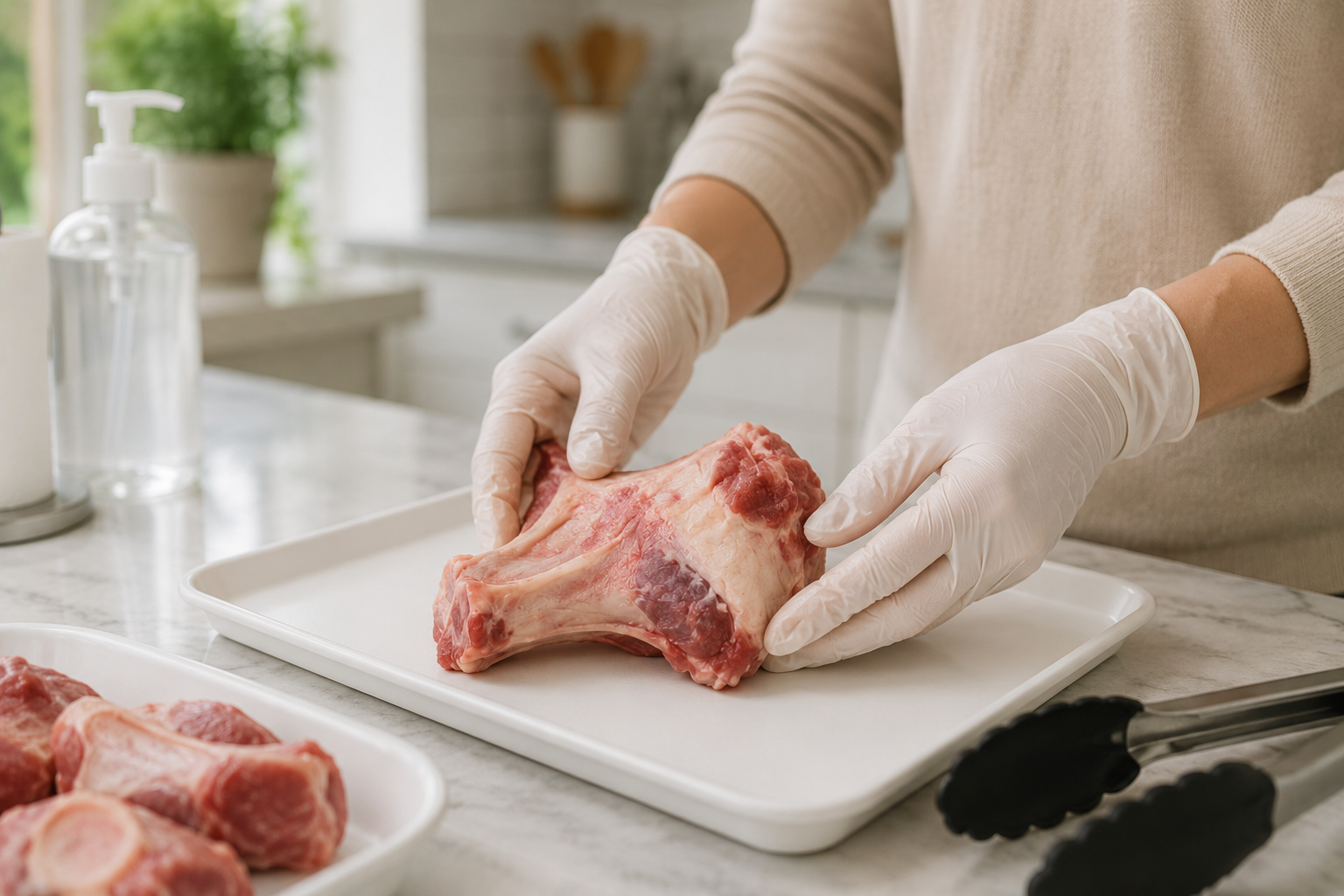
While some owners support raw diets, veterinary experts highlight several safety concerns. Understanding these risks helps dog owners make informed decisions about feeding puppies.
1. Risk of Bacterial Contamination
Raw meat can carry harmful bacteria such as Salmonella, E. coli, and Listeria, which may affect both dogs and humans handling the food. Puppies with developing immune systems may be more vulnerable to infection.
Improper handling or storage of raw ingredients can increase the risk of contamination, making strict hygiene practices essential when preparing and feeding raw diets.
2. Nutritional Imbalances in Homemade Diets
One of the most common concerns with raw feeding is nutritional imbalance. Puppies require precise levels of protein, calcium, phosphorus, vitamins, and minerals to support healthy growth.
If a raw diet is not carefully formulated, it may lack essential nutrients or contain excessive amounts of certain components. These imbalances can affect bone development, organ health, and overall growth in young dogs.
3. Choking or Injury From Raw Bones
Raw diets often include bones as a source of calcium and dental stimulation. However, bones can present risks such as choking, tooth fractures, or digestive tract injuries. Sharp bone fragments may damage the mouth, throat, or intestines.
Puppies that chew aggressively or swallow large pieces may be particularly vulnerable to these hazards if bones are not carefully selected.
4. Difficulty Maintaining Balanced Puppy Nutrition
Puppies grow rapidly and require carefully balanced nutrient ratios, particularly calcium and phosphorus, for proper bone development. Raw feeding plans that are not professionally designed may fail to meet these precise requirements.
In growing puppies, incorrect nutrient levels can lead to skeletal problems, developmental issues, and long-term health complications if the diet is not properly managed.
5. Higher Food Safety Risks in the Household
Raw feeding requires careful hygiene practices during food preparation and storage. Cross-contamination can occur if raw meat juices spread to kitchen utensils, surfaces, or other foods. This risk is particularly important in households with children, elderly individuals, or people with weakened immune systems.
What Veterinarians Say About Raw Feeding Puppies
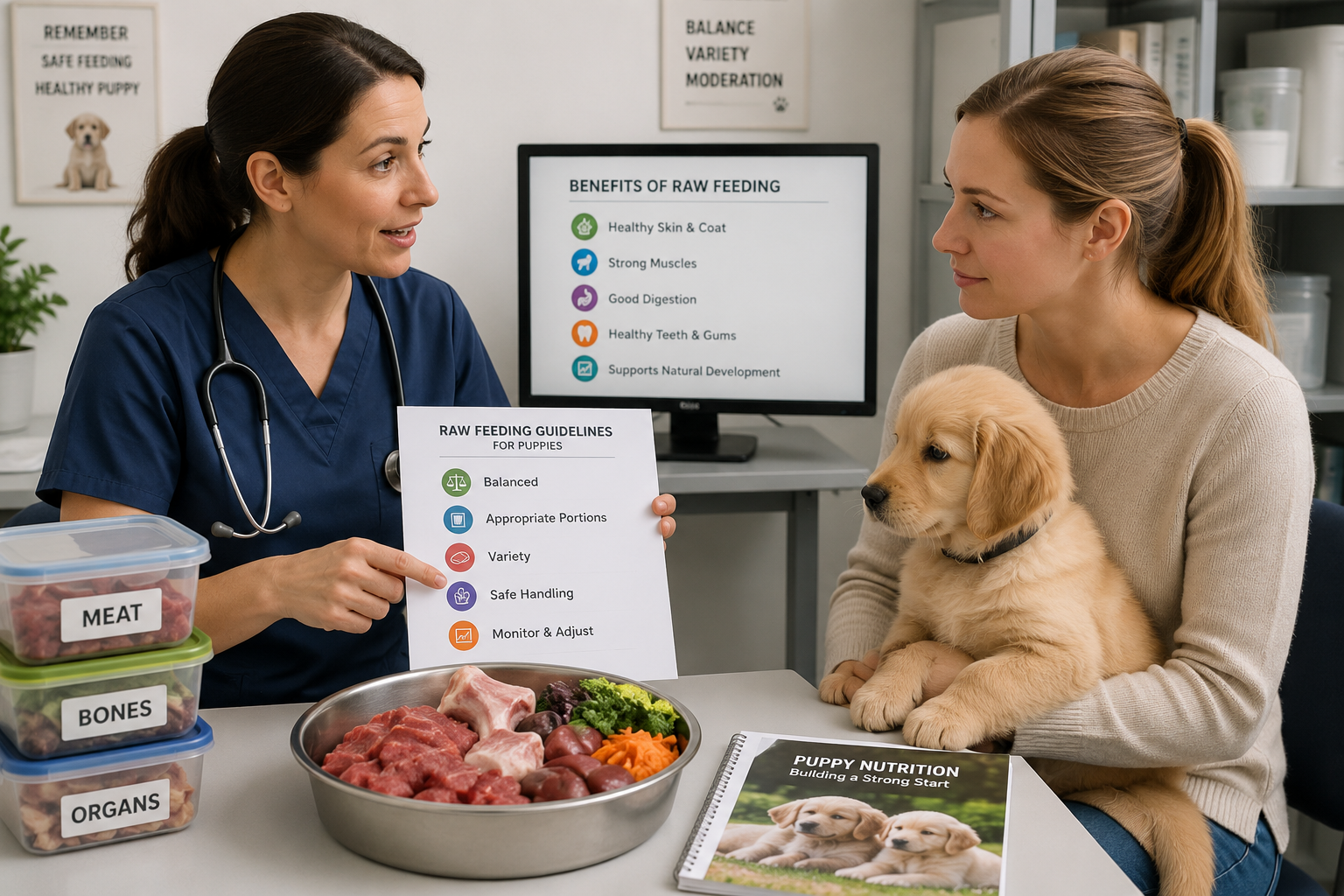
Many veterinarians approach raw feeding for puppies with caution because growing dogs require very precise nutrition to develop properly.
Puppies need balanced levels of protein, calcium, phosphorus, vitamins, and other nutrients to support bone development, muscle growth, and organ function. If a raw diet is not carefully formulated, it may lead to nutritional imbalances that affect healthy growth.
Veterinary experts are also concerned about the risk of bacterial contamination. Raw meat can carry pathogens such as Salmonella, E. coli, and Listeria, which may cause illness in both pets and humans who handle the food. Studies have shown that dogs eating raw diets may shed harmful bacteria even when they appear healthy.
Because of these concerns, many veterinary organisations advise caution when feeding raw diets. Some recommend commercially prepared foods that meet recognised nutritional standards, especially for puppies that are still developing. If owners wish to feed a raw diet, veterinarians often suggest consulting a veterinary nutritionist to ensure the diet is balanced and safe for the puppy.
Signs a Raw Diet May Not Suit Your Puppy
Puppies may show clear physical or behavioural changes if their diet does not meet their nutritional needs. These warning signs may indicate the raw diet requires adjustment.
- Frequent Digestive Upset: Persistent diarrhoea, vomiting, or stomach discomfort after meals may indicate the puppy’s digestive system is struggling to process the raw diet or certain ingredients.
- Poor Growth or Weight Issues: Puppies that gain weight too slowly, appear underweight, or show uneven growth may not be receiving the balanced nutrients required for proper development.
- Dull Coat or Skin Problems: Dry skin, itching, excessive shedding, or a dull coat may signal nutritional deficiencies or imbalances within the raw feeding plan.
- Low Energy Levels: Puppies should normally be active and playful. Unusual tiredness, reduced activity, or lack of enthusiasm during playtime may indicate insufficient calories or nutrients.
- Refusal to Eat Regularly: If a puppy consistently refuses raw meals or eats irregularly, the diet may not suit their taste preferences or digestive tolerance.
Safety Precautions When Feeding Raw Diets
Raw feeding can carry health risks if food preparation and nutritional balance are not managed carefully. These precautions help reduce potential dangers when feeding puppies a raw diet.
- Maintain Strict Food Hygiene: Always wash hands, food bowls, knives, and kitchen surfaces after handling raw meat. Raw diets can contain bacteria such as Salmonella or E. coli, which may spread easily and pose health risks to both pets and people in the household.
- Store Raw Ingredients Safely: Raw meat should be kept refrigerated or frozen until feeding time to prevent bacterial growth. Defrost food in the refrigerator rather than at room temperature, and discard any raw food that has been left out for extended periods.
- Ensure the Diet Is Nutritionally Balanced: Puppies require precise levels of nutrients for proper growth. Raw diets should include appropriate ratios of meat, organs, bones, and supplements to avoid deficiencies in calcium, vitamins, or essential minerals.
- Choose Safe Bones and Supervise Feeding: Not all bones are suitable for puppies. Soft, raw bones may be safer, but puppies should always be supervised during feeding to prevent choking, tooth fractures, or digestive blockages.
- Transition Diets Gradually: Switching suddenly to a raw diet may cause digestive upset such as vomiting or diarrhoea. Gradually introducing raw food over several days allows the puppy’s digestive system to adjust more comfortably.
Safer Alternatives to Raw Feeding Puppies

Puppies can receive complete nutrition without the risks linked to raw diets. These safer feeding options provide balanced nutrients needed for healthy growth and development.
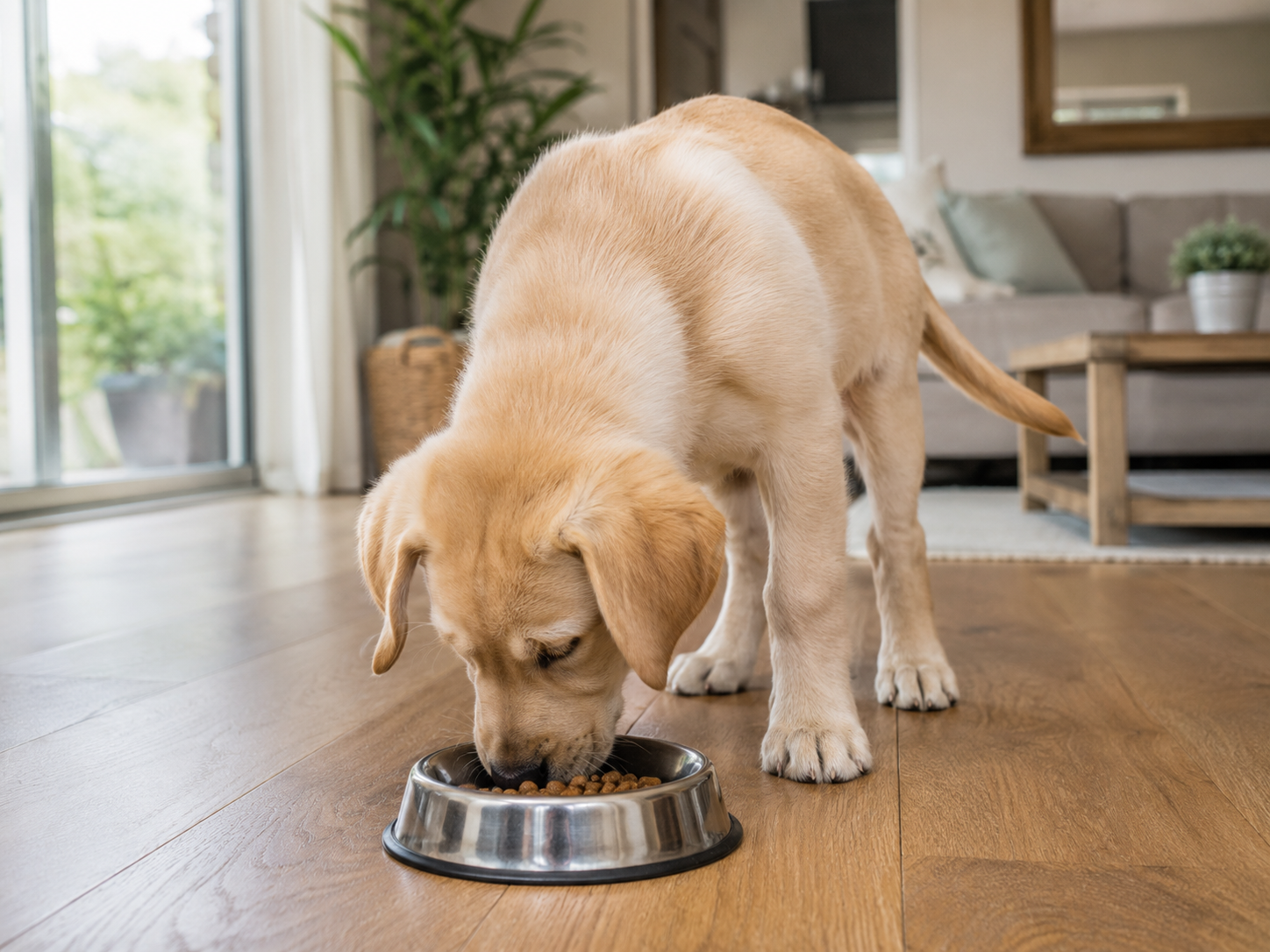
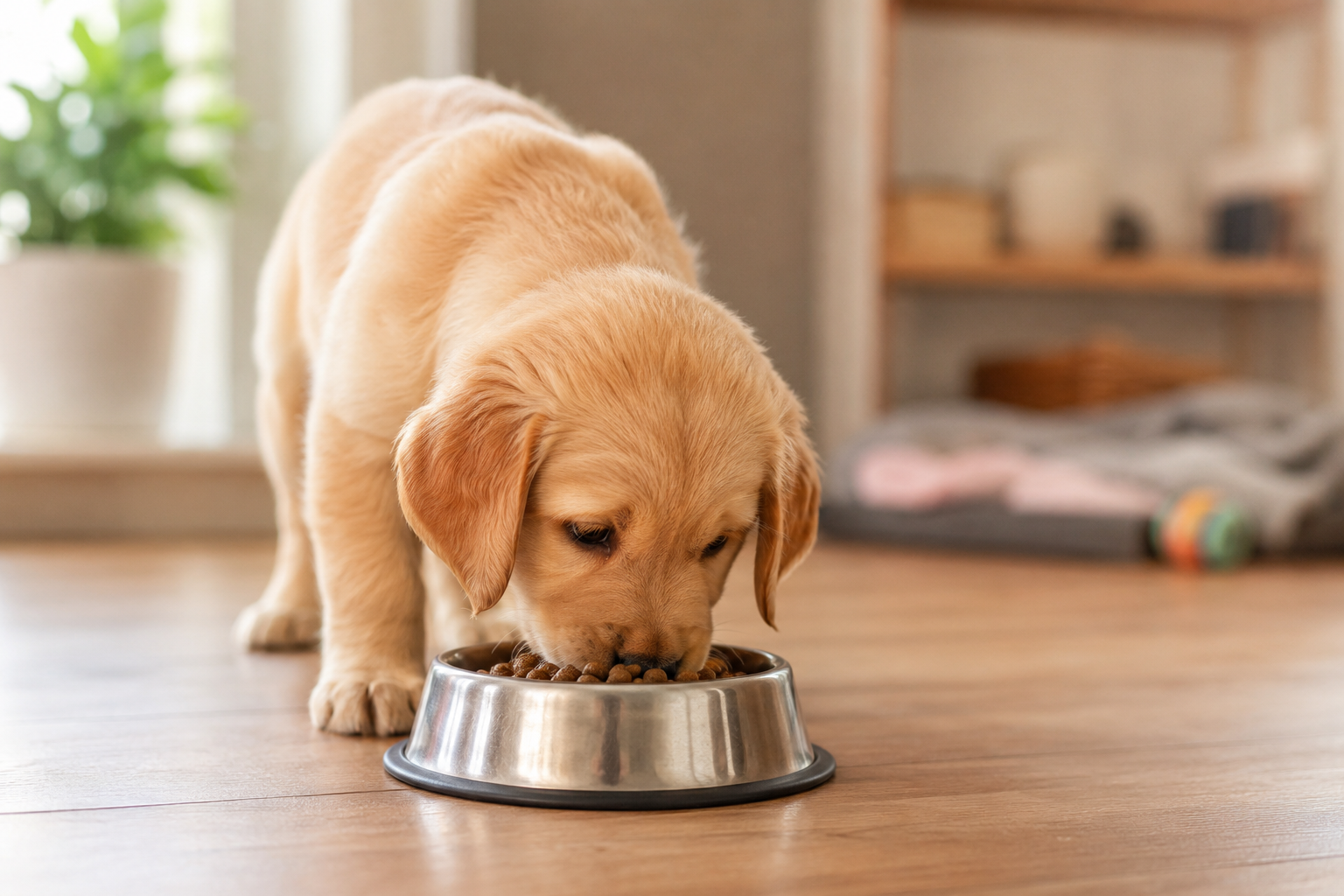
- High-Quality Commercial Puppy Food: Formulated puppy foods are designed to meet recognised nutritional standards. They provide balanced levels of protein, fats, vitamins, and minerals required for proper growth and development.
- Veterinarian-Supervised Home-Cooked Diets: Some owners prefer preparing food at home. When planned with veterinary guidance, cooked diets can provide balanced nutrition while reducing bacterial risks associated with raw feeding.
- Fresh Cooked Dog Food Services: Fresh dog food prepared through specialised pet food services offers minimally processed meals that are cooked for safety while still providing balanced nutrients.
- Mixed Feeding Approaches: Some owners combine wet and dry dog food to provide variety and balanced nutrition. This approach may help improve palatability while maintaining complete dietary support.
- Breed and Age-Specific Diets: Choosing food formulated for a puppy’s breed size and life stage ensures appropriate calorie levels and nutrient ratios needed during important growth periods.
Is Raw Feeding the Right Choice for Your Puppy?
Raw feeding remains a debated topic among dog owners and veterinarians.
While some believe raw diets offer natural benefits, growing puppies require carefully balanced nutrition to support healthy development.
Understanding the risks and safety considerations of raw feeding puppies is essential before making dietary decisions.
For reliable guidance on puppy care, feeding, and responsible dog ownership, visit Pups4Sale to help ensure your puppy grows strong, healthy, and well-nourished.
Frequently Asked Questions
1. Is raw feeding safe for puppies?
Raw feeding can be safe if the diet is carefully balanced and prepared under proper hygiene conditions. However, puppies have strict nutritional requirements, so many veterinarians recommend professional guidance before starting a raw diet.
2. What are the risks of feeding raw food to puppies?
Raw diets may carry risks such as bacterial contamination, nutritional imbalances, and bone-related injuries. Puppies are particularly vulnerable because they require precise nutrient levels to support healthy growth and development.
3. Can puppies eat raw bones safely?
Some raw feeding plans include raw bones, but they can pose risks such as choking, tooth fractures, or digestive injuries. Bones should always be appropriate in size and type if used.
4. Do veterinarians recommend raw feeding for puppies?
Many veterinarians remain cautious about raw feeding due to bacterial risks and nutritional concerns. Some may support it if the diet is properly balanced and developed with professional nutritional guidance.
5. What nutrients are essential in a raw puppy diet?
Puppies require balanced levels of protein, fats, calcium, phosphorus, vitamins, and minerals. These nutrients are crucial for healthy bone development, muscle growth, immune support, and overall body function.
6. How do I start raw feeding my puppy safely?
If considering raw feeding, begin with professional advice from a veterinarian or canine nutritionist. Introduce the diet gradually, monitor digestion and growth, and ensure meals meet balanced nutritional requirements.
 Add us as a preferred source