Grain-Free Dog Food: Benefits and Risks Explained
Dog Nutrition & Feeding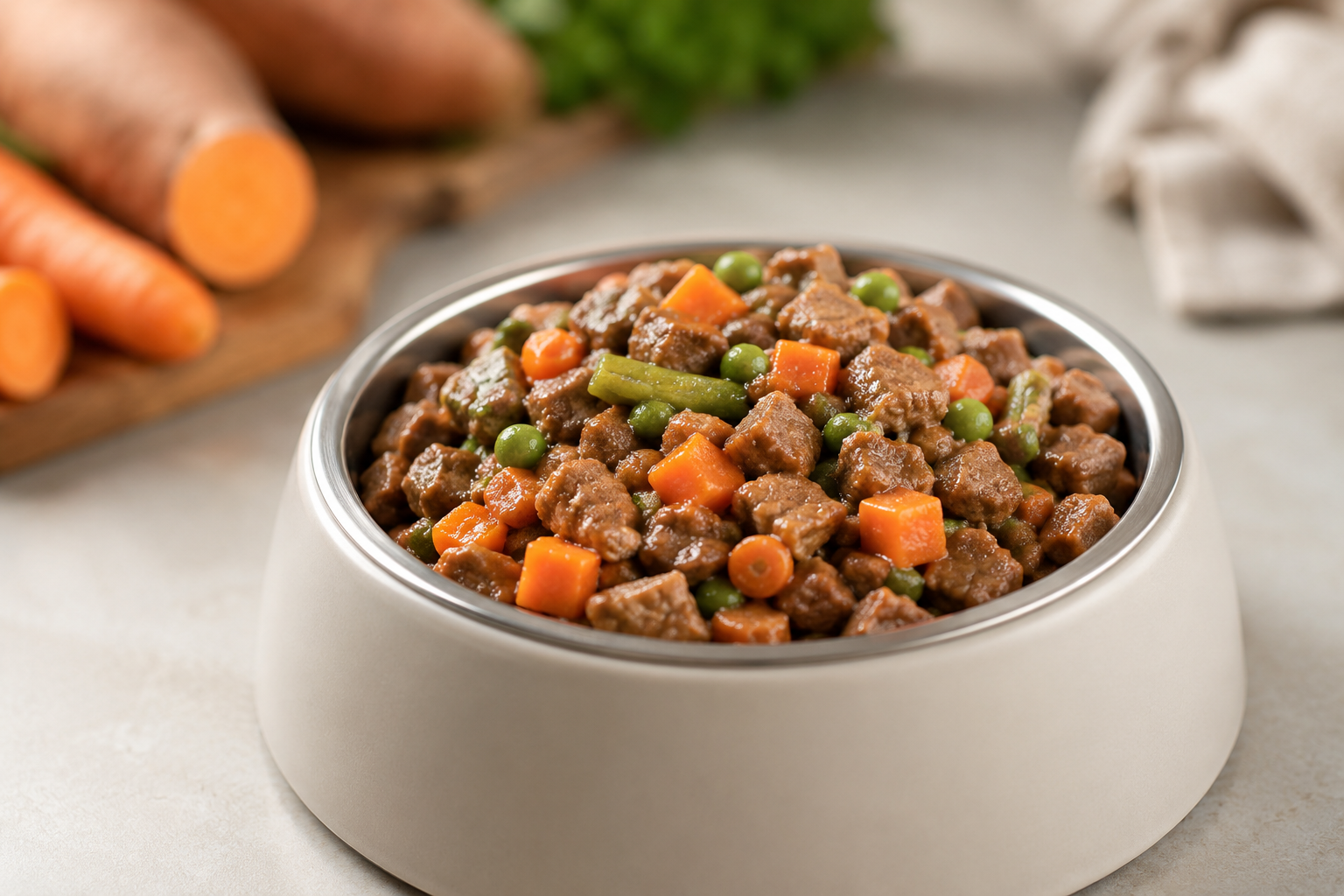 By James C. • June 23, 2026
Grain-free dog food has become increasingly popular among dog owners in recent years. Many pet food brands promote grain-free diets as premium options that may support digestion and overall wellbeing for dogs.
These diets remove grains such as wheat, corn, rice, and barley and replace them with alternative carbohydrate sources like potatoes, peas, or lentils. Some owners choose grain-free foods because they believe grains may trigger allergies or digestive issues.
Understanding how grain-free diets work is important before making feeding changes. This guide explains the benefits, risks, and considerations of grain-free dog food for owners.
What Is Grain-Free Dog Food?
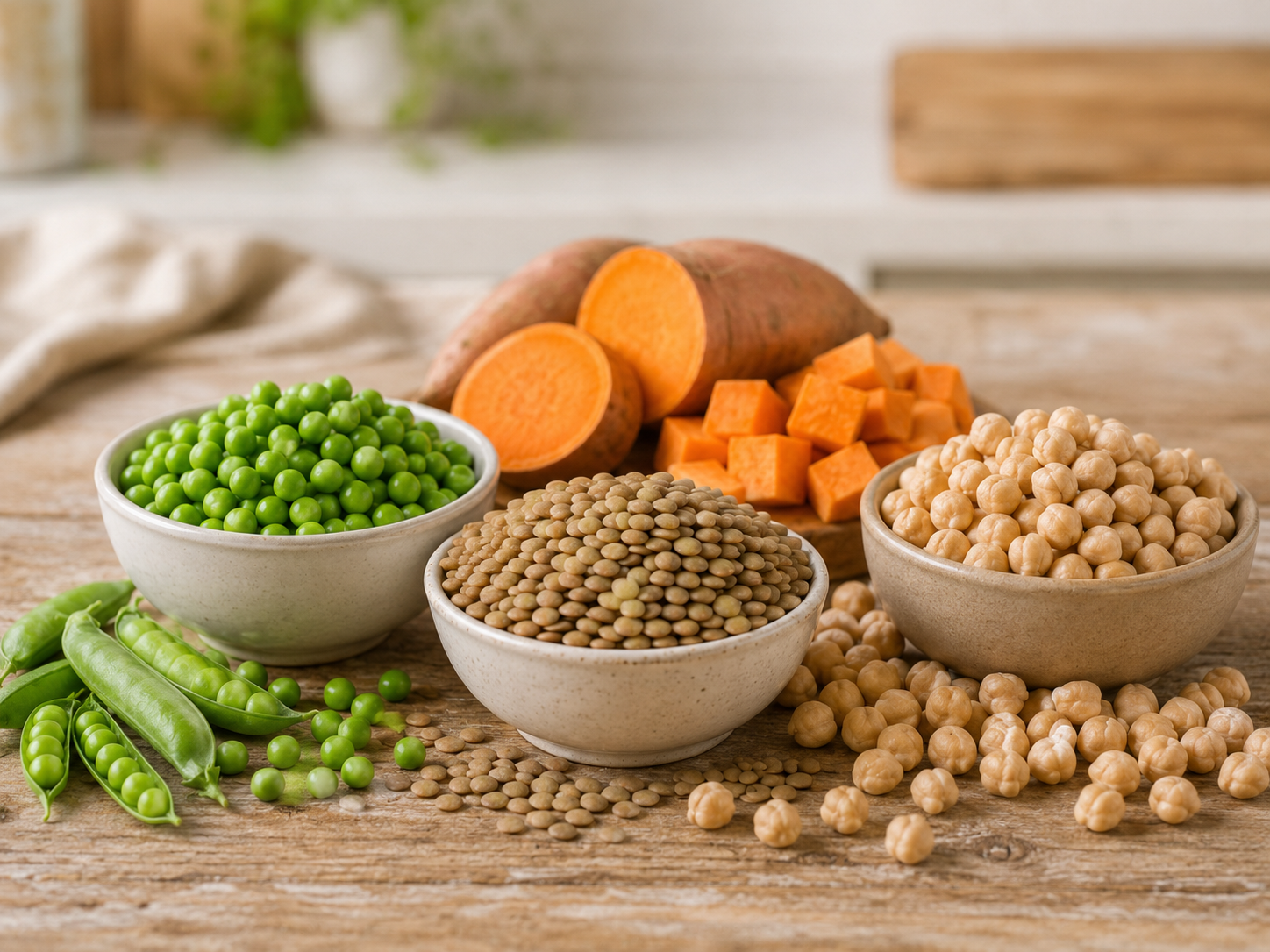
Grain-free dog food refers to dog food formulas that are made without common grains such as wheat, corn, rice, barley, or oats. Instead of grains, these diets use alternative carbohydrate sources such as potatoes, sweet potatoes, lentils, chickpeas, or peas.
These ingredients help provide energy while maintaining the structure and texture of dry or wet dog food.
The concept behind grain-free diets is to remove grains that some owners believe may cause food sensitivities or digestive issues in dogs. Grain-free formulas often contain higher levels of protein from animal sources along with vegetables and legumes that replace traditional grains.
However, grain-free dog food does not mean carbohydrate-free. Dogs still require carbohydrates for energy, and grain-free diets simply provide those carbohydrates from different ingredients.
Many grain-free dog foods are marketed as premium or specialised diets. While they can be suitable for some dogs, they are not automatically healthier for every dog and should be chosen based on individual needs and sound dog nutrition principles.
Why Some Owners Choose Grain-Free Dog Food
Many dog owners choose grain-free dog food because they believe it may support better digestion or reduce food sensitivities. Some dogs experience digestive discomfort or skin irritation when eating certain ingredients, and owners may switch to grain-free diets in an attempt to identify potential food triggers.
Another reason grain-free diets are popular is the perception that they reflect a more natural feeding approach, similar to the thinking behind raw feeding for puppies. Some owners believe dogs should eat diets similar to their wild ancestors, which leads them to prefer foods that focus on meat-based ingredients and avoid grains.
Marketing trends in the pet food industry have also contributed to the popularity of grain-free products. Many premium dog foods highlight grain-free formulas as high-quality or specialised diets designed for modern pet nutrition.
In some cases, veterinarians may recommend grain-free diets as part of an elimination diet when investigating food allergies or sensitivities. However, true grain allergies are relatively uncommon in dogs, and many dogs digest grains without difficulty when the diet is properly balanced.
Potential Benefits of Grain-Free Dog Food

Grain-free dog food may offer advantages in certain situations, particularly for dogs with specific dietary sensitivities. These are some potential benefits often associated with grain-free diets.
1. May Help Dogs with Food Sensitivities
Some dogs may experience sensitivities to certain ingredients commonly found in grain-inclusive diets. In these cases, switching to grain-free dog food may help reduce symptoms such as itching, digestive upset, or ear infections.
Grain-free diets replace grains with alternative carbohydrate sources like potatoes or legumes, which some dogs tolerate better when dealing with specific dietary sensitivities.
2. Supports Digestive Comfort
Grain-free dog food may improve digestive comfort for some dogs, particularly those that struggle to tolerate certain grain ingredients. Alternative carbohydrate sources used in grain-free diets may be easier for some dogs to digest.
When properly formulated, these diets can help support stable digestion, healthy stool quality, and reduced gastrointestinal discomfort in sensitive dogs.
3. Often Higher in Animal Protein
Many grain-free dog foods focus on meat-based ingredients, which can result in higher protein levels compared with some traditional dog foods.
Protein plays an important role in maintaining muscle mass, supporting immune function, and providing energy for active dogs. For highly active dogs, protein-rich diets may help maintain strength and overall physical condition.
4. May Improve Skin and Coat Health
A well-balanced grain-free diet may contribute to healthier skin and a shinier coat in some dogs. When food sensitivities are reduced and nutrition is balanced, dogs may experience fewer skin irritations and improved coat condition.
Many grain-free diets include ingredients rich in omega fatty acids, which help support skin health and coat appearance.
5. Alternative Option for Special Dietary Needs
Grain-free diets can provide an alternative feeding option for dogs that require specialised diets recommended by veterinarians. In cases where a dog has confirmed dietary intolerance, removing specific ingredients may help manage symptoms.
However, dietary changes should always be guided by veterinary advice to ensure nutritional balance and long-term health.
Risks and Concerns With Grain-Free Dog Food

Although grain-free diets are widely available, veterinarians and researchers have raised concerns about potential health risks associated with some formulations. These are important considerations for dog owners.
1. Possible Link to Dilated Cardiomyopathy (DCM)
Veterinary investigations have examined a potential link between certain grain-free diets and dilated cardiomyopathy (DCM), a serious heart condition in dogs. Some studies suggest that diets high in legumes such as peas and lentils may affect heart health in certain cases.
Although research is ongoing, many veterinarians recommend caution when feeding grain-free diets unless they are medically necessary.
2. Nutritional Imbalance Risks
Removing grains from a dog’s diet can alter the balance of nutrients if the food is not properly formulated. Whole grains often provide fibre, vitamins, and minerals that support digestive health and overall nutrition.
Some grain-free foods rely heavily on alternative carbohydrate sources that may not provide the same nutrient profile if the diet is poorly balanced.
3. True Grain Allergies Are Rare
Many owners choose grain-free diets, believing grains commonly cause allergies in dogs. However, veterinary research indicates that true grain allergies are relatively uncommon.
Most food allergies in dogs are actually linked to proteins such as beef, dairy, or chicken rather than grains. This means grain-free diets may not address the real cause of many dietary sensitivities.
4. Higher Fat and Calorie Content
Some grain-free dog foods contain higher levels of fat or calories to maintain palatability and energy levels.
While this may benefit active dogs, it can also contribute to weight gain if portions are not carefully controlled. Over time, excess calories may increase the risk of obesity and related health issues.
5. Misleading Perception of Health Benefits
Grain-free diets are often marketed as healthier or more natural, which can influence owner decisions. However, most dogs digest grains effectively and gain valuable nutrients from them.
Choosing a grain-free diet without veterinary guidance may lead owners to overlook well-balanced diets that already meet a dog’s nutritional needs.
Grain-Free vs Grain-Inclusive Dog Food
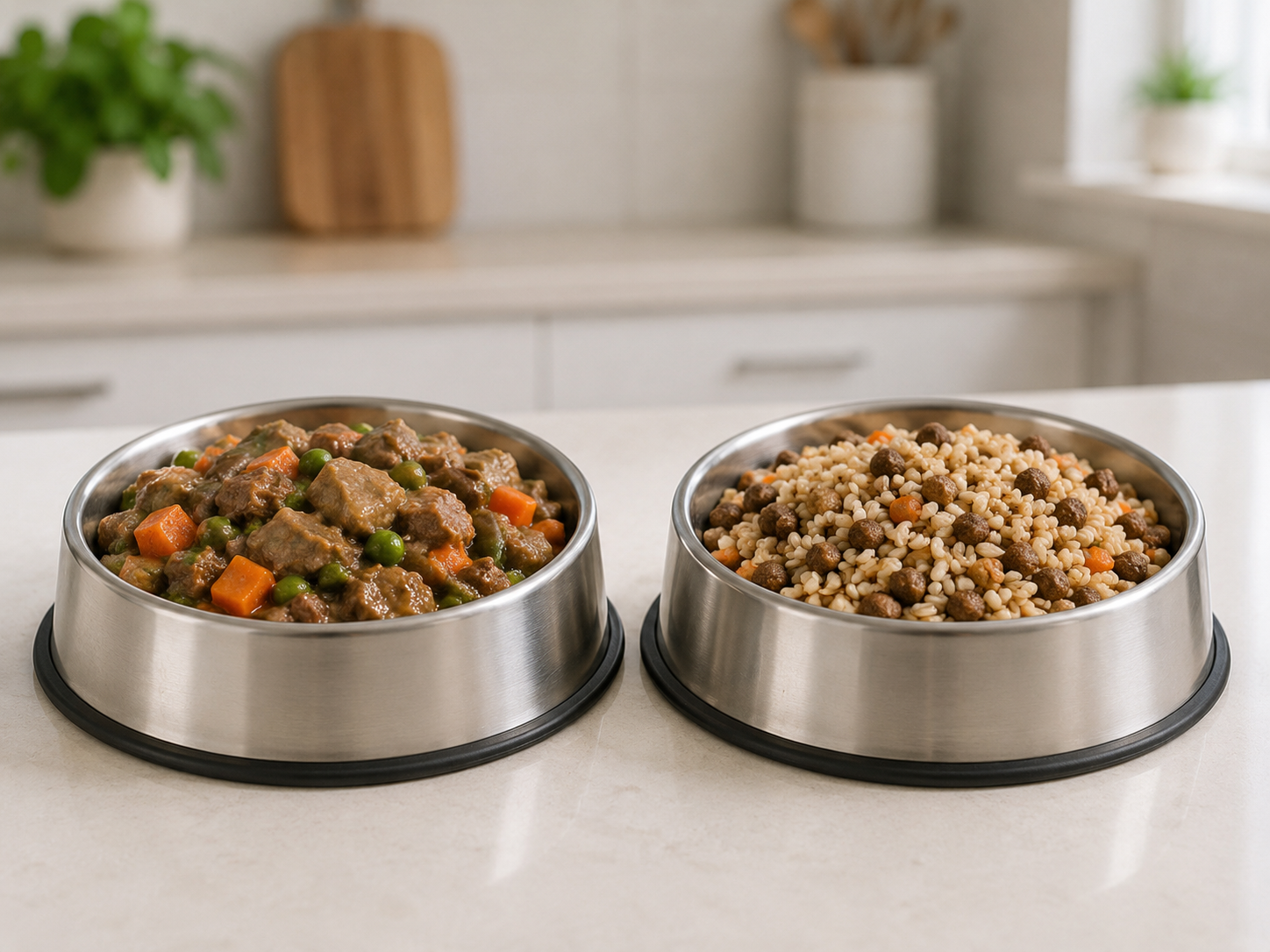
Understanding the differences between grain-free and grain-inclusive dog food, much like comparing wet and dry dog food, helps owners choose the most suitable diet based on their dog’s nutritional needs.
| Feature | Grain-Free Dog Food | Grain-Inclusive Dog Food |
|---|---|---|
| Carbohydrate Sources | Uses ingredients such as peas, lentils, chickpeas, potatoes, or sweet potatoes instead of grains. | Uses grains such as rice, wheat, barley, oats, or corn as carbohydrate sources. |
| Digestibility | Some dogs with sensitivities may digest grain-free formulas more comfortably, depending on the ingredients used. | Most dogs digest grains well, and grains can provide fibre and energy in balanced diets. |
| Nutritional Composition | Often includes legumes or vegetables to replace grains while maintaining energy levels. | Balanced diets include grains that provide vitamins, minerals, and carbohydrates for energy. |
| Suitability for Dogs | May be recommended for dogs with confirmed grain sensitivities or specific dietary needs. | Suitable for most healthy dogs when formulated with high-quality ingredients. |
| Veterinary Recommendation | Should ideally be used under veterinary guidance when dietary sensitivities are suspected. | Commonly recommended for general dog nutrition and balanced feeding routines. |
When Grain-Free Dog Food May Be Appropriate
Grain-free diets are not necessary for most dogs, but there are specific situations where veterinarians may recommend them. These examples explain when grain-free dog food may be appropriate.
- Confirmed Grain Allergy: In rare cases where a veterinarian diagnoses a true grain allergy, grain-free dog food may help reduce symptoms such as itching, digestive upset, or skin irritation.
- Food Sensitivity Diagnosis: Some dogs experience food sensitivities identified through elimination diets. Grain-free food may be recommended if grains are identified as a triggering ingredient.
- Veterinary Dietary Recommendation: Veterinarians may recommend grain-free diets as part of specialised treatment plans for dogs with specific health conditions requiring controlled ingredients.
- Digestive Intolerance to Certain Grains: A small number of dogs may struggle to digest particular grains. Grain-free diets using alternative carbohydrates may help improve digestive comfort.
- Prescription Diet Management: Some veterinary prescription diets may exclude grains to support dogs with complex dietary needs or sensitivities that require carefully controlled nutrition.
Signs a Dog’s Diet May Need Adjustment
Changes in behaviour, digestion, or appearance can signal that a dog’s current diet may not be meeting its nutritional needs. These signs your dog’s diet is not working may indicate it is time to review the feeding routine.
- Persistent Digestive Issues: Frequent vomiting, diarrhoea, gas, or stomach discomfort may suggest that the current diet does not suit the dog’s digestive system and may require adjustment.
- Unexplained Weight Changes: Sudden weight gain or weight loss can indicate that portion sizes or calorie levels are not appropriate for the dog’s activity level and metabolism.
- Dull Coat or Skin Problems: Dry skin, excessive shedding, or a dull coat may signal nutritional imbalances, particularly deficiencies in essential fatty acids or vitamins.
- Low Energy Levels: Dogs lacking proper nutrition may appear lethargic, less active, or unwilling to exercise, which may indicate their diet is not providing sufficient energy.
- Loss of Appetite: A sudden lack of interest in food or irregular eating habits may suggest the current diet is not appealing or may not be suitable for the dog’s health needs.
Choosing the Right Diet for Your Dog
Understanding grain-free dog food benefits and risks helps dog owners make informed feeding decisions.
While grain-free diets may benefit dogs with specific sensitivities, most dogs digest grains without problems and gain important nutrients from them.
Choosing balanced, high-quality dog food is more important than following dietary trends.
If you are considering changing your dog’s diet, consult your veterinarian and keep up routine health and vet care to support your dog’s long-term health and wellbeing.
Frequently Asked Questions
1. Is grain-free dog food healthier for dogs?
Grain-free dog food is not automatically healthier for all dogs. Many dogs digest grains without problems. Grain-free diets may benefit dogs with specific allergies, but balanced grain-inclusive diets can also provide complete nutrition.
2. Do dogs need grains in their diet?
Dogs do not strictly require grains, but grains can provide valuable nutrients such as fibre, vitamins, and energy. Many dogs digest whole grains well, making grain-inclusive diets a suitable option for healthy adult dogs.
3. What are the risks of grain-free dog food?
Some studies have suggested a possible link between grain-free diets and dilated cardiomyopathy (DCM) in certain dogs. Research is still ongoing, but veterinarians recommend choosing well-balanced diets from reputable pet food brands.
4. Can puppies eat grain-free dog food?
Puppies can eat grain-free diets if the food is formulated specifically for puppy growth and development. However, most puppies do well on balanced puppy food that includes grains unless a veterinarian recommends otherwise, with portions matched to how much a puppy should eat at each stage.
5. What ingredients replace grains in grain-free dog food?
Grain-free dog foods usually replace grains with ingredients such as peas, lentils, chickpeas, potatoes, or sweet potatoes. These ingredients provide carbohydrates and fibre that help support energy and digestion.
6. How do I know if my dog needs grain-free food?
A veterinarian may recommend grain-free food if a dog has been diagnosed with grain allergies or food sensitivities. Symptoms can include skin irritation, digestive upset, or ear infections that persist despite dietary changes.
7. Are grain-free diets suitable for puppies?
Puppies can eat grain-free food if the formula is specifically designed for puppy growth and development. However, many puppies grow well on balanced diets that include grains unless a veterinarian recommends otherwise.
 Add us as a preferred source