Foods That Are Toxic to Dogs in Australia
Dog Nutrition & Feeding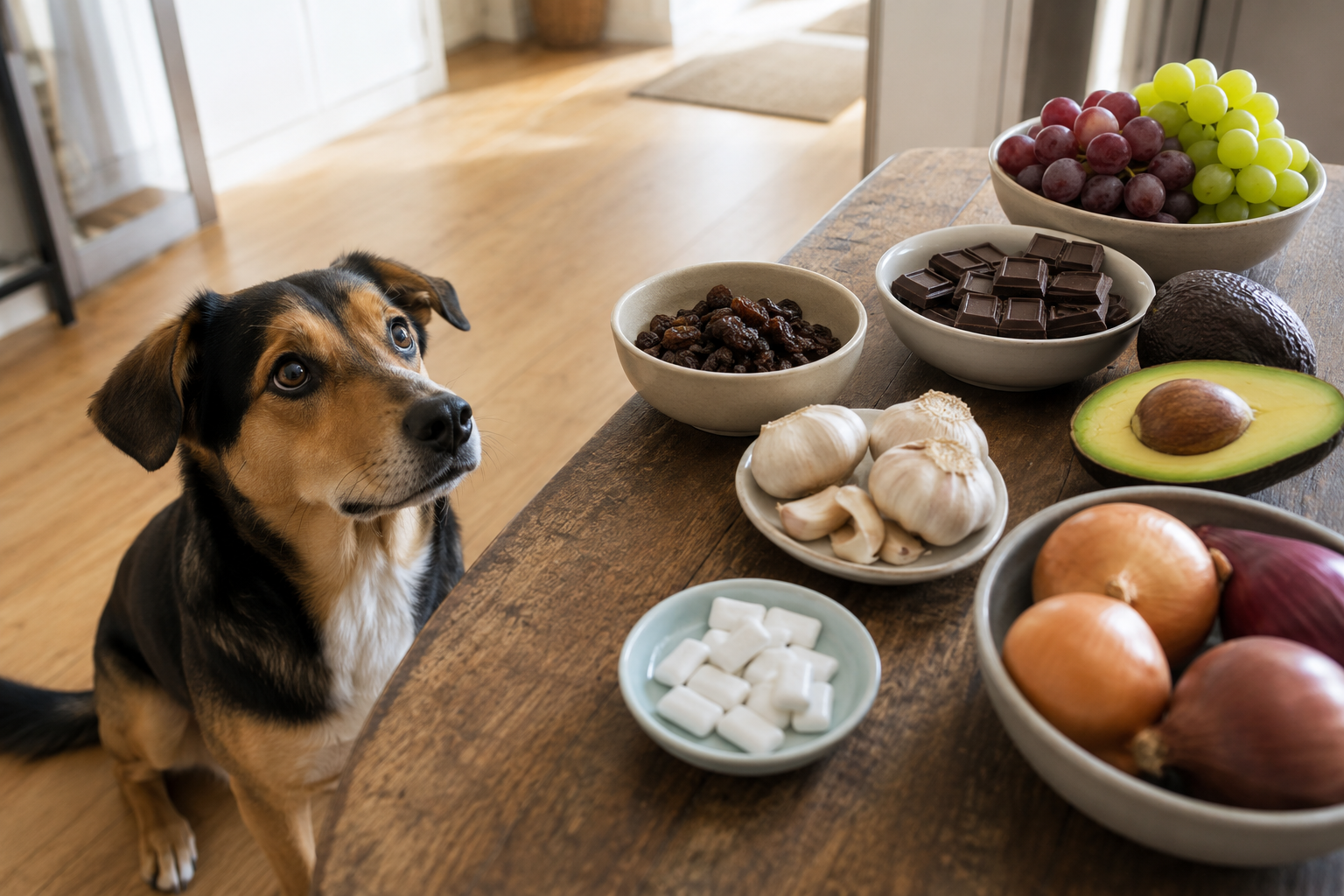 By James C. • June 23, 2026
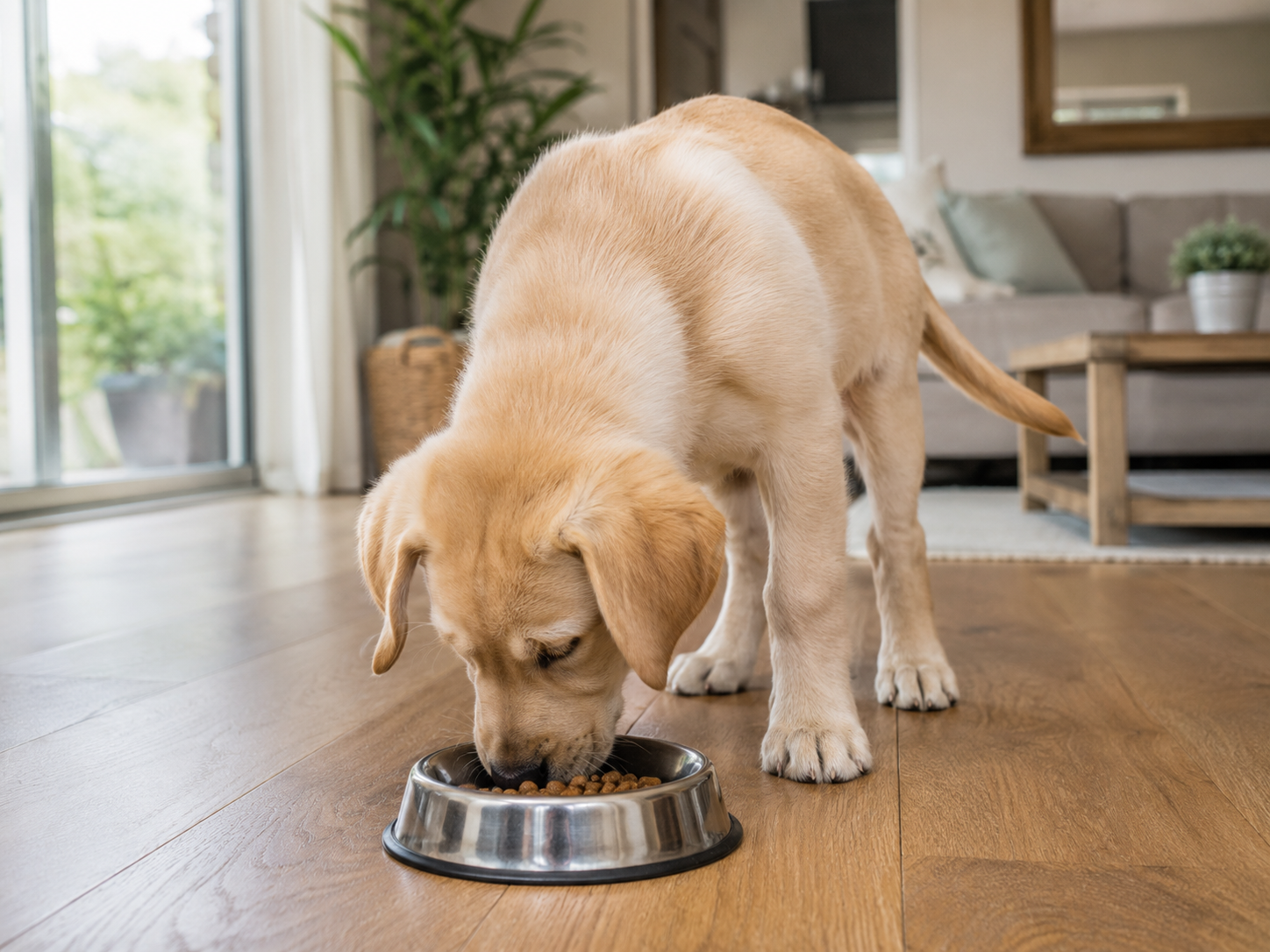
Many common foods found in Australian households can be dangerous for dogs. While these foods may be safe for humans, dogs process certain ingredients very differently, which can lead to serious health problems.
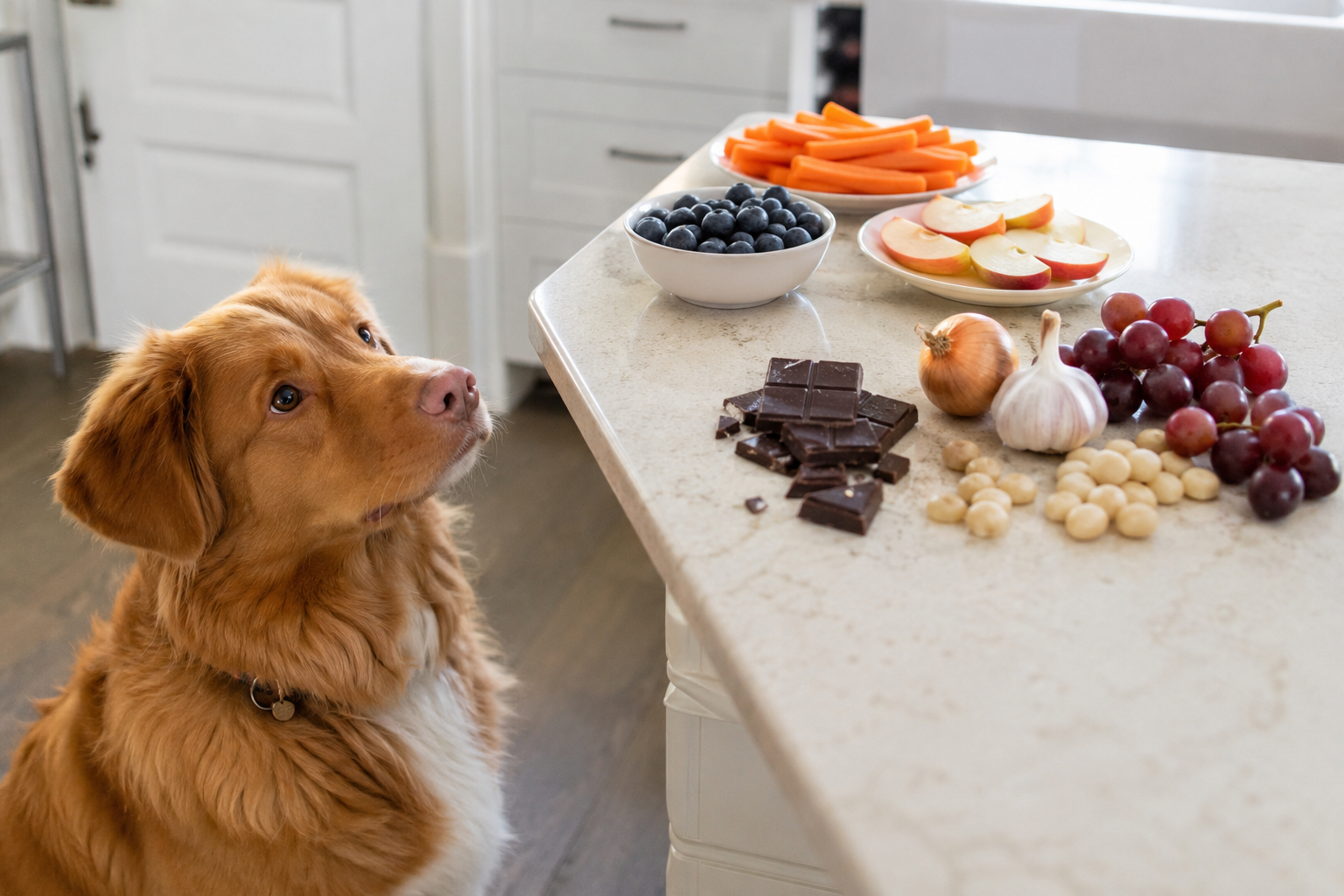
Understanding foods toxic to dogs in Australia is important for preventing accidental poisoning. Items such as chocolate, grapes, onions, macadamia nuts, and artificial sweeteners can cause severe illness even in small amounts.
This guide explains the most common toxic foods for dogs, the symptoms of poisoning, and how to keep your dog safe at home.
Why Some Foods Are Toxic to Dogs
Some foods are toxic to dogs because their bodies process certain substances very differently from humans. Dogs have unique digestive systems and metabolic processes, which means ingredients that are harmless for people can cause serious health problems in dogs.
Many toxic foods contain compounds that dogs cannot break down safely. For example, chocolate contains theobromine and caffeine, substances that affect a dog’s nervous system and heart.
Because dogs metabolise these compounds slowly, they can build up in the body and lead to symptoms such as vomiting, tremors, and a rapid heart rate.
Other foods contain chemicals that damage organs. Grapes and raisins, for example, have been linked to sudden kidney failure in dogs, even when eaten in small amounts. Artificial sweeteners such as xylitol can also cause a rapid drop in blood sugar and potentially severe liver damage.
The risk of toxicity often depends on the dog’s size, the type of food consumed, and the quantity eaten. Because even small amounts can be harmful, preventing access to dangerous foods is essential for keeping dogs safe.
Common Foods That Are Toxic to Dogs in Australia
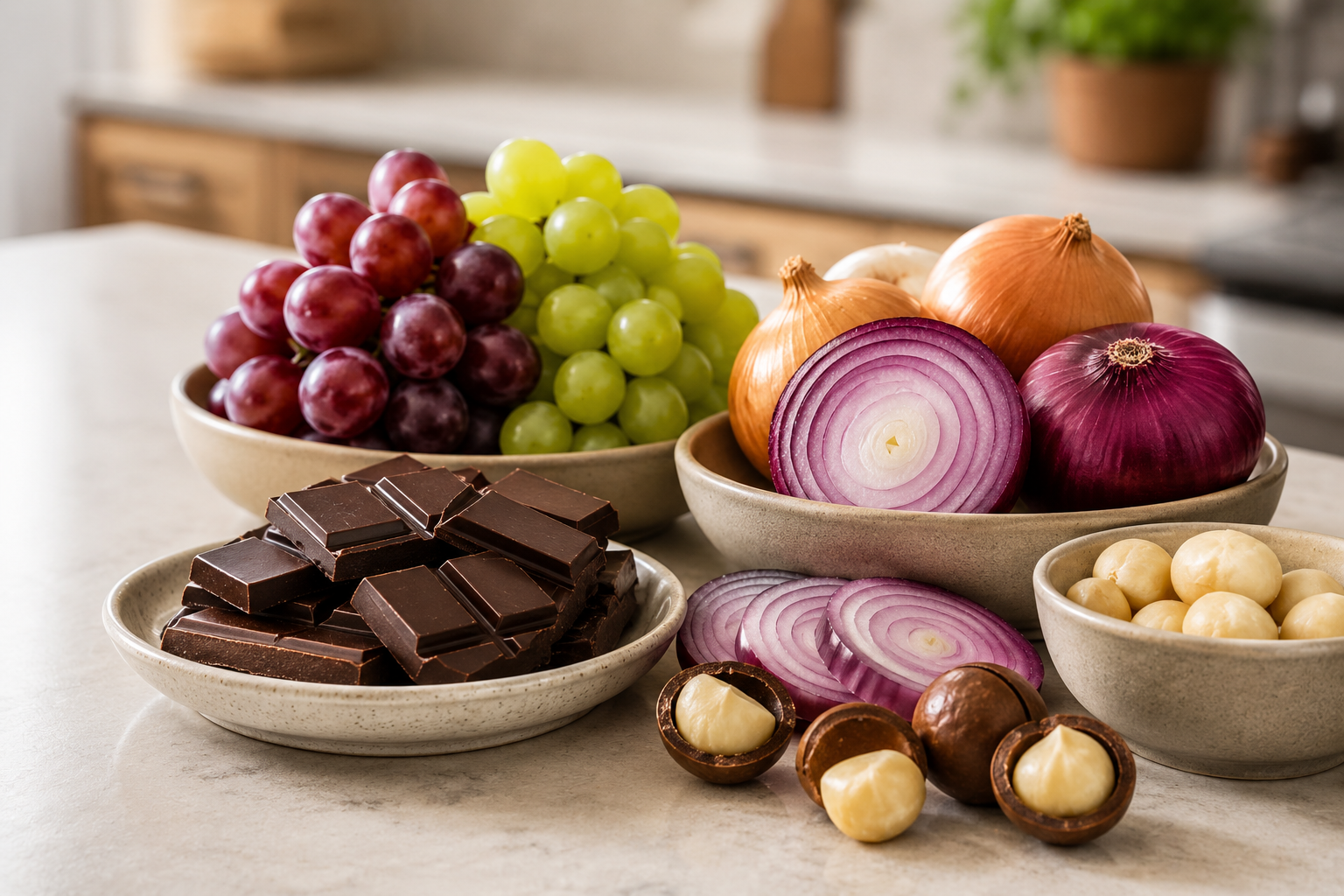
Many foods commonly found in Australian kitchens can pose serious health risks for dogs. Here are some of the most dangerous foods every dog owner should recognise.
1. Chocolate and Cocoa Products
Chocolate contains theobromine and caffeine, substances that dogs cannot process efficiently. Even small amounts can cause symptoms such as vomiting, rapid heart rate, restlessness, and seizures.
Dark chocolate and baking chocolate contain higher concentrations of theobromine, making them especially dangerous. Because toxicity depends on the dog’s size and the amount consumed, any chocolate ingestion should be treated as a potential emergency.
2. Grapes and Raisins
Grapes and raisins are highly toxic to dogs and can lead to sudden kidney failure. Even small quantities may trigger severe reactions, though the exact toxic compound remains unknown.
Symptoms often include vomiting, lethargy, and loss of appetite within hours of ingestion. Because reactions vary between dogs, veterinarians recommend avoiding grapes and raisins entirely in any dog’s diet.
3. Onions and Garlic
Onions, garlic, and other members of the allium family contain compounds that damage a dog’s red blood cells. Consuming these foods can lead to anaemia, weakness, pale gums, and reduced oxygen circulation in the body.
Both raw and cooked forms can be harmful, including powdered seasonings often used in prepared foods.
4. Avocado
Avocado contains a compound called persin, which can be harmful to dogs when consumed in large amounts. While small quantities may cause mild digestive upset, the fruit’s skin, pit, and leaves contain higher concentrations.
These parts can lead to vomiting, diarrhoea, and stomach discomfort. The large pit also presents a choking hazard and may cause intestinal blockage if swallowed.
5. Macadamia Nuts
Macadamia nuts are particularly dangerous for dogs and can cause neurological symptoms within hours of consumption. Dogs that ingest macadamias may develop weakness, tremors, vomiting, fever, and difficulty walking.
Although most dogs recover with treatment, the symptoms can be distressing and require veterinary attention.
6. Xylitol (Artificial Sweetener)
Xylitol is an artificial sweetener commonly found in sugar-free gum, candies, baked goods, and some peanut butters. In dogs, xylitol triggers a rapid release of insulin, which can cause dangerously low blood sugar levels.
Severe cases may lead to seizures, liver failure, or collapse, making immediate veterinary care essential.
7. Alcohol and Caffeinated Drinks
Alcohol and caffeinated beverages can affect a dog’s nervous system and internal organs. Even small amounts may lead to symptoms such as vomiting, disorientation, tremors, breathing difficulties, or seizures.
Dogs are far more sensitive to these substances than humans, making accidental ingestion potentially life-threatening.
8. Fatty and Highly Processed Human Foods
Foods high in fat, such as fried items, fatty meat scraps, or heavily processed leftovers, can cause digestive distress in dogs.
Excess fat may trigger pancreatitis, a painful and potentially serious inflammation of the pancreas. Symptoms often include vomiting, abdominal pain, and loss of appetite.
9. Raw Yeast Dough
Raw yeast dough can be dangerous if eaten by dogs because it continues to expand in the stomach as the yeast ferments. This expansion can cause severe abdominal bloating and discomfort.
During fermentation, yeast also produces alcohol, which can lead to alcohol poisoning. Dogs that consume raw dough may show symptoms such as vomiting, weakness, and breathing difficulties.
10. Mouldy or Spoiled Food
Mouldy food can contain toxins known as mycotoxins, which are produced by certain types of fungi. Dogs that eat spoiled or mouldy food from rubbish bins or compost may develop symptoms such as tremors, vomiting, seizures, and weakness.
These toxins can affect the nervous system and may lead to serious illness if veterinary treatment is not provided quickly.
Symptoms of Food Poisoning in Dogs

Food poisoning symptoms can appear quickly after a dog eats toxic food. Recognising these warning signs early helps owners seek veterinary care before serious complications develop.
- Vomiting and Nausea: Dogs experiencing food poisoning often vomit repeatedly as the body tries to eliminate toxins. This may occur soon after eating harmful foods and can be accompanied by drooling or visible discomfort.
- Diarrhoea and Digestive Upset: Toxic foods frequently irritate the digestive system, leading to diarrhoea, stomach cramps, or gas. Persistent digestive issues may cause dehydration and weakness if the dog continues losing fluids.
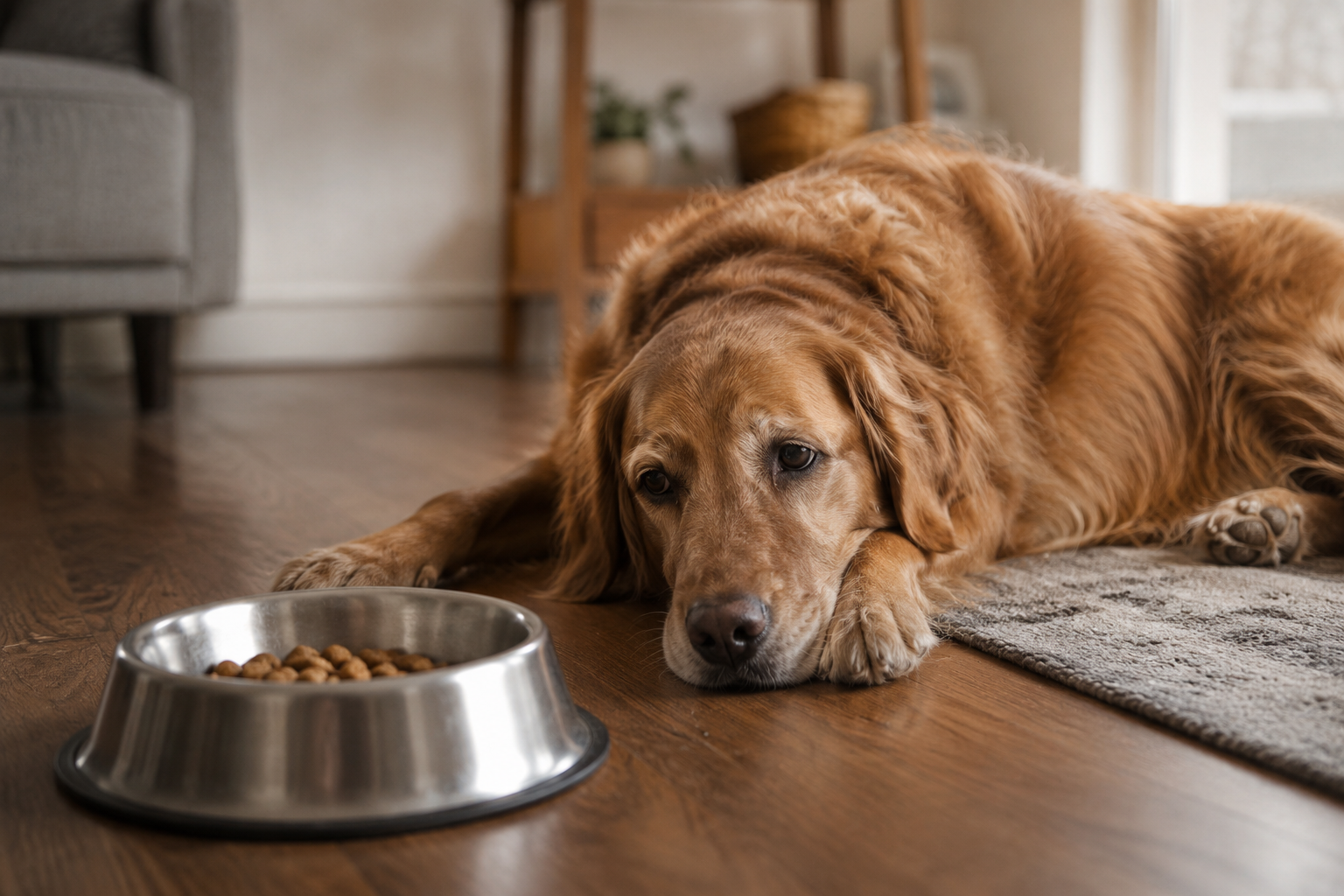
- Lethargy and Weakness: A poisoned dog may become unusually tired, inactive, or reluctant to move. Toxins affecting the body can reduce energy levels and cause noticeable weakness or slow responses.
- Tremors or Seizures: Some toxins affect the nervous system, causing muscle tremors, shaking, or seizures. These symptoms are serious and require immediate veterinary attention.
- Loss of Appetite: Dogs experiencing poisoning may refuse food or water due to nausea or abdominal discomfort, which can worsen weakness and dehydration.
- Difficulty Breathing: Severe poisoning can interfere with breathing, causing rapid breathing, coughing, or respiratory distress. This is a medical emergency requiring immediate veterinary treatment.
What to Do If Your Dog Eats Toxic Food

Acting quickly after a dog eats toxic food can significantly improve recovery chances. These immediate steps help reduce risks and ensure your dog receives proper veterinary care.
- Contact a Veterinarian Immediately: Call your veterinarian or an emergency animal clinic as soon as possible. Provide details about the food consumed, the amount eaten, and your dog’s size to help professionals assess the risk quickly.
- Remove Remaining Toxic Food: If the harmful food is still nearby, remove it immediately to prevent further ingestion. This also helps you identify exactly what your dog consumed before contacting the veterinarian.
- Do Not Induce Vomiting Without Advice: Avoid attempting home remedies or forcing vomiting unless instructed by a veterinarian. Incorrect methods can worsen the situation or cause additional harm to your dog.
- Monitor Your Dog’s Symptoms: Watch your dog closely for signs such as vomiting, tremors, weakness, or unusual behaviour. Reporting these symptoms to your veterinarian helps them determine the urgency and appropriate treatment.
- Bring Packaging or Food Samples: If possible, bring the food packaging or a sample of the toxic item to the veterinary clinic. This helps veterinarians identify the toxin and choose the most effective treatment quickly.
How to Prevent Dogs from Eating Toxic Foods
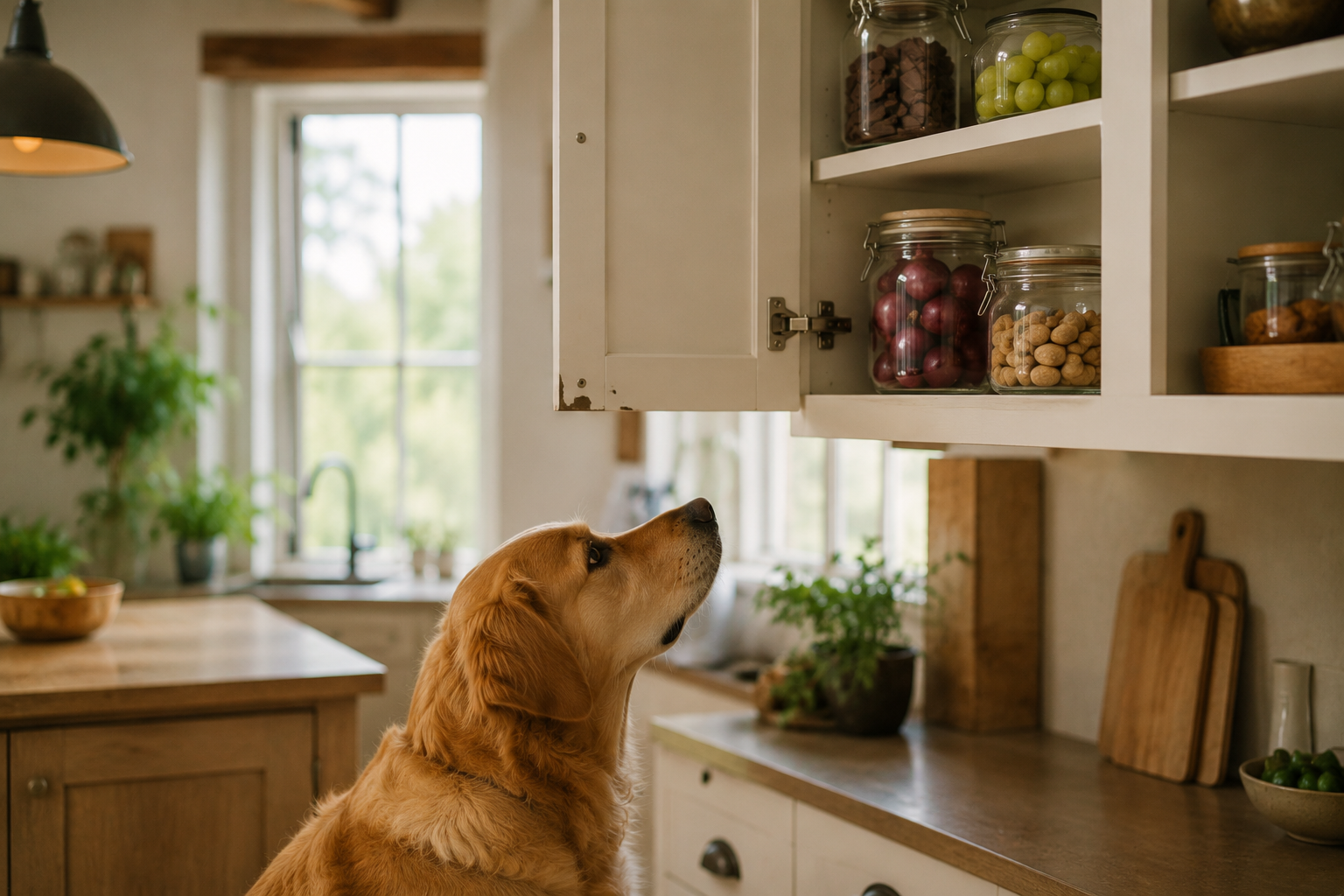
Preventing access to harmful foods is the most effective way to protect dogs from accidental poisoning at home. These practical habits help reduce everyday risks.
1. Store Human Foods Safely
Keeping toxic foods out of reach greatly reduces the risk of accidental poisoning. Store items such as chocolate, grapes, onions, and macadamia nuts in cupboards or sealed containers.
Dogs are naturally curious and may search benches or tables, so proper storage, a key part of puppy-proofing your home, helps prevent dangerous food exposure.
2. Avoid Feeding Table Scraps
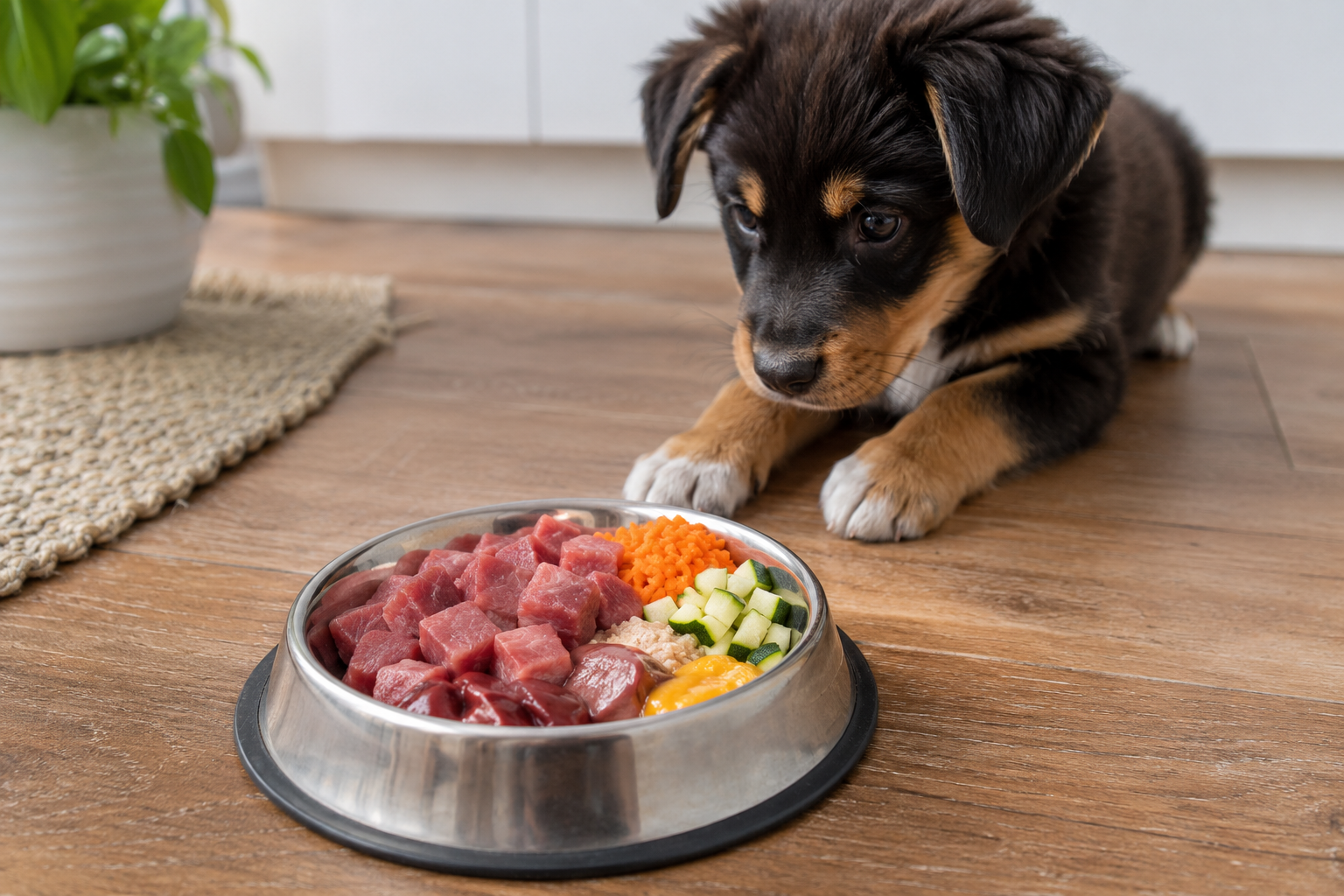
Human foods often contain ingredients that can harm dogs, including onions, garlic, salt, and fatty leftovers. Feeding table scraps may expose dogs to toxic substances or digestive problems. Instead, provide balanced dog food and safe treats designed specifically for canine nutrition and health, and consider whether wet or dry food suits your dog.
3. Educate Family Members and Visitors
Everyone in the household should know which foods are dangerous for dogs. Children or guests may unintentionally share snacks such as chocolate or grapes.
Teaching family members about toxic foods helps prevent accidental feeding and ensures your dog remains protected from harmful ingredients.
4. Supervise Dogs Around Food
Dogs may try to steal food from tables, kitchen counters, or rubbish bins. Supervising them during meal preparation or gatherings reduces the risk of accidental ingestion. Training dogs to stay away from food areas also helps prevent them from accessing harmful human foods.
5. Keep Emergency Veterinary Contacts Accessible
Accidents can still happen even with careful prevention. Keeping contact details for your veterinarian or an emergency animal clinic easily accessible ensures quick action if your dog eats something toxic. Fast veterinary advice can significantly improve your dog’s chances of safe recovery.
Safe Alternatives: Dog-Friendly Foods
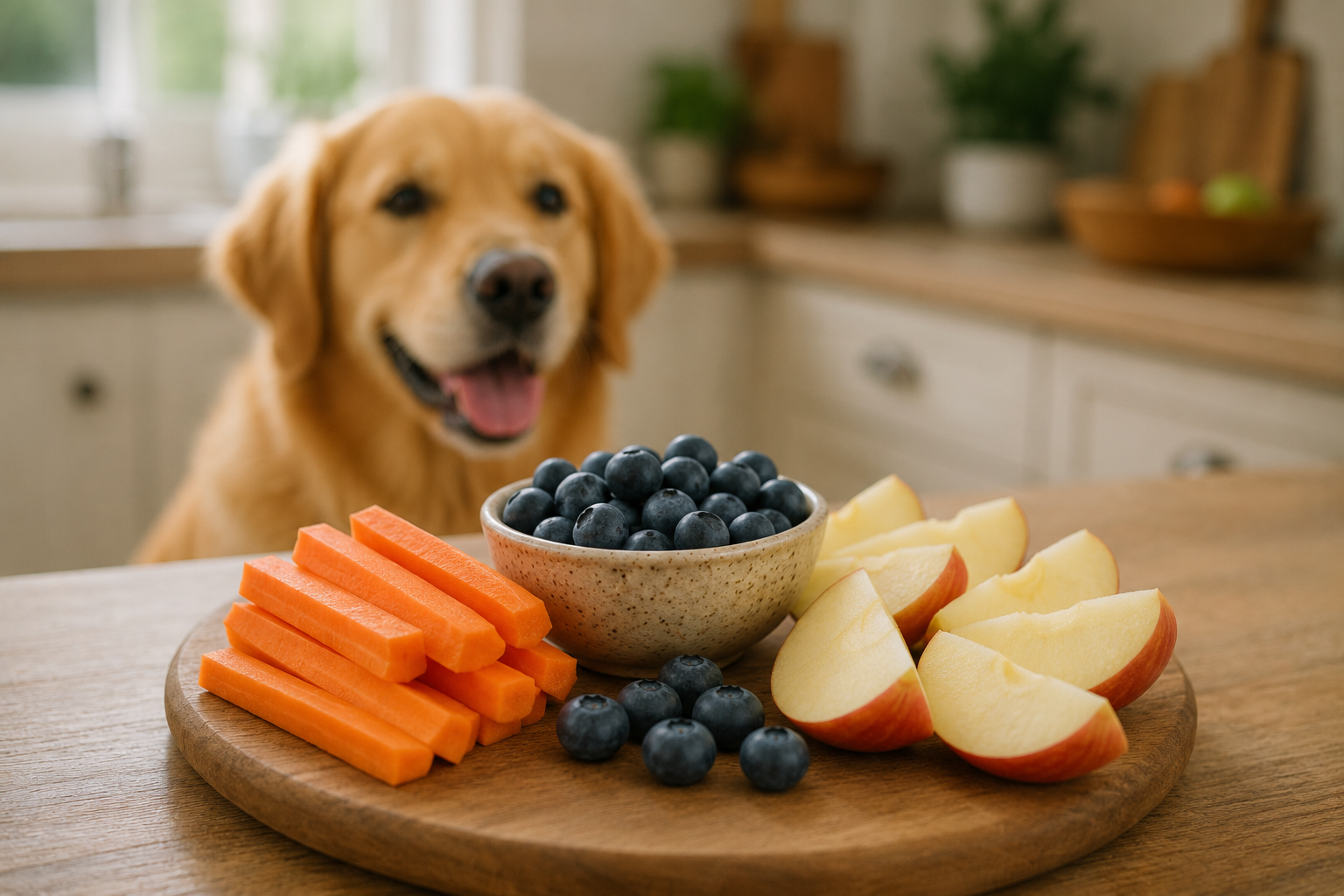
While many human foods are harmful to dogs, several safe alternatives can be offered as occasional treats that fit within your dog’s daily food allowance. Here are dog-friendly foods that are generally safe when served in moderation.
- Cooked Lean Chicken: Plain cooked chicken without seasoning can be a healthy protein source for dogs. It provides essential amino acids that support muscle development and energy levels.
- Carrots: Carrots are a nutritious, low-calorie snack for dogs. They contain fibre and vitamins that support digestion, while the crunchy texture can help promote healthier teeth.
- Blueberries: Blueberries are rich in antioxidants and vitamins that support immune health. Small portions can be offered as a natural treat for dogs.
- Plain Cooked Pumpkin: Pumpkin provides fibre that supports healthy digestion. It is often recommended in small portions to help regulate bowel movements.
- Plain Rice: Plain cooked rice can be gentle on a dog’s stomach. Veterinarians sometimes recommend it for dogs recovering from mild digestive upset.
- Apples (Without Seeds): Apples can be a refreshing treat for dogs. They contain fibre and vitamin C, but seeds should always be removed before feeding.
Keep Your Dog Safe from Toxic Foods
Many everyday foods found in Australian homes can be dangerous for dogs.
Understanding foods toxic to dogs in Australia helps owners prevent accidental poisoning and protect their pet’s long-term health.
Keeping harmful foods out of reach and avoiding feeding table scraps are simple but effective safety steps.
For more trusted advice on responsible dog ownership and puppy care, visit Pups4Sale to help keep your dog safe, healthy, and well cared for.
Frequently Asked Questions
1. What foods are most toxic to dogs in Australia?
Some of the most dangerous foods for dogs include chocolate, grapes, raisins, onions, garlic, macadamia nuts, xylitol, alcohol, and caffeine. Even small amounts can cause serious health problems such as poisoning, organ damage, or digestive distress.
2. Can small amounts of chocolate harm dogs?
Yes. Chocolate contains theobromine, a compound that dogs cannot metabolise efficiently. Even small amounts, particularly dark chocolate, can cause symptoms such as vomiting, restlessness, increased heart rate, tremors, and, in severe cases, seizures.
3. Are macadamia nuts dangerous for dogs?
Yes. Macadamia nuts are highly toxic to dogs and can cause weakness, vomiting, tremors, fever, and difficulty walking. Symptoms often appear within several hours after ingestion and require prompt veterinary attention.
4. What should I do if my dog eats grapes or raisins?
If your dog eats grapes or raisins, contact a veterinarian immediately. These foods can cause sudden kidney failure in dogs, even in small quantities. Early veterinary treatment significantly improves the chances of recovery.
5. How quickly do symptoms of food poisoning appear in dogs?
Symptoms may appear within minutes or several hours, depending on the toxin and the amount consumed. Common signs include vomiting, diarrhoea, lethargy, tremors, excessive drooling, and changes in breathing or heart rate.
6. Are cooked bones safe for dogs?
No. Cooked bones can splinter easily and may cause choking, digestive blockages, or internal injuries. It is safer to provide veterinarian-approved dog chews or specially designed dental treats instead.
 Add us as a preferred source