How Often Should Dogs See a Vet?
Dog Health & Veterinary Care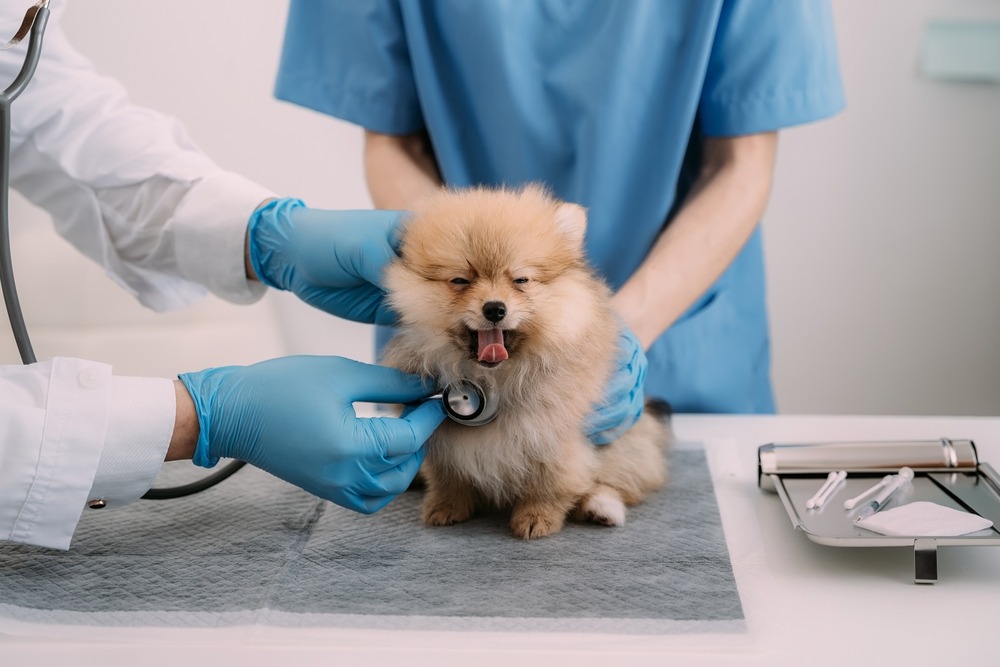 By James C. • March 4, 2026
If you are wondering how often dogs should see a vet, the answer depends on their age, health status, breed, and lifestyle. Regular veterinary visits are not only for vaccinations; they play a vital role in preventing disease, detecting health problems early, and supporting long-term wellbeing.
From frequent puppy check-ups to annual adult exams and more regular senior screenings, each life stage requires a tailored approach.
This guide explains the recommended dog vet visit schedule and when your dog may need additional care.
How Often Should Dogs See a Vet?
Dogs should see a vet regularly for age-appropriate care. Puppies require multiple visits for vaccinations, microchipping, and growth monitoring. Adult dogs benefit from annual check-ups, dental care, and preventive screenings. Senior dogs often need biannual visits for chronic conditions and mobility support. Emergency visits are needed for sudden illness, injury, or behavioural changes, ensuring long-term health.
Why Regular Vet Visits Matter for Dogs
Routine veterinary care protects your dog’s health long before problems become visible. Here are the key reasons regular vet visits should never be overlooked.
- Early Disease Detection: Regular check-ups allow veterinarians to identify subtle signs of illness before symptoms worsen, improving treatment success and long-term health outcomes.
- Preventive Vaccinations and Parasite Control: Scheduled visits ensure vaccinations remain up to date and protect dogs against preventable diseases, while also maintaining effective flea, tick, and worm prevention.
- Dental Health Monitoring: Veterinary exams include oral assessments to detect gum disease, tartar buildup, and infections that can affect overall health if untreated.
- Weight and Nutritional Assessment: Routine visits help monitor body condition, prevent obesity, and provide tailored dietary advice based on age, breed, and activity level.
- Behaviour and Development Guidance: Regular appointments allow vets to assess behavioural changes, developmental milestones, and provide advice to support your dog’s wellbeing.
Recommended Vet Visit Frequency by Life Stage

Your dog’s age plays a major role in determining how often they should see a vet. Here is the recommended visit schedule by life stage.
1. Puppies (Birth to 12 Months)
Puppies require frequent veterinary visits to support rapid growth and immune development during their first year of life. Most puppies should see a vet every 3 to 4 weeks from 6 to 8 weeks of age until around 16 weeks to complete their core puppy vaccination schedule.
These visits also include deworming, parasite prevention, weight monitoring, and early behavioural assessments. After vaccinations are complete, another check-up around six months may be recommended to monitor development and discuss the right time to desex.
2. Adult Dogs (1 to 7 Years)
Healthy adult dogs typically need a comprehensive veterinary wellness exam at least once every year. During this annual visit, the vet performs a full physical examination, reviews vaccination status, checks dental health, and assesses weight and body condition.
Preventive parasite treatments are discussed, and lifestyle factors such as diet and exercise are reviewed. Some breeds or dogs with existing health conditions may require more frequent monitoring based on veterinary advice.
3. Senior Dogs (7 Years and Older)
Senior dogs benefit from more frequent monitoring because ageing increases the risk of chronic diseases and mobility issues. Most veterinarians recommend check-ups every six months for senior dogs.
These visits often include blood tests, urine analysis, blood pressure checks, and arthritis assessments to detect early signs of organ disease, cancer, or cognitive decline. Early detection allows for timely intervention, improving comfort and extending quality of life during the senior years.
Health and Lifestyle Factors That Affect Vet Visit Frequency

Beyond age, several health and lifestyle factors influence how often dogs should see a vet. These considerations may require more frequent monitoring.
1. Chronic Health Conditions
Dogs diagnosed with diabetes, heart disease, epilepsy, allergies, or arthritis require more regular veterinary monitoring.
Follow-up visits may be needed every few months to adjust medications, monitor bloodwork, and assess symptom control. Consistent check-ups help prevent complications and ensure treatment plans remain effective as your dog’s condition changes over time.
2. Breed and Genetic Risks
Certain breeds are predisposed to hereditary conditions such as hip dysplasia, heart disease, or respiratory disorders. Dogs from high-risk breeds may benefit from earlier screening and more frequent health assessments.
Preventive monitoring allows veterinarians to detect issues before they progress into serious or costly health problems.
3. Activity Level and Working Roles
Highly active dogs, including working, sporting, or agility dogs, place greater strain on joints and muscles.
These dogs may require additional check-ups to monitor mobility, injuries, and overall fitness. Regular assessments ensure peak performance while reducing the risk of overuse injuries or chronic joint damage.
4. Reproductive Status and Breeding Dogs
Breeding dogs and pregnant females require additional veterinary care before, during, and after pregnancy.
Pre-breeding health screenings, pregnancy monitoring, and post-whelping health checks are essential. These visits protect both the dam and puppies while ensuring compliance with responsible breeding and welfare standards.
5. Indoor vs Outdoor Lifestyle
Dogs that spend significant time outdoors may have higher exposure to parasites, ticks, injuries, and environmental hazards.
Regular health checks help monitor parasite prevention effectiveness and detect minor injuries early. Lifestyle risks directly influence how often dogs should see a vet throughout the year.
6. Nutrition and Body Condition
Overweight, underweight, or nutritionally challenged dogs require more frequent assessments. Vets monitor diet, body condition, and metabolic health to prevent obesity, malnutrition, and related chronic illnesses.
Signs Your Dog Needs More Frequent Vet Visits
Certain symptoms indicate your dog may require veterinary attention more often than routine annual check-ups. Watch for these warning signs.
- Persistent Vomiting or Diarrhoea: Ongoing digestive upset lasting more than 24 hours may signal infection, parasites, or underlying disease requiring prompt evaluation.
- Sudden Weight Loss or Gain: Unexplained weight changes can indicate hormonal disorders, metabolic disease, or nutritional imbalances that require further investigation.
- Lethargy or Behavioural Changes: Reduced energy, withdrawal, or unusual aggression may reflect pain, illness, or neurological issues needing professional assessment.
- Difficulty Breathing or Persistent Coughing: Respiratory symptoms can point to heart disease, infection, or airway problems that require immediate veterinary review.
- Limping or Mobility Issues: Ongoing limping that needs vet care, stiffness, or difficulty standing may suggest injury, arthritis, or joint disorders requiring examination and treatment.
Emergency and Unscheduled Vet Visits
Some situations require immediate veterinary attention rather than waiting for a routine appointment. These emergencies demand urgent assessment and rapid medical intervention.
- Severe Injury or Trauma: Road accidents, falls, bite wounds, or heavy bleeding require immediate veterinary care to prevent shock, infection, or life-threatening complications.
- Difficulty Breathing or Collapse: Laboured breathing, blue gums, or sudden collapse are medical emergencies that require urgent stabilisation and diagnostic evaluation.
- Seizures or Loss of Consciousness: Repeated seizures, prolonged episodes, or unconsciousness may indicate neurological or toxic causes needing immediate treatment.
- Ingestion of Toxic Substances: Swallowing chocolate, medications, household chemicals, or toxic plants requires prompt veterinary advice and emergency management.
- Persistent Pain or Distress: Continuous crying, abdominal swelling, or signs of severe pain may signal internal issues that demand immediate examination.
Routine Preventive Care During Vet Visits

Routine appointments involve more than quick physical exams. Preventive care during vet visits protects your dog’s long-term health and wellbeing.
1. Comprehensive Physical Examination
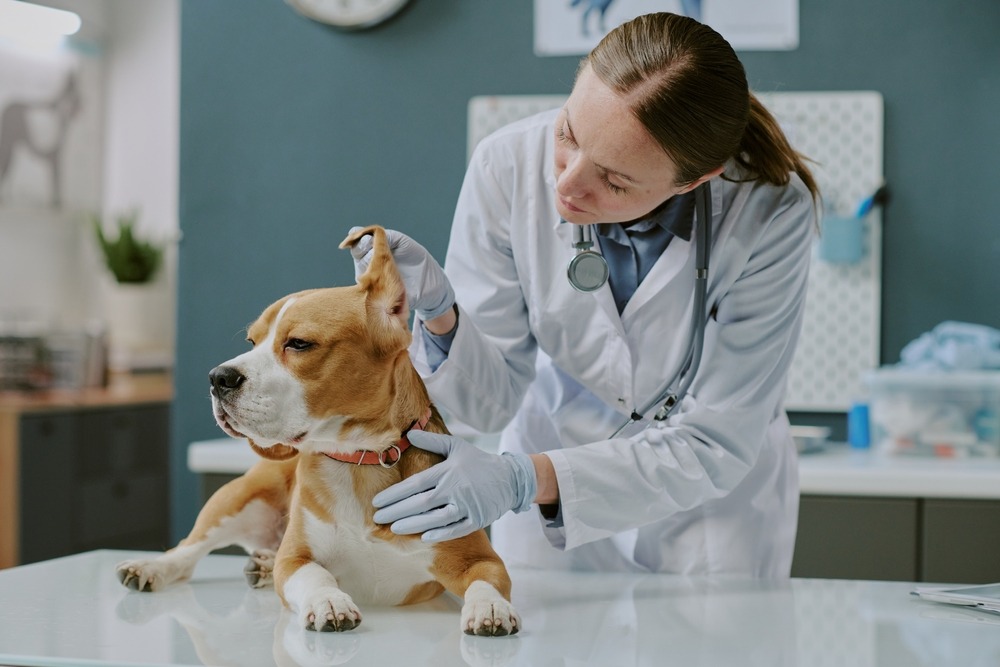
During routine visits, veterinarians perform a thorough head-to-tail examination assessing eyes, ears, skin, coat condition, heart, lungs, abdomen, and joints. This comprehensive evaluation helps detect subtle abnormalities early. Identifying issues before symptoms worsen improves treatment success and supports long-term health outcomes.
2. Vaccination Updates and Immunity Review
Vaccinations are reviewed and updated based on your dog’s age, lifestyle, and local disease risks. Core vaccines protect against serious infections, while non-core vaccines may be recommended for boarding or outdoor exposure. Maintaining immunity reduces preventable illness and community disease spread.
3. Parasite Prevention and Screening
Routine vet visits include discussions about flea, tick, heartworm, and intestinal parasite prevention. In some cases, faecal testing or heartworm screening is performed to detect hidden infections. Consistent parasite control protects both dogs and household members from preventable health risks.
4. Dental Health Assessment
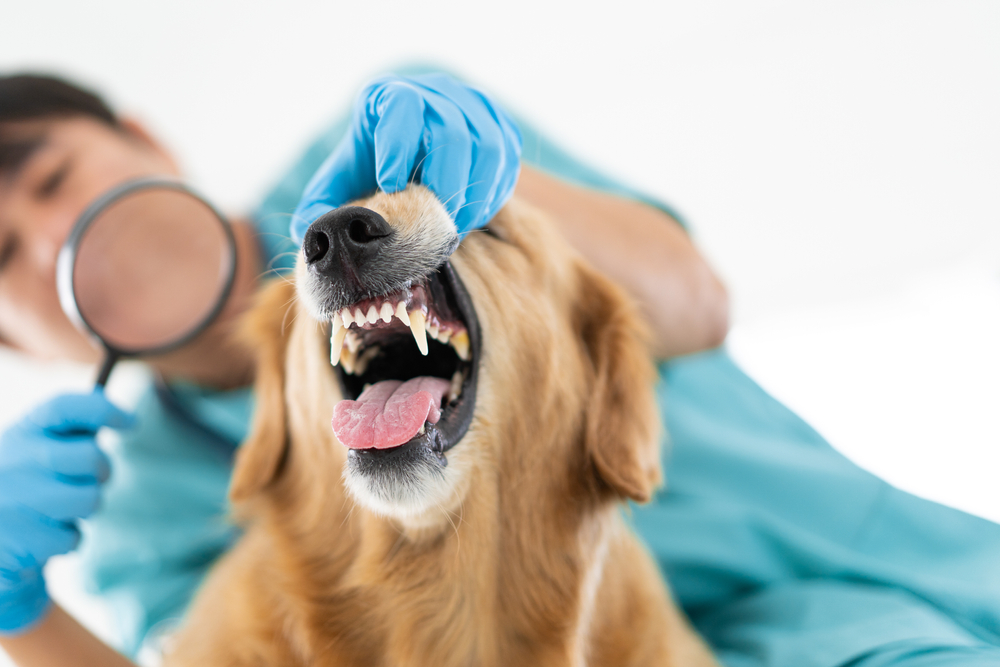
Oral examinations check for tartar buildup, signs of dental disease, broken teeth, and oral infections. Early dental intervention prevents pain, tooth loss, and systemic complications linked to untreated periodontal disease. Vets may recommend professional cleaning or home dental care strategies.
5. Weight, Nutrition, and Lifestyle Advice
Body condition scoring helps determine whether your dog is underweight, overweight, or at an ideal condition. Vets provide tailored nutritional guidance for a healthy pet and exercise recommendations. Managing weight reduces the risk of diabetes, joint disease, and heart conditions over time.
How to Reduce Stress During Vet Visits

Vet visits can be overwhelming for some dogs, but simple preparation can make appointments calmer and more positive. Here are practical strategies to reduce anxiety.
1. Prepare Your Dog in Advance
Acclimate your dog to carriers, leashes, and clinic sounds at home. Short practice trips to the car or local vet area reduce fear, helping your dog associate veterinary visits with routine, non-threatening experiences. Gradual exposure lowers stress and improves behaviour during actual appointments.
2. Bring Comfort Items
Bring your dog’s favourite blanket, toy, or bedding to the appointment. Familiar scents provide reassurance in an unfamiliar setting. Comfort items can help reduce anxiety while waiting and during examination, making the overall experience calmer and more manageable.
3. Use Positive Reinforcement
Reward calm behaviour consistently with treats, praise, or gentle petting. Positive reinforcement helps your dog associate veterinary visits with rewards, making them less fearful and more cooperative. Continue rewards after the appointment to strengthen the positive connection.
4. Schedule Stress-Free Appointment Times
Book visits during quieter clinic hours to avoid crowded waiting rooms, loud noises, or long waits. Fewer external stressors allow your dog to remain relaxed, reducing anxiety and improving examination outcomes.
5. Choose a Fear-Free or Low-Stress Clinic
Consider selecting a veterinary clinic that follows fear-free or low-stress handling techniques. These clinics prioritise gentle restraint, quiet environments, and stress reduction strategies. A supportive setting can significantly improve your dog’s comfort during routine and emergency visits.
6. Consider Professional Support for Anxious Dogs
Highly anxious or fearful dogs may benefit from behaviour training, desensitisation techniques, or short-term veterinary-prescribed anti-anxiety support. Professional guidance helps make routine vet visits manageable, safe, and less traumatic for both dog and owner.
The Cost of Skipping Routine Vet Visits
Delaying preventive care may seem cost-saving initially, but the long-term consequences can be serious and expensive. Here are the hidden risks.
- Late Disease Detection: Skipping annual exams can allow silent conditions such as kidney disease or diabetes to progress unnoticed, making treatment more complex and costly.
- Higher Emergency Treatment Costs: Preventable illnesses often become emergencies when ignored, resulting in hospitalisation, surgery, or intensive care expenses.
- Reduced Lifespan and Quality of Life: Untreated health problems can cause chronic pain, mobility issues, and organ damage that shorten your dog’s life expectancy.
- Missed Vaccination and Parasite Protection: Lapsed preventive care increases the risk of infectious diseases and parasite infestations that could have been avoided.
- Increased Long-Term Financial Burden: Small preventive expenses are typically far lower than the cumulative costs of managing advanced illness.
How Often Should Dogs See a Vet? Final Guidance
Understanding how often should dogs see a vet depends on their age, health status, and lifestyle.
Puppies need frequent visits, healthy adults require at least annual check-ups, and senior dogs benefit from twice-yearly monitoring. Regular preventive care detects problems early and supports long-term wellbeing.
If you are bringing a new puppy into your home, start with responsible breeders and ongoing health planning, including a budget for vet costs in the first year. Browse trusted listings on Pups4Sale and prioritise lifelong veterinary care from day one.
FAQs About How Often Dogs Should See a Vet
1. How often should dogs see a vet for routine check-ups?
Most healthy adult dogs should see a vet at least once a year for a comprehensive wellness exam. Puppies require more frequent visits during their vaccination schedule, while senior dogs typically benefit from check-ups every six months.
2. How often should puppies go to the vet?
Puppies should visit the vet every 3 to 4 weeks from 6 to 8 weeks of age until around 16 weeks to complete vaccinations and parasite treatments. Additional visits may be recommended for growth monitoring.
3. Do indoor dogs still need annual vet visits?
Yes. Even indoor dogs require yearly health checks. Conditions such as dental disease, obesity, and hormonal disorders can develop regardless of outdoor exposure and may not show obvious symptoms early.
4. When is a dog considered a senior?
Most dogs are considered senior around 7 years of age, although larger breeds may age faster. Senior dogs typically need veterinary examinations every six months to monitor age-related health conditions.
5. Can I skip a vet visit if my dog seems healthy?
No. Many health conditions develop gradually without clear symptoms. Routine examinations allow early detection of issues that may not be visible at home.
6. How often should dogs have blood tests?
Healthy adult dogs may only require bloodwork periodically, but senior dogs or those with medical conditions often benefit from annual or twice-yearly blood tests for early disease detection.
7. How do I know if my dog needs an extra vet visit?
If your dog shows vomiting that may be an emergency, lethargy, appetite changes, breathing difficulty, or unusual behaviour, schedule an appointment promptly rather than waiting for the next routine check-up.
 Add us as a preferred source