Early Signs of Illness in Puppies You Should Not Ignore
Dog Health & Veterinary Care By James C. • March 4, 2026
Recognising the early signs of illness in puppies can make the difference between a minor issue and a life-threatening emergency.
Puppies have immature immune systems, smaller body reserves, and faster metabolisms than adult dogs, which means infections and dehydration can progress rapidly. Subtle changes in appetite, energy, or behaviour are often the first warning signals.
In this guide, you will learn how to identify common puppy health red flags, understand when symptoms require urgent veterinary care, and take practical steps to protect your puppy’s wellbeing.
Why Puppies Are More Vulnerable to Illness
Puppies are far more fragile than many new owners realise, especially in their first months of life. Here are the key reasons why they are more vulnerable to illness:
- Immature immune system: Puppies rely on maternal antibodies early on, which fade before their own immune defences fully develop, leaving them temporarily vulnerable to infections and common canine diseases.
- Incomplete vaccination protection: Vaccination schedules are phased over several weeks, so puppies remain exposed to serious illnesses such as parvovirus and distemper until their full puppy vaccination schedule is completed.
- Smaller body reserves: Limited fat, fluid, and energy stores mean puppies dehydrate and weaken quickly, causing vomiting, diarrhoea, or missed meals to become dangerous faster.
- Higher metabolic rate: Puppies burn energy rapidly, so illness disrupts normal function sooner, leading to weakness, low blood sugar, and faster deterioration than seen in adult dogs.
- Environmental and lifestyle stress: Weaning, relocation, dietary changes, and new surroundings increase stress hormones, which can suppress immunity and make puppies more susceptible to illness.
- Curious and exploratory behaviour: Puppies investigate their world by chewing and ingesting unfamiliar objects, increasing the likelihood of gastrointestinal blockages, toxin exposure, or infections from contaminated surfaces.
Early Physical Signs of Illness in Puppies
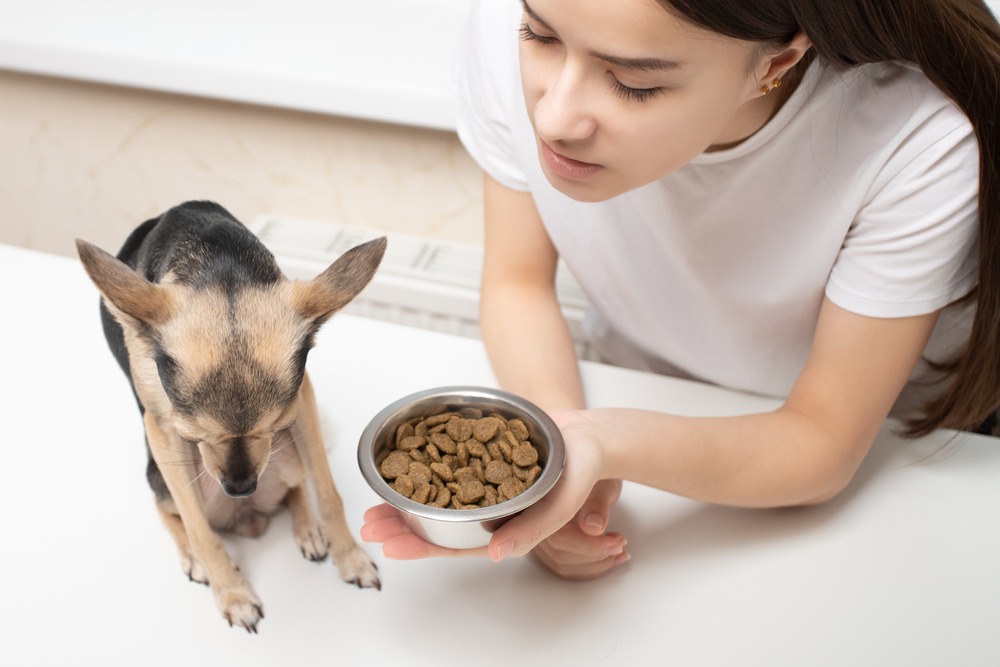
Subtle physical changes often appear before serious disease develops in young dogs. Here are the early warning signs to watch for.
1. Vomiting or Diarrhoea
Occasional stomach upset can happen with dietary changes, but repeated vomiting or loose stools are common early signs of illness in puppies. Ongoing diarrhoea can quickly cause dehydration, weakness, and electrolyte imbalance, especially in very young pups.
2. Lethargy or Unusual Weakness
Puppies normally sleep often, but they should still wake eagerly and respond to interaction. If your puppy appears unusually tired, reluctant to move, or struggles to stand, this may signal infection, low blood sugar, or systemic illness.
3. Loss of Appetite
A healthy puppy is typically enthusiastic about food. Refusing one meal may not be serious, but persistent loss of appetite can indicate gastrointestinal distress, fever, pain, or early viral infection. Appetite changes are often one of the first noticeable symptoms.
4. Persistent Coughing or Sneezing
Frequent coughing, wheezing, or continuous sneezing may point to respiratory infections such as kennel cough or other viral conditions. Breathing changes should never be ignored, particularly if accompanied by nasal discharge or reduced energy levels.
5. Eye or Nasal Discharge
Clear discharge may be mild, but thick yellow or green fluid from the eyes or nose often indicates infection. Swollen eyelids, redness, or squinting can also suggest irritation, conjunctivitis, or early systemic illness.
6. Pale or Discoloured Gums
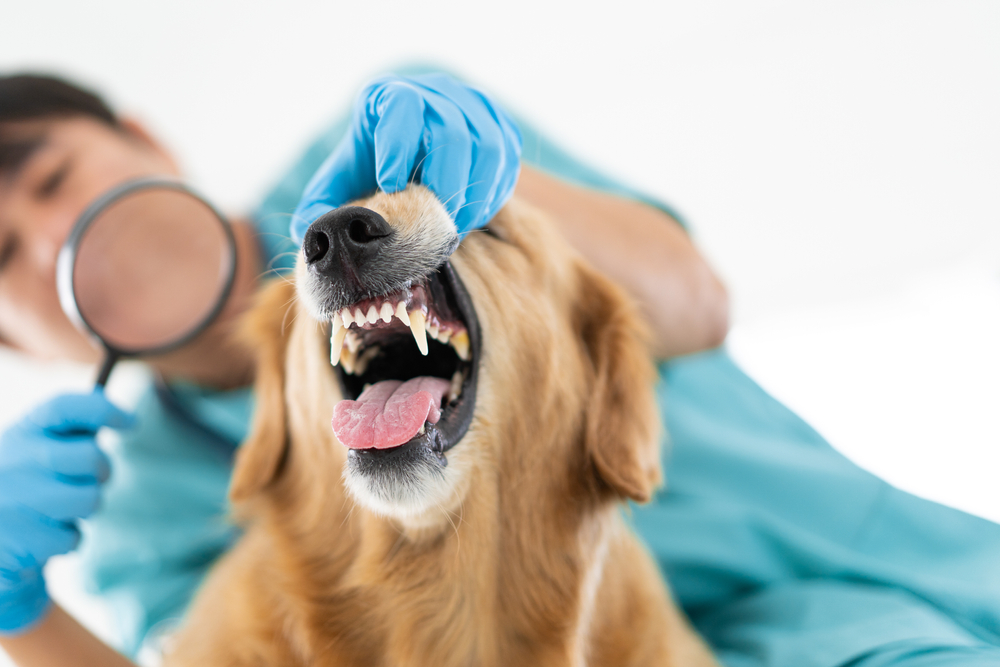
Healthy puppy gums should be pink and moist. Pale, white, blue, or grey gums can indicate poor circulation, anaemia, shock, or oxygen deprivation. Gum colour changes are considered urgent and require immediate veterinary assessment.
7. Swollen Abdomen
A mildly round belly can be normal after meals, but persistent bloating, tightness, or signs of pain may signal worms, fluid accumulation, or gastrointestinal obstruction. Rapid abdominal swelling is considered a medical emergency.
Behavioural Changes That Signal Something Is Wrong

Behaviour often shifts before clear physical symptoms appear in puppies. Here are key behavioural warning signs to monitor closely.
1. Sudden Withdrawal or Hiding
Puppies are naturally curious and social. If your puppy suddenly withdraws, hides under furniture, or avoids interaction, it may be experiencing pain, fever, or general discomfort. Behavioural isolation is often an early signal that something is not right.
2. Excessive Whining or Crying
Frequent whining, yelping, or crying without an obvious reason can indicate pain, digestive discomfort, or anxiety linked to illness. Persistent vocalisation, especially when paired with restlessness or guarding behaviour, should prompt closer observation.
3. Unusual Irritability or Aggression
A normally gentle puppy that suddenly snaps, growls, or reacts defensively may be responding to pain or internal discomfort. Illness can lower tolerance levels, making even light handling feel uncomfortable or threatening.
4. Restlessness or Inability to Settle
If your puppy struggles to lie down comfortably, constantly shifts position, or appears unable to relax, it may be experiencing abdominal pain, nausea, or breathing difficulty. Restlessness can precede more obvious physical symptoms.
5. Increased Clinginess or Sudden Dependence
While affection is normal, extreme clinginess or following you constantly may indicate insecurity caused by feeling unwell. Puppies often seek reassurance when sick, making sudden behavioural dependence a subtle but important warning sign.
6. Changes in Sleep Patterns
While puppies sleep often, excessive sleeping beyond their normal pattern or restlessness during usual sleep times can signal health concerns. Disrupted sleep may be linked to pain, digestive upset, anxiety, or underlying systemic illness.
Emergency Puppy Symptoms That Require Immediate Veterinary Care
Some symptoms signal a medical emergency and require urgent attention. Emergency treatment usually costs well above a standard consultation, so check before you need it whether your policy includes emergency vet care cover. Here are the critical warning signs that demand immediate veterinary care.
- Repeated vomiting or bloody diarrhoea: Persistent vomiting or diarrhoea, especially with blood, can rapidly cause dehydration, shock, and life-threatening infections such as parvovirus in young puppies.
- Difficulty breathing or choking sounds: Laboured breathing, wheezing, gasping, or extended neck posture may indicate airway obstruction, severe infection, or respiratory distress requiring urgent intervention.
- Seizures or uncontrolled shaking: Sudden seizures, muscle tremors, or collapse can result from toxins, low blood sugar, neurological disorders, or serious systemic illness in puppies.
- Collapse or extreme weakness: Inability to stand, sudden fainting, or unresponsiveness may signal shock, internal bleeding, heart issues, or severe dehydration.
- Pale, blue, or grey gums: Discoloured gums indicate oxygen deprivation, anaemia, or circulatory failure and must be treated as a medical emergency.
- Swollen or painful abdomen: A distended, hard abdomen combined with discomfort can indicate internal bleeding, obstruction, or gastric emergencies requiring immediate assessment.
When to Take Your Puppy to the Vet
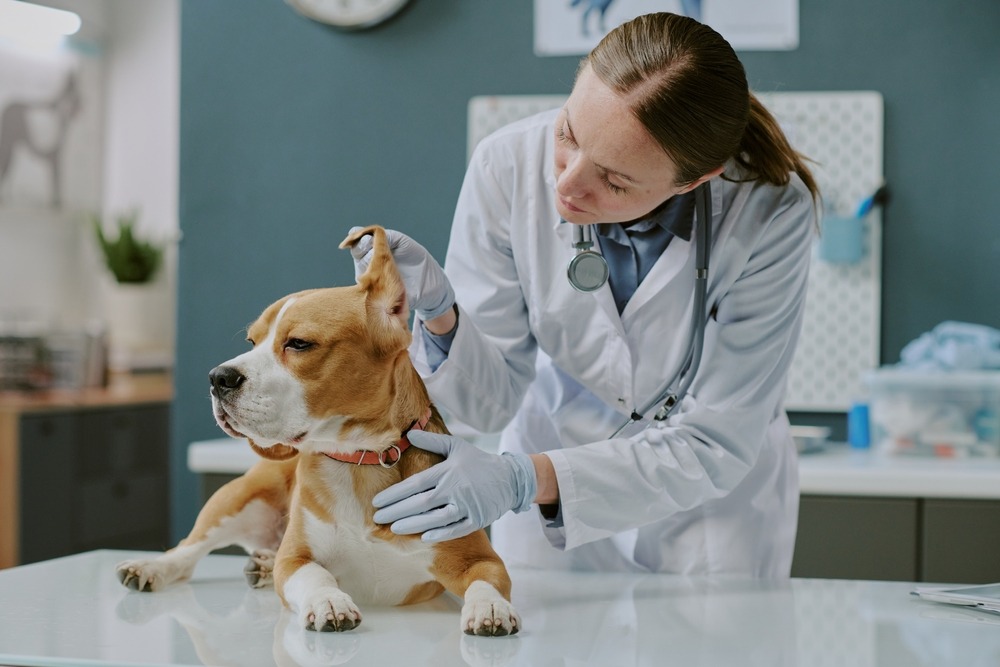
It can be difficult to judge symptom severity in young dogs. Here are clear situations when you should take your puppy to the vet.
- Symptoms lasting more than 24 hours: Ongoing vomiting, diarrhoea, coughing, or lethargy beyond a day should never be ignored. Persistent symptoms often indicate infection, parasites, or underlying illness requiring professional diagnosis and treatment.
- Refusal to eat or drink: Skipping multiple meals or avoiding water can quickly lead to dehydration and weakness. Puppies have limited reserves, so reduced intake warrants timely veterinary assessment.
- Sudden behavioural changes: Withdrawal, unusual aggression, excessive whining, or confusion may signal pain or neurological concerns. Behaviour shifts paired with physical symptoms should prompt a veterinary visit.
- Abnormal gum colour: Pale, white, blue, or bright red gums are not normal in puppies. Gum discolouration may indicate shock, anaemia, oxygen deprivation, or toxicity and requires immediate professional evaluation.
- Signs of pain or injury: Limping that needs vet care, yelping when touched, reluctance to move, or visible swelling may indicate fractures, sprains, or internal injury needing veterinary attention.
- After possible toxin exposure: If your puppy ingests chocolate, medication, household chemicals, or unknown substances, immediate veterinary advice is essential even before symptoms appear.
- Following vaccination reactions: Mild sleepiness is common, but facial swelling, vomiting, collapse, or breathing difficulty after vaccination requires urgent veterinary review to manage potential allergic reactions.
How to Monitor Your Puppy’s Health at Home
Daily observation helps you detect early changes before serious illness develops. Here are practical ways to monitor your puppy’s health at home.
1. Track Appetite and Water Intake
Monitor how eagerly your puppy eats and drinks each day. A healthy puppy usually shows consistent interest in meals. Sudden refusal of food, reduced water intake, or difficulty swallowing can signal discomfort, infection, dental pain, or gastrointestinal problems that require closer attention.
2. Check Stool and Urination Patterns
Regularly inspect your puppy’s stool consistency, colour, and frequency. Watery diarrhoea, blood, mucus, or significant changes in toilet habits should not be ignored. Difficulty urinating or straining also warrants prompt professional advice.
3. Monitor Energy Levels and Activity
Understand your puppy’s normal behaviour and play patterns. While puppies sleep frequently, they should respond enthusiastically when awake. Noticeable lethargy, reluctance to move, or decreased interest in play may signal early illness.
4. Examine Eyes, Ears, and Gums
Healthy eyes should be bright and clear, ears clean without odour, and gums pink and moist. Discharge, redness, bad smell, or gum discolouration can signal infection, dehydration, or systemic illness.
Gently press the gum and observe if colour returns quickly. Pale gums, dryness, or delayed colour return may indicate dehydration or circulation problems requiring veterinary advice.
5. Watch for Breathing and Physical Changes
Observe your puppy’s breathing while resting. It should be smooth and quiet. Persistent coughing, wheezing, abdominal swelling, or unexplained weight changes are physical warning signs that warrant prompt veterinary assessment.
6. Monitor Weight and Body Condition
Weigh your puppy weekly during growth stages to ensure steady development. Unexpected weight loss, failure to gain weight, or visible rib prominence may suggest parasites, nutritional deficiencies, or chronic illness requiring veterinary guidance.
Preventing Illness in Puppies
Prevention is always safer and more affordable than treatment. Here are essential steps to reduce your puppy’s risk of illness.
- Follow the vaccination schedule: Core vaccinations protect against life-threatening diseases such as parvovirus and distemper. Completing the full schedule on time ensures your puppy develops strong, lasting immunity.
- Maintain regular deworming: Puppies are highly susceptible to intestinal parasites. Routine deworming prevents weight loss, digestive upset, and anaemia, supporting healthy growth and overall development.
- Provide balanced nutrition: Feeding high-quality, age-appropriate puppy food supports immune strength and organ development. Proper nutrition reduces vulnerability to infection and growth-related complications.
- Limit exposure before full vaccination: Avoid high-risk areas such as public dog parks until vaccinations are complete, even if you are trying to socialise your puppy safely. Controlled socialisation reduces exposure to contagious diseases.
- Keep the environment clean: Regularly disinfect bedding, food bowls, and living spaces. Clean surroundings minimise bacterial build-up and reduce infection risks.
- Schedule routine veterinary check-ups: Early wellness examinations help detect subtle health issues before symptoms worsen, especially when you understand how often puppies should see a vet. Preventative care strengthens long-term health outcomes.
- Monitor stress levels: Excessive stress can weaken a puppy’s immune system. Gentle training, consistent routines, and safe environments promote emotional and physical wellbeing.
Protecting Your Puppy Starts with Informed Action
Caring for a puppy means recognising early warning signs and acting without delay.
Quick responses can prevent serious complications and protect long-term health. If you are planning to welcome a puppy into your home, choose responsibly.
Visit Pups4Sale to connect with verified breeders, access trusted guidance, and start your puppy journey with confidence.
FAQs: Early Signs of Illness in Puppies
1. How long should vomiting last in puppies before seeing a vet?
If vomiting happens more than once in a day, continues for 24 hours, or is accompanied by diarrhoea or weakness, you should contact a vet. Puppies dehydrate quickly, so repeated vomiting should never be ignored.
2. When is diarrhoea in puppies considered an emergency?
Diarrhoea becomes an emergency if it contains blood, is persistent, or is combined with lethargy, vomiting, or refusal to eat. Very young puppies are especially at risk of dehydration and may require urgent veterinary care.
3. Why do puppies get sick more easily than adult dogs?
Puppies have immature immune systems, incomplete vaccinations, and smaller body reserves. These factors make them less capable of fighting infections and more vulnerable to dehydration, low blood sugar, and rapid deterioration.
4. Can stress cause health problems in puppies?
Yes, stress from weaning, relocation, or routine changes can suppress a puppy’s immune system. This can increase susceptibility to infections and digestive upset, especially during the first weeks in a new home.
5. How can I check if my puppy is dehydrated?
Check gum moisture and colour, and gently press the gums to see if colour returns quickly. You can also perform a skin tent test. Dry gums, sunken eyes, or slow skin return may indicate dehydration.
6. Should I take my puppy to the vet for mild lethargy?
If lethargy lasts more than a few hours, worsens, or is combined with other symptoms such as vomiting or loss of appetite, it is safest to consult a vet. Early intervention can prevent serious complications.
 Add us as a preferred source