How to Socialise a Puppy Safely Before Full Vaccination
Puppy Training & Behaviour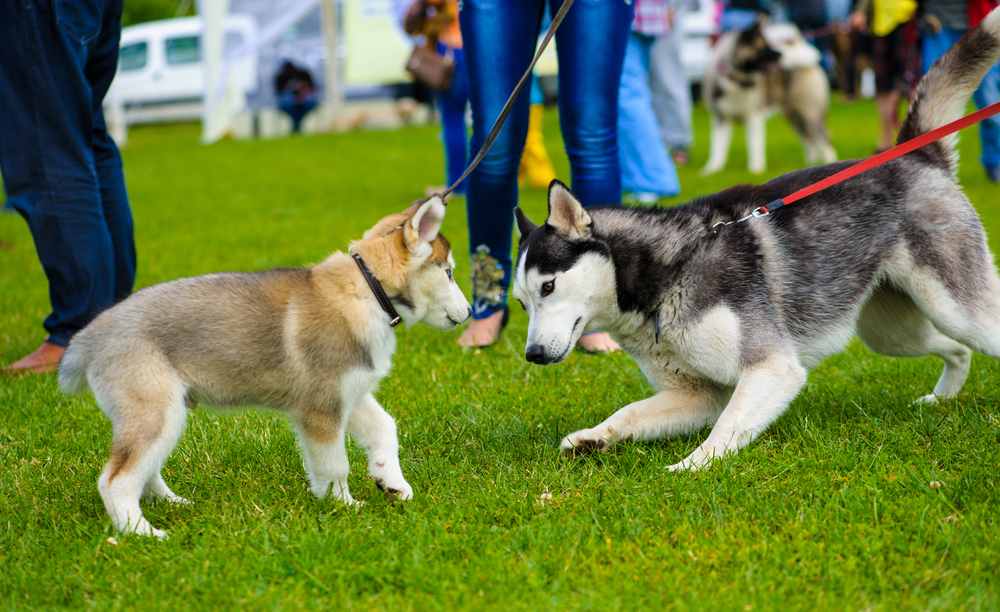 By James C. • March 20, 2026
Early socialisation is one of the most important steps in raising a confident and well-behaved dog. However, many owners worry about exposing their puppy to risks before vaccinations are complete.
Puppies are still vulnerable to certain diseases during this stage, which makes careful planning essential. Understanding how to socialise a puppy before full vaccination safely allows owners to introduce new experiences while protecting their puppy’s health.
This guide explains safe socialisation methods, environments to avoid, and practical ways to help puppies develop confidence during their early weeks.
Why Early Puppy Socialisation Is Important
Early puppy socialisation plays a critical role in shaping a dog’s behaviour, confidence, and ability to cope with new experiences. During the early weeks of life, puppies are naturally curious and more open to learning about the world around them.
This period provides a valuable opportunity to introduce them to different people, environments, sounds, and everyday situations.
Positive early experiences help puppies develop into well-adjusted adult dogs. When puppies are exposed gradually to new sights, sounds, and interactions, they learn that these experiences are normal and safe. This reduces the likelihood of fear, anxiety, or aggressive behaviour later in life.
Socialisation also helps puppies become comfortable with handling, grooming, and interactions with unfamiliar people. These early lessons make future veterinary visits, walks, and daily activities easier for both the dog and the owner.
Without early socialisation, puppies may become fearful or overwhelmed by unfamiliar situations as they grow older. Introducing positive experiences during this developmental stage helps build confidence and encourages calm, balanced behaviour throughout the dog’s life.
Why Vaccination Status Matters for Socialisation
Vaccination status plays an important role in how and where puppies can safely explore the world during early development. Young puppies have developing immune systems and are more vulnerable to infectious diseases before their puppy vaccination course is completed.
Viruses such as parvovirus and distemper can spread through contaminated surfaces, soil, or contact with infected animals, which is why careful precautions are necessary during this stage.
Because of these risks, puppies should avoid areas where many unknown dogs gather, such as dog parks, busy footpaths, or public dog exercise areas. These environments may carry germs that an unvaccinated puppy’s immune system is not yet ready to handle.
However, avoiding all experiences can also delay important social learning. The goal is to balance health protection with safe exposure to the outside world. Puppies can still experience new sights, sounds, and interactions through controlled environments, trusted people, and healthy vaccinated dogs.
By understanding vaccination risks, owners can provide valuable early socialisation while protecting their puppy’s health.
Safe Ways to Socialise a Puppy Before Full Vaccination

Safe socialisation helps puppies build confidence while protecting them from disease exposure during early development. Here are safe ways to socialise a puppy before completing the full vaccination schedule.
1. Meeting Fully Vaccinated Dogs
Allowing puppies to interact with calm, healthy dogs that are fully vaccinated is one of the safest ways to begin socialisation.
These controlled introductions help puppies learn appropriate play behaviour and communication, which supports broader puppy training and behaviour. Choosing dogs belonging to trusted friends or family reduces the risk of disease exposure while still giving the puppy valuable early social experiences.
2. Socialising With Trusted Friends and Family
Introducing puppies to different people helps them become comfortable with human interaction. Invite friends or family members to meet the puppy in a controlled home environment.
Gentle handling, calm voices, and positive interactions help the puppy develop confidence around new people without exposing them to crowded public spaces.
3. Controlled Home Environments
Allow puppies to explore different areas of the home and garden where exposure risks are low. Introducing new objects, surfaces, and household sounds helps build confidence.
Experiences such as walking on different floor types or hearing everyday noises help prepare the puppy for life outside the home.
4. Carrying Puppies in Public Areas
Taking a puppy outside while carrying them allows exposure to new environments without direct contact with potentially contaminated surfaces.
Puppies can observe people, vehicles, and outdoor sounds safely from their owner’s arms. This exposure helps them become familiar with the outside world while remaining protected.
5. Introduce Household Sounds and Activities
Start socialisation within the home by exposing your puppy to everyday sights and sounds. Vacuum cleaners, doorbells, television noises, and normal family activity help puppies learn that common household experiences are safe.
Gradual exposure reduces fear later in life and helps puppies develop confidence in familiar environments while they are still adjusting to their new home.
6. Observing the World From a Safe Distance
Puppies can benefit from calmly watching everyday activities from a safe distance. Sitting with the puppy in a quiet park or outside a café allows them to observe people, bicycles, and traffic.
These experiences help the puppy learn that busy environments are normal without placing them at risk of infection.
Low Risk Socialisation Activities for Young Puppies
Early socialisation can begin safely with controlled, low-risk activities that expose puppies to new sights, sounds, and experiences without increasing the risk of disease.
- Watching the Outside World: Carry your puppy during short outings so they can observe people, vehicles, and everyday movement without touching potentially contaminated ground.
- Meeting Friendly Visitors: Invite trusted friends and family to calmly interact with the puppy, helping them become comfortable around different people, voices, and appearances.
- Car Rides and Travel: Short car trips, with your puppy held safely in a secure car restraint, introduce puppies to motion, sounds, and new environments, helping them become relaxed and confident with travel experiences from the start.
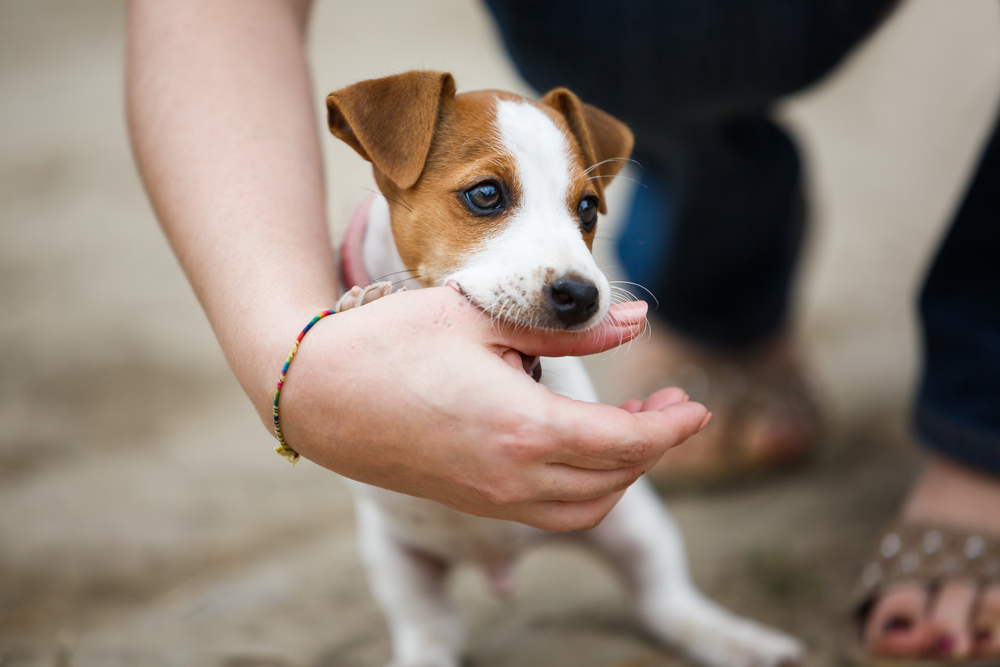
- Handling and Grooming Practice: Gently touch paws, ears, and body regularly to help puppies become comfortable with handling, grooming, and future veterinary examinations.
- Exploring New Household Surfaces: Allow puppies to walk on safe surfaces such as carpets, tiles, grass, or mats, helping them build confidence with different textures and environments.
Safe Places for Early Puppy Socialisation

Choosing the right environments helps puppies gain important experiences while reducing exposure to infectious diseases before their vaccination schedule is complete.
- Your Home Environment: The home provides a controlled and safe space where puppies can meet family members, experience household sounds, and explore different objects without exposure to unknown dogs.
- Private Gardens or Yards: Secure private outdoor spaces allow puppies to experience grass, outdoor smells, and fresh air while avoiding contact with areas frequently visited by unfamiliar dogs.
- Homes of Trusted Friends: Visiting homes where dogs are healthy and fully vaccinated allows puppies to safely experience new environments and positive dog interactions.
- Carried Outings in Public Areas: Carrying puppies through parks, streets, or shopping areas allows safe exposure to people, sounds, and activity without touching contaminated surfaces.
- Puppy Socialisation Classes with Vet Approval: Some training centres offer controlled puppy classes that require vaccination records and health checks to reduce disease risks.
Timeline for Socialisation
Puppies develop rapidly during their early weeks, making timely socialisation essential for building confidence and preventing fear later in life. Here is a typical timeline for puppy socialisation during early development.
1. 3–8 Weeks: Learning from Mother and Littermates
During this early stage, puppies learn basic social behaviour from their mother and siblings. They develop communication skills, bite inhibition, and early confidence through play.
Breeders often begin gentle exposure to household sounds and human handling, which helps puppies become comfortable with people and everyday environments.
2. 8–10 Weeks: Beginning Safe Social Exposure
After moving to a new home, puppies begin experiencing the wider world. Owners should introduce calm visitors, household noises, and short outings while carrying the puppy.
Positive and controlled exposure during this stage helps puppies adjust to their new environment while building confidence and curiosity.
3. 10–12 Weeks: Expanding New Experiences
As puppies grow more confident, owners can gradually increase social experiences. Puppies can safely observe different environments, meet friendly people, and interact with vaccinated dogs in controlled settings.
This stage helps reinforce positive associations with unfamiliar sights, sounds, and social interactions.
4. 12–16 Weeks: Increasing Independence and Confidence
By this stage, many puppies are completing their vaccination schedule and can begin exploring more freely while also learning when to start obedience training. Short walks, puppy training classes, and supervised dog interactions become possible.
Continued positive experiences during this period strengthen social skills and help prevent fear or anxiety later in life.
Signs Your Puppy Is Responding Well to Socialisation
Positive socialisation experiences help puppies grow confident and relaxed in new environments. Here are signs that your puppy is responding well to early socialisation experiences.
- Curiosity Toward New Experiences: Puppies that approach new people, sounds, or environments with interest rather than fear are showing healthy curiosity and confidence during socialisation.
- Relaxed Body Language: A loose posture, wagging tail, and calm movements suggest the puppy feels comfortable and secure during new interactions.
- Willingness to Approach People: Puppies that move toward new people calmly rather than hiding are developing positive associations with human interaction.
- Playful Interaction With Dogs: Friendly play behaviour with calm, vaccinated dogs shows the puppy is learning healthy canine social skills.
- Quick Recovery From Mild Startle: Puppies that briefly startle but recover quickly demonstrate growing confidence and adaptability.
- Comfort in New Environments: Puppies that settle quickly when visiting new places are learning that unfamiliar surroundings are safe.
Mistakes to Avoid When Socialising Unvaccinated Puppies

Socialisation must be handled carefully before vaccinations are complete to prevent health risks. Here are common mistakes to avoid when socialising unvaccinated puppies.
- Visiting Busy Dog Parks: Dog parks often contain unknown dogs and contaminated surfaces, increasing the risk of disease exposure for young puppies.
- Allowing contact with unfamiliar dogs may expose puppies to illnesses carried by animals whose vaccination status is unknown, including early signs of illness in puppies that owners may miss.
- Walking in High Traffic Dog Areas: Public walking paths used by many dogs may carry viruses or bacteria that pose health risks to unvaccinated puppies.
- Introducing Too Many Experiences at Once: Overwhelming puppies with too many new situations can create fear instead of confidence.
- Ignoring Signs of Fear or Stress: Puppies showing trembling, hiding, or avoidance may need slower exposure to prevent negative associations.
- Skipping Veterinary Advice: Consulting a veterinarian about safe socialisation practices helps reduce health risks during the vaccination period.
When Puppies Can Safely Explore the World
As puppies complete their vaccination schedule, they can gradually begin exploring wider environments. Here are signs that puppies are ready to explore more of the world safely.
- Completion of Core Vaccinations: Once puppies receive their core vaccinations, veterinarians often approve broader socialisation and exposure to public environments.
- Improved Confidence Around New Experiences: Puppies that remain calm when encountering new people, sounds, and environments are usually ready for expanded social exploration.
- Ability to Follow Basic Training: Puppies that respond to simple commands and guidance are easier to manage in new environments.
- Veterinary Approval for Public Exposure: Veterinarians can confirm when it is safe for puppies to begin visiting parks, walking areas, and other public spaces.
Socialise Early and Raise a Confident Puppy
Learning how to socialise a puppy before full vaccination safely helps support healthy development while protecting them from disease risks.
With careful planning, controlled environments, and positive experiences, puppies can build confidence during their critical learning stage.
Early socialisation shapes behaviour for life. When you are ready to welcome a well-raised puppy, Pups4Sale connects you with trusted breeders to begin your journey with confidence.
Frequently Asked Questions
1. Can puppies be socialised before full vaccination?
Yes. Puppies can begin socialisation before completing their vaccination schedule, but it should be done carefully. Safe socialisation includes controlled environments, meeting healthy vaccinated dogs, and supervised interactions with people to reduce disease risk.
2. When should puppy socialisation start?
Puppy socialisation should ideally begin between 3 and 12 weeks of age, when puppies are most receptive to new experiences. Early exposure to people, sounds, and environments helps build confidence and reduces the likelihood of fear-based behaviours later in life.
3. Is it safe for unvaccinated puppies to meet other dogs?
Unvaccinated puppies should only meet healthy, fully vaccinated dogs that are known to the owner. Avoid contact with unknown dogs in public areas until the puppy has completed its vaccination schedule.
4. What places should puppies avoid before full vaccination?
Puppies should avoid high-risk areas such as dog parks, busy walking paths, pet store floors, and public dog gathering spaces where exposure to infectious diseases like parvovirus is more likely.
5. How can I safely expose my puppy to the outside world?
Puppies can safely experience the outside world by being carried, riding in a stroller, sitting in a car, or observing environments from a safe distance. These experiences help puppies become familiar with new sights, sounds, and smells without direct contact with contaminated surfaces.
 Add us as a preferred source