Common Puppy Behaviour Problems and How to Fix Them
Puppy Training & Behaviour By James C. • March 23, 2026
Many new dog owners quickly notice that raising a puppy often comes with behavioural challenges. Puppies are curious, energetic, and still learning how to interact with people and their surroundings.
Behaviours such as biting, chewing, barking, and jumping commonly appear during early development. These behaviours may seem problematic, but they are usually part of normal puppy learning and exploration.
Understanding puppy behaviour problems helps owners respond with patience and proper training. This guide explains common behaviour issues, why they occur, and practical ways to correct them as puppies grow.
Why Behaviour Problems Are Common in Puppies
Behaviour problems are common in puppies because they are still learning how to interact with the world around them. During the early months of life, puppies explore their environment using curiosity, energy, and their mouths.
This natural behaviour often leads to actions such as chewing furniture, biting during play, or barking for attention.
Another reason behaviour problems appear is that puppies have not yet developed impulse control. They may jump on people, chase moving objects, or become overly excited during greetings simply because they have not learned calmer ways to behave. Training helps puppies understand which behaviours are appropriate.
Teething also plays a significant role in puppy behaviour. As puppies grow new teeth, chewing helps relieve discomfort in their gums. Without suitable chew toys, they may target household items instead.
In many cases, behaviour problems are simply part of normal development. With patience, consistent routines, and positive reinforcement training, puppies gradually learn better habits and develop into well-behaved adult dogs.
Most Common Puppy Behaviour Problems

Many puppies display challenging behaviours while they learn boundaries and adjust to their new home. Here are the most common puppy behaviour problems that new owners often experience.
1. Puppy Biting and Nipping
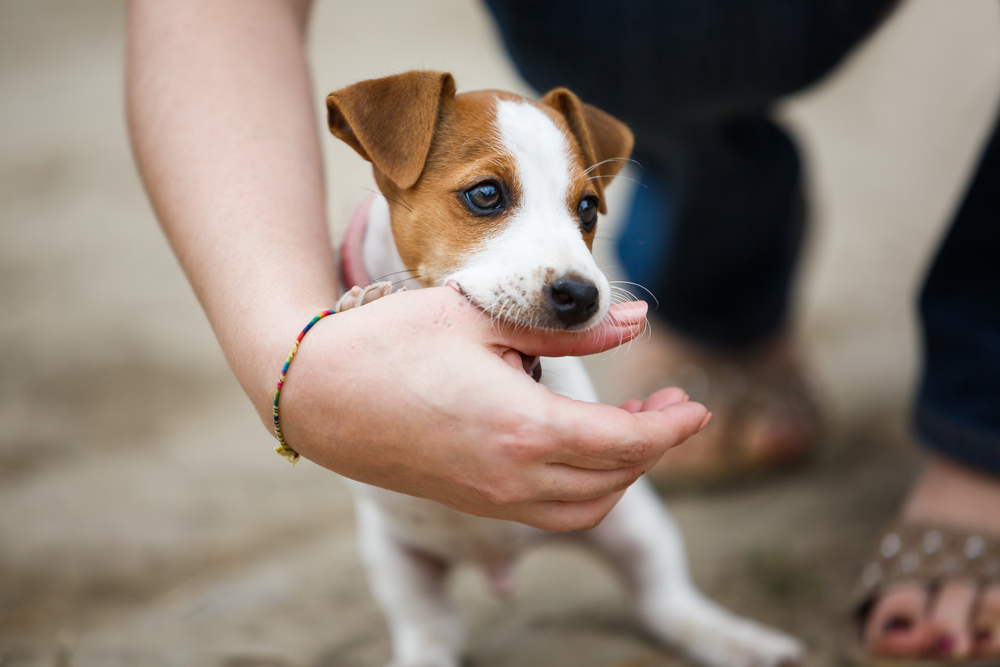
Puppy biting is very common during early development, especially while teething and playing. Puppies explore the world using their mouths and may nip at hands, clothing, or feet during excitement.
Although this behaviour is normal, it should be redirected to appropriate chew toys. Consistent training helps puppies learn bite inhibition and stop puppy biting without punishment so they understand that human skin is not suitable for play.
2. Destructive Chewing
Chewing is a natural behaviour that helps puppies relieve teething discomfort and explore objects around them. Without suitable chew toys, puppies may chew furniture, shoes, or household items.
Destructive chewing often occurs when puppies are bored or left unsupervised. Providing durable chew toys and ensuring adequate mental stimulation can help redirect this behaviour.
3. Excessive Barking
Puppies may bark for several reasons, including excitement, fear, boredom, or attention seeking. Barking is a natural form of communication for dogs, but excessive barking can become disruptive if not managed early.
Identifying the trigger behind the barking helps owners address the cause. Training calm behaviour and providing enough physical and mental activity can reduce unnecessary barking.
4. Jumping on People
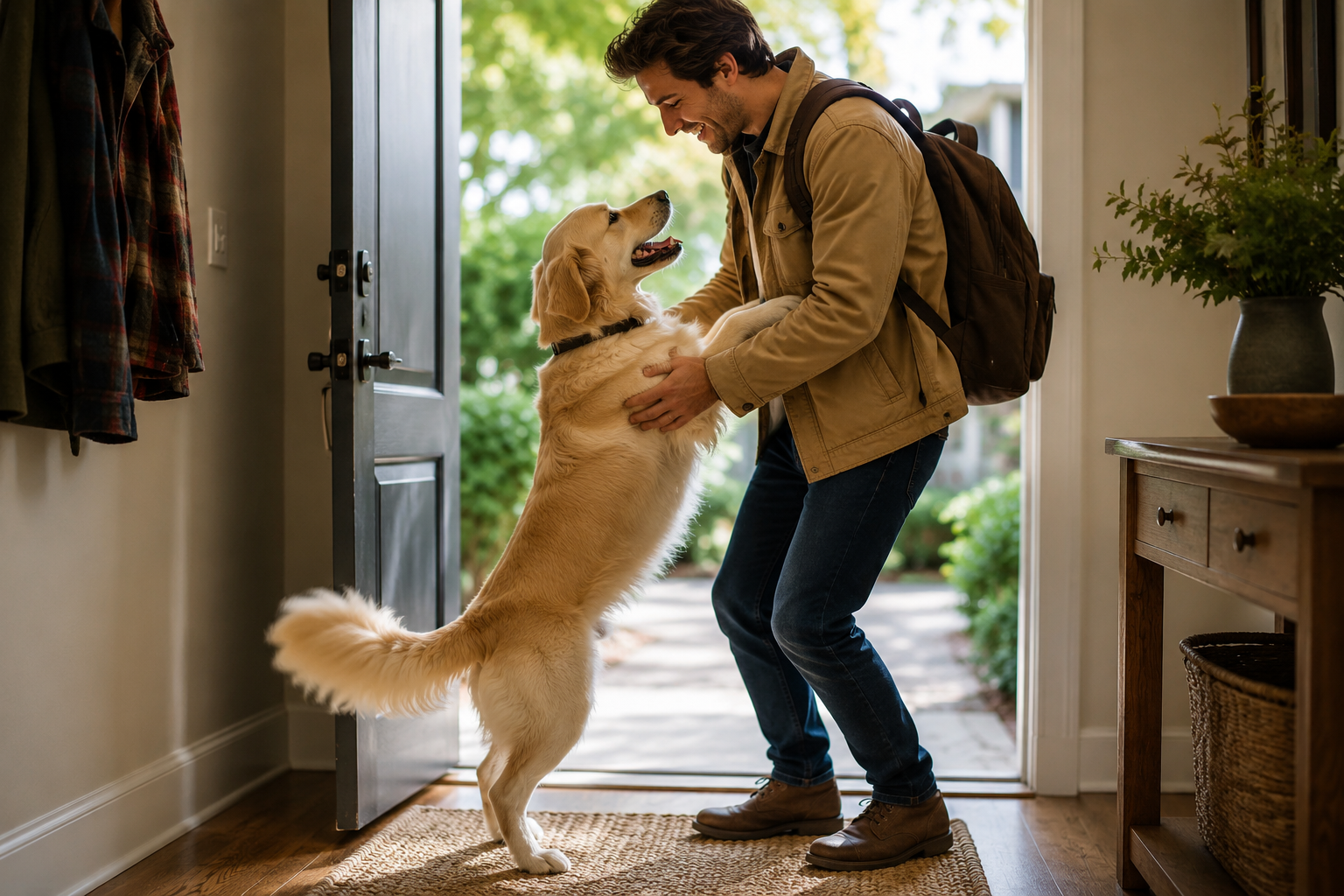
Many puppies jump on people when greeting them because they are excited and seeking attention. This behaviour may seem harmless when the puppy is small, but it can become problematic as the dog grows larger.
Teaching puppies to greet people calmly and rewarding behaviour such as sitting helps prevent jumping habits from becoming established.
5. Separation Anxiety
Some puppies become anxious when left alone, especially during the first weeks in a new home. They may bark, whine, chew objects, or pace around the house.
This behaviour occurs because puppies are adjusting to independence after being separated from their littermates, which can look like early signs of separation anxiety. Gradually teaching puppies to feel comfortable alone helps reduce separation-related distress.
6. Toilet Training Accidents
House training accidents are common while puppies learn where and when to relieve themselves. Young puppies have limited bladder control and may not yet understand the household routine.
Consistent toilet schedules, supervision, and positive reinforcement help puppies gradually develop reliable bathroom habits through a clear puppy toilet training timeline.
Why These Puppy Behaviour Problems Happen
Understanding why behaviour problems occur helps owners address the root cause rather than only reacting to the behaviour itself. Many issues develop from normal puppy development.
- Teething Discomfort: Puppies chew, bite, and mouth objects to relieve gum discomfort during teething, which usually occurs between three and six months of age.
- Excess Energy and Boredom: Puppies with too little physical exercise or mental stimulation may bark, chew, or dig as a way to release built-up energy.
- Lack of Clear Boundaries: When household rules are inconsistent, puppies may become confused about acceptable behaviour and repeat actions such as jumping, barking, or chewing.
- Attention Seeking Behaviour: Puppies sometimes bark, nip, or jump because they have learned these behaviours successfully attract attention from their owners.
- Fear or Anxiety: New environments, unfamiliar people, or sudden changes can make puppies feel insecure, which may trigger behaviours such as barking, hiding, or destructive chewing.
- Incomplete Training and Socialisation: Puppies that are still learning routines and social skills may show temporary behaviour challenges while they develop confidence and understanding.
Practical Ways to Fix Puppy Behaviour Problems

Correcting unwanted behaviour requires patience, consistency, and clear communication. Here are practical ways to fix common puppy behaviour problems and encourage positive habits.
1. Redirect Unwanted Behaviour to Appropriate Activities
When puppies bite hands or chew household items, immediately redirect their attention to appropriate chew toys or activities. This helps puppies understand what behaviour is acceptable.
Consistently replacing inappropriate objects with safe alternatives teaches puppies how to satisfy their natural chewing instincts without damaging belongings.
2. Reward Good Behaviour With Positive Reinforcement
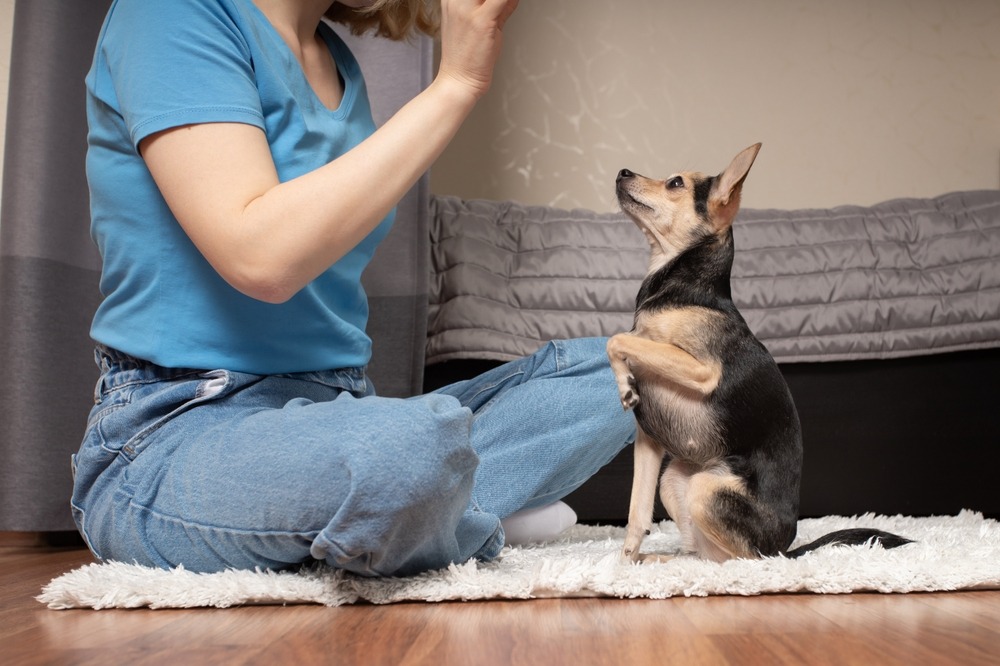
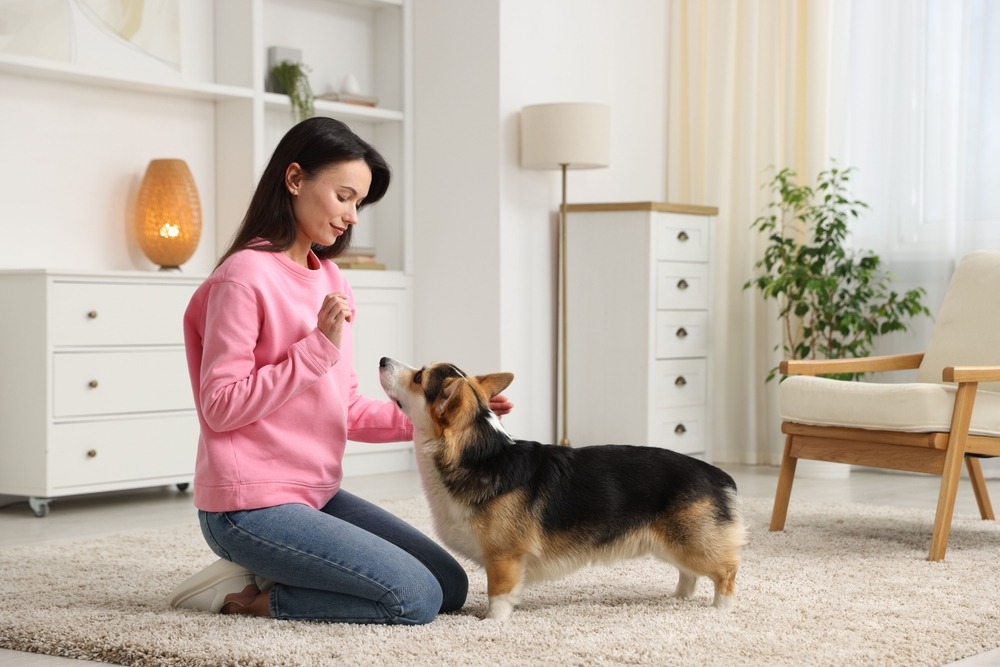
Positive reinforcement helps puppies learn faster because they associate good behaviour with rewards. Praise, treats, and attention can reinforce behaviours such as sitting calmly, responding to commands, or playing gently.
By rewarding the behaviours you want to encourage, puppies gradually repeat those actions more frequently.
3. Provide Regular Exercise and Mental Stimulation
Many behaviour problems occur because puppies have excess energy, so managing that energy is central to good puppy training and behaviour. Daily exercise, interactive play, and puzzle toys provide mental stimulation and physical activity.
When puppies release their energy in healthy ways, they are less likely to develop behaviours such as excessive barking, chewing, or jumping.
4. Establish Consistent Household Rules
Puppies learn faster when rules remain clear and consistent. All family members should use the same commands and enforce the same boundaries.
For example, if jumping on people is not allowed, everyone should respond consistently. Predictable expectations help puppies understand what behaviour is acceptable.
5. Use Short, Frequent Training Sessions
Puppies learn best through short training sessions repeated throughout the day. Brief sessions of five to ten minutes allow puppies to stay focused while gradually learning new commands, which is realistic when you understand how long puppy training takes. Frequent practice strengthens memory and helps puppies build reliable behaviour patterns.
6. Supervise and Manage the Environment
Supervision prevents puppies from developing unwanted habits. Limiting access to certain rooms, using puppy safe areas, and removing tempting objects help guide behaviour while the puppy is still learning. Managing the environment reduces opportunities for mistakes and supports successful training.
Preventing Puppy Behaviour Problems Early
Early guidance and structure help puppies develop good habits before unwanted behaviours become established. Here are practical ways owners can prevent puppy behaviour problems from developing.
- Start Training as Early as Possible: Puppies can begin learning routines and simple commands from around eight weeks, helping them understand expectations from the beginning.
- Early Socialisation: Introducing puppies to different people, environments, and sounds helps build confidence and reduces fear-related behaviour later in life, especially when you socialise a puppy safely.
- Consistent Daily Routine: Regular schedules for feeding, toilet breaks, play, and sleep help puppies understand expectations and develop predictable behaviour patterns.
- Providing Appropriate Chew Toys: Supplying safe chew toys helps redirect natural chewing behaviour away from furniture, shoes, and household items.
- Supervision During Early Months: Monitoring puppies closely allows owners to correct behaviour early and guide them toward appropriate actions.
- Rewarding Good Behaviour: Praising calm and desirable behaviour encourages puppies to repeat those actions and strengthens positive habits.
When Behaviour Problems May Require Professional Help
While many puppy behaviour issues improve with training, some situations require expert guidance. Here are signs that professional help may be needed for puppy behaviour problems.
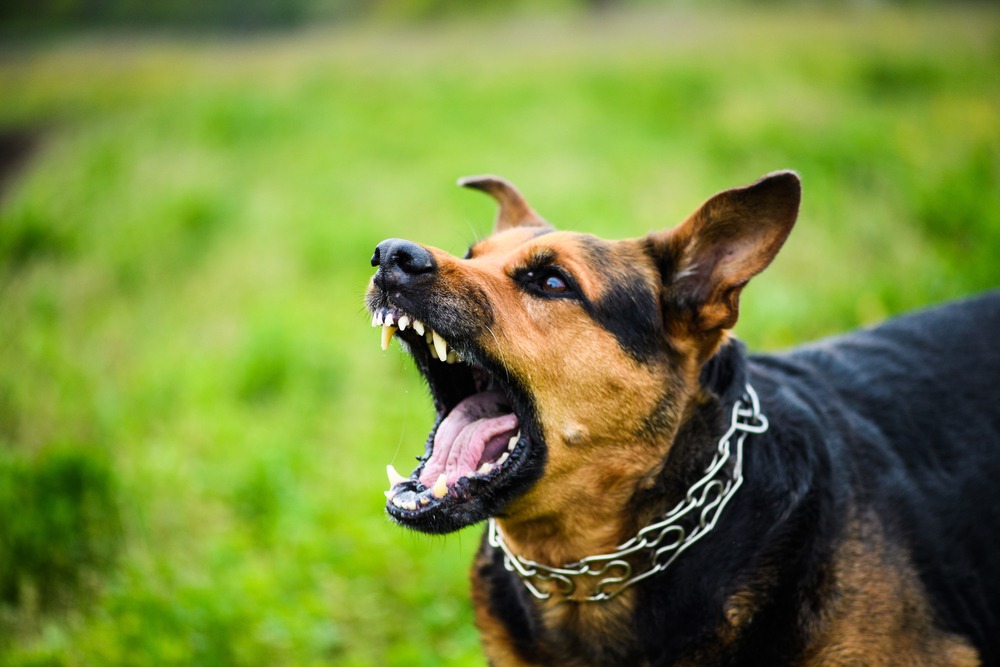
- Aggressive Behaviour: Growling, snapping, or biting directed toward people or other animals may require professional behavioural assessment, especially if you are unsure about dog growling meaning.
- Severe Separation Anxiety: Puppies that panic when left alone, causing destruction or constant distress, may need structured training support.
- Persistent Destructive Behaviour: Continuous chewing, digging, or barking despite training may indicate underlying stress or unmet needs.
- Fearful Reactions to People or Environments: Extreme fear responses may require gradual behavioural therapy with expert guidance.
- Training Progress Stalls Completely: Puppies that do not respond to consistent training may benefit from structured training programmes.
- Sudden Behaviour Changes: Abrupt changes in behaviour can sometimes signal health problems that require veterinary attention.
Build Good Behaviour From the Start
Most common puppy behaviour problems are a normal part of development. Puppies are learning how to interact with their environment, understand boundaries, and respond to guidance from their owners.
With consistent training, positive reinforcement, and clear routines, unwanted behaviours such as biting, chewing, or jumping can gradually improve.
If you are planning to welcome a puppy into your home, Pups4Sale connects you with trusted breeders and helpful resources to support responsible puppy ownership from the very beginning.
Frequently Asked Questions
1. Why do puppies develop behaviour problems?
Puppies often develop behaviour problems because they are still learning how to interact with their environment. Curiosity, teething, excess energy, and limited impulse control can lead to behaviours such as chewing, biting, or barking.
2. What is the most common puppy behaviour problem?
One of the most common behaviour problems in puppies is biting and nipping. Young puppies explore the world with their mouths, especially during the teething stage. Training and redirection can help puppies learn appropriate behaviour.
3. How long does it take to correct puppy behaviour problems?
The time required depends on the behaviour and the consistency of training. Some behaviours may improve within a few weeks, while others may take several months of regular training and reinforcement.
4. Can puppy behaviour problems be prevented?
Many behaviour problems can be reduced through early socialisation, clear routines, and positive reinforcement training. Teaching puppies appropriate behaviour from an early age helps prevent unwanted habits from developing.
5. When should I seek professional help for puppy behaviour problems?
Professional help may be useful if behaviour problems persist despite consistent training, worsen over time, or involve aggression, extreme fear, or destructive behaviour. A veterinarian or professional trainer can help identify the underlying cause and recommend appropriate solutions.
 Add us as a preferred source