Signs of Separation Anxiety in Dogs and What Helps
Puppy Training & Behaviour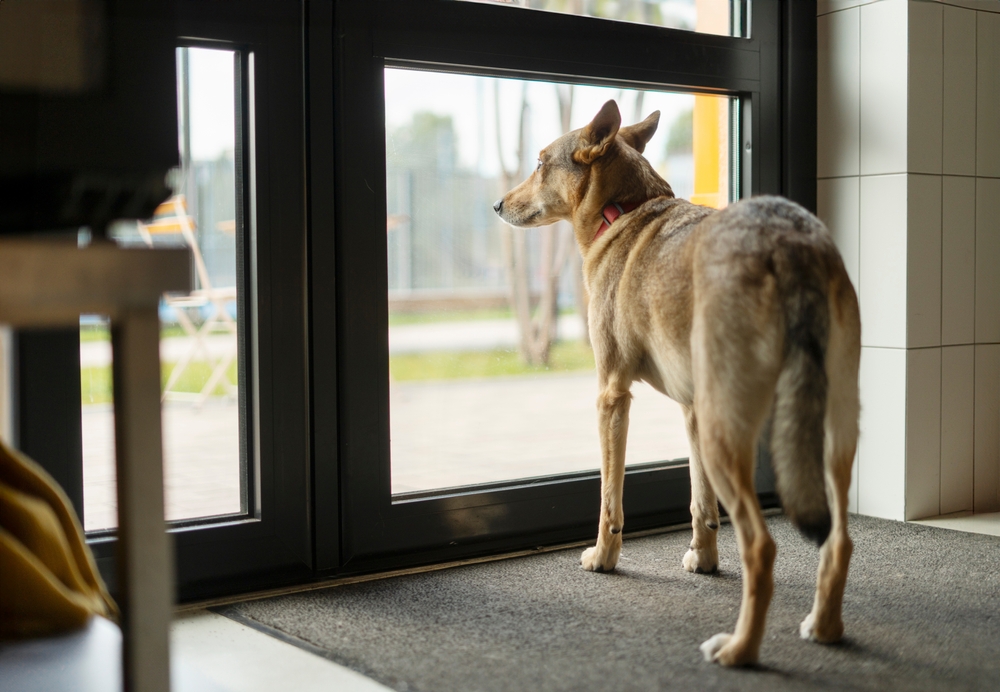 By James C. • March 20, 2026
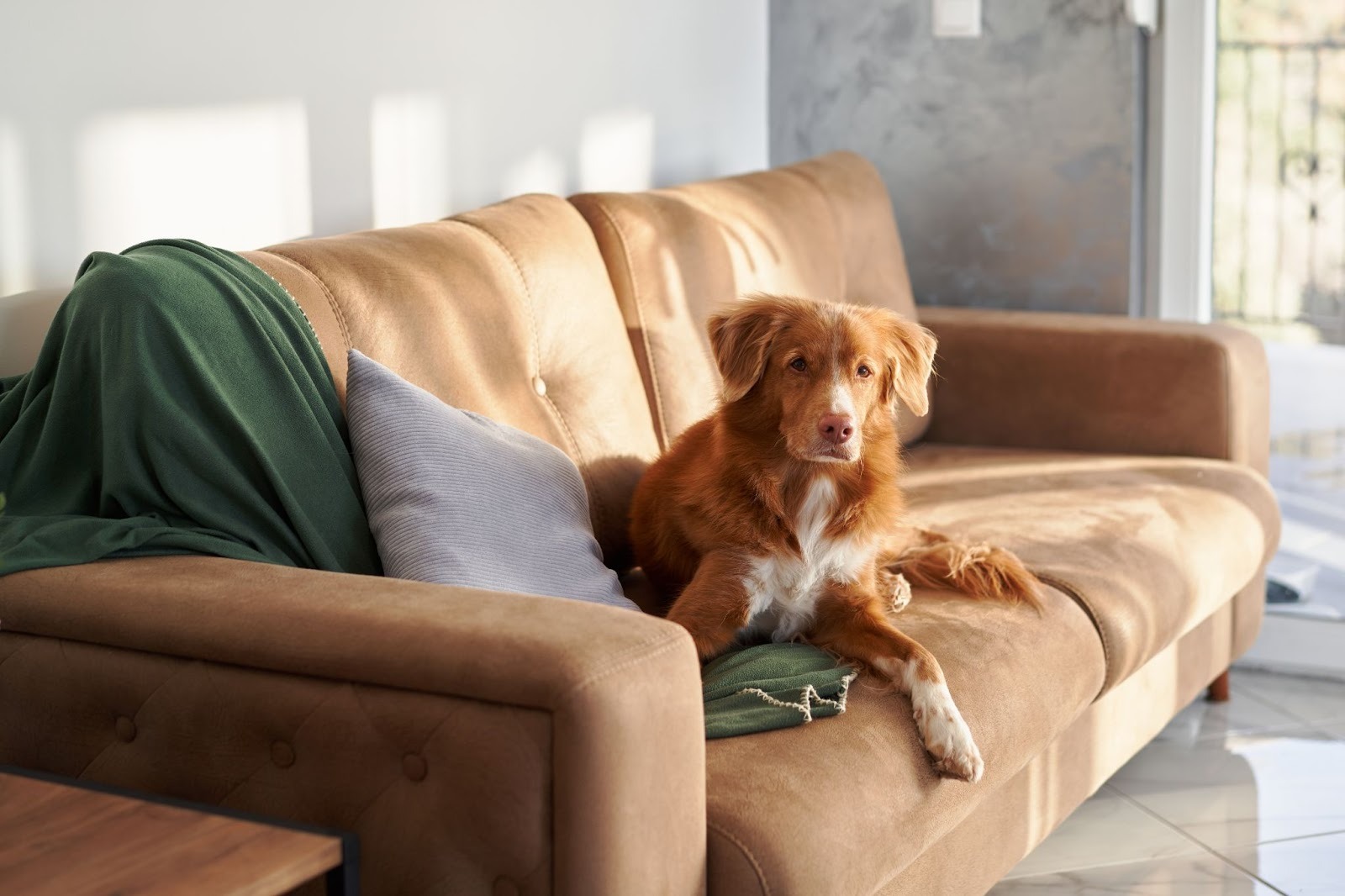
Many dogs enjoy being close to their owners, but some experience intense distress when left alone. This condition, known as separation anxiety, can cause behaviours such as barking, pacing, destructive chewing, or attempts to escape.
These reactions often begin shortly after the owner leaves the home. Understanding the signs of separation anxiety in dogs and what helps allows owners to recognise the problem early.
This guide explains the common symptoms, possible causes, and practical strategies that can help dogs feel calmer and more secure when left alone.
What Separation Anxiety in Dogs Means
Separation anxiety in dogs is a behavioural condition that occurs when a dog becomes extremely distressed after being separated from its owner or primary caregiver.
While many dogs may briefly miss their owners, dogs with separation anxiety experience intense panic that can affect their behaviour and wellbeing. The distress often begins shortly after the owner leaves the home.
Dogs with separation anxiety may struggle to settle when alone and may display behaviours such as barking, pacing, destructive chewing, or attempts to escape.
These reactions are not acts of disobedience but signs that the dog is experiencing emotional stress. The anxiety may also appear when the dog senses that the owner is about to leave.
Several factors can contribute to separation anxiety. Changes in routine, moving to a new home, adoption from shelters, or losing a companion animal can trigger the condition. Dogs that have formed very strong attachments to their owners may also find it difficult to cope with being alone.
Unlike normal boredom, separation anxiety involves genuine emotional distress. Understanding what separation anxiety means helps owners respond with patience, training, and supportive strategies that gradually teach dogs how to remain calm when separated.
Behavioural Signs of Separation Anxiety in Dogs
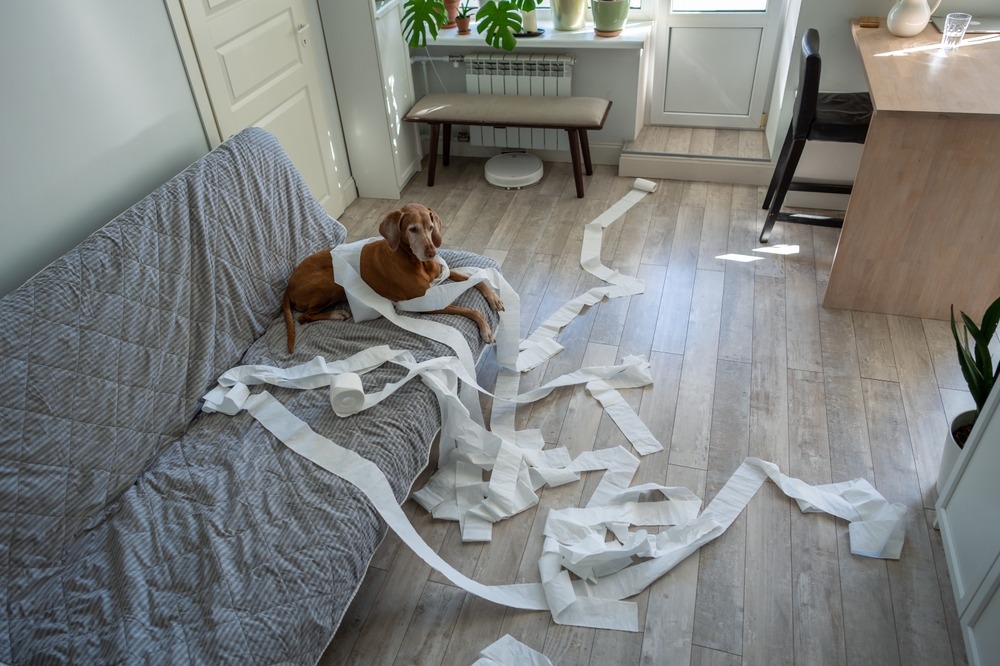
Dogs experiencing separation anxiety often show clear behavioural changes when their owner leaves or prepares to leave. Here are common behavioural signs that may indicate separation anxiety in dogs.
1. Excessive Barking or Howling
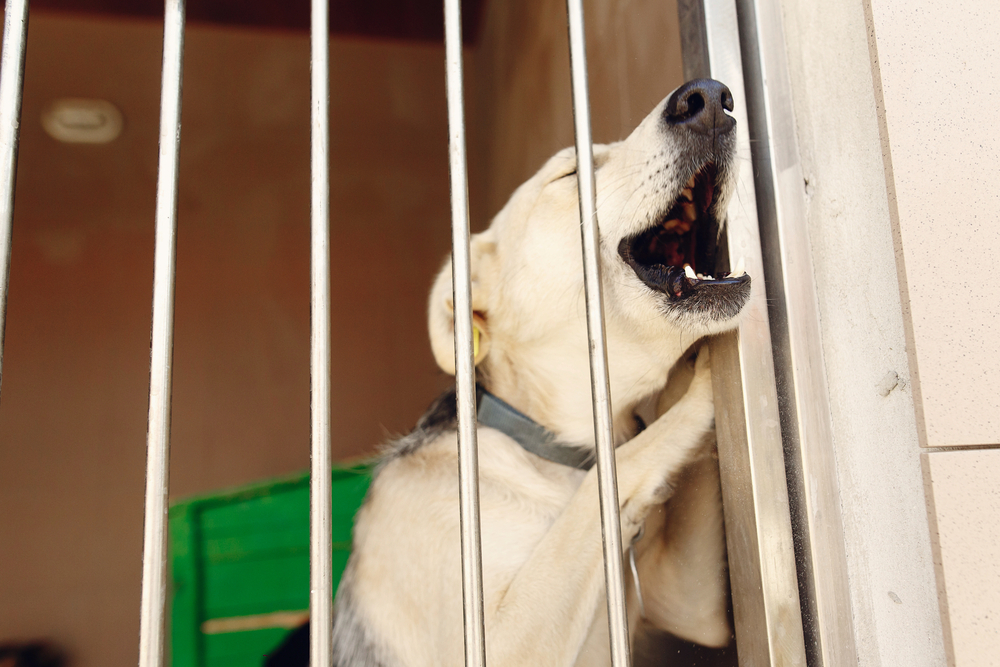
Dogs with separation anxiety often bark, whine, or howl repeatedly when left alone. This vocal behaviour usually begins soon after the owner leaves and may continue for extended periods.
Unlike occasional barking triggered by outside noises, anxiety-related vocalisation tends to be persistent and linked specifically to the absence of the owner.
2. Destructive Behaviour in the Home
Anxious dogs may chew furniture, scratch doors, or damage household items while trying to cope with stress. Destructive behaviour is often directed at entry points such as doors or windows where the dog expects the owner to return.
This behaviour is not intentional misbehaviour but a response to panic and emotional distress.
3. Attempts to Escape the House
Dogs with severe separation anxiety may attempt to escape the home or confined areas. They may dig at doors, push against gates, or scratch windows in an effort to find their owner.
These attempts can sometimes lead to injuries, including damaged teeth, torn nails, or cuts caused by frantic escape efforts.
4. Pacing and Restless Movement
Repetitive pacing is another common sign of anxiety. Dogs may walk back and forth along the same path around the home or near doorways and windows.
This restless movement often occurs shortly after the owner leaves and reflects the dog’s inability to relax while alone.
5. Indoor Accidents When Left Alone
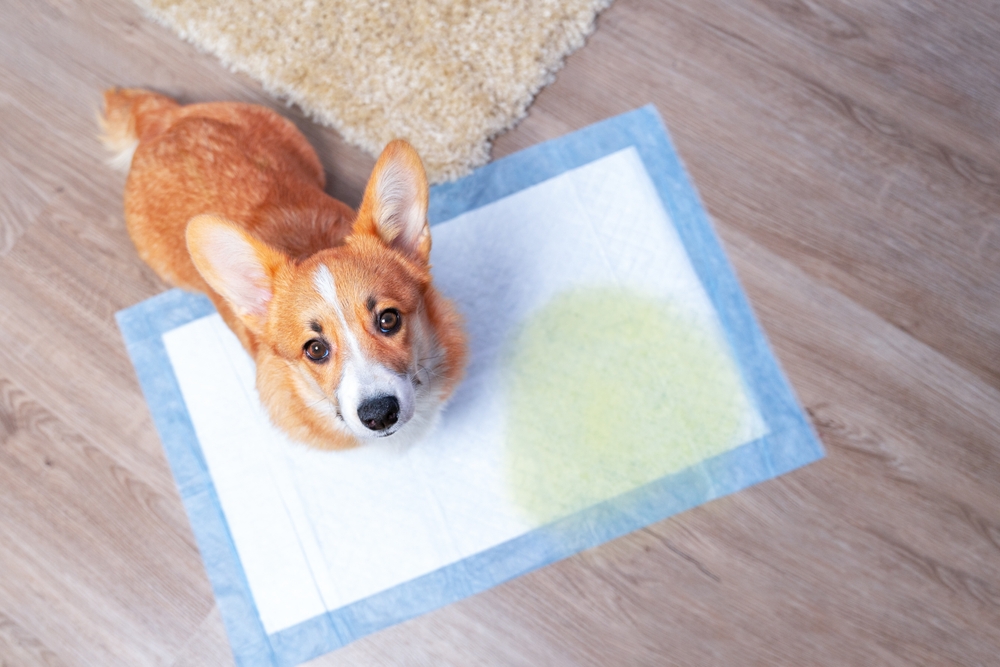
Dogs that are normally house-trained may urinate or defecate indoors when experiencing separation anxiety.
These accidents occur specifically when the owner is absent and are caused by stress rather than a lack of training. Once the owner returns, the behaviour usually stops, and normal habits resume.
Physical Symptoms of Separation Anxiety
Separation anxiety does not only affect behaviour. Dogs experiencing stress may also show clear physical symptoms. Here are physical signs that may indicate separation anxiety in dogs.
1. Excessive Panting and Drooling
Dogs with separation anxiety may begin panting heavily even when the environment is not hot or physically demanding. Excessive drooling can also occur as the dog becomes increasingly stressed.
This response is part of the body’s stress reaction and often begins when the dog realises the owner is leaving or shortly after they are alone.
2. Trembling or Shaking
Some dogs physically tremble when experiencing anxiety. Shaking may begin when the owner prepares to leave or once the dog is left alone.
This physical reaction is a sign of emotional distress rather than cold or illness. Persistent trembling can indicate that the dog is struggling to cope with separation.
3. Loss of Appetite
Dogs with separation anxiety may refuse food or treats when left alone. Even normally food-motivated dogs may ignore meals if they feel stressed.
Once the owner returns, appetite often returns quickly. This behaviour shows that emotional stress is interfering with the dog’s normal eating habits.
4. Excessive Licking or Self-Grooming
Anxious dogs sometimes lick their paws, legs, or bodies repeatedly while alone. This behaviour can become compulsive and may lead to irritated skin or hair loss.
Excessive grooming is often a coping mechanism used by dogs to manage stress and emotional discomfort.
5. Changes in Breathing or Heart Rate
Stress can cause noticeable changes in breathing patterns or heart rate. Dogs may breathe faster than normal or appear restless and unable to settle. These physical responses occur because anxiety activates the body’s stress response, increasing alertness and tension.
Dogs Most Likely to Experience Separation Anxiety
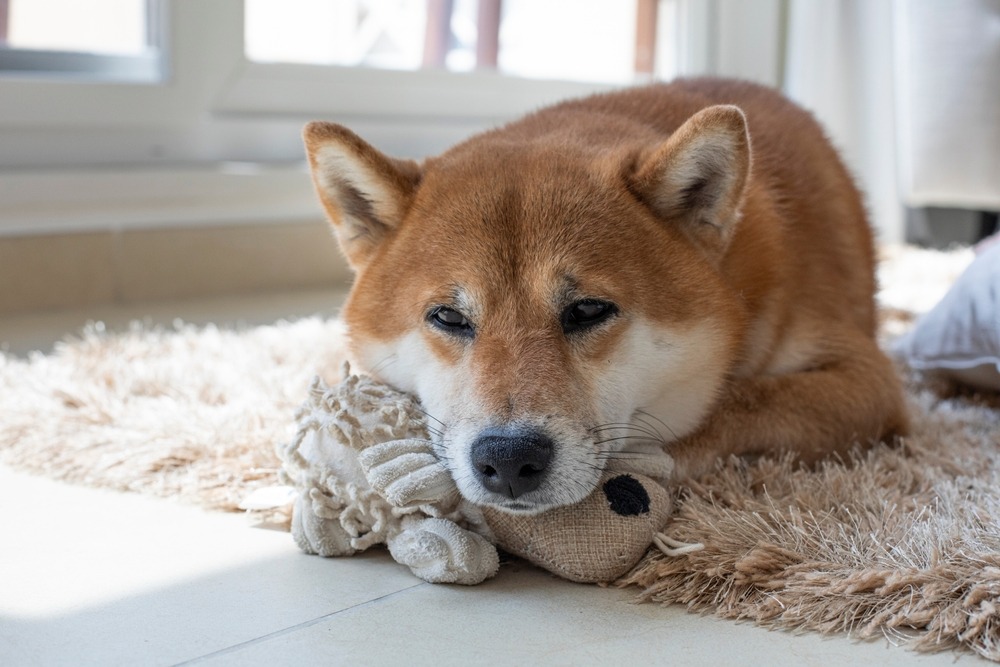
Some dogs are more prone to separation anxiety due to their background, lifestyle, or personality traits. Here are the dogs that are most likely to experience separation anxiety.
- Recently Adopted Dogs: Dogs adopted from shelters or rehomed environments may develop anxiety when left alone. Changes in surroundings and routine can make it harder for them to feel secure.
- Dogs Experiencing Major Routine Changes: Sudden changes such as new work schedules, moving homes, or changes in household members can trigger anxiety when dogs struggle to adjust to new routines.
- Highly Attached Companion Dogs: Dogs that form extremely strong attachments to their owners may struggle with independence. These dogs often follow their owners constantly and show distress when separated.
- Dogs With Limited Early Independence Training: Puppies that were never gradually introduced to being alone may find separation stressful. Without early independence training, dogs may depend heavily on constant human presence.
- Dogs That Experienced Past Trauma: Dogs with previous abandonment, neglect, or unstable living conditions may develop anxiety around separation due to past experiences affecting their sense of security.
What Helps Dogs With Separation Anxiety
Helping a dog manage separation anxiety requires patience, consistency, and supportive routines that reduce anxiety. Here are practical strategies that help dogs feel calmer and more secure when left alone.
1. Gradual Independence Training
Gradual independence training helps dogs become comfortable with short periods of separation. Owners can begin by leaving the room briefly and returning before the dog becomes distressed.
Slowly increasing the duration helps the dog learn that departures are temporary and safe. This gradual approach builds confidence and reduces the emotional stress associated with being alone.
2. Creating a Safe and Comfortable Space
Providing a designated safe area helps dogs feel secure while alone. A comfortable bed, familiar toys, and a quiet environment can reduce anxiety.
Some dogs relax better in a specific room or crate that feels predictable and calm. Maintaining a consistent resting space helps dogs associate that area with relaxation and safety during their owner’s absence.
3. Providing Mental Stimulation and Enrichment
Enrichment activities help distract dogs and reduce anxiety during alone time. Puzzle toys, food-dispensing toys, or safe chew items keep the dog mentally engaged. These activities redirect attention away from the owner’s absence and provide a positive outlet for energy, making it easier for the dog to relax while alone.
4. Establishing Predictable Daily Routines
Dogs feel more secure when daily routines are predictable. Feeding, walks, playtime, and rest periods scheduled at similar times each day help create a stable environment. When dogs understand what to expect throughout the day, they often experience less stress when the owner leaves temporarily.
5. Keeping Departures and Returns Calm
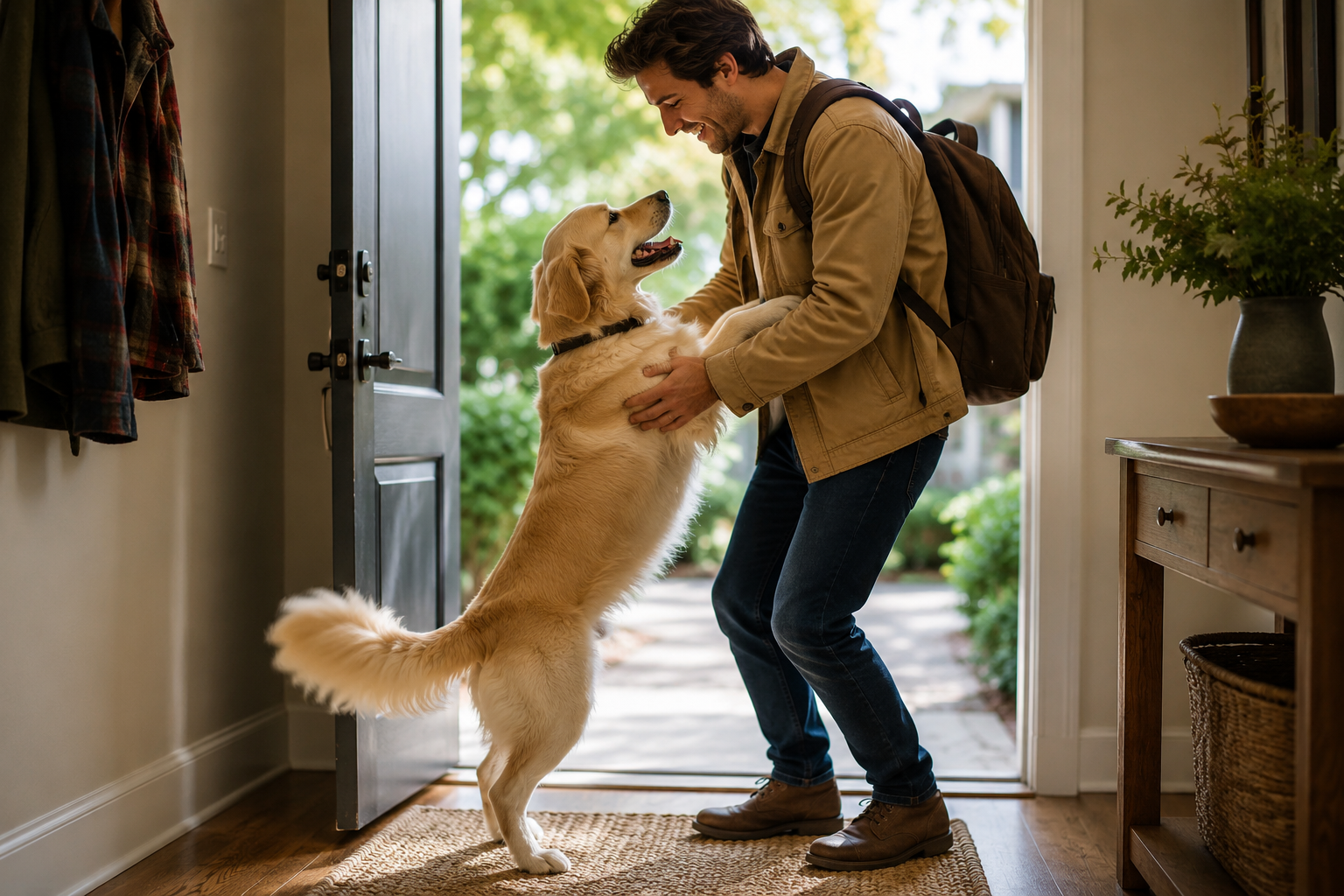
Avoid dramatic goodbyes or overly excited greetings. Calm departures teach the dog that leaving is a normal event rather than something stressful. When returning home, waiting until the dog settles before offering attention can help prevent reinforcing anxious behaviour linked to separation.
Training Techniques That Reduce Separation Anxiety
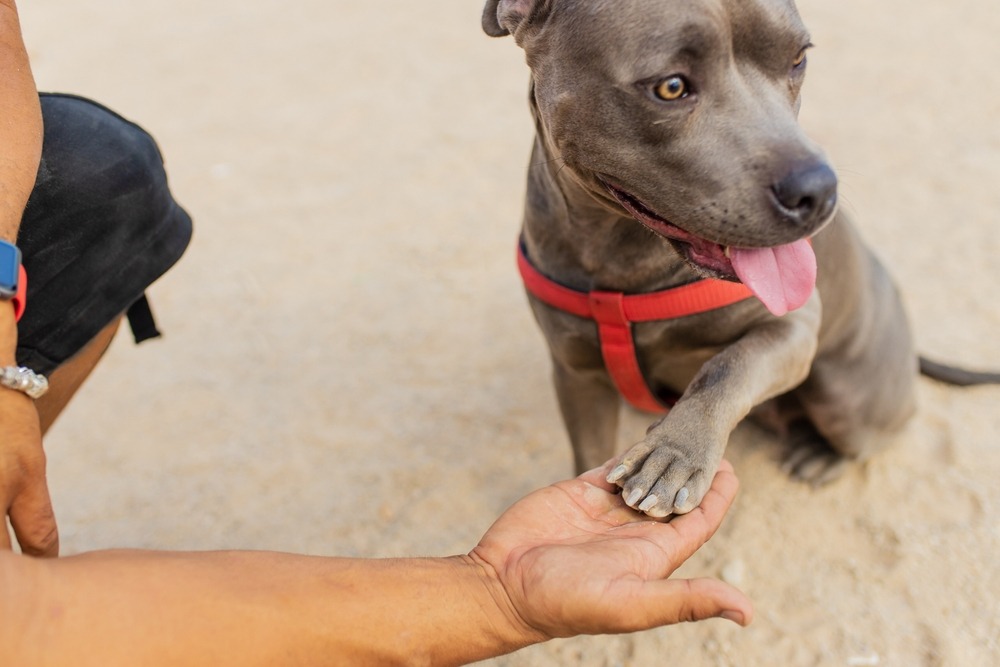
Consistent training helps dogs develop independence and feel more secure when left alone. Here are training techniques that can help reduce separation anxiety in dogs.
1. Practice Short Departures
Begin with very short absences to help the dog become comfortable with brief separation. Step outside for a few minutes and return calmly before anxiety begins.
Gradually increase the duration over time. This technique helps the dog learn that departures are temporary and reduces panic reactions.
2. Desensitise Departure Cues
Dogs often become anxious when they notice signals such as picking up keys or putting on shoes. Practising these actions without leaving the house helps reduce the emotional response. Repeating these cues without departure gradually teaches the dog that these signals do not always mean separation.
3. Reward Calm Behaviour
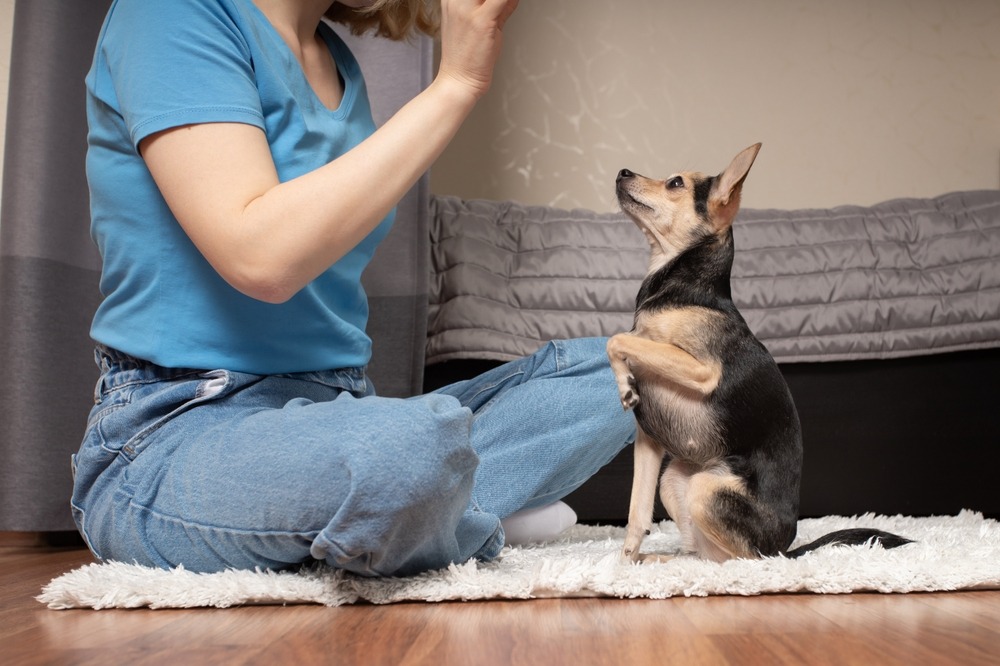
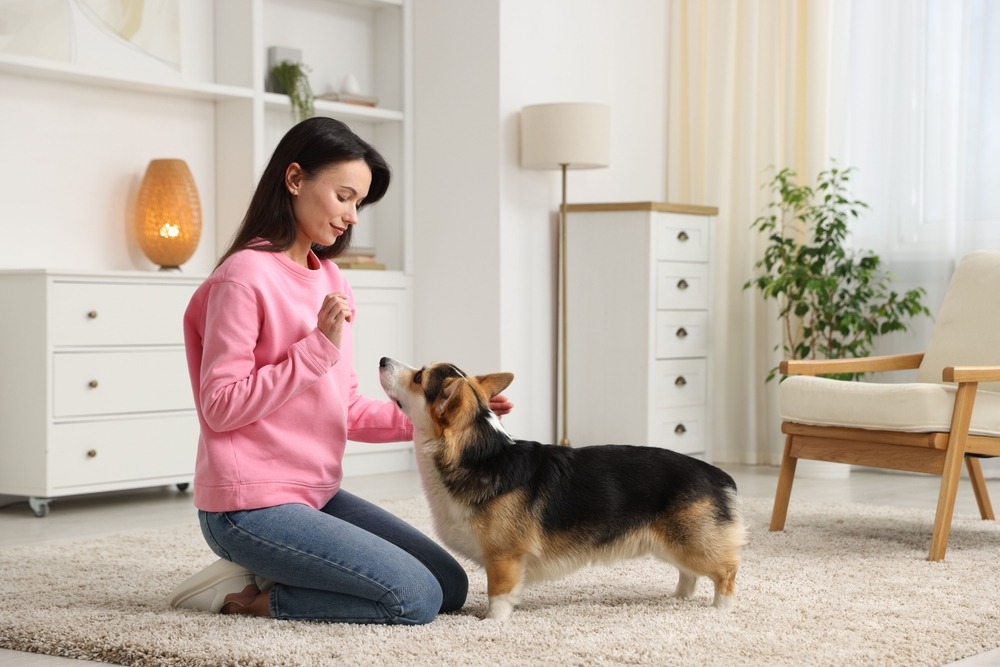
Positive reinforcement can encourage relaxed behaviour when the dog is alone. Reward the dog for calm behaviour before leaving and after returning home. Consistent praise or treats help reinforce the idea that calmness leads to positive outcomes.
4. Build Independence Gradually
Encouraging independence during everyday activities helps reduce dependence on constant attention. Teach the dog to relax in a comfortable resting area while the owner moves around the house. Over time, this builds confidence and reduces anxiety during longer periods of separation.
When to Seek Professional Help
Some dogs experience severe separation anxiety that cannot be managed through basic training alone. Here are situations when professional help may be necessary for separation anxiety in dogs.
- Severe Panic Behaviour: Dogs showing extreme panic, such as frantic pacing, nonstop barking, or destructive behaviour when left alone, may require guidance from a veterinarian or certified behaviour specialist.
- Self-Injury During Escape Attempts: Dogs that injure themselves while scratching doors, chewing crates, or attempting to escape may be experiencing intense anxiety that requires professional behavioural intervention.
- Persistent Anxiety Despite Training: If anxiety symptoms continue even after consistent training and enrichment strategies, a professional trainer or veterinarian can help identify underlying triggers and recommend structured behaviour therapy.
- Health Related Stress Symptoms: Dogs showing vomiting, excessive drooling, or severe trembling during separation may need veterinary evaluation to rule out medical issues and develop a safe treatment plan.
Help Your Dog Feel Safe When You’re Away
Recognising the signs of separation anxiety in dogs allows owners to address the problem early and support their dog’s emotional wellbeing.
With patience, consistent training, and supportive routines, many dogs learn to feel calmer when left alone. Creating a secure environment and building independence helps reduce stress.
When you are ready to welcome a well-raised puppy, Pups4Sale connects you with trusted breeders to support choosing a puppy responsibly.
Frequently Asked Questions
1. What are the first signs of separation anxiety in dogs?
Early signs often include pacing, whining, barking, or restlessness when an owner prepares to leave. Some dogs also follow their owners constantly or become anxious when they notice departure cues such as picking up keys or putting on shoes.
2. Why do some dogs develop separation anxiety?
Separation anxiety can develop due to changes in routine, moving homes, adoption from shelters, or losing a companion. Dogs that form strong attachments to their owners may also struggle when left alone for long periods.
3. Can separation anxiety in dogs be treated?
Yes, many dogs improve with consistent training and behaviour management. Gradual desensitisation, exercise, enrichment toys, and structured routines can help dogs become more comfortable with being alone over time.
4. How long does it take to improve separation anxiety?
The timeline varies depending on the severity of the anxiety and the dog’s temperament. Some dogs improve within weeks, while more severe cases may require longer training periods or professional guidance.
5. Can puppies develop separation anxiety?
Yes, puppies can develop separation anxiety if they are not gradually introduced to being alone. Teaching independence early and creating positive experiences with short separations can help prevent this behaviour.
6. Should I punish a dog for separation anxiety?
Punishing a dog for anxiety-related behaviour is not recommended. Anxiety behaviours occur because the dog feels distressed, not because it is misbehaving. Supportive training methods are more effective in helping the dog feel secure.
 Add us as a preferred source