When to Start Obedience Training for Puppies
Puppy Training & Behaviour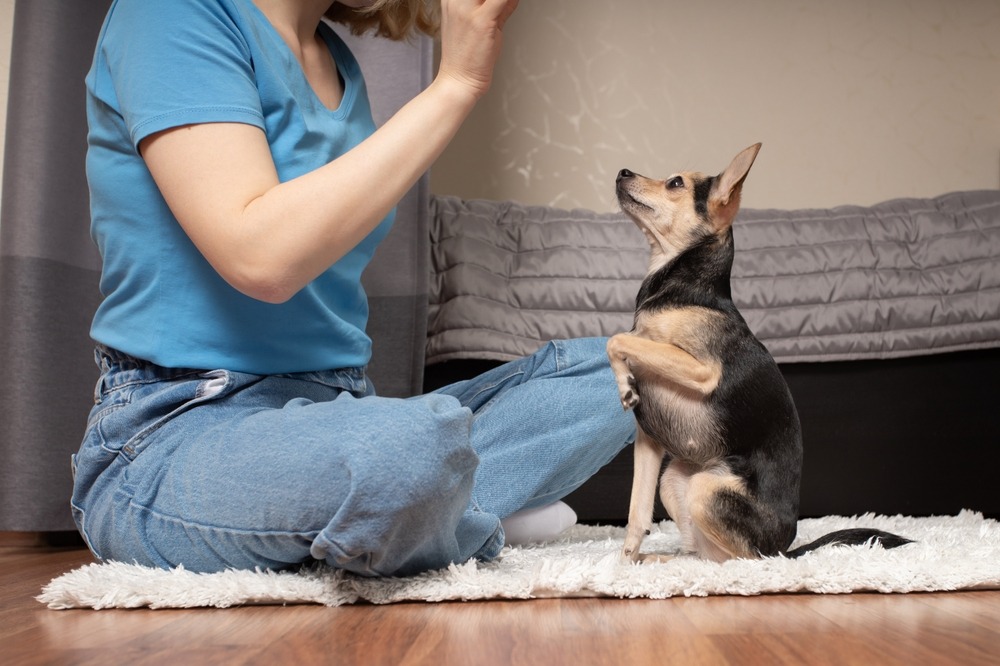 By James C. • March 23, 2026
Many new dog owners wonder when to start obedience training for puppies and whether their puppy is old enough to begin learning commands. In reality, puppies start learning from their environment as soon as they arrive in their new home.
Early obedience training helps puppies understand routines, boundaries, and how to respond to their owner’s guidance. Even simple cues introduced during the first weeks can build strong behavioural foundations.
This guide explains the best time to start obedience training, what puppies can learn at different ages, and how owners can begin training successfully.
Why Early Obedience Training Matters
Early obedience training plays an important role in shaping a puppy’s behaviour and helping them understand how to interact with people and their environment.
Puppies are highly receptive to learning during their early development stages, which makes this period ideal for introducing basic commands and routines. Training during this time helps build clear communication between the puppy and its owner.
Starting obedience training early also helps prevent unwanted behaviours from becoming habits. Puppies that learn boundaries early are less likely to develop common puppy behaviour problems such as excessive barking, jumping on people, or destructive chewing. By guiding behaviour from the beginning, owners can encourage positive habits before problems develop.
Another benefit of early training is improved safety. Commands such as sit, stay, and come help owners maintain control in different situations, especially outdoors or around distractions. These commands can prevent accidents and keep puppies safe.
Consistent early training also strengthens the bond between puppy and owner. Through positive reinforcement and regular practice, puppies learn to trust guidance and respond more reliably as they grow.
Best Age to Start Obedience Training

Puppies develop rapidly during their first months of life, making early training especially effective. Here are the key age stages when obedience training can begin and progress successfully.
1. Around 8 Weeks: Beginning Basic Training
Most puppies arrive in their new homes at around eight weeks of age, which is an ideal time to begin simple obedience lessons. At this stage, training focuses on name recognition, gentle handling, and basic commands such as sit.
Puppies can also begin learning household routines, including early toilet schedules and responding to their owner’s voice and guidance.
2. 10 to 12 Weeks: Building Early Command Recognition
Between ten and twelve weeks, puppies become more responsive to consistent training. Owners can introduce simple commands such as come, stay, and leave it using short, positive sessions.
Puppies at this age are also continuing socialisation with people, environments, and everyday experiences while learning to socialise safely before full vaccination and strengthen their understanding of basic instructions.
3. 3 to 4 Months: Strengthening Obedience Skills
By three to four months of age, puppies develop better concentration and memory during training sessions. Owners can reinforce previously learned commands while gradually increasing distractions.
Leash training and recall practice can also begin during this stage, helping puppies develop reliable responses to commands in different environments.
4. 4 to 6 Months: Developing Consistent Behaviour
Between four and six months, puppies begin showing more reliable obedience when training has been consistent. This stage focuses on reinforcing commands, improving impulse control, and encouraging calm behaviour in public settings.
Continued socialisation and regular training help strengthen good habits as puppies approach adolescence.
Basic Commands Puppies Can Learn First
Puppies can begin learning simple commands early, helping build communication and structure in daily life. Here are basic commands puppies can learn first during early obedience training.
- Sit: One of the easiest commands for puppies to learn, helping them remain calm during greetings, feeding time, and other everyday situations.
- Come: Recall training teaches puppies to return to their owner when called, improving safety and strengthening communication.
- Stay: This command helps puppies remain in one place until released, building patience and impulse control.
- Leave It: Puppies learn to avoid picking up unsafe or unwanted items when instructed, preventing dangerous situations.
- Down: Teaching a puppy to lie down encourages calm behaviour and helps manage excitement in different environments.
- Heel or Loose Lead Walking: Early leash training teaches puppies to walk calmly beside their owner instead of pulling.
Factors That Affect Puppy Training Success
Every puppy learns at a different pace, and several factors influence how effectively training progresses. Here are key factors that affect puppy training success and learning speed.
1. Breed Characteristics and Natural Temperament
Different dog breeds have varying learning abilities, energy levels, and working instincts. Some breeds are naturally eager to learn and respond quickly to commands, while others may be more independent or easily distracted.
Understanding a puppy’s breed characteristics helps owners adjust training expectations and methods, making lessons more effective and suited to the puppy’s natural behaviour.
2. Consistency of Training and Household Rules
Consistent training is essential for puppies to understand expectations clearly. When all family members use the same commands and enforce the same rules, puppies learn faster and develop reliable behaviour.
Inconsistent instructions or mixed signals can confuse puppies and slow their learning progress, making consistent routines a critical part of successful training.
3. Training Environment and Level of Distractions
The environment where training occurs plays an important role in how well puppies focus. Quiet, low-distraction environments allow puppies to concentrate on learning new commands.
As training improves, gradually introducing mild distractions helps puppies practice responding reliably in different settings and prepares them for real world situations.
4. Positive Reinforcement and Motivation
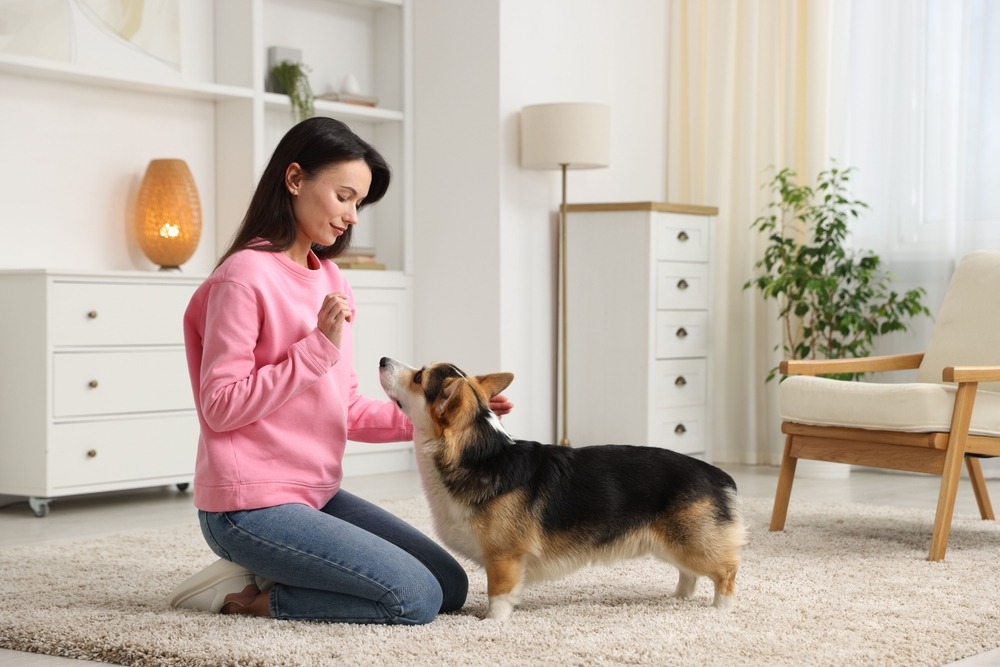
Puppies learn more effectively when training uses positive reinforcement such as treats, praise, or play. Rewards help puppies associate good behaviour with positive outcomes, encouraging them to repeat the behaviour.
Training that focuses on encouragement rather than punishment creates a supportive learning environment and reflects strong puppy training and behaviour tips while strengthening the bond between puppy and owner.
Tips for Starting Obedience Training Successfully

Starting obedience training correctly helps puppies learn faster and develop positive habits early. Here are helpful tips for starting puppy obedience training successfully and building strong learning foundations.
- Use Short and Consistent Training Sessions: Puppies focus better during short sessions lasting only a few minutes, repeated throughout the day to reinforce learning, which is realistic once you understand how long puppy training takes.
- Reward Good Behaviour Immediately: Providing treats, praise, or play immediately after correct behaviour helps puppies understand exactly which action earned the reward.
- Choose a Quiet Training Environment: Starting training in calm areas with minimal distractions allows puppies to focus more easily on commands.
- Use Clear and Simple Commands: Using consistent words for each command helps puppies quickly recognise and remember instructions.
- End Training on a Positive Note: Finishing sessions after successful attempts helps puppies associate training with positive experiences.
- Practice Commands in Daily Activities: Integrating commands into everyday routines helps puppies apply training naturally throughout the day.
Signs Your Puppy Is Ready for More Advanced Training
As puppies develop, they begin showing signs that they can handle more complex training exercises. Here are signs that your puppy is ready to progress to more advanced training.
- Responding Consistently to Basic Commands: Puppies that reliably follow commands like sit or come demonstrate readiness for more challenging lessons.
- Improved Attention During Training Sessions: Puppies able to focus longer during training show stronger concentration and learning ability.
- Calm Behaviour Around Mild Distractions: Puppies that remain attentive even when small distractions appear are ready to practice commands in busier environments.
- Better Impulse Control During Play: Puppies that pause or respond to commands during play are developing stronger self-control.
- Understanding Training Routines: Puppies familiar with training routines often anticipate commands and respond more confidently.
- Showing Curiosity and Engagement: Puppies that appear eager to learn and interact during training sessions usually adapt well to advanced exercises.
Common Mistakes When Starting Puppy Training
Training mistakes can slow progress and create confusion for young puppies. Here are common mistakes owners make when starting puppy training.
- Expecting Results Too Quickly: Puppies require time and repetition to learn commands, so expecting immediate results can lead to frustration.
- Using Inconsistent Commands: Changing command words or signals makes it difficult for puppies to understand what is expected.
- Training Sessions That Are Too Long: Long sessions can overwhelm puppies and reduce their focus and motivation.
- Punishing Instead of Guiding Behaviour: Harsh reactions can cause fear and confusion rather than helping puppies learn.
- Ignoring Socialisation During Training: Puppies need exposure to new environments and experiences to apply training confidently, especially when owners socialise them safely.
- Failing to Reward Correct Behaviour: Without rewards, puppies may struggle to recognise which behaviours they should repeat.
When to Seek Professional Training Help
Sometimes puppy training challenges may require additional guidance beyond home training. Here are situations when seeking professional puppy training help may be beneficial.
- Persistent Behaviour Problems: If unwanted behaviours such as biting, barking, or jumping continue despite consistent training, a professional trainer can help identify the cause and recommend effective solutions.
- Difficulty Teaching Basic Commands: When a puppy struggles to learn simple commands like sit, come, or stay, professional guidance can help improve communication and training techniques.
- Signs of Fear or Anxiety: Puppies that show extreme fear, stress, or avoidance during training may benefit from specialised behaviour support.
- Lack of Progress Over Time: If training progress remains slow or inconsistent over several weeks, professional trainers can provide structured programmes and personalised advice to support better learning outcomes.
Start Puppy Training Early for Lifelong Good Behaviour
Understanding when to start obedience training for puppies helps owners build good habits from the very beginning.
Early guidance teaches puppies how to behave and communicate effectively with their owners.
With patience, consistency, and positive reinforcement, puppies can quickly learn basic commands and routines that support long-term behaviour.
If you are planning to welcome a puppy into your home, Pups4Sale connects you with trusted breeders and helpful resources for responsible puppy ownership.
Frequently Asked Questions
1. When should obedience training start for puppies?
Obedience training can begin as early as eight weeks of age. At this stage, puppies are capable of learning simple commands, routines, and basic behaviours through short, positive training sessions that focus on consistency and encouragement.
2. What is the first command a puppy should learn?
One of the first commands puppies usually learn is sit because it is simple and useful in everyday situations. Teaching sit helps puppies develop focus and self-control during greetings, feeding, and other daily activities.
3. How long should puppy training sessions last?
Puppy training sessions should typically last five to ten minutes to match their short attention span. Short sessions repeated several times a day help puppies stay focused and absorb new commands more effectively.
4. Can older puppies still learn obedience training?
Yes, older puppies and even adult dogs can learn obedience training. However, starting early helps prevent unwanted habits and makes it easier for puppies to develop good behaviour as they grow.
5. How long does it take for puppies to learn basic commands?
Many puppies begin understanding basic commands within a few weeks of consistent training. Reliable obedience usually develops over several months as puppies practice commands in different environments.
6. Are puppy training classes necessary?
Puppy training classes are not always required, but they can be helpful. Structured classes provide professional guidance, controlled socialisation opportunities, and support for owners learning effective training techniques.
 Add us as a preferred source