How to Stop Puppy Biting Without Punishment
Puppy Training & Behaviour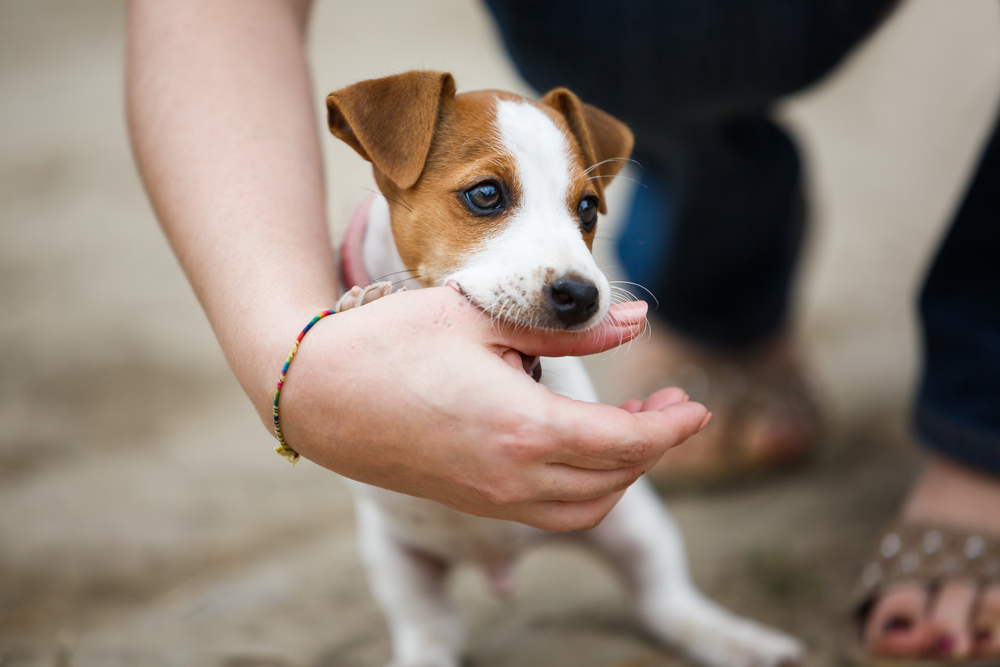 By James C. • March 20, 2026
Puppy biting is a common behaviour that many new owners experience during the early months. Puppies often nip, chew, or mouth hands and clothing while playing or exploring their environment.
Although this behaviour is normal, it is important to teach puppies appropriate boundaries early. Learning how to stop puppy biting without punishment helps build trust while guiding puppies toward gentler behaviour.
This guide explains why puppies bite, effective positive training techniques, and practical strategies owners can use to reduce biting while raising a well-behaved companion.
Why Puppies Bite in the First Place
Puppy biting is a normal part of early development and is rarely a sign of aggression. Young puppies naturally explore the world with their mouths, much like human babies use their hands. Mouthing objects, toys, and even people helps puppies understand their environment and learn how to interact during play.
Teething is one of the most common reasons puppies bite. As their baby teeth begin to emerge, puppies experience discomfort and pressure in their gums. Chewing and biting help relieve this irritation, which is why puppies often seek out objects or hands to chew during this stage.
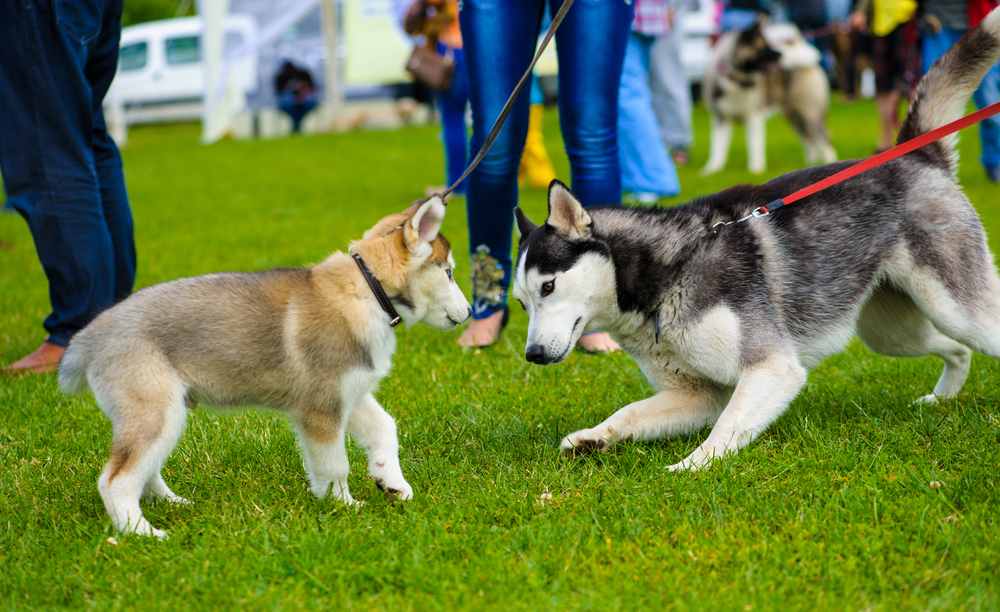
Play behaviour also plays an important role. Puppies learn social skills by interacting with their littermates. During play, they may nip, chase, and wrestle with each other. When a bite becomes too strong, another puppy will usually stop playing or vocalise, helping teach bite inhibition, the ability to control bite pressure.
Excitement and overstimulation can also trigger biting.When puppies become overly excited during play or training, they may mouth hands or clothing. Understanding these natural causes helps owners address the behaviour using positive guidance rather than punishment, especially when dealing with common puppy behaviour problems.
Why Punishment Is Not the Best Solution
Many owners feel tempted to punish a puppy for biting, especially when the behaviour becomes frequent or painful. However, punishment is rarely effective and can sometimes make the problem worse. Puppies are still learning how to interact with people and often bite out of curiosity, excitement, or teething discomfort rather than aggression.
Using harsh corrections such as shouting, hitting, or pushing a puppy away may cause fear or confusion. Instead of teaching the puppy what behaviour is expected, punishment can damage the trust between the dog and the owner. A frightened puppy may become anxious during interactions and may even develop defensive behaviours over time.
Punishment also fails to teach puppies what they should do instead of biting. Training methods that focus only on stopping behaviour without offering alternatives often leave the puppy unsure how to respond.
Positive guidance and redirection are far more effective, especially when supported by practical puppy training tips. By calmly redirecting biting to toys and rewarding gentle behaviour, owners help puppies learn appropriate play while building confidence, trust, and better long-term behaviour.
Positive Training Techniques to Stop Puppy Biting
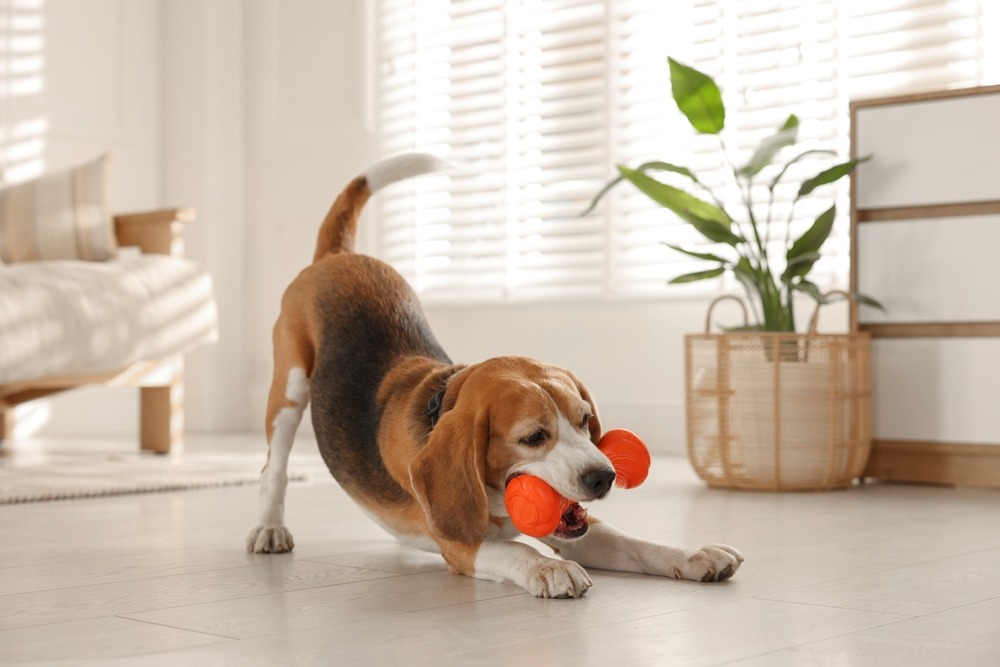
Puppy biting is a normal behaviour that can be redirected with consistent, positive training. Here are effective training techniques to stop puppy biting without using punishment.
1. Redirect Biting to Appropriate Chew Toys
When a puppy begins biting hands or clothing, calmly redirect the behaviour to a chew toy from your puppy supplies checklist. Providing appropriate toys teaches the puppy what is acceptable to bite.
Consistently offering a toy during play helps reinforce the idea that toys are for chewing, while human skin is not. Over time, puppies learn to seek out toys instead of biting people.
2. Pause Play When Biting Happens
If a puppy bites too hard during play, immediately pause the interaction. Stand still, withdraw your hands, and stop engaging with the puppy for a short moment.
This teaches the puppy that biting causes playtime to end. Puppies quickly learn that gentle behaviour keeps the game going, while rough biting removes attention and interaction.
3. Reward Gentle Play Behaviour
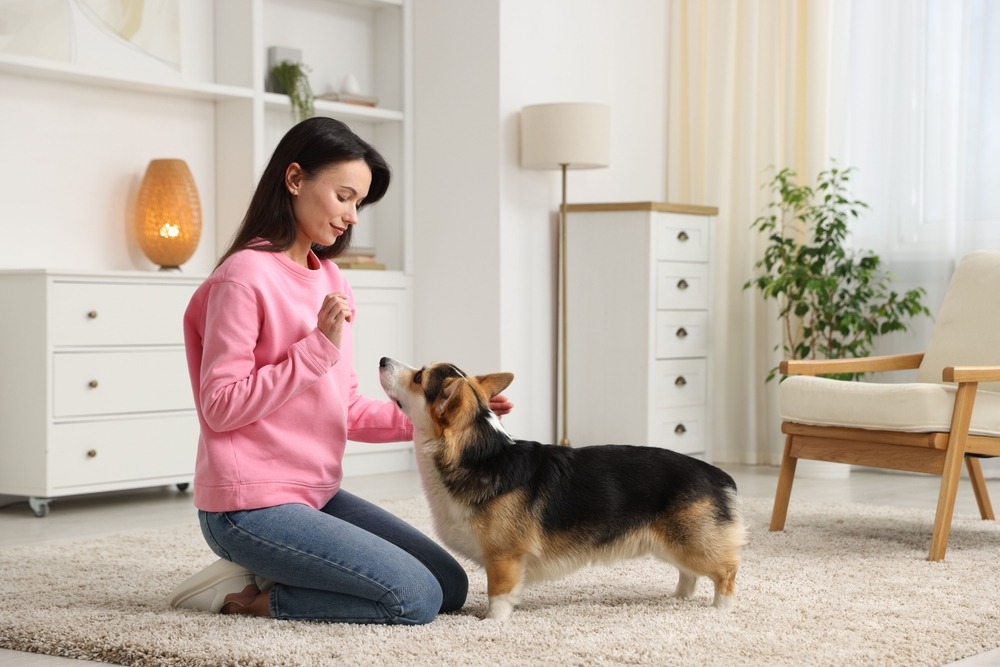
Positive reinforcement encourages puppies to repeat good behaviour. When the puppy plays gently without biting, offer praise, treats, or calm affection. This reward helps the puppy associate gentle behaviour with positive outcomes.
Over time, puppies begin to understand that calm interaction brings attention and rewards, while biting does not.
4. Use Calm Verbal Feedback
A short, calm verbal cue can help signal that biting is not acceptable. Saying a firm but gentle word, such as “no” or “ouch”, can interrupt the behaviour.
The goal is not to frighten the puppy but to create a clear signal that biting should stop. Consistent verbal feedback helps puppies recognise boundaries during play.
5. Provide Regular Exercise and Mental Stimulation
Puppies with excess energy often bite more during play. Providing regular exercise, enrichment toys, and training activities for puppies helps reduce boredom and frustration.
When puppies have appropriate outlets for energy, they are less likely to develop excessive biting behaviours. Structured play and training sessions also strengthen the bond between owner and puppy.
6. Encourage Non-Contact Play
Encouraging games that do not involve hands helps reduce the opportunity for biting. Activities such as fetch, tug with designated toys, and puzzle games allow puppies to release energy without mouthing people.
Over time, puppies learn that fun play does not require biting, which helps reinforce safer interaction habits during daily activities.
Teaching Puppies What They Are Allowed to Chew
Puppies naturally need to chew, especially during teething, so guiding them toward safe options is essential. Here are ways to teach puppies what they are allowed to chew.
- Provide Safe Chew Toys: Offer durable teething toys designed for puppies. These toys help relieve teething discomfort and give puppies appropriate items to chew instead of biting hands, furniture, or household objects.
- Redirect Biting Immediately: When a puppy begins biting something inappropriate, calmly replace the object with a chew toy. Consistent redirection teaches the puppy which items are acceptable to chew.
- Rotate Toys Regularly: Changing toys every few days helps keep puppies interested. Toy rotation prevents boredom and encourages puppies to choose their toys rather than chewing household items.
- Remove Tempting Objects: Keep shoes, clothing, and small household items out of reach. Reducing access to tempting objects helps prevent chewing habits and guides puppies toward appropriate toys.
- Reward Proper Chewing: Praise or reward puppies when they chew on appropriate toys. Positive reinforcement encourages them to continue choosing safe objects and strengthens good chewing habits.
Common Training Mistakes That Encourage Puppy Biting

Training mistakes can unintentionally reinforce biting behaviour if puppies receive mixed signals during play. Here are common training mistakes that often encourage puppy biting.
- Using Hands During Play: Allowing puppies to chase or bite hands during games teaches them that biting skin is acceptable. This habit can lead to stronger biting as puppies grow.
- Encouraging Rough Play: Games that involve wrestling or grabbing clothing may increase excitement and stimulate biting behaviour. Overly rough play can make it difficult for puppies to learn bite control.
- Inconsistent Training Responses: Responding differently to biting behaviour can confuse puppies. If biting is sometimes ignored and sometimes corrected, the puppy may struggle to understand the expected behaviour.
- Ignoring Early Biting Behaviour: Allowing nipping during early development can reinforce the habit, which is why it helps to start obedience training early. Addressing biting early with gentle redirection helps prevent the behaviour from becoming a long-term issue.
- Lack of Chew Toy Options: Puppies without appropriate chew toys may look for alternatives such as furniture or hands. Providing safe chewing options helps guide puppies toward acceptable behaviour.
When Puppy Biting May Require Professional Help
Most puppy biting improves with training, but some behaviours may signal deeper issues that require expert guidance. Here are situations where puppy biting may require professional help.
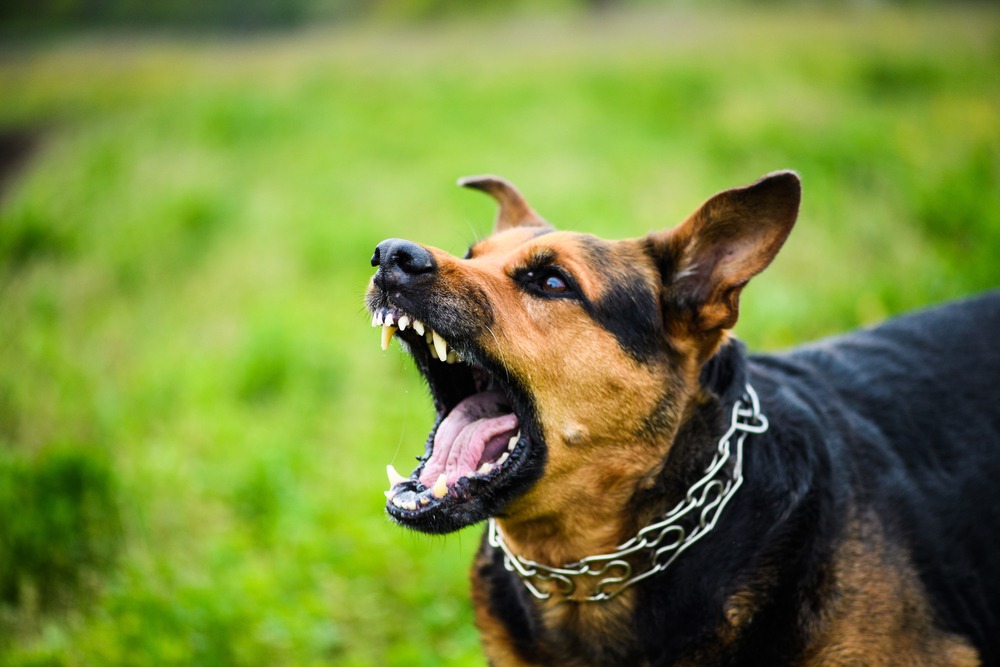
- Aggressive Biting Behaviour: If a puppy shows repeated aggressive biting rather than playful nipping, it may indicate fear, frustration, or behavioural problems, especially if paired with warning signs like growling, that require professional training support.
- Biting That Continues to Worsen: When biting becomes stronger or more frequent despite consistent training, a professional trainer or behaviour specialist may help identify underlying triggers and develop effective behaviour management strategies.
- Fear-Based Biting: Puppies that bite when frightened, cornered, or approached suddenly may be reacting to anxiety. Behaviour specialists can help build confidence and reduce fear-related reactions.
- Biting That Causes Injury: If a puppy’s bites break skin or cause injury, professional guidance is recommended to address the behaviour early and prevent escalation as the dog grows.
- Difficulty Managing Behaviour at Home: When owners struggle to manage biting behaviour despite trying positive training methods, consulting a qualified dog trainer can provide structured guidance and tailored training plans.
Stop Puppy Biting Early and Raise a Gentle Companion
Puppy biting is a normal part of development, but it should be guided with patience and positive training.
Redirecting behaviour, teaching bite inhibition, and rewarding gentle play help puppies learn appropriate boundaries. Consistent guidance builds trust and encourages better behaviour.
When you are ready to welcome a well-raised puppy, Pups4Sale connects you with trusted breeders so you can begin your journey with confidence.
Frequently Asked Questions
1. Why do puppies bite so much?
Puppies bite as part of normal development. They explore their surroundings with their mouths, play with littermates, and relieve teething discomfort. Nipping is common during the early months and usually improves with proper training and redirection.
2. At what age do puppies stop biting?
Most puppies begin to reduce biting behaviour between four and six months of age, especially once teething ends and consistent training helps them learn bite inhibition and appropriate play behaviour.
3. Is puppy biting normal during teething?
Yes, biting often increases during the teething stage. Puppies chew and mouth objects to relieve gum discomfort as their adult teeth emerge. Providing appropriate chew toys helps manage this behaviour safely.
4. Should I punish my puppy for biting?
Punishment is not recommended because it can cause fear and confusion. Positive training methods, redirection, and teaching bite inhibition are more effective for helping puppies learn gentle behaviour.
5. What is bite inhibition in puppies?
Bite inhibition refers to a puppy’s ability to control the strength of its bite. Puppies usually learn this skill through play with littermates and through feedback from humans during training.
6. How long does it take to stop puppy biting?
The timeline varies, but most puppies improve significantly within several weeks of consistent training, depending on how long puppy training takes in your routine. Regular redirection, proper chew toys, and positive reinforcement help puppies learn appropriate behaviour faster.
 Add us as a preferred source