
Puppy Supplies Checklist and Home Setup Guide
Puppy Supplies & Setup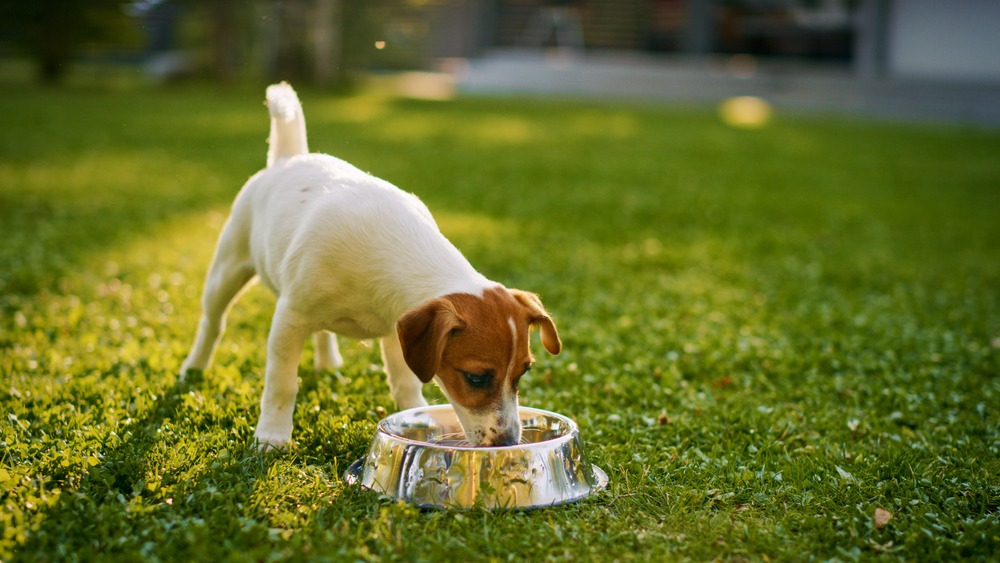 By James C. • February 6, 2026
Bringing a puppy home is exciting, chaotic, and a little overwhelming. In Australia, thousands of new puppy owners each year admit they felt underprepared in the first week alone. Toys everywhere. Accidents on the floor. A pup that seems to find trouble fast!
The right setup changes everything. When your home is prepared, routines form quicker, training sticks sooner, and stress drops for everyone. From feeding and sleeping to safety and toilet training, preparation sets the tone from day one.
This guide walks you through exactly what you need. A clear puppy supplies checklist, simple home setup tips, and practical advice to help your puppy settle in safely, confidently, and comfortably from the start.
Why Preparing Your Home Before Your Puppy Arrives Matters
Preparing your home before your puppy arrives creates stability from the very first moment, shaping behaviour, confidence, and safety during the most important early weeks. See reasons below:
- Reduces Stress and Anxiety Early: A calm, organised environment helps puppies feel secure straight away. Familiar items, clear boundaries, and quiet spaces reduce fear-based behaviours and ease the emotional shock of leaving their litter and mother.
- Supports Faster, Clearer Toilet Training: When toilet areas, routines, and cleaning tools are prepared in advance, puppies learn expectations quickly. Consistency from day one reduces mixed signals, shortens training time, and limits frustrating accidents indoors.
- Prevents Injuries and Costly Vet Visits: Puppy-proofing removes choking hazards, toxic plants, loose cords, and chemicals before curiosity takes over. Early prevention dramatically lowers the risk of emergency vet visits caused by preventable household dangers.
- Improves Sleep, Behaviour, and Learning: A designated sleeping and rest area helps puppies regulate energy levels. Well-rested puppies focus better during training, bite less during play, and settle more easily at night.
- Gives Owners Confidence and Structure: Preparation removes guesswork during busy early days. When owners feel organised, routines are clearer, responses are calmer, and bonding happens faster without constant stress or reactive decision-making.
Essential Puppy Supplies You Need Before Day One
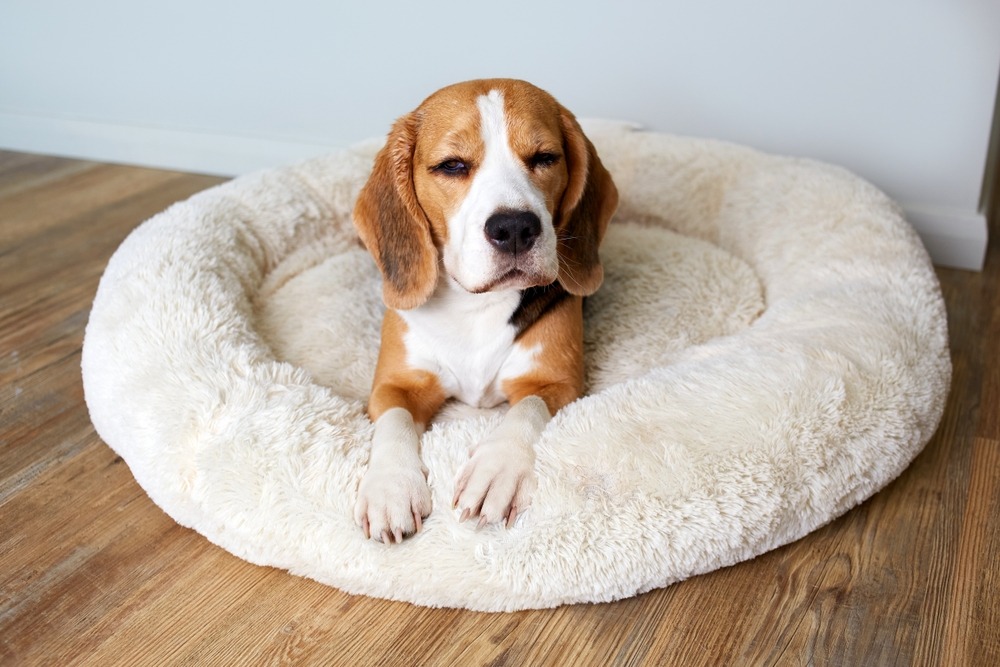
The core puppy essentials for day one below should be ready before your puppy arrives home, helping them settle safely, comfortably, and confidently.
1. Food, Bowls, and Proper Storage
Choose high-quality puppy food suited to your puppy’s breed size and age, ideally matching what the breeder or shelter has been using.
Have sturdy food and water bowls ready, preferably non-slip. Proper food storage keeps meals fresh and prevents overfeeding. Consistent nutrition from day one supports digestion, energy levels, and smoother transitions during the early adjustment period.
2. A Comfortable Bed and Safe Sleeping Area
A dedicated sleeping space gives your puppy security in an unfamiliar environment. Choose a bed that is warm, washable, and appropriately sized, or use a crate with soft puppy bedding. Place it in a quiet, low-traffic area. A predictable sleeping setup helps puppies settle faster, sleep better, and develop healthy rest routines from the start.
3. Collar, Harness, Lead, and ID Tag
Your puppy should have a properly fitted collar or harness and a lightweight lead ready for early walks and training.
An ID tag with your contact details is essential, even for young puppies. Correct sizing ensures comfort and safety while helping your puppy get used to wearing equipment gradually and positively.
4. Toilet Training and Cleaning Supplies
Accidents are part of puppy life. Puppy pads, grass toilets, enzymatic cleaners, and paper towels should be ready before day one.
These supplies help reinforce early toilet training and remove odours effectively. Proper cleaning prevents repeat accidents and keeps your home hygienic while your puppy learns where and when to go.
5. Age-Appropriate Toys and Chews
Puppies explore with their mouths, especially during teething. Soft toys, chew items, and enrichment toys help relieve discomfort and redirect chewing away from furniture.
Choosing safe, puppy-specific toys supports mental stimulation, reduces boredom, and encourages positive play habits during those critical early weeks.
What You Do NOT Need to Buy Immediately
Not everything needs to be bought before your puppy arrives. These items can wait until you better understand your puppy’s needs and habits.
- Multiple Beds and Blankets: Start with one comfortable sleeping setup. Puppies often chew or soil bedding early, so it is smarter to upgrade once routines and habits are established.
- Premium Grooming Tools: Specialised clippers, dryers, and advanced grooming gear are unnecessary at first. Basic brushing and hygiene tools are enough until coat type and grooming needs become clear.
- Large Toy Collections: Puppies quickly lose interest in too many toys. Begin with a small selection and rotate them to maintain engagement and avoid clutter.
- Specialised Training Equipment: Advanced tools like agility gear or specialty collars are not needed early. Focus first on basic obedience and positive reinforcement methods.
- Upgraded Food and Feeding Accessories: Fancy feeders, supplements, and premium add-ons can wait. Start with recommended puppy food and adjust later based on growth, health, and vet advice.
Puppy-Proofing Your Home
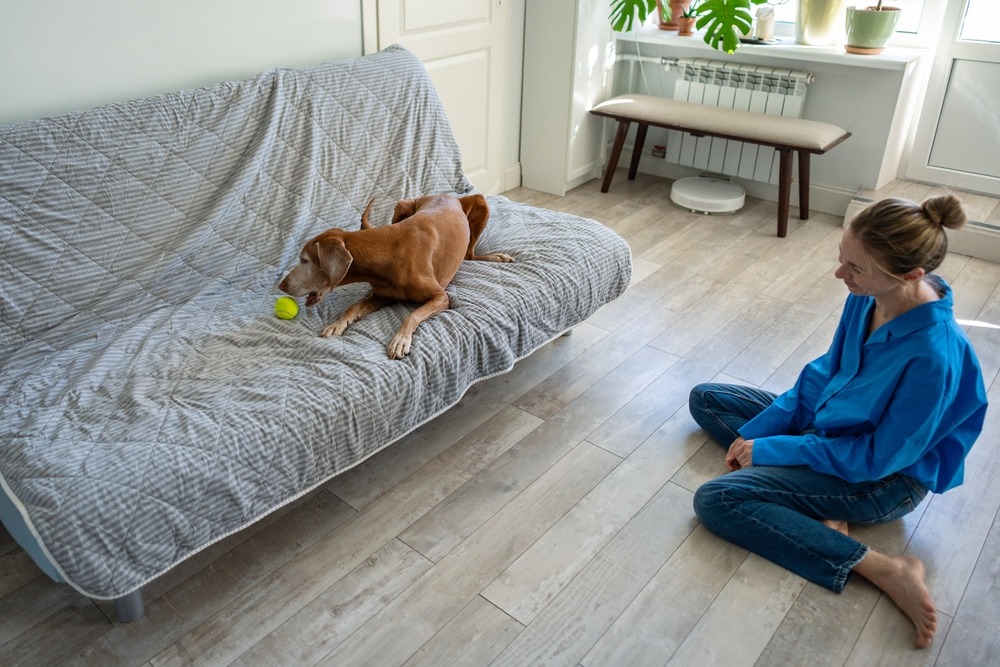
Puppy-proofing each room of your home protects your new pup from harm and saves you from avoidable accidents, stress, and costly damage during early exploration stages.
1. Secure Hazards and Dangerous Items Indoors
Puppies explore with their mouths. Secure electrical cords, remove toxic plants, and store cleaning products, medications, and small objects out of reach. Block access to stairs and unsafe rooms. These steps reduce choking risks, poisoning, and injuries while your puppy learns boundaries.
2. Create Safe Zones and Restricted Areas
Limit your puppy’s access to the home using baby gates or playpens. Controlled spaces help with supervision, prevent accidents, and support toilet training. Safe zones allow puppies to explore without being overwhelmed or exposed to hazards they are not ready to handle.
3. Check Furniture, Floors, and Small Spaces
Secure loose rugs to prevent slipping. Cover sharp furniture edges and block gaps under couches or cabinets where puppies can become stuck. Check for unstable items that could tip over during play or exploration.
4. Prepare Outdoor Spaces and Fencing
Inspect fences for gaps, loose panels, or digging points. Remove toxic plants and sharp objects from yards. Secure gates and ensure your puppy cannot escape or access unsafe outdoor areas unsupervised.
Crate Training and Containment Options
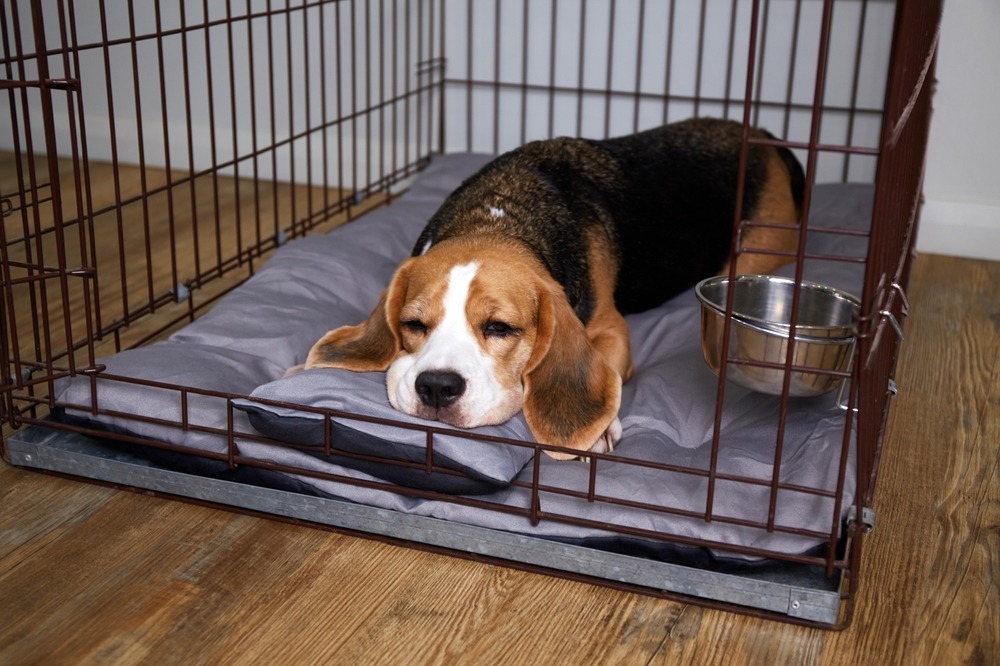
Crate training and containment give puppies structure, safety, and a calm space to rest while supporting toilet training and routine building.
1. Choosing the Right Crate for Your Puppy
Proper puppy crate sizing is critical, and pens need the same care. Equipment that is too small causes discomfort, while oversized setups reduce training effectiveness.
Position containment tools in calm, low-traffic areas away from drafts and noise. A thoughtful setup encourages relaxation, helps puppies settle faster, and supports positive associations with their safe space.
2. Introducing Crate Training Positively
Crates should never feel like punishment. Introduce the crate gradually using treats, toys, and calm encouragement. Short, positive sessions help puppies build confidence and associate the crate with safety, comfort, and rest, making the first night at home, later nighttime settling and time alone much easier.
3. Playpens and Baby Gates as Alternatives
Playpens and baby gates allow puppies to explore safely while limiting access to hazards. They are ideal during daytime supervision, providing space to move, play, and interact without overwhelming freedom.
These containment options make training easier by keeping puppies close, preventing destructive behaviour, and supporting consistent routines within busy households.
4. Setting Up a Calm Puppy Zone
A dedicated puppy zone includes bedding, water, toys, and space to relax. Keeping this area consistent helps puppies feel secure, understand boundaries, and settle into daily routines faster.
Feeding Supplies and Nutrition Basics
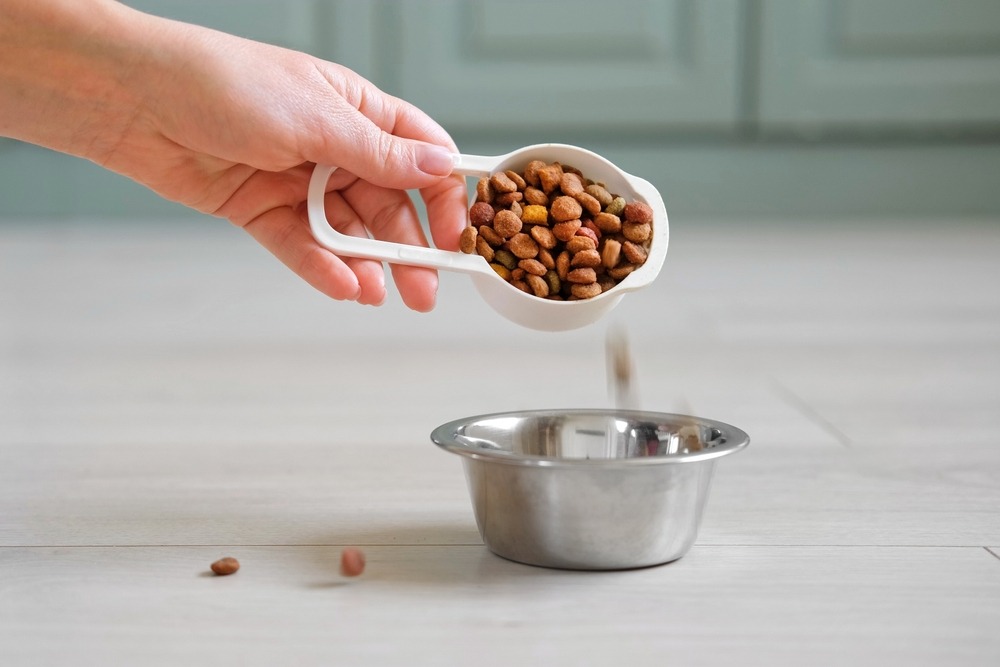
Here are feeding supplies and nutrition choices that play a major role in your puppy’s growth, digestion, and long-term health from the very beginning.
1. Choosing the Right Puppy Food
Puppies need food formulated specifically for growth, with the right balance of protein, fats, vitamins, and minerals. Match the food to your puppy’s breed size and age, using healthy feeding advice for dogs, and start with what the breeder used to avoid stomach upset. Gradual transitions help prevent digestive issues while supporting steady, healthy development.
2. Food and Water Bowls That Support Good Habits
Sturdy, non-slip bowls prevent spills and frustration during meals. Stainless steel or ceramic options are hygienic and easy to clean. Bowls should be sized to suit your puppy’s height, allowing comfortable eating.
A consistent puppy feeding station helps establish routine, improve digestion, and support early training around mealtimes.
3. Portion Control and Feeding Schedules
Puppies thrive on routine. Measured portions fed at regular times help prevent overfeeding and support healthy growth.
Free feeding can lead to weight issues and inconsistent toilet habits. Using feeding guides and monitoring body condition ensures your puppy gets enough energy without excessive calories during this rapid growth phase.
4. Treats, Chews, and Safe Supplements
Treats and chews are useful for training and teething, but should be given in moderation. Choose puppy-safe options and factor treats into daily calorie intake.
Supplements should only be used when recommended by a vet. Balanced nutrition comes from quality food first, not excessive add-ons.
Toilet Training Supplies and Setup
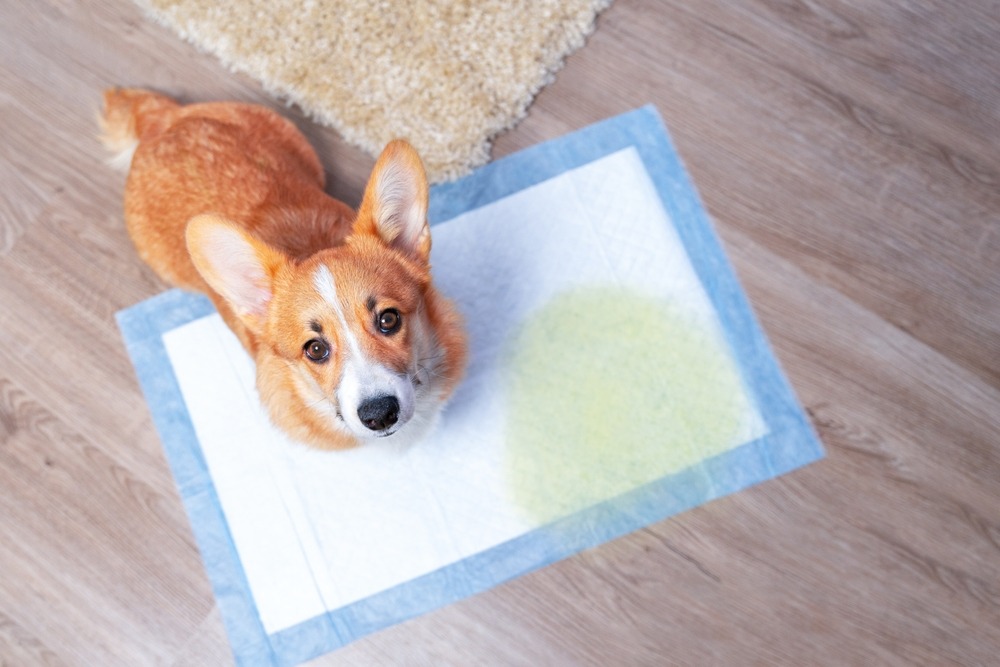
The right toilet training supplies and setup make early training clearer, cleaner, and far less stressful for both you and your puppy. See practical options below:
1. Puppy Pads and Indoor Toilet Options
Puppy pads and indoor grass toilets help manage accidents, especially for young puppies or apartment living.
Place them in a consistent location away from sleeping and feeding areas. Using the same spot helps puppies recognise where to go, supporting early habits while their bladder control is still developing.
2. Outdoor Toilet Area Setup
If your puppy will toilet outdoors, choose a single, easily accessible spot and take them there consistently. Keeping the area clear and familiar reinforces routine.
Early consistency speeds up toilet training and reduces confusion, especially during night trips or bad weather when accidents are more likely.
3. Cleaning Products That Support Training
Accidents are inevitable. Enzymatic cleaners are essential because they remove odours completely, preventing repeat accidents in the same spot.
Avoid ammonia-based products, which can attract puppies back. Proper cleaning protects your home and reinforces clear toilet boundaries during the learning phase.
4. Timing, Routine, and Supervision
Regular toilet breaks after meals, sleep, and play help reinforce habits. Leads, baby gates, and playpens support supervision and quick access to toileting areas. Timing and consistency dramatically improve training success.
5. Reward-Based Toilet Training Tools
Use small, high-value treats and calm praise immediately after successful toileting. Positive reinforcement helps puppies link behaviour with reward. Avoid punishment, as it creates confusion and fear, slowing toilet training progress.
Grooming and Hygiene Essentials for Puppies
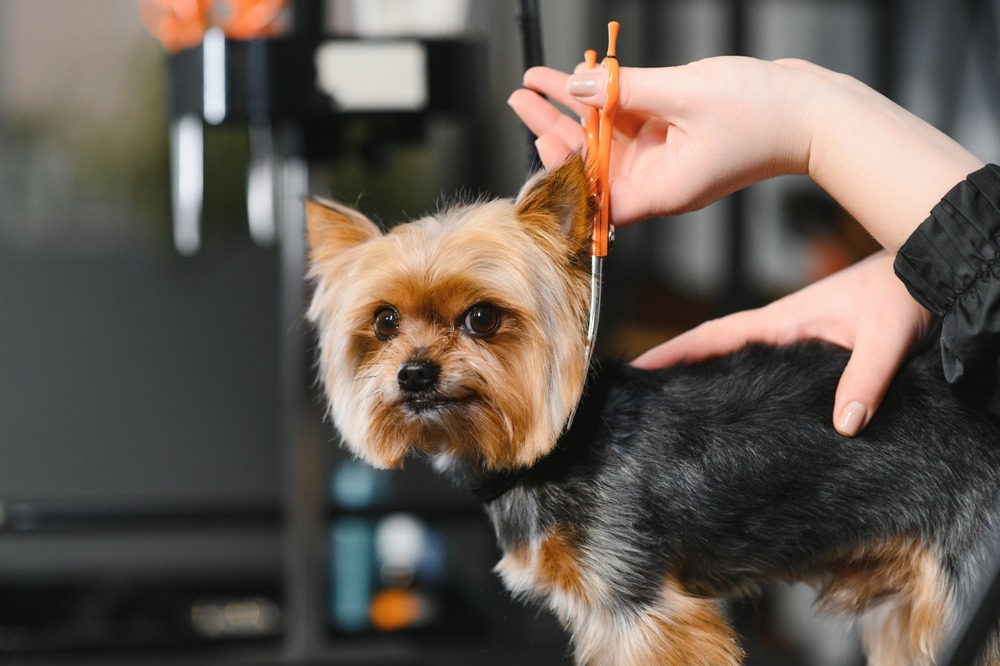
Practical ways that ensure early grooming and hygiene routines help puppies stay healthy, comfortable, and relaxed with handling as they grow.
1. Puppy-Safe Brushes and Coat Care Tools
Using gentle, puppy-specific brushes helps remove loose fur and prevents matting without irritating sensitive skin. Start with short, positive sessions to build comfort with handling.
Regular brushing, along with practical dog grooming and hygiene tips, improves coat health, reduces shedding, and allows early detection of skin issues, ticks, or irritation before they become serious problems.
2. Bathing Products Designed for Puppies
Puppy skin is delicate and needs mild, soap-free shampoos formulated for young dogs. Bathing should be occasional and calm, not frequent.
Using the right products prevents dryness and irritation while teaching puppies that bath time is safe. Proper rinsing and drying help avoid skin infections and discomfort.
3. Nail Trimming, Ear, and Dental Care
Introducing nail trimming early prevents overgrowth and future stress. Gentle ear cleaning reduces infection risk, especially for floppy-eared breeds.
Puppy-safe dental chews and brushing support oral health from a young age. Early exposure to these routines makes long-term grooming far easier and less stressful.
4. Building Positive Grooming Habits
Consistency and calm handling are key. Use treats, praise, and patience to create positive associations with grooming. Short, regular sessions build trust and reduce fear responses later in life. Puppies that learn to tolerate grooming early are easier to care for and less anxious during vet and grooming visits.
Health, Safety, and Identification Supplies
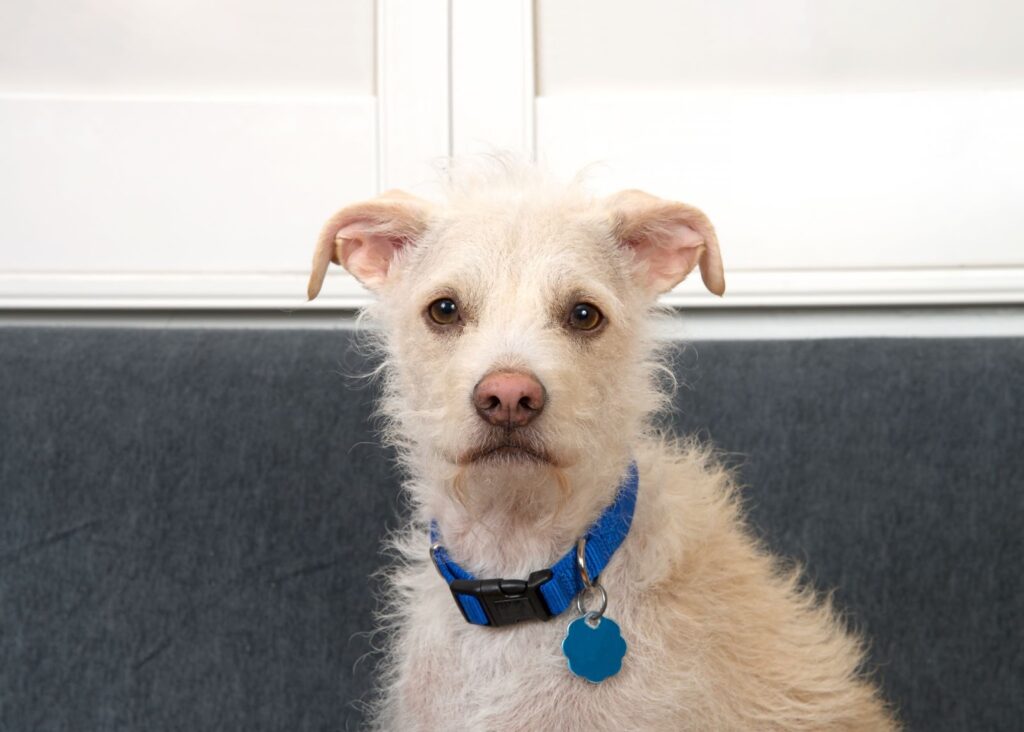
These essentials protect your puppy’s wellbeing and ensure they can be identified and returned safely if the unexpected happens.
1. Puppy First Aid and Health Essentials
A basic puppy first aid kit prepares you for minor issues like small cuts, ticks, or mild stomach upsets. Include antiseptic wipes, bandages, saline, tweezers, and a tick remover.
While not a substitute for veterinary care, having these items on hand allows quick, calm responses and prevents minor issues from worsening before professional help is available.
2. Microchipping and Identification Tags
Microchipping is legally required across most of Australia and is essential for lost puppy recovery. Pair this with a visible ID tag displaying your contact details.
Puppies can slip collars or escape unexpectedly, especially during training. Proper identification dramatically increases the chances of a safe and fast return if your puppy wanders.
3. Safety Equipment for Everyday Protection
Reflective collars, harnesses, and leads improve visibility during early morning or evening walks. Puppy car restraints or travel crates protect puppies during transport.
Safety equipment reduces injury risk during daily activities and travel, helping owners build safe routines without unnecessary stress during a puppy’s early learning stages.
4. Vet Records and Health Documentation
Keeping vaccination records, microchip details, and vet contacts organised is often overlooked. Having documents accessible supports emergency care, boarding, and training enrolments.
Early organisation saves time, prevents confusion, and ensures your puppy’s health information is always available when needed.
Training and Behaviour Support Supplies
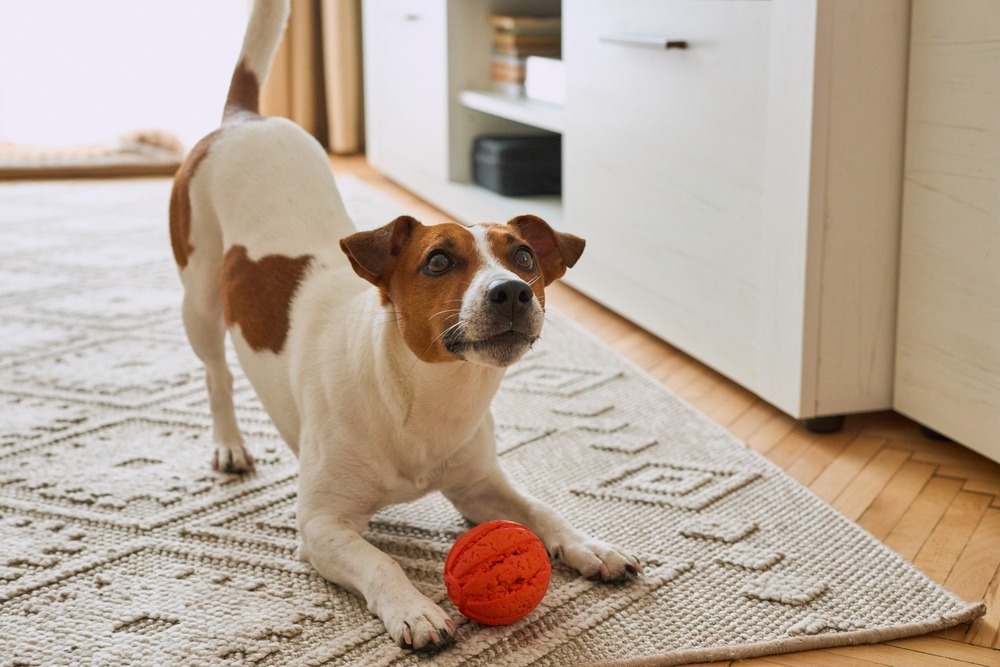
Early training tools shape behaviour, confidence, and communication, making everyday life easier for both puppies and owners.
1. Training Treats and Reward Systems
High-value treats are essential for positive reinforcement. Choose small, soft treats that are easy to chew and low in calories. Rewards should be immediate to reinforce behaviour clearly. Treat pouches help with consistency during training sessions and walks, making learning faster and more enjoyable for your puppy.
2. Clickers, Leads, and Training Accessories
Clickers help mark correct behaviour precisely, improving learning speed. Lightweight leads support early walking practice, while long leads allow safe exploration outdoors.
Training accessories should be simple and non-restrictive, focusing on guidance rather than control. Consistency builds confidence and understanding.
3. Calm Spaces and Behaviour Management Tools
Training is not only about commands. Calm spaces, playpens, and structured routines help manage overstimulation. These tools reduce anxiety, prevent destructive behaviour, and support emotional regulation, particularly during busy household moments or alone-time training.
Toys, Enrichment, and Mental Stimulation
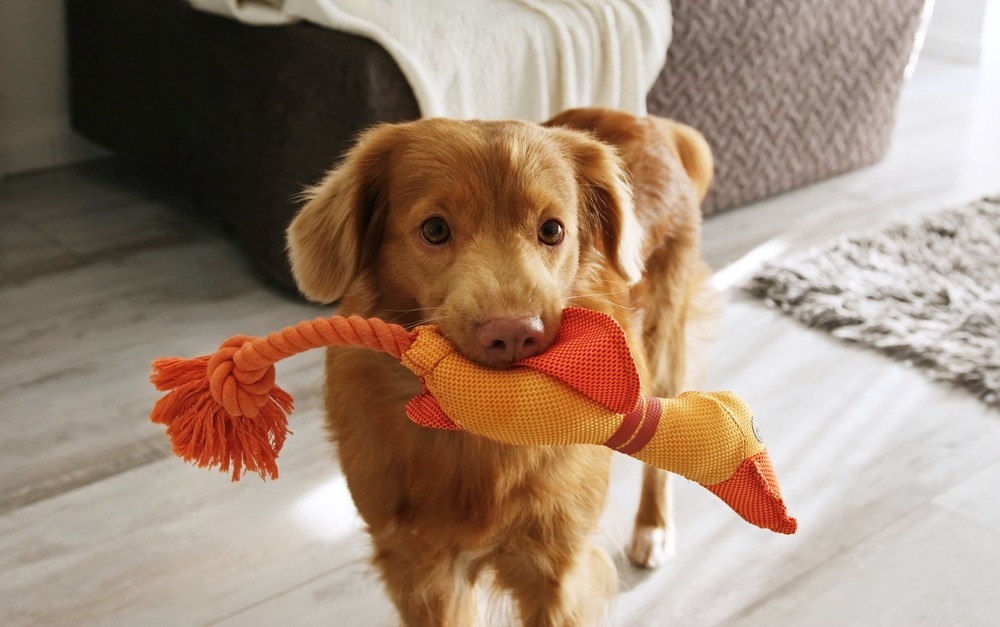
Mental stimulation is essential for development, confidence, and preventing boredom-driven behaviour issues.
1. Safe Teething and Chew Toys
Teething puppies need appropriate chew toys to soothe discomfort and protect household items. Puppy-safe chews help stop puppy biting early, redirect natural chewing behaviour, and reduce destructive habits.
Choosing durable, age-appropriate puppy teething toys supports jaw development and keeps puppies engaged during critical growth stages.
2. Interactive and Puzzle Toys
Puzzle toys challenge puppies mentally by encouraging problem-solving and focus. These toys slow down eating, reduce boredom, and build confidence.
Mental engagement is just as tiring as physical exercise, making interactive toys valuable tools for calmer behaviour and improved learning.
3. Toy Rotation for Ongoing Interest
Rotating toys keeps enrichment fresh and exciting. Puppies quickly lose interest when toys are always available. A rotation system maintains novelty, reduces clutter, and keeps play engaging. This simple strategy prevents boredom without needing constant new purchases.
4. Scent and Exploration-Based Enrichment
Snuffle mats and scent games tap into a puppy’s instincts. These activities encourage calm exploration and mental focus. Scent-based enrichment supports confidence-building and helps puppies settle more easily, especially in new or stimulating environments.
Puppy Supplies for Different Living Situations
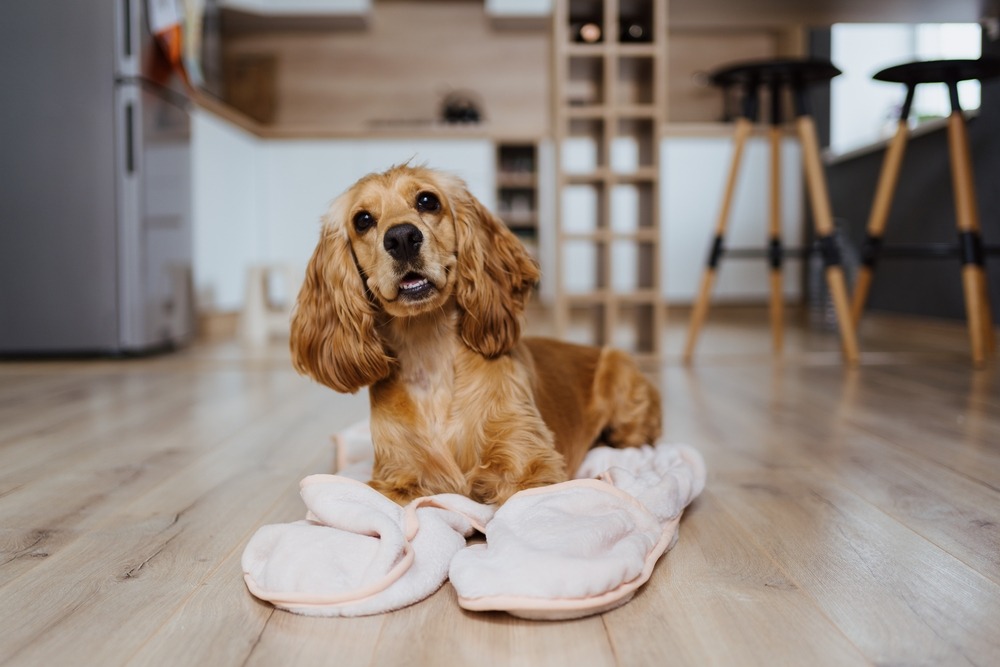
Your living environment influences which supplies are essential and how your puppy adapts to daily life. See below:
1. Apartment and Small-Space Living
Puppies in apartments benefit from indoor toilet options, sound-reducing toys, and compact containment setups. Puppy pads or grass toilets support toilet training where outdoor access is limited. Enrichment tools are especially important to manage energy in smaller spaces.
2. Houses with Yards and Outdoor Access
Homes with yards need secure fencing, shaded rest areas, and designated outdoor toilet zones. Outdoor access helps training but still requires supervision. Yard setups should support safe exploration while preventing digging, chewing, or escape behaviours from developing early. Whether your puppy sleeps inside or out at night is a separate choice, and an indoor or outdoor puppy setup depends on age, breed and climate.
3. Families with Children
Family homes often need extra safety gates, supervised play tools, and separate rest areas. Puppies require downtime away from noise and excitement. Clear boundaries protect both children and puppies while encouraging respectful interactions and safer play routines.
4. Multi-Pet Households
Homes with other pets need separate feeding stations, gradual introduction tools, and controlled interaction spaces. Proper setup reduces stress, competition, and conflict. Thoughtful supply choices support smoother integration and healthier relationships between pets from the beginning.
Supplies That Depend on Breed, Size, and Lifestyle
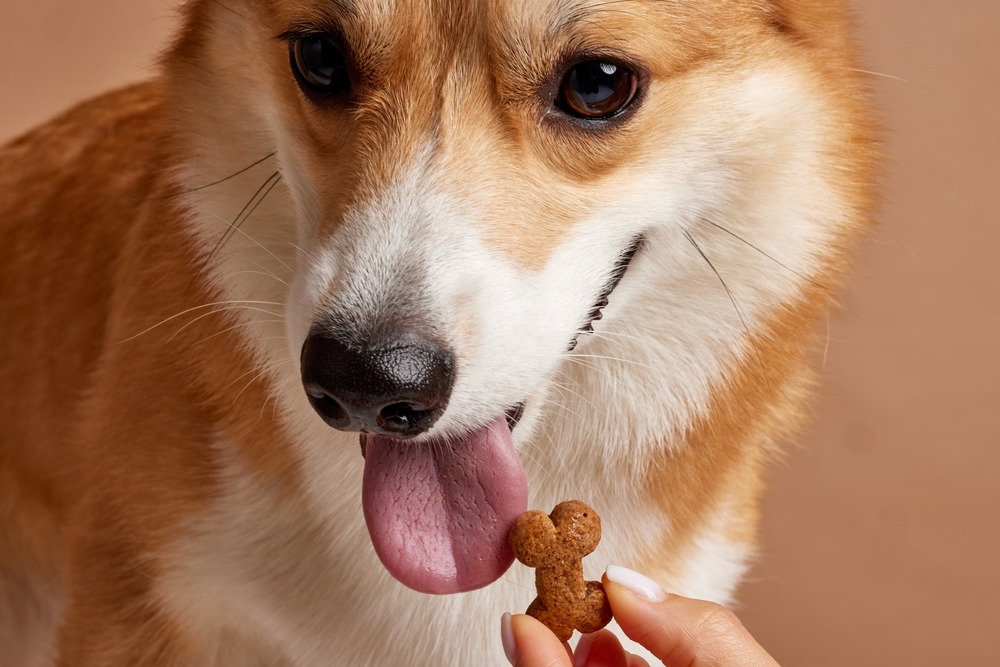
Not all puppy supplies are universal. Your puppy’s breed, adult size, and lifestyle strongly influence what you actually need.
1. Breed-Specific Grooming and Coat Care
Long-coated, curly, or double-coated breeds require different grooming tools than short-coated puppies. Brushes, combs, and bathing routines should match coat type to prevent matting or skin irritation.
Short-coated breeds may need minimal grooming, while others require regular maintenance. Choosing breed-appropriate tools avoids unnecessary spending and keeps your puppy comfortable as their coat develops.
2. Size-Appropriate Equipment and Accessories
Collars, harnesses, crates, and beds should suit your puppy’s current size and expected adult growth. Large-breed puppies often need adjustable equipment or staged upgrades.
Small breeds require lighter gear to prevent strain. Choosing size-appropriate supplies improves comfort, safety, and training success while preventing wasted purchases that quickly become unsuitable.
3. Activity Level and Lifestyle Needs
Active breeds and working-line puppies benefit from durable toys, outdoor gear, and enrichment tools that match their energy levels.
Lower-energy breeds may need more mental stimulation than physical equipment. Matching supplies to activity level supports balanced behaviour, reduces boredom, and helps puppies thrive in their specific living environment.
4. Climate and Environmental Considerations
Puppies in hot climates may need cooling mats, shaded areas, and hydration accessories, while cooler regions benefit from warm bedding and weather protection.
Lifestyle factors like travel, beach access, or rural living also affect supply choices. Adapting supplies to the environment supports comfort, safety, and wellbeing year-round.
Common Puppy Setup Mistakes to Avoid
These common setup mistakes often lead to stress, accidents, and confusion during the first few weeks with a new puppy.
- Buying Everything at Once: Overloading your home with unnecessary items wastes money and overwhelms both you and your puppy. Start with essentials, then add extras as your puppy’s needs become clear.
- Skipping Puppy-Proofing: Leaving cords, shoes, plants, or cleaning products within reach increases the risk of injury, chewing damage, and emergency vet visits during early exploration stages.
- No Designated Safe Space: Without a calm sleeping or resting area, puppies struggle to settle. This often leads to overtired behaviour, night waking, and increased anxiety.
- Inconsistent Feeding and Toilet Areas: Changing locations frequently confuses puppies. Consistent feeding and toilet spots help build routine, improve training success, and reduce accidents.
- Using the Wrong Size Equipment: Collars, harnesses, crates, and beds that are too large or small can cause discomfort, poor training results, and safety issues as your puppy grows.
- Creating Too Much Freedom Too Early: Giving puppies full access to the house overwhelms them. Limited space supports toilet training, builds routine, and prevents accidents during early adjustment stages.
Set Them Up Right From Day One
Getting your home and supplies ready before your puppy arrives makes everything easier. Fewer accidents. Less stress. More time to enjoy those early moments. The right setup supports better sleep, faster training, and a smoother transition into family life.
You do not need everything at once. You just need the right things. Thoughtful choices now help avoid overwhelm, wasted money, and common beginner mistakes that catch many new owners out.
Ready to welcome your puppy with confidence? PUPS4SALE lists puppies for sale from trusted sellers and helps you prepare properly and start your puppy journey the right way. Preparation today leads to happier tomorrows.
FAQs: Puppy Supplies Checklist and Home Setup Guide
1. What puppy supplies do I need before bringing my puppy home?
At a minimum, you need food, bowls, a bed or crate, collar or harness, lead, toys, cleaning products, and basic grooming tools. Having these ready before arrival helps your puppy settle faster and reduces stress during the first few days.
2. How much should I budget for puppy supplies in Australia?
Most owners spend $300 to $700 upfront, depending on quality and brand choices. This usually covers essential supplies only. Optional items like playpens, extra beds, or enrichment toys can increase the budget.
3. Do puppies need a crate straight away?
Crates are not mandatory, but they are highly recommended. When used correctly, a crate provides a safe sleeping space, supports toilet training, and helps puppies feel secure, especially during the adjustment period.
4. How do I puppy-proof my home properly?
Secure electrical cords, remove toxic plants, store cleaning products out of reach, block unsafe areas, and check fences and gates. Puppy-proofing prevents injuries and destructive behaviour during the curious early months.
5. What is the best sleeping setup for a new puppy?
A quiet, draft-free area with a comfortable bed or crate works best. Keeping the sleeping space consistent helps puppies feel safe and build a routine from the first night.
6. Can I wait to buy some supplies after my puppy arrives?
Essential items should be ready beforehand. Non-essentials can be added later once you understand your puppy’s habits, size, and preferences.
 Add us as a preferred source


