10 Proven Ways to Reduce Separation Anxiety in Dogs
Puppy Training & Behaviour By James C. • February 6, 2026
Leaving your dog at home should not feel stressful, yet for many owners it does. Separation anxiety is one of the most common behavioural challenges in dogs, and it often goes unnoticed until it escalates.
This is not about bad behaviour or disobedience.
It is a fear response that can affect dogs of all ages and backgrounds.
In this guide, I break down proven, welfare-focused ways to reduce separation anxiety and help your dog feel calmer and more secure when you are away.
What Is Separation Anxiety in Dogs?
Separation anxiety is a condition where a dog experiences intense stress when left alone or separated from the person they are most bonded to. It is often referred to as separation-related behaviour (SRB) because the distress is directly linked to absence, not to the behaviour itself. Unlike boredom or general anxiety, separation anxiety starts just before you leave, as you leave, or shortly after, and can escalate quickly.
Dogs with separation anxiety are not being difficult. They are responding to fear, uncertainty, and loss of security. Because dogs are highly social animals, being left alone can feel unsafe, especially if they have not learned how to cope with independence. This is why some dogs panic within minutes, while others show delayed or more subtle signs.
Importantly, separation anxiety is not the same as boredom or lack of exercise, although these can worsen it. A bored dog may chew or dig casually. A dog with separation anxiety behaves out of panic, often repeating behaviours, ignoring food, or injuring themselves in an attempt to escape. Recognising this difference is critical, because anxiety requires support, training, and patience, not punishment.
Signs of Separation Anxiety You Should Not Ignore
Separation anxiety does not always look dramatic or destructive. Many dogs struggle in silence, which is why this condition is often missed until it becomes severe. Some dogs show clear signs of separation anxiety as soon as you prepare to leave, while others only display symptoms once you are gone. In many cases, the absence of obvious damage does not mean your dog is coping well.
Common Signs of Separation Anxiety
These are the behaviours most owners recognise quickly. They usually occur within minutes of being left alone and may repeat until the owner returns.
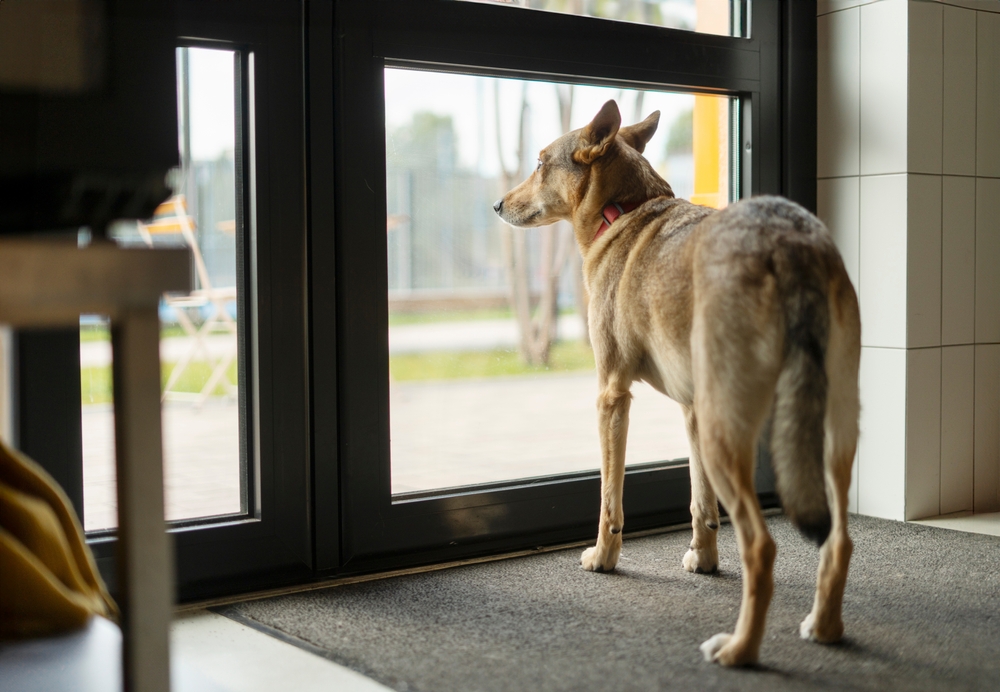
- Destructive behaviour, especially around doors, windows, or exits.
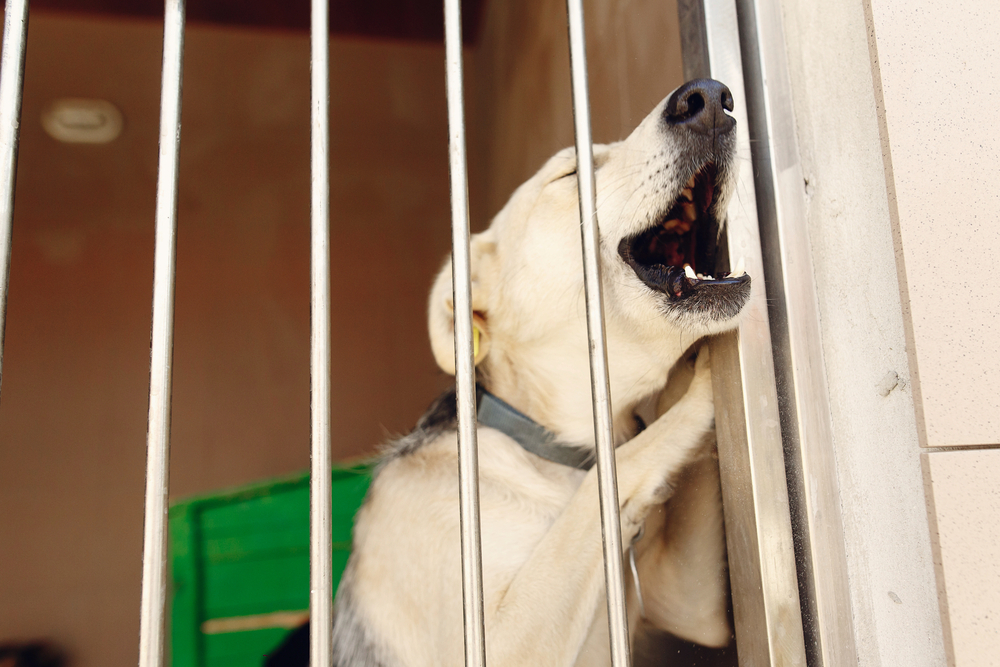
- Howling, barking, or whining that continues after you leave.
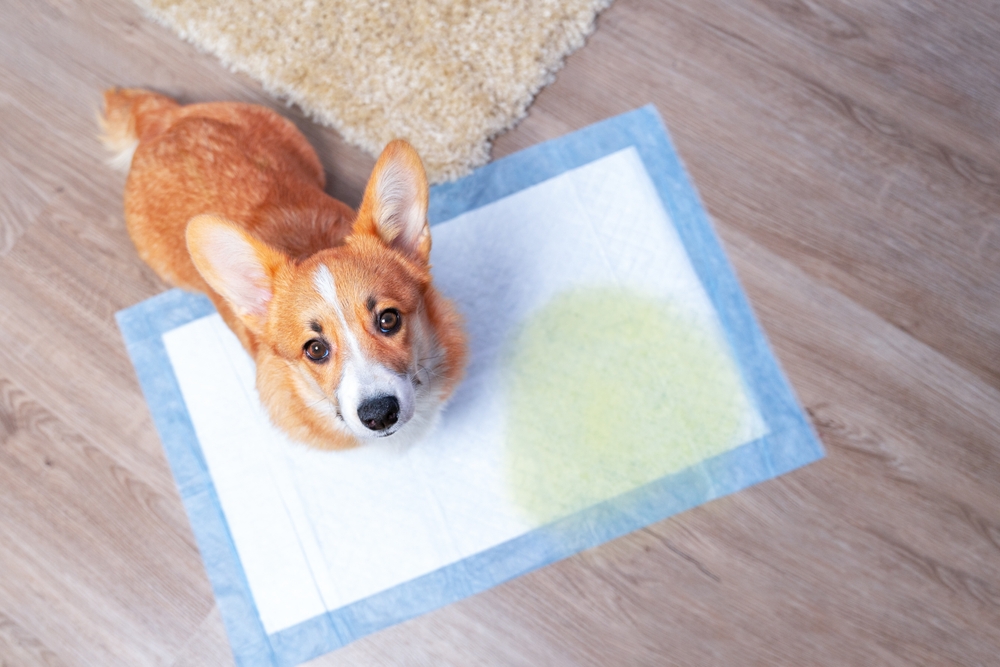
- Toileting indoors, even in dogs that are otherwise house-trained.
- Excessive excitement on your return, including jumping, pacing, or vocalising.
- Visible anxiety before you leave, such as pacing, panting, or following you closely.
Subtle Signs That Are Easy to Miss
Some dogs do not vocalise or destroy objects at all. Instead, their distress shows up in quieter ways that are easy to overlook.
- Shadowing behaviour, where your dog follows you constantly at home.
- Refusing food, treats, or enrichment toys when left alone.
- Trembling, excessive panting, or drooling without heat or exercise.
- Repetitive behaviours like pacing, circling, or self-licking.
- Vomiting or nausea is linked to being alone rather than diet.
If you are unsure whether your dog shows signs when you are out, using a pet camera can reveal hidden distress that never occurs while you are home. Early recognition matters, because addressing separation anxiety sooner makes it far easier to manage.
What Causes Separation Anxiety in Dogs?
Separation anxiety does not have a single cause. It develops through a combination of experience, environment, and emotional dependency, which is why it can appear suddenly even in dogs that previously seemed fine. Understanding why your dog struggles is essential, because the right solution depends on the underlying trigger.
One of the most common causes is a sudden change in routine or household structure. Moving home, returning to work after long periods at home, changes in work hours, or the loss of a family member or another pet can all disrupt a dog’s sense of security. Dogs thrive on predictability, and when that disappears, anxiety often follows.
Early life experiences also play a role. Dogs that were adopted very young, rehomed multiple times, or came through shelters or foster care may struggle more with being left alone. In these cases, separation anxiety is often rooted in fear of abandonment rather than simple discomfort.
Another contributing factor is lack of independence training. Dogs that have constant access to their owners at home may never learn how to settle on their own. While affection is important, never being alone can unintentionally create dependence, making future separation more stressful.
It is also important to note that boredom, under-stimulation, and unmet exercise needs do not cause separation anxiety, but they can intensify it. A dog that is already anxious will cope far worse if they also have excess energy or mental frustration.
How Separation Anxiety Affects Your Dog’s Wellbeing
Separation anxiety is not just a behavioural issue. It has real emotional and physical consequences for your dog, especially when the stress is repeated day after day. When a dog becomes anxious every time they are left alone, their body enters a constant fight-or-flight state, releasing stress hormones that take time to settle.
Over time, this ongoing stress can affect your dog’s mental resilience and overall health. Dogs with unmanaged separation anxiety may struggle to relax even when their owner is present, remain hyper-vigilant, or become increasingly sensitive to small changes in routine. What starts as mild distress can gradually escalate into more intense behaviours if the underlying fear is not addressed.
There is also a risk of physical harm. Some dogs injure themselves while trying to escape confined spaces, chewing doors, scratching windows, or forcing their way through barriers. Others may develop digestive upset, weight loss, or reduced appetite linked directly to stress rather than illness.
Perhaps most importantly, living with unresolved anxiety affects your dog’s quality of life. Dogs are meant to feel safe in their own home. Helping your dog cope with being alone is not about convenience. It is about supporting their emotional wellbeing and long-term comfort.
10 Ways To Reduce Separation Anxiety In Your Dog
This section focuses on practical, evidence-based actions that address separation anxiety at its root. Not every dog will need every step, but combining several of these strategies consistently gives most dogs the best chance to cope calmly when left alone.
1. Meet Your Dog’s Exercise Needs Before You Leave
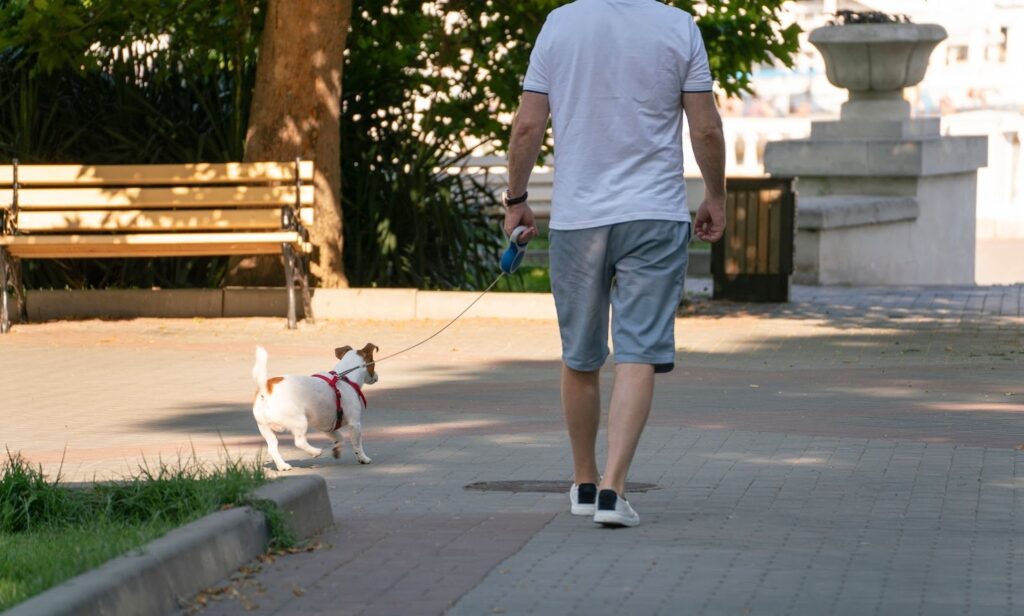
Regular exercise is one of the most effective ways to lower baseline anxiety levels. Physical activity helps release nervous energy and encourages relaxation during alone time. A walk that allows sniffing and exploration is often more calming than a rushed lap around the block.
Exercise should match your dog’s age, breed, and fitness level. Puppies benefit from short, stimulating walks, while adult dogs may need longer sessions to fully unwind.
2. Provide Mental Stimulation and Enrichment Toys
Mental enrichment, alongside good behaviour training habits, can be just as powerful as physical exercise. Puzzle toys, snuffle mats, and food-dispensing toys give your dog something positive to focus on once you leave. Long-lasting chews or frozen food toys work especially well because they extend engagement over time.
Always introduce enrichment toys while you are home first. If your dog refuses them only when you are away, this can be a sign that anxiety, not boredom, is the real issue.
3. Establish a Calm, Predictable Daily Routine
Dogs feel safer when they know what to expect. A consistent routine for meals, walks, play, and rest helps reduce uncertainty and anxiety. Try to leave and return at roughly the same times where possible, and ensure your dog’s basic needs are met before alone time.
Predictability does not mean rigidity. It simply provides your dog with reliable signals that you always come back.
4. Keep Departures and Returns Low-Key
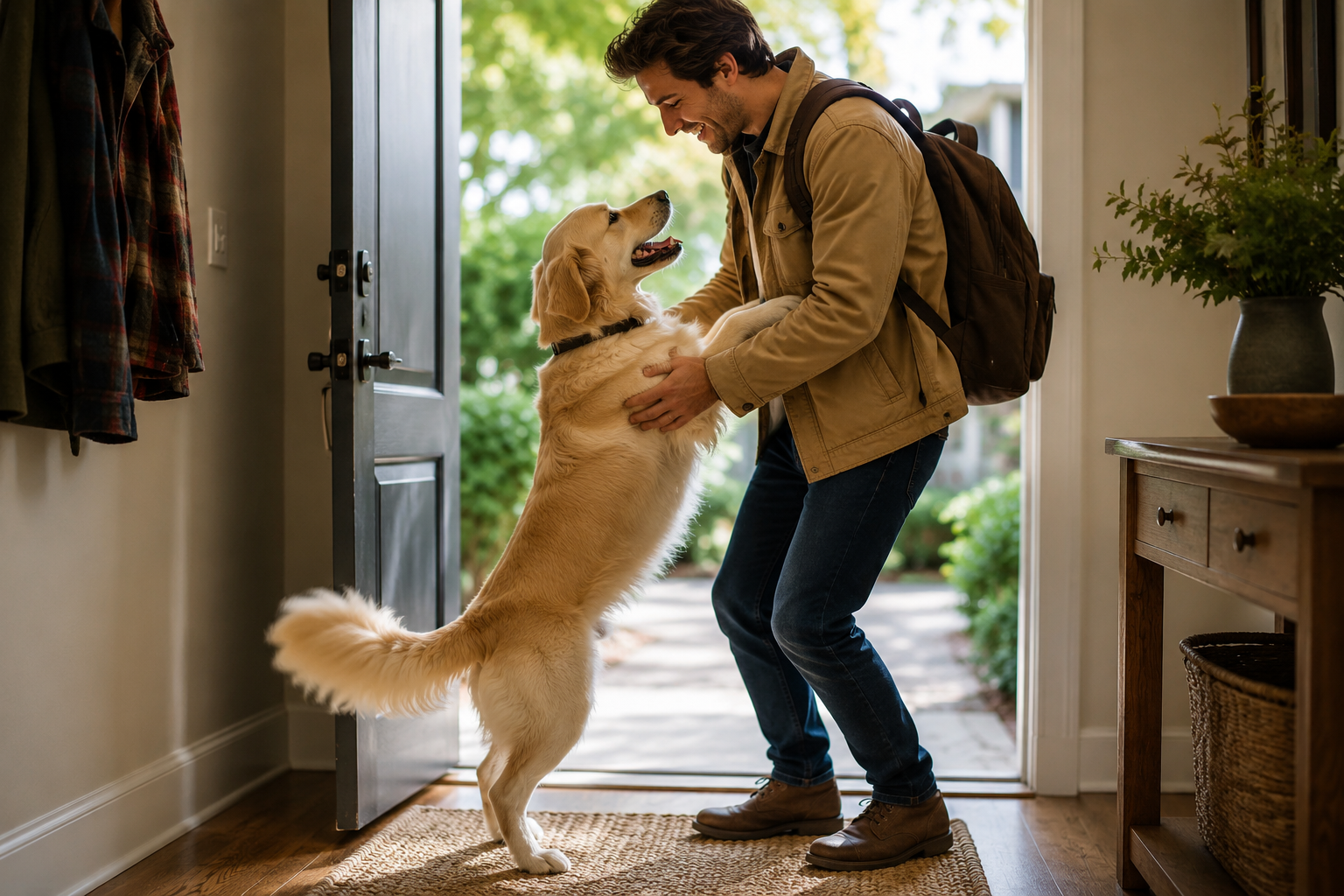
Emotional goodbyes can unintentionally signal that something worrying is about to happen. When leaving, stay calm and neutral, avoiding prolonged cuddling or reassurance. The same applies when you return. Greet your dog once they are settled rather than reinforcing frantic excitement.
This does not mean ignoring your dog. It means teaching them that leaving and returning are normal, safe events.
5. Gradually Build Your Dog’s Tolerance to Being Alone
One of the most important steps is gradual desensitisation. Start by leaving your dog alone for very short periods, even just seconds, and slowly increase the duration. This teaches your dog that being alone is temporary and manageable.
Progress should always stay below your dog’s stress threshold. If anxiety appears, shorten the duration and build up more slowly. Consistency matters more than speed.
6. Reduce Anxiety Triggers Around Leaving the House
Many dogs become anxious before you even leave. Keys, shoes, bags, or coats can act as powerful triggers. Try changing how you handle these cues by picking them up at random times without leaving, or storing them out of sight.
Over time, this helps break the association between these signals and anxiety, making departures less stressful.
7. Encourage Independence While You Are at Home
Dogs that are never separated from their owners indoors may struggle far more when left alone. Encouraging independence helps build emotional resilience. This can include using baby gates, asking your dog to settle in another room, or rewarding calm alone behaviour.
Teaching independence is not about withholding affection. It is about helping your dog feel confident without constant reassurance.
8. Create a Safe, Comfortable Space for Alone Time
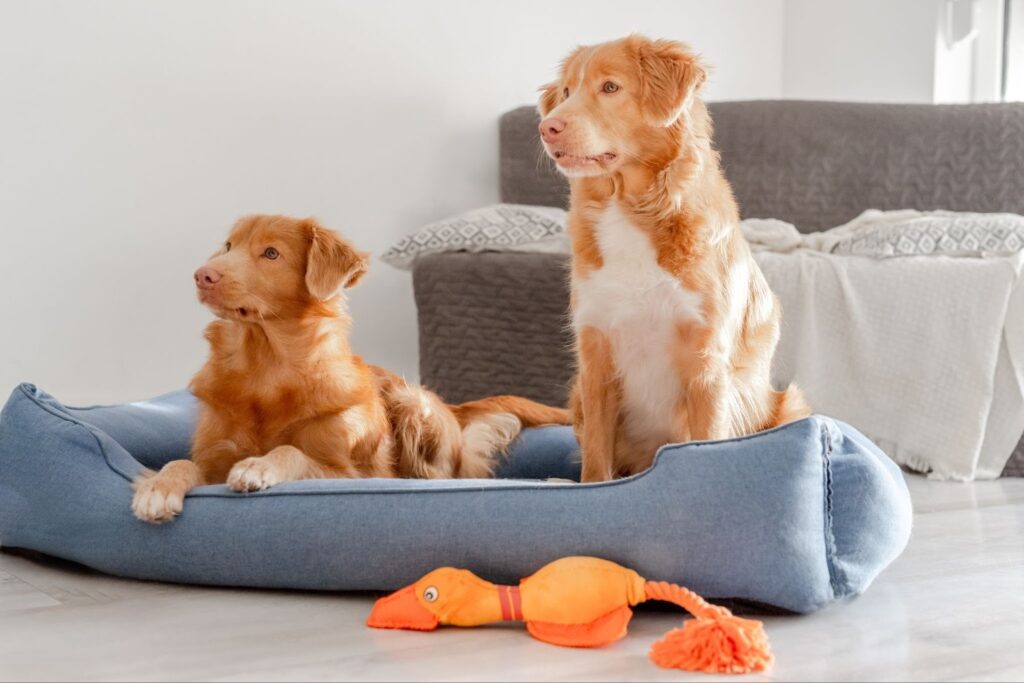
Some dogs cope best when confined to a quiet, comfortable area rather than having access to the entire house. This space should include a bed, water, familiar smells, and enrichment items. For some dogs, crates can feel secure. For others, they increase panic.
The key is observing your dog’s response. Safety and comfort always come before convenience.
9. Use Support Tools Thoughtfully
Support tools can help, but they are not standalone solutions. Calming music, pheromone diffusers, pet cameras, and scent items may reduce stress when used alongside training. Cameras can be especially helpful for identifying hidden signs of distress.
If using supplements or calming products, always seek veterinary advice first, particularly if your dog is on medication.
10. Seek Professional Help When Anxiety Is Severe
If your dog shows signs of panic, self-injury, or extreme distress, professional support is essential. A veterinarian can rule out medical issues, provide ongoing vet care support, and refer you to a qualified behaviourist. In some cases, medication may help lower anxiety enough for training to succeed.
Seeking help is not failure. It is often the most compassionate step you can take for your dog.
What Not To Do When Managing Separation Anxiety
When dealing with separation anxiety, what you avoid doing is just as important as what you do. Certain well-meaning responses can unintentionally increase fear and make anxiety harder to resolve over time.
1. Never Punish Anxiety-Driven Behaviour
Punishment does not teach a dog to feel calm. It teaches them to feel unsafe. Yelling, scolding, or showing frustration after returning home can increase anxiety, as your dog cannot connect your reaction to something that happened earlier. Instead, they may begin to fear your return as much as your departure.
Behaviours such as lowered ears, tucked tail, or avoiding eye contact are signs of fear, not guilt. Responding calmly protects trust and supports recovery.
2. Avoid Letting Your Dog “Cry It Out”
Allowing a dog to panic until they stop reacting is not training. It can be psychologically damaging. Repeated exposure to intense distress causes stress hormones to remain elevated for long periods, affecting both emotional and physical health.
Some dogs may eventually stop vocalising, but this does not mean they are coping. It often means they have learned that calling for help does not work, leading to silent suffering rather than calm independence.
3. Do Not Assume Destruction Is Just Boredom
While boredom can cause mischief, panic-driven destruction is different. Dogs with separation anxiety often target exits, windows, or confined spaces and may injure themselves in the process. Treating anxiety as simple misbehaviour delays proper support and can worsen the problem.
5. Avoid Sudden, Forced Isolation
Locking an anxious dog away or drastically increasing alone time without preparation can overwhelm them. Progress should always be gradual and guided by your dog’s comfort level, not a fixed timeline.
6. Do Not Expect Instant Results
Separation anxiety is not fixed in days. Expecting rapid change can lead to frustration and inconsistent training. Progress often happens slowly and unevenly, especially during life changes or routine disruptions.
Patience, compassion, and consistency are essential. Your dog is learning a new emotional skill, not just a new command.
How Long Does It Take to See Improvement?
There is no single timeline for reducing separation anxiety. Progress depends on the severity of the anxiety, your dog’s history, and how consistently support strategies are applied. Some dogs begin to show small improvements within a few weeks, while others may need several months of gradual training and reassurance.
Improvement is rarely linear. You may notice periods where your dog seems calmer, followed by setbacks triggered by changes in routine, illness, travel, or household disruption. This does not mean the approach is failing. Setbacks are a normal part of behavioural change and often resolve once stability returns.
Consistency is more important than speed. Short, successful absences build confidence far more effectively than pushing your dog beyond their comfort zone. Each calm experience helps reset your dog’s expectations and teaches them that being alone is safe.
For dogs with severe anxiety, professional guidance can significantly shorten the recovery process. Veterinary support, behaviour modification plans, and in some cases medication can reduce anxiety enough to allow learning to take place. With patience and the right support, many dogs go on to live comfortable, relaxed lives even after struggling with separation anxiety.
Final Thoughts: Helping Your Dog Feel Safe When You’re Not There
Separation anxiety can feel overwhelming, but it is both common and manageable.
By recognising the signs early and responding with patience rather than punishment, you give your dog the best chance to feel secure when alone. Small, consistent changes often make the biggest difference.
Every dog progresses at their own pace.
With the right balance of exercise, structure, independence training, and support, most dogs can learn that being alone is safe and temporary. If you are ever unsure, seeking professional guidance is a positive step toward protecting your dog’s wellbeing and quality of life.
Frequently Asked Questions
1. Can separation anxiety be prevented in puppies?
Yes, in many cases it can. Teaching puppies how to be alone in short, positive sessions, alongside early obedience training routines, helps build confidence early. Encouraging independence, avoiding constant contact at home, and gradually increasing alone time can reduce the risk of separation anxiety developing later in life.
2. Is separation anxiety the same as boredom?
No. Boredom and separation anxiety are different issues, although boredom can make anxiety worse. A bored dog may chew or dig occasionally, while a dog with separation anxiety shows panic-driven behaviour that starts as soon as their owner leaves and does not improve with simple distractions.
3. Should I get another dog to fix separation anxiety?
Not usually. While companionship can help some dogs, adding another dog does not treat separation anxiety and may even create new challenges. Anxiety is linked to attachment to a person, not loneliness alone. Each dog should be assessed individually.
4. Can supplements or medication help separation anxiety?
They can help in some cases, but they are not a standalone solution. Supplements may support mild anxiety, while medication prescribed by a vet can reduce severe distress enough for training to work. Always consult a veterinarian before using any calming products.
5. When should I contact a vet or behaviourist?
If your dog shows panic, self-injury, extreme destruction, or distress within minutes of being left, professional help is recommended. Early intervention from a vet or qualified behaviourist can prevent anxiety from becoming long-term and harder to manage.
 Add us as a preferred source