How to Stop Jumping Up Without Reinforcing Bad Habits
Puppy Training & Behaviour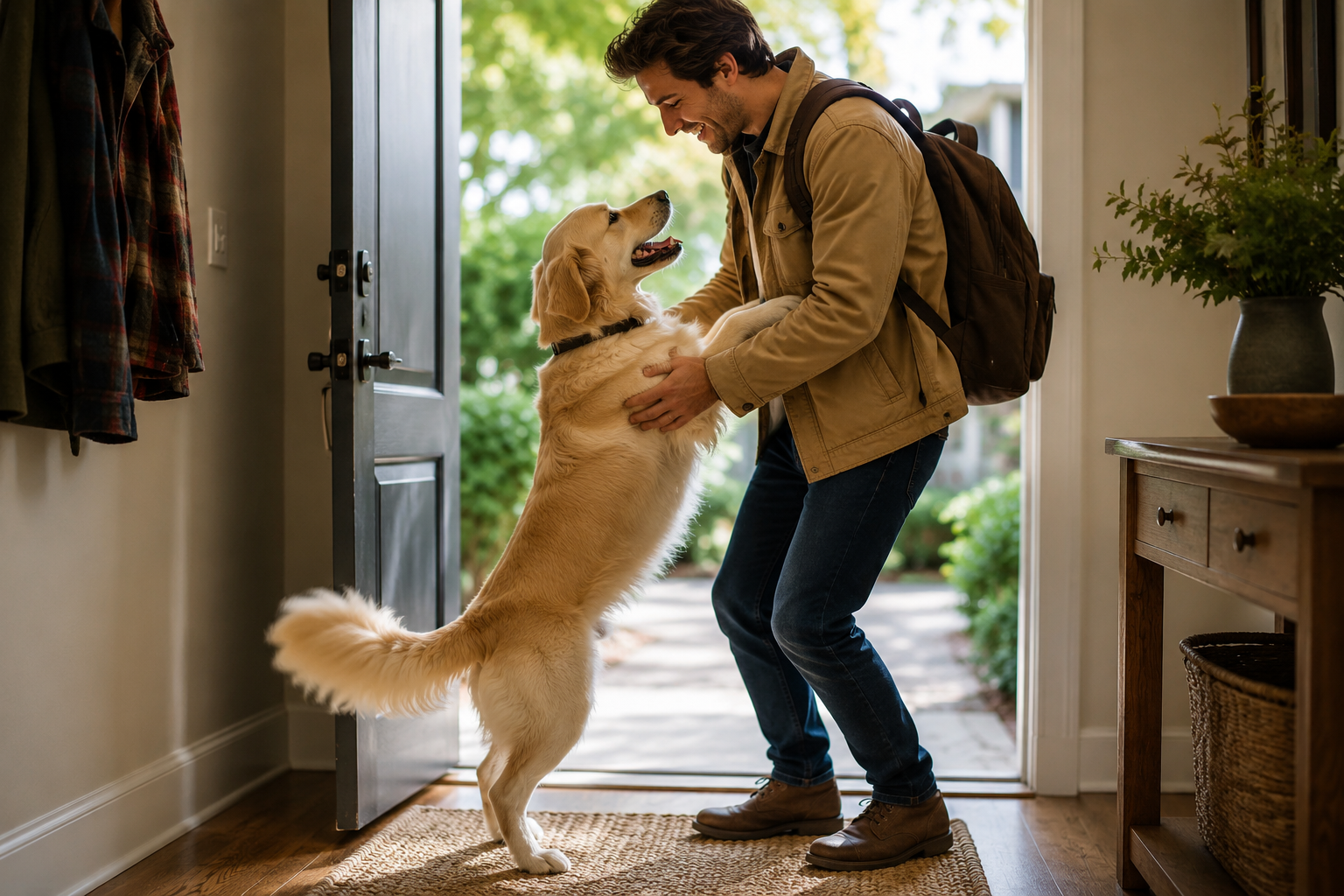 By James C. • June 23, 2026
Jumping up is a very common behaviour in puppies and young dogs, especially when they are excited to greet people. Dogs often jump because they want attention or are trying to reach a person’s face during greetings.
Although this behaviour may seem harmless when dogs are small, it can quickly become a problem as they grow larger and stronger. If jumping is rewarded with attention, the behaviour often continues.
Understanding how to stop dog jumping up requires recognising why it happens and avoiding actions that accidentally reinforce it. This guide explains practical ways to teach calmer greeting behaviour.
Why Dogs Jump Up on People
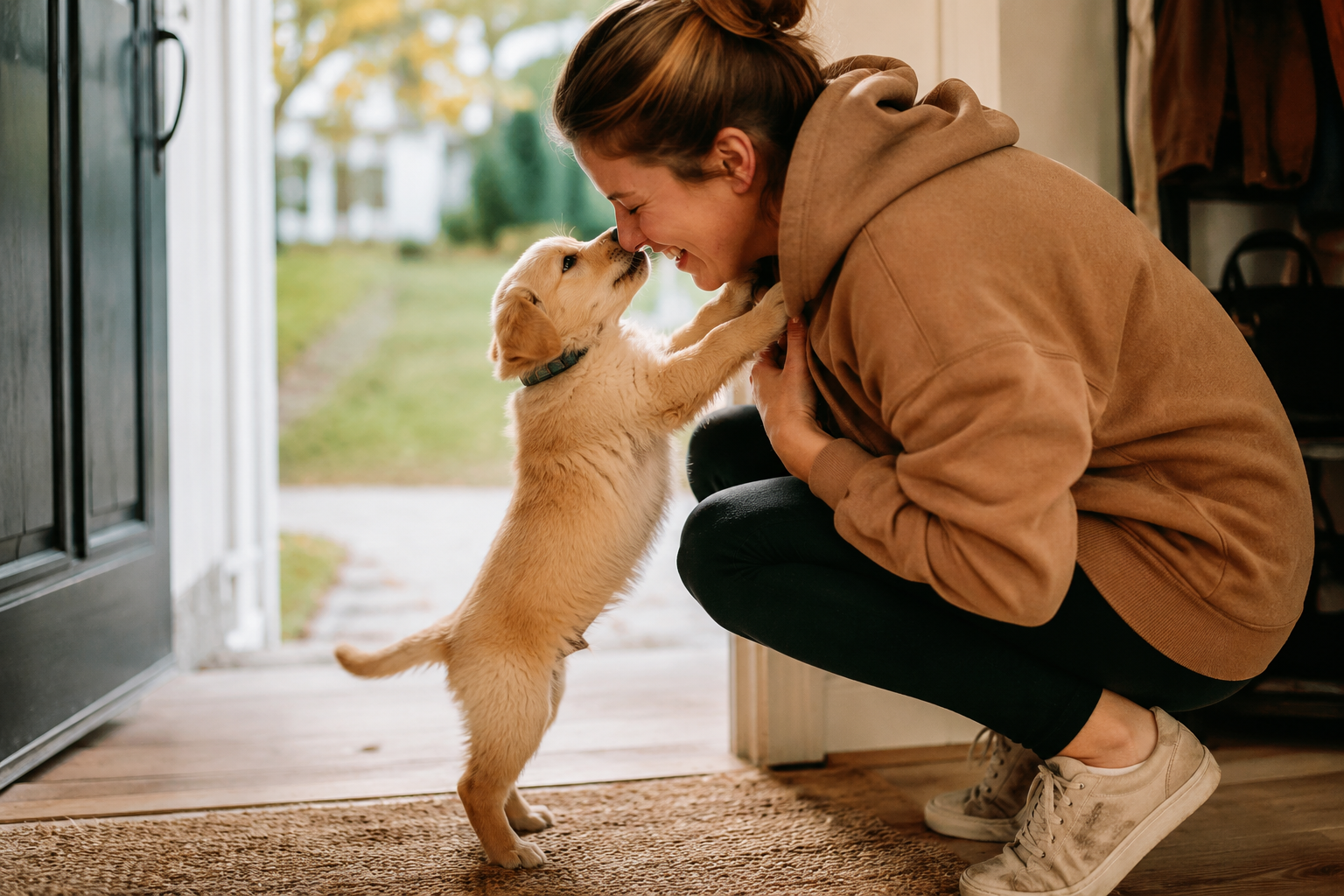
Jumping is a very common greeting behaviour in puppies and dogs. It often develops because dogs become excited when interacting with people. Here are common reasons dogs jump up on people during everyday situations.
- Excited Greeting Behaviour: Dogs often jump up when greeting people because they feel excited and want to show enthusiasm. Puppies especially become energetic when owners return home, and jumping becomes their natural way of expressing excitement and seeking interaction.
- Seeking Attention From People: Dogs quickly learn that jumping can attract attention. Even when owners push the dog away or say no, the dog may still interpret the reaction as attention, which unintentionally encourages the behaviour to continue.
- Instinct to Reach Human Face Level: Dogs naturally greet one another by approaching face-to-face. When interacting with people, jumping helps them reach a person’s face level to sniff, lick, or investigate during greetings.
- Learned Behaviour From Previous Reactions: If a puppy received petting, praise, or laughter after jumping in the past, the dog may associate jumping with positive outcomes and continue repeating the behaviour.
- Excess Energy and Excitement: Dogs that have excess energy may jump when they feel overstimulated during greetings, play, or when meeting visitors.
- Lack of Training for Polite Greetings: Puppies that have not been taught alternative greeting behaviours, such as sitting calmly, may rely on jumping because it is the only behaviour they know.
How Owners Accidentally Reinforce Jumping
Many dogs continue jumping on people because the behaviour is unintentionally rewarded. Dogs quickly learn which actions gain attention, and even negative reactions can reinforce jumping if they result in interaction.
One common mistake occurs when owners speak to the dog while pushing it away. Although the intention is to stop the behaviour, the dog still receives eye contact, touch, and verbal interaction. From the dog’s perspective, jumping successfully gained attention.
Another situation happens when owners greet the dog enthusiastically while it is already jumping. Petting, laughing, or responding excitedly can encourage the dog to repeat the behaviour in future greetings. Puppies quickly associate jumping with positive reactions.
Inconsistent responses from different people can also reinforce the habit. If some family members allow jumping while others discourage it, the dog becomes confused about what behaviour is acceptable.
To prevent reinforcing jumping, attention should only be given when the dog keeps all four paws on the ground. Rewarding calm greetings teaches the dog that polite behaviour leads to positive interaction.
Training Methods to Stop Jumping Up
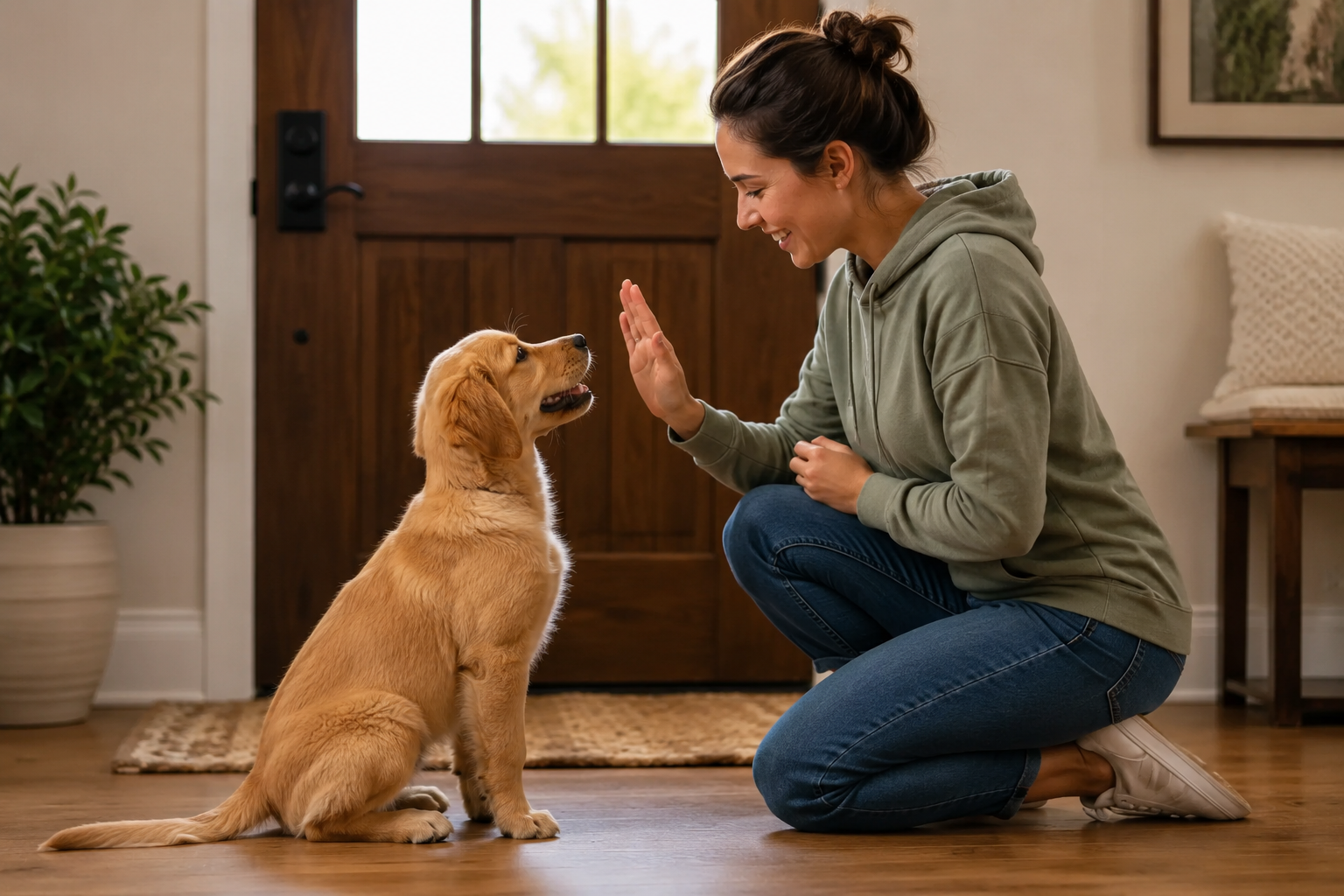
Stopping jumping behaviour requires consistent training and clear communication, building on the same puppy training and behaviour basics so dogs learn what behaviour earns attention. Here are effective training methods that help stop dogs from jumping up on people.
1. Ignore the Jumping Behaviour
When a dog jumps up, avoid giving any attention, such as eye contact, touching, or speaking. Turn your body slightly away and remain calm until the dog places all four paws back on the ground.
Once the dog stands calmly, immediately reward the behaviour with praise or attention. This teaches the dog that jumping does not produce interaction, while calm behaviour receives positive reinforcement.
2. Reward Calm Greetings
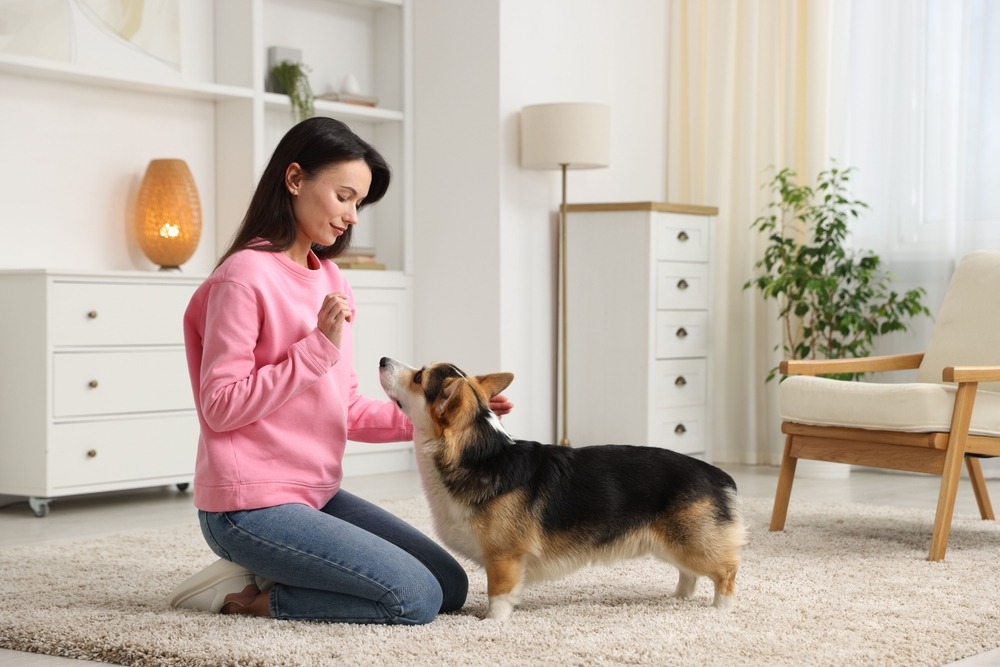
Dogs learn faster when calm behaviour is consistently rewarded. When the dog approaches without jumping, offer praise, gentle petting, or a small treat. Reinforcing calm greetings helps the dog associate polite behaviour with positive outcomes.
Over time, the dog begins to understand that keeping paws on the ground is the best way to receive attention from people.
3. Teach an Alternative Command
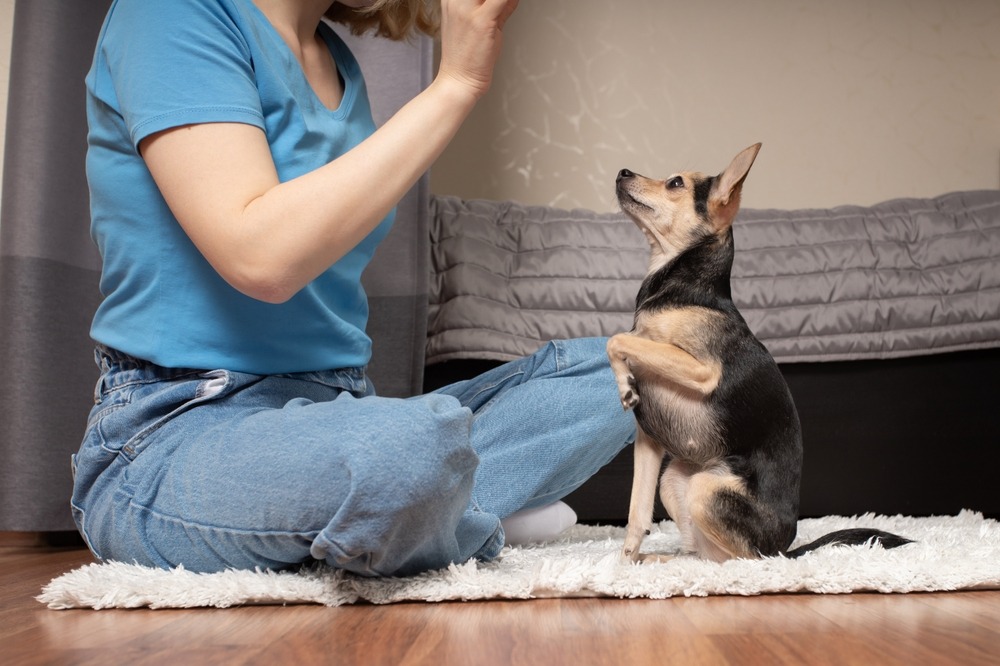
Teaching a simple command, such as sit, gives the dog an alternative behaviour during greetings. Ask the dog to sit before offering attention or allowing visitors to greet them, a skill that is easiest to build when you start obedience training early.
Because a dog cannot sit and jump at the same time, this command helps prevent jumping behaviour. Consistently rewarding the sit command reinforces calm, controlled greetings.
4. Practise Controlled Greeting Situations
Training improves when dogs practise greetings in controlled environments. Ask friends or family members to approach calmly while you guide the dog to sit or remain calm. If the dog jumps, the visitor should step back and avoid interaction until the dog settles.
Repeating these controlled greetings helps the dog learn the correct behaviour when meeting people.
5. Use a Leash for Control
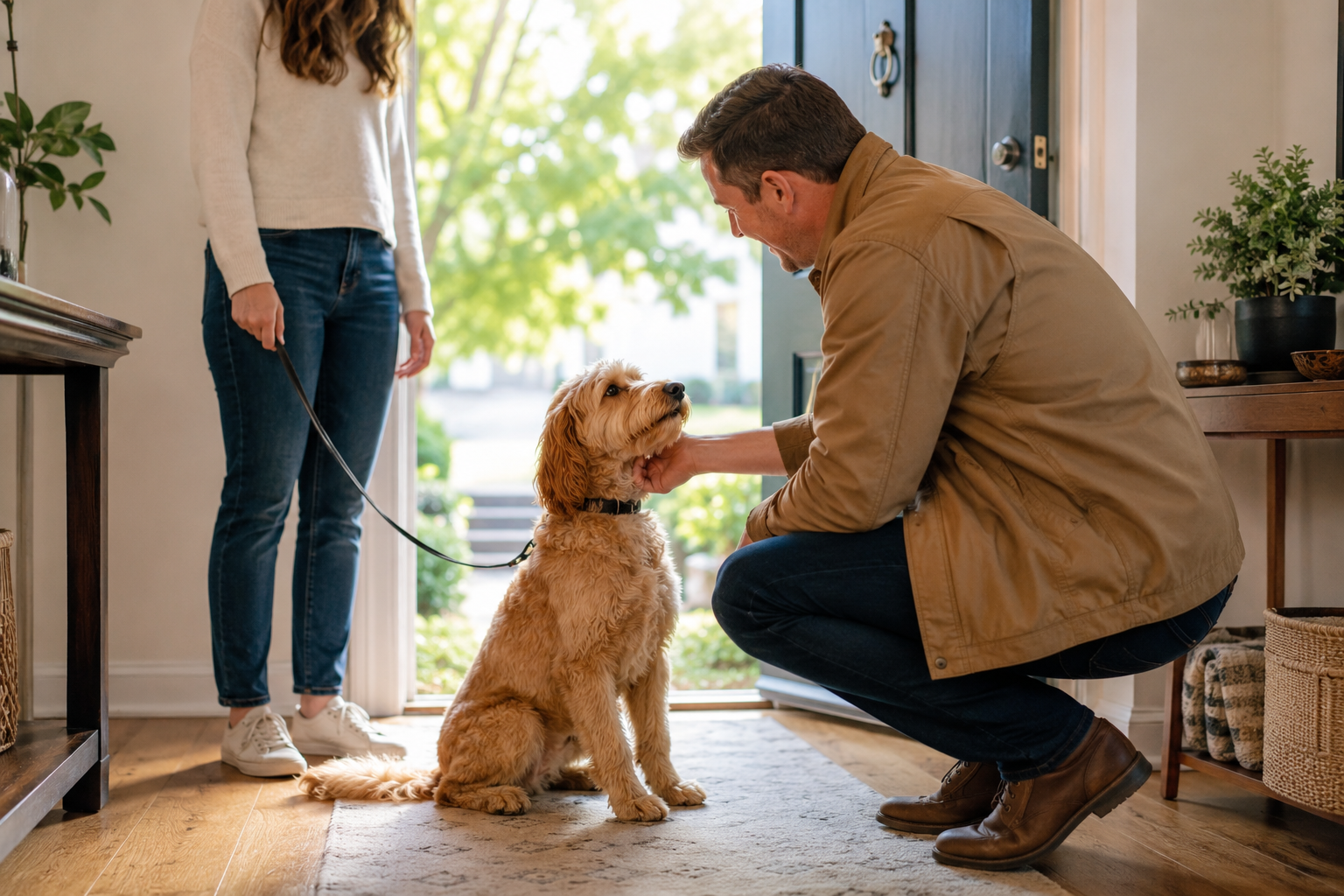
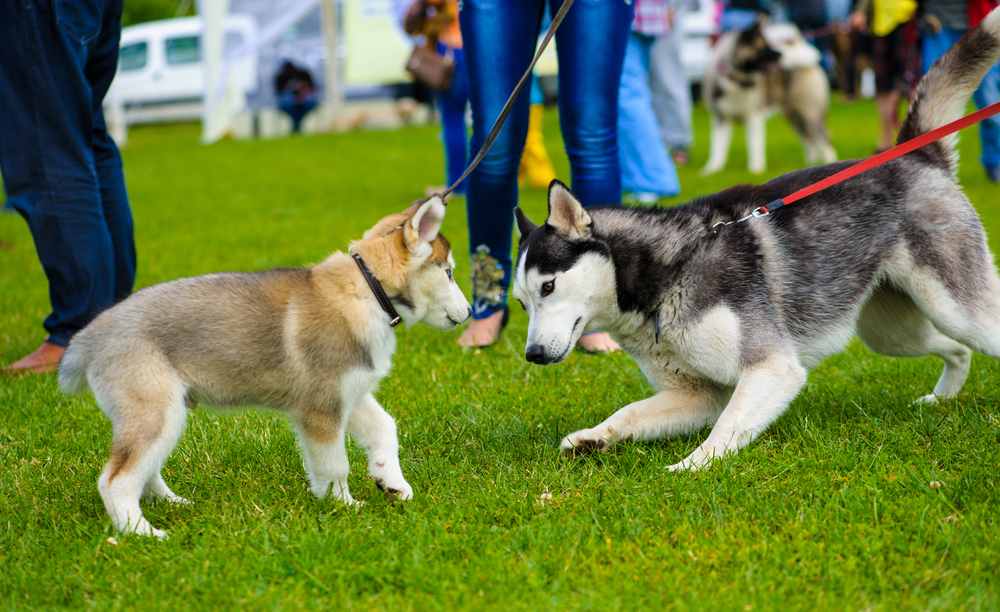
Using a leash during greeting situations can help owners manage jumping behaviour more effectively. The leash prevents the dog from reaching visitors while training is taking place.
This allows the owner to guide the dog into a calm position, such as sitting, before interaction occurs. Over time, the dog learns that calm behaviour leads to greetings.
6. Manage Excitement Levels Before Greetings
High excitement often leads to jumping. Before greeting visitors or returning home, give the dog a moment to settle. Asking the dog to sit or providing a brief training exercise can help reduce excitement and prepare the dog for a calmer interaction.
7. Ensure Everyone Follows the Same Training Approach
Consistency among family members and visitors is critical for success. If some people reward jumping while others discourage it, the dog receives mixed signals. Ensuring that everyone follows the same greeting rules helps the dog learn quickly and develop consistent behaviour.
Teaching a Calm Greeting Behaviour
Teaching a calm greeting behaviour is one of the most effective ways to stop dogs from jumping on people. Instead of simply trying to stop the jumping, training focuses on teaching the dog an alternative action that is rewarded. A common approach is teaching the dog to sit when greeting people.
Begin by asking the dog to sit before offering any attention. If the dog jumps, avoid touching or speaking to it and wait until all four paws return to the ground. Once the dog sits calmly, reward the behaviour with praise, petting, or a treat. This helps the dog understand that calm behaviour leads to positive interaction.
Consistency is important during this process. All family members and visitors should follow the same rule by ignoring jumping and rewarding calm greetings. Mixed responses can confuse the dog and slow progress.
With regular practice, dogs begin to associate greetings with sitting or remaining calm. Over time, this replaces the jumping habit with a more controlled and polite behaviour when meeting people.
Common Mistakes When Trying to Stop Jumping
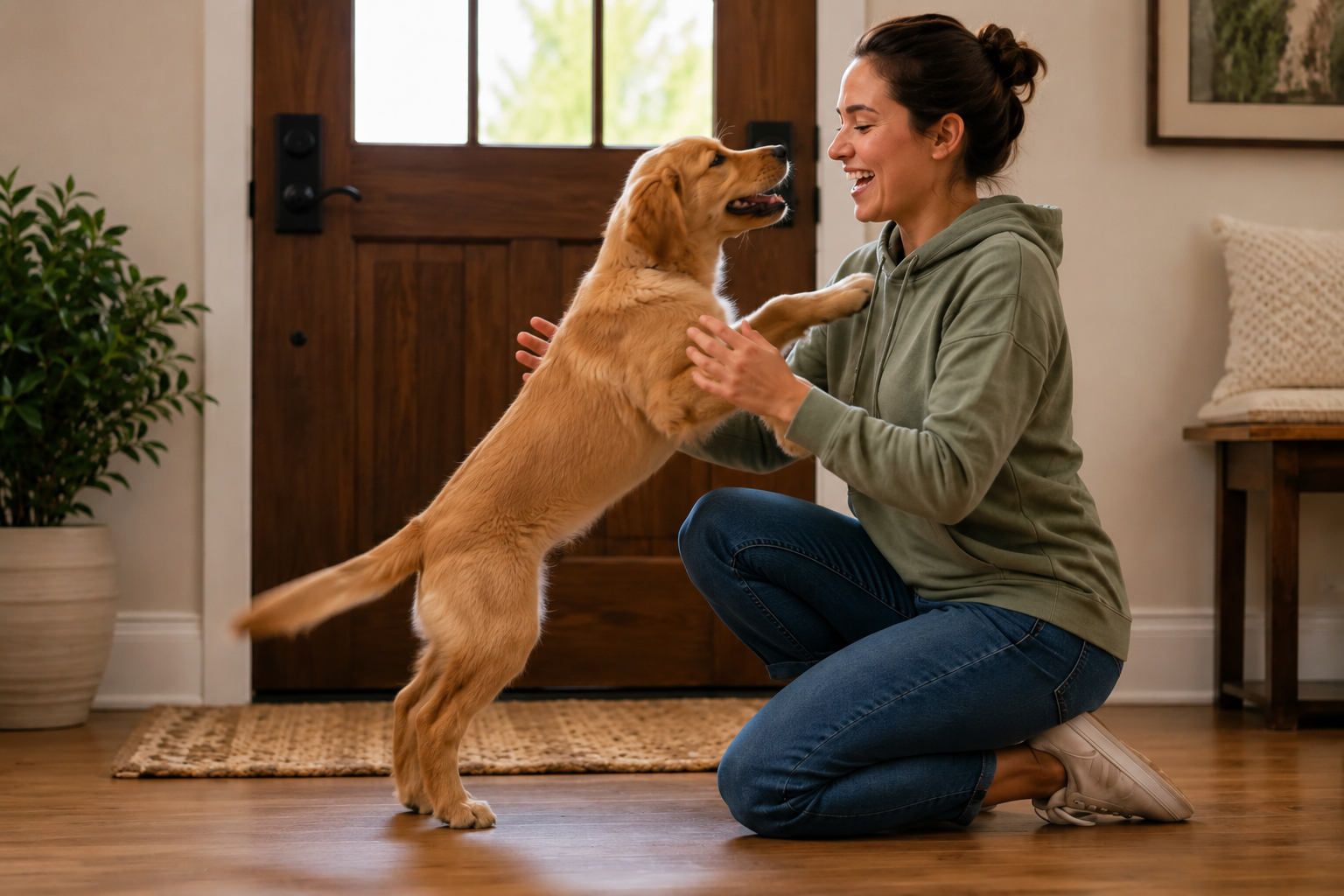
Correcting jumping behaviour requires consistency and patience. Here are common mistakes owners make when trying to stop dogs jumping up on people.
- Giving Attention While the Dog Is Jumping: Talking, pushing the dog away, or laughing still provides attention, which may unintentionally reward jumping behaviour.
- Inconsistent Training From Different People: If some family members allow jumping while others discourage it, the dog becomes confused and continues repeating the behaviour.
- Punishing the Dog Instead of Redirecting Behaviour: Harsh corrections can create fear or anxiety rather than teaching the dog a better way to greet people.
- Allowing Jumping During Exciting Greetings: Greeting the dog enthusiastically while it jumps teaches the dog that jumping leads to attention and affection.
- Expecting Immediate Results: Dogs need repeated practice to change behaviour, so expecting quick results can lead to frustration.
- Not Teaching an Alternative Behaviour: Without learning a calm behaviour, such as sitting, the dog may continue jumping because it does not know what is expected instead.
Signs Your Dog Is Learning Better Greeting Behaviour
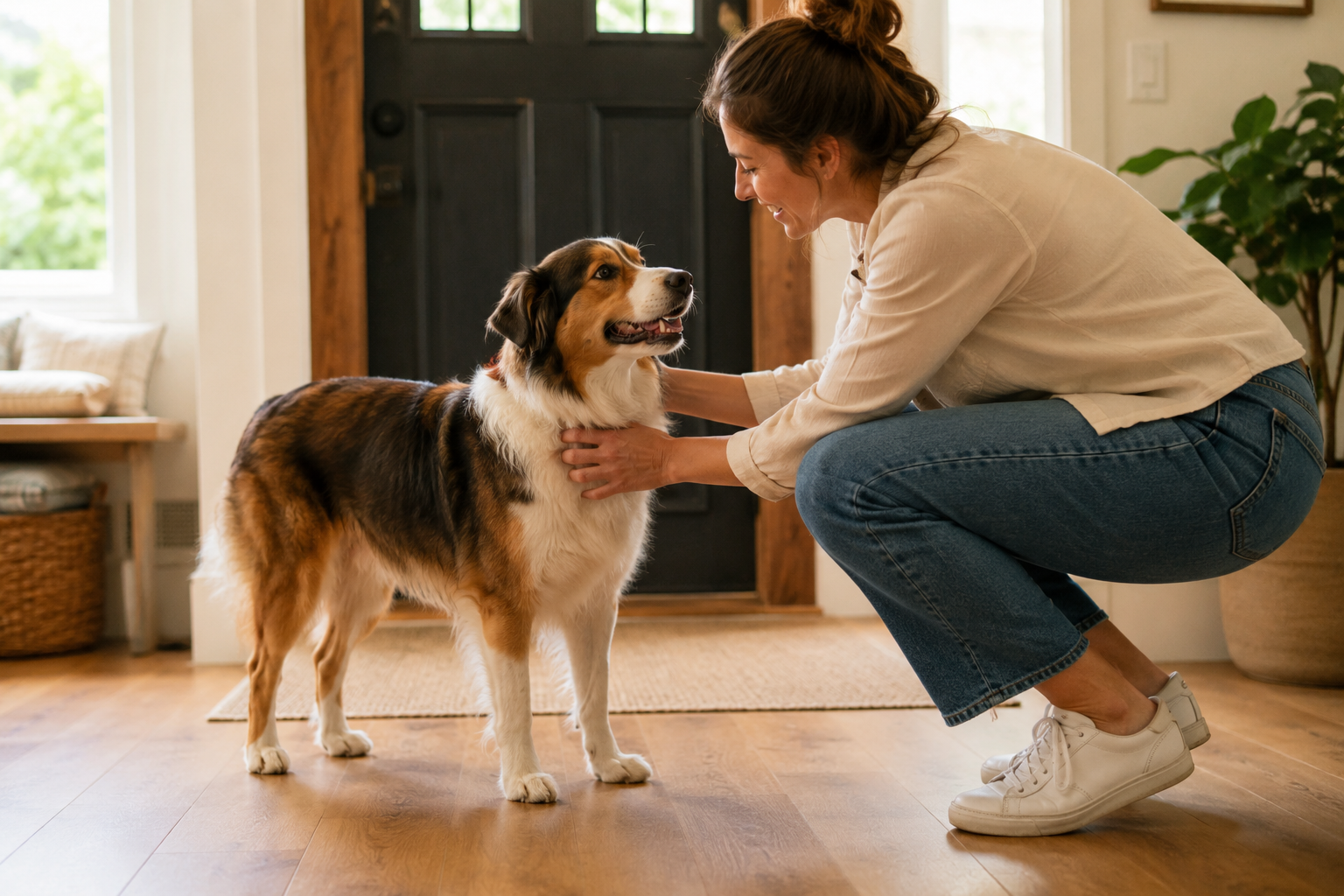
As training progresses, dogs begin showing small changes that indicate improvement in greeting behaviour. Here are signs that your dog is learning calmer and more polite ways to greet people.
- Keeping All Four Paws on the Ground: The dog begins greeting people without jumping, showing it understands that calm behaviour earns attention and interaction.
- Sitting When Greeting People: Many dogs start sitting automatically during greetings because they associate the behaviour with rewards and positive attention.
- Approaching People More Calmly: Instead of rushing or jumping, the dog walks toward people in a more controlled and relaxed manner.
- Responding to Commands During Greetings: The dog begins responding to cues such as sit or stay when visitors arrive or when the owner returns home.
- Settling Down More Quickly: After initial excitement, the dog relaxes faster and does not continue jumping or seeking excessive attention.
- Showing Better Impulse Control: The dog demonstrates improved self-control by waiting calmly rather than jumping during greetings.
When Jumping May Become a Behaviour Problem
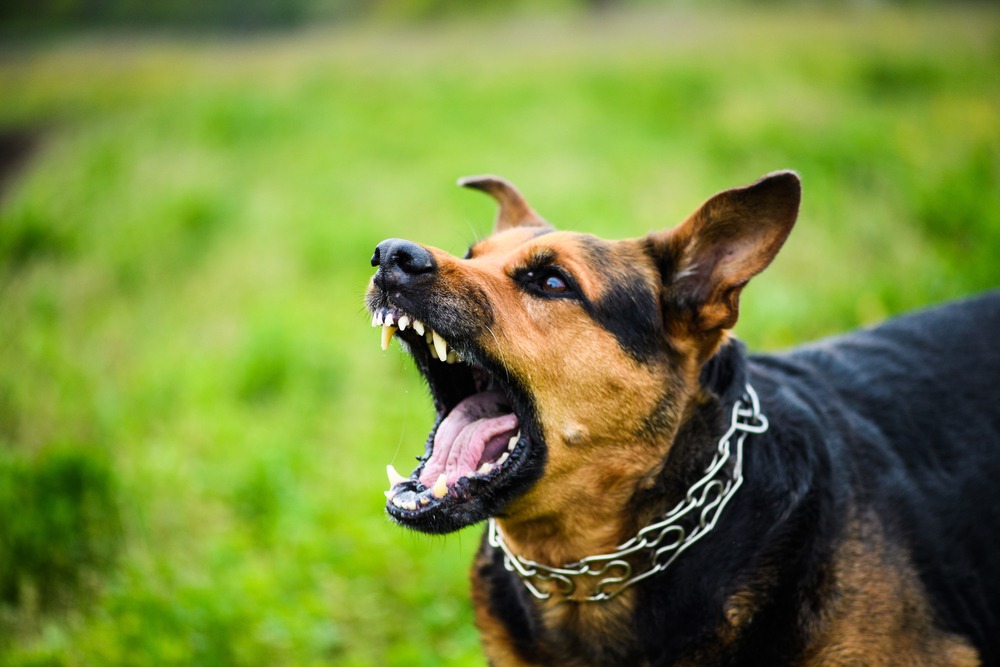
Jumping is often harmless in young puppies, but it can become a serious issue if it happens frequently or causes safety concerns. Here are situations where jumping behaviour may develop into one of the more significant common puppy behaviour problems.
- Jumping Causes People to Lose Balance: When dogs jump forcefully on children, older adults, or visitors, the impact can cause people to lose balance or fall. As dogs grow larger and stronger, this behaviour can become dangerous and requires consistent training to correct.
- Jumping Happens Every Time Someone Greets the Dog: If a dog jumps whenever someone enters the home or approaches, the behaviour may become an established greeting habit. Without proper training, the dog may believe jumping is the normal way to interact with people.
- Jumping Continues Despite Consistent Training: When jumping behaviour persists even after owners attempt training, it may indicate that the behaviour is still being unintentionally rewarded. Dogs may continue jumping if they occasionally receive attention or interaction for doing so.
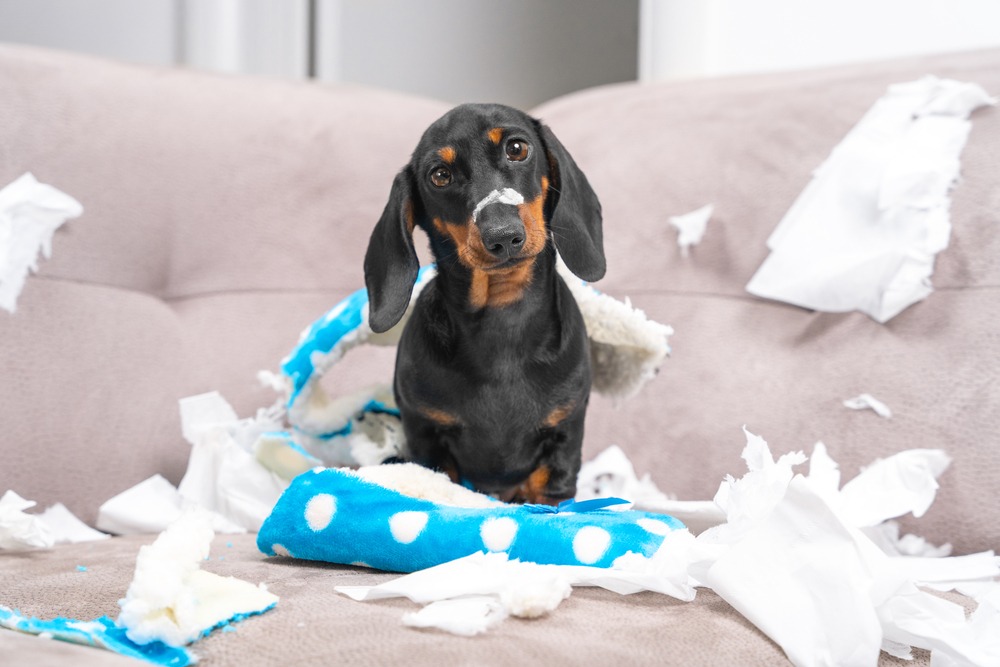
- Jumping Is Combined With Mouthing or Grabbing Clothing: Some dogs jump while also nipping at hands, sleeves, or clothing, so it helps to stop puppy biting gently alongside greeting training. This combination can make greetings uncomfortable or unsafe, especially for children or visitors who are unfamiliar with the dog.
- Jumping Occurs During Overexcitement or Stress: Dogs that struggle with impulse control may jump excessively when excited, anxious, or overstimulated, which can overlap with other signs of anxiety in dogs. These situations often require structured training that focuses on calming behaviours and controlled greetings.
- Jumping Leads to Escalating Behaviour: If jumping turns into scratching, pushing, or knocking into people, the behaviour can quickly become difficult to manage. Early training helps prevent these behaviours from becoming stronger habits as the dog grows.
Stop Jumping Up and Encourage Calm Greetings
Jumping up is a common behaviour in puppies, but it can be corrected with consistent training and clear boundaries.
Teaching calm greetings and rewarding good behaviour helps puppies understand what is expected. Patience and consistency are essential for lasting results.
If you are planning to welcome a puppy into your home, Pups4Sale connects you with trusted breeders and helpful resources for responsible puppy ownership, including guidance on puppy portion sizes.
Frequently Asked Questions
1. Why do puppies jump on people?
Puppies often jump on people as a natural greeting behaviour. They may also jump to seek attention, express excitement, or reach a person’s face. If jumping results in attention, the behaviour may quickly become a habit.
2. Should I push my puppy away when it jumps?
Pushing a puppy away can unintentionally reinforce the behaviour because physical contact still provides attention. Instead, turning away and ignoring the jumping helps remove the reward and encourages calmer greetings.
3. How long does it take to stop jumping behaviour?
With consistent training, many puppies begin improving within a few weeks, though how long puppy training takes varies from dog to dog. However, developing reliable greeting behaviour may take longer depending on the puppy’s temperament and how consistently training is applied.
4. What command can help stop jumping?
Teaching commands such as sit or four paws on the floor can help replace jumping with a calmer greeting behaviour. Rewarding the puppy when it remains calm reinforces the desired behaviour.
5. Can jumping behaviour return later?
Yes. Jumping may return if the behaviour is occasionally rewarded with attention. Consistent responses from all family members and visitors help maintain calm greeting habits over time.
 Add us as a preferred source