Why Is My Puppy Crying at Night?
Puppy Training & Behaviour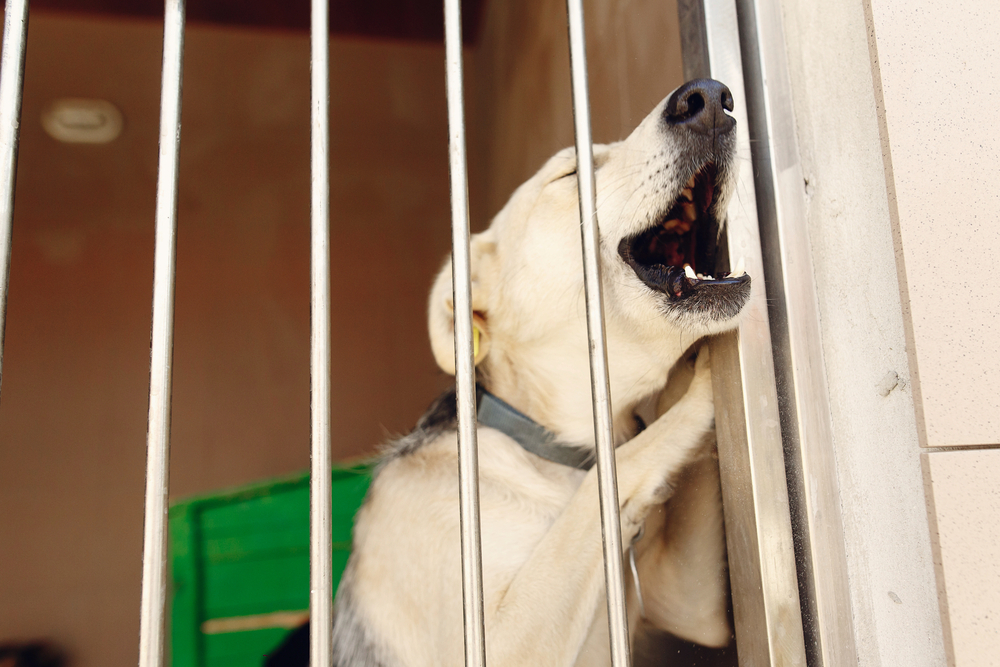 By James C. • March 20, 2026
Bringing a new puppy home is exciting, but many owners are surprised when their puppy starts crying during the night. This behaviour is very common in the first days or weeks after arriving in a new home.
Puppies suddenly find themselves separated from their mother and littermates, which can make nighttime feel unfamiliar and unsettling. Understanding why a puppy is crying at night helps owners respond calmly and build healthy sleep routines.
In many cases, crying simply means the puppy needs reassurance, a toilet break, or time to adjust. This guide explains the common reasons puppies cry at night and how to help them settle comfortably.
Why Night-Time Crying Is Common in Puppies
Night-time crying is very common during the first days or weeks after a puppy arrives in a new home. Puppies have just been separated from their mother and littermates, who provided warmth, comfort, and constant companionship. When placed in a quiet sleeping area alone, the sudden change can feel confusing and stressful.
Young puppies are also still adjusting to unfamiliar sounds, smells, and routines. The new environment may make them feel uncertain or insecure, especially at night when the house becomes quiet and dark. Crying is a natural way for puppies to communicate distress or seek reassurance.
Another reason puppies cry at night is their limited bladder control. Very young puppies often need toilet breaks during the night. If they wake and feel uncomfortable, they may cry to signal that they need help.
Hunger, thirst, or excess energy from insufficient daytime activity can also contribute to nighttime crying. Because puppies are still developing physically and emotionally, they rely heavily on their owners for comfort and guidance.
Understanding these normal adjustment challenges helps owners respond patiently and support their puppy as it learns to feel safe and secure during the night.
Common Reasons Puppies Cry at Night

Puppies may cry at night for several reasons as they adjust to their new home and routine. Here are the most common reasons puppies cry during the night.
1. Separation from Mother and Littermates
Young puppies are used to sleeping closely with their mother and siblings for warmth and comfort. When they move to a new home, the sudden absence of familiar companions can feel unsettling.
This loneliness often leads to crying during the night as puppies search for reassurance and security while adjusting to sleeping independently, and in some cases it can resemble early signs of separation anxiety.
2. Needing a Toilet Break
Very young puppies have small bladders and limited control, which means they may wake during the night needing to relieve themselves. Crying can be a way for the puppy to signal discomfort or alert the owner.
Providing a quick nighttime toilet break, especially during early training, helps prevent accidents and supports healthy house training habits.
3. Feeling Lonely or Seeking Comfort
Dogs are naturally social animals, and puppies often look to their owners for reassurance. When left alone in a crate or bed at night, they may cry simply because they want companionship.
Gentle reassurance and a consistent bedtime routine help puppies gradually feel secure enough to settle and sleep peacefully.
4. Adjusting to a New Environment
A new home introduces unfamiliar sounds, smells, and surroundings that can feel overwhelming to a young puppy. Nighttime may be especially unsettling because everything becomes quieter and darker.
Crying during this adjustment period is common as the puppy slowly becomes comfortable with its new environment and sleeping space.
5. Hunger, Discomfort, or Temperature Changes
Puppies may cry if they feel physically uncomfortable. Hunger, thirst, bedding that is too warm or too cold, or an uncomfortable sleeping surface can all cause nighttime restlessness.
Ensuring the puppy has eaten appropriately, has comfortable bedding, and sleeps in a calm environment with a safe temperature for dogs can help reduce crying and improve sleep quality.
Signs Your Puppy Is Crying for a Specific Need
Puppies cry at night for different reasons, and certain behaviours can signal a specific need. Here are signs your puppy may be crying because it needs something.
- Restless Movement in the Sleeping Area: Puppies that move around, scratch their bedding, or circle repeatedly may be signalling discomfort or the need for a toilet break during the night.
- Standing or Pawing at the Crate Door: Puppies that stand near the crate door or paw at it may be trying to tell their owner they need to go outside for a toilet break.
- Sudden Crying After Sleeping Quietly: If a puppy wakes and begins crying after sleeping calmly, it often indicates they need to toilet rather than simply seeking attention.
- Whining Combined With Sniffing the Floor: Sniffing behaviour together with whining can suggest the puppy is searching for a place to toilet and needs to be taken outside quickly.
- Crying With Visible Anxiety or Pacing: Puppies pacing, panting, or appearing unsettled may be feeling lonely or anxious in their new sleeping environment.
- Crying Near Food or Water Area: Puppies that cry and move toward food or water bowls may be signalling hunger or thirst, especially if feeding routines are still adjusting.
How Long Nighttime Crying Usually Last?

Nighttime crying is common during the first few days after bringing a puppy home. Most puppies have just left their mother and littermates, so the sudden change in environment can feel overwhelming. The unfamiliar sleeping space, new sounds, and absence of their previous companions often cause temporary distress.
For many puppies, crying is most noticeable during the first three to seven nights as they adjust to their new surroundings. During this period, they are learning new routines and becoming familiar with their sleeping area. Providing a comfortable puppy bed, a calm bedtime routine, and reassurance can help them settle more quickly.
As the puppy becomes more comfortable and starts recognising the household routine, the crying usually begins to decrease. Many puppies adapt within one to two weeks, especially when owners respond consistently and support healthy sleeping habits, although progress varies just like how long puppy training takes.
If a puppy continues crying intensely for several weeks or shows signs of distress such as constant pacing or panic, it may indicate anxiety or another issue that requires closer attention and training support.
Tips to Help a Puppy Stop Crying at Night
Helping a puppy settle at night requires patience, routine, and a secure sleeping environment. Here are practical strategies that can help reduce puppy crying at night and encourage better sleep habits.
- Create a Consistent Bedtime Routine: Puppies settle more easily when bedtime follows a predictable pattern. A final toilet break, calm activity, and quiet settling time help signal that it is time to sleep.
- Provide a Comfortable Sleeping Area: A soft bed, warm blanket, and familiar scent from your puppy supplies checklist can help puppies feel secure in their new sleeping space. Comfort reduces stress and makes it easier for them to relax overnight.
- Ensure Enough Daytime Exercise: Puppies with excess energy may struggle to settle at night. Regular play sessions, walks appropriate for their age, and mental stimulation help them feel tired and ready for sleep.
- Keep the Sleeping Area Nearby: Placing the puppy’s bed or crate near your bedroom can help them feel less isolated during the first few nights at home. Hearing familiar sounds and knowing their owner is nearby can reduce anxiety.
- Allow a Final Toilet Break Before Bed: Taking the puppy outside shortly before bedtime reduces the chance they will wake needing a toilet break during the night.
- Use Calm Reassurance Instead of Attention: If the puppy cries briefly, gentle reassurance without stimulating play helps them learn to settle while still feeling secure.
Mistakes to Avoid When Puppies Cry at Night
Certain responses can unintentionally reinforce crying behaviour or make the adjustment period more difficult. Here are common mistakes to avoid when puppies cry at night.
- Responding to Every Cry Immediately: Constantly responding to every sound may teach the puppy that crying always brings attention, which can encourage the behaviour to continue.
- Allowing Exciting Play Before Bedtime: Energetic play right before bedtime may leave the puppy overstimulated and unable to relax when placed in their sleeping area.
- Inconsistent Bedtime Routines: Changing bedtime schedules frequently can confuse puppies and make it harder for them to develop a stable sleep routine.
- Moving the Sleeping Area Frequently: Constantly changing where the puppy sleeps may prevent them from feeling secure and comfortable in one consistent resting space.
- Ignoring Genuine Needs: Puppies may cry because they need a toilet break or feel uncomfortable. Ignoring these needs can increase stress and delay training progress.
- Providing Too Much Nighttime Stimulation: Turning on lights, talking loudly, or playing during the night can encourage puppies to stay awake rather than settle.
When Nighttime Crying May Indicate a Problem

Although some crying is normal, certain behaviours may indicate a deeper issue that requires attention. Here are situations when nighttime crying may signal a problem.
- Persistent Crying for Many Nights: If a puppy continues crying intensely for several weeks despite consistent routines, it may indicate anxiety or difficulty adjusting to the environment.
- Signs of Severe Distress: Behaviours such as frantic pacing, scratching, or panic when left alone may suggest separation anxiety rather than normal adjustment.
- Crying Combined With Illness Symptoms: Crying accompanied by vomiting, lethargy, or lack of appetite may indicate a medical issue and overlap with early signs of illness in puppies requiring veterinary attention.
- Refusal to Settle Even With Comfort: Puppies that remain unsettled despite reassurance, proper exercise, and a comfortable sleeping space may need behavioural guidance.
- Sudden Night Crying After Previously Sleeping Well: A sudden behaviour change may signal discomfort, fear, or environmental changes affecting the puppy.
- Extreme Fear of Sleeping Alone: Puppies that show intense fear when separated at night may benefit from gradual training to build independence and confidence.
From Night Cries to Calm Nights
Puppy crying at night is common during the first weeks as they adjust to a new home and routine.
With patience, consistent bedtime habits, and a comfortable sleeping space, most puppies gradually settle and sleep longer. Understanding their needs helps owners respond calmly and support healthy development.
When you are ready to welcome a well-raised puppy, Pups4Sale connects you with trusted breeders to begin your journey with confidence.
Frequently Asked Questions
1. Is it normal for puppies to cry at night?
Yes. Night-time crying is very common when a puppy first arrives in a new home. Puppies are adjusting to being away from their mother and littermates, and the unfamiliar environment can feel stressful. With consistent routines and reassurance, most puppies settle within a few days or weeks.
2. How long does it take for a puppy to stop crying at night?
Many puppies begin settling after the first three to five nights, although some may take one to two weeks to fully adjust. Establishing a bedtime routine and ensuring the puppy is comfortable can help reduce nighttime crying more quickly.
3. Should I ignore my puppy when it cries at night?
It depends on the situation. If the puppy needs the toilet or appears distressed, responding calmly may help. However, constant attention for minor whining can reinforce the behaviour. Balanced responses help puppies learn to settle independently.
4. Should a puppy sleep in a crate at night?
Many owners use crates because they provide a secure and comfortable sleeping space. When introduced properly, crates can help puppies feel safe and support toilet training by encouraging them to hold their bladder overnight.
5. What helps puppies sleep through the night?
A comfortable sleeping area, a consistent bedtime routine, and a final toilet break before bed can help puppies sleep longer at night. Calm evening activities also help puppies relax before bedtime.
 Add us as a preferred source