How to Buy or Adopt a Puppy in Australia Safely
Puppy Buying & Adoption By James C. • January 27, 2026
Australians love puppies. In fact, thousands of people search for a new pup every single week, yet puppy scams and unethical breeding cost Aussies millions each year. That excitement can turn risky fast if you do not know what to look for!
Buying or adopting a puppy should feel joyful, not stressful. Whether you are eyeing a breeder or considering rescue, there are smart steps that protect both you and the dog.
This guide walks you through how to buy or adopt a puppy in Australia safely, what to avoid, and how to make a confident, welfare-first choice that lasts for years.
Understanding Your Options: Buying vs Adopting a Puppy
Choosing between buying and adopting a puppy is one of the first and most important decisions you will make as a future dog owner. Both options can lead to a loving, healthy companion when approached responsibly, especially if you understand the broader benefits of having a dog, but they suit different lifestyles, expectations, and timelines.
Buying a puppy often appeals to Australians seeking specific breeds, predictable traits, or particular temperaments. Registered breeders usually provide detailed health records, lineage information, and early socialisation, which can help families plan long-term.
This option suits those with clear lifestyle requirements, allergy considerations, or working dog needs. However, buying requires careful vetting to avoid unethical breeders or puppy farms.
Adopting a puppy through shelters or rescue organisations offers the chance to give a dog a second chance while supporting animal welfare. Adoption fees are typically lower, and puppies are often microchipped, vaccinated, and health checked before going home.
Adoption can suit flexible households open to mixed breeds or unknown backgrounds, with patience during the adjustment period.
Ultimately, the right choice depends on your lifestyle, expectations, and commitment level. Whether buying or adopting, prioritising ethics, legality, and welfare ensures a safer, more rewarding start for both you and your puppy.
How to Choose the Right Puppy for Your Lifestyle
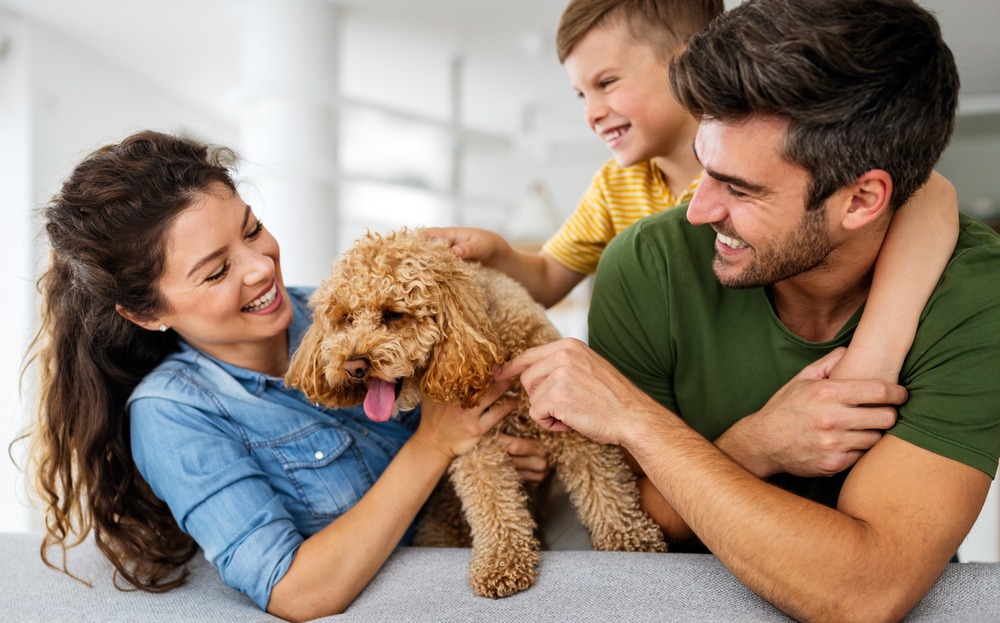
Here’s how to choose a puppy that truly fits your lifestyle, home, and long-term commitments so both you and your dog thrive together.
1. Match Energy Levels to Your Daily Routine
An active breed suits owners who enjoy regular walks, outdoor time, and training sessions, while lower-energy puppies adapt better to relaxed or busy households.
Think honestly about your work hours, exercise habits, and weekends. A mismatch often leads to frustration, boredom behaviours, or rehoming later on.
2. Consider Your Living Space and Environment
Your home setup plays a big role in puppy happiness. Apartments may suit smaller or calmer breeds, while larger homes with yards support active or working dogs.
Noise tolerance, neighbours, and access to parks also matter. The right environment helps prevent stress, anxiety, and behavioural issues as your puppy grows.
3. Factor in Family, Kids, and Other Pets
Some puppies thrive in lively family homes, while others prefer quieter spaces. Consider temperament, patience, and social tolerance, especially if you have young children or existing pets. A puppy suited to your household dynamic will settle faster, bond more easily, and create a safer, more harmonious home.
4. Be Realistic About Grooming and Maintenance
Every puppy needs care, but some require far more time and add more to the monthly cost of owning a dog. Long coats, skin folds, or ongoing grooming needs add commitment.
If your schedule is tight, choose a puppy with manageable upkeep. Planning avoids overwhelm and ensures consistent care throughout your dog’s life.
5. Think Long-Term, Not Just Puppy Cuteness
Puppies grow fast, but their needs evolve over the years. Size, health risks, training demands, and lifespan should all factor into your decision. Choosing with the future in mind helps you commit confidently, provide stability, care, and a loving home well beyond the puppy stage while enjoying the long-term benefits of having a dog.
6. Understand Training Needs and Time Commitment
Every puppy needs training, but some require far more structure, patience, and consistency than others. Intelligent or strong-willed breeds can be incredibly rewarding, yet time-intensive.
Be honest about how much time you can dedicate to training, socialisation, and early obedience training. Consistent guidance early on shapes behaviour, confidence, and long-term wellbeing.
How to Find a Reputable Breeder in Australia
Here’s how to identify reputable breeders in Australia and make sure your puppy comes from ethical, transparent, and welfare-first beginnings you can trust long term.
- Confirm breeder registration and compliance: Reputable breeders are registered with state authorities, follow animal welfare laws, and openly provide breeder numbers, licences, and proof of legal compliance without hesitation.
- Request to meet the puppy’s parents: Ethical breeders allow you to see the mother and, when possible, the father, helping you assess temperament, health traits, and the environment the puppy was raised in.
- Review health testing and veterinary records: Responsible breeders supply vaccination histories, microchip details, worming schedules, and any relevant genetic testing results before discussing payment or collection.
- Assess living conditions and socialisation: Puppies should be raised in clean, safe, and stimulating home environments with regular human interaction, not isolated kennels or overcrowded breeding facilities.
- Notice the breeder’s screening process: A reputable breeder asks questions about your lifestyle, work hours, and experience to ensure their puppies are placed in suitable, long-term homes.
- Avoid pressure selling or rushed decisions: Ethical breeders never rush deposits, encourage visits and welcome the right questions, and prioritise the puppy’s welfare over quick sales or limited-time offers.
- Transparency around pricing and contracts: Reputable breeders are upfront about costs, provide written agreements, and clearly outline health guarantees, return policies, and expectations for responsible ownership.
- Ongoing support beyond the sale: Ethical breeders remain available after purchase, offering advice on training, feeding, and health, and showing genuine interest in the puppy’s wellbeing throughout its life.
How to Adopt a Puppy Safely Through Shelters or Rescues
Here’s how to adopt a puppy through shelters or rescues safely, ethically, and with confidence, while setting yourself and your future dog up for success.
1. Choose Reputable Shelters or Registered Rescue Groups
Start by researching shelters and rescue organisations with a proven track record. Reputable groups operate transparently, follow welfare regulations, and prioritise the long-term wellbeing of their animals. Look for clear adoption processes, proper facilities, and open communication.
A trustworthy rescue will happily explain where their puppies come from, how they are cared for, and what support is available after adoption. This foundation protects you from unethical practices and ensures the puppy’s needs come first.
2. Understand the Adoption Process Before Applying
Most shelters follow structured adoption steps, including applications, interviews, and sometimes home checks. These steps are designed to match puppies with suitable homes, not to discourage adopters.
Take time to read requirements carefully and be honest about your lifestyle, work hours, and experience. Understanding timelines, fees, and expectations upfront helps avoid frustration and ensures you are fully prepared for the responsibility of bringing a puppy home.
3. Ask the Right Questions About Health and Behaviour
Before committing, ask detailed questions about the puppy’s health history, vaccinations, microchipping, and any known behavioural traits. Rescue puppies may come from varied backgrounds, so transparency matters.
A responsible shelter will share veterinary records, temperament assessments, and advice on training or adjustment periods. This information helps you make an informed decision and prepares you to support your puppy through settling in and early development.
4. Prepare for Ongoing Support and Transition Care
Adopting a puppy does not end on collection day. Many reputable rescues offer post-adoption support, training advice, or behaviour guidance to help with the transition. Take advantage of this support, especially in the first few weeks.
Preparing your home, establishing routines, and staying connected with the rescue increases the chance of a smooth adjustment and a successful, long-term adoption for both you and your puppy.
Avoiding Puppy Scams and Puppy Farms in Australia
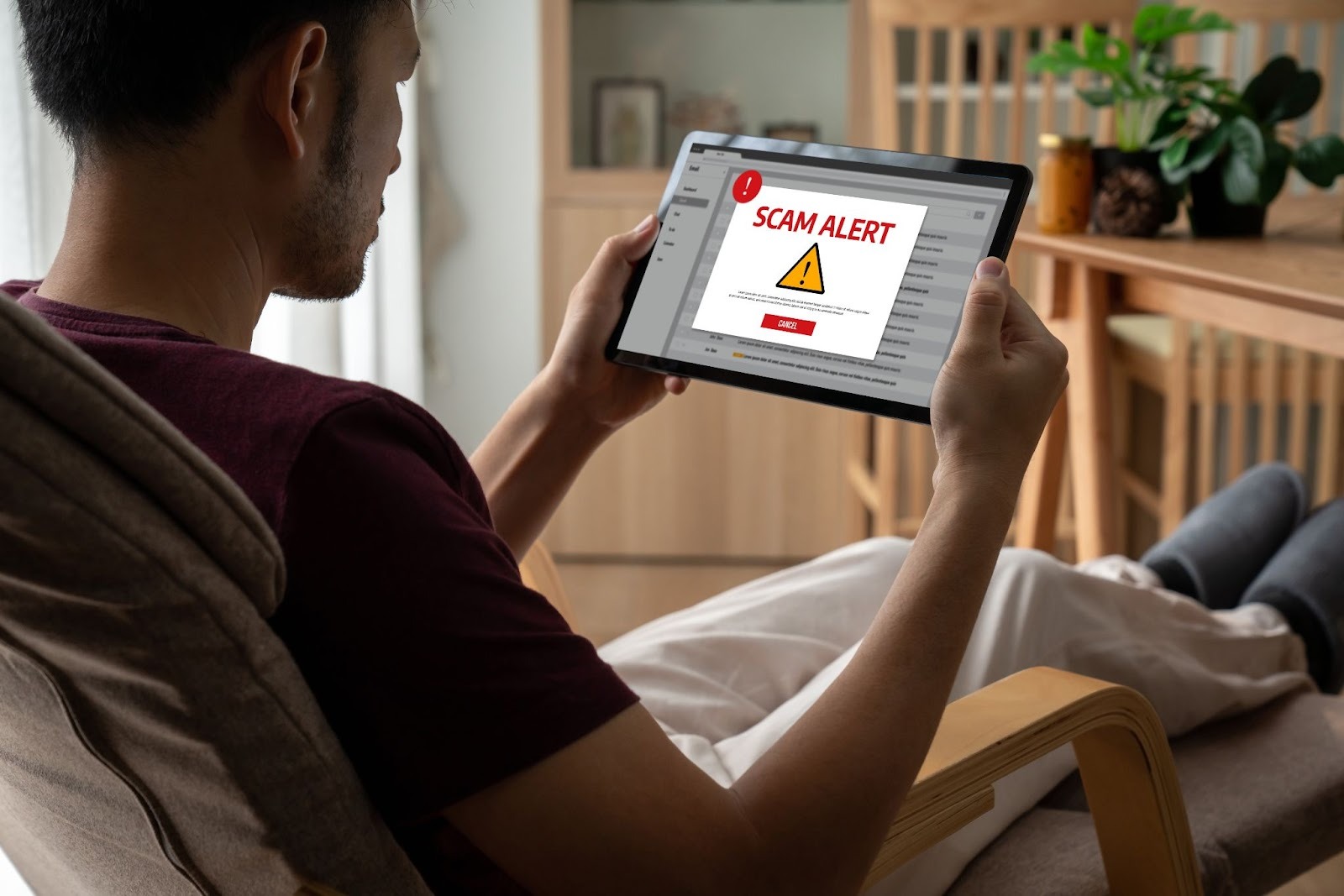
Here are practical ways to avoid puppy scams and puppy farms in Australia, protecting yourself from fraud while safeguarding animal welfare.
- Be cautious of unrealistically low prices: Scammers and puppy farms often use low prices to rush buyers. Quality breeding, health care, and welfare standards always come at a realistic cost.
- Never agree to purchase without seeing the puppy: Legitimate sellers allow in-person visits or live video calls. Refusal often indicates fake listings or large-scale breeding operations.
- Watch for pressure tactics and urgency: Claims of “last puppy available” or demands for immediate deposits are common scam red flags designed to bypass proper checks and decision-making.
- Verify breeder or rescue credentials independently: Always cross-check breeder registration numbers, business details, and reviews through official sources rather than trusting screenshots or messages alone.
- Multiple breeds always available: Listings offering many different breeds at once usually signal large-scale breeding operations focused on volume rather than animal welfare.
- Avoid sellers offering interstate or overseas shipping only: Ethical breeders prioritise welfare and buyer relationships. Shipping-only offers often hide poor conditions or non-existent puppies.
Legal and Safety Requirements When Buying or Adopting a Puppy
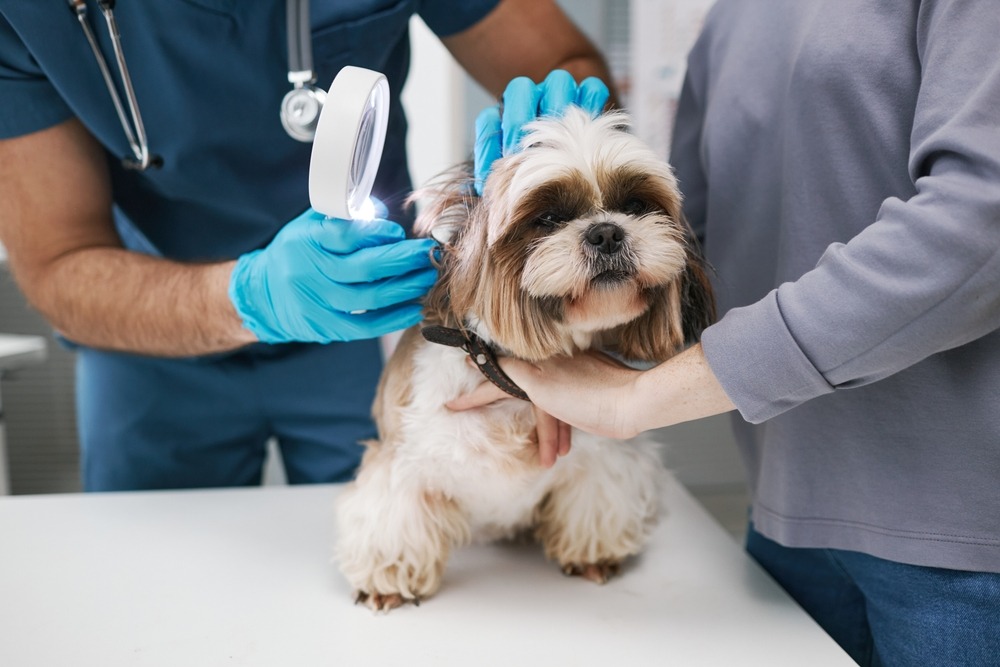
Here’s what you must know about legal and safety requirements when buying or adopting a puppy in Australia to protect yourself and ensure responsible ownership.
1. Microchipping and Owner Identification
In Australia, puppies must be microchipped before being sold or adopted, usually by eight weeks of age. The microchip links the puppy to a registered database and must be transferred into your name after purchase or adoption.
Always confirm the microchip number and paperwork at handover. Proper identification is essential for recovery if your puppy is lost and is a legal requirement in most states.
2. Vaccinations and Veterinary Health Checks
Puppies should receive age-appropriate vaccinations and a basic health check before going to their new home. Sellers or rescues must provide vaccination records showing dates and vet details.
These early vaccinations help protect against serious diseases. You should also arrange a follow-up vet visit soon after bringing your puppy home to confirm health status and continue the puppy vaccination schedule.
3. Minimum Age Requirements for Puppies
Across Australia, puppies must be at least eight weeks old before being sold or adopted. This minimum age supports proper development, socialisation, and weaning.
Puppies removed too early can develop behavioural and health issues later. Always confirm the puppy’s date of birth and be cautious of sellers offering younger pups, as this is a significant red flag.
4. State, Council, and Breed Regulations
Each state and local council has rules covering dog registration, containment, and, in some cases, restricted breeds. Owners are responsible for registering their puppy within a set timeframe.
Before committing, check local regulations to ensure the breed is permitted and understand any additional obligations. This step prevents future legal issues and ensures compliance from day one.
5. Safe Transport and Handover Practices
Safe handover is critical when buying or adopting a puppy. Puppies should be transported in a secure crate or harness and never sent unaccompanied through informal transport arrangements.
Meeting in person allows you to verify health, environment, and paperwork. Responsible sellers and rescues prioritise safe, stress-free transitions over convenience or speed.
6. Ownership Transfer and Documentation
When you take a puppy home, ensure all ownership documentation is completed correctly in case you later need to return the puppy to the breeder. This includes microchip transfer forms, adoption or purchase agreements, and health records. Keep copies of everything for your records.
Clear documentation protects your legal ownership and provides important information for vets, councils, and future travel or relocation needs.
Preparing Your Home Before Bringing a Puppy Home
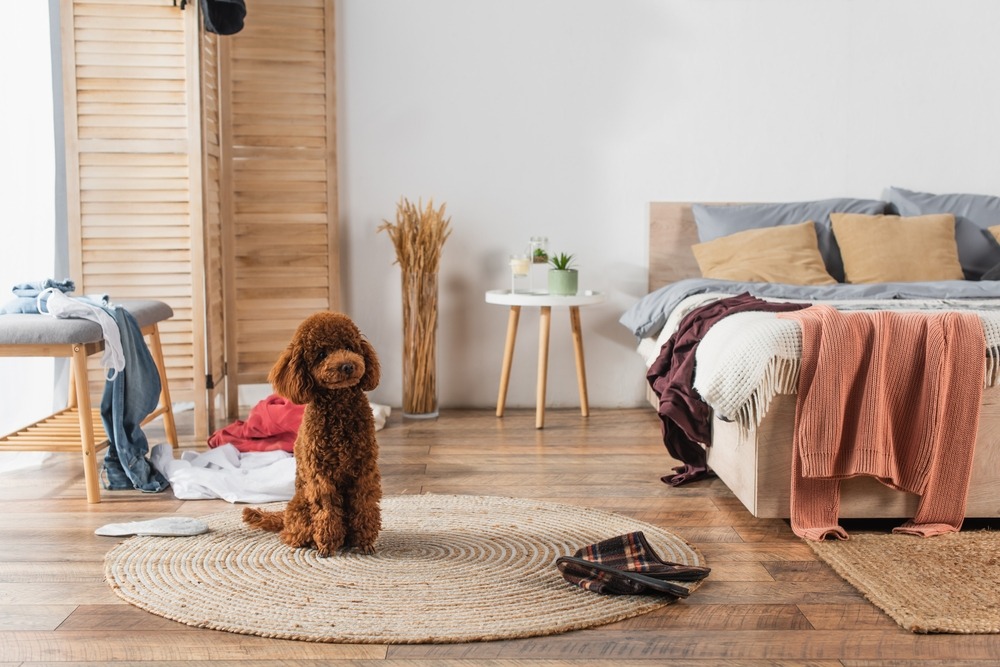
Preparing your home and having the day-one puppy essentials in place before your puppy arrives creates a safe, calm, and structured environment that supports confidence from day one.
1. Puppy-Proof Every Room They Can Access
Before your puppy arrives, remove hazards like loose cords, toxic plants, shoes, and small objects.
Block off unsafe areas using baby gates. A controlled environment reduces accidents, prevents destructive behaviour, and helps your puppy learn boundaries quickly without constant correction or stress.
2. Set Up a Safe Sleeping and Rest Area
Create a quiet, comfortable sleeping space away from heavy foot traffic. Use a crate or bed with familiar textures and warmth. A dedicated rest area helps your puppy feel secure, encourages better sleep routines, and provides a calm retreat when they feel overwhelmed.
3. Prepare Feeding and Water Stations
Establish a consistent feeding area using stable bowls placed away from busy spaces. Routine feeding locations support digestion, reduce stress, and help your puppy understand daily structure from the beginning.
4. Stock Essential Supplies Before Day One
Have food, bowls, lead, collar, bedding, toys, cleaning products, and grooming basics ready before arrival using a puppy supplies checklist. Being prepared avoids rushed decisions and helps maintain consistent routines. Familiar supplies also reduce anxiety and make the transition into your home smoother for your puppy.
5. Secure Your Yard and Outdoor Spaces
Check fencing for gaps, remove sharp objects, and block access to unsafe areas. Puppies are curious and can escape surprisingly small spaces. A secure yard allows safe exploration, supports toilet training, and prevents early negative experiences that could lead to fear or injury.
6. Plan Rules, Routines, and Responsibilities Early
Decide house rules, feeding times, toilet schedules, and training expectations before your puppy arrives.
Consistency between household members is essential. Clear routines help puppies settle faster, reduce confusion, and build confidence during the crucial early adjustment period at home.
What to Expect in the First 30 Days With a Puppy
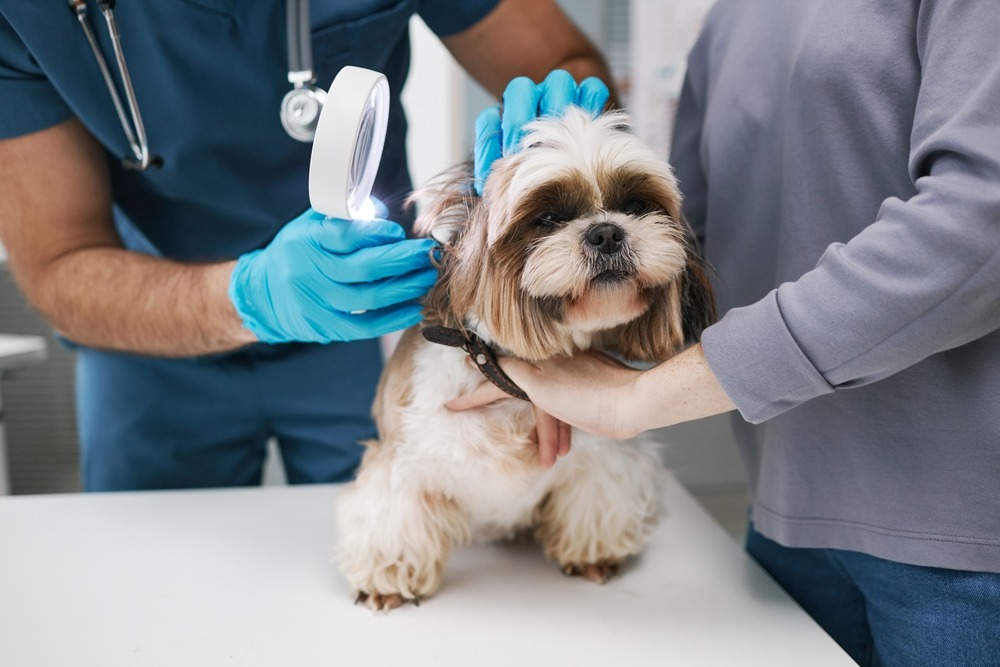
Here’s what the first 30 days with a puppy usually involve; helping you settle routines, build trust, and set strong foundations for long-term behaviour.
- Adjustment and settling-in period: Expect confusion, whining, and disrupted sleep as your puppy adapts. Consistent routines, calm reassurance, and patience help them feel safe and secure.
- Toilet training and accidents: Frequent accidents are normal early on. Regular toilet breaks, positive reinforcement, and supervision accelerate learning while reducing frustration for both puppy and owner.
- Biting, chewing, and teething: Mouthing and chewing are normal behaviours caused by teething and exploration, making supervision, redirection, and appropriate chew toys essential during this stage.
- Early training and boundaries: Basic commands, gentle handling, and boundaries should start immediately. Short, positive sessions build confidence, reinforce good behaviour, and strengthen your bond.
- Socialisation and exposure: Controlled exposure to people, sounds, and environments supports confidence. Always balance early socialisation with vaccination schedules to protect health.
- Vet visits and health monitoring: Expect vet check-ups, follow-up vaccinations, and parasite prevention. Monitoring appetite, energy, and behaviour helps identify issues early and ensures healthy development.
Start Your Puppy Journey the Right Way
Bringing a puppy into your life should feel rewarding, not risky.
When you take the time to understand the legal requirements, spot ethical breeders or rescues, and avoid common scams, you protect both your future pet and yourself.
A safe start sets the foundation for a healthier, happier life together. Whether you choose to buy or adopt, making informed decisions is the key to responsible puppy ownership in Australia.
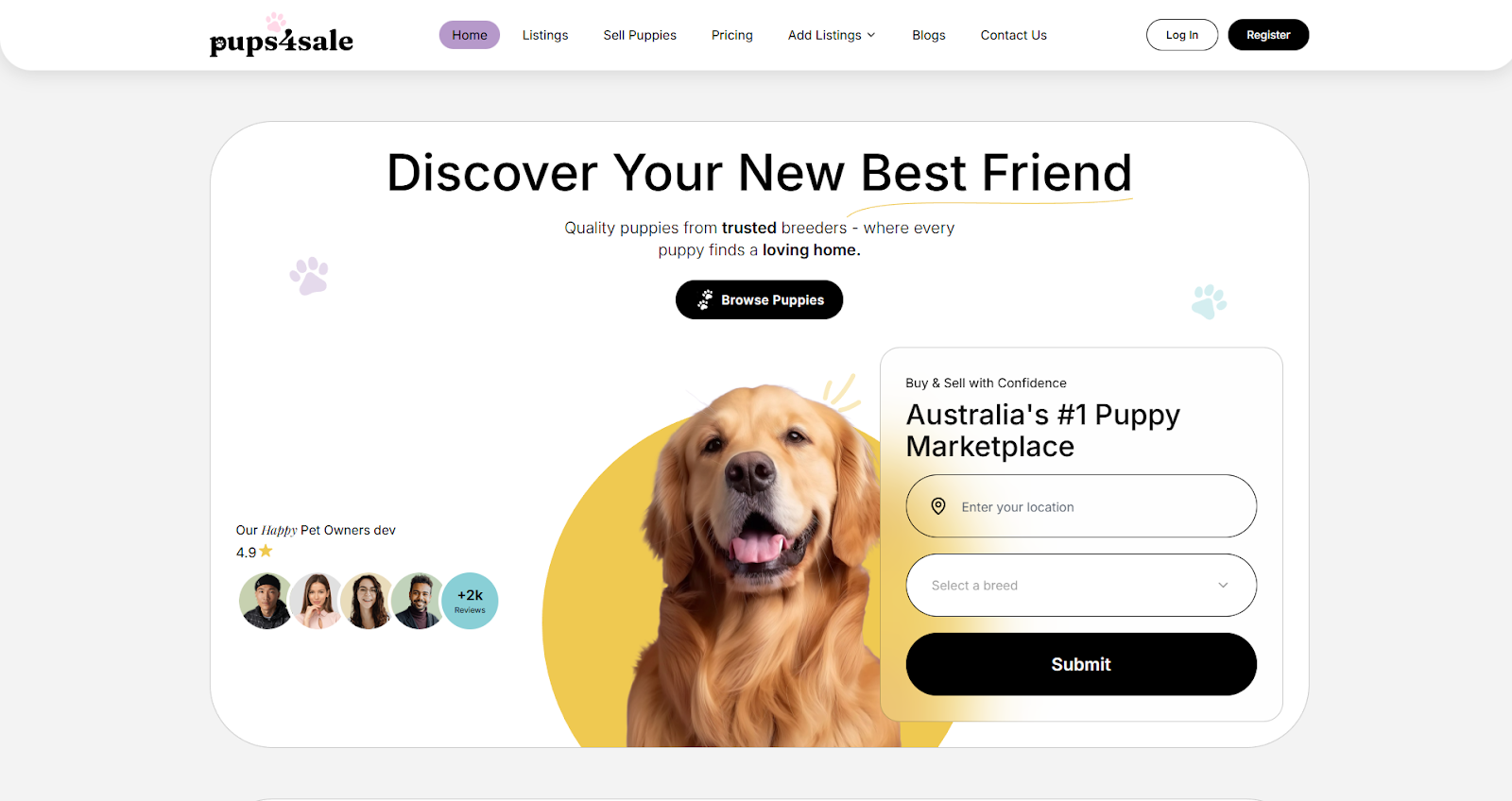
When you are ready to take the next step, Pups4Sale connects you with trusted puppy listings, clear information and the confidence to welcome your puppy home the right way.
FAQs: How to Buy or Adopt a Puppy in Australia Safely
1. Is it safer to buy or adopt a puppy in Australia?
Both options can be safe if done correctly. Buying from an ethical breeder offers more predictability around breed traits, while adopting through a registered rescue supports animal welfare. The key is verifying legitimacy, health checks, and transparency in either pathway.
2. How can I tell if a breeder is reputable in Australia?
A reputable breeder will allow you to see the puppy with its mother, provide health records, answer questions openly, and never rush the sale. Be cautious of sellers who refuse visits, offer delivery only, or avoid sharing documentation.
3. At what age can a puppy be legally sold or adopted in Australia?
In most Australian states, puppies must be at least eight weeks old before being sold or adopted. They should also be microchipped, vaccinated, and health-checked before going to a new home.
4. How do I avoid puppy scams online?
Always meet the puppy in person, verify photos and details, and avoid paying deposits before viewing. Scammers often use stolen images, urgent language, and requests for transport fees upfront. If something feels off, walk away.
5. Are rescue puppies healthy?
Many rescue puppies are well-cared for, especially those placed through foster-based organisations. Reputable rescues provide veterinary checks, vaccinations, and ongoing support, while also being upfront about any known health or behavioural needs.
6. What documents should I receive when buying or adopting a puppy?
You should receive microchip details, vaccination records, health information, and transfer paperwork. Ethical breeders and rescues will clearly explain what each document means and how to update ownership details.
7. Where is the safest place to find puppies in Australia?
The safest places are trusted platforms that verify listings and promote ethical practices. Using a reputable marketplace helps reduce risk and makes it easier to compare options, ask questions, and make an informed decision.
 Add us as a preferred source