Should You Buy a Puppy Without Papers? Pros and Risks
Puppy Buying & Adoption By James C. • February 19, 2026
Deciding whether to buy a puppy without papers is a common question for first time dog owners in Australia. You may have found a puppy that feels right but comes without pedigree documents, which can raise concerns about health, legality, and long term care.
This guide breaks down what buying without papers really means, the potential advantages, and the risks you should weigh carefully. If you are trying to make a responsible, informed choice, this article will help you understand what matters most before committing.
What Does It Mean to Buy a Puppy Without Papers?
When people talk about buying a puppy without papers, they usually mean the puppy does not come with official documentation proving its registered pedigree. This does not automatically mean the puppy is unhealthy or illegally bred, but it does remove a layer of traceability. Understanding what papers are, and why some puppies are sold without them, helps you assess whether this situation aligns with responsible puppy buying and adoption practices on Pups4Sale.
What “Papers” Actually Refer To
Puppy papers typically refer to pedigree registration documents issued by recognised kennel bodies. These papers confirm a puppy’s breed lineage, breeder registration, and ancestry. They are not health certificates, but they help verify breeding history and adherence to certain breeding standards.
Common Reasons Puppies Are Sold Without Papers
Some puppies are sold without papers due to accidental litters, unregistered breeders, or owners choosing not to register a litter to reduce costs. In other cases, sellers may avoid paperwork intentionally, which is why buyers should always ask clear questions before they buy a puppy without papers.
Is It Legal to Buy a Puppy Without Papers in Australia?

In Australia, it is generally legal to buy a puppy without papers, but legality and responsible breeding are not the same thing. Puppy papers are not required by law for ownership, yet there are still strict legal obligations that apply to anyone selling or buying a puppy. Understanding this distinction helps you avoid assuming that “no papers” automatically means illegal, while still recognising where risks may exist.
Legal vs Ethical Differences
From a legal perspective, papers are optional. From an ethical standpoint, reputable breeders usually provide them to show transparency and accountability. Ethical concerns arise when a lack of papers is used to hide poor breeding practices or avoid scrutiny.
What the Law Still Requires From Sellers
Even without papers, sellers must meet legal requirements. Puppies must be microchipped, vaccinated, and old enough to be sold under Australia’s dog breeding requirements. Breeder identification numbers and accurate health disclosures are still required in many states. If you are following responsible puppy buying and adoption practices, these legal checks matter more than pedigree papers alone.
Pros of Buying a Puppy Without Papers
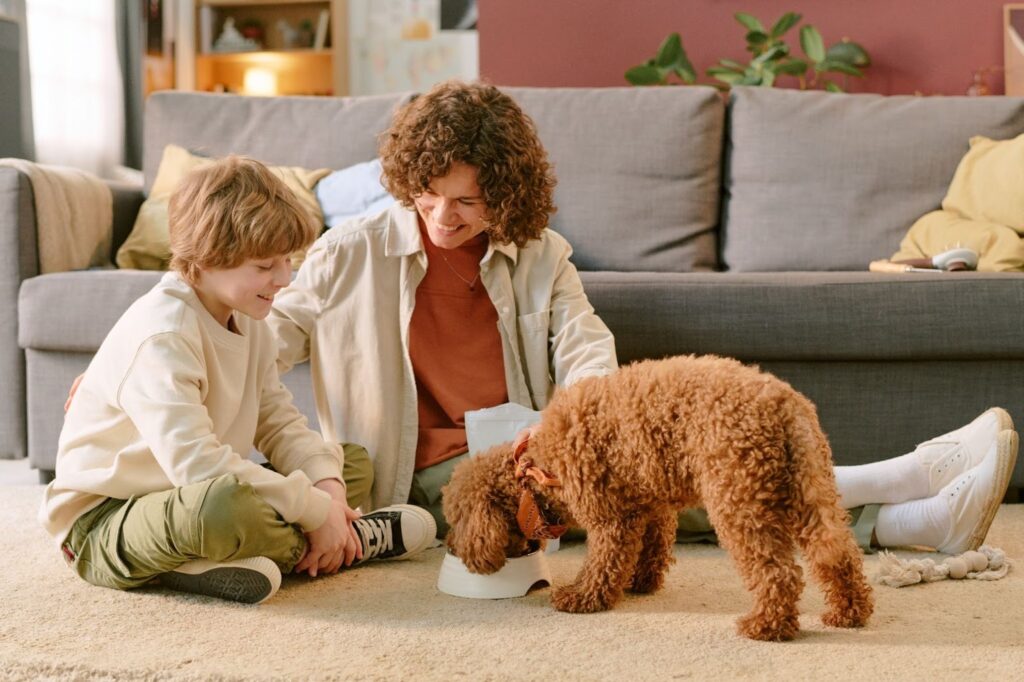
For some buyers, choosing to buy a puppy without papers can be a practical and reasonable decision. While pedigree documentation has its place, it is not always essential for a happy, healthy companion dog. The key is understanding what you are gaining and what you are giving up.
- Lower upfront cost: Puppies sold without papers are often more affordable, as breeders do not factor in registration fees or pedigree administration. This can allow buyers to redirect funds towards vaccinations, desexing, training, and quality nutrition.
- Ideal for companion homes: If you are not planning to breed or show your dog, papers may not impact daily life at all. Many families simply want a loving pet, and a puppy without papers can still meet those needs perfectly.
- Wider choice of puppies: Buying without papers often means access to mixed breed or companion focused litters. These puppies are commonly raised for temperament and suitability for family life rather than strict breed standards.
- Less emphasis on pedigree, more on suitability: Without paperwork influencing the decision, buyers may focus more on health, behaviour, and lifestyle fit. This can lead to better long term matches between puppies and their owners when care and socialisation are prioritised.
Risks of Buying a Puppy Without Papers
While there are situations where it can make sense to buy a puppy without papers, it is important to understand the risks involved. A lack of documentation can make it harder to verify a puppy’s background, health history, and breeding conditions. These risks do not always apply, but they are common enough that buyers should proceed carefully.
- No verified lineage or breeding history: Without papers, there is no formal record of the puppy’s parents or ancestry. This makes it difficult to predict adult size, temperament, or breed specific health concerns, especially if the puppy is marketed as a purebred.
- Higher risk of unethical breeding: Puppies sold without papers are more likely to come from backyard breeders or unregulated breeding setups. In some cases, the lack of documentation is used to avoid scrutiny around living conditions, overbreeding, or poor animal welfare.
- Limited health transparency: Responsible breeders usually track genetic conditions and health testing across generations. When you buy a puppy without papers, you may not have access to this information, which can increase the risk of inherited health issues later in life.
- Reduced buyer protection: If problems arise after purchase, it can be harder to resolve disputes without written proof of breeding standards, health guarantees, or breeder accountability. This is especially important when trying to buy a puppy online safely.
- Future limitations: Some insurers, councils, and housing providers apply breed related rules that rely on documentation. Without papers, you may face challenges with insurance coverage, breed identification, or resale if circumstances change.
Understanding these risks does not mean ruling out a puppy without papers entirely. It means taking extra steps to verify health, legality, and seller credibility before making a commitment.
How to Safely Buy a Puppy Without Papers
If you decide to buy a puppy without papers, the process requires more care and personal responsibility. Without official documentation, you are relying on the seller’s transparency and your own judgement. Taking the time to verify health, living conditions, and seller credibility can significantly reduce the risks associated with paperless puppies.
[Suggested image: Puppy buyer meeting a breeder at home in a calm environment]
Start by asking for clear evidence of basic health care. Vaccination records, microchipping details, and worming schedules should be available even if pedigree papers are not. A responsible seller will have no issue sharing veterinary information and explaining what care the puppy has already received.
Where possible, always meet the puppy in person. Seeing the environment firsthand helps you assess how the puppy has been raised, socialised, and handled. Clean surroundings, relaxed behaviour, and interaction with people are strong indicators of responsible care.
It is also important to ask direct questions about the puppy’s parents. Even without papers, the seller should know the parents’ breeds, temperaments, and any known health concerns. Unclear or evasive answers often signal poor breeding practices.
Finally, trust your instincts and avoid pressure. Sellers who rush decisions, refuse visits, or offer prices that seem unusually low should be approached with caution, as these are common ways to spot a puppy scam. Choosing reputable platforms that promote transparent listings can help you make a safer, more informed decision.
Is Buying a Puppy Without Papers Right for You?
Whether you should buy a puppy without papers depends largely on your expectations, lifestyle, and long-term plans. For some owners, pedigree documentation is essential. For others, it has little impact on the relationship they build with their dog. Being honest about what you need from a puppy helps guide the right decision, and for some families that means weighing puppy adoption vs buying altogether.
If your priority is companionship, temperament, and fitting a dog into family life, papers may not be critical, because the everyday benefits of having a dog do not depend on pedigree. Many paperless puppies grow into healthy, well-balanced dogs when raised in supportive homes. In these cases, responsible ownership, training, and veterinary care matter far more than formal documentation.
However, if you want predictability around size, appearance, or breed-specific traits, papers provide useful reassurance. They can also be important if you plan to insure your dog, manage pet care costs, rent housing with breed restrictions, or participate in breeding or showing in the future.
Ultimately, the decision comes down to risk tolerance and due diligence. Buying without papers is not inherently wrong, but it places more responsibility on you as the buyer. Taking time to assess the seller, verify health care, and consider long term implications will help you decide whether this option suits your situation.
Making the Right Choice for You and Your Puppy
Deciding whether to buy a puppy without papers is about weighing reassurance against responsibility.
While documentation can provide clarity, a puppy’s health, care, and suitability matter far more in everyday life. By asking the right questions and choosing transparent sellers through Pups4Sale, you put yourself in a stronger position to bring home a puppy with confidence and peace of mind.
FAQs About Buying a Puppy Without Papers
1. Is it risky to buy a puppy without papers?
Buying a puppy without papers can carry more risk because there is no formal record of lineage or breeding standards. This does not mean the puppy will be unhealthy, but it does place more responsibility on you to verify health care, living conditions, and the credibility of the seller.
2. Can a puppy without papers still be healthy?
Yes, a puppy without papers can be just as healthy as a registered one. Health depends more on responsible breeding, early care, vaccinations, and socialisation than on documentation. Veterinary records and observable behaviour are often better indicators than papers alone.
3. Does buying without papers support unethical breeding?
Not always, but it can if buyers are not careful. Some ethical sellers have unregistered litters, while others may avoid paperwork to hide poor practices. Asking questions and refusing rushed or secretive sales helps prevent supporting unethical breeding.
4. Can I insure a puppy without papers in Australia?
Many insurers will cover puppies without papers, but some may apply restrictions or require a veterinary assessment. Coverage can vary depending on the breed, or perceived breed, and the insurer’s policies, so it is important to check terms before committing.
5. Can papers be added later if I buy a puppy without them?
In most cases, papers cannot be added after purchase unless the breeder is registered and the litter was eligible for registration. If documentation matters to you, it is best to confirm this before deciding to buy a puppy without papers.
 Add us as a preferred source