
Benefits of Having a Dog: Health, Happiness and Lifestyle Gains
Dog Ownership & Lifestyle By James C. • February 6, 2026
Bringing a dog into your life is about far more than gaining a loyal companion.
For many people, dog ownership quietly reshapes daily routines, emotional wellbeing, and long-term health in ways they do not fully expect at the start. From the moment a dog becomes part of your household, your time, habits, and priorities begin to shift.
Research consistently shows that dogs can support mental health, encourage physical activity, reduce loneliness, and strengthen social connection. These benefits are not limited to one stage of life.
They extend across families, working adults, and older people alike. While caring for a dog requires commitment, the rewards often reach well beyond companionship.
This article breaks down the health, happiness, and lifestyle gains of having a dog, helping you understand how a canine companion can positively influence both everyday life and long-term wellbeing.
How Having a Dog Changes Your Daily Life
Owning a dog brings immediate and lasting changes to how your days are structured. Dogs thrive on routine, and in meeting their needs, many owners naturally develop more consistent daily habits. Feeding times, walks, play, and rest become predictable anchors in the day, creating structure that many people find grounding rather than restrictive.
One of the biggest shifts is accountability. Dogs rely on you regardless of weather, mood, or schedule. This responsibility encourages regular movement, earlier mornings, and more time spent outdoors. Over time, these small daily commitments often translate into healthier personal routines, including improved sleep patterns and reduced sedentary behaviour.
Lifestyle adjustments are part of the experience. Spontaneous plans require more thought, holidays need planning, and evenings out may be shorter or less frequent. While this can feel limiting at first, many owners find that their priorities change. Time at home becomes more meaningful, routines feel purposeful, and daily life gains a stronger sense of rhythm and balance.
Benefits of Having a Dog: How Dogs Improve Your Health, Happiness, and Life
1. Mental and Emotional Health Benefits of Having a Dog

Dogs provide more than companionship. They offer emotional support, comfort, and a sense of purpose that can significantly improve mental wellbeing. One of the most important benefits is the reduction of loneliness and social isolation. Dogs are always present, providing unconditional love and companionship, which can be especially valuable for people who live alone or experience limited social interaction.
Interacting with a dog helps reduce stress, anxiety, and symptoms of depression. Petting, playing, or simply spending time with a dog has been shown to lower cortisol levels, slow heart rate, and create a calming effect, helping owners manage daily pressures more effectively. Dogs also provide a consistent emotional presence during challenging life events such as grief, trauma, or illness.
Having a dog encourages structure and routine, which contributes to emotional stability. Regular walks, feeding schedules, and playtime create predictability and purpose in daily life. These small but consistent routines can boost confidence, promote resilience, and improve overall mood.
For families and children, dogs also teach empathy, patience, and responsibility, helping build social and emotional skills from a young age. In older adults, the companionship of a dog can reduce feelings of isolation, improve mood, and enhance quality of life, supporting both mental and emotional health.
2. Physical Health Benefits of Having a Dog
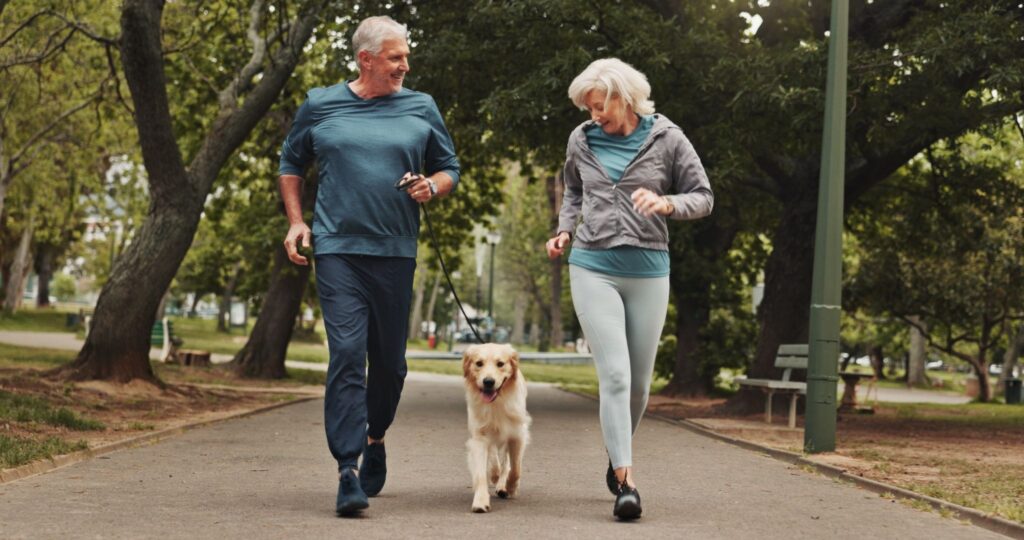
Owning a dog does more than provide companionship, it directly improves your physical health. One of the clearest benefits is increased daily activity. Dogs need regular walks, playtime, and exercise, which naturally encourages owners to move. Studies show that dog owners are significantly more likely to meet recommended exercise guidelines, helping maintain a healthy weight, improve cardiovascular fitness, and strengthen muscles.
Interacting with a dog also reduces stress and lowers blood pressure, thanks to the calming effect of petting and spending time with a furry companion. Regular walks and play combined with this stress reduction contribute to better heart health and overall longevity.
Dogs also promote healthier daily routines. Caring for a dog; feeding, walking, and monitoring their wellbeing, creates structure and consistency. This routine encourages owners to get outdoors, maintain regular activity, and stay accountable to their own health, often without even noticing.
For older adults, dog ownership can be particularly beneficial. Regular walks and engagement with a pet help maintain mobility, prevent muscle loss, and support balance, contributing to safer, more active ageing.
3. Social Benefits of Owning a Dog

Owning a dog can have a major impact on your social life. Dogs naturally encourage interaction with other people, making it easier to meet new friends and build community connections. Regular walks, trips to the park, obedience classes, or dog-friendly events provide opportunities for casual conversation and meaningful social engagement.
Dogs act as natural icebreakers, helping owners approach and be approached by strangers in a relaxed way. This can be particularly valuable for people who may feel shy or isolated. Simply having a dog by your side can increase your social confidence and make interactions feel more natural and enjoyable.
In addition to facilitating new friendships, dogs strengthen existing social bonds. Sharing pet care tips, arranging dog playdates, or participating in group training sessions fosters a sense of community and shared experience. For many owners, these interactions become a key part of their social life, enriching their daily routine and emotional wellbeing.
4. Cognitive and Personal Development Benefits

Dogs not only provide companionship and social opportunities, they also encourage personal growth and skill development. Caring for a dog teaches responsibility, patience, and consistency, which are transferable to other areas of life. Daily routines, training, and problem-solving during care foster practical life skills for adults and children alike.
For children, growing up with a dog can improve empathy, emotional intelligence, and understanding of responsibility. Assigning age-appropriate tasks such as feeding, basic grooming tasks, or helping with walks encourages accountability and reinforces lessons about caring for another living being.
Adults also benefit cognitively and emotionally. Dogs create opportunities for mindfulness and focus, whether through training exercises, walks, or interactive play. Owners often find that these activities reduce rumination and increase presence in the moment, which can support stress management and cognitive clarity.
Additionally, caring for a dog encourages problem-solving skills. Addressing behavioural challenges, planning for travel or daily care, and finding solutions for enrichment activities develops critical thinking and organizational skills, all while deepening the bond between owner and pet.
5. Benefits of Having a Dog for Older Adults
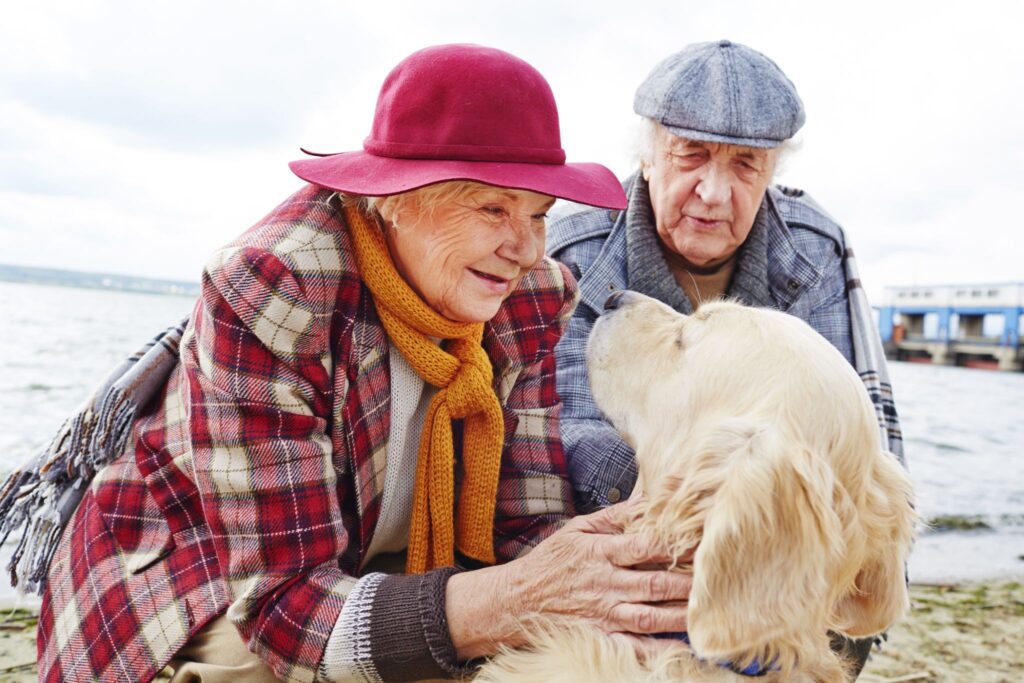
Dogs provide significant support for older adults, both physically and emotionally. Regular interaction with a dog encourages movement and exercise, helping maintain mobility, balance, and overall fitness. Daily walks and playtime become natural ways to stay active, supporting healthier ageing and reducing the risk of sedentary-related health issues.
Companionship from a dog also helps reduce feelings of loneliness and social isolation, which are common concerns among seniors. A dog offers consistent emotional support and encourages social interaction, whether through walks in the neighbourhood, visits to dog-friendly spaces, or conversations with fellow dog owners.
In addition to physical and social benefits, dogs can support mental health in older adults. Caring for a dog creates routine and purpose, which can reduce stress, anxiety, and depressive symptoms. Studies show that older adults with pets often report higher overall life satisfaction and improved emotional wellbeing.
For seniors managing chronic conditions, a dog can provide both motivation and comfort. Their presence helps owners adhere to daily routines, maintain physical activity, and experience positive emotional reinforcement, which can improve recovery and quality of life.
The Science Behind the Human–Dog Bond

The connection between humans and dogs goes beyond affection; it is biologically and psychologically significant. Interacting with a dog has been shown to increase oxytocin levels, often called the “love hormone,” which promotes bonding, trust, and emotional wellbeing. Eye contact, petting, and play all contribute to this hormonal response, strengthening the human–dog relationship.
Dogs also influence stress regulation. Spending time with a dog can lower cortisol levels, slow heart rate, and reduce blood pressure, creating a calming effect that supports mental and physical health.
Beyond physiology, dogs provide emotional and cognitive benefits. Their companionship encourages mindfulness, emotional awareness, and routine adherence. These benefits enhance focus, reduce anxiety, and contribute to a sense of purpose, particularly when daily life may feel stressful or isolating.
Understanding the science behind this bond highlights why dogs are more than pets. Their presence supports a holistic approach to wellbeing, improving mood, health, social interaction, and overall quality of life for owners of all ages.
Are the Benefits of Having a Dog Right for You?
Owning a dog is a lifelong commitment, and it is important to consider whether your lifestyle aligns with the responsibilities of dog ownership. Dogs require time, attention, and consistent care, including feeding, walking, training, and regular veterinary visits. Without this commitment, both you and your dog may struggle to thrive.
You should also consider financial responsibilities. Dogs require food, healthcare, grooming, and other pet care costs, which can add up over time. Planning ahead ensures you can provide a stable, safe, and enriching environment.
Lifestyle compatibility is another key factor. Dogs need daily interaction and stimulation, so those who travel frequently, work long hours, or live in highly restrictive spaces need to make arrangements for care, exercise, and companionship. This may include dog walkers, pet sitters, or socialisation with other dogs.
Finally, it is essential to assess your personal readiness, whether puppy adoption or buying suits you best, and your long-term commitment. Dogs live for many years and rely on their owners for emotional support, routine, and structure. Ensuring that you are ready for these responsibilities helps provide the dog with a happy, secure life while allowing you to fully enjoy the benefits of dog ownership.
Conclusion – Why the Benefits of Having a Dog Extend Beyond Companionship
Having a dog enriches life in countless ways.
Beyond companionship, dogs support mental health, encourage physical activity, and strengthen social connections. They bring routine, purpose, and emotional stability into daily life, helping owners of all ages feel more connected and fulfilled.
The benefits of having a dog are both immediate and long-term.
From reducing stress and loneliness to teaching responsibility and improving overall wellbeing, dogs offer unconditional love and positive lifestyle changes that can last a lifetime.
If you are considering adding a canine companion to your life, take time to prepare and understand their needs before buying or adopting a puppy.
A dog can truly transform your life, creating healthier, happier, and more meaningful days for both you and your furry friend.
Frequently Asked Questions
1. Are dogs good for your mental health?
Yes. Dogs provide companionship, emotional support, and routine, all of which can help reduce stress, anxiety, and feelings of loneliness. Spending time with a dog has been shown to boost mood and overall emotional well-being.
2. Do dogs really improve physical health?
Absolutely. Dog owners are more likely to meet daily exercise goals through walks and play. Interacting with a dog can lower blood pressure, improve cardiovascular health, and support long-term fitness.
3. Is having a dog beneficial for children?
Yes. Children who grow up with dogs often develop empathy, patience, responsibility, and social skills. Dogs also provide comfort and teach kids about care, boundaries, and routine.
4. Can owning a dog help reduce loneliness?
Definitely. Dogs offer unconditional companionship, which is particularly valuable for people who live alone or have limited social interaction. Their presence can reduce feelings of isolation and provide emotional support.
5. What should I consider before getting a dog?
Consider time commitment, lifestyle, finances, space, and long-term responsibilities. Dogs require consistent care, exercise, and attention. Being prepared ensures you can provide a happy, healthy environment for your dog.
 Add us as a preferred source