Getting a Second Dog: Same Sex or Opposite Sex?
Dog Ownership & Lifestyle By James C. • November 16, 2026
When you are choosing a second dog, same sex or opposite sex does matter, and an opposite-sex pair is usually the easiest match. Even so, temperament, desexing and the age gap between your dogs often decide success more than sex alone.
Two females are the pairing most often linked to serious disputes, while two males can live together happily with the right setup.
Below, we compare each pairing, explain the factors that outweigh sex, and walk through a calm, safe introduction for an Australian home.
Is a Same Sex or Opposite Sex Second Dog Better?
For most households, a desexed male and female pair is the safest starting point for a second dog. Many vets and behaviourists lean this way because opposite-sex dogs tend to compete less over the same things.
Opposite-sex dogs almost always do best together, according to Quakers Hill Veterinary Hospital in Sydney, while two females are more likely than two males to fight seriously.
That does not make same-sex pairs a mistake. Plenty of Australian homes have two calm, well-matched males or two easy-going females that share a house for years without trouble.
What sex really does is shift the odds. Same-sex dogs, especially when they are similar in age, size and confidence, are more likely to compete over food, toys, resting spots and your attention.
The sensible approach is to treat sex as one factor in a wider match. If your current dog is relaxed with dogs of both sexes, you have more freedom. If your dog is pushy, anxious or selective with same-sex dogs at the park, an opposite-sex companion is usually the wiser choice.
Second Dog Pairings Compared
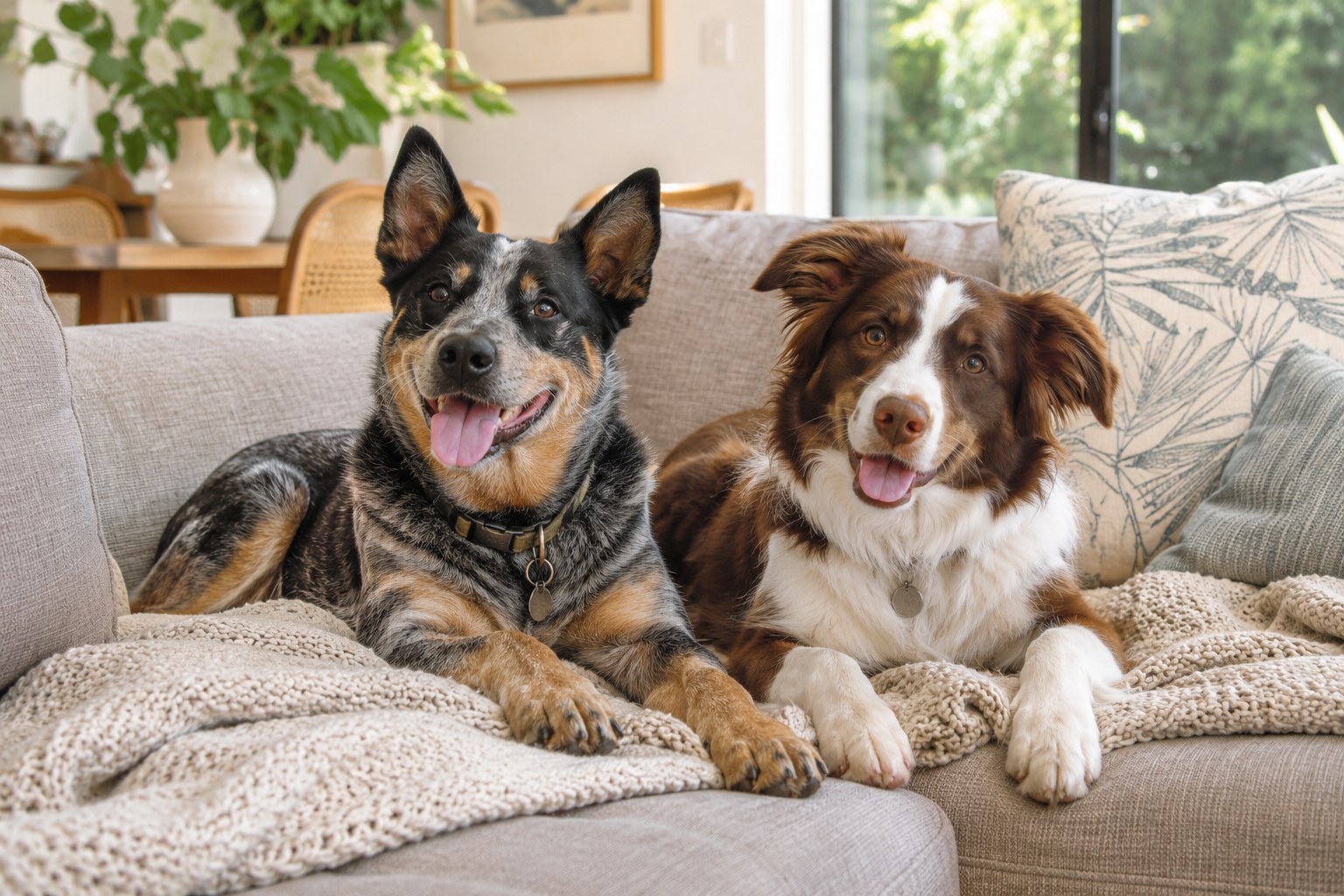
Male and female pairs usually have the least friction, two males often do well with an age gap, and two females need the most careful matching.
| Pairing | Typical dynamic | Common friction | What helps |
|---|---|---|---|
| Male and female | Often relaxed, with less direct competition | Unplanned litters if either dog is entire | Desex both dogs and match energy levels |
| Two males | Playful companions, sometimes with rough play | Guarding toys, food and favourite spots | An age gap, desexing and separate resources |
| Two females | Can bond closely but may fall out seriously | Less frequent but more intense disputes that can recur | Careful temperament matching and supervision |
Male and Female
A male and female pairing is often the smoothest because the dogs are less likely to compete head to head. Both dogs should be desexed, since one entire dog in the pair can still lead to an unplanned litter or hormone-driven tension.
Two Males
Two males can make excellent companions, especially when there is a clear age gap and both dogs are desexed. Watch for guarding of toys, chews and favourite resting spots, and give each dog his own bed and bowl from the first day.
Two Females
Two females often live together peacefully, but when disputes do happen they can be more serious and harder to settle. Temperament matching matters most here, so let your current female meet the new dog several times before you commit.
Factors That Matter More Than Sex
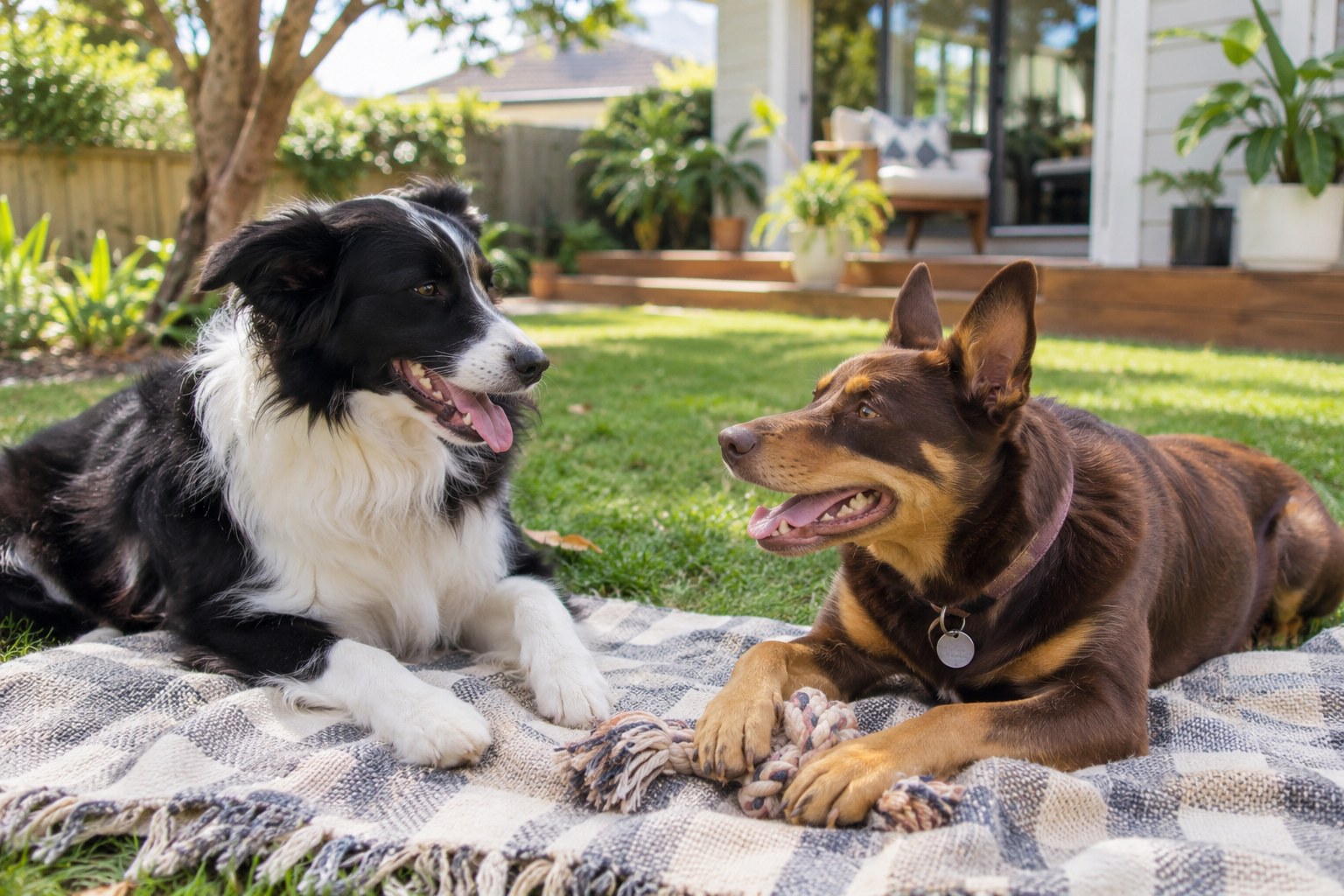
Temperament, energy, age gap, desexing and size usually predict how well two dogs get along better than sex does. Use these points to shortlist a second dog before deciding on male or female.
Temperament and Energy Level
Match play style and energy first. A confident, friendly resident dog paired with a calm newcomer is a strong combination. If you are choosing a puppy, reading puppy temperament at eight weeks helps you avoid a pup that is far pushier than your current dog.
Age Gap
A gap of several years often works well, because an adult dog is settled and a younger dog brings fresh energy. The Quakers Hill article suggests waiting at least two years between dogs, and notes that dogs close in age may grow old together, doubling care and vet bills at once.
Desexing
Desexing reduces hormone-driven competition and removes the risk of unplanned litters, although it is not a guaranteed fix for personality clashes. Talk to your vet about desexing both dogs at the right age for their breed and size.
Size and Breed
Large size differences can make rough play risky for the smaller dog. Some guarding breeds may be prone to tension with dogs of the same sex, so ask the breeder or rescue how the dog behaves with other dogs before you choose.
Should Your Second Dog Be a Puppy or an Adult?
A puppy suits a household with a tolerant adult dog, while an adult second dog suits owners who want to know a dog’s social history first. Both can work well.
A puppy grows up learning your routines and your first dog’s signals. The trade-off is training time, and a senior dog may find a boisterous puppy tiring, so give the older dog quiet spaces away from the pup.
An adult dog offers more certainty. Choosing an adult rescue dog with a known history around other dogs lets you see how it behaves with dogs before it joins your family, and many rescues will arrange a meeting with your current dog.
Two puppies from the same litter are usually discouraged. Littermates can bond so closely that they struggle to cope apart, focus less on their people and become harder to train. This pattern is often called littermate syndrome, and while it is not inevitable, it means separate training, walks and socialisation for each pup.
If you still want two puppies, plan daily one-on-one time with each and ask a qualified trainer for early guidance.
How to Introduce a Second Dog Safely
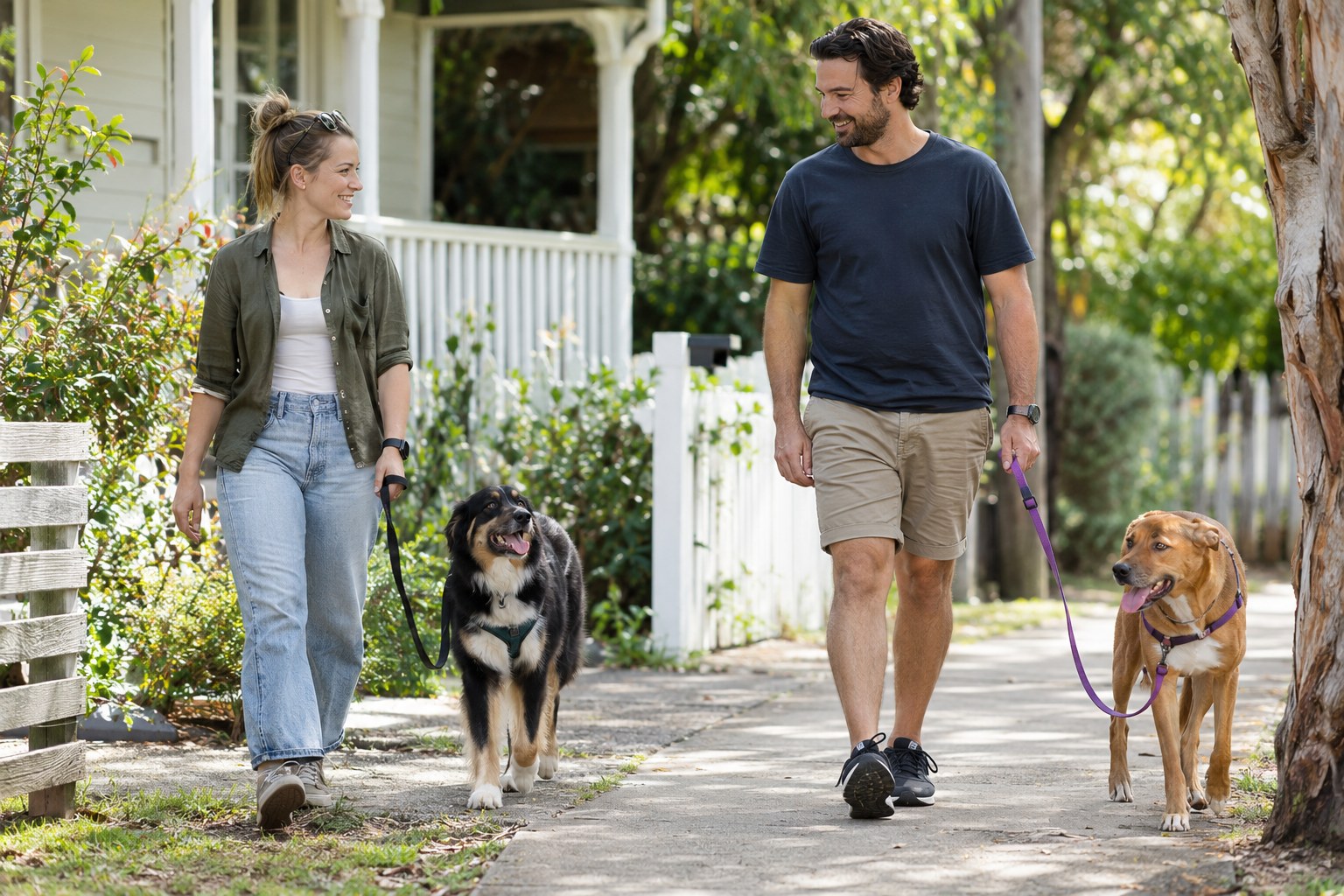
Introduce a second dog gradually, starting on neutral ground with both dogs on leads and short, supervised sessions. The RSPCA’s advice on introducing a new dog to an existing dog follows the same slow, step by step approach.
- Meet before you commit. Take your current dog to meet the prospective dog, and repeat the meeting if you can.
- Choose neutral ground. A park or quiet street works better than your yard, with a different person handling each dog on lead.
- Walk side by side. Parallel walks at a comfortable distance let the dogs get used to each other without face-to-face pressure.
- Swap scents at home. Let the new dog explore while your current dog is out walking, then swap.
- Separate feeding and resting areas. Give each dog its own bed and separate food and water bowls, and put chews and high-value toys away.
- Keep sessions short and supervised. Build up time together gradually, and separate the dogs when you go out for the first few weeks.
Most pairs settle within a few weeks, but some take longer. Let progress follow the more cautious dog, not the keener one.
Signs the Pairing Is Not Working
Repeated guarding, stiff body language and any fight that causes injury are signs to slow down and get professional help. Short spats with no injury are common while dogs work out their boundaries.
Not every grumble is a problem. Growling is normal communication between dogs and often prevents conflict rather than causing it, so avoid punishing it.
Watch for these patterns over days or weeks rather than reacting to single moments:
- One dog guarding food, toys, doorways or you
- Hard staring, freezing or a stiff, upright posture
- One dog constantly avoiding or hiding from the other
- Fights that escalate, recur or leave punctures
If you notice these, keep the dogs apart when you cannot supervise and book a vet check, since pain can make a dog less tolerant. Your vet can then refer you to a veterinary behaviourist or qualified trainer.
Never reach between fighting dogs with your hands, as even gentle dogs can bite in the moment. Keeping a short diary of when tension happens helps a professional spot triggers quickly. Early help usually makes a calm outcome far more likely.
Is a Second Dog Right for Your Household?
A second dog suits households with the time, space, budget and council approval to care for two dogs well. It is a long commitment, not a quick fix.
Budget comes first. Food, vet care, parasite prevention, insurance and grooming all roughly double, so work out the monthly cost of a second dog in Australia before you commit.
Check your council rules too, as limits vary by council and property type. In Brisbane, for example, you can keep up to two dogs, but a council permit is needed for more than two dogs. Renters should also confirm their lease allows a second pet.
Space matters as well, since each dog needs its own bed, a quiet retreat and enough room to move apart.
Finally, be honest about why you want another dog. A companion can help a dog that enjoys canine company, but RSPCA Queensland’s separation distress advice cautions that another pet may not ease separation-related behaviour, and you could end up with two dogs struggling. Work on your current dog’s training first.
Choosing the Right Second Dog
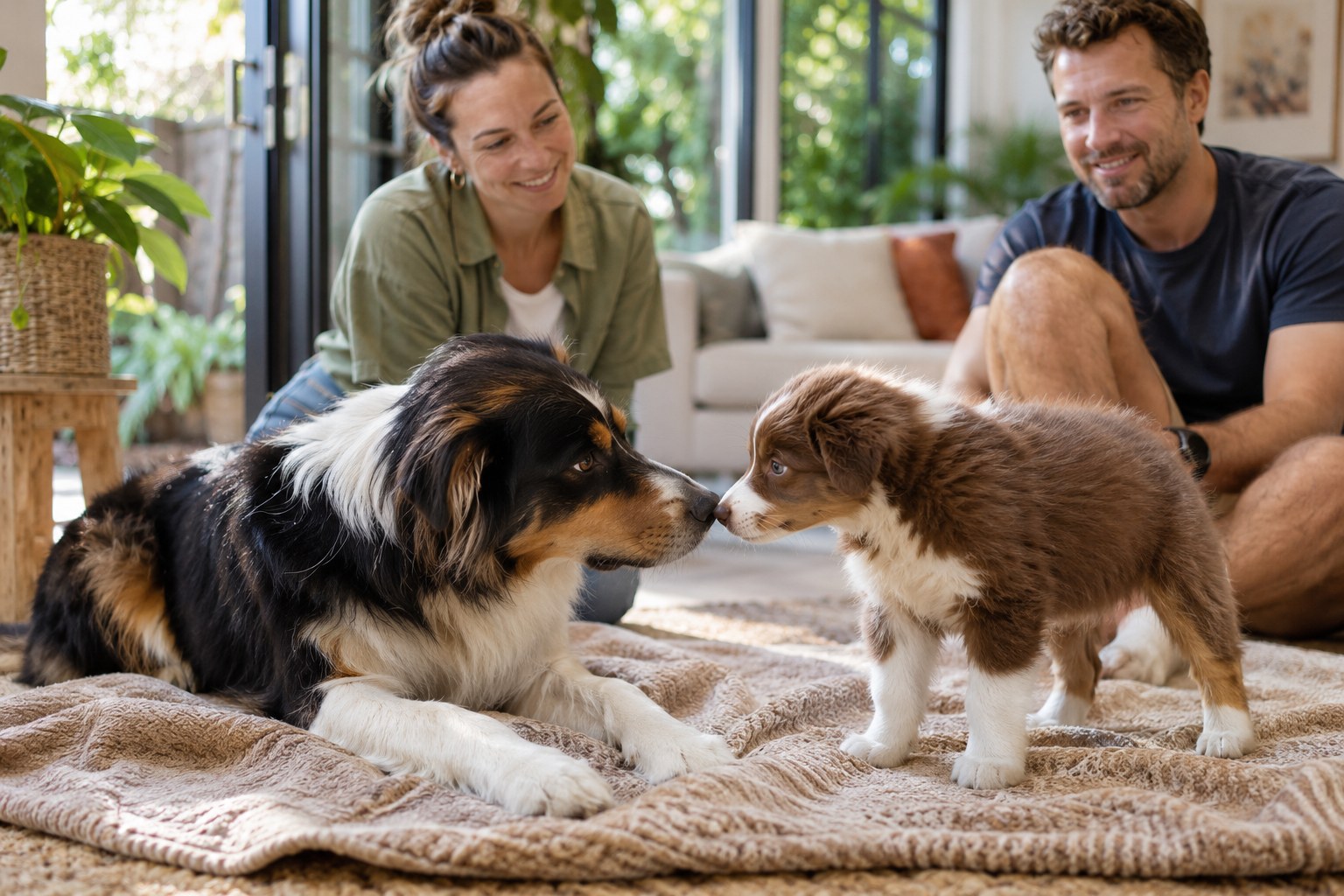
An opposite-sex, desexed pair is usually the easiest place to start, but sex is only part of the picture.
Temperament, energy, age gap and a slow, supervised introduction decide whether two dogs truly settle together.
When you are ready, browse puppies for sale from Australian breeders and ask each breeder how their puppies behave around other dogs.
Frequently Asked Questions
1. Should my second dog be male or female?
If your current dog is male, a female is usually the easier match, and if your current dog is female, a male is usually the safer choice. Temperament, energy level and desexing still matter more than sex, so meet the new dog before deciding.
2. Do two female dogs get along?
Many two-female households live peacefully, especially with a clear age gap and compatible personalities. However, when female pairs do fight, disputes can be more serious and may recur, so careful temperament matching, supervision and early advice from a vet or behaviourist are important.
3. Can two male dogs live together peacefully?
Yes, two male dogs often live together well, particularly when both are desexed and there is an age gap. Reduce competition by giving each dog its own bed, bowls and toys, and supervise play until you are confident they respect each other’s signals.
4. Does desexing stop same-sex dogs fighting?
Desexing can reduce hormone-driven competition and prevents unplanned litters, but it does not guarantee two dogs will get along. Personality, past experiences and how resources are managed also play a big part, so discuss timing with your vet and seek behaviour advice if fights continue.
5. What is the best age gap between two dogs?
Many vets suggest a gap of at least two years, so your first dog is trained and settled before a second arrives. A larger gap also means your dogs are less likely to become elderly at the same time, which spreads care and vet costs.
6. Should I get two puppies from the same litter?
Raising two littermates together is usually discouraged because they can bond so closely that they struggle apart and focus less on people. It can work, but expect separate training, walks and socialisation for each puppy every day, which roughly doubles the workload.
7. Will a second dog help my dog’s separation anxiety?
Not reliably. A second dog may comfort a dog that enjoys canine company, but separation anxiety often centres on the owner, so you could end up with two anxious dogs. Work on training first and speak with your vet before adding another dog.
 Add us as a preferred source