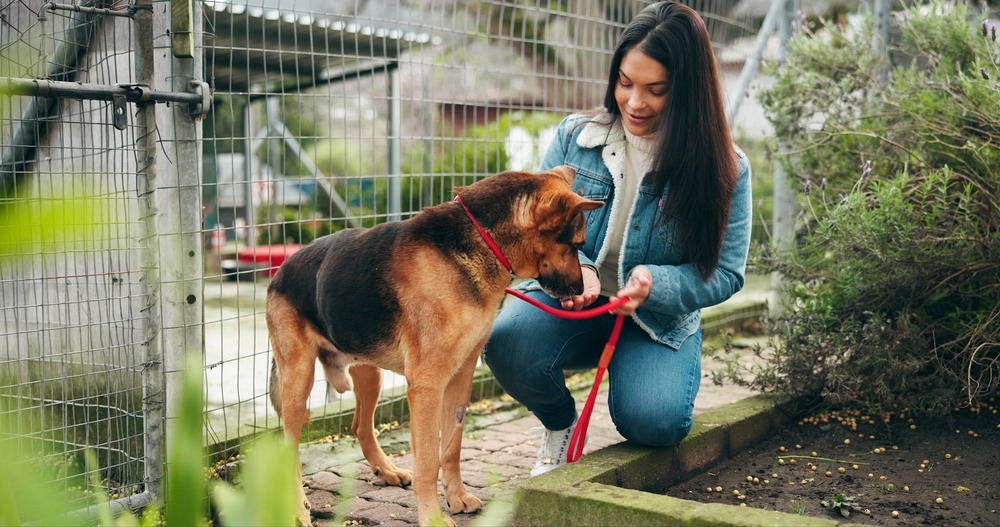
Can Rescue Dogs Be Good Family Pets?
Dog Rescue & Welfare By James C. • August 20, 2026
Yes, rescue dogs can be excellent family pets, provided the dog has been properly assessed and matched to your household, you choose one whose known temperament suits your children, and you give them a calm settling-in period.
The question is fair, because families are weighing an unknown history against the wellbeing of their kids.
This guide answers it honestly: why assessed rescue dogs often suit families better than people expect, the myths and what assessment really shows, children by age group, how to choose well, and the situations where a rescue dog is not the right call.
Why rescue dogs make good family pets
The strongest argument for a rescue dog as a family pet is simple: you are choosing a known quantity.
By the time an Australian rescue lists a dog, it has been vet-checked, desexed, microchipped and, crucially, assessed. Carers have watched how the dog handles people, noise, food, toys and other animals, and many dogs have lived in a foster home where their behaviour around daily family life is already known. That is information no eight-week-old puppy can offer.
Adult rescue dogs bring practical advantages for busy households too. Their size, energy level and personality are fully formed, so what you meet is what you live with. Many arrive toilet trained, past the destructive chewing phase, and grateful for a couch and a routine. For families short on time, an assessed adult dog is often an easier first dog than a puppy, and rescues are honest about which dogs suit homes with children because failed adoptions cost them dearly.
The myths, and what the evidence says
Most doubts about rescue dogs as family pets rest on three myths, and each collapses against how modern rescue actually works.
The first is damaged goods: the idea that every rescue dog is traumatised. In reality, most dogs are surrendered for human reasons, such as moving house, cost pressure, illness or a relationship ending, not because anything is wrong with the dog. The second is unpredictability. An assessed rescue dog is arguably the opposite, since weeks of observation sit behind their profile, and rescues disclose what they know, including the hard parts.
The third myth is that rescue dogs are unsafe with children. No responsible Australian rescue will place a dog with a known child-risk history into a family home; dogs that need child-free homes are listed exactly that way. Safety with any dog, rescue or purchased, comes from supervision and sensible rules, which is why the age-group guidance below applies to every family dog, whatever its origin.
How rescues match dogs to families

Matching is the machinery that makes rescue dogs work as family pets, and it is worth understanding before you apply.
Every listed dog carries a profile built from assessment and, often, foster care: energy level, quirks, how they travel, whether they can live with cats, dogs or children, and what kind of home they need. When your family applies, the rescue compares your household, work hours, yard and experience against that profile, which is why the application asks so many questions.
Shortlisted families then meet the dog, usually with every household member present, including the kids. Many rescues follow up with a home check or a trial period, so both sides can be confident before anything is final. The whole journey a dog takes in rescue before adoption, from intake to that meeting, is precisely what lets a rescue say, with evidence, that a particular dog will suit your particular family.
Rescue dogs and children by age group
The right rescue dog depends heavily on the ages of your children, and good rescues match with exactly this in mind.
With toddlers and preschoolers, look for dogs listed as suitable for young children, typically calm, tolerant adults with a known history around small kids. Grabby hands and unsteady walking test any dog, so rescues are rightly conservative here. With primary-school children, the field widens: kids this age can learn handling rules, join training and build a real bond, and many playful medium-energy dogs thrive with them. Teenagers can take genuine responsibility, which suits active dogs that need exercise and engagement.
Whatever the ages, the supervision rules are the same for every family dog. Never leave young children and any dog together unsupervised, teach kids to leave a dog alone while it eats or sleeps, and give the dog a retreat space the children never follow it into. These rules protect the dog as much as the child, and rescues will expect to hear them in your application.
Choosing the right rescue dog for your family

Choosing well matters more than choosing quickly, and a short checklist keeps the decision honest.
Match energy first: a working-breed cross needing two hours of exercise will overwhelm a family that wanted a couch companion, however lovely the photo. Consider size against your smallest child, age against your appetite for training, and the dog’s listed needs against your real week, not your ideal one. Read the profile’s honesty markers, such as needs an experienced owner, no cats, or best as an only dog, and believe them.
Then trust the process: tell the rescue exactly what your household looks like and let them steer you. Families sometimes arrive set on one dog and leave with a better match they had scrolled past. If you are still weighing a rescue against a puppy from a breeder, compare the costs, health history and support that come with adopting versus buying a puppy.
Setting your rescue dog up to succeed
A good match still needs a good start, and the first three months decide how the story goes.
Expect a settling-in curve rather than instant devotion. Most rescue dogs follow the 3-3-3 pattern: three days of decompression, three weeks of learning the routine, three months to feel fully at home, with clear signs a rescue dog is settling in along the way. Brief the children on this before the dog arrives, so nobody takes early shyness personally.
Keep the first weeks calm and predictable: routine feeding and walks, a safe space the kids respect, and visitors kept low-key. Start gentle, reward-based training early, involving the children where age allows, since shared training builds the bond faster than anything else. Lean on the rescue’s post-adoption support if anything wobbles; they would far rather help than see the dog returned.
When a rescue dog might not be the right fit
An honest answer to the title question includes the cases where the answer is not yet, or not this dog.
A dog with an unknown or difficult history is not the right match for a home with babies or toddlers, however appealing the rescue story. Wait for a dog assessed as child-safe, or wait a few years. Equally, a household where everyone is out eleven hours a day will struggle with any dog, and a nervous dog that needs an experienced, quiet home should not be a family’s first dog, whatever the heart says.
None of this argues against rescue; it argues for matching. If the right dog for your family is not in rescue right now, patience, or trying fostering first, is the responsible choice. Knowing how dog rescue and welfare works in Australia also helps you decide where to look next.
The bottom line on rescue dogs as family pets
Rescue dogs make wonderful family pets when the match is right: an assessed dog whose temperament suits your children, chosen through the rescue’s process, and given a calm settling-in period with clear household rules.
Take the matching seriously, be honest about your household, and a rescue dog can be the best decision your family makes.
Frequently asked questions
1. Are rescue dogs safe with kids?
An assessed rescue dog matched to a family home is as safe as any family dog. Rescues test compatibility with children and disclose what they know, and dogs unsuited to kids are listed for child-free homes. Supervision and sensible rules matter with every dog, whatever its origin.
2. What is the hardest part of adopting a rescue dog?
Usually the settling-in period. Early shyness, accidents or clinginess in the first weeks can worry new families, but most of it fades as the dog decompresses and learns the routine. Patience, routine and the rescue’s support carry most families through it.
3. What is the best age of rescue dog for a family?
For homes with young children, a calm adult dog with a known history around kids is usually the best match, since temperament is fully formed and assessed. Families with older children can consider younger, higher-energy dogs that suit their activity level.
4. Do rescue dogs remember being rescued?
Dogs do not reflect on rescue the way people imagine, but they bond deeply with the family that gives them safety and routine. The loyalty many adopters describe is real; it comes from consistent care rather than gratitude for a past event.
5. What is the 3-3-3 rule for rescue dogs?
A settling-in guide: roughly three days to decompress, three weeks to learn your household’s routine, and three months to feel fully at home. It helps families set realistic expectations, though every dog moves at its own pace.
6. Should a family get a puppy or an adult rescue dog?
A puppy offers a blank slate but months of intensive work; an assessed adult rescue offers known temperament, known size and often existing training. For busy families, the predictability of an assessed adult dog is frequently the easier and safer choice.
 Add us as a preferred source