Signs a Rescue Dog Is Settling In
Dog Rescue & Welfare By James C. • August 17, 2026
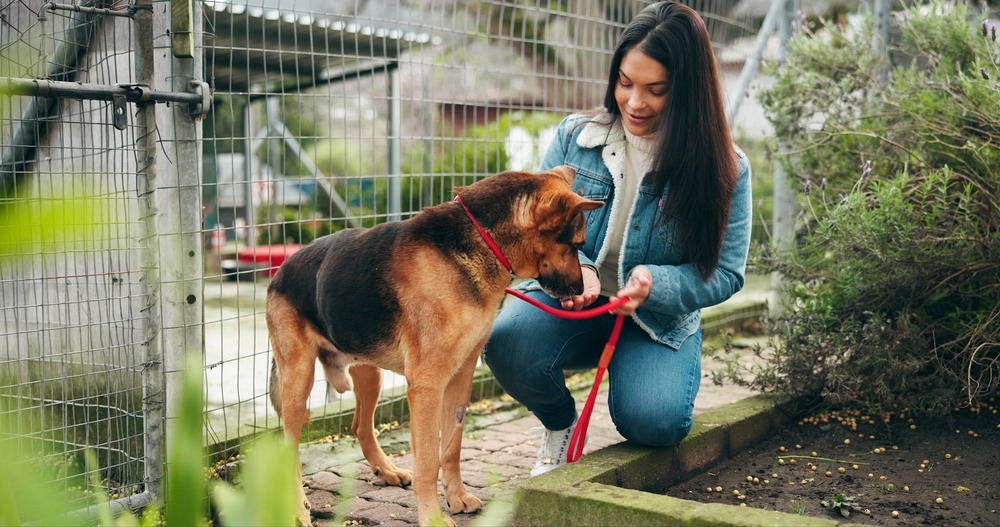
The clearest signs a rescue dog is settling in are a loose, wiggly body, deep sleep in open spaces, a steady appetite, playfulness, and choosing to be near you.
In the early days most rescue dogs are in quiet survival mode, so progress shows up in small physical and behavioural changes rather than sudden affection.
This guide lists the signs to watch for, stage by stage, alongside the 3-3-3 rule timeline, a settling-versus-stress comparison, and what to do if your dog seems stuck.
How long does settling in take? The 3-3-3 rule
Most rescue dogs follow a rough pattern known as the 3-3-3 rule: three days to decompress, three weeks to learn your routine, and three months to feel fully at home.
| Stage | What your dog is doing | What you might see |
|---|---|---|
| First 3 days | Decompressing from the shelter or foster move | Hiding, sleeping a lot, eating little, overwhelmed by the new environment |
| First 3 weeks | Learning your routine and testing what is safe | Exploring, appetite returning, early habits and quirks appearing |
| First 3 months | Building trust and a real bond | Play, affection, confidence, and their true personality on show |
Treat the rule as a guide, not a schedule. Confident dogs can settle in days, while dogs with rough histories may need six months or more, and both are normal. Australian rescues such as the Animal Welfare League give adopters the same 3-3-3 adoption advice: judge your dog against their own progress, not the calendar.
Early signs your rescue dog is relaxing

The first signs of a rescue dog settling in are physical, and sleep and food tell you the most.
Watch how your dog sleeps. A worried dog curls tightly in a corner with one eye half open; a settling dog starts to nap stretched out on their side, or even on their back, in open parts of the house. Deep, sprawled sleep means your dog no longer feels the need to stay ready to run.
Appetite follows the same curve. Many rescue dogs barely eat in the first days, so finishing meals eagerly, taking treats gently from your hand, and drinking normally are all real progress. You will also see the body language soften: stiff muscles and a tucked tail giving way to loose, wiggly movement, soft eyes and relaxed ears.
The last early marker is recovery speed. Every dog startles at a slammed door or a dropped pan, but a settling dog bounces back within moments instead of staying frightened, hiding or trembling. Quicker recovery after a fright is one of the most reliable signs the nervous system is calming down.
Signs of growing trust and bonding
As the weeks pass, settling shows less in the body and more in how your dog chooses to interact with you.
A bonding rescue dog starts checking in: glancing back at you on walks, following you from room to room, and choosing to lie down wherever you are rather than in their hiding spot. Physical trust follows, with the dog leaning their weight against your legs, resting a head on your lap, or calmly welcoming a pat instead of tolerating it.
You will also notice your dog responding to their name, anticipating the routine, waiting at the right door before walks and knowing where dinner happens. These small predictions mean your dog now trusts the pattern of life in your home, which is exactly what the middle stretch of the 3-3-3 timeline is about.
Play, zoomies and personality
Play is the loudest announcement that a rescue dog feels safe, because frightened dogs do not play.
Bringing you a toy, offering a play bow, or tearing around the garden in sudden bursts of happy energy, the famous zoomies, all mean the survival budget has been retired. Alongside play, the dog’s real personality starts to emerge: playful barking, cheeky requests to join you on the couch, strong opinions about which route the walk should take.
Some of what emerges may need gentle management, and that is normal too. The shut-down dog you brought home was not the real dog; the one asking for things is. Channel the confidence with short, cheerful reward-based training sessions, which double as bonding time.
Settling signs vs stress signals

Reading the difference between settling and stress tells you whether your rescue dog needs more time or more help.
| Settling signs | Stress signals |
|---|---|
| Sprawled, deep sleep in open spaces | Curled tight in corners, sleeping with one eye open |
| Eating meals eagerly and taking treats gently | Refusing food beyond the first few days |
| Loose, wiggly body, soft eyes, relaxed ears | Stiff posture, tucked tail, pinned ears, lip licking, yawning |
| Exploring rooms and following you calmly | Pacing, panting indoors, constant hiding |
| Quick recovery after a fright | Hypervigilance, startling at everything, unable to switch off |
| Initiating play and seeking touch | Avoiding contact, freezing when approached |
Every dog shows a few stress signals in the early days. The pattern to watch is direction: week by week, the left column should slowly be winning.
How to help your rescue dog settle

You cannot rush settling, but you can make it easier, and the recipe is routine, space and patience.
Keep the first weeks predictable: same feeding times, same walk routes, same quiet evenings. Set up a safe space, a bed or crate in a low-traffic corner where the dog is never bothered, and let them retreat there whenever they choose; the basics on a puppy supplies checklist are enough to make the space work. Hold off on the dog park, big gatherings and busy cafes until your dog is coping calmly with everyday life at home.
Let the dog set the pace with affection: sit nearby, let them approach, and reward brave moments with calm praise or a treat. Start gentle training early, since short reward-based sessions build the communication that settling runs on, and keep greetings with visitors low-key. Most of all, resist the urge to comfort-flood a hiding dog; quiet company is worth more than pressure.
When settling is taking longer than expected
Some dogs simply need longer, and slow settling on its own is not a problem, but a few patterns deserve professional help.
Talk to your vet if your dog is still refusing food after the first few days, is not drinking, or seems unwell, since pain and illness can masquerade as stress, and a routine vet check-up rules that out. Watch for trigger stacking too: a dog coping with too many stressors at once can suddenly seem worse, which usually means life needs to get quieter for a while, not busier.
Seek help from your vet or a qualified behaviourist if your dog shows escalating fear, growling or snapping, panic when left alone, or no improvement at all after several weeks. Distress when alone can point to separation anxiety, which responds best to early, structured support. Your rescue wants to hear from you as well, since good organisations offer post-adoption advice and would far rather help than see a dog struggle, a core part of dog rescue and welfare in Australia.
The bottom line on a rescue dog settling in
A rescue dog settling in shows it through sleep, appetite, soft body language, play and chosen closeness, roughly along the 3-3-3 timeline of days, weeks and months.
Progress is rarely a straight line, so measure your dog against last week, not the calendar, and give patience time to work.
Frequently asked questions
1. What is the 3-3-3 rule for rescue dogs?
The 3-3-3 rule is a settling-in guide: roughly three days for a rescue dog to decompress, three weeks to learn your routine, and three months to feel fully at home and bonded. It is a helpful expectation-setter rather than a fixed schedule, and many dogs run faster or slower.
2. How long does it take a rescue dog to adjust to a new home?
Most rescue dogs feel at home within about three months, with the first signs of relaxing appearing inside three weeks. Confident dogs settle sooner, while anxious dogs or those with difficult histories can take six months or more, which is still normal. Hiding, freezing and flinching in those dogs are usually trauma behaviours in rescue dogs that ease with time rather than signs of a poor match.
3. How do I know if my rescue dog is happy?
Look for deep, sprawled sleep, eager eating, a loose wiggly body, play and zoomies, and a dog that chooses to be near you. A happy rescue dog also recovers quickly after a fright rather than staying scared.
4. Why is my rescue dog not eating?
Reduced appetite is common in the first few days as stress hormones settle. Offer meals calmly in a quiet spot and remove pressure. If your dog still refuses food after a few days, is not drinking, or seems unwell, have your vet check them over.
5. When can I start training a rescue dog?
Gently, straight away. Short, reward-based sessions from the first week build communication and confidence without pressure. Save formal classes and busy environments until your dog is relaxed at home, usually after the first few weeks.
6. Will my rescue dog bond with me?
Almost certainly, given time. Bonding shows in checking in on walks, following you between rooms, leaning against you and relaxing in your company. Predictable routines, calm handling and reward-based training all speed the process along.
 Add us as a preferred source