Foster vs Adopt: What’s the Difference?
Dog Rescue & Welfare By James C. • August 20, 2026
Fostering a dog means caring for them temporarily while the rescue keeps legal ownership and covers veterinary costs; adopting means taking permanent legal ownership, with every cost and decision becoming yours for life.
Both paths give a rescue dog a home, and both are screened, but they suit very different households.
This guide compares fostering and adopting side by side: what each involves, who pays for what, the foster-to-adopt path, the emotional trade-offs, and how to work out which one fits your life right now.
Foster vs adopt at a glance
| Feature | Fostering | Adopting |
|---|---|---|
| Ownership | The rescue remains the legal owner | You become the legal owner |
| Duration | Weeks to months, until adoption | The dog’s lifetime |
| Vet costs | Covered by the rescue | Yours after adoption |
| Day-to-day costs | Often shared; many rescues supply food | Yours |
| Upfront cost | None | Adoption fee |
| Screening | Application and home suitability check | Application, meet-and-greets, sometimes trials |
| The goodbye | You hand the dog to their adopter | There is no goodbye |
What fostering a dog involves

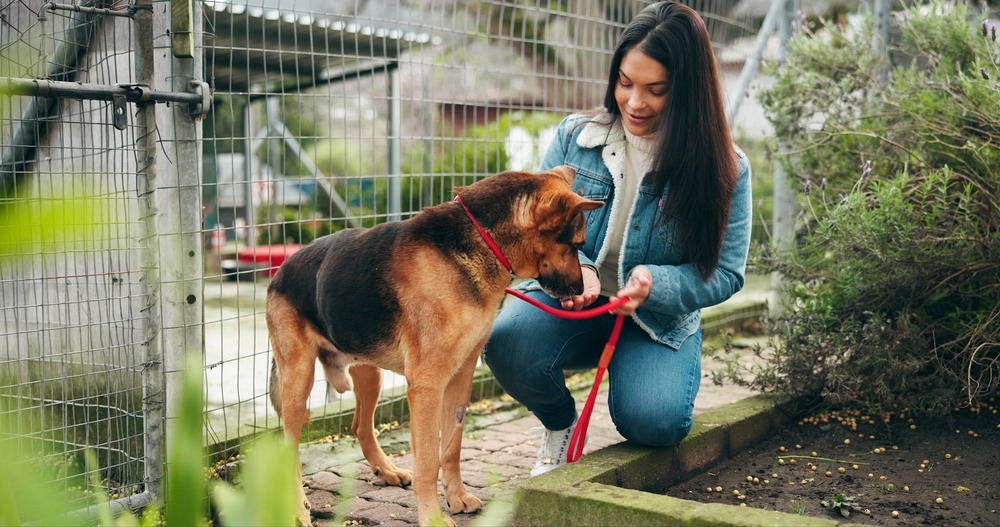
Fostering is temporary care with the rescue standing behind you, and it is the engine room of Australian rescue.
As a carer you take a dog into your home for anywhere from a fortnight to several months, providing routine, care and the real-home observations that make their adoption profile accurate, a key step in a dog’s journey through rescue. The rescue covers vet bills, usually supplies or subsidises food and equipment, and remains the legal owner and decision-maker throughout.
Programmes like PetRescue’s foster care network and the RSPCA’s foster programme run in every state. Carers are chronically scarce, making fostering one of the most effective ways to help rescue dogs without adopting. Expect an application and a suitability check, then a match sized to your experience, from easy weekend puppy care to longer rehabilitation placements.
What adopting a dog involves
Adoption is permanent ownership, with everything that word carries.
You pay an adoption fee that largely covers the vet work already done, pass the rescue’s screening, and from adoption day the dog is legally yours: vet bills, food, insurance, council registration and every decision for the next decade or more. In exchange you get the certainty fostering never offers, a dog that is yours, chosen for your household through the rescue’s matching process.
Adoption suits settled households ready for a long commitment, and the choice between adopting and buying a puppy depends on the same honest look at your time, budget and lifestyle.
Who pays for what
The cost split is the practical heart of the foster-versus-adopt difference, and it is simpler than most people expect.
In foster care, the rescue pays for veterinary work, medications and usually desexing, vaccination and microchipping, since the dog is theirs. Many also provide food, bedding, crates and lead equipment, though carers often cover day-to-day extras and treats. Fostering is designed to cost you time rather than money, and any rescue will spell out its split before you commit.
At adoption, the fee, commonly a few hundred dollars, buys the completed vet work, and from then on every cost is the owner’s: food, insurance, routine and emergency vet care, grooming and boarding. These figures vary by organisation and are worth confirming with the rescue you apply to.
Foster-to-adopt and the famous foster fail
Sometimes the foster carer becomes the adopter, and rescues have a fond name for it: the foster fail.
Foster-to-adopt arrangements make this official, letting a household foster a dog with first option to adopt, which works like an extended trial with the rescue’s support behind it. Even in ordinary fostering, carers who fall for their foster dog can usually apply to adopt, and rescues often welcome it, since no adopter knows the dog better.
It is worth being honest with yourself about intent. If you are really auditioning a dog for adoption, say so; rescues run foster-to-adopt for exactly that purpose and will match you accordingly.
The emotional side: can you give them back?

The hardest question about fostering is the goodbye, and it deserves a straight answer: yes, it is hard, and carers do it anyway.
Experienced foster carers describe the handover as bittersweet rather than heartbreaking, because the goodbye is the point: the dog you prepared is walking into their permanent home, and your spare room is open for the next dog who needs it. Many rescues share updates from adopters, which helps, and carers who watch a once-shut-down dog settle and bloom tend to sign up again.
If you know yourself well enough to say the goodbye would wreck you, that is not a failing; it is a sign adoption is your path, or foster-to-adopt from the start.
Which path suits your household?
The choice usually makes itself once you look honestly at your next year or two.
Fostering suits renters with landlord permission but not forever certainty, households between dogs, people wanting to test dog ownership before committing, experienced owners who enjoy rehabilitation work, and anyone whose future is too unsettled for a fifteen-year promise. Adopting suits settled households ready for the long term, families who have matched with a specific dog, and anyone for whom the temporary nature of fostering defeats the purpose.
There is no wrong answer between them, and plenty of people do both across a lifetime: fostering between dogs, adopting when the right one refuses to leave.
How to start in Australia
Both paths start the same way: an application with a rescue or shelter, and honest answers about your household.
To foster, apply through organisations like PetRescue’s member rescues, your state RSPCA, or the Animal Welfare League, and expect a home suitability check and a first match sized to your experience. To adopt, browse listed dogs, apply for the ones whose profiles fit your household, and let the rescue’s matching process do its work. Either way, the screening that can feel slow is the same care that makes the placement stick, and it sits at the heart of dog rescue and welfare in Australia.
The bottom line on fostering vs adopting
Foster if your help is temporary but real; adopt if your home is ready for keeps.
Fostering costs time and a goodbye, adopting costs money and a promise, and both change a dog’s life. Start with the one your household can honestly sustain, and let a rescue match you well.
Frequently asked questions
1. Is fostering a dog free?
Largely, yes. The rescue covers veterinary costs and often food and equipment, while you give time, care and day-to-day extras. Each organisation splits costs slightly differently, so ask what is provided before your first placement.
2. Who pays vet bills for a foster dog?
The rescue does, because it remains the dog’s legal owner throughout foster care. Carers should always use the rescue’s approved vet or get approval first, rather than paying and hoping for reimbursement.
3. How long does fostering a dog last?
Anywhere from a couple of weeks to several months, depending on the dog’s needs and how quickly the right adopter appears. Rescues can often match placements to your availability, including short-term and holiday-cover fostering.
4. Can I adopt my foster dog?
Usually, yes. Carers typically get first consideration, and many rescues run formal foster-to-adopt arrangements for exactly this purpose. Rescues are generally delighted when a foster placement becomes permanent, since nobody knows the dog better.
5. Is fostering harder than adopting?
It is different rather than harder. Fostering compresses the settling-in work into every new placement and ends with a goodbye; adopting spreads one settling-in across a lifetime of ownership and cost. Which is harder depends on your household and heart.
6. Do foster dogs feel abandoned when they go to their adopter?
Dogs attach to safety and routine, and a well-managed handover moves both to the adopter with familiar bedding, food and information. Most foster dogs settle into their permanent homes quickly, which is precisely what the foster period prepared them for.
 Add us as a preferred source