Supporting Dog Welfare Without Adopting
Dog Rescue & Welfare By James C. • August 20, 2026
You can support dog welfare in Australia without adopting by fostering, volunteering at a shelter, donating money or needed goods, sponsoring a long-stay dog, lending professional skills, fundraising, and making everyday choices that protect dogs.
Not every home can take a dog permanently, and rescues do not expect them to.
This guide sets out every practical way to help, what each one asks of you, and where your effort makes the biggest difference to Australian rescues and shelters.
Ways to help at a glance
| Option | Time commitment | Cost to you | Impact |
|---|---|---|---|
| Foster a dog | Weeks to months, at home | Day-to-day care; vet bills covered by the rescue | Highest: frees a rescue place and prepares a dog for adoption |
| Volunteer | A few hours a week or month | None | High: shelters run on volunteer hours |
| Donate | Minutes | Whatever you choose | High: funds vet work directly |
| Sponsor a dog | Minutes, ongoing | Small monthly amount | Steady: supports long-stay and medical-case dogs |
| Lend skills | Occasional | None | High value: photography, transport, trades |
| Fundraise and share | Flexible | None | Multiplies every other option |
| Everyday choices | Ongoing | None | Prevents dogs needing rescue at all |
Foster a dog

Fostering is the single highest-impact way to support dog welfare without adopting, because every fostered dog frees a place for the next one in need.
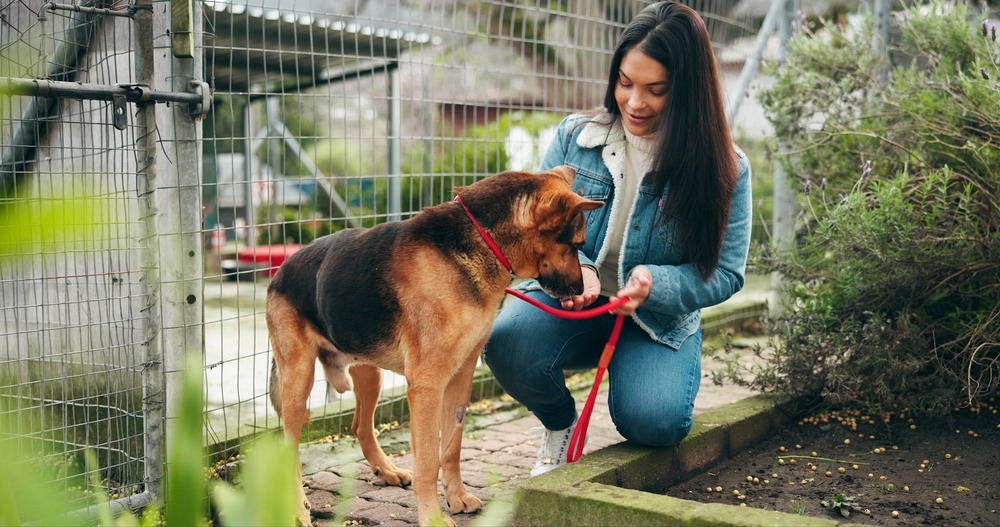
As a foster carer you give a rescue dog a home for weeks or months while the rescue finds their adopter. The rescue typically pays veterinary costs and often food and equipment, while you provide the routine, care and honest feedback about how the dog lives day to day, which is exactly the information that gets dogs adopted at the end of their time in rescue care. Foster carers also do the quiet work of helping a stressed dog decompress, and watching a shut-down dog settle in and relax is the part carers say keeps them coming back.
Organisations like PetRescue and the RSPCA run foster care programmes in every state, and most rescues are permanently short of carers. Renters, people between dogs, and households not ready for a fifteen-year commitment are exactly who fostering suits, given how fostering differs from adopting in length of commitment.
Volunteer your time
Shelters and rescues run on volunteer hours, and the roles go far beyond cleaning kennels.
Dog walking and socialising are the classic roles: regular walks and calm human contact keep shelter dogs relaxed, adoptable and mentally well. Beyond that, shelters need people for laundry and feeding, reception and admin, event stalls, adoption-day support and home-check visits. Foster-based rescues with no physical shelter still need people for transport, home checks and event help.
Expect an application, an induction and a regular commitment, even a few hours a fortnight, since shelters invest training in every volunteer. If your schedule is unpredictable, one-off event volunteering and transport runs are the flexible end of the same work.
Donate, and what shelters actually need

Money helps more than goods, and knowing what shelters actually need makes every donation count.
Cash donations fund the expensive, invisible work: desexing, vaccinations, surgery and behaviour rehabilitation. A regular small monthly gift is worth more to a rescue than an occasional large one, because predictable income lets them say yes to the next urgent intake. Many employers match workplace giving, which doubles it.
If you prefer giving goods, check the organisation’s current needs list first, since most publish one. Towels, blankets, food, enrichment toys and puppy pads are commonly wanted; used bedding mountains are not. Buying an item from a rescue’s online wishlist is the safest way to give goods they will actually use.
Sponsor a dog or a programme
Sponsorship supports the dogs that wait longest, and it suits people who want an ongoing connection without a dog at home.
Many rescues run sponsor-a-dog schemes for long-stay residents, seniors and dogs with ongoing medical needs, where a small monthly amount funds that dog’s care and you receive updates until they are adopted. Programme sponsorship works the same way at a broader level, funding desexing drives, community outreach or rehabilitation work. For families, sponsoring a dog is also a gentle way to involve children in welfare before they are ready for a family dog of their own.
Lend your skills
Rescues are small organisations with big to-do lists, and professional skills are among the most valuable donations they receive.
Good photography gets dogs adopted faster, and volunteer photographers are prized for exactly that reason. Drivers handle transport runs between pounds, vets, foster homes and adopters, often across long Australian distances. Trades fix kennels and fences, IT people keep websites and databases alive, bookkeepers and marketers keep the organisation running, and writers polish adoption profiles. If you have a skill, a rescue near you has a use for it; simply ask.
Fundraise and spread the word
Fundraising and sharing multiply every other kind of help, and they cost nothing but attention.
Community fundraising, from birthday donations to workplace morning teas and school drives, gives rescues income they could not generate alone. Sharing adoptable dogs matters too, and doing it well means sharing the rescue’s own post with its details intact, so an interested adopter lands on the real listing. If a friend is struggling with a dog they can no longer keep, pointing them to responsible rehoming rather than a free-to-good-home post is welfare work of the most practical kind.
Everyday choices that protect dogs
The quietest way to support dog welfare is to make the choices that stop dogs needing rescue in the first place.
Buy responsibly: choose ethical breeders or adopt, ask the hard questions, and walk away from sellers who will not answer them, since demand is what keeps puppy farms alive. Keep your own dog’s microchip details current so a lost dog gets home instead of entering the pound system. Desex pets not intended for responsible breeding.
If you see cruelty or neglect, report it to the RSPCA or police in your state rather than assuming someone else will. Reports are how overworked inspectors find the dogs that need them, and they feed the wider system of dog rescue and welfare in Australia.
The bottom line on supporting dog welfare
You do not need to adopt to support dog welfare: foster if you can, volunteer or donate if you cannot, sponsor, lend skills, fundraise, and make the everyday choices that keep dogs out of the system.
Pick the option that fits your time and budget, and start with one.
Frequently asked questions
1. What do animal shelters need most?
Money first, because it funds desexing, vet work and rehabilitation directly, and regular small donations are the most useful of all. After that, foster carers are the scarcest resource, followed by volunteer hours and items from the shelter’s published needs list.
2. Is fostering a dog free?
Mostly. Australian rescues typically cover veterinary costs for foster dogs, and many supply food and equipment. Carers usually cover day-to-day extras and their time. Ask any rescue what they provide before you apply, since programmes differ.
3. Can I volunteer without fostering?
Yes. Shelters need dog walkers, kennel and admin help, event volunteers, transport drivers and home-check visitors, none of which involve taking a dog home. Most organisations ask for an application, an induction and a modest regular commitment.
4. How do I report animal cruelty in Australia?
Contact the RSPCA in your state or territory, which runs cruelty inspectorates, or the police for emergencies and after-hours situations. Give as much detail as you can. Reporting matters; inspectors rely on the public to find animals in trouble.
5. Does sharing rescue posts actually help?
Yes, when done well. Share the rescue’s own post so the dog’s details and contact stay intact, add a line about why the dog is special, and share locally. Rescues credit shares with a meaningful portion of their adoptions.
6. How can buyers support dog welfare?
By buying well. Choosing ethical breeders or adopting, asking to see where puppies are raised, and refusing to buy from sellers who dodge questions all cut the demand that keeps puppy farms running, which prevents rescue cases rather than treating them.
 Add us as a preferred source