What Happens to Dogs in Rescue Before Adoption?
Dog Rescue & Welfare By James C. • August 17, 2026
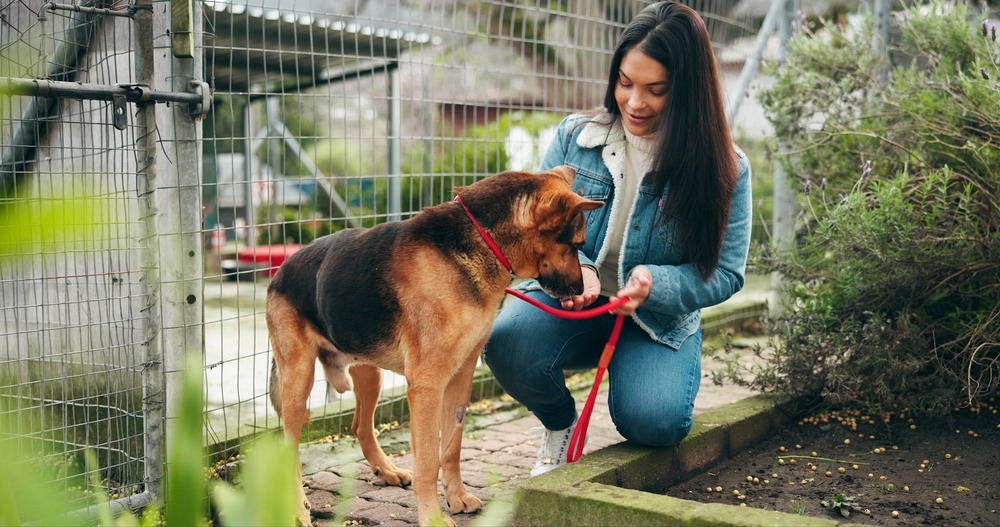
Before adoption, dogs in rescue move through five stages: intake and identification, veterinary care, decompression, behaviour assessment, and finally matching with the right adopter.
By the time a rescue dog appears on an adoption listing, weeks of work by vets, staff and volunteer carers usually sit behind that photo.
This guide follows the dog’s journey from arrival to adoption day, so you know exactly what has been done for a rescue dog before they reach your home, and why the process takes the time it does.
How dogs arrive in rescue
Dogs come into rescue in three main ways: surrendered by owners who can no longer keep them, found as strays, or transferred from council pounds and other organisations.
The first job is identification. Staff scan every new arrival for a microchip, because a stray with a chip may simply be a lost pet whose owner is searching for them. Each dog is logged with an identification number and intake photos, and any known history, from vet records to behaviour notes, is added to their file.
Strays cannot be rehomed immediately. Australian states and territories set legal holding periods, usually around seven to fourteen days depending on the state and whether the dog is identifiable, which give owners time to reclaim their dog before it can be made available for adoption. Surrendered dogs skip the hold, since ownership passes to the rescue at surrender, but they still start at the same place: a full check of who this dog is and what they need. Holding periods are one part of the wider system of shelters, rescue groups and rehoming that makes up dog rescue and welfare in Australia.
The five stages at a glance
| Stage | What happens | Typical timing |
|---|---|---|
| 1. Intake and identification | Microchip scan, ID number, photos, history recorded, stray hold where required | First days |
| 2. Veterinary care | Health check, vaccinations, parasite treatment, desexing, microchipping | First week or two |
| 3. Decompression | Quiet space, routine, and time to let stress levels fall | First days to weeks |
| 4. Assessment and training | Temperament evaluation, compatibility testing, basic training | Ongoing through care |
| 5. Matching and adoption | Profile written, applications vetted, meet-and-greets and trials | Once the dog is ready |
Timings vary with every dog and every organisation, and the stages overlap, but almost every rescue dog in Australia passes through all five.
The first days: intake checks and vet care

Veterinary care begins almost immediately, because a dog cannot be placed for adoption until their health is known and managed.
A vet examines each dog for injuries, illness and neglected conditions such as skin problems, dental disease or untreated parasites. Dogs then receive their core vaccinations, flea, tick and worming treatment, and a microchip if they do not already have one. Unless a vet rules it unsafe, dogs are also desexed before adoption, which is standard practice across Australian rescues and a legal requirement for rehoming organisations in some states.
For dogs that arrive underweight, injured or unwell, this stage stretches from days into weeks or months of treatment and recovery before adoption is even considered. It is the least visible part of rescue work and often the most expensive, which becomes relevant later when you look at what an adoption fee covers. The health checks mirror routine vet care for any dog. Puppies in care follow the same puppy vaccination schedule as any other pup.
Decompression: letting the stress out
Before a rescue dog can show who they really are, they need time to stop being scared, and rescues plan for this deliberately.
Arriving in a shelter is stressful: new smells, barking, strange people and the loss of everything familiar push a dog’s stress hormones up, and a stressed dog behaves nothing like their normal self. So the early days focus on quiet: a calm space to sleep and eat, a predictable routine, and no pressure to perform or socialise. Carers call this decompression, and it is the same principle behind the 3-3-3 settling-in guideline adopters are given after adoption.
Only once a dog begins to relax do assessments mean anything, which is one of the quiet reasons good rescues do not rush dogs onto adoption listings.
Behaviour and temperament assessment
Assessment is how a rescue learns which home will suit a dog, and it happens through structured checks and everyday observation.
Assessors and carers watch how a dog responds to handling, food, toys, strangers, other dogs and day-to-day surprises. Many rescues also run compatibility testing to judge whether a dog can safely live with cats, other dogs or children, which is why adoption profiles can say things like no cats or best with older kids. None of this is pass or fail; it is matchmaking information.
Alongside assessment, volunteers begin gentle, reward-based training: walking on lead, sitting for greetings, toileting habits and crate comfort. Dogs with bigger challenges, such as fear or reactivity, may go into longer rehabilitation with experienced foster carers or trainers before they are listed. The result is that adopters usually receive a dog whose quirks are already known and named, which is more than most puppy buyers can say.
Shelter care vs foster care

While they wait, rescue dogs live either in a shelter facility or in a volunteer foster home, and the difference shapes what the rescue can tell you about the dog.
Shelter care means kennels, professional staff and structured routines, and it suits organisations handling large numbers. Foster care places the dog in a real home, where carers see the things a kennel never shows: whether the dog is house-trained, sleeps through the night, chews shoes, rides calmly in the car or ignores the resident cat. Many rescues move dogs into foster homes exactly for this reason, and foster-based groups often have no physical shelter at all.
Foster care explains something adopters often grumble about: slow replies. Foster-based rescues are run by volunteers with jobs and families, and their dogs are spread across dozens of homes. The trade-off is knowledge, because a foster carer can tell you honestly how the dog lives day to day, which no fifteen-minute shelter meet can match.
How rescues match dogs to adopters

Matching is the final stage, and it is designed around the dog’s needs rather than first come, first served.
The rescue writes an honest profile covering personality, energy level, quirks and the ideal home, then invites applications. Applicants are interviewed about their household, work hours, yard, other pets and experience, and shortlisted people meet the dog, sometimes several times. Many rescues include a home check or a trial period so both sides can be sure before the adoption is finalised.
Applications are sometimes declined, and it is rarely personal. A dog that fears men, cannot live with cats or needs a six-foot fence simply rules out some homes, however lovely they are. The questions that feel intrusive are the same screening any responsible rehoming requires, and they are the reason rescue adoptions hold together at such high rates. Getting your home ready with a puppy supplies checklist before the trial starts always impresses a rescue.
What adoption fees cover
An adoption fee mostly buys the veterinary work already done, not the dog.
Dog adoption fees in Australia commonly sit between about $300 and $800, varying with the dog’s age and the organisation. Set against that, the included work would cost far more privately: desexing, a full vaccination course, microchipping, parasite treatment and at least one thorough vet examination can together exceed $1,000 at private prices, before any extra treatment the dog needed. These figures are approximate and worth checking with the rescue you apply to.
The fee also keeps the rescue running, funding the next intake’s care. Compared with the true cost of the work, an adoption fee is one of the better deals in dog ownership, and budgeting for ongoing pet care costs after adoption matters more.
How long dogs stay in rescue
There is no fixed stay: some dogs are adopted within days of being listed, while others wait months.
The timeline stretches with the dog’s needs. Medical recovery, behaviour rehabilitation and stray hold periods all add time before listing, and after listing, the wait depends on demand. Puppies and small fluffy breeds tend to move quickly. Senior dogs, large working breeds, bull breeds and dogs with medical needs routinely wait longest, not because they are lesser dogs but because fewer homes suit them.
Good rescues do not treat this as a race. The dog stays in care, supported, until the right match applies, which is precisely what you want from the system if you are the one applying.
The bottom line on dogs in rescue
By adoption day, dogs in rescue have been identified, vet-checked, vaccinated, desexed, microchipped, decompressed, assessed and matched, with their quirks known and shared honestly.
For adopters, that work is the quiet advantage of rescue, and it starts with understanding the journey your future dog has already made.
Frequently asked questions
1. How long do dogs stay in rescue before adoption?
Anywhere from a couple of weeks to several months. Stray hold periods, medical treatment and behaviour rehabilitation all add time before listing, and after that the wait depends on demand. Puppies move fastest, while seniors and large breeds usually wait longest.
2. Are rescue dogs health checked before adoption?
Yes. Australian rescues have each dog examined by a vet, vaccinated, treated for parasites, microchipped and desexed before adoption unless a vet advises otherwise. Dogs that arrive unwell are treated and recovered first, and known conditions are disclosed to adopters.
3. What does a dog adoption fee cover?
Mostly the veterinary work already done: desexing, vaccinations, microchipping, parasite treatment and health checks, which would cost more than most adoption fees if paid privately. The remainder supports the rescue’s ongoing care of other animals.
4. Why do rescues ask so many questions?
Because matching is how adoptions succeed. Assessments tell the rescue which homes suit each dog, so they ask about your household, hours, yard, other pets and experience to avoid placing a dog in a home that cannot meet its needs.
5. Can a dog be adopted before it is desexed?
Usually no. Desexing before adoption is standard practice for Australian rescues and a requirement for rehoming organisations in some states. Young puppies are sometimes adopted with a desexing agreement or voucher, with the procedure booked for the appropriate age.
6. Do rescue dogs make good family pets?
Very often, yes. A rescue dog arrives assessed, vetted and matched to your household, with their temperament and quirks already known. Choose a dog whose profile fits your family and follow the rescue’s settling-in advice, and the odds are firmly in your favour.
 Add us as a preferred source