Puppy Adoption vs Buying: Which Is Right for Your Family?
Puppy Buying & Adoption By James C. • February 19, 2026
Deciding between puppy adoption vs buying is one of the first big choices families face when adding a dog to their home. It is an emotional decision, but it is also a practical one that affects daily routines, budgets, and long-term expectations.
This guide breaks down puppy adoption vs buying in a clear, balanced way. It looks at what each option really involves, the benefits and challenges of both, and how to decide which path suits your family’s lifestyle, experience, and needs.
Puppy Adoption vs Buying at a Glance
When comparing puppy adoption vs buying, it helps to see the differences side by side. This overview highlights how each option typically works, without leaning toward one choice over the other.
| Consideration | Puppy Adoption | Buying a Puppy |
|---|---|---|
| Source | Animal shelters, rescue groups, foster carers | Registered breeders or private sellers |
| Upfront cost | Usually lower, set adoption fee | Higher purchase price |
| What the cost includes | Often vaccinations, microchipping, desexing | Usually the puppy only, extras paid separately |
| Age predictability | Age may be estimated | Exact age is known |
| Breed predictability | Often mixed or uncertain | Breed and lineage are usually known |
| Health history | Limited or partial background | Health testing and records may be available |
| Ongoing support | Varies by rescue | Often ongoing breeder support |
This comparison sets the context. The right choice depends on what your family values most and how much certainty you want at the start.
What Puppy Adoption Really Involves
Puppy adoption usually happens through animal shelters, rescue organisations, or foster networks. Some puppies are born into care, while others arrive after being surrendered or rescued. Because of this, background information can vary. Age estimates, breed mix, and early history may not always be precise, which means families need to be comfortable with a degree of uncertainty.
Adoption fees are generally lower than the cost of buying a puppy and often include practical essentials such as vaccinations, microchipping, desexing when age appropriate, and an initial health check. This can make the early stages more manageable from a cost perspective. Many families also value the opportunity to give a puppy a home while supporting rescue and welfare efforts. An adopted puppy brings all the wider benefits of having a dog too.
At the same time, adoption may require extra flexibility. Some puppies need time to settle or may benefit from additional training and patience as they adjust to a new environment. For families who are open to learning as they go and adapting to the puppy’s needs, adoption can be a rewarding experience.
What Buying a Puppy From a Breeder Involves
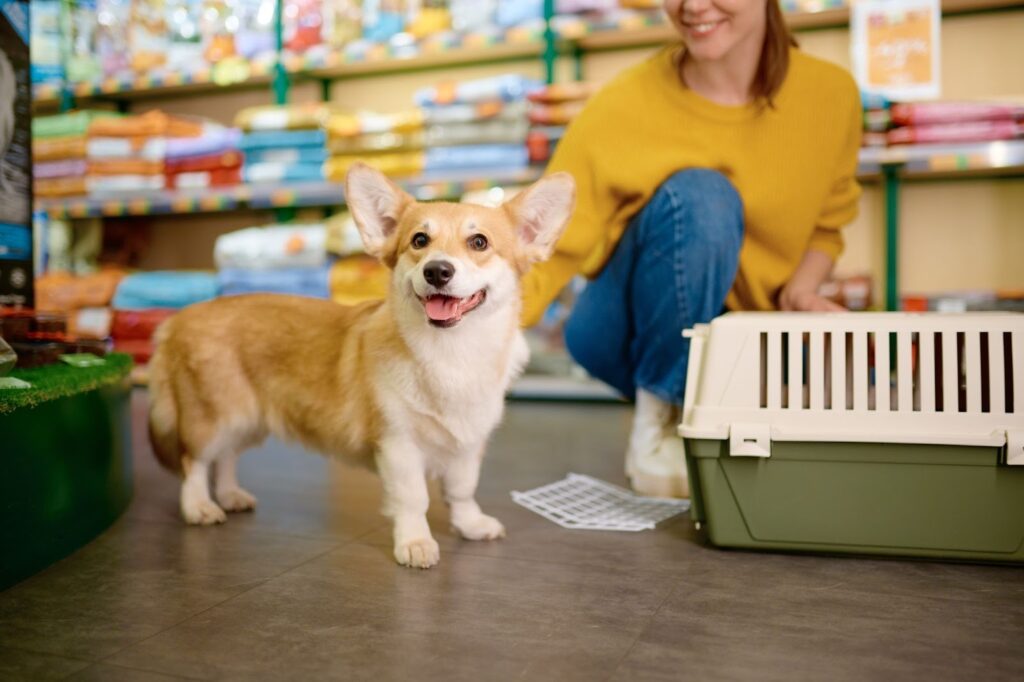
Buying a puppy from a breeder typically offers more predictability. Ethical breeders focus on one or a small number of breeds and provide clear information about lineage, health testing, and early care. Families usually know the puppy’s exact age, expected size, and general temperament traits before committing.
The upfront cost of buying a puppy is usually higher. This reflects the breeder’s investment in health screening, proper care of the parents, and early socialisation of the litter. Ongoing costs such as vaccinations, training, food, and veterinary care still apply, so families should plan beyond the purchase price.
When done responsibly, buying from a breeder can suit families who value structure and clear expectations. Problems tend to arise when buyers rush the process or skip basic checks. Taking time to ask the right breeder questions and review documentation helps ensure the experience is positive for both the family and the puppy.
Key Factors to Consider for Your Family
When comparing puppy adoption vs buying, these practical factors usually shape the right decision more than anything else. Reviewing them honestly helps families avoid mismatches later.
- Family lifestyle and time availability: Puppies need structure, supervision, and consistent training. Work hours, travel, and daily routines affect how much time you can realistically commit, especially during the first few months.
- Living environment and space: Home size, fencing, noise tolerance, and rental rules all matter. Buying often offers clearer expectations around size and energy levels, while adoption may require flexibility as traits develop.
- Children and household dynamics: The age of children, activity levels, and supervision expectations should guide your choice. Some families prefer known temperament traits, while others are comfortable adapting with guidance and patience.
- Training experience and confidence: First-time owners may value predictability and breeder support. More experienced families may feel confident managing unknowns that can come with adoption.
- Budget and long-term costs: Upfront fees differ, but ongoing expenses such as food, vet care, training, and insurance costs apply either way. Looking beyond the initial payment helps avoid surprises.
- Expectations around breed and temperament: Allergies, size, coat type, and energy levels can influence suitability. Buying may provide more certainty, while adoption often requires openness to variation.
- Comfort with uncertainty and flexibility: Adoption can involve unknown background factors. Buying usually offers clearer early information. The best choice depends on how adaptable your family is willing to be over time.
Adoption vs Buying for First-Time Dog Owners

For first-time dog owners, the decision between puppy adoption vs buying often centres on predictability and support. Buying from a responsible breeder can offer clearer expectations around growth, temperament, and care needs, which some new owners find easier to manage.
Adoption can still be a good option, but it may require more flexibility and confidence. Limited background information or mixed breed traits can introduce unknowns. First-time owners should consider how much guidance they need, how long puppy training can take, and whether they are comfortable adapting as they learn.
Common Myths About Puppy Adoption vs Buying
There are many assumptions around puppy adoption vs buying that can make the decision feel more complicated than it needs to be. Clearing up these myths helps families focus on what actually matters.
- Adopted puppies always have behavioural problems: This is a common misconception. Many adopted puppies settle well with routine, training, and consistency. Behaviour is shaped more by early handling and the home environment than by whether a puppy was adopted or bought.
- Buying a puppy always supports unethical breeding: Unethical practices exist, but responsible, registered breeders follow welfare and health standards. Problems arise when buyers skip checks or support unverified sellers, not from ethical breeding itself.
- Rescue puppies are always cheaper overall: Adoption fees are often lower upfront, but training, vet care, and ongoing costs can balance out over time. Long-term expenses are similar regardless of how a puppy is sourced.
- Adopted puppies are harder to train than bought puppies: Training difficulty varies by individual puppy, not by origin. Consistency, patience, and guidance play a bigger role than whether the puppy came from a rescue or breeder.
- You must choose between doing the right thing and choosing what suits your family: Responsible adoption and ethical buying can both be valid choices. The right decision is the one that meets your family’s needs while prioritising the puppy’s welfare.
How to Make a Responsible Choice Either Way
Whether you choose adoption or buying, responsibility comes down to the same core principles. Take time to ask questions, request documentation, and understand the commitment involved in buying or adopting a puppy before bringing one home. Rushed decisions often lead to problems later.
Avoid pressure, unclear answers, or missing paperwork. Walk away if something does not feel right. Responsible choices prioritise the puppy’s welfare, your family’s readiness, and transparency throughout the process. When these factors align, both adoption and buying can lead to a positive, long-term outcome for everyone involved.
Choosing the Right Path for Your Family
Deciding between puppy adoption vs buying is about finding the option that fits your family, not following a single right answer.
Both paths can lead to a healthy, happy puppy when choices are made thoughtfully and without pressure.
If you decide to buy, taking time to compare breeders, ask questions, and review listings carefully matters.
Pups4Sale allows families to explore available puppies, assess breeder transparency, and move forward with confidence when the right fit appears.
Frequently Asked Questions
1. Is puppy adoption better than buying?
Neither option is universally better. Puppy adoption vs buying depends on your family’s lifestyle, expectations, and experience. Adoption can suit flexible households, while buying may suit families wanting clearer predictability around breed, size, and temperament.
2. Are adopted puppies harder to train?
Not necessarily. Training success depends more on consistency, patience, and environment than on the puppy’s background. Some adopted puppies adjust quickly, while others may need extra time, just like puppies bought from breeders.
3. Is it more expensive to buy a puppy than adopt?
Buying a puppy usually involves higher upfront costs. Adoption fees are often lower, but long-term expenses such as food, vet care, training, and insurance are similar in both cases.
4. Can families with children adopt puppies safely?
Yes, many families with children successfully adopt puppies. The key is understanding the puppy’s temperament, supervising interactions, and committing time to training and routine.
5. How do I avoid scams when buying a puppy?
Ask detailed questions, request documentation, avoid pressure to pay quickly, and use transparent platforms that help you spot a puppy scam before committing.
 Add us as a preferred source