Can You Return a Puppy to a Breeder? Aussies Legal Rights
Puppy Buying & Adoption By James C. • February 20, 2026
Realising you may need to return a puppy can be stressful, emotional, and confusing.
Many Australian buyers are unsure where they stand legally, especially when contracts, deposits, and breeder policies are involved. This is why questions around returning a puppy often surface after something has gone wrong.
This guide explains whether you can return a puppy to a breeder in Australia, what the law actually allows, and how contracts and circumstances affect your rights. The aim is to give clear, practical guidance so you understand your options before making any decisions.
The Short Answer Aussies Are Looking For
In Australia, you can return a puppy to a breeder in certain situations, but it is not automatic. Your rights depend on Australian Consumer Law, whether the breeder is operating as a business, the terms of any written agreement, and whether there is a serious health issue or misrepresentation. A simple change of mind usually does not give you the right to return a puppy.
Are Puppies Covered Under Australian Consumer Law?
In Australia, puppies can be covered under Australian Consumer Law when they are purchased from a breeder operating as a business. In this context, a puppy is treated as a product, which means buyers may be entitled to certain consumer protections if something goes wrong. These protections apply automatically and do not need to be written into a contract.
Australian Consumer Law is most relevant when the breeder sells puppies regularly or advertises as a business. In these cases, buyers may have rights if the puppy is not as described, has a serious undisclosed health issue, or was misrepresented at the time of sale.
Consumer law may not apply in the same way to private rehoming or one-off sales by individuals who are not running a business. This distinction is important, as return and refund options can be far more limited in private transactions.
Return vs Refund: What’s the Difference Under Australian Law?
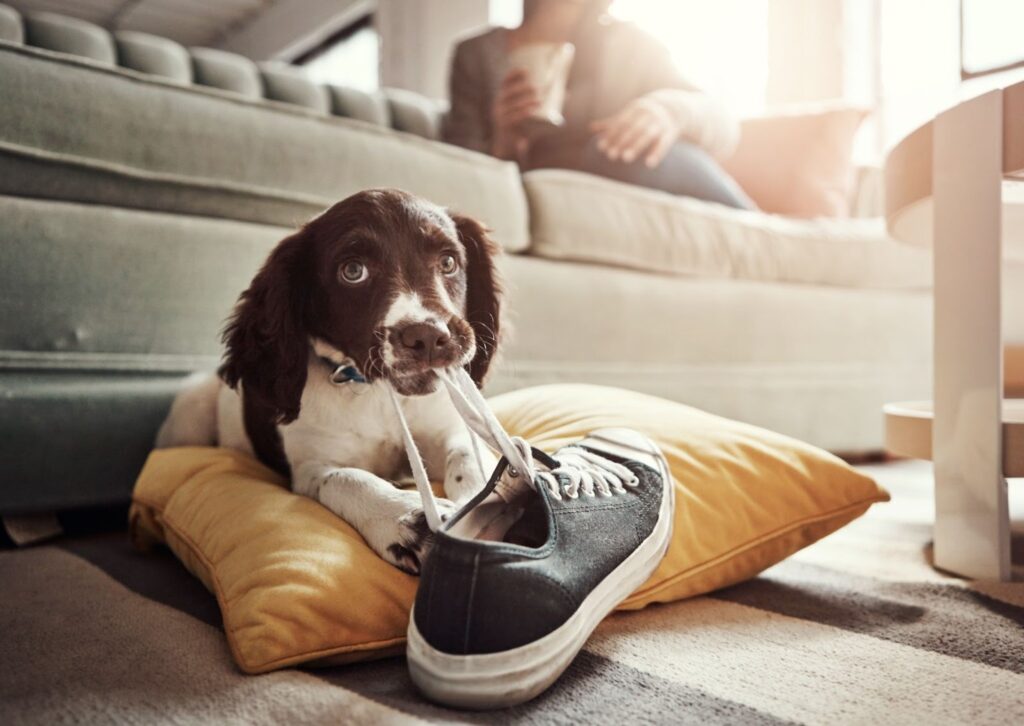
Returning a puppy and receiving a refund are not the same thing under Australian Consumer Law. In some situations, a breeder may accept the return of a puppy without being required to provide a refund. In others, a refund, replacement, or partial remedy may apply.
A key distinction is whether the issue is considered a major failure. A major failure can include a serious undisclosed health condition, incorrect breed or age information, such as a pedigree claim on what turns out to be a puppy without papers, or misrepresentation that would have stopped you from buying the puppy in the first place. In these cases, you may be entitled to return the puppy and seek a refund or replacement.
For minor issues, such as manageable health concerns or early adjustment problems, the breeder may have the right to attempt a remedy rather than offer a refund. Understanding this difference helps set realistic expectations before pursuing a return.
When You May Have the Right to Return a Puppy
There are specific situations where returning a puppy to a breeder may be legally supported in Australia. These cases usually involve issues that existed at the time of sale and were not disclosed or were misrepresented.
A common example is a serious health condition identified shortly after purchase, particularly if a veterinarian confirms that the issue was pre-existing. This can include congenital defects or illnesses that significantly affect the puppy’s quality of life and were not made known to you before buying.
You may also have grounds to return a puppy if key details were misrepresented. This can include incorrect information about the puppy’s age, breed, or health status, especially if those details influenced your decision to purchase. Clear evidence and documentation are important in these situations, as they help establish whether a return is justified.
When You Are Unlikely to Have the Right to Return a Puppy
In many cases, Australian law does not support returning a puppy simply because the situation feels difficult after purchase. A change of mind is one of the most common reasons buyers seek a return, but it usually does not create a legal right to do so. Feeling unprepared, overwhelmed, or uncertain after bringing a puppy home is not considered a fault with the puppy itself.
Training challenges and normal adjustment issues also fall into this category. Puppies often take time to settle, learn routines, and respond to training. Behaviour that improves with time, guidance, or professional support is unlikely to justify a return under Australian Consumer Law.
Time is another important factor. The longer a puppy has been in your care, the harder it becomes to argue that an issue existed at the time of sale. Without clear evidence of a serious, pre-existing problem or misrepresentation, breeders are generally not required to accept a return.
The Role of the Breeder’s Contract or Agreement
A breeder’s contract plays an important role in how returns are handled, but it does not replace your legal rights. Most written agreements outline conditions around health guarantees, return timeframes, and whether a refund, replacement, or no remedy applies, and a clause offering no remedy at all is one of the clearest puppy contract red flags. Reading these terms carefully before buying is critical, as they often set expectations on both sides.
While contracts matter, they cannot override Australian Consumer Law. If the law applies and a major failure is proven, a breeder cannot rely on contract terms to deny basic consumer rights. At the same time, contracts often determine what happens in situations that fall outside consumer law, such as returns based on personal circumstances.
Written agreements also reduce disputes. They provide clarity, evidence, and a reference point if problems arise later. Verbal promises or informal arrangements offer little protection and can make resolution far more difficult if expectations differ.
Common Reasons Puppies Are Returned to Breeders
Puppies may be returned for a variety of reasons, but not all of them carry the same legal weight. These are the most common situations breeders and buyers encounter.
- Serious health concerns identified early:
Conditions confirmed by a veterinarian soon after purchase, especially congenital or pre-existing illnesses, are one of the strongest grounds for a return. Documentation is usually essential. - Behavioural challenges:
Issues such as anxiety, biting, or difficulty settling are common puppy behaviour problems in young puppies. In most cases, these relate to training, routine, or adjustment rather than a fault present at sale. - Misrepresentation at the time of sale:
Incorrect information about breed, age, health status, or background can lead buyers to seek a return, particularly if those details influenced the decision to buy. - Allergies within the household:
Unexpected allergic reactions can prompt return requests. While understandable, this does not automatically create a legal right unless specific claims were made by the breeder. - Changes in family or housing circumstances:
Work changes, rental restrictions, financial pressure, or family emergencies are common reasons puppies are returned, but these are usually considered personal circumstances rather than legal faults.
Understanding the reason behind a return helps clarify whether the situation is likely to be supported under Australian Consumer Law or handled through breeder discretion.
What Happens to the Puppy After a Return?

What happens next depends largely on the breeder and the circumstances of the return. Ethical breeders prioritise the puppy’s welfare above all else and usually have clear processes in place if a puppy is returned to them. This may include immediate veterinary checks, reassessment of the puppy’s needs, and temporary care within the breeder’s home or network.
In many cases, returned puppies are either kept by the breeder or carefully rehomed once it is safe and appropriate to do so. Responsible breeders aim to place puppies in environments that better match their needs rather than rushing the process. This approach helps reduce stress on the puppy and supports long-term wellbeing.
Returning a puppy to a breeder who is prepared and experienced is generally considered a safer option than rehoming privately without guidance. Clear communication and early action help ensure the best outcome for the puppy involved.
Steps to Take If You Need to Return a Puppy
If you believe returning a puppy is the right step, acting early and methodically can make the process clearer and less stressful for everyone involved.
- Review your paperwork and agreement:
Start by checking any contract, receipt, or written terms provided by the breeder. Look for clauses covering health guarantees, return periods, and refund or replacement options. - Contact the breeder as soon as possible:
Explain the situation calmly and clearly. Early communication matters, especially if health concerns are involved, as delays can weaken your position. - Obtain veterinary documentation if relevant:
If the issue relates to health, a written report from a registered veterinarian is important, and records from regular vet visits since purchase add weight to it. This helps confirm whether a condition existed at the time of sale. - Keep all communication in writing:
Emails or messages provide a clear record of what was discussed and agreed. This can be important if a dispute arises later. - Do not rehome the puppy without checking terms:
Some agreements restrict rehoming without breeder consent. Returning the puppy to the breeder first is often the safest and most appropriate option.
Following these steps helps protect your rights while keeping the puppy’s welfare front and centre.
How Marketplaces Help Reduce Return Disputes Before They Happen

Many return disputes can be avoided by making better decisions before a puppy is purchased. Structured marketplaces play a preventative role by encouraging transparency, consistency, and informed choices at the early stages of the process.
When buyers can review detailed listings, see breeder information, and keep communication in one place, it becomes easier to assess legitimacy and ask the right breeder questions upfront. Clear expectations around health, age, and terms reduce misunderstandings that often lead to return requests later.
Marketplaces like Pups4Sale are designed to support this kind of transparency by bringing buyers and breeders together in a more visible and accountable environment. While no platform can remove every risk, better information before purchase helps reduce the likelihood of disputes after a puppy goes home.
Understanding Your Rights Before and After Buying a Puppy
Knowing where you stand legally makes difficult situations easier to handle.
In Australia, the ability to return a puppy depends on the law, the breeder’s role as a business, and the terms agreed to at the time of sale. Clear documentation, early communication, and realistic expectations all play an important part.
Before buying, taking time to compare breeders, review listings carefully, ask detailed questions, and think through puppy adoption vs buying can prevent many issues from arising. Those same checks are the foundation of buying or adopting a puppy responsibly.
Pups4Sale helps buyers make informed decisions and reduces the risk of disputes later, protecting both families and puppies in the long run.
Frequently Asked Questions
1. Can you return a puppy if it is sick?
Yes, you may be able to return a puppy if a serious health condition is identified soon after purchase and a veterinarian confirms it was pre-existing. In these cases, Australian Consumer Law may apply, particularly if the breeder operates as a business.
2. Can a breeder legally refuse a refund?
A breeder can refuse a refund in some situations, especially if the issue is not considered a major failure. However, contracts cannot override Australian Consumer Law when it applies, and serious misrepresentation or health issues may still entitle you to a remedy.
3. How long do you have to return a puppy in Australia?
There is no fixed return period under Australian law. Timeframes depend on how quickly an issue is identified and reported. Acting promptly is important, as delays can weaken claims that a problem existed at the time of sale.
4. What if the breeder will not respond?
If a breeder stops responding, keep records of all communication attempts. You may need to seek advice from consumer affairs or a relevant authority, particularly if the breeder operates as a business and consumer law applies.
5. Is rehoming allowed instead of returning a puppy?
Rehoming may be restricted by breeder agreements. Some contracts require puppies to be returned to the breeder first. Always check written terms before rehoming to avoid breaching an agreement or causing further complications.
 Add us as a preferred source